새 탭에서 열립니다
혁신적인 공기질 솔루션

Portable vs. Wall-Mounted Air Purifiers: Which Sells Better in Your Market? (2026 Analysis)

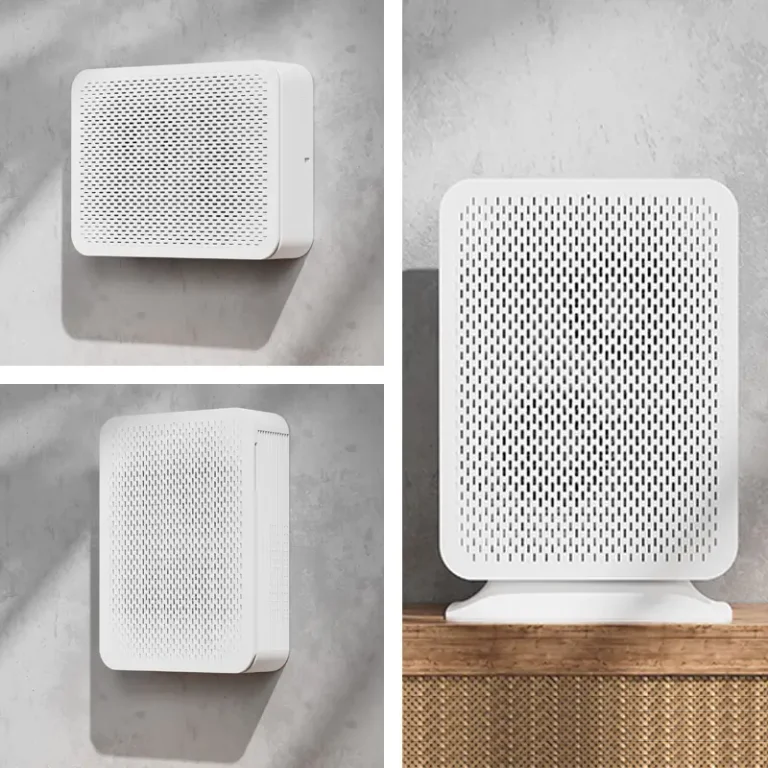
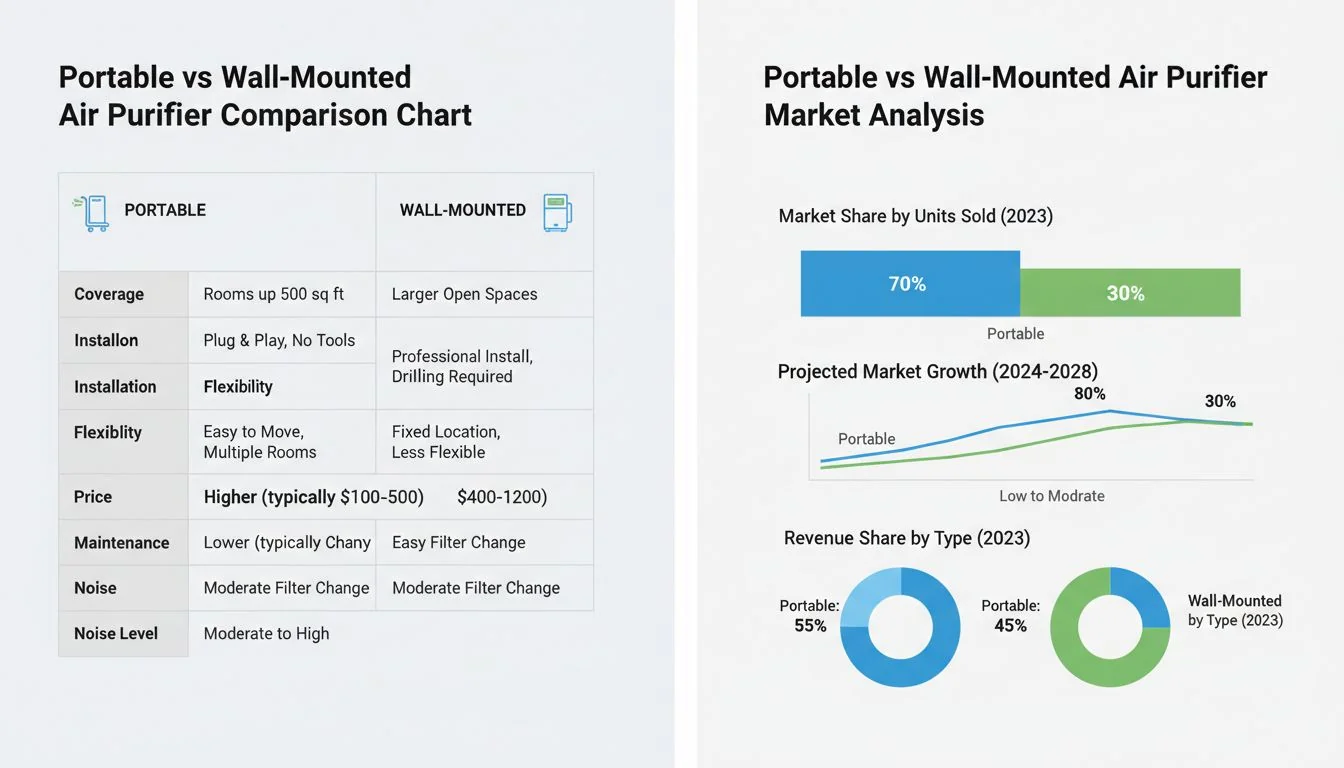
Portable vs Wall-Mounted Air Purifier Comparison Chart

You might be struggling to decide which air purifier model to prioritize for your next product line. Making the wrong choice between portable and wall-mounted units can leave you with stagnant inventory and low profits.

Portable units are the volume leaders, acting as steady "Cash Cows1" for your business, while wall-mounted units are the high-margin "Stars" that unlock specific niches like nurseries and commercial contracts. To maximize profitability in 2025, a successful inventory strategy requires a hybrid approach that leverages the strengths of both designs.
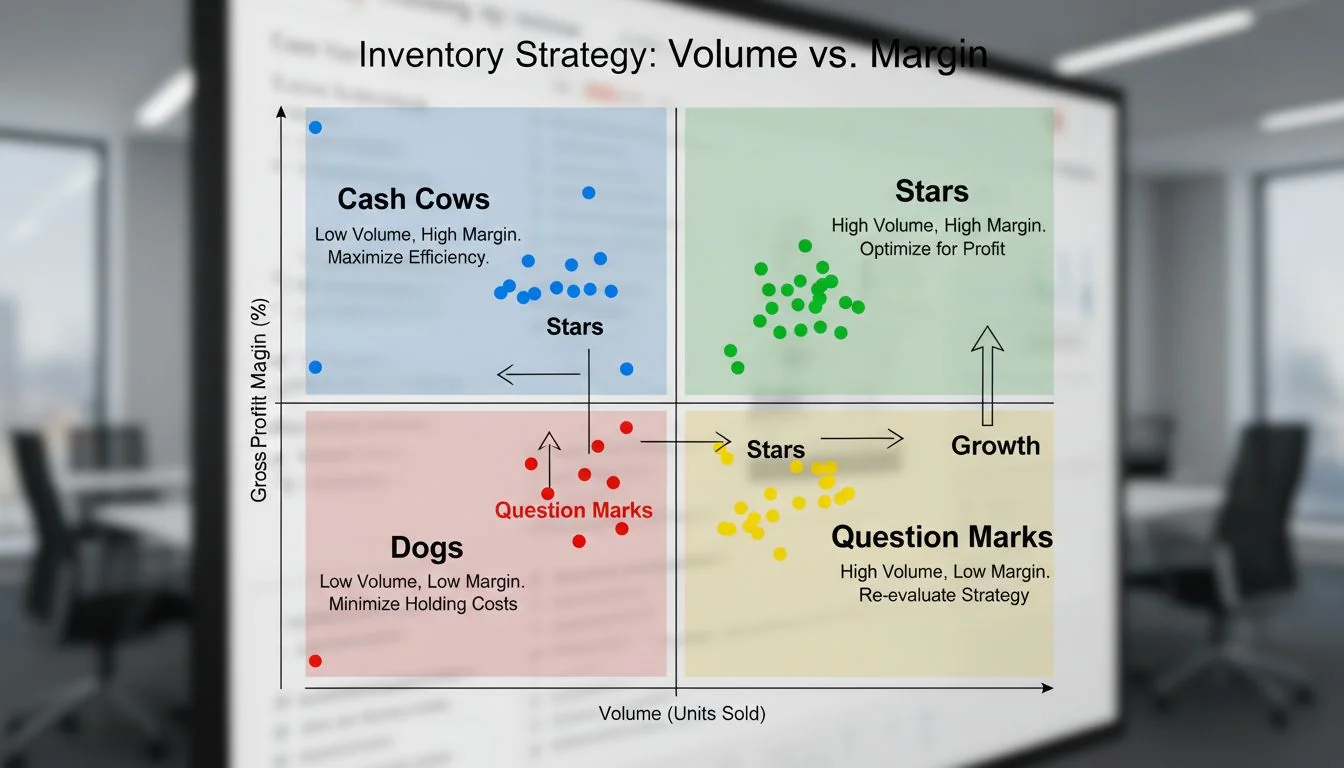
Inventory Strategy Graph showing Volume vs Margin

Many designers and business owners think they must choose just one path. They focus entirely on the popular floor models or try to be too unique with wall units. However, after years in the mold and trading industry, I have seen that the real magic happens when you understand the financial role of each product. Let's break down why you need to rethink your product mix.

Portable air purifiers account for over 70% of total market volume due to ease of use.True

Market data consistently shows portable units dominate residential sales because they require no installation.

Wall-mounted units are only useful for hospitals and have no residential appeal.False

Wall-mounted units are increasingly popular in residential nurseries and compact apartments due to safety and space-saving benefits.

Introduction: The Inventory Dilemma?

Deciding on your mold investment and inventory mix is the hardest part of product planning. If you get the balance wrong, you tie up capital in products that move too slowly.

The dilemma is choosing between high sales volume with lower margins or lower sales volume with much higher profit margins. Most businesses fail to optimize this mix, leaving significant revenue on the table by ignoring the unique benefits of a diversified product portfolio2.
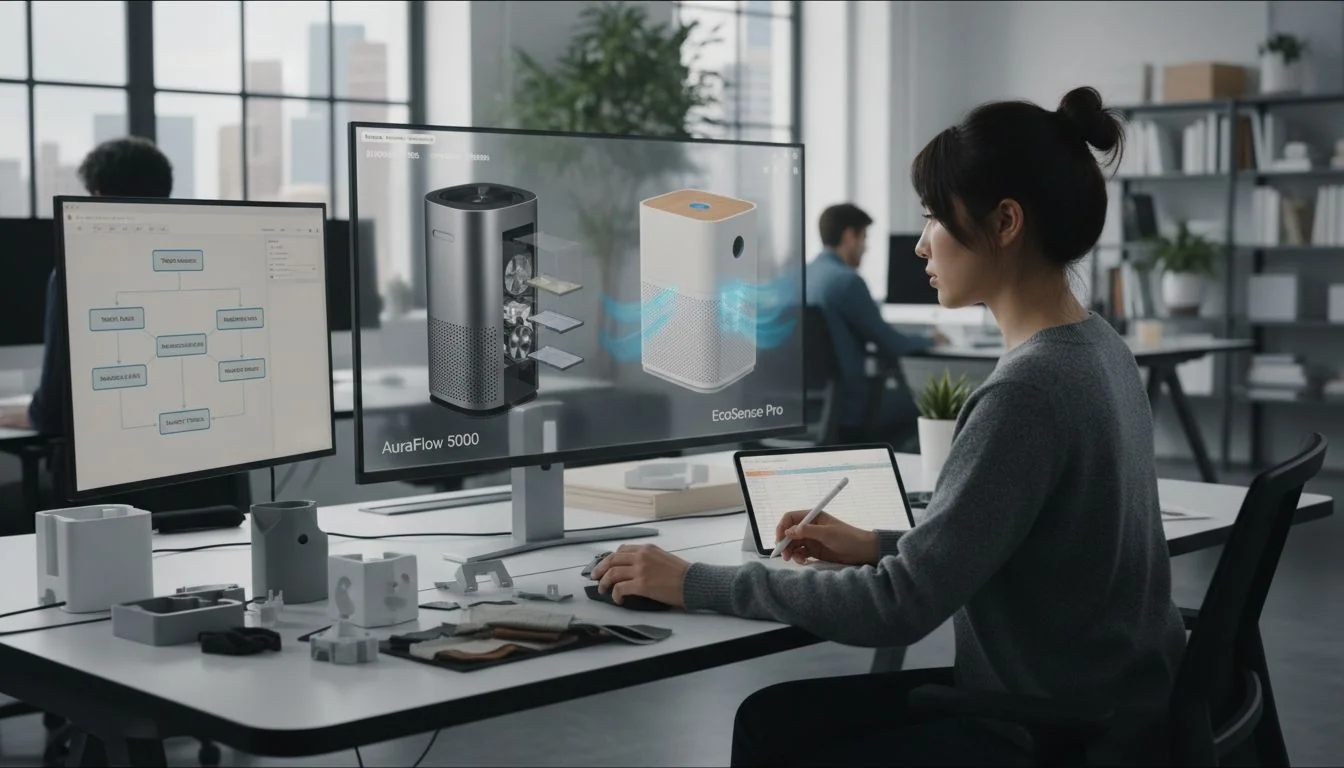
Product Designer looking at CAD models of two different purifiers

In my early days working at the mold factory, I saw many clients make a common mistake. They would pour all their budget into one "perfect" design. Usually, this was a standard portable unit. They played it safe. While they sold units, their growth was flat because the competition for standard floor units is fierce.

On the other hand, I saw clients who tried to be too clever. They designed complex wall-mounted systems that were hard to install. They struggled to move volume. The "Inventory Dilemma" is not just about storage space; it is about cash flow management. You need products that turn over cash quickly to pay the bills. But you also need products that build real wealth through higher margins.

From a design perspective, this choice impacts everything. A portable unit needs a robust base and impact-resistant casing for moving around. A wall unit needs a lightweight design and a secure mounting plate. As a designer, you must understand the business case behind these engineering choices. You are not just designing a plastic shell; you are designing a revenue stream.

Diversifying product types reduces overall business risk.True

Having both high-volume and high-margin products protects cash flow if one market segment slows down.

Mold costs are identical for portable and wall-mounted units.False

Wall-mounted units often require more complex tooling for mounting mechanisms and lighter, thinner wall sections.

The Case for Portable (Floor) Units: The "Volume" King?

Portable floor units are the default choice for most consumers entering the market. If you ignore this segment, you miss out on the vast majority of first-time buyers.

Portable units are your "Cash Cows" because they offer steady, predictable sales volume with a low barrier to entry for customers. They are essential for maintaining healthy cash flow and keeping your factory or production lines moving constantly.
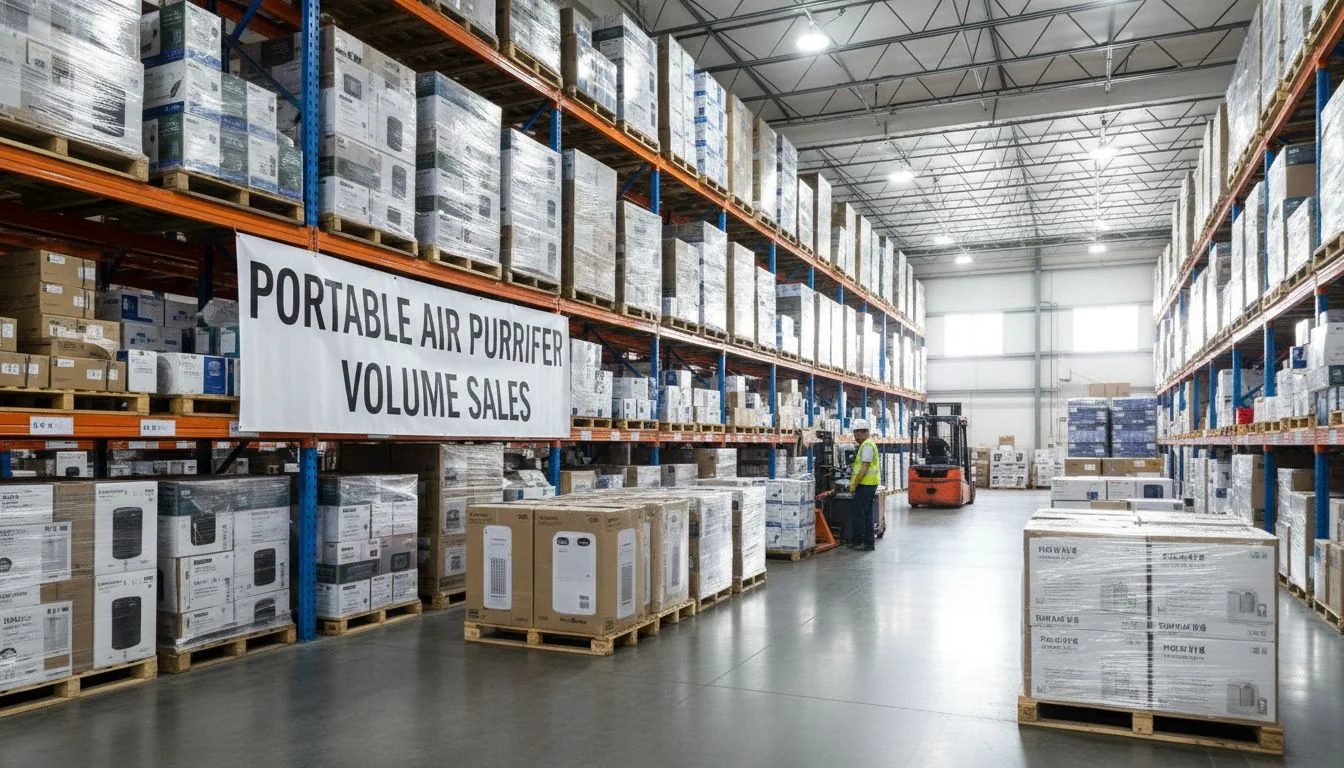
Large volume of portable air purifiers in a warehouse

When we talk about the "Volume vs. Margin" trade-off, portable units sit firmly on the volume side. In the B2B world, we call these "Cash Cows." These are the products that keep the lights on. They are easy to sell because customers understand them immediately. There is no installation required. The customer buys it, plugs it in, and it works.

From a manufacturing and mold design standpoint, these units are often more forgiving. You have more freedom with weight. You can use standard, cost-effective plastics because the unit sits on the floor. The internal components can be arranged vertically without worrying about the unit pulling away from a wall.

However, because they are easy to make and sell, the competition is high. This drives the price down. You will not make a huge profit on a single unit. Instead, you make your money on the sheer number of units you sell. For a designer like Jacky, this means the focus is on "design for manufacturing3" (DFM) to shave pennies off the production cost. Every gram of plastic saved on a high-volume product adds up to massive savings over a year. You need these units in your catalog to ensure you have the cash flow to fund more ambitious projects.

Comparison of Unit Types

기능 Portable (Floor) Units 벽걸이형 장치
Financial Role Cash Cow (Volume) Star (Margin/Growth)
Competition 매우 높음 Low / Niche
설치 Plug & Play Requires Mounting
Primary Customer General Residential Parents, Schools, Hotels

Portable units usually have higher profit margins than wall units.False

Due to high competition and commoditization, portable units typically have thinner margins compared to specialized wall units.

Portable units are easier to ship logistically.True

They are often stackable and don't require specialized mounting hardware packages, simplifying packaging.

The Case for Wall-Mounted Units: The "Margin" & "Niche" Leader?

While floor units bring in the volume, wall-mounted units bring in the profit. If you want to grow your bottom line, you cannot rely on volume alone.

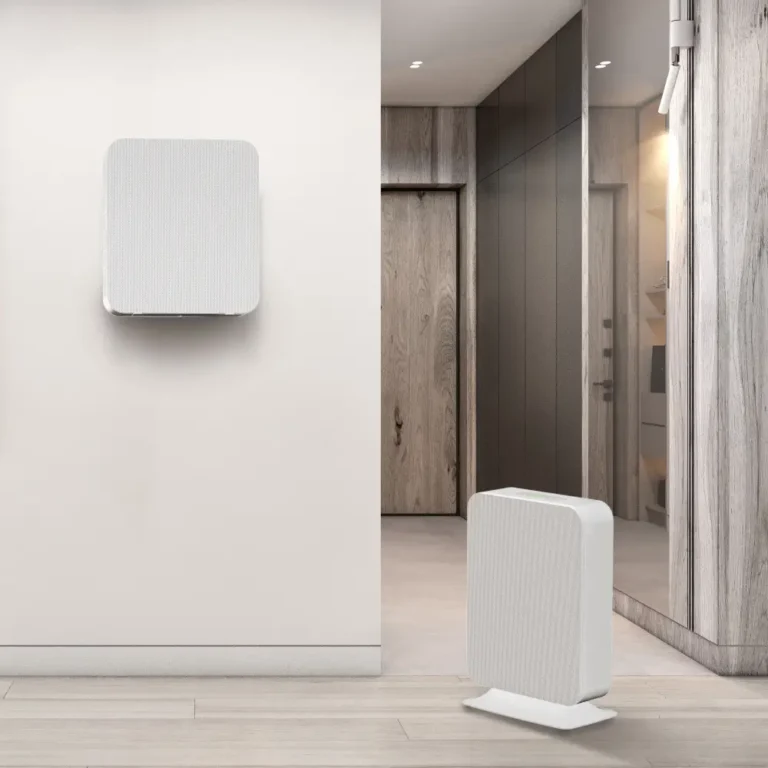
Wall-mounted units are "Stars" that command higher prices and dominate specific high-value niches like nurseries and commercial spaces. They solve specific pain points that floor units cannot, allowing you to charge a premium for the specialized design.
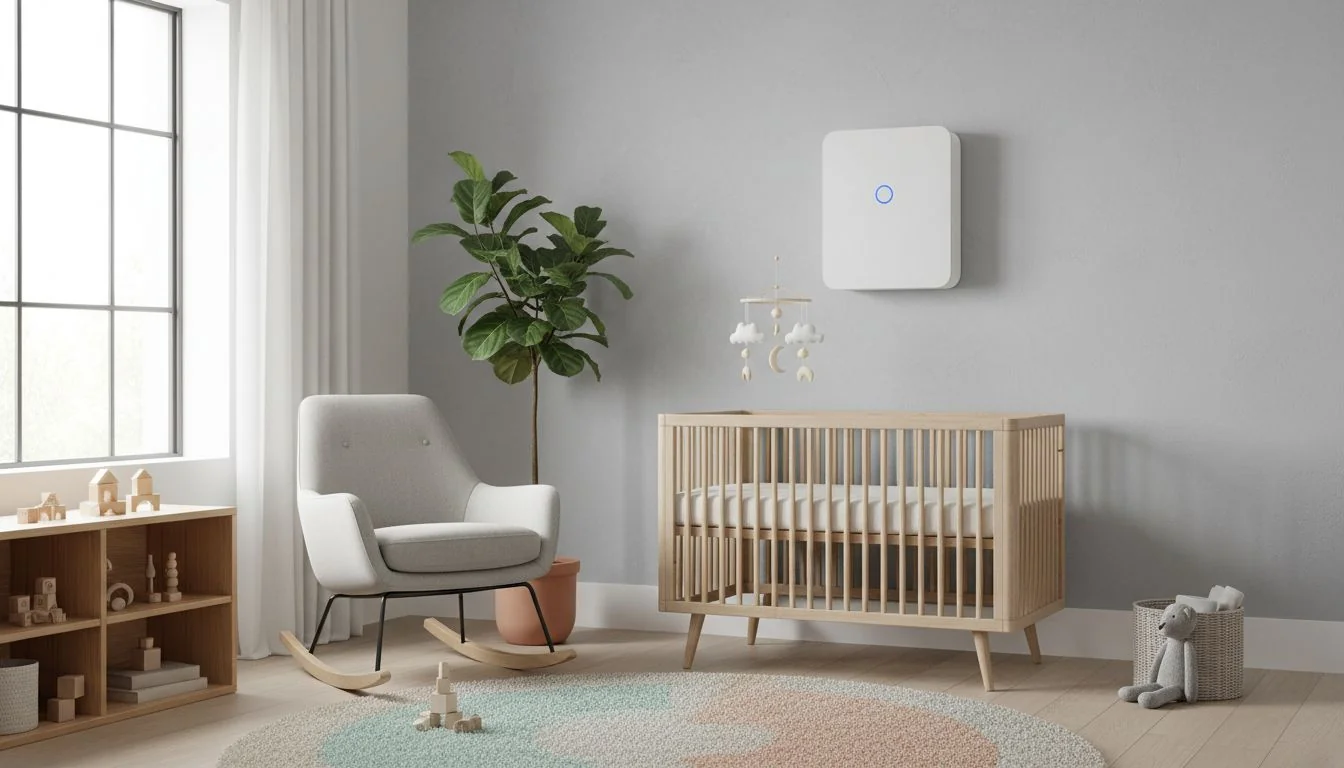
Wall mounted air purifier in a modern nursery

This is where the "Nursery" niche becomes a goldmine. I always advise my clients to look at the "New Parent" demographic. Parents are terrified of safety hazards. A heavy portable air purifier on the floor is a tipping risk for a toddler. It is also a tripping hazard. A wall-mounted unit removes this danger completely. It is out of reach and securely fastened. Because it solves a deep emotional fear (safety), parents are willing to pay a much higher price.

Furthermore, commercial contracts rely heavily on wall-mounts. If your distributor wants to sell to schools, hotels, or hospitals, they cannot win with floor units. A hotel does not want a portable unit that a guest can steal or trip over. A school needs clear walkways. By offering a wall-mounted option, you open up these massive B2B contract opportunities.

For a mold designer, this presents a fun challenge. You need to design for safety and aesthetics. The unit must look slim on the wall, not bulky. You have to calculate mold shrinkage carefully to ensure the mounting brackets fit perfectly every time. The plastic parts need to be lightweight yet rigid. This higher level of design difficulty is exactly why you can charge more. It is a specialized product for a specialized need.

Wall-mounted units are safer for toddlers.True

They eliminate tipping hazards and keep electrical cords out of reach of small children.

Hotels prefer portable units for flexibility.False

Hotels prefer wall-mounted units to prevent theft, damage, and liability issues related to tripping.

The "Hybrid" Strategy: Why You Need Both?

The smartest businesses do not choose one or the other; they choose both. A complete product line captures the customer at different stages of their journey.

The "Hybrid" strategy positions you as a full-spectrum partner, allowing you to utilize the "Second Unit" upsell to increase Customer Lifetime Value (LTV). By offering both options, you can fill shipping containers more efficiently and satisfy diverse buyer needs.
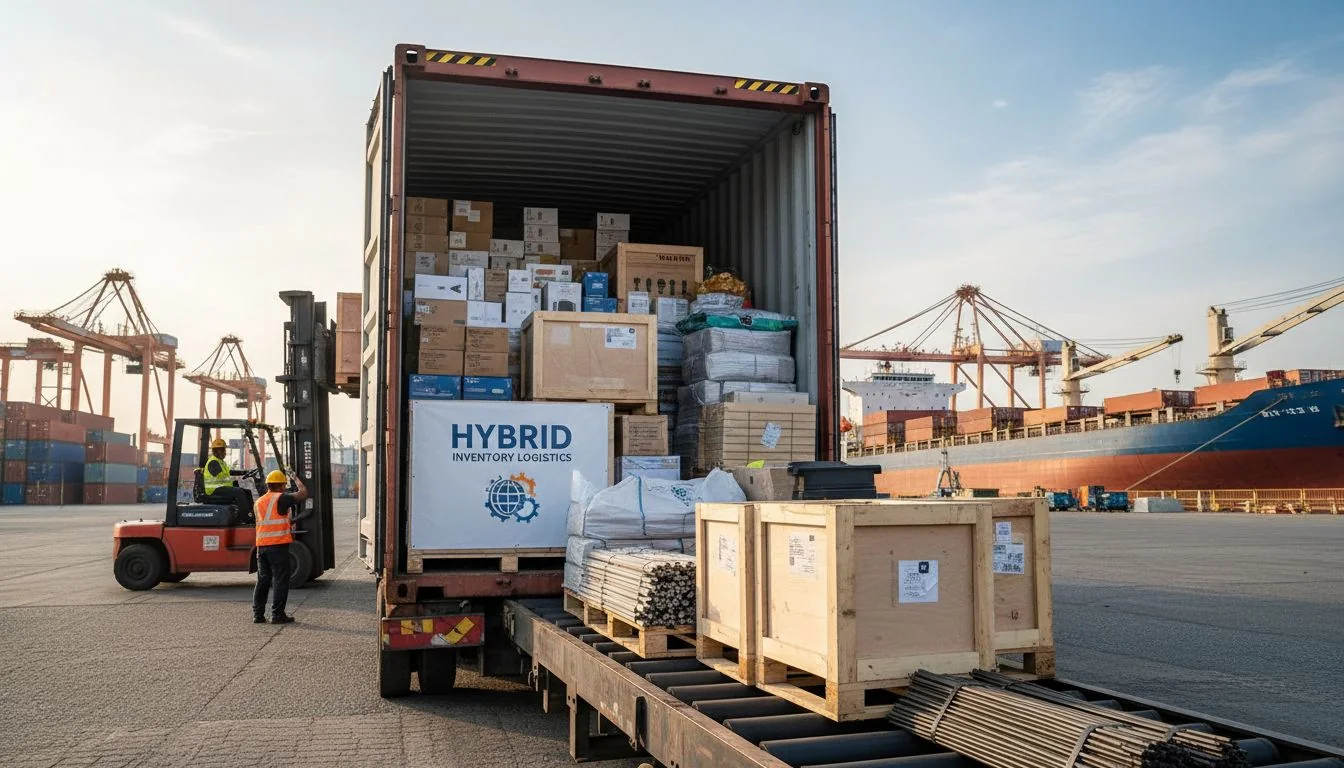
Shipping container being loaded with mixed goods

Here is a strategy that increases Customer Lifetime Value (LTV): The "Second Unit" upsell. Imagine a customer buys a large floor unit for their living room. They love it. Six months later, they want clean air in their bedroom, but they have no floor space. That is when you pitch the wall unit. If you only sold floor units, you would lose that second sale. By having both, you keep the customer.

This also applies to sourcing and logistics. Many factories specialize in only one type. This is a headache for buyers. You should position yourself—or your manufacturing partner, like Hisoair—as a "One-Stop Shop." Hisoair is a great example of a "Full-Spectrum Partner." They can fill a container with a mix of floor and wall units.

This simplifies logistics for the buyer. Instead of managing two suppliers and two shipments, they get everything from one source. As a designer or a trader, if you can offer this mix, you become irreplaceable. You are not just selling a product; you are solving a supply chain problem4. You provide the volume product to pay the bills and the margin product to grow the profit, all in one shipment.

Upselling a second unit increases Customer Lifetime Value.True

Selling an additional product to an existing customer lowers acquisition costs and increases total revenue per user.

Sourcing from multiple factories simplifies logistics.False

Consolidating orders with a 'One-Stop Shop' partner like Hisoair streamlines shipping and reduces administrative overhead.

결론

To succeed in 2025, do not choose between volume and margin; choose both. Use portable units for cash flow and wall-mounted units for high-profit niches like nurseries and commercial contracts.


References


  1. Understanding Cash Cows can help you identify steady revenue streams in your product line. ↩

  2. A diversified portfolio reduces risk and enhances revenue potential. ↩

  3. DFM principles can significantly lower production costs and improve efficiency. ↩

  4. Identifying supply chain problems can help streamline operations and reduce costs. ↩

공유:
히로에어 설립자 미스터 리
Alwen Lee, an air purification expert with over 10 years of experience, is a devoted father of two and a passionate traveler, having explored more than 30 countries. With a love for public speaking and swimming, he has dedicated his life to the indoor air quality industry. His mission is to ensure that people around the world enjoy the freedom to breathe clean air and lead happy, healthy lives.

메시지 보내기

자세히 보기

Modern living room with a family enjoying a healthy indoor environment monitored by smart devices, natural lighting, and greenery.

After IFA 2026: The Healthy Home Is Moving Beyond Smart Devices

In our previous IFA 2026 column, Air Purification Is Becoming Part of the Healthy-Home Platform, we argued that the next generation of indoor-health products would ...
뉴스
Modern living room and kitchen with smart home air quality devices including an air purifier, humidifier, and water filtration system, connected with visualized blue connectivity lines.

IFA 2026: Air Purification Is Becoming Part of the Healthy-Home Platform

Pre-IFA Industry Perspective | September 4, 2026 This article is based on official announcements and regulatory information available ahead of IFA 2026, which takes place ...
뉴스
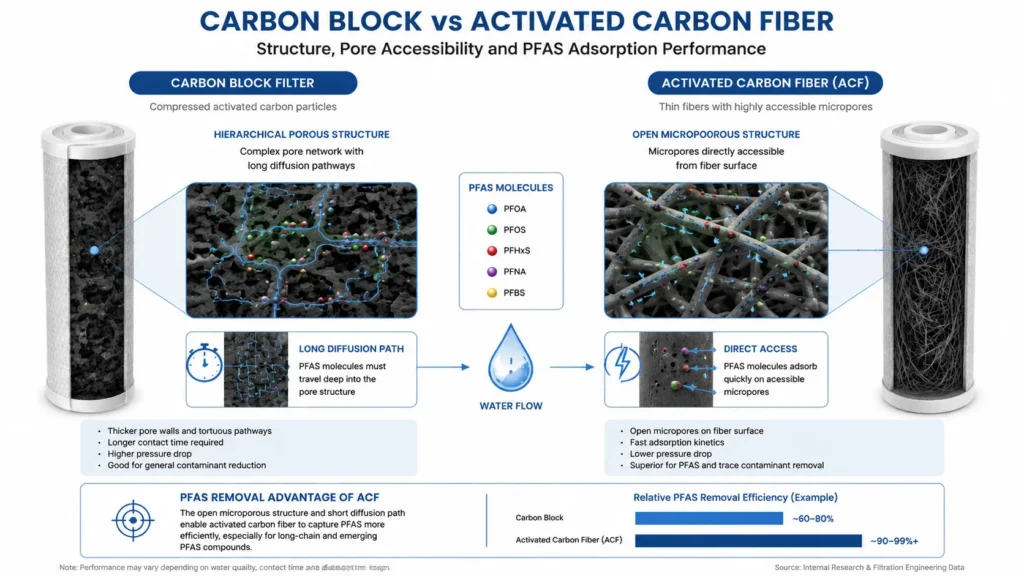
Comparison infographic showcasing the differences between carbon block filter and activated carbon fiber. Detailed diagrams illustrate the hierarchical porous structure of the carbon block with long diffusion paths and the open microporous structure of the activated carbon fiber with direct access for PFAS adsorption.

Carbon Block vs. Activated Carbon Fiber (ACF): Matching Media to Target Contaminants

Two carbon media. Same adsorption chemistry. Very different behaviour in a point-of-use cartridge. If you are specifying a water purifier platform for a PFAS-aware market, ...
뉴스
NSF base listing and ANF private-label certification pathway for OEM water filters

What Is an NSF Master Listing? A Guide to Base Listings, ANF Certification and OEM Water Filters

For a brand preparing to launch an OEM water purifier, one of the most common supplier claims is: “We already have an NSF master listing, ...
News, Water Purifiers
Healthy-home brand team reviewing PFAS water filter certification, test data and product engineering

Entering the Water Category Is Easy. Building a Credible PFAS Claim Is Much Harder

For air purification, appliance and healthy-home brands, entering the water category can look surprisingly easy. A company can select an existing undersink system, customize its ...
뉴스
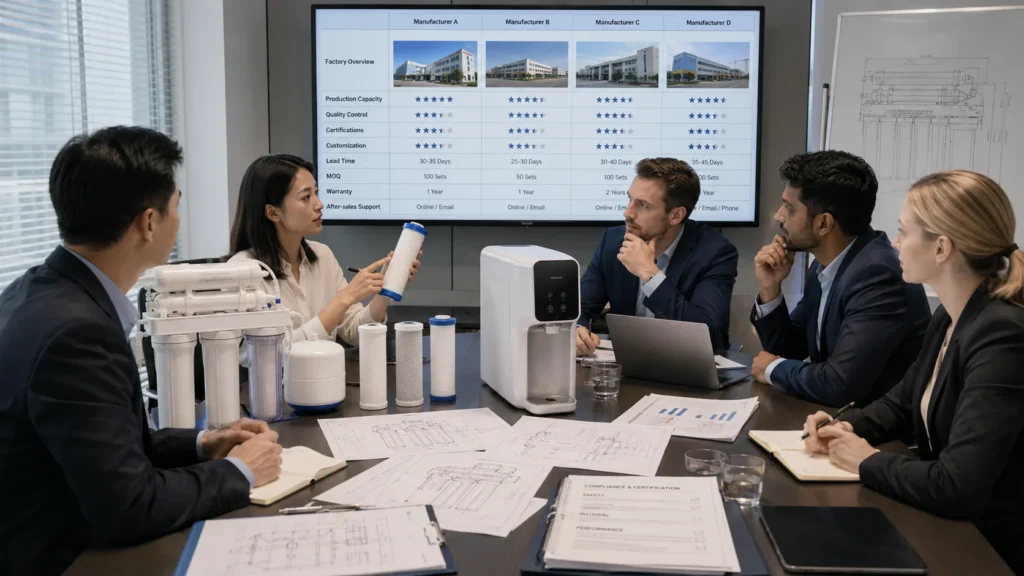
Team in a business meeting discussing a water filtration system with product components and a comparison table displayed on a screen.

5 Leading OEM Water Purifier Manufacturers in China for Private Label Brands

China has thousands of companies selling water filters, reverse osmosis systems and drinking-water appliances. However, only a portion of them are suitable for private-label, OEM ...
뉴스
Contaminant Engineering•3 min read

PFAS Water Filtration Technologies Explained: Carbon, Resin & RO

Key Takeaway:

PFAS reduction depends on the specific compounds present, treatment media, contact time, water chemistry, and system design. Activated carbon, ion exchange, and Reverse Osmosis address PFAS through different mechanisms.

PFAS are a large family of persistent fluorinated compounds that can occur in drinking-water supplies. Their treatment behavior varies significantly by molecular structure, chain length, functional group, concentration, and the chemistry of the source water.

Granular Activated Carbon (GAC) removes PFAS primarily through adsorption. It is generally more effective for many longer-chain PFAS, while shorter-chain compounds tend to break through more quickly. Carbon performance depends on media properties, Empty Bed Contact Time (EBCT), competing organic matter, loading, and replacement frequency.

Ion-exchange resins use charged functional sites to capture many PFAS compounds. Properly selected anion-exchange media can provide high capacity and may perform better than conventional activated carbon for some shorter-chain PFAS, although performance still depends on water chemistry and competing ions.

Reverse Osmosis (RO) uses membrane separation rather than adsorption. Properly designed RO systems can provide broad reduction across many PFAS compounds as well as dissolved salts and other contaminants. Unlike carbon or resin, however, RO also produces a concentrate stream that must be managed.

No single technology should be selected from a PFAS label alone. System design should consider which PFAS compounds are present, their concentrations, required reduction targets, flow rate, media life, and the applicable third-party certification or validation requirements.

HisoAir Water Technical Series
Product Discovery•3 min read

How to Choose an Under-Sink Water Purifier for Modern Kitchens

Key Takeaway:

Match the treatment technology to your water quality first, then evaluate cabinet space, faucet configuration, flow rate, drain and power requirements, and filter replacement needs.

Choosing an under-sink water purifier starts with water chemistry. Carbon filtration is well suited to chlorine, taste, odor, and many organic contaminants, while Reverse Osmosis is more appropriate when dissolved salts, fluoride, nitrates, or broader dissolved contaminants need to be reduced.

For compact kitchens, tankless RO systems eliminate the conventional storage tank and can significantly reduce the space required under the sink. However, membrane capacity stated in GPD does not directly equal faucet flow. When comparing systems, check the actual dispensing flow rate, inlet-pressure requirement, recovery ratio, and whether a booster pump is required.

Installation architecture also matters. Many RO systems require a drain connection, electrical power, and either a dedicated drinking-water faucet or a compatible multi-function faucet. High-flow carbon systems can often connect directly to the existing cold-water line with a simpler installation, but pressure drop and available faucet flow should still be verified.

RO also removes much of the naturally occurring dissolved mineral content. Where taste or mineral balance is a priority, a post-RO remineralization stage can be added. Filter life should be evaluated by both rated capacity and local water quality rather than replacement time alone.

The right system is therefore not simply the smallest or highest-GPD model. It is the configuration that matches the target contaminants, available cabinet space, desired faucet setup, peak dispensing demand, and maintenance expectations.

HisoAir Water Technical Series
Water Quality•2 min read

What Does TDS Mean in Drinking Water? Measurement vs Contaminant Reality

Key Takeaway:

A TDS meter estimates the overall concentration of dissolved ionic substances from electrical conductivity. It cannot identify specific contaminants or determine whether water is chemically safe.

Total Dissolved Solids (TDS) refers to the combined concentration of dissolved substances in water. Most handheld TDS meters do not measure TDS directly. Instead, they measure electrical conductivity (EC) and convert that reading into an estimated parts-per-million (ppm) value.

This means a TDS reading can indicate how much dissolved ionic material is present, but not what that material actually is. Calcium, magnesium, sodium, nitrates, and other dissolved ions can all contribute to conductivity, yet a simple TDS meter cannot distinguish between them.

TDS meters are also not suitable for detecting trace contaminants such as PFAS, many VOCs, pesticides, pharmaceuticals, or disinfection byproducts. These substances may be present at concentrations far below the level needed to noticeably change electrical conductivity.

A low TDS reading therefore does not guarantee safe drinking water, and a higher TDS reading does not automatically indicate contamination. Water-treatment decisions should be based on laboratory testing for specific contaminants of concern rather than TDS alone.

HisoAir Water Technical Series
Technology Selection•2 min read

RO vs UF Water Filtration: Understanding Pore Sizes & Dissolved Minerals

Key Takeaway:

Ultrafiltration can reduce bacteria, turbidity, and suspended particles while retaining most naturally occurring dissolved minerals. Reverse Osmosis provides much broader reduction of dissolved salts and smaller contaminants.

Ultrafiltration (UF) typically uses hollow-fiber membranes with pore sizes in the approximate 0.01–0.1 micron range. These membranes physically retain turbidity, suspended solids, colloids, and many microorganisms while allowing dissolved minerals and salts to remain in the water.

Reverse Osmosis (RO) operates at a much finer separation level. Unlike UF, RO can substantially reduce dissolved ions such as sodium, calcium, fluoride, nitrates, and other contributors to total dissolved solids (TDS). This makes RO more suitable when dissolved-salt reduction is a primary treatment objective.

UF generally requires less system pressure and produces little or no continuous concentrate stream in many point-of-use configurations. RO typically requires greater pressure and produces a reject-water stream, but delivers broader contaminant reduction.

For water with acceptable TDS and mineral content, UF can be a simpler mineral-retaining treatment option. Where dissolved salts, fluoride, nitrates, or broader dissolved contaminants are a concern, RO is generally the more appropriate technology.

HisoAir Water Technical Series
Technology Selection•4 min read

Carbon Block vs Reverse Osmosis: Which Fits Your Need?

Key Takeaway:

Choose RO for dissolved inorganic salts and heavy metals; choose Carbon Block for chemical taste/odor, no wastewater, and high line-pressure flow.

Reverse Osmosis (RO) and Carbon Block filtration represent two fundamentally different treatment methods: membrane separation and adsorption. Understanding these differences helps determine which technology is better suited to a specific water-quality requirement.

Reverse Osmosis uses a semi-permeable membrane with pore sizes of approximately 0.0001 microns. It can significantly reduce dissolved inorganic contaminants such as TDS, fluoride, nitrates, and certain heavy metals. Because water must be forced through the membrane, RO systems require sufficient pressure or a booster pump and generate a concentrated wastewater stream.

Carbon Block filtration relies primarily on adsorption through compressed activated carbon, commonly with nominal pore sizes around 0.5–5 microns. It is highly effective for chlorine, chloramines, VOCs, taste, and odor, while allowing substantially higher direct-flow rates without producing wastewater.

From an operating perspective, Carbon Block systems are generally simpler, require less energy, and avoid the water loss associated with RO. RO involves higher system complexity and operating cost, but provides substantially broader reduction of dissolved contaminants that Carbon Block alone cannot address.

HisoAir Water Technical Series

견적 요청하기