

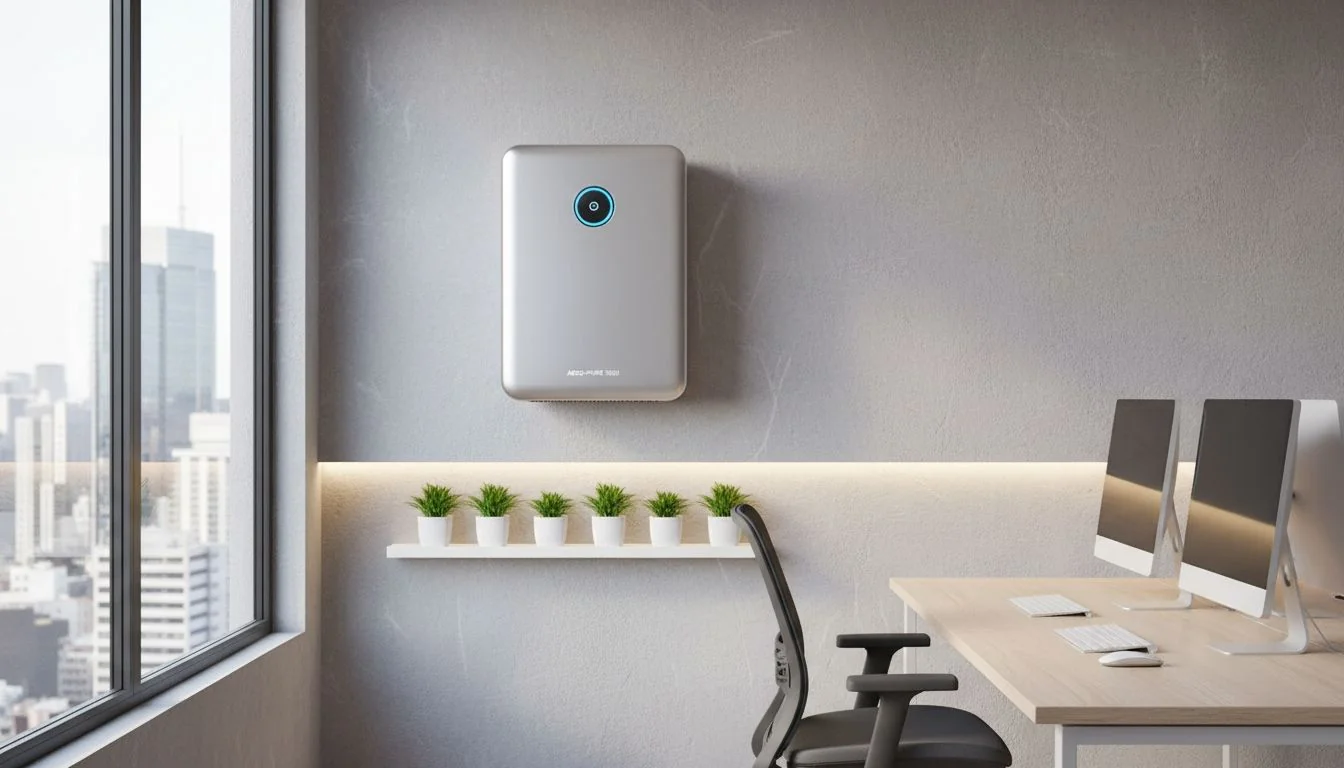
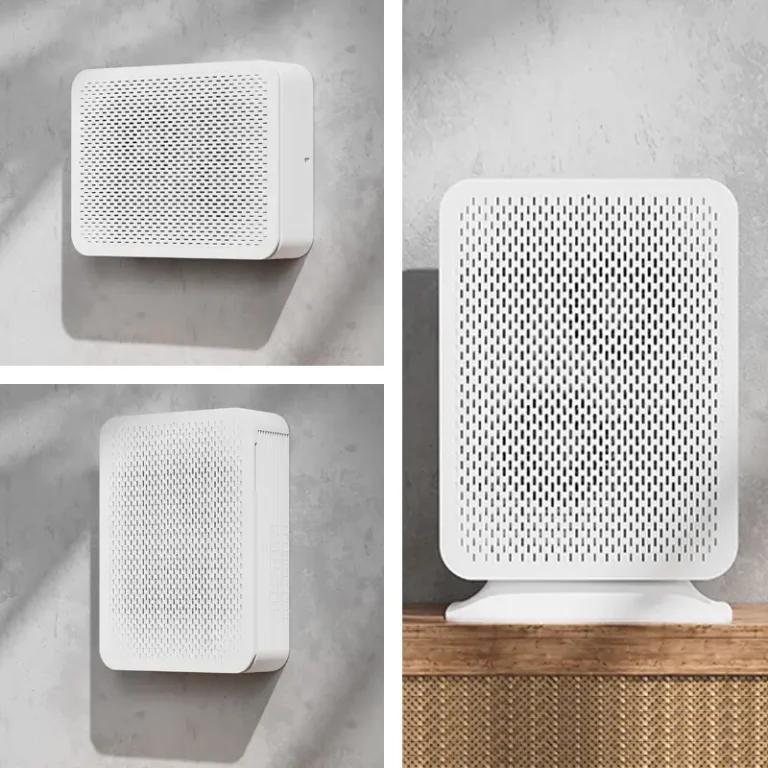
Cluttered floors and tripping hazards plague modern offices. Managers struggle with safety and space. 벽걸이형 공기청정기1 offer a sleek, permanent solution to these infrastructure headaches.
Wall-mounted air purifiers are dominating commercial spaces2 because they eliminate floor hazards, prevent theft through permanent installation, and allow for zoned air cleaning. They treat air purification as building infrastructure rather than temporary appliances, optimizing revenue per square foot.
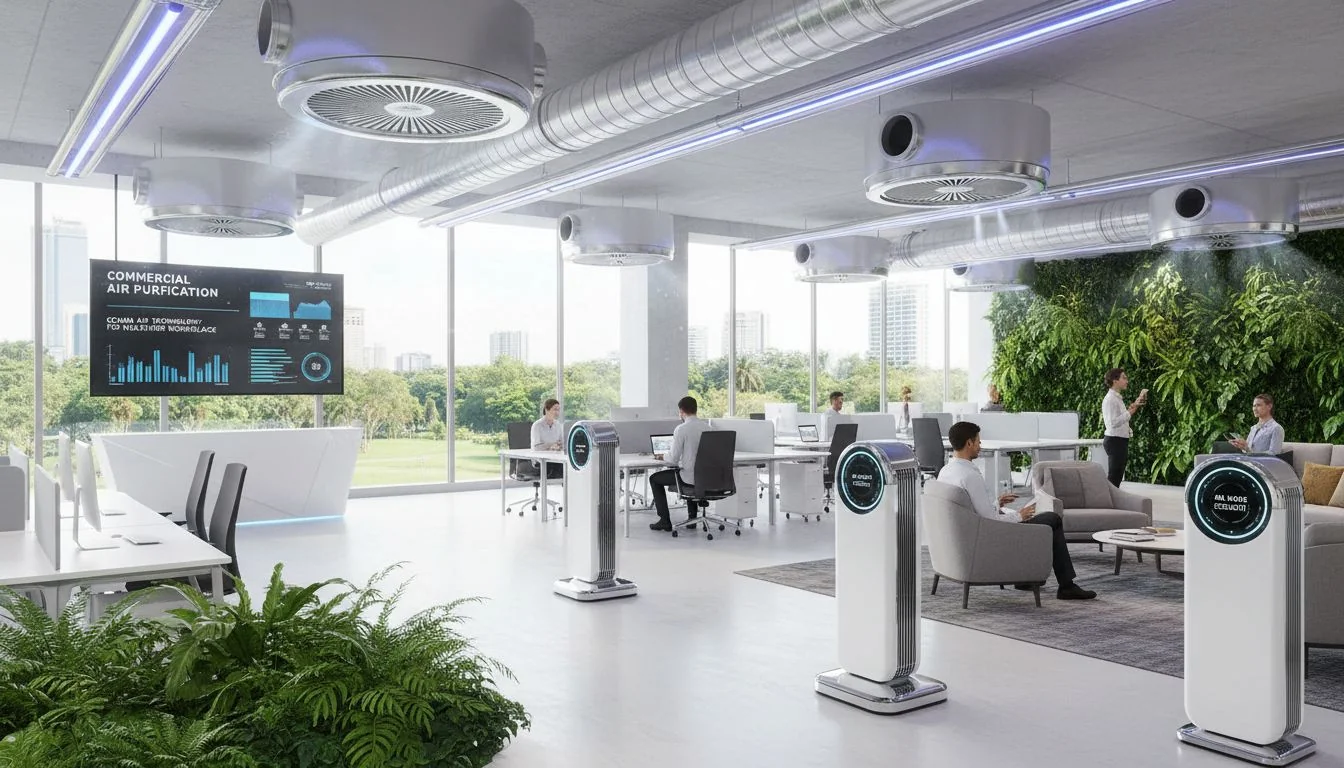
Many designers think portable units are enough. But commercial needs are different. Let me explain why the shift to wall-mounted units is happening now.
Wall-mounted units reduce floor clutter.True
By mounting the unit on the wall, floor space remains clear for walkways and furniture.
Portable units are safer for high-traffic areas.False
Portable units create tripping hazards with cords and bulk, whereas wall units remove these risks.
How Has the Post-Pandemic Office Changed Air Quality Standards?
Returning employees demand safety, but old HVAC systems fail. Fear of infection remains high. Upgrading infrastructure with visible purification builds trust immediately.
그리고 post-pandemic office3 requires visible hygiene to reassure staff. Wall-mounted units serve as a permanent upgrade to the building's health ecosystem, signaling a commitment to safety without cluttering the workspace or relying on outdated central ventilation.
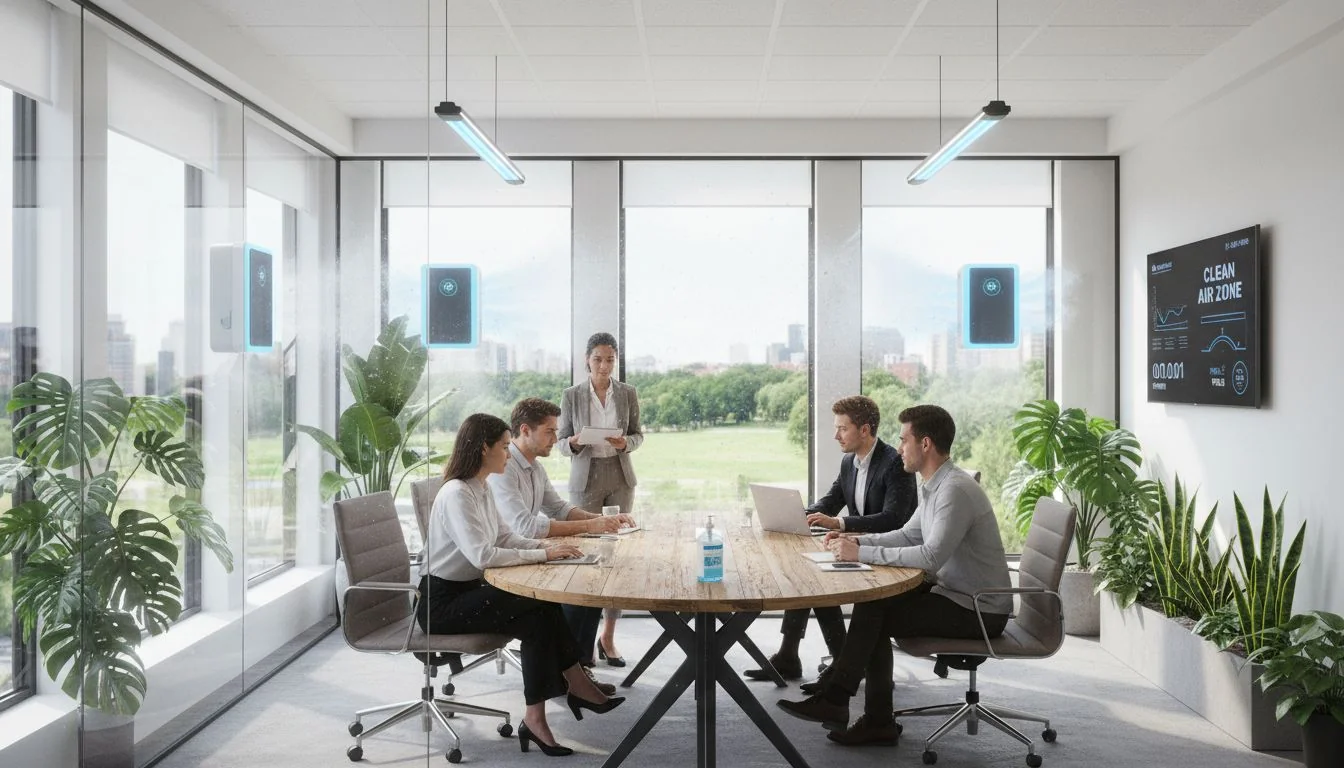
When I look at how we design molds for medical devices versus consumer toys, the intent is different. The same applies here. We are seeing a shift from viewing air purifiers as simple appliances to viewing them as essential infrastructure. In the past, a facility manager might buy a portable unit at a retail store to solve a temporary dust problem. Now, that same manager needs a permanent solution that integrates with the building.
This is where the "Facility Partner" concept comes in. We are not just selling a gadget; we are helping them upgrade their building. As designers, we need to think like contractors. We should offer "Bulk Installation Guides4" and "Fleet Maintenance Plans" rather than just a user manual. The goal is to make the installation feel like a renovation, not a purchase.
| 기능 | Portable Unit | Wall-Mounted Unit |
|---|---|---|
| Perception | Temporary Fix | Permanent Infrastructure |
| 설치 | Plug and Play | Contractor Required |
| 역할 | Appliance | Building Asset |
This shift changes how we design the housing. It needs to look like it belongs on the wall, blending in with the architecture rather than standing out like a sore thumb.
Wall-mounted units are considered permanent assets.True
Because they are attached to the building structure, they are viewed as infrastructure upgrades.
Retailers prefer selling portable units for commercial use.False
Commercial buyers prefer partners who offer installation and maintenance plans, not just retail products.
Can Removing Cords Really Reduce Corporate Liability?
Loose cords create lawsuits. Facility managers lose sleep over tripping accidents. Eliminating floor units removes this risk entirely, making the workplace safer for everyone.
Wall-mounted air purifiers eliminate the "trip and fall" liability associated with portable units and extension cords. By securing the device to the wall, businesses achieve a "Zero-Trip" environment, significantly reducing insurance risks and potential legal issues in high-traffic commercial areas.
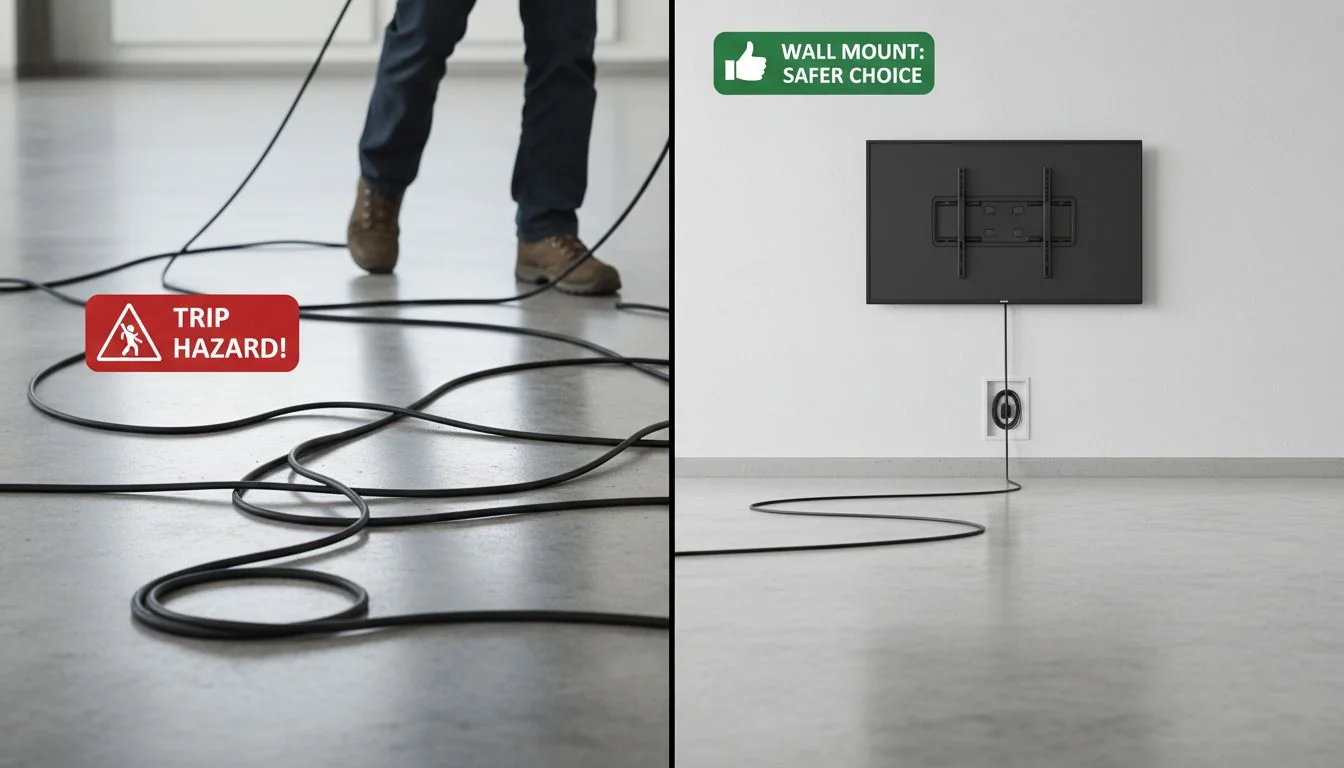
In my years running a mold factory, safety was always the number one priority. A single accident could shut down a production line or lead to a lawsuit. The same logic applies to office buildings and schools. This is what I call the "Zero-Trip" Hazard driver.
When we design portable units, we have to worry about the center of gravity so they don't tip over. We also have to manage the power cord. But in a busy hallway or a crowded waiting room, a cord is a lawsuit waiting to happen. Wall-mounted units solve this design problem by removing the variable entirely.
From a liability standpoint, this is huge. "Compliance Data" becomes a product in itself. I always tell my clients that data is liability protection. A commercial system should generate a "Monthly Clean Air Report." This isn't just for fun. It is proof. The facility manager can show this report to HR, parents, or unions to prove the building is safe. If a portable unit is unplugged or tripped over, that data stream stops. A hardwired, wall-mounted unit provides consistent, provable safety.
Trip and fall accidents are a major liability in offices.True
Loose cords and floor obstacles are common causes of workplace injuries and insurance claims.
Portable units provide better compliance data.False
Wall-mounted units are less likely to be unplugged, ensuring consistent data logging for compliance reports.
How Does Wall Mounting Increase Revenue per Square Foot?
Office rent is expensive. Wasting floor space on machines hurts the bottom line. Moving purification to the wall frees up valuable square footage for productive use.
Commercial real estate is valued by usable square footage. Wall-mounted purifiers free up floor space for desks, walkways, or retail displays. This maximizes revenue per square foot5, making the air purifier an asset that supports space efficiency rather than an obstacle that hinders it.
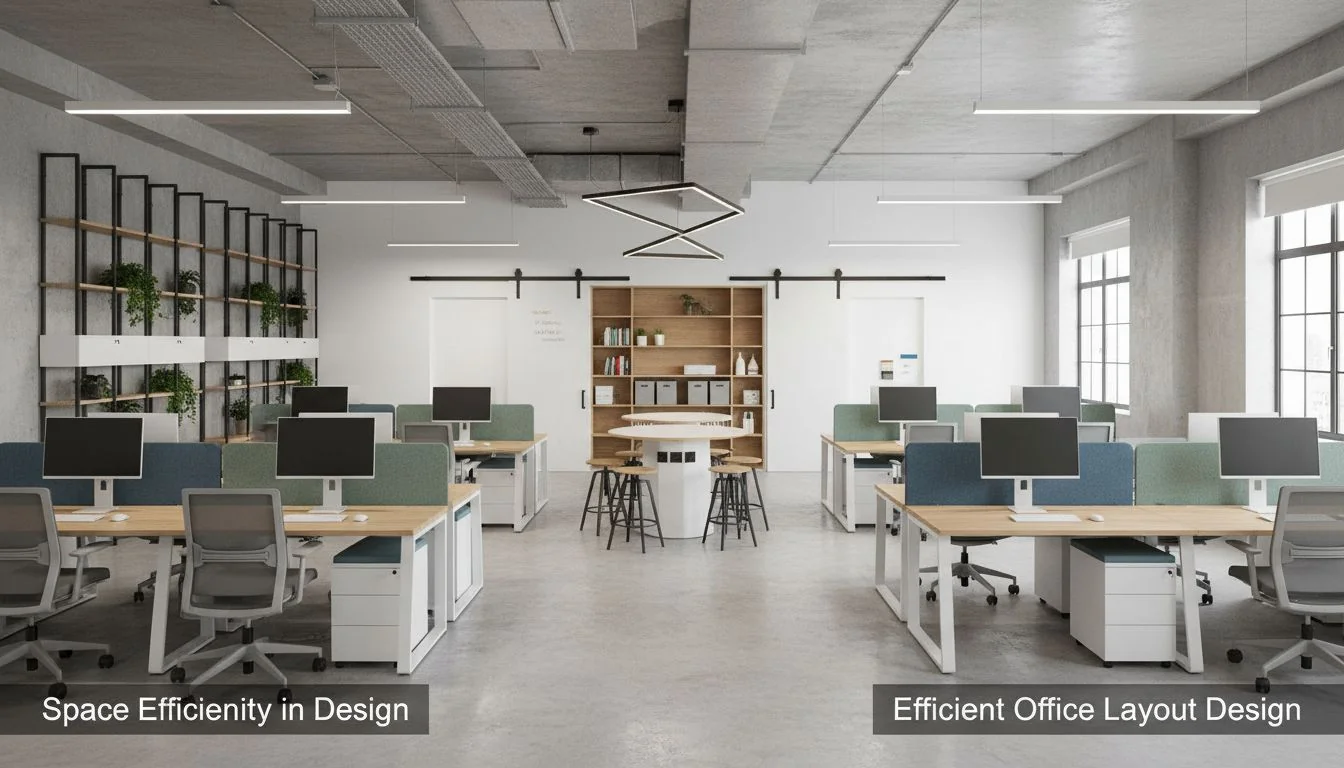
Let's talk about money and space. In my factory, every square meter of floor space has to generate revenue. If I have a machine sitting there that isn't making parts, I am losing money. Commercial real estate works the same way. This is Driver #2: Space Efficiency.
A portable air purifier takes up floor space. It creates a "dead zone" around it where you cannot walk or place furniture. By moving that unit to the wall, you reclaim that revenue-generating space.
This also ties into "Zoned Purification." Central HVAC systems are notoriously bad at cleaning specific areas. They waste energy trying to clean the whole building at once. Wall units allow for a smart energy story. You can put extra power in high-risk areas like conference rooms or cafeterias without wasting energy on empty hallways.
The Efficiency Breakdown
- Targeted Cleaning: High power only where people gather.
- 에너지 절약6: Don't scrub the air in empty rooms.
- Floor Space: 100% of floor space remains usable.
As a designer, Jacky, you know that optimizing for constraints is key. Here, the constraint is expensive floor space. The solution is vertical integration.
Wall units allow for zoned purification.True
They can be placed in specific high-risk rooms to provide targeted cleaning without affecting the whole HVAC system.
HVAC systems are the most energy-efficient way to clean specific rooms.False
HVAC systems often treat the whole building, wasting energy on empty areas, whereas wall units target specific zones.
Why Is Security Crucial for Public Air Purification?
Portable gadgets get stolen or broken. Public spaces are tough on equipment. Screwing units into studs prevents theft and ensures the asset stays where it belongs.
In public venues like hotels and schools, portable units are prone to theft and damage. Wall-mounted units offer a "tamper-proof" advantage because they are permanently anchored to studs. This security reduces replacement costs and ensures the filtration system remains active and intact.
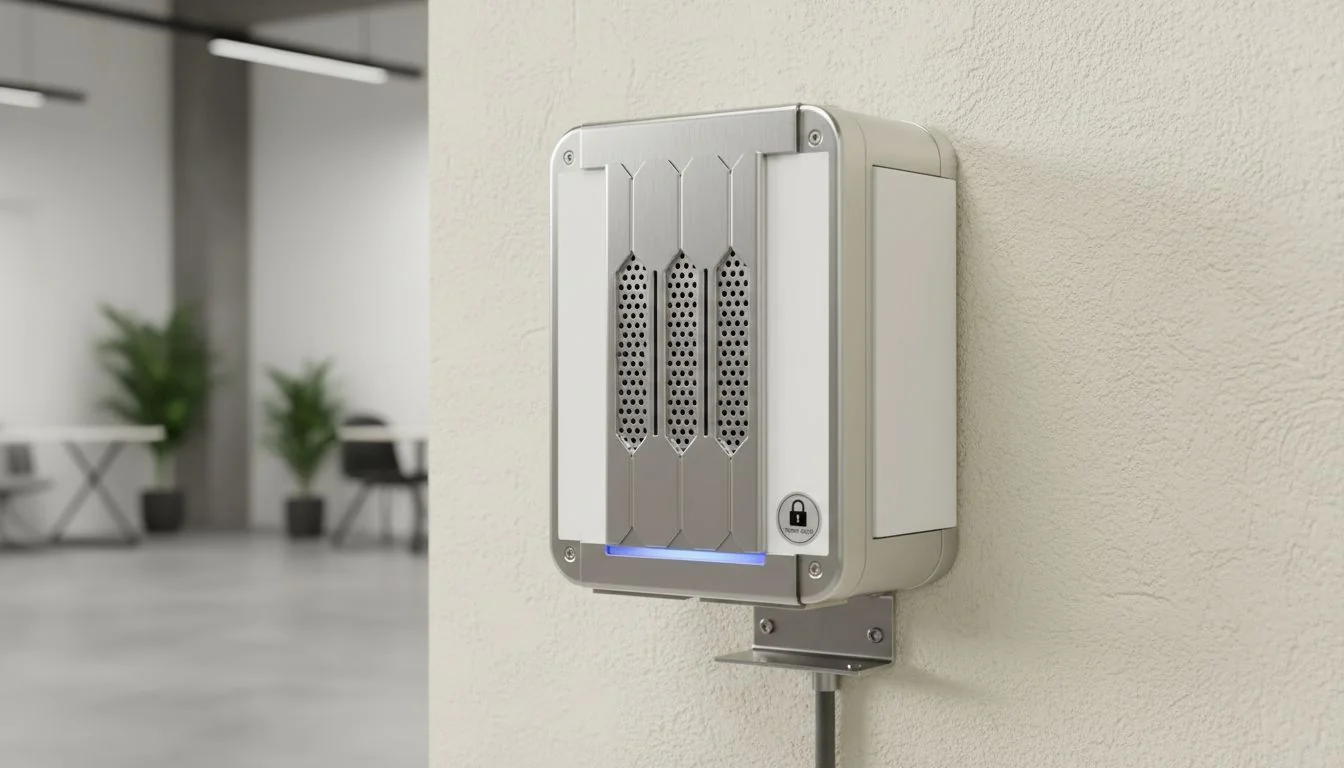
I have seen many great products fail because they were not designed for the real world. In a public space, if a device can be moved, it will be moved. If it can be stolen, it will be stolen. This is the "Anti-Theft" angle.
A wall-mounted unit is screwed into the studs. It becomes a permanent part of the room. This is vital for schools, hotels, and public waiting rooms. It reduces replacement costs significantly. But security is not just about theft; it is about control.
This brings me to my favorite insight: "Fleet Management7" is the Killer App. For a B2B buyer managing a school district or a skyscraper, the filtration rate is secondary. The ability to control 50 units at once is the real value.
We need to pitch the IoT Dashboard as a labor-saving device. I often say, "Don't pay a janitor to check filters; let the dashboard tell you." This centralized control is only possible if the units are secure and connected. If a portable unit is unplugged by a teacher who wants to charge their phone, the fleet management fails. Wall mounting secures the power source and the data connection.
Fleet management is more important than filtration for B2B buyers.True
Managing hundreds of units efficiently saves more labor costs than a slightly higher filtration rate.
Portable units are harder to steal.False
Portable units are easily picked up and removed, whereas wall units are anchored to the building structure.
Is Clean Air Becoming a Marketing Tool?
Invisible safety goes unnoticed. Clients and staff need to see the effort. Wall-mounted units act as billboards for hygiene, proving the building is safe.
visible hygiene8 is a powerful marketing asset in the post-COVID era. A sleek, wall-mounted purifier signals to visitors and employees that the facility prioritizes health. It transforms air quality from a hidden utility into a visible competitive advantage for the business.
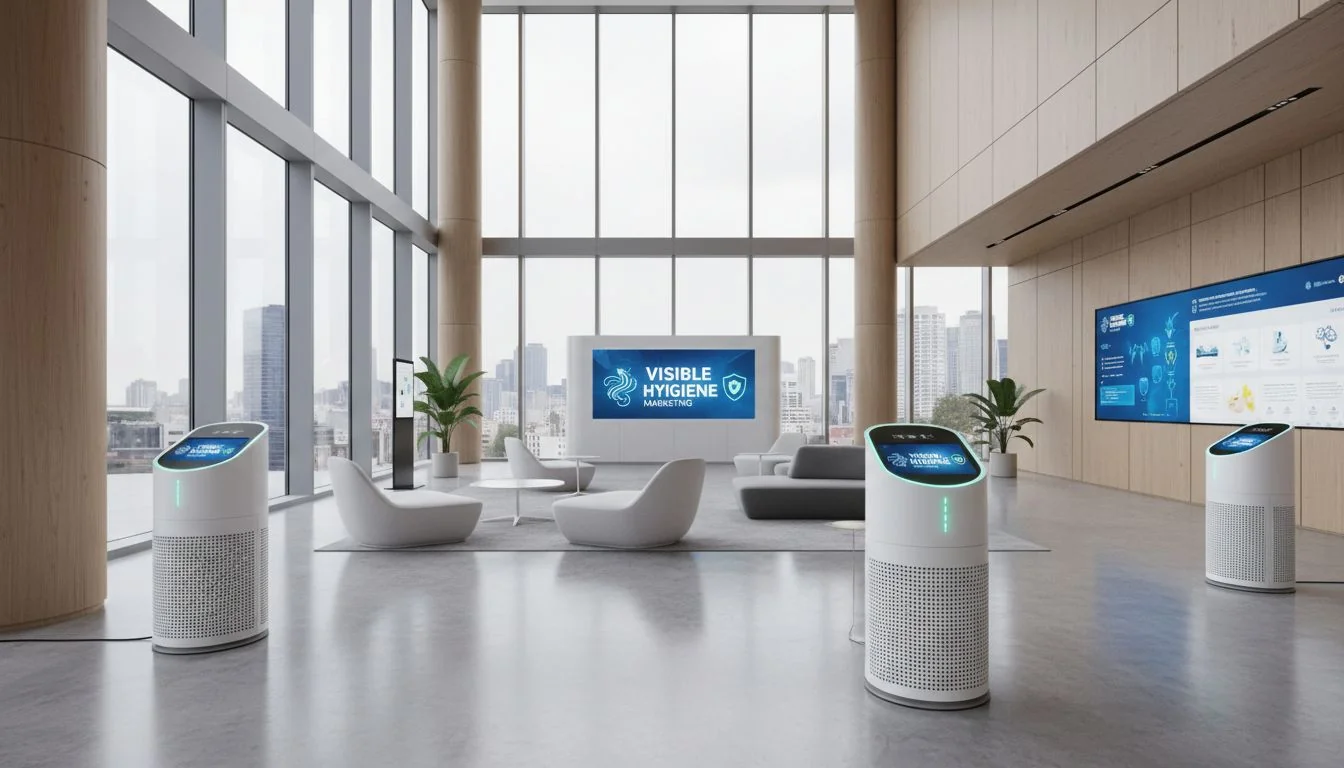
Marketing is about perception. In the mold industry, I sell precision. I show clients my clean factory floor to prove I care about quality. In commercial spaces, they sell safety.
Driver #4 is Visible Hygiene. An HVAC system hides in the ceiling. No one knows if it is working. A wall-mounted unit is right there at eye level. It has a light that turns green when the air is clean. It is a constant visual reminder that the management cares.
This visibility supports the "Compliance Data" product I mentioned earlier. It is one thing to have a report; it is another to have a physical device that people can see working.
The Marketing Impact
- Trust: Visitors see the device and feel safer.
- Branding: Sleek designs look high-tech and modern.
- Retention: Employees prefer working in visibly safe environments.
We are not just designing a box that holds a filter. We are designing a piece of furniture that communicates a message. The aesthetic requirements for wall-mounted units are much higher because they are meant to be seen, not hidden behind a sofa.
Visible air purifiers build trust.True
Seeing the device working reassures occupants that the air quality is being actively managed.
Hidden HVAC systems are sufficient for marketing safety.False
Because HVAC is invisible, occupants cannot verify if air quality measures are in place, reducing the psychological benefit.
결론
Buying gadgets is a short-term fix. Building upgrades last for years. Treating purification as infrastructure changes the budget from expense to investment.
Shifting the mindset from buying appliances to installing infrastructure ensures long-term air quality success. Wall-mounted units, supported by bulk installation guides and fleet maintenance plans, position the manufacturer as a facility partner. This approach secures a healthier, more efficient building environment.
References
-
Explore how wall-mounted air purifiers enhance safety and efficiency in commercial environments. ↩
-
Learn about the evolving air quality standards in commercial spaces and their impact on health. ↩
-
Discover the new air quality measures being implemented in post-pandemic offices. ↩
-
Explore the importance of Bulk Installation Guides in ensuring effective air purification installations. ↩
-
Find out how optimizing space with air purifiers can enhance revenue in commercial real estate. ↩
-
Discover the energy efficiency benefits of using wall-mounted air purifiers in commercial settings. ↩
-
Learn how Fleet Management can streamline operations and improve efficiency in air purification. ↩
-
Explore the role of visible hygiene in building trust and safety in commercial environments. ↩







 English
  Français
  Español
  Italiano
  Deutsch
  Português
  Русский
  العربية
  日本語
日本語  한국어
한국어  Tiếng Việt

