The U.S. humidifier market is experiencing remarkable momentum, fueled by heightened awareness of indoor air quality, increasing respiratory health concerns, and the growing adoption of smart home devices. As we step into 2025, humidifiers are no longer just seasonal appliances they’re becoming critical components of year-round wellness ecosystems, essential for homes, hospitals, commercial spaces, and specialty applications.
With a projected CAGR of 7.73% from 2024 to 2030, the U.S. market is poised to expand from $1.21–$1.85 billion in 2023 to as high as $3.90 billion by 2033. For B2B buyers from HVAC contractors to e-commerce resellers and healthcare distributors understanding the top manufacturers is essential for strategic sourcing, OEM partnerships, and long-term success in this rapidly evolving landscape.
In this blog, we’ll explore the top 5 humidifier manufacturers dominating the U.S. market and conclude with an introduction to a rising global player HisoAir that is offering advanced OEM/ODM humidification and air treatment solutions for business clients worldwide.
The U.S. Humidifier Market Landscape
The U.S. humidifier market is rapidly expanding, fueled by growing awareness of indoor air quality and increasing health-related use cases. In 2023, the market was valued between $1.21 and $1.85 billion, with forecasts projecting growth to nearly $3.90 billion by 2033, at a CAGR of 7.73%. The U.S. represents approximately 45% of the global humidifier market, making it a central focus for manufacturers and distributors.
Market Segmentation Snapshot
| 세그먼트 | Key Insight |
|---|---|
| By Revenue | 병원 lead due to their need for precise humidity control for infection prevention and patient comfort. |
| By Volume | Residential use dominates units sold, driven by personal wellness trends and seasonal demand. |
Technology Growth Drivers
Two technologies are driving innovation and market share:
초음파 가습기: Quiet, energy-efficient, and ideal for homes and patient-facing spaces.
Smart Humidifiers: IoT-enabled, app-controlled models that meet the demand for intelligent, connected devices.
Key Takeaway for B2B Buyers
Whether targeting hospitals, home wellness retailers, or e-commerce channels, the dual demand from commercial and residential markets presents strong opportunities. Buyers should align with manufacturers offering scalable, technologically current, and sector-specific product lines.
Key Trends Driving Innovation in the Humidifier Market
Innovation in the U.S. humidifier market is accelerating in response to rising consumer expectations, health awareness, and smart home adoption. For B2B buyers, these trends shape both product sourcing and long-term positioning.
1. Smart Home Integration
| 기능 | B2B Opportunity |
|---|---|
| Voice assistant compatibility (Alexa, Google) | Appeal to smart home installers and tech-savvy retail consumers |
| IoT and app-based control | Valuable for e-commerce channels targeting modern households |
| Scheduling & automation | Ideal for premium product lines with higher margins |
Why it matters: Smart humidifiers are among the fastest-growing SKUs online. Distributors tapping into the connected home market should prioritize brands with strong app ecosystems and seamless integration.
2. Health & Hygiene Innovation
| 기능 | Strategic Impact for Buyers |
|---|---|
| UV-C water sterilization | Critical for healthcare, baby/nursery, and wellness brands |
| Anti-microbial components | Reduces product liability concerns, improves user safety |
| Advanced filtration (HEPA, demineralization) | Aligns with hygiene-first branding and regulatory needs |
Why it matters: Clean mist delivery is no longer optional. Regulatory bodies and discerning consumers expect safe, hygienic humidification — especially in healthcare, hospitality, and childcare settings.
3. Multi-Function Integration
| Combined Features | Use Case |
|---|---|
| Humidifier + HEPA Air Purifier | Ideal for health clinics, wellness stores, and small offices |
| Humidifier + Aroma Diffuser | Supports spa, yoga studio, and home relaxation markets |
| Humidifier + Cooling Fan | Year-round indoor climate control |
Why it matters: Buyers can offer more value with fewer SKUs. Multi-function humidifiers are an efficient way to meet holistic air treatment needs and reduce shelf competition.
Takeaway for B2B Buyers
The humidifier market is shifting from seasonal utility to year-round, smart-enabled wellness infrastructure. Businesses should seek OEM/ODM partners that can deliver on these innovation trends while supporting compliance, branding, and customization needs.
Methodology for Ranking Top Humidifier Manufacturers
To identify the leading humidifier manufacturers in the U.S. market, we used a multi-criteria framework focused on four key dimensions that matter most to B2B buyers:
| Ranking Criteria | What It Measures | Why It Matters for B2B Buyers |
|---|---|---|
| 1. Brand Recognition | Consumer trust, brand longevity, online visibility | Trusted brands reduce sell-through risk and boost conversions |
| 2. Market Presence | Distribution reach (retail, e-commerce, B2B channels) | Strong presence ensures reliability and supply availability |
| 3. Innovation Leadership | Smart features, R\&D investment, patents, hygiene innovations | Forward-looking brands offer more competitive product lines |
| 4. Strategic Focus | Niche vs. mass-market approach (e.g., medical, nursery, luxury) | Helps buyers align SKUs with their own customer base |
Approach:
We weighted these factors qualitatively, based on available market data, consumer reviews, product catalogs, and industry positioning. This ranking goes beyond volume-based metrics, focusing on strategic relevance and growth potential in a rapidly evolving market.
Top 5 U.S. Humidifier Manufacturers
Here’s a side-by-side comparison of the five dominant humidifier manufacturers in the U.S. market, using four key evaluation dimensions.
Manufacturer Comparison Table
| 브랜드 | Strengths | Weaknesses | Best For | Strategic Positioning |
|---|---|---|---|---|
| 하니웰 | - Trusted brand in HVAC and home systems - Wide range including whole-home systems - Strong B2B HVAC partnerships |
- Slower to adopt smart tech - Designs more traditional |
HVAC contractors, multi-room systems, reliability-focused buyers | Mass-market, mid–high tier |
| Levoit | - Smart-enabled, app-controlled products - Strong Amazon presence - User-friendly design |
- Newer brand - Dependent on Chinese manufacturing |
E-commerce sellers, smart home retailers, tech-savvy consumers | Mass-market, mid-tier (smart-first focus) |
| Vicks | - Iconic health brand - Medicated vapor compatibility - Popular for therapeutic use |
- Basic designs - Fewer smart or advanced features |
Pharmacies, seasonal cold/flu buyers, family wellness products | Niche, health-specific, value-priced |
| 다이슨 | - Premium engineering - Integrated HEPA + UV-C - Air purification + humidification combo |
- High cost - Over-featured for basic users |
Luxury buyers, allergy sufferers, premium lifestyle and wellness retailers | Premium, hybrid-function niche |
| Crane USA | - Child-friendly design - Whisper-quiet operation - Focus on nursery/bedroom market |
- Lacks smart features - Cleaning may be more complex |
Nursery shops, boutique home stores, families with young children | Niche, design-focused, value–mid range |
Summary Insights for B2B Buyers
-
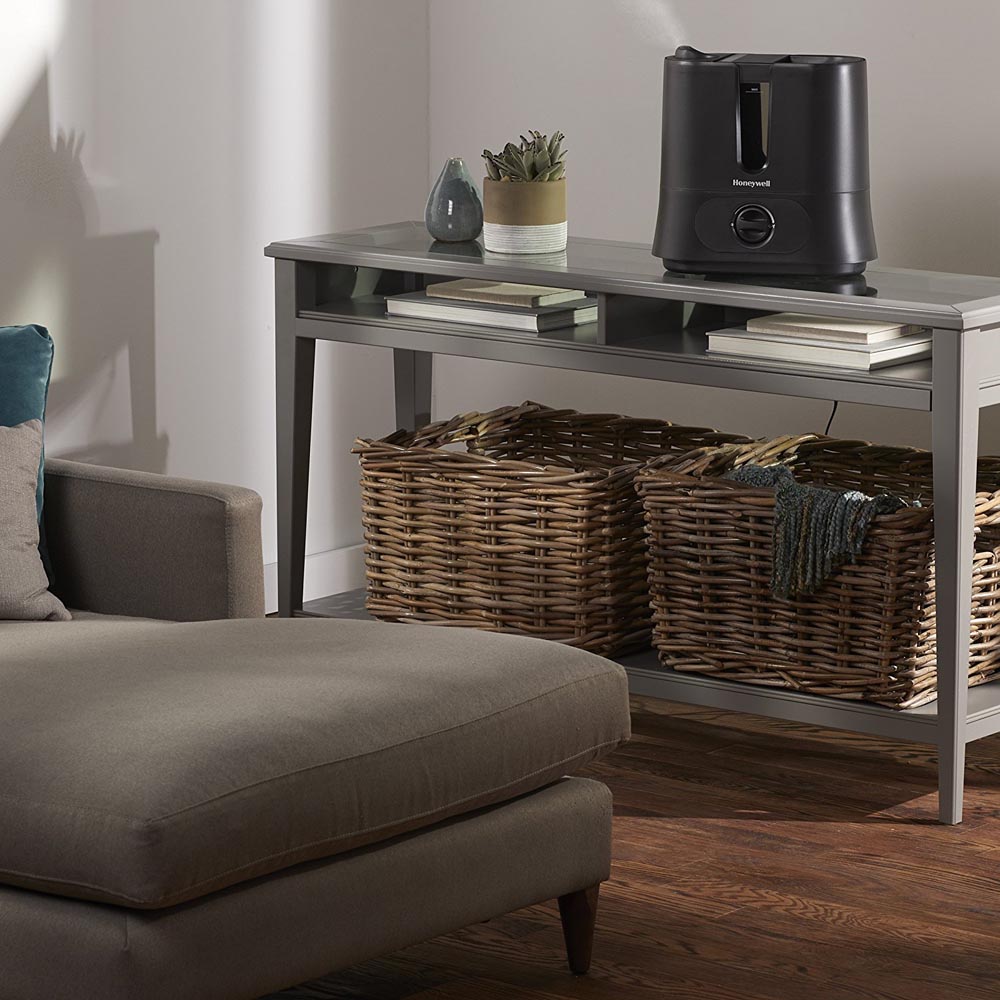
Need HVAC Integration? → Choose Honeywell
-
Targeting Online Smart Home Market? → Stock Levoit
-
Selling in Pharmacies or Health Stores? → Go with Vicks
-
Serving Luxury or Health-Tech Clients? → Consider Dyson
-
Focusing on Parent or Gift Market? → Add Crane USA
This table helps buyers match each brand’s strategic strengths with their own customer base and retail/distribution model.

Competitive Positioning Matrix
We’ve mapped the top 5 U.S. humidifier manufacturers based on two key axes:
-
X-Axis (Price): Value → Premium
-
Y-Axis (Market Focus): Mass-Market → Niche
2x2 Matrix Table
| Value-Priced | Premium-Priced | |
|---|---|---|
| Niche Focus | Vicks (therapeutic/seasonal) Crane USA (nursery/design) |
다이슨 (luxury, tech-integrated air treatment) |
| Mass-Market Focus | Levoit (smart home, e-commerce) | 하니웰 (whole-home systems, HVAC) |
Brand Placement Insights
| 브랜드 | Positioning Description |
|---|---|
| 하니웰 | Mass-market, mid-to-high priced — strong HVAC compatibility, trusted for whole-home solutions |
| Levoit | Mass-market, value–mid priced — excels in smart tech, ideal for e-commerce resellers |
| Vicks | Niche, value priced — focused on health-related use cases (cold/flu relief), great for seasonal sales |
| Crane USA | Niche, value–mid priced — strong appeal in children’s rooms, boutique/nursery retailers |
| 다이슨 | Niche-premium — multi-function air quality systems for luxury households and health-conscious users |
B2B Takeaway
-
Broad reach, stable sales? → Choose Honeywell or Levoit depending on tech/sales channel preference
-
Niche markets with high emotional value? → Go with Crane or Vicks
-
High-margin, prestige product line? → Position Dyson as a flagship offering
By understanding this matrix, buyers can diversify product portfolios strategically — mixing value lines with premium or niche products to maximize both volume and margin.
Strategic Recommendations for B2B Buyers
Each B2B buyer has distinct needs based on their customer base, sales channel, and operational model. Here’s how to align your sourcing strategy with the most suitable humidifier brand:
For HVAC Businesses → Honeywell
| Why It Fits | Strategic Value |
|---|---|
| Full lineup of whole-home humidifiers | Integrates seamlessly into existing HVAC systems |
| Trusted by contractors and engineers | Enhances service offerings and upsell opportunities |
| Brand recognition with homeowners | Easier customer trust and adoption |
Tip: Bundle Honeywell humidifiers with seasonal HVAC maintenance packages for recurring revenue.
For E-Commerce Resellers → Levoit
| Why It Fits | Strategic Value |
|---|---|
| High Amazon search volume & reviews | Fast inventory turnover |
| App-connected smart models | 기술에 정통한 소비자에게 어필 |
| Attractive price-to-feature ratio | Strong margin potential with competitive pricing |
Tip: Optimize listings with keywords like smart humidifier, WiFi air care, and ultrasonic diffuser for better conversion.
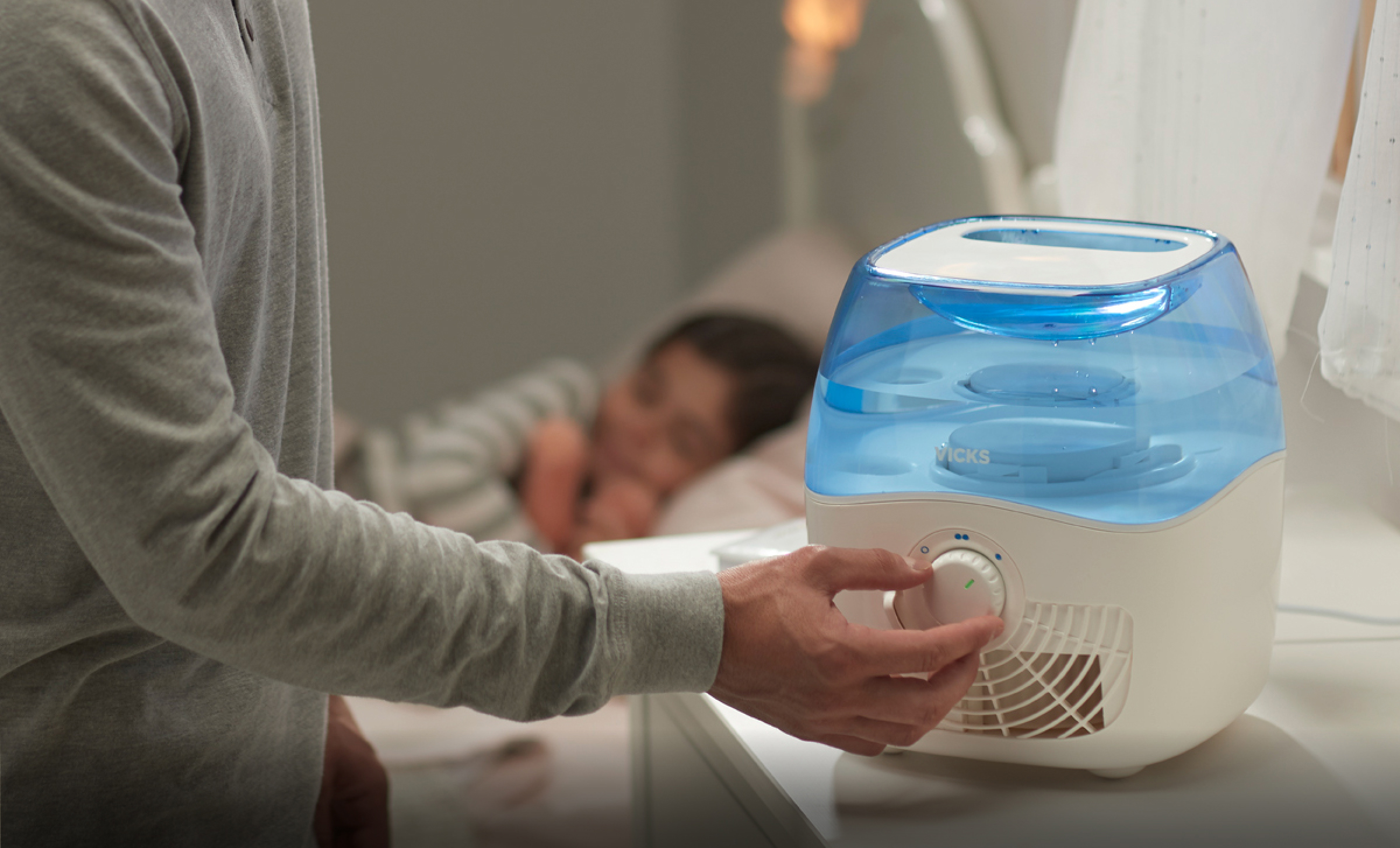
For Pharmacies & Healthcare Retailers → Vicks
| Why It Fits | Strategic Value |
|---|---|
| Health-focused brand with strong legacy | Natural cross-sell with OTC cold/flu remedies |
| Medicated vapor pad compatibility | Increases cart size and treatment value |
| Trusted by parents and elderly consumers | Low return rate, high brand loyalty |
Tip: Promote Vicks humidifiers alongside flu season campaigns and pediatric wellness displays.
For Premium Lifestyle/Home Retailers → Dyson
| Why It Fits | Strategic Value |
|---|---|
| Multi-function: humidification + purification + cooling | Fewer SKUs, more year-round relevance |
| Luxurious design and strong brand prestige | Aligns with high-end interior/home brands |
| High ASP (average selling price) | Increases per-transaction revenue |
Tip: Position Dyson as a “wellness technology” upgrade rather than just a humidifier.
For Boutique & Nursery Retailers → Crane USA
| Why It Fits | Strategic Value |
|---|---|
| Unique nursery-themed designs (e.g., animals) | Strong emotional appeal to new parents |
| Child-safe, quiet operation | Functional and peace-of-mind focused |
| Giftable product packaging | Ideal for baby showers and first-home gifts |
Tip: Cross-merchandise Crane humidifiers with sleep aids, baby monitors, and nursery decor.
Final Thought for Buyers
Successful sourcing isn't about picking the best humidifier — it's about choosing the right brand for your channel, audience, and margin strategy. A diversified product mix across mass-market, niche, and premium tiers gives your business both stability and differentiation.

The Future of Humidification: 5 Trends B2B Buyers Should Watch
As the U.S. market evolves, humidifiers are transforming from seasonal appliances into essential components of year-round indoor wellness. Here are the key trends shaping the future of the industry:
1.All-in-One Air Treatment Devices
What’s Changing
Humidifiers are increasingly being integrated with other functions like:
-
HEPA air purification
-
Aroma diffusion
-
Cooling or heating features
These multi-functional units offer complete indoor air management.
B2B Implication:
Offer fewer SKUs with more features — ideal for retailers wanting to reduce shelf space while maximizing consumer value.
2.Hygiene as a Standard, Not a Premium
What’s Changing
Consumers now expect:
-
UV-C sterilization
-
Anti-microbial tanks
-
Zero white dust or mold risk
Hygiene is becoming non-negotiable, especially in healthcare and family-centric markets.
B2B Implication:
Avoid low-cost, unverified models. Choose brands that emphasize certified safety, especially if you sell into clinical, wellness, or childcare channels.
3.AI-Driven Smart Automation
What’s Changing
Next-gen smart humidifiers will offer:
-
Predictive humidity adjustment (based on weather and usage)
-
Self-cleaning modes
-
Alerts for filter replacement and water refill
-
Integration with smart assistants and health apps
B2B Implication:
Stock brands with strong app ecosystems and cloud connectivity. This aligns with smart home integrators and younger demographics.
4.Sustainability and Energy Efficiency
What’s Changing
Expect demand to rise for:
-
Low-energy humidifiers
-
Water-conserving mist technologies
-
Units built with recyclable or biodegradable materials
B2B Implication:
Emphasize green features in sales materials, especially if you serve institutional buyers, ESG-compliant retailers, or eco-conscious consumers.
5.Personalized Indoor Wellness
What’s Changing
Humidifiers may soon:
-
Integrate with wearable health trackers
-
Customize mist output for sleep, focus, allergies, or skin health
-
Allow scent or humidity “profiles” per user or time of day
B2B Implication:
This opens opportunities for co-branded wellness bundles, especially in premium lifestyle or spa categories.
Summary for Buyers
The future of humidification is connected, clean, and customized.
B2B buyers who align early with smart, hygienic, and multi-functional product lines will gain a competitive edge in an increasingly health-driven, tech-integrated market.

Rising Global Player: HisoAir
While legacy brands dominate the U.S. market, emerging international manufacturers are offering competitive, customizable solutions for modern humidification and HisoAir is one to watch.
🌟 Who We Are:
HisoAir is a global air treatment solutions provider, specializing in OEM/ODM humidifiers, purifiers, and multi-functional devices for residential and commercial markets. With deep manufacturing capabilities in ultrasonic, evaporative, and hybrid humidifier technologies, HisoAir enables businesses to deliver high-quality, private-label products at scale.
✅ Why B2B Buyers Choose HisoAir:
Smart-Integrated Devices with app and voice control
Strict Quality Standards (CE, FCC, ROHS, ISO13485-certified production)
Flexible OEM/ODM Customization for humidifiers, air purifiers, and combo units
Global Logistics Experience for streamlined supply chain execution
Whether you're launching your own humidifier brand, sourcing advanced indoor air solutions, or looking to diversify your retail offerings, HisoAir can be your strategic manufacturing partner.
👉 Explore our solutions: https://hisoair.com
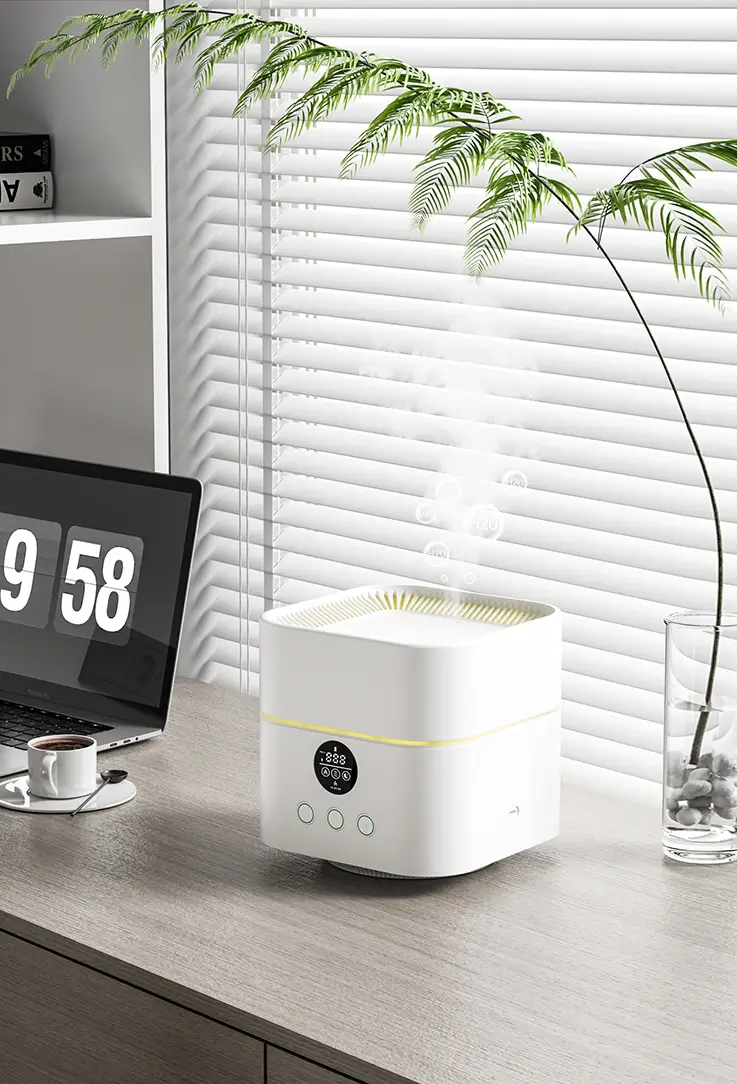
HisoAir 3-in-1 Air purifier & Humidifier & Diffuser HA-M18D
결론
The U.S. humidifier market is rapidly evolving into a year-round, tech-driven wellness category. As demand grows across residential, healthcare, and smart home sectors, top brands like Honeywell, Levoit, Vicks, Dyson, and Crane USA each offer distinct advantages from HVAC integration to therapeutic relief and luxury air treatment. For B2B buyers, success lies in aligning with the right manufacturer based on your channel, target audience, and value proposition. Looking ahead, trends like multi-functional air devices, hygiene standardization, AI-driven automation, and sustainable design will reshape the industry. Staying ahead means sourcing not just humidifiers, but intelligent, health-focused indoor climate solutions.



 English
 Français
 Español
 Italiano
 Deutsch
 Português
 Русский
 العربية
 日本語
 한국어
 Tiếng Việt

