
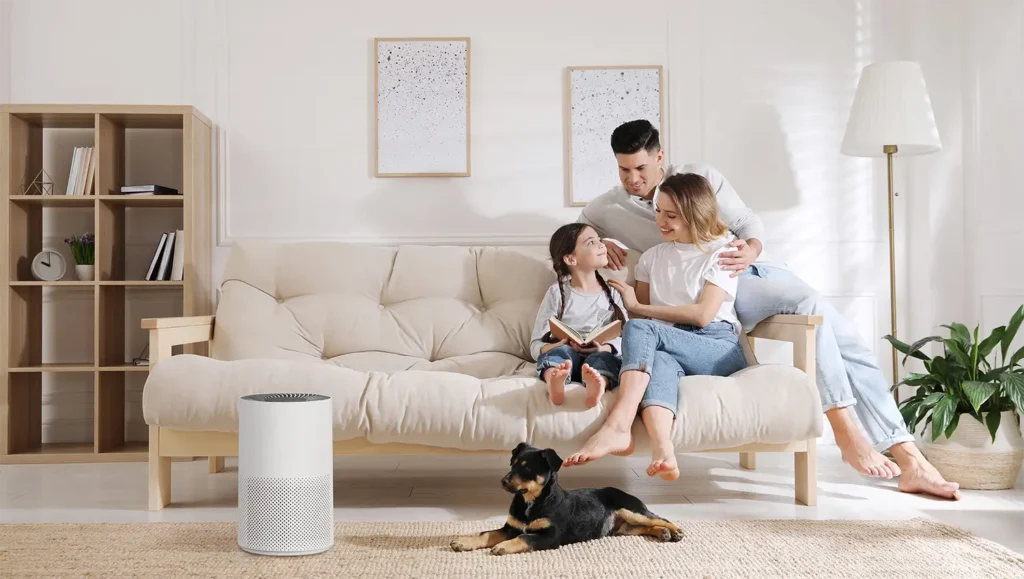
In today's competitive hospitality landscape, Indoor Air Quality (IAQ) has become a pivotal factor influencing guest satisfaction, brand perception, and booking decisions. Clean air is no longer a luxury; it's a competitive edge. Post-pandemic, guests are acutely aware of indoor health, actively seeking accommodations prioritizing well-being. This heightened awareness transforms clean air from a mere amenity into a powerful differentiator, significantly impacting traveler choice.
Is Poor Air Quality Costing Your Hotel More Than You Think?
Investing in high-quality air purification is a strategic move that drives revenue, enhances loyalty, and delivers strong ROI. Viewing IAQ through a financial lens unlocks growth opportunities.
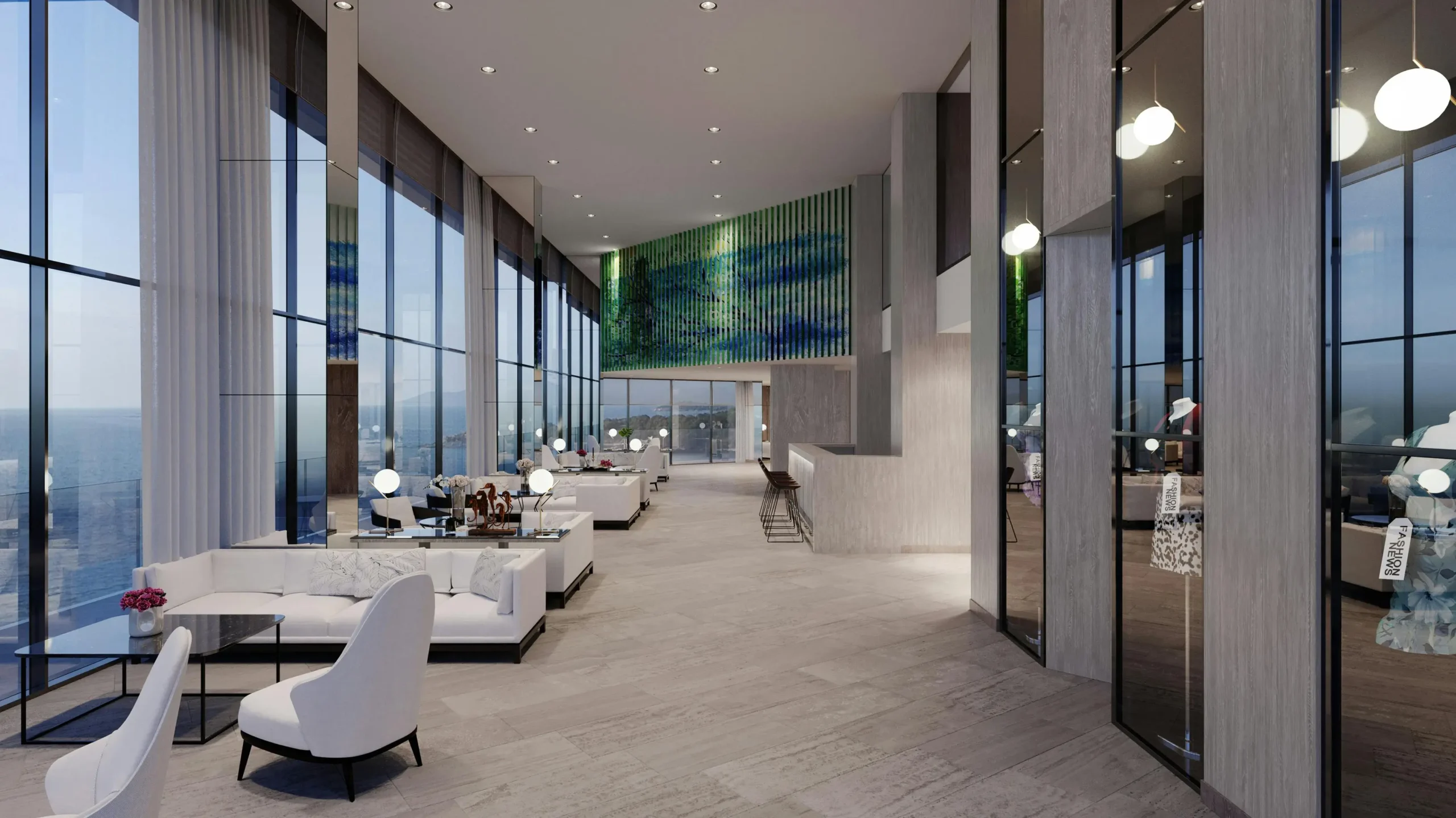
How Does Air Quality Directly Impact the Guest Experience and Well-being?
Invisible pollutants like allergens, VOCs, and odors detract from guest experience, causing fatigue, allergies, and negative reviews. Pristine air fosters well-being, encouraging repeat business and invaluable word-of-mouth marketing.
Can Clean Air Actually Increase Your Hotel's Revenue and ROI?
“Pure” rooms command higher rates, boosting RevPAR. Studies show guests pay premiums for healthier environments. The Pure Room program, for instance, achieves 15–20% rate premiums. Improved IAQ also boosts staff productivity and reduces HVAC strain, lowering energy and maintenance costs.
How Can You Leverage Clean Air for Marketing and ESG Positioning?
Promoting superior IAQ differentiates your brand, building a reputation as a health-conscious establishment. Green certifications like WELL and LEED strengthen this. Transparent communication, such as real-time air quality data, fosters trust and aligns with consumer demand for sustainable practices.
What Air Purification Technologies Do Hoteliers Need to Understand?
이해 core air purification technologies is crucial for informed decisions. Effective commercial air purification often combines these methods, each targeting different airborne contaminants.
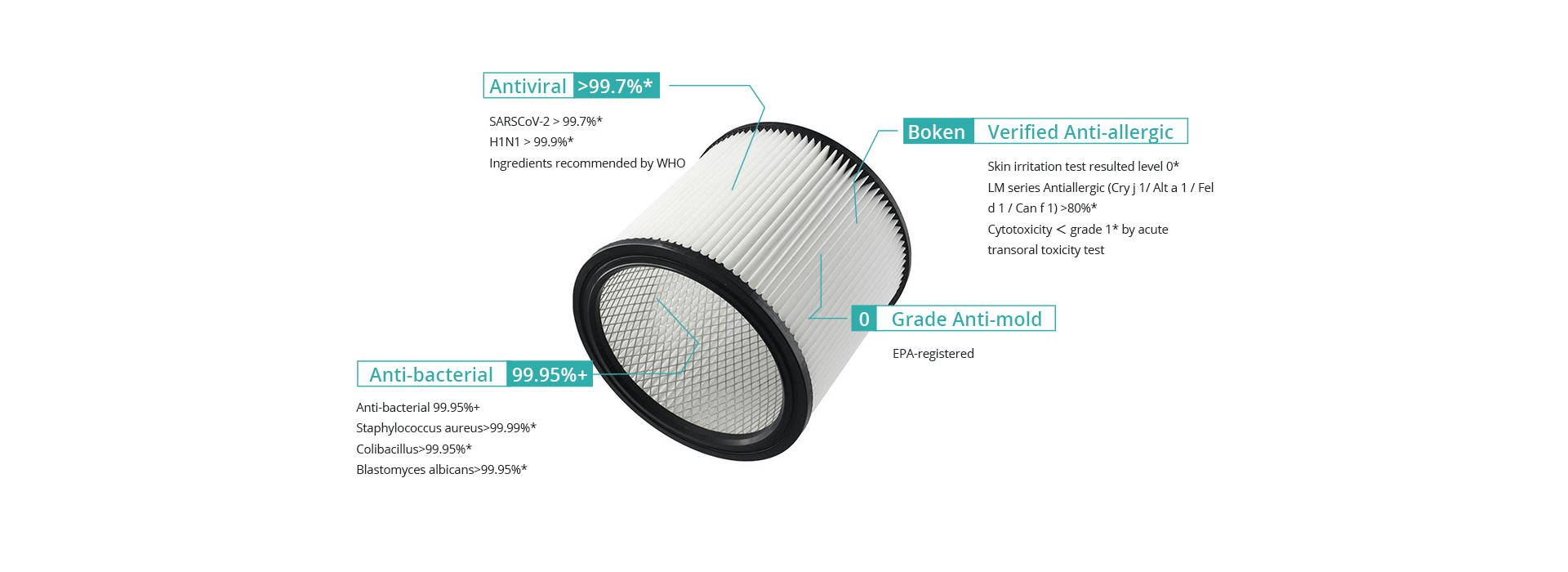
HEPA Filters: The Gold Standard for Particle Removal
HEPA filters are the gold standard, capturing 99.97% of particles as small as 0.3 microns, including dust, pollen, mold, viruses, and bacteria. They significantly improve air quality and reduce allergens. By effectively trapping microscopic irritants, HEPA filters significantly reduce allergy symptoms and the spread of airborne illnesses.
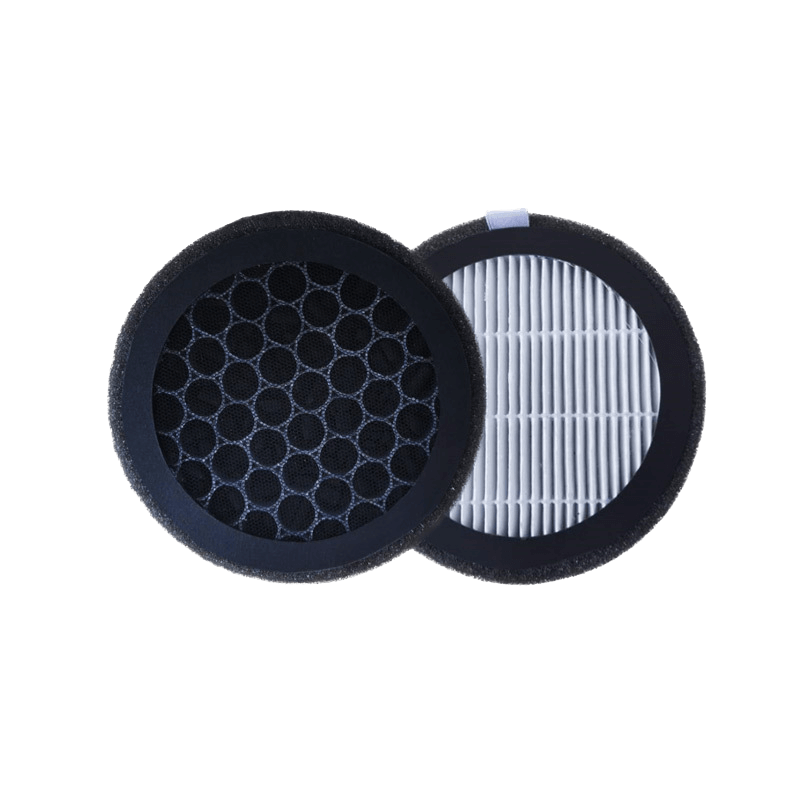
Activated Carbon: Eliminating Odors and VOCs
Activated carbon filters adsorb gaseous pollutants like VOCs and odors from cleaning products, smoke, and food. Essential for maintaining a fresh atmosphere, especially in restaurants and guest rooms. Activated carbon filters are essential for neutralizing a wide range of gaseous pollutants and persistent odors, ensuring a fresh indoor environment.
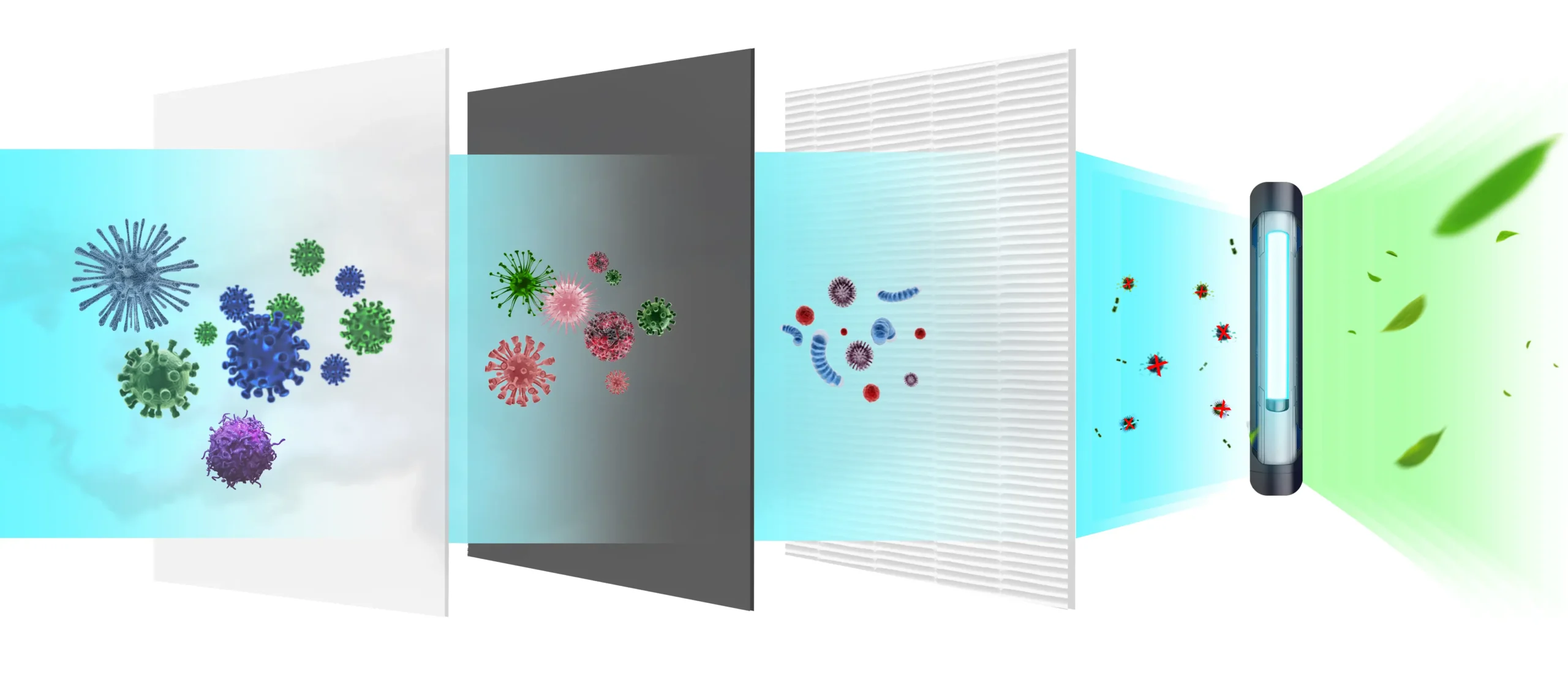
UV-C Light: Neutralizing Bacteria and Viruses
UV-C light neutralizes microorganisms by disrupting their DNA/RNA. It's effective against bacteria, viruses, and mold spores, typically used with other filtration methods for disinfection. UV-C technology provides a powerful disinfection capability, effectively inactivating airborne pathogens and enhancing overall air hygiene.
Bipolar Ionization: Advanced Full-Room Coverage
Bipolar ionization generates ions that attach to particles, making them easier to capture, and neutralize viruses, bacteria, and odors. It offers proactive, full-room air purification. Bipolar ionization offers comprehensive air treatment by actively neutralizing pollutants and enhancing filtration efficiency throughout the entire room.
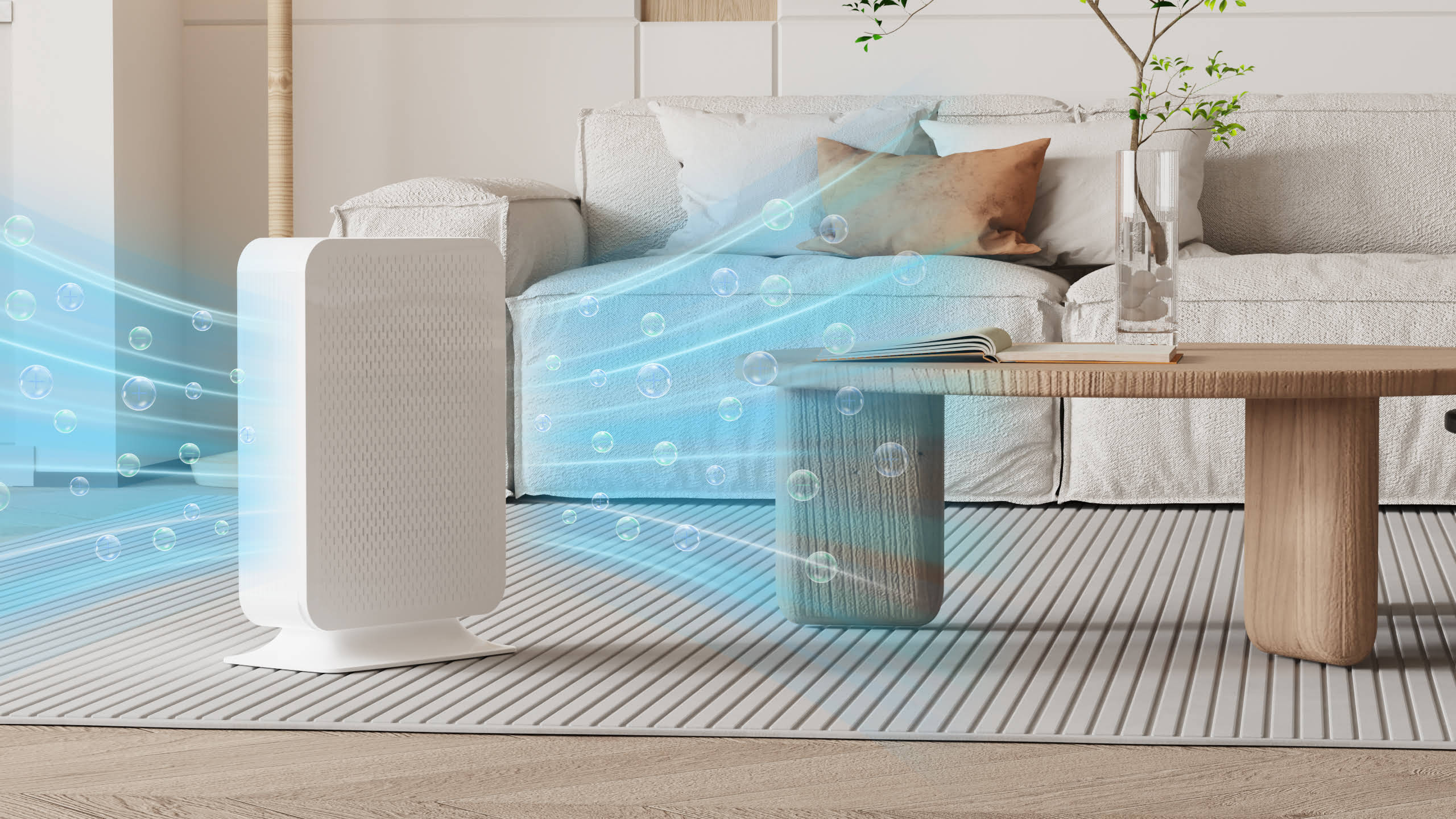
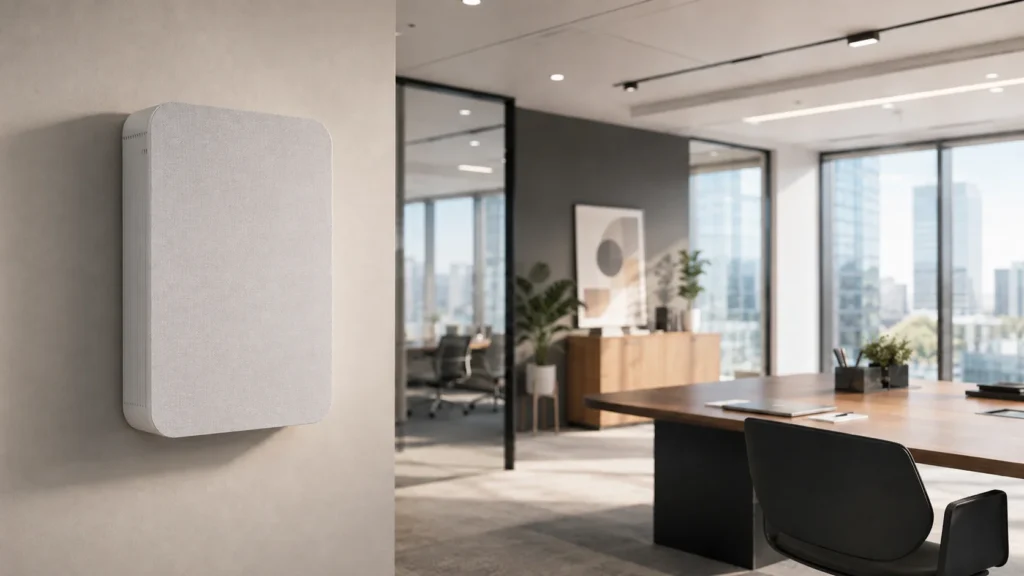
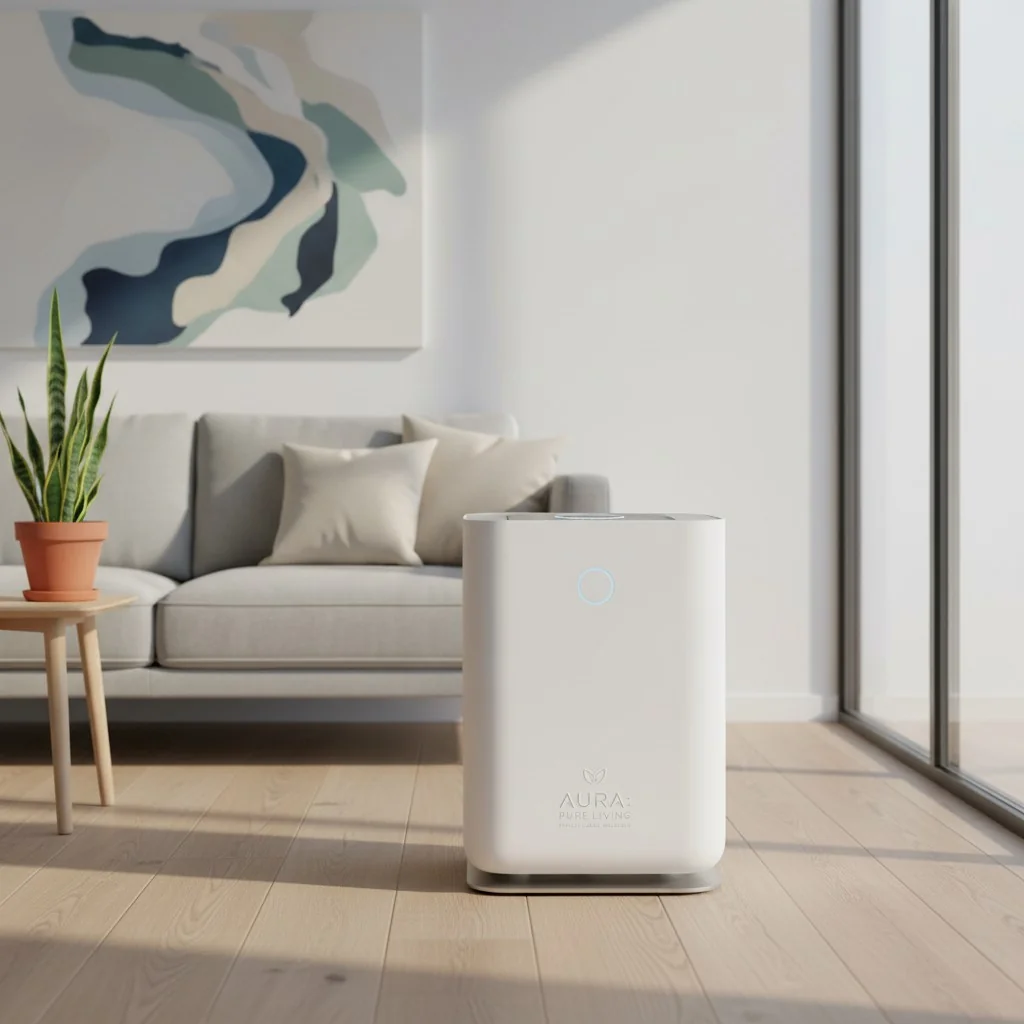
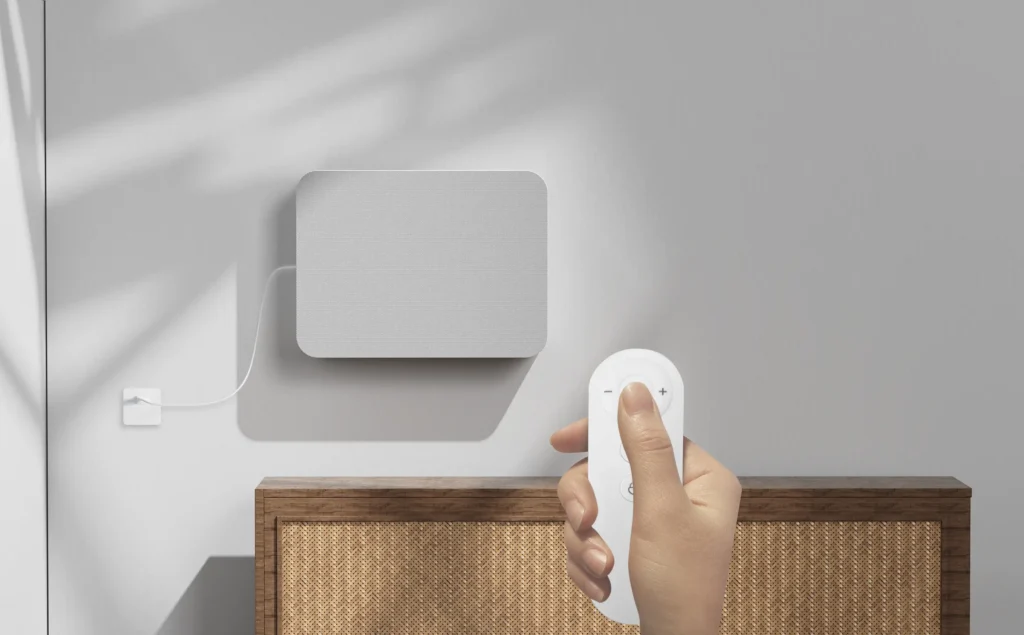
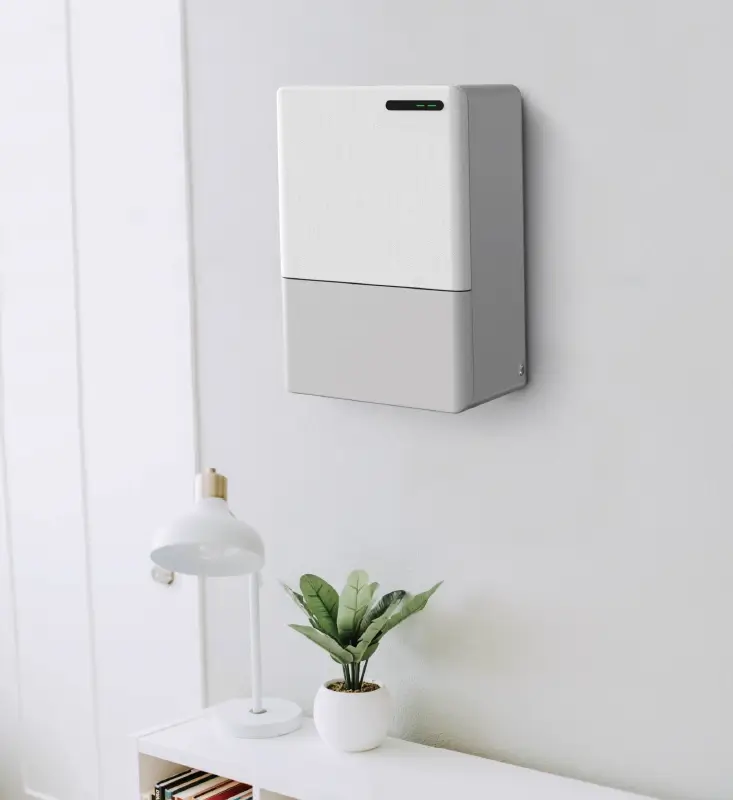
Wall-Mount & Floor-Standing Integrated Air Purifier – HisoAir
Multi-Stage Filtration: The Best of All Worlds
Multi-stage systems combine pre-filters, HEPA, activated carbon, and sometimes UV-C for comprehensive purification. This layered approach addresses a wide spectrum of pollutants. Multi-stage filtration systems provide the most comprehensive air purification by combining various technologies to address a broad spectrum of contaminants.
Here’s a table summarizing these key technologies:
| 기술 | 주요 기능 | What it Removes | Best Use Case in Hotels | 장점 | 단점 |
|---|---|---|---|---|---|
| HEPA 필터 | 파티클 캡처 | Dust, pollen, pet dander, mold, bacteria, viruses | Guest rooms, lobbies, allergy-friendly rooms | Highly effective for airborne particles, widely recognized | Doesn\'t remove gases or odors, filters need regular replacement |
| 활성탄 | Gas & Odor Adsorption | VOCs, smoke, cooking odors, chemical fumes | Restaurants, bars, smoking areas, guest rooms | Excellent for odor control and chemical removal | Doesn\'t remove particles, carbon needs to be replaced/regenerated |
| UV-C 빛 | Microbial Inactivation | Bacteria, viruses, mold spores | Integrated into HVAC, alongside other filters | Destroys microorganisms, no filter replacement needed for UV-C | Doesn\'t remove particles or gases, effectiveness depends on exposure time |
| 양극성 이온화 | Particle Aggregation & Neutralization | Particles, viruses, bacteria, odors | Luxury suites, whole-building HVAC integration | Active purification throughout the space, reduces particles, odors, pathogens | Can produce ozone (ensure ozone-free certification), ongoing maintenance |
| 다단계 필터링 | Comprehensive Purification | All of the above (particles, gases, microorganisms) | All areas, especially high-traffic or sensitive zones | Most thorough purification, addresses diverse pollutants | Higher initial cost, multiple filters to maintain |
How to Choose the Right Air Purification System for Your Hotel
Selecting the ideal air purification system requires evaluating performance metrics and understanding deployment formats, aligning choices with specific hotel zone needs for efficiency and guest satisfaction.
What Performance Metrics Should You Prioritize?
CADR & Coverage Area: Matching Power to Space
Clean Air Delivery Rate (CADR) indicates how quickly an air purifier removes pollutants. Match the unit’s CADR to room size for effective cleaning. Prioritizing CADR ensures the air purifier can effectively clean the air volume of the designated space, directly impacting air quality improvement.
Noise Levels (dBA): The Sound of Silence
Quiet operation is crucial in hotels. Aim for units below 30-35 dBA in guest rooms. Check dBA at various fan speeds to ensure tranquility. Quiet operation is paramount in hospitality settings; selecting units with low dBA ratings ensures guest comfort and preserves the hotel’s tranquil atmosphere.
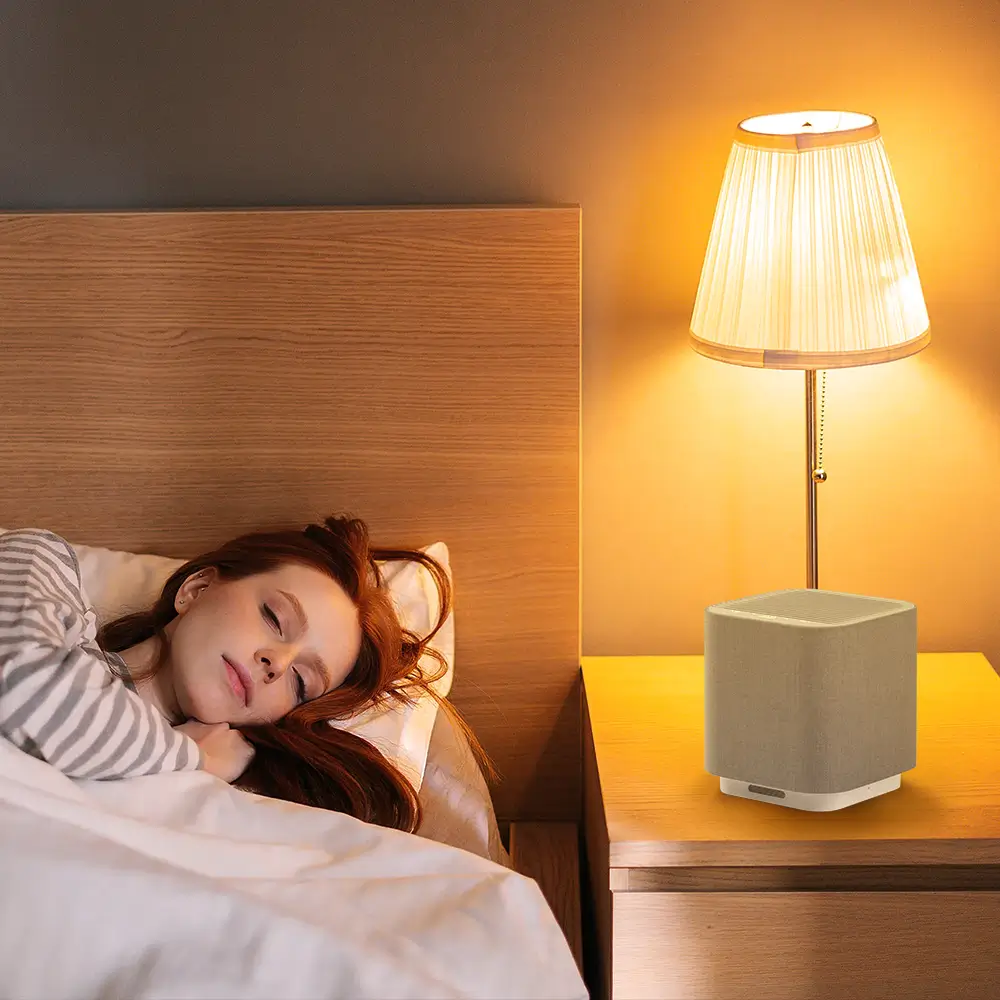
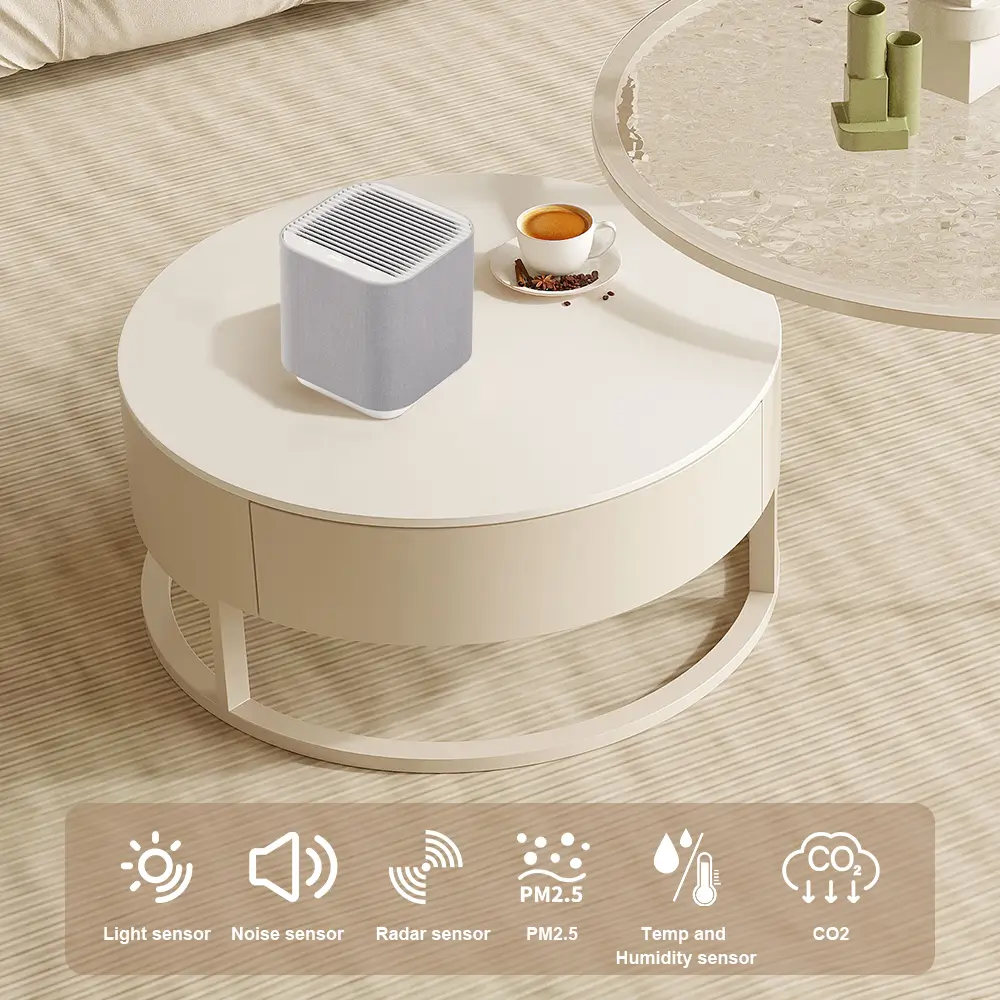
HisoAir's high-performance desktop air purifier, with noise levels as low as 32dB(A)
Energy Use: Sustainability and Savings
Choose ENERGY STAR® certified models to reduce energy consumption and operational costs, aligning with sustainability goals. Opting for ENERGY STAR® certified air purifiers reduces operational costs and aligns with sustainable practices, benefiting both the environment and the hotel’s budget.
Total Cost of Ownership (TCO): Beyond the Purchase Price
Consider TCO, including filter replacement, maintenance, and energy consumption over the unit’s lifespan, to avoid unexpected long-term expenses. Evaluating the Total Cost of Ownership, including filter life and maintenance, provides a realistic financial picture and prevents unexpected long-term expenses.
What Deployment Formats Are Available?
Air purification systems come in various formats, each suited for different areas and operational considerations.
| 유형 | 장점 | 단점 | Ideal Use Case |
|---|---|---|---|
| 휴대용 장치 | Flexible, easy to move, no installation | Visible, can be moved by guests, requires outlets | Guest rooms, small meeting rooms, back offices |
| Wall/Ceiling-Mounted | Discreet, quiet, out of the way | Higher installation cost, less flexible | Suites, corridors, executive lounges |
| HVAC-Integrated | Whole-building coverage, invisible | Complex retrofitting, higher upfront cost | Back-of-house, large common areas, entire property |
Portable Units: Flexible and easy to set up, ideal for individual rooms. May be visible or moved by guests.
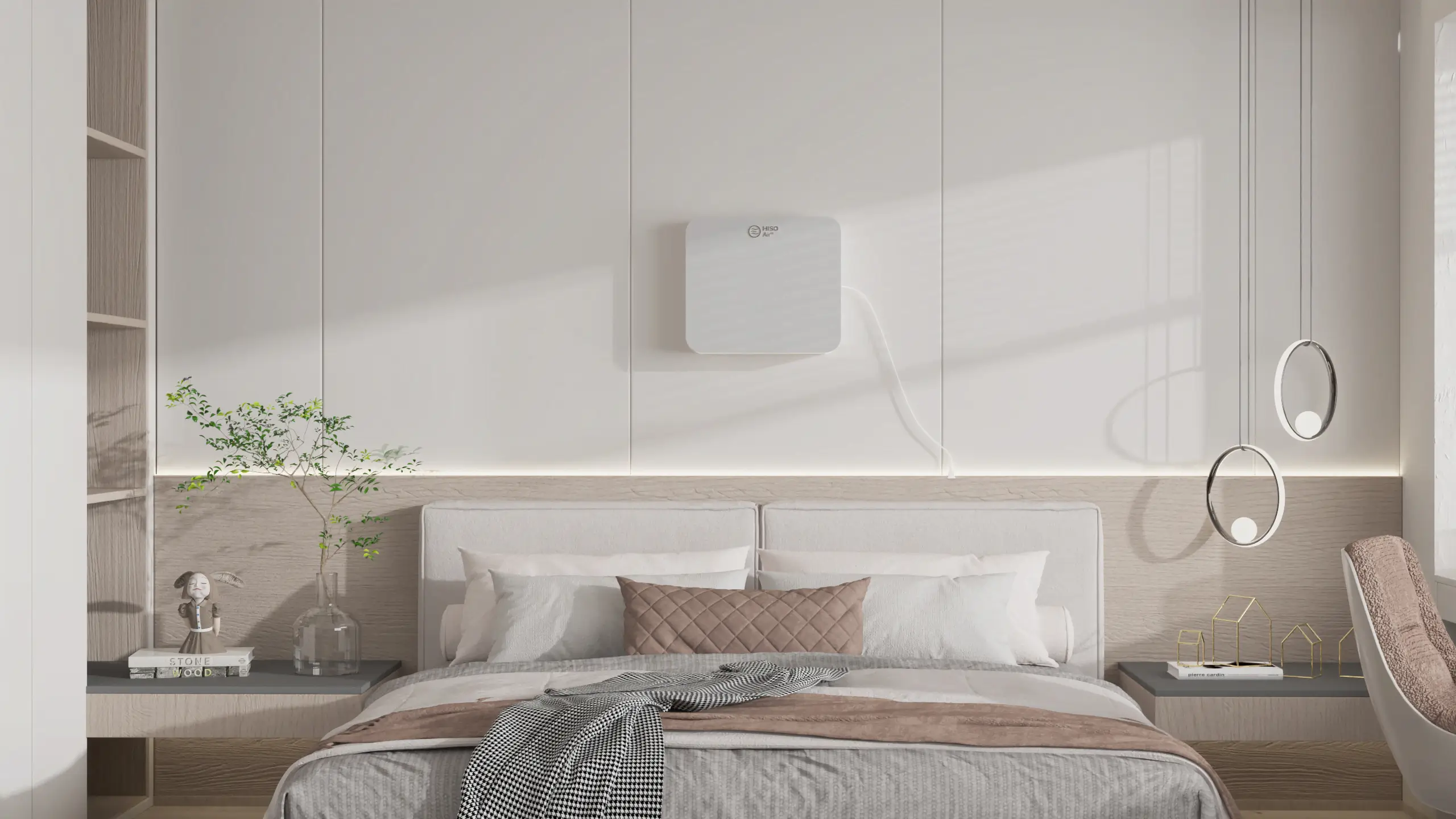
Wall/Ceiling-Mounted Units: Discreet and quiet, offering a more permanent solution for suites or corridors. Higher installation cost.
HVAC-Integrated Systems: Provide whole-building coverage and are invisible. Involve complex retrofitting and higher upfront investment, best for new constructions or major renovations.
What is the Best Deployment Strategy for Hotel Air Purification?
A zone-based deployment strategy optimizes air purification, tailoring solutions to each area’s unique needs, maximizing efficiency and guest satisfaction.
How Should You Approach Guest Rooms?
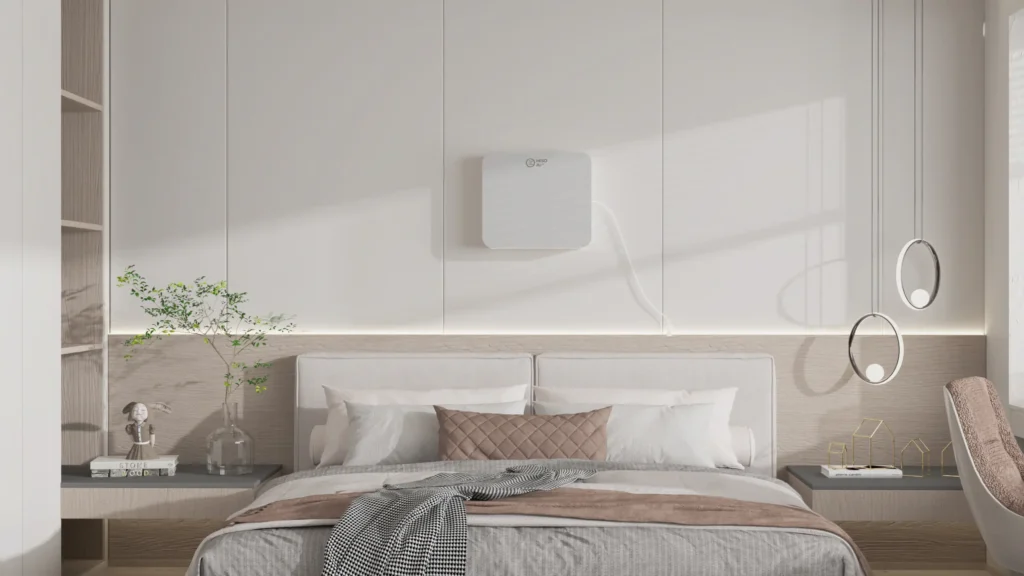
Guest rooms require silent, compact, and discreet units for effective allergen and odor removal. Wall-mounted or ultra-quiet portable models are ideal, ensuring a restful and healthy personal space. In guest rooms, the focus should be on silent, discreet, and effective air purification to create a restful and healthy personal space for each guest.
What About Lobbies and Event Spaces?
High-traffic common areas need high-CADR systems with smart controls to manage large air volumes and fluctuating pollutant levels efficiently. For high-traffic areas like lobbies, high-CADR systems with smart controls are essential to manage the large air volume and fluctuating pollutant levels effectively.
How Can You Tackle Odors in Restaurants and Bars?
Restaurants and bars require robust odor and VOC removal, prioritizing systems with substantial activated carbon filters and HEPA filtration. In restaurants and bars, the deployment strategy must prioritize strong activated carbon filtration to effectively neutralize pervasive odors and VOCs.
What are the Needs of Gyms and Spas?
Gyms and spas need high air exchange rates with HEPA and carbon filtration to manage VOCs, humidity, and maintain a healthy wellness environment. For gyms and spas, a high air exchange rate combined with HEPA and carbon filtration is necessary to manage VOCs, humidity, and maintain a healthy wellness environment.
Here’s a summary of the zone-based deployment strategy:
| Area | Primary Needs | Recommended Air Purification Solution |
|---|---|---|
| Guest Rooms | Silent, compact, discreet, allergen removal | Wall-mounted units or ultra-quiet portable models with HEPA filters |
| Lobbies & Events | High traffic, large spaces, smart control | High-CADR, commercial-grade models with smart sensors |
| Restaurants/Bars | Strong odor and VOC control | Systems with substantial activated carbon filters and HEPA |
| Gyms & Spas | High air exchange rate, VOC/humidity management | High-capacity units with HEPA/Carbon filtration and proper ventilation |
Which Brands and Models Should Your Hotel Consider? (And Real-World Success Stories)
Identifying reputable brands and models is crucial. This section highlights leading manufacturers, recommends top models for various hotel zones, and showcases real-world success stories.
Leading Brands in Commercial Air Purification
Commercial spaces demand robust, high-capacity systems, distinct from consumer-grade units.
Commercial-Grade Specialists:
-
Camfil: Global leader in air filtration, known for high efficiency and durability in demanding environments.
-
TRACS: Integrates HEPA, activated carbon, and UV-C for diverse hotel applications.
-
Purisystems: Provides robust, high-capacity solutions for lobbies, event spaces, and back-of-house.
-
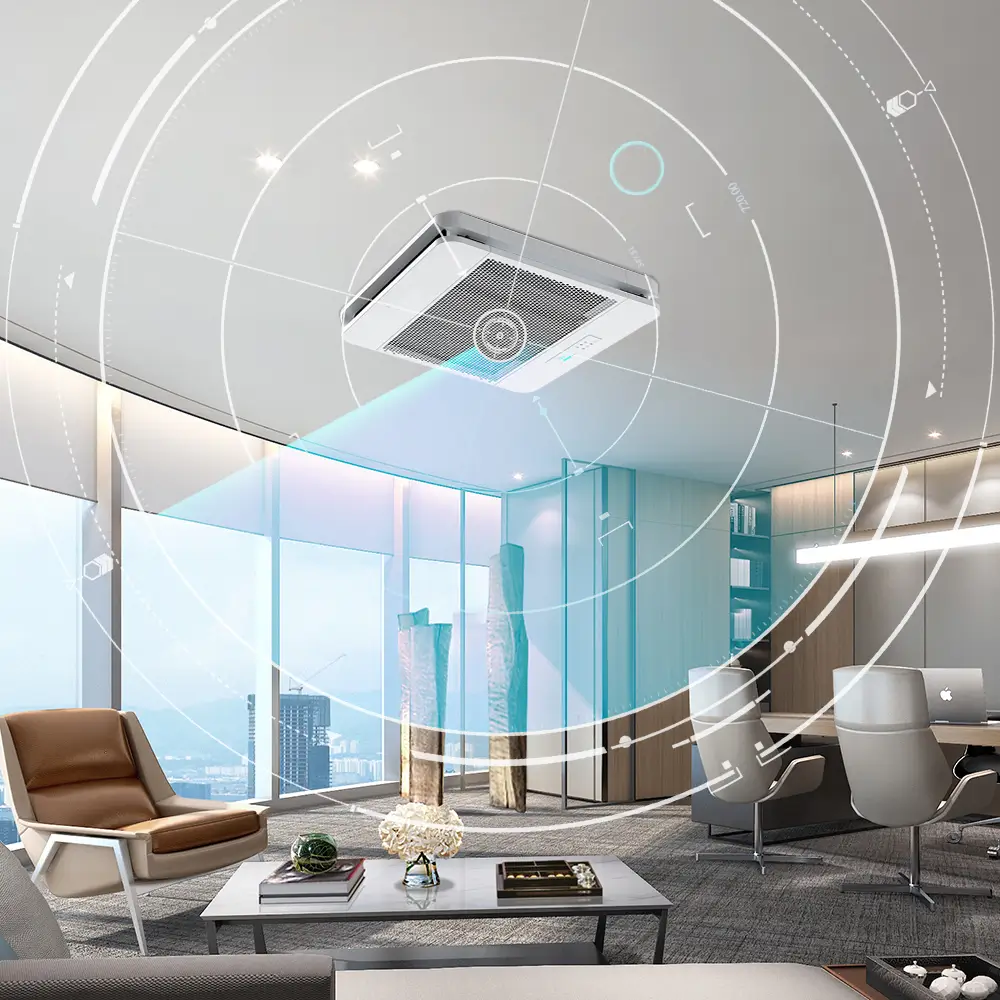
HisoAir: Specializes in professional-grade air purifiers including ceiling-mounted and wall-mounted units, ideal for hotel lobbies, conference rooms, and guest areas where quiet operation and seamless integration are required.
High-End Consumer/Prosumer Brands (Suitable for Guest Rooms/Smaller Spaces):
-
Coway: Offers sleek designs and effective multi-stage filtration, ideal for individual guest rooms.
-
Rabbit Air: Known for quiet operation and stylish designs, perfect for discreet guest room placement.
-
Blueair: Combines electrostatic and mechanical filtration for efficient, low-energy particle capture in guest rooms.
-
Oransi: Provides high-performance consumer models suitable for larger guest rooms or small common areas.
-
HisoAir: Offers compact yet powerful desktop purifiers like the HA100D Pro, perfect for guest rooms or executive suites prioritizing both air quality and aesthetic integration.
Top Models by Use Case
Matching the right model to the specific area optimizes performance.
For Lobbies & Large Common Areas:
-
HisoAir Ceiling-Mounted: Designed for seamless installation in larger hotel spaces such as lobbies and restaurants, this high-capacity unit offers HEPA-level filtration while remaining quiet and out of sight.
-
Coway Airmega 400S: High CADR and smart features make it suitable for smaller lobbies.
-
Oransi Mod+: Balances performance and quiet operation for larger guest rooms or small common areas.
For Guest Rooms:
-
HisoAir Desktop Air Purifier: Compact, medical-grade HEPA filter with low noise output and sleek design—ideal for maintaining healthy air in individual guest rooms without disrupting the ambiance.
-
Rabbit Air MinusA2: Ultra-quiet with customizable filtration, excellent for noise-sensitive guest rooms.
-
Blueair 311i Max: High CADR for quick air changes, energy-efficient and quiet.
-
AirDoctor 2500: Comprehensive HEPA and activated carbon filtration for a wide range of pollutants.
Real-World Success Stories: Hotels Leading the Way in IAQ
Hotels investing in superior IAQ have reaped significant benefits.
-
Four Seasons Astir Palace (Athens, Greece): Implemented bipolar ionization for active air purification, enhancing guest comfort and aligning with their luxury brand.
-
The Twelve Hotel (Barna, Ireland): Successfully eliminated pet odors using advanced ionization technology, maintaining their pet-friendly policy without compromising air quality.
-
Pure Room Program: Hotels in this program, offering hypoallergenic environments with medical-grade air purification, report achieving a 15–20% rate premium. This demonstrates clear market demand and increased revenue. The success of the Pure Room program highlights a clear market demand for superior indoor air quality, enabling hotels to command higher rates and attract health-conscious travelers.
These case studies confirm that investing in advanced air purification is a strategic business decision, enhancing brand reputation, guest satisfaction, and revenue.
Conclusion: Start with the Air
In modern hospitality, air quality is a foundational element of guest satisfaction, revenue, and brand reputation. As guest expectations evolve, hotels proactively investing in superior IAQ gain a significant competitive advantage. Clean air is not just a trend; it is an expectation discerning travelers will pay for.
Your Next Steps Towards Superior IAQ:
For hoteliers ready to embrace the future, here are actionable steps:
-
Audit Your Current IAQ: Assess existing air quality, identify pollutant sources, and pinpoint areas needing immediate attention. This provides a baseline for strategic decisions.
-
Design a Hybrid Strategy: Combine your HVAC system with targeted zone-based air purification units. This ensures whole-building circulation and specialized treatment for high-need areas.
-
Deploy the Right Systems Per Zone: Select appropriate technologies and models for each zone, considering CADR, noise, energy efficiency, and total cost of ownership.
-
Communicate Your Wellness Commitment: Transparently highlight your efforts in providing a healthier environment through clear messaging and digital platforms. This builds trust and reinforces your brand’s dedication to guest well-being.
By taking these decisive steps, your hotel can lead in providing an unparalleled guest experience, where clean air is a tangible reality. Investing in air quality is investing in future success, ensuring your property remains a preferred destination for comfort, health, and peace of mind.

 English
  Français
  Español
  Italiano
  Deutsch
  Português
  Русский
  العربية
  日本語
日本語  한국어
한국어  Tiếng Việt

