
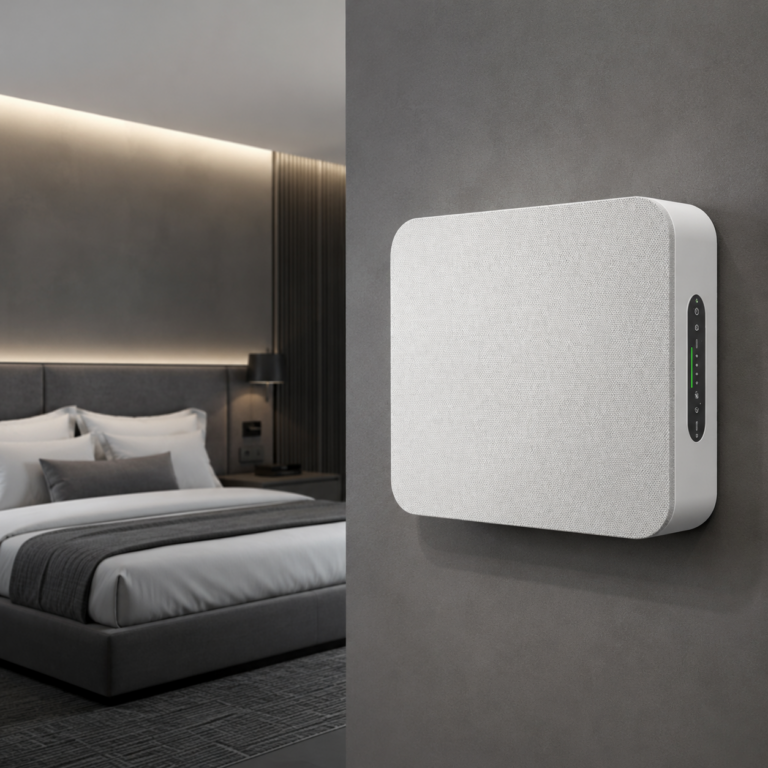
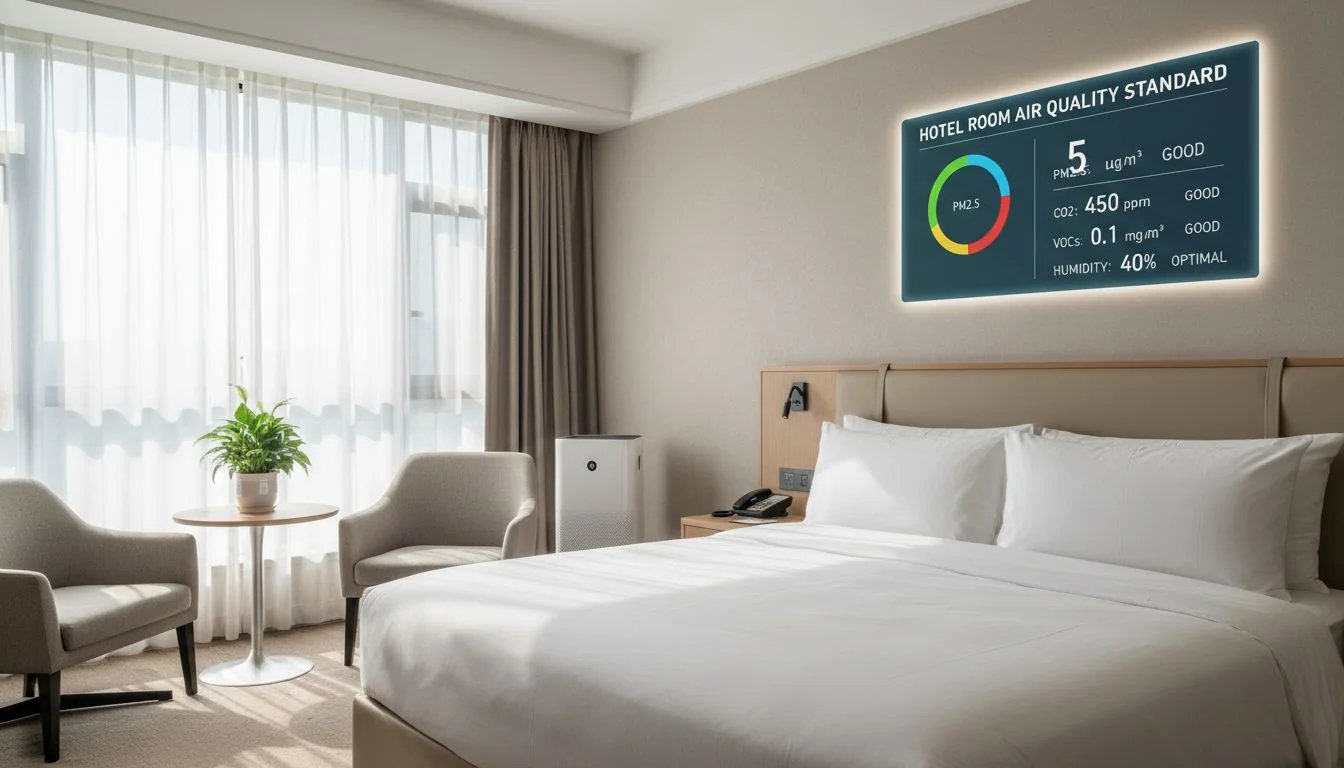
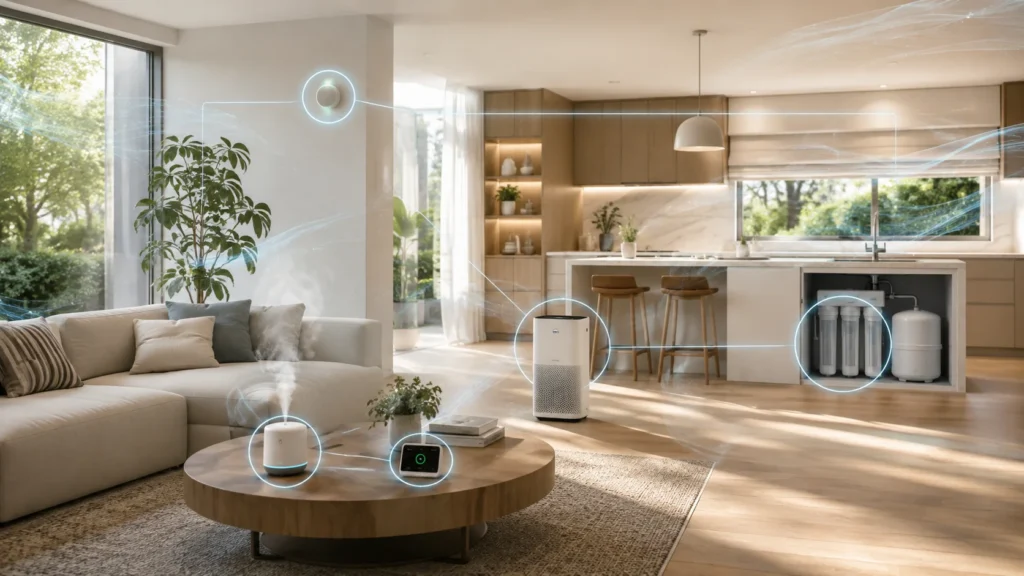
Stuffy hotel rooms ruin trips. Guests blame the brand and hurt your reputation. Better air quality is now a standard you must meet to keep customers happy.
Indoor air quality1 is becoming a hotel standard because guests now link bad air directly to brand reputation. Travelers leave negative reviews about odors and stuffiness. This shifts air quality from a hidden engineering metric to a visible guest experience requirement.
I see this shift clearly from the manufacturing side. You might think this only affects hotel managers. But this change directly impacts how we design and manufacture products today. Let us look at why this matters for your next big project.
Guests do not care about indoor air quality in hotels.False
Guests now actively complain about poor air quality in online reviews.
Air quality is now a reputational metric for hotels.True
Guests blame the hotel brand for bad air, which directly impacts the hotel's public reputation.
From Amenity to Expectation: How Are Guest Air Standards Shifting?
You design a great product. But poor air ruins the user experience. Guests expect clean air now. We must adapt our designs to meet this new demand.
Guest air standards are shifting from luxury perks to basic expectations. Travelers no longer see clean air as a bonus. They demand it just like fast Wi-Fi. Hotels must upgrade their systems to stay competitive in the market.
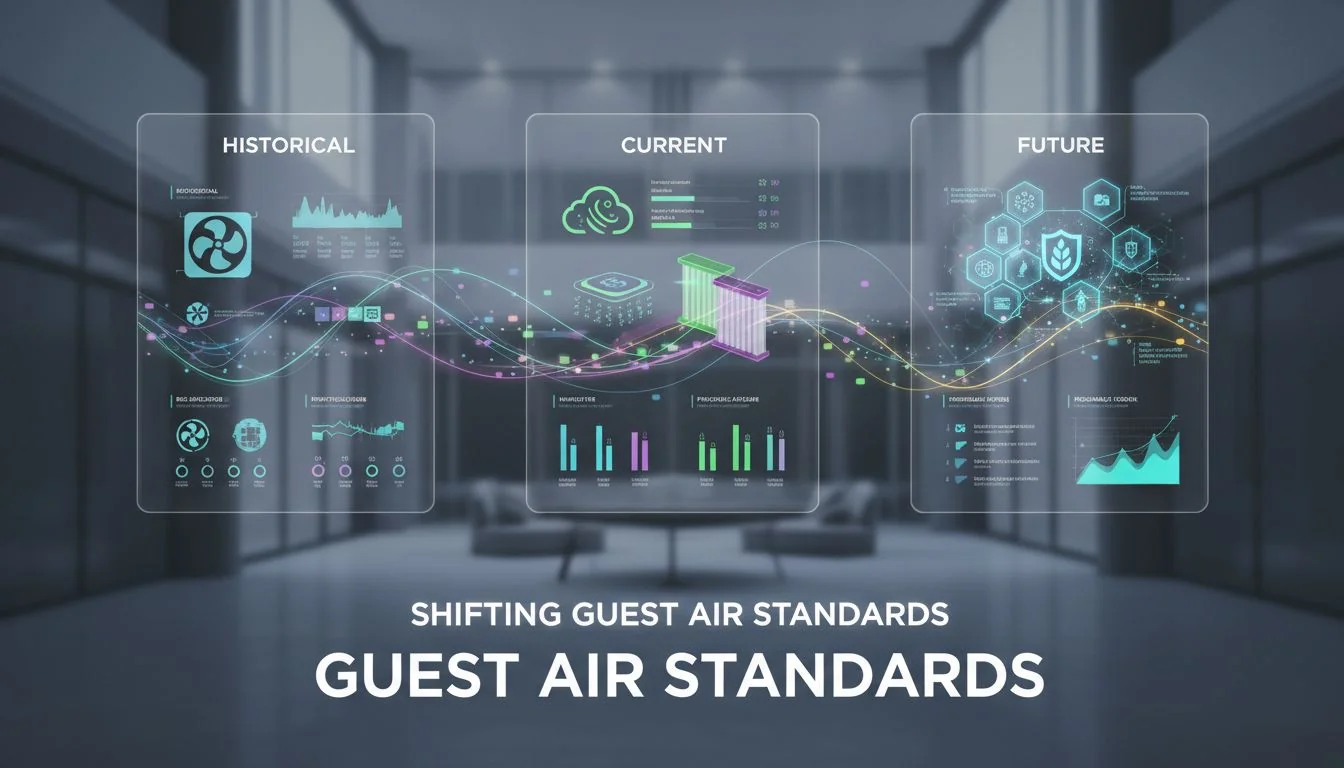
The Shift in Guest Demands
I remember my early days in the mold factory. We only cared about making parts cheap. We did not think about the end user. The hotel industry acted the same way. They treated clean air as a luxury. Only five-star hotels offered 공기 청정기2. This is no longer true. Guests now expect clean air in every room. This change impacts product designers like you. You design plastic components for consumer electronics. Many of these electronics are now air purifiers or smart HVAC sensors. You must understand this market shift. Hotels buy these devices in huge numbers. They need reliable products. They need products that look good in a room. Your designs must meet both aesthetic and functional requirements. You must optimize these parts for large-scale production. The demand is growing fast. You face tight project deadlines. You must calculate mold shrinkage accurately for these new devices. The market will not wait. You must keep up with these advancements.
| Past Expectation | Current Expectation | Impact on Design |
|---|---|---|
| Clean air is a luxury | Clean air is a basic need | Higher demand for air devices |
| Purifiers look industrial | Purifiers must look stylish | Focus on aesthetic product design |
| Low production volume | High production volume | Need for large-scale mold optimization |
Clean air is still considered a luxury perk in most hotels.False
Clean air has shifted from a luxury amenity to a basic guest expectation.
Hotels need air purifiers that look good in guest rooms.True
Hotels require devices that meet aesthetic requirements to blend with room decor.
What Do Today's Travelers Notice About Room Air?
Bad smells drive guests away. They notice stuffy air right away. You need to know exactly what triggers these bad reviews to fix the problem.
Today's travelers notice odors, stuffiness, and allergens the most. They might not understand air science. But they know when a room feels heavy or smells like smoke. These visible signs make guests feel unsafe and lead to immediate complaints.
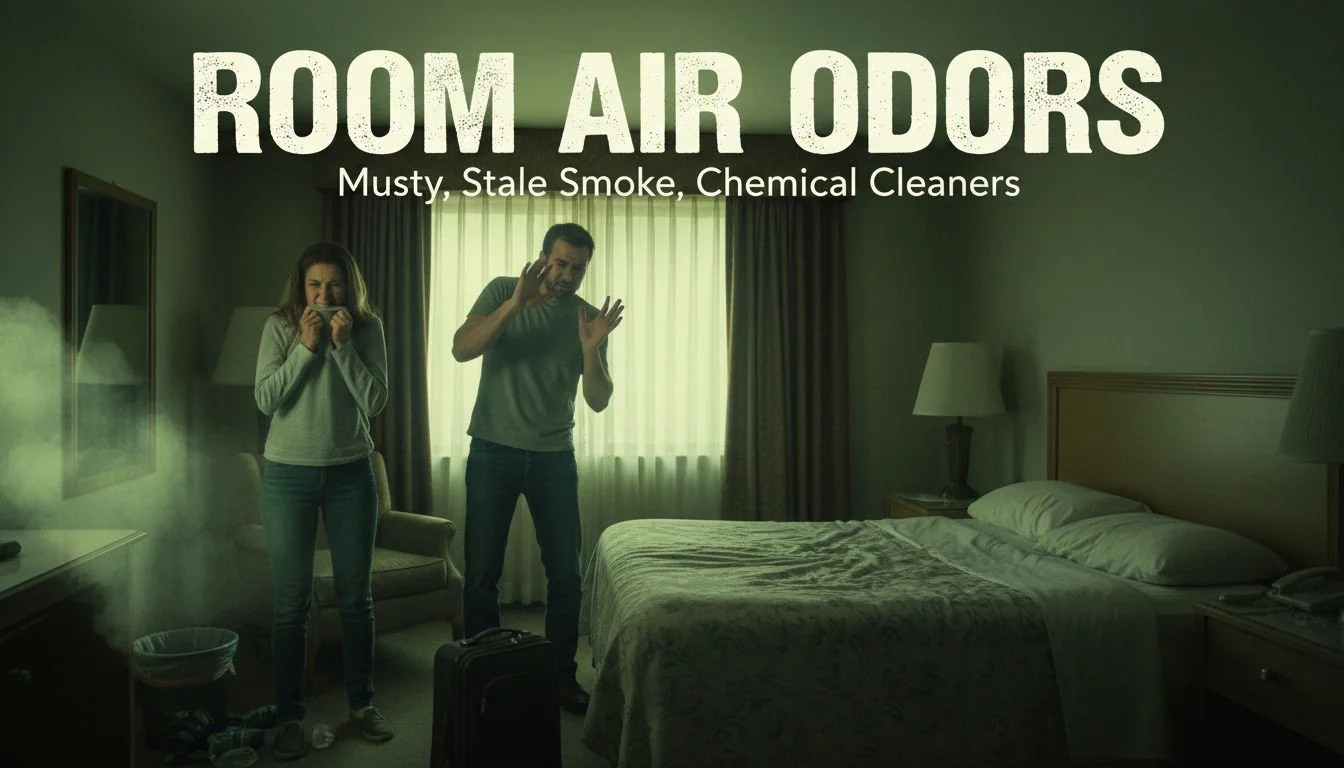
Visible Signs of Bad Air
Guests do not know the science of air quality. Most guests cannot name a single pollutant. But they know what they feel. They notice a damp smell. They feel a stuffy room. They sneeze from dust or allergens. I see this in my CNC trading company. Clients want to build sensors that detect these exact issues. They want to build products that solve these visible problems. You design the plastic housings for these sensors. You must think about how the air flows through your plastic parts. The design must allow air to reach the internal sensors quickly. Guests react to these issues immediately. They do not wait. They complain to the front desk. They leave bad reviews. Hotels need devices that fix these problems fast. Your mold designs must support efficient manufacturing. You must help companies produce these devices quickly. This helps hotels solve the guest complaints3. You must use your CAD tools to create perfect designs.
| Guest Complaint | What They Notice | Product Solution |
|---|---|---|
| 냄새 | Smoke or damp smells | Carbon filter purifiers |
| Stuffiness | Heavy or stale air | Smart ventilation fans |
| 알레르겐 | Sneezing or coughing | HEPA filter devices |
Most hotel guests can name specific chemical pollutants in the air.False
Most guests do not understand air science and cannot name specific pollutants.
Guests notice odors and stuffiness immediately upon entering a room.True
Travelers easily detect bad smells and heavy air, leading to quick complaints.
How Is the Wellness Hospitality Trend Driving "Healthy Rooms"?
Health is a top priority now. Standard rooms feel risky to health-conscious guests. The wellness trend forces hotels to create dedicated healthy spaces.
그리고 wellness hospitality4 trend drives the rise of healthy rooms. Hotels now offer rooms with advanced air purifiers and better ventilation. This trend turns health features into a core part of the hotel stay. Guests pay more for these healthy spaces.
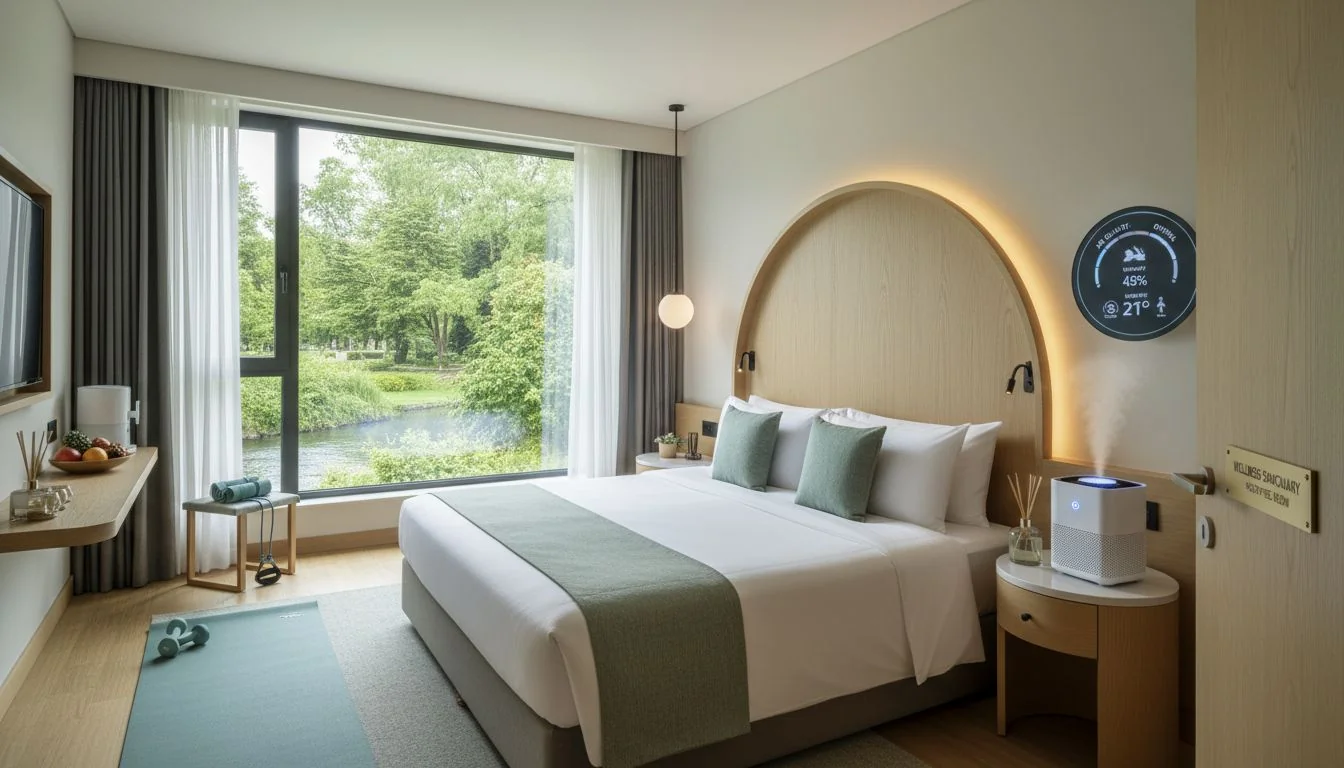
The Rise of Wellness Spaces
The wellness trend is changing the hotel industry. People care about their health more than ever. They want to stay in places that protect their health. Hotels created healthy rooms to meet this demand. These rooms have special features. They have advanced air purifiers. They use non-toxic materials. I helped a client manufacture parts for a high-end room purifier. The client wanted a perfect finish on the plastic. The product had to look premium. You understand this challenge. You work on consumer electronics. You know that aesthetic requirements are strict. Hotels charge more for these wellness rooms. They need reliable equipment inside them. The plastic components must not release bad smells. You must choose the right materials in your mold design5. You must avoid materials that off-gas. This keeps the air clean. This supports the wellness trend. Your role in product design directly impacts this new hotel standard. You must collaborate with engineers to pick safe plastics.
| 객실 유형 | Air Quality Feature | Guest Benefit |
|---|---|---|
| Standard Room | Basic HVAC filter | Minimum comfort |
| Healthy Room | Standalone HEPA purifier | 알레르기 유발 물질 감소 |
| Wellness Suite | Integrated smart air system | Complete health protection |
Healthy rooms use the exact same air systems as standard hotel rooms.False
Healthy rooms feature advanced air purifiers and better ventilation than standard rooms.
Guests are willing to pay more for rooms with health and wellness features.True
The wellness trend shows that health-conscious guests will pay a premium for healthy spaces.
Why Does Air Quality Now Show Up in Reviews and Brand Standards?
Bad reviews hurt your business. Guests complain about air quality online every day. Brands must set strict air standards to protect their public image.
Air quality shows up in reviews because guests hold the brand responsible. A stuffy room is no longer just an old building issue. It is a brand failure. This forces hotel chains to add air quality to their official brand standards.
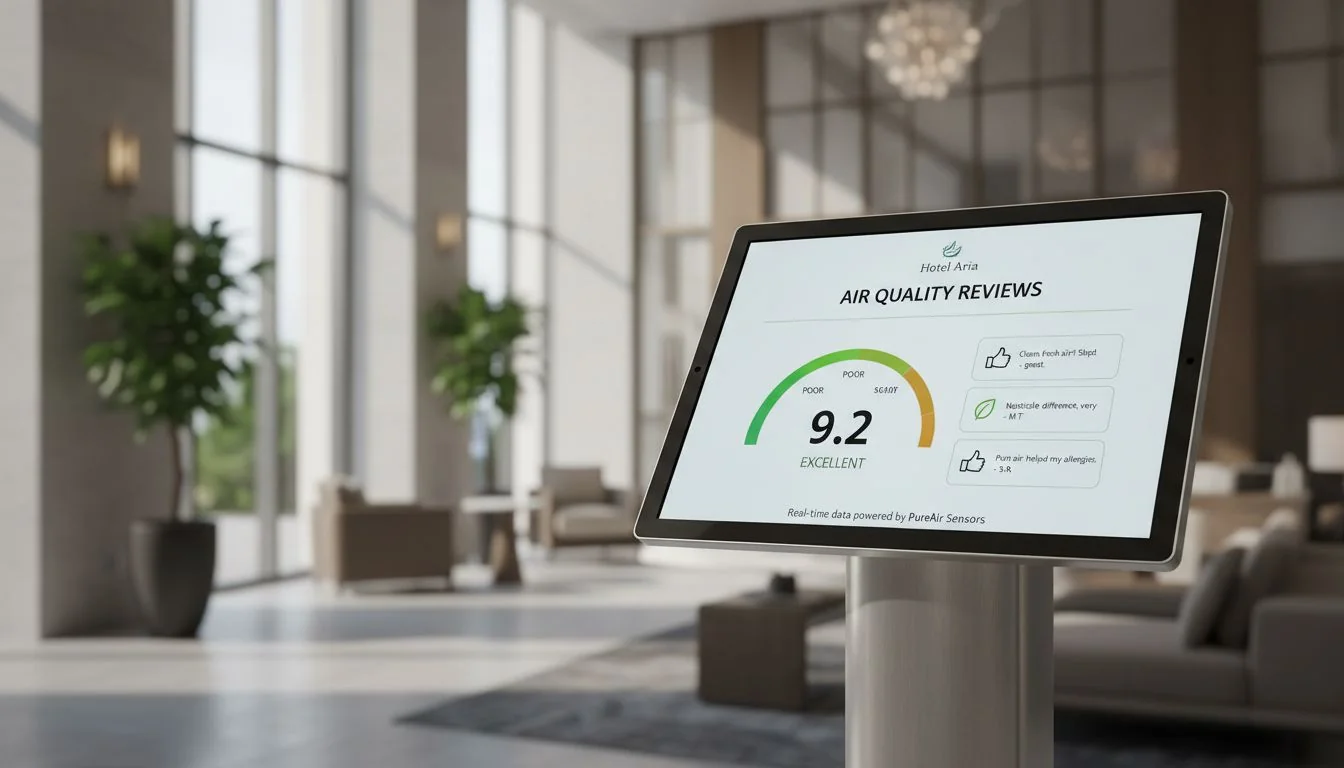
The Shift to Reputational Metrics
This is my biggest insight from the manufacturing side. A stuffy room used to be written off as an old building. Guests forgave the hotel. Today, the guest blames the brand. They say so in a review before checkout. Air quality has quietly moved from an engineering metric to a reputational one. This is why it is becoming a standard rather than an upgrade. Hotels cannot hide bad air anymore. The internet makes every complaint public. Hotel brands now write air quality into their official standards. They force franchise owners to buy air purifiers. This creates a massive market for the products you design. You must design plastic parts that can be produced fast. You must manage tight project deadlines. The hotels need these devices now to protect their reviews. Your mold design skills help manufacturers meet this urgent demand. You must ensure your designs are ready for large-scale production.
| Past Reaction | Current Reaction | Result for Hotel |
|---|---|---|
| Blame the old building | Blame the hotel brand | Damage to brand reputation |
| Complain at checkout | Post online review immediately | Loss of future bookings |
| Ignore the issue | Demand a room change | Increased operational costs |
Guests still blame old buildings for stuffy rooms instead of the hotel brand.False
Guests now blame the hotel brand directly for poor air quality in their rooms.
Air quality has become a reputational metric for hotel brands.True
Online reviews about bad air directly impact a hotel brand's public reputation.
What Do Public Standards Say About Indoor Air?
Confusing rules slow down your design process. You risk failing inspections without clear guidelines. Knowing the public standards6 helps you design better products.
Public standards from the EPA, AHAM, and ASHRAE provide strict guidelines for indoor air. They define acceptable levels of pollutants and purifier performance. Hotels use these engineering metrics to prove their air quality meets health and safety requirements.
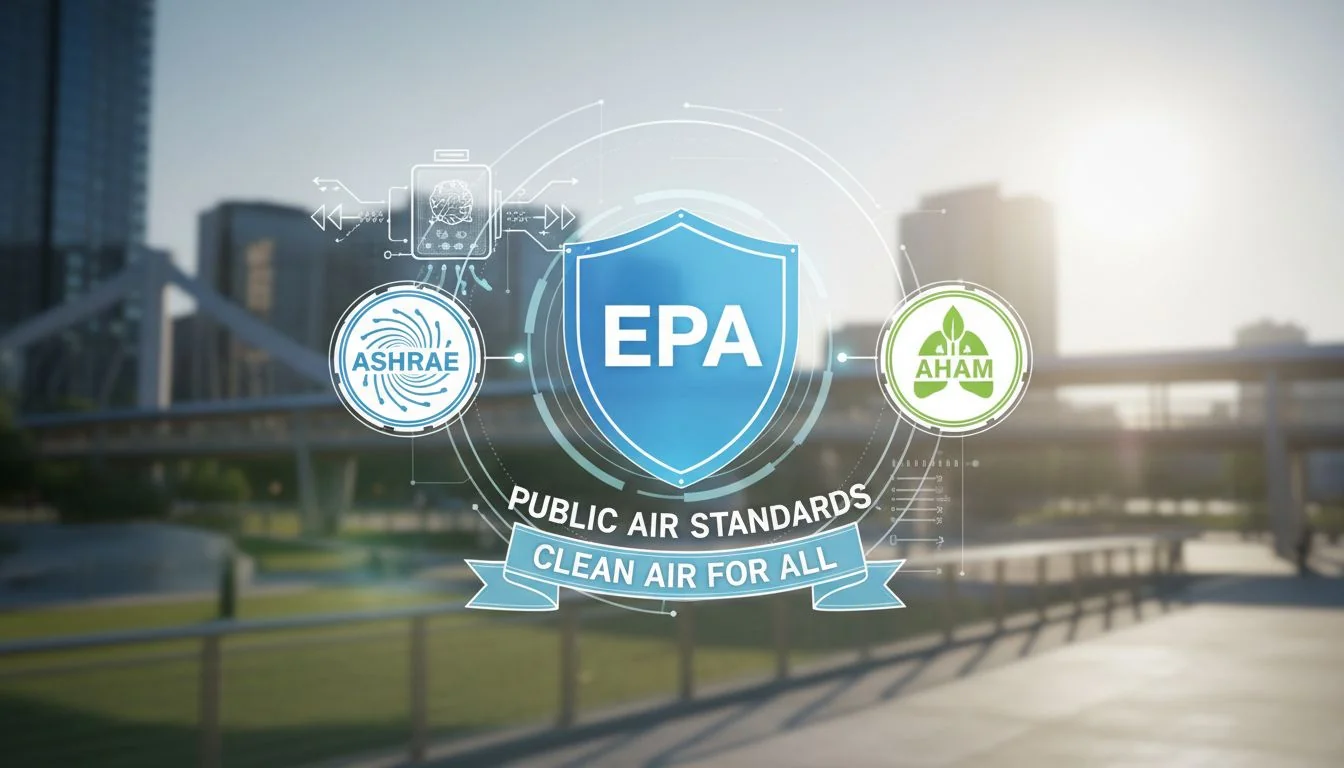
Understanding Engineering Metrics
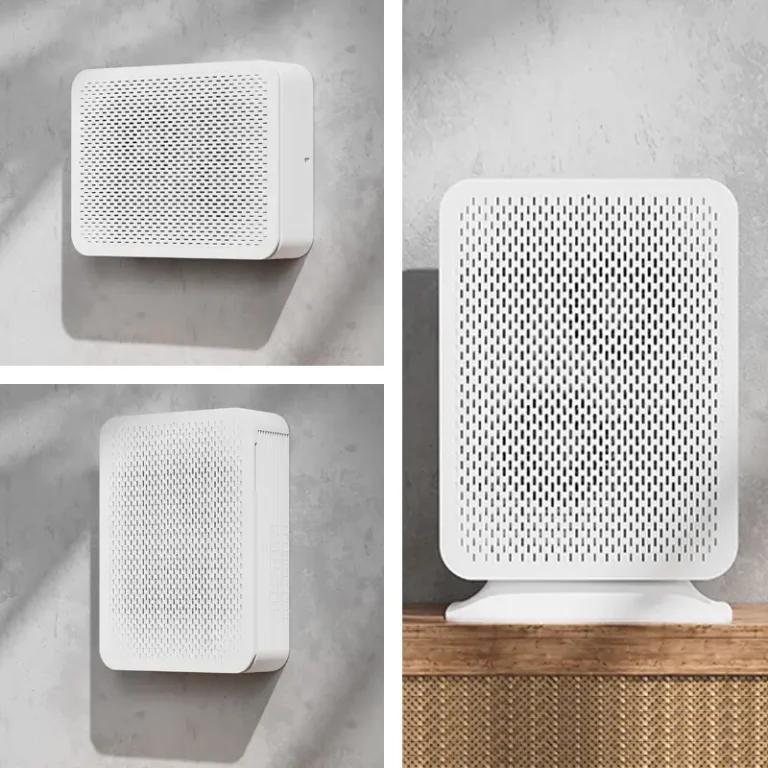
You cannot design a good product without knowing the rules. The EPA sets limits on indoor pollutants. AHAM tests how well air purifiers work. ASHRAE writes the rules for building ventilation. Hotels use these standards to buy equipment. They only buy products that meet these rules. I learned this when trading CNC parts. My clients needed parts that fit certified devices. You must design plastic components that pass these tests. Your plastic designs must not block airflow. You must design grilles and vents perfectly. You must calculate mold shrinkage so the parts fit together tightly. A loose fit can let dirty air bypass the filter. This will cause the device to fail the AHAM tests. You must use your ten years of experience to prevent this. You must ensure the final product meets all public standards. You must work closely with production teams to maintain quality.
| Organization | Focus Area | Impact on Product Design |
|---|---|---|
| EPA | Pollutant limits | Need for effective filtration |
| AHAM | Purifier performance (CADR) | Need for optimal airflow design |
| ASHRAE | Building ventilation | Need for integration with HVAC |
AHAM sets the rules for building ventilation systems.False
ASHRAE sets the rules for building ventilation, while AHAM tests air purifier performance.
Hotels use public standards to verify the performance of air quality equipment.True
Hotels rely on standards from EPA, AHAM, and ASHRAE to ensure equipment meets safety requirements.
Where Do Hotels Add Air Purification First?
Upgrading a whole hotel costs too much. You cannot fix every room at once. You must know where to place air purifiers first for the best return.
Hotels add air purification first in premium spaces like suites and wellness floors. These zones attract guests who pay more for health benefits. Starting here allows hotels to test the technology before rolling it out to standard guest rooms.
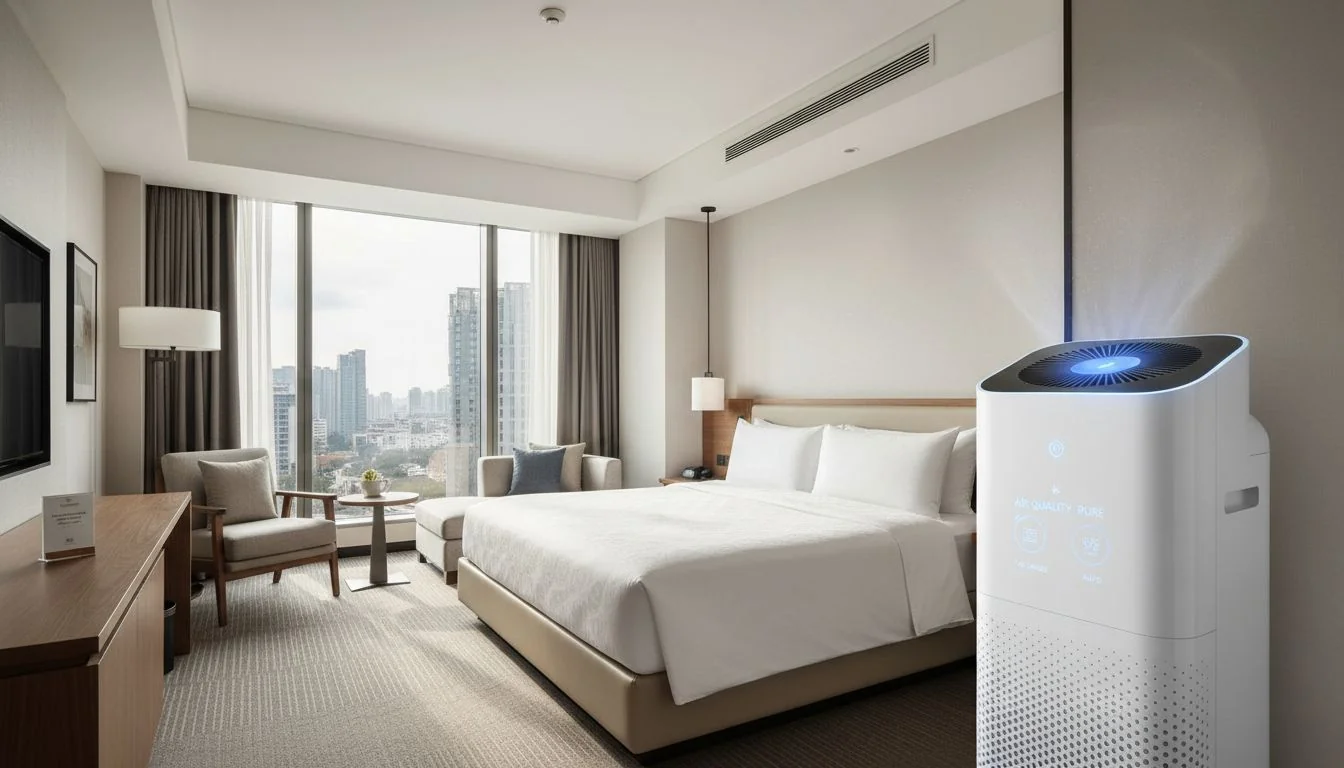
Phased Rollout in Hotels
Hotels do not buy purifiers for every room on day one. They start small. They put them in luxury suites first. They put them on dedicated wellness floors. They put them in gyms and spas. These are high-value areas. Guests in these areas expect the best. I saw this pattern with my clients. They always ordered small batches of parts first. They tested the market. Then they ordered large-scale production runs. This phased approach affects your work. You might design a mold for a small production run first. You must design it so it can scale up later. You must incorporate the latest design techniques to keep costs low. When the hotel decides to put purifiers in every standard room, the order volume will explode. Your mold must be ready for large-scale production. You must ensure the plastic components remain consistent in quality. You must prepare for this sudden increase in demand.
| Hotel Area | Priority Level | Reason for Placement |
|---|---|---|
| Wellness Floors | 높음 | Guests pay a premium for health |
| Luxury Suites | 높음 | High expectations from VIP guests |
| Standard Rooms | Medium | Phased rollout after testing |
Hotels always install air purifiers in every standard room before upgrading suites.False
Hotels typically upgrade premium spaces like suites and wellness floors first.
Starting in premium spaces allows hotels to test air quality technology.True
Hotels use high-value areas to test equipment before a full property rollout.
What Does This Mean for Hotel Operators and Developers?
Ignoring air quality loses money. Developers face pressure to build better systems. You must integrate air quality into your plans to stay profitable.
For hotel operators and developers, air quality is now a mandatory investment. They must include advanced HVAC systems and air purifiers in their budgets. Good air quality protects the brand reputation and ensures long-term property value.

The Future of Hotel Development
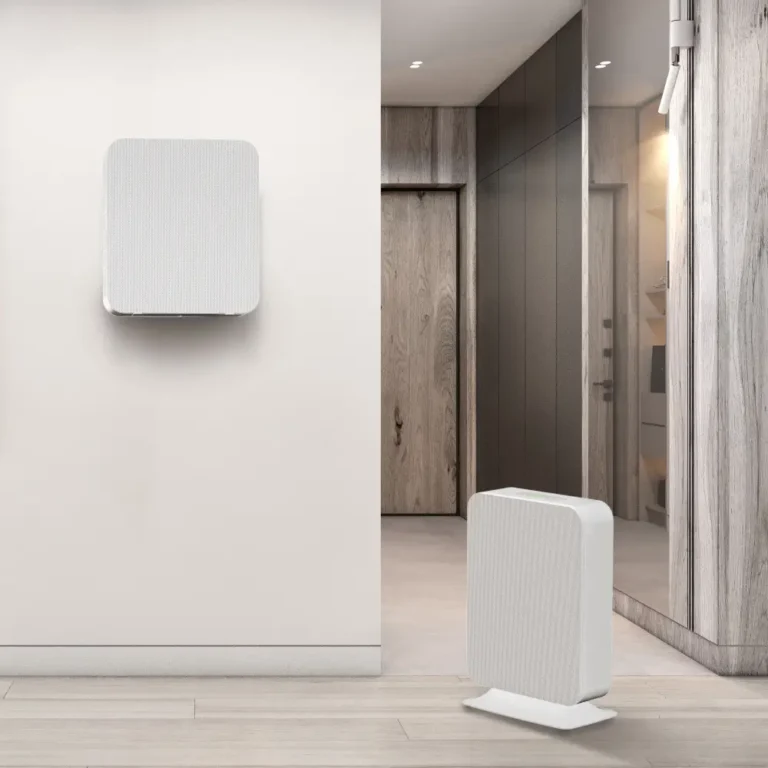
Hotel developers must change how they build. They cannot cut corners on air systems anymore. They must budget for high-quality air purifiers. They must install smart sensors. This is a huge opportunity for the manufacturing sector. It is a huge opportunity for product designers like you. The demand for plastic components in smart building tech is rising fast. Developers need devices that are durable and cheap to replace. You play a key role in this supply chain. You design the parts that make these air systems work. You collaborate with engineers to optimize these designs. You help reduce costs through smart mold design. When you master molding right, you help manufacturers deliver better products. These products help hotel operators meet the new guest expectations. Your work directly improves the indoor air quality for travelers around the world. You must keep learning about new materials to stay ahead.
| Stakeholder | New Responsibility | Business Impact |
|---|---|---|
| Hotel Operator | Maintain clean air daily | Better online reviews |
| Hotel Developer | Budget for advanced HVAC | Higher property value |
| Product Designer | Design scalable air devices | Increased manufacturing orders |
Hotel developers can safely ignore air quality to save money on construction.False
Ignoring air quality damages brand reputation and lowers long-term property value.
Good air quality is now a mandatory investment for hotel operators.True
Operators must invest in air quality to protect their brand and meet guest expectations.
결론
Indoor air quality is now a strict standard for hotels. Guests demand clean air and blame brands for bad smells. You must design better products to meet this growing need.
References
-
Understanding indoor air quality is crucial for hotels to enhance guest satisfaction and protect their reputation. ↩
-
Finding the best air purifiers can help hotels meet guest expectations for clean air. ↩
-
Identifying common complaints can guide hotels in making necessary improvements. ↩
-
The wellness hospitality trend is reshaping guest expectations and hotel offerings. ↩
-
Effective mold design is essential for producing high-quality air quality devices for hotels. ↩
-
Knowing public standards helps hotels comply with regulations and ensure guest safety. ↩

 English
  Français
  Español
  Italiano
  Deutsch
  Português
  Русский
  العربية
  日本語
日本語  한국어
한국어  Tiếng Việt

