Открывается в новой вкладке
Инновационные решения в области качества воздуха
HisoAir-Logo
Запрос сейчас

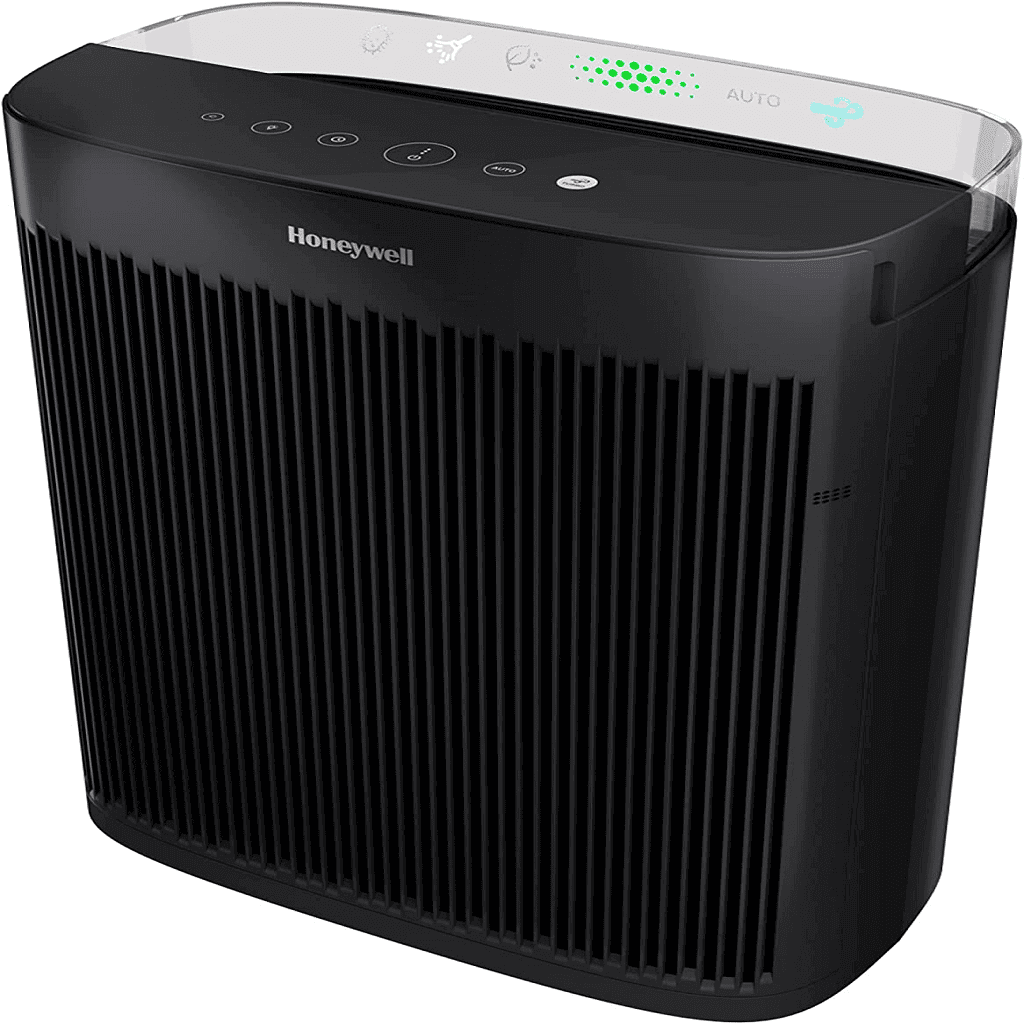
Где производятся воздухоочистители Honeywell?

Honeywell - одна из самых известных марок воздухоочистителей на сегодняшний день. Она устанавливает стандарты для воздухоочистителей HEPA; фактически, даже воздухоочистители HisoAir разработаны, чтобы конкурировать с этой маркой. Конечно, качество Honeywell обусловлено передовым оборудованием и технологиями производства.

HoneywellКомпания Honeywell Inc. - американский конгломерат с обширным присутствием на мировом рынке. Эта компания из Северной Каролины зарекомендовала себя в области создания технологий для жилых, коммерческих и промышленных объектов. В частности, она специализируется на четырех направлениях: аэрокосмическая промышленность, материалы, решения для повышения производительности и создание технологий.

Тем временем, Очистители воздуха Honeywell известны своей безупречной производительностью, особенно при фильтрации микроскопических загрязнений. Их возможности проверены и испытаны, особенно в жилых помещениях. Кроме того, многие аллергики используют воздухоочистители Honeywell благодаря их эффективности в задерживании загрязняющих веществ.

Опять же, функциональность воздухоочистителей Honeywell обусловлена строгим контролем качества на сборочных заводах компании. Но знаете ли вы, где находятся эти высококачественные очистители воздуха производятся?

Где производятся воздухоочистители Honeywell?
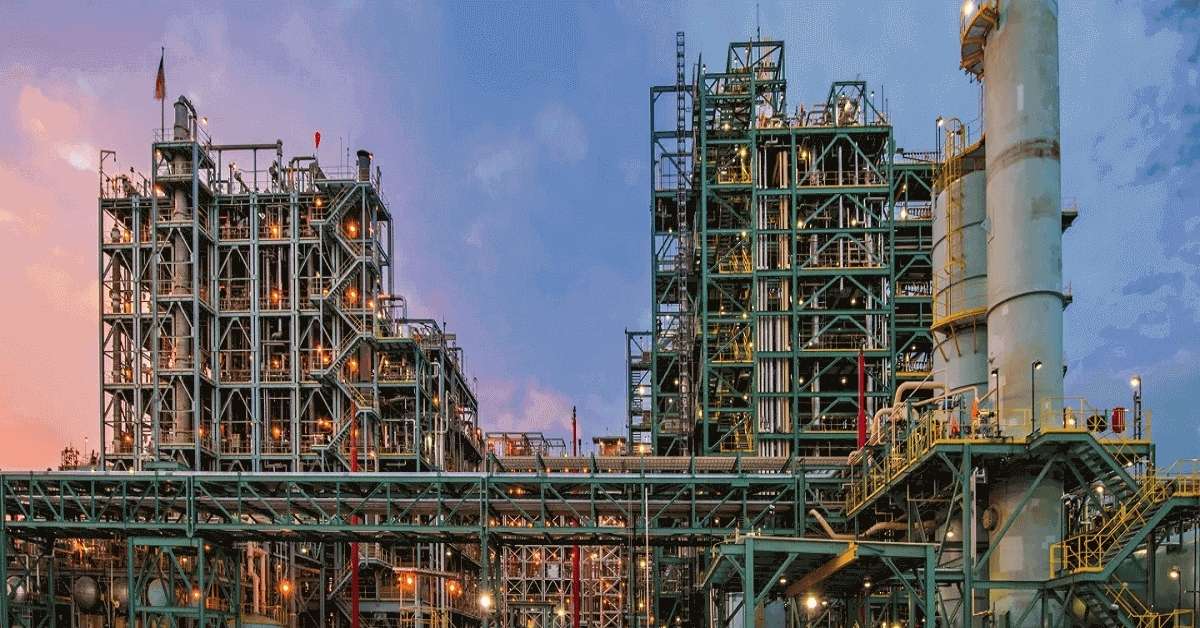
Сборочный завод компании Honeywell

Источник изображения: Honeywell

Несмотря на то, что Honeywell - американская компания, она не стала централизованно заниматься производством своих изделий. Конечно, это во многом связано с общим решением ее высшего руководства. Стоимость рабочей силы, доступность материалов и наличие рабочей силы - это одни из причин, по которым Honeywell расширила свою деятельность за пределами США.

В частности, воздухоочистители Honeywell производятся в разных странах, таких как Китай, Корея, и Португалии. Honeywell вынуждена передавать свою продукцию на аутсорсинг, чтобы обеспечить удовлетворение растущих потребностей своих клиентов. В то же время компания хочет обеспечить себе возможность получения прибыли за счет рационализации затрат на производство.

Значит ли это, что воздухоочистители Honeywell некачественные? Не обязательно. Ведь мы уже упоминали, что эта марка является одной из лучшие производители воздухоочистителей в мире. Воздухоочистители компании проходят независимые испытания в сторонних лабораториях. Воздухоочистители Honeywell имеют сертификат Energy Star и AHAM провереноЭто доказывает, что их качество не так уж и плохо.

Кроме того, эти воздухоочистители соответствуют стандартам Американской легочной ассоциации благодаря использованию высококачественных фильтров HEPA. В данном контексте уже не так важно, где произведены воздухоочистители Honeywell. Важно то, что они являются эффективными системами фильтрации воздуха.

Часто задаваемые вопросы о воздухоочистителях Honeywell
Сборочный завод компании Honeywell

Источник изображения: Honeywell

Вот некоторые из наиболее распространенных вопросов, которые задают те, кто впервые обращается к Honeywell, в частности, когда речь идет об очистителях воздуха:

Как использовать очистители воздуха Honeywell?

Интересно отметить, что воздухоочистители Honeywell не так уж сложны в использовании. Эти воздухоочистители разработаны так, чтобы быть максимально простыми, что у новых пользователей никогда не возникнет трудностей с их использованием.

Большинство новых воздухоочистителей Honeywell уже являются цифровыми. Это означает, что они оснащены сенсорным интерфейсом с кнопками, встроенными в панель. Чаще всего панели расположены на верхней части прибора. Таким образом, доступ к ним будет удобным. Вам не придется нагибаться, чтобы настроить конфигурацию воздухоочистителей.

Basically, these air purifiers are "press and play." You don't need to do anything before the devices do their thing. Once the air purifiers are plugged in, you can already press the power button so that they start running.

Вы также можете регулировать скорость вращения вентилятора этих воздухоочистителей Honeywell. В основном они имеют высокую, среднюю и низкую скорости, что позволяет настроить их в соответствии с вашими текущими потребностями. Например, если вы хотите, чтобы воздухоочиститель работал непрерывно, необходимо установить его на самую низкую скорость. Таким образом, вы сможете сэкономить электроэнергию и при этом обеспечить чистоту воздуха.

Некоторые воздухоочистители Honeywell оснащены датчиками качества воздуха. Они автоматизируют работу воздухоочистителя, контролируя наличие загрязняющие вещества в воздухе. На основании полученных показаний датчик может увеличить или уменьшить скорость вращения вентилятора воздухоочистителя.

Как часто менять фильтры воздухоочистителей Honeywell?

Оригинальные фильтры, встроенные в воздухоочистители Honeywell, отличаются долговечностью. Это означает, что они могут прослужить длительное время, особенно при правильной эксплуатации воздухоочистителей. Функциональность этих фильтров надежна, но это не означает, что они служат очень долго.

Эти фильтры также нельзя мыть. Поэтому их необходимо время от времени заменять. Это увеличивает расходы на эксплуатацию таких воздухоочистителей. Но, конечно, такой же механизм есть и у других марок воздухоочистителей.

Срок службы этих воздушных фильтров составляет в среднем три месяца. Если качество воздуха в вашем доме не такое уж плохое, то он может прослужить еще месяц или два. В местах, где воздух в помещении сильно загрязнен, эти фильтры могут износиться уже через месяц.

Некоторые воздухоочистители Honeywell оснащены индикаторами проверки фильтра. Они эффективно устраняют необходимость угадывать, когда речь идет о замене фильтра.

Лучший производитель очистителей воздуха в Китае

Honeywell действительно является отличным брендом для воздухоочистителей. Но если вы хотите рассмотреть другие варианты, вам стоит обратить внимание на другие международные бренды. Одной из таких альтернатив является HisoAir. 

HisoAir
Логотип HisoAir
Логотип HisoAir

Источник изображения: HisoAir

  • Тип бизнеса: Производитель, поставщик, OE/OD/JD
  • Штаб-квартира: Новое поколение Инфо. Tech. Индустриальный парк, район БаоАнь, Шэньчжэнь, Китай
  • Основные рынки: Глобальная
  • Опыт работы: 11 лет
  • Сертификаты: CE, ROHS, EN1822

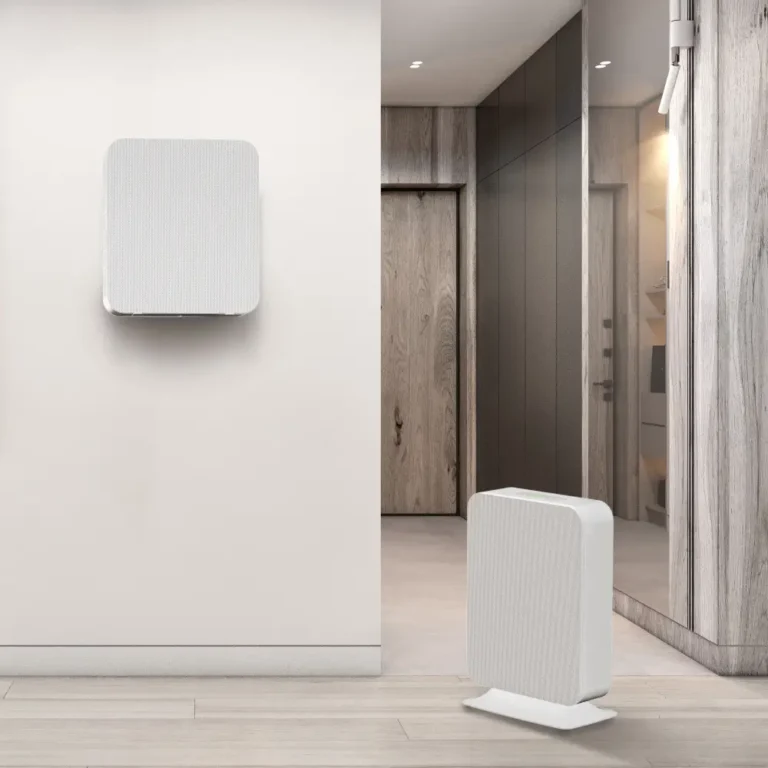
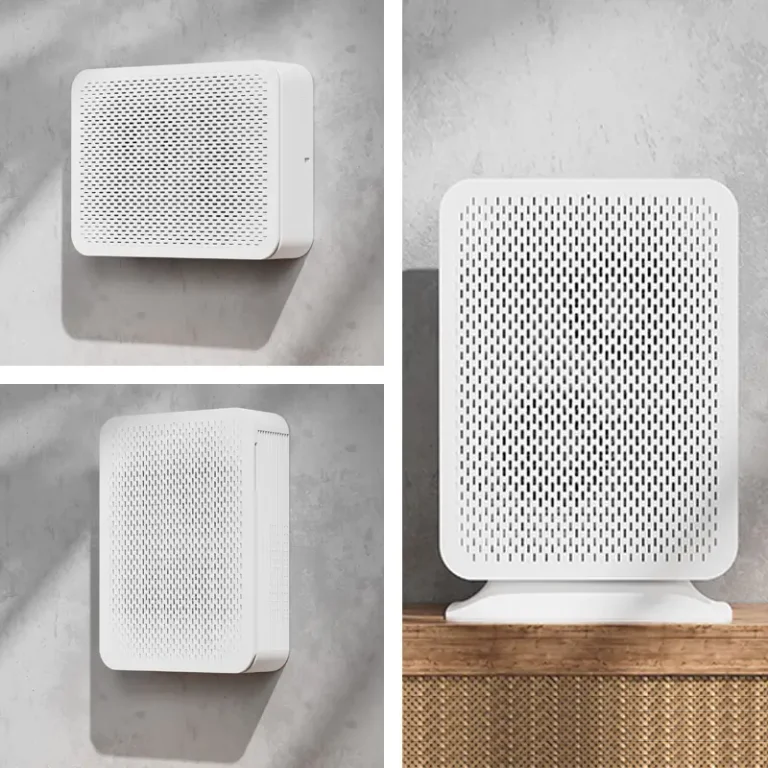
Качество воздухоочистителей HisoAir призвано конкурировать с популярными бренды воздухоочистителейтакие как Honeywell, Levoit и Blueair. Имея более чем десятилетний опыт работы в отрасли, эта компания уже выпустила множество воздухоочистителей медицинского класса. Ее продукция используется в больницах, правительственных зданиях, частных учреждениях и жилых домах.

HisoAir также может производить эти воздухоочистители оптом. Она может удовлетворить заказы в больших количествах. Компания также принимает международные заказы, предлагая конкурентоспособные цены на свои предложения. Конечно, воздухоочистители HisoAir эффективны. Они оснащены HEPA-фильтрами профессионального класса, способными задерживать 99,97 процента микроскопических загрязнений.


Ключевые продукты

Заключение

Здесь мы видим, что воздухоочистители Honeywell - это отличные инструменты для очистки воздуха. Они обладают исключительной эргономикой, что позволяет пользователям правильно их использовать. Кроме того, они долговечны и безопасны в использовании.

Между тем, вы можете попробовать и другие марки воздухоочистителей, например HisoAir. Последняя, например, предлагает эффективные воздухоочистители, которые работают как в коммерческих, так и в жилых помещениях. Кроме того, они имеют разумную цену, что позволяет приобрести их без лишних хлопот. Посетите HisoAir и узнать больше о ее продукции.

Ознакомьтесь также со следующими статьями!

Поделиться:
Основатель Hisoair мистер Ли
Alwen Lee, an air purification expert with over 10 years of experience, is a devoted father of two and a passionate traveler, having explored more than 30 countries. With a love for public speaking and swimming, he has dedicated his life to the indoor air quality industry. His mission is to ensure that people around the world enjoy the freedom to breathe clean air and lead happy, healthy lives.

Отправить нам сообщение

Больше читать

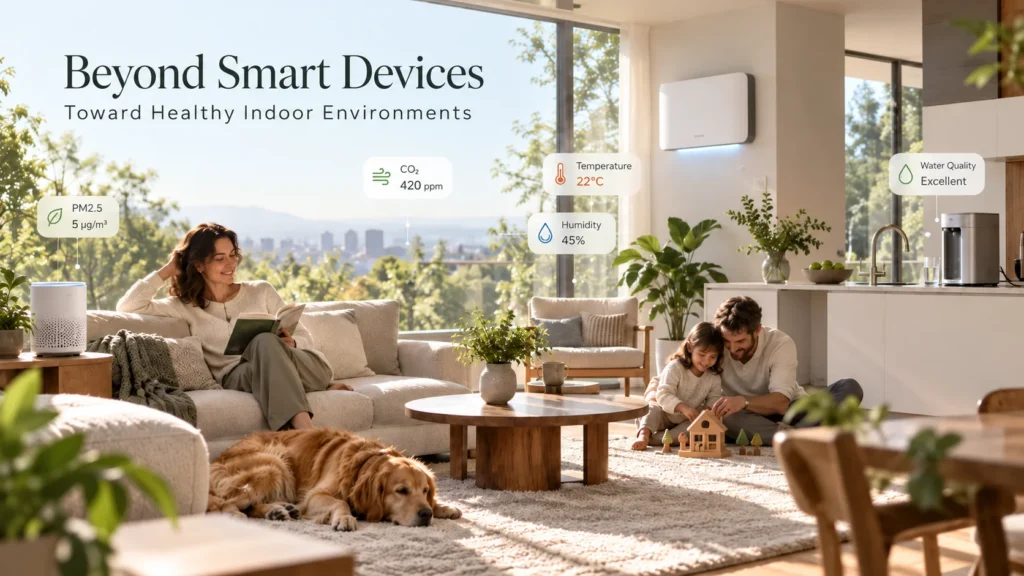
Modern living room with a family enjoying a healthy indoor environment monitored by smart devices, natural lighting, and greenery.

After IFA 2026: The Healthy Home Is Moving Beyond Smart Devices

In our previous IFA 2026 column, Air Purification Is Becoming Part of the Healthy-Home Platform, we argued that the next generation of indoor-health products would ...
Новости
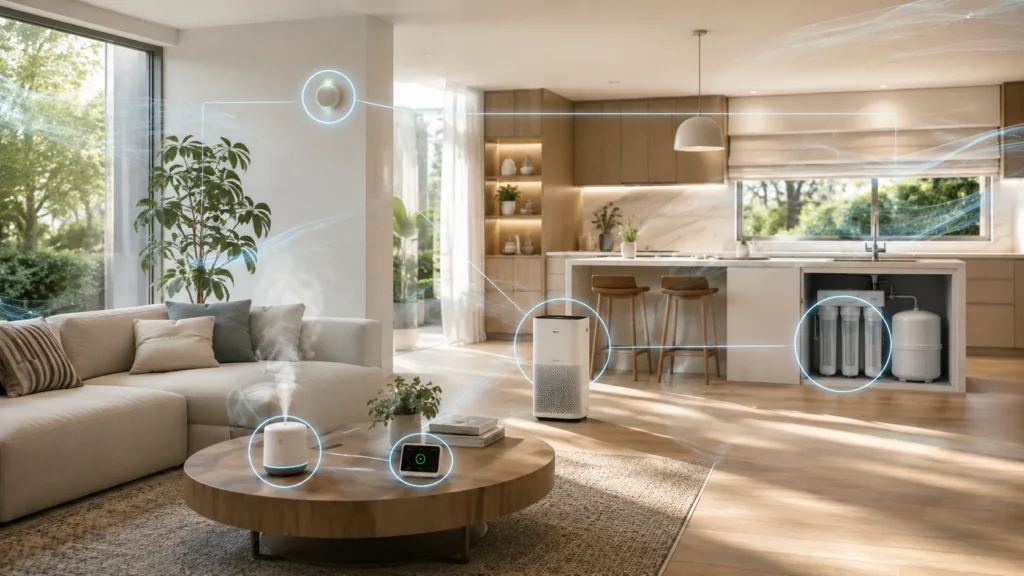
Modern living room and kitchen with smart home air quality devices including an air purifier, humidifier, and water filtration system, connected with visualized blue connectivity lines.

IFA 2026: Air Purification Is Becoming Part of the Healthy-Home Platform

Pre-IFA Industry Perspective | September 4, 2026 This article is based on official announcements and regulatory information available ahead of IFA 2026, which takes place ...
Новости
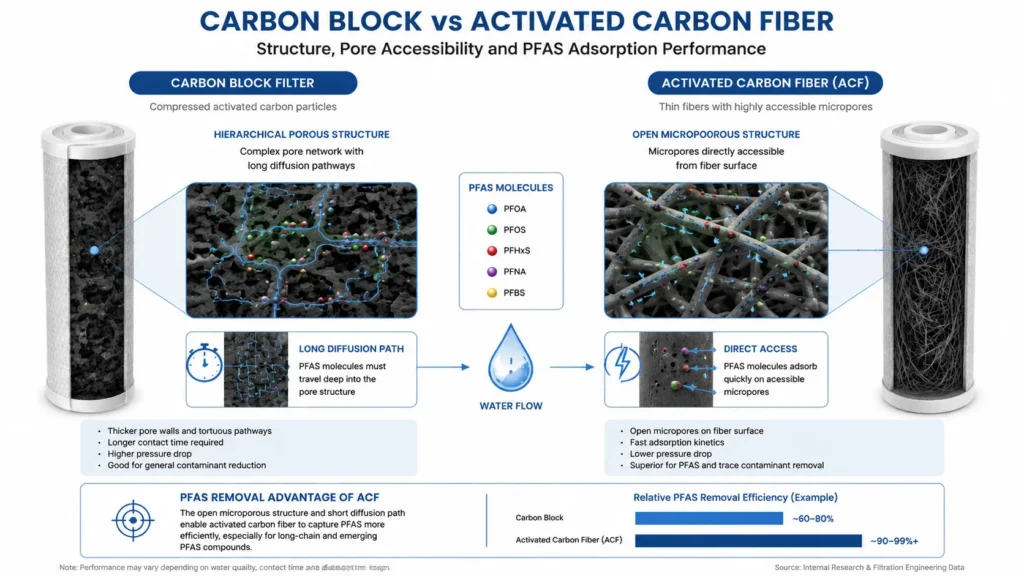
Comparison infographic showcasing the differences between carbon block filter and activated carbon fiber. Detailed diagrams illustrate the hierarchical porous structure of the carbon block with long diffusion paths and the open microporous structure of the activated carbon fiber with direct access for PFAS adsorption.

Carbon Block vs. Activated Carbon Fiber (ACF): Matching Media to Target Contaminants

Two carbon media. Same adsorption chemistry. Very different behaviour in a point-of-use cartridge. If you are specifying a water purifier platform for a PFAS-aware market, ...
Новости
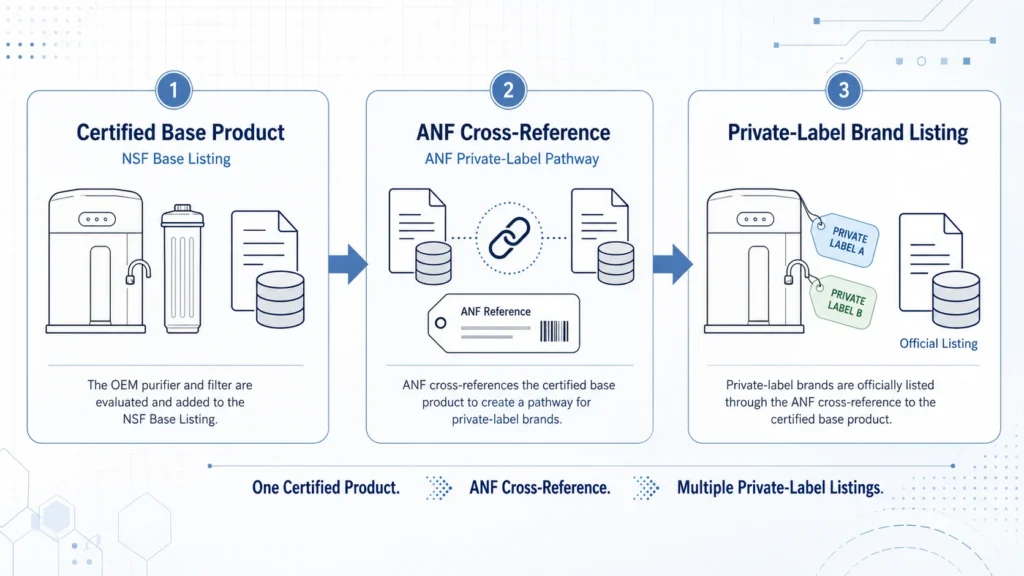
NSF base listing and ANF private-label certification pathway for OEM water filters

What Is an NSF Master Listing? A Guide to Base Listings, ANF Certification and OEM Water Filters

For a brand preparing to launch an OEM water purifier, one of the most common supplier claims is: “We already have an NSF master listing, ...
News, Water Purifiers
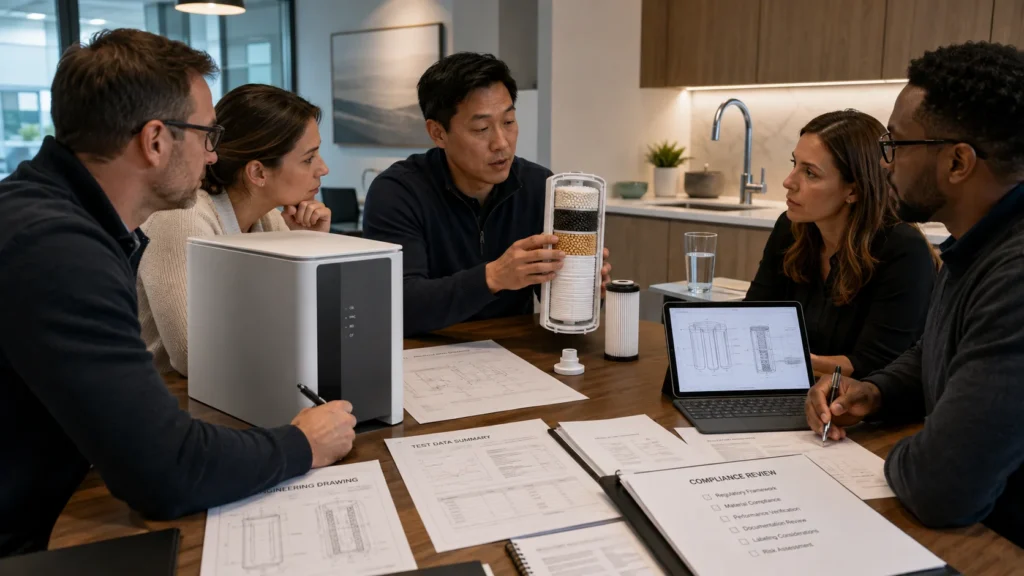
Healthy-home brand team reviewing PFAS water filter certification, test data and product engineering

Entering the Water Category Is Easy. Building a Credible PFAS Claim Is Much Harder

For air purification, appliance and healthy-home brands, entering the water category can look surprisingly easy. A company can select an existing undersink system, customize its ...
Новости
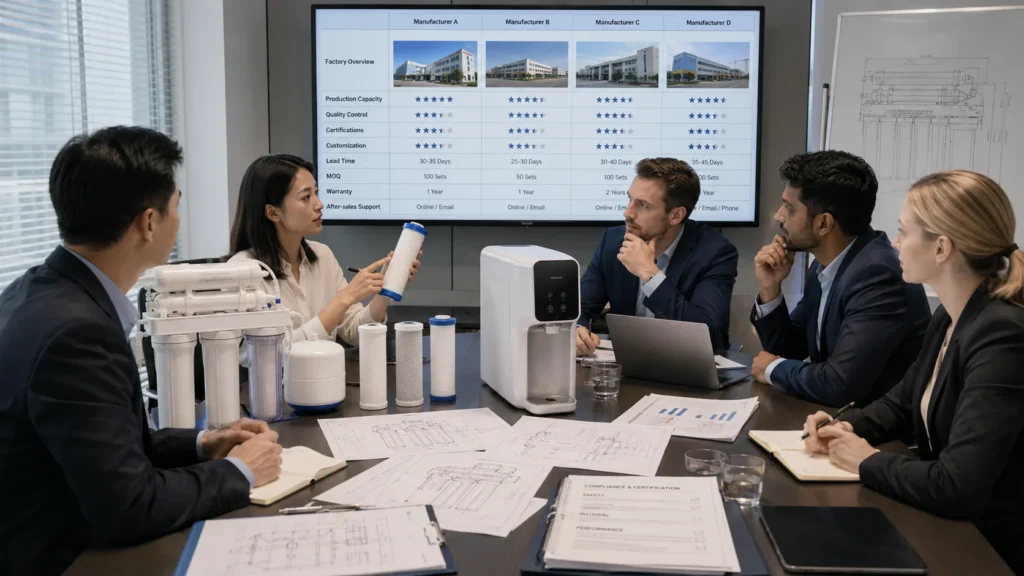
Team in a business meeting discussing a water filtration system with product components and a comparison table displayed on a screen.

5 Leading OEM Water Purifier Manufacturers in China for Private Label Brands

China has thousands of companies selling water filters, reverse osmosis systems and drinking-water appliances. However, only a portion of them are suitable for private-label, OEM ...
Новости
Contaminant Engineering•3 min read

PFAS Water Filtration Technologies Explained: Carbon, Resin & RO

Key Takeaway:

PFAS reduction depends on the specific compounds present, treatment media, contact time, water chemistry, and system design. Activated carbon, ion exchange, and Reverse Osmosis address PFAS through different mechanisms.

PFAS are a large family of persistent fluorinated compounds that can occur in drinking-water supplies. Their treatment behavior varies significantly by molecular structure, chain length, functional group, concentration, and the chemistry of the source water.

Granular Activated Carbon (GAC) removes PFAS primarily through adsorption. It is generally more effective for many longer-chain PFAS, while shorter-chain compounds tend to break through more quickly. Carbon performance depends on media properties, Empty Bed Contact Time (EBCT), competing organic matter, loading, and replacement frequency.

Ion-exchange resins use charged functional sites to capture many PFAS compounds. Properly selected anion-exchange media can provide high capacity and may perform better than conventional activated carbon for some shorter-chain PFAS, although performance still depends on water chemistry and competing ions.

Reverse Osmosis (RO) uses membrane separation rather than adsorption. Properly designed RO systems can provide broad reduction across many PFAS compounds as well as dissolved salts and other contaminants. Unlike carbon or resin, however, RO also produces a concentrate stream that must be managed.

No single technology should be selected from a PFAS label alone. System design should consider which PFAS compounds are present, their concentrations, required reduction targets, flow rate, media life, and the applicable third-party certification or validation requirements.

HisoAir Water Technical Series
Product Discovery•3 min read

How to Choose an Under-Sink Water Purifier for Modern Kitchens

Key Takeaway:

Match the treatment technology to your water quality first, then evaluate cabinet space, faucet configuration, flow rate, drain and power requirements, and filter replacement needs.

Choosing an under-sink water purifier starts with water chemistry. Carbon filtration is well suited to chlorine, taste, odor, and many organic contaminants, while Reverse Osmosis is more appropriate when dissolved salts, fluoride, nitrates, or broader dissolved contaminants need to be reduced.

For compact kitchens, tankless RO systems eliminate the conventional storage tank and can significantly reduce the space required under the sink. However, membrane capacity stated in GPD does not directly equal faucet flow. When comparing systems, check the actual dispensing flow rate, inlet-pressure requirement, recovery ratio, and whether a booster pump is required.

Installation architecture also matters. Many RO systems require a drain connection, electrical power, and either a dedicated drinking-water faucet or a compatible multi-function faucet. High-flow carbon systems can often connect directly to the existing cold-water line with a simpler installation, but pressure drop and available faucet flow should still be verified.

RO also removes much of the naturally occurring dissolved mineral content. Where taste or mineral balance is a priority, a post-RO remineralization stage can be added. Filter life should be evaluated by both rated capacity and local water quality rather than replacement time alone.

The right system is therefore not simply the smallest or highest-GPD model. It is the configuration that matches the target contaminants, available cabinet space, desired faucet setup, peak dispensing demand, and maintenance expectations.

HisoAir Water Technical Series
Water Quality•2 min read

What Does TDS Mean in Drinking Water? Measurement vs Contaminant Reality

Key Takeaway:

A TDS meter estimates the overall concentration of dissolved ionic substances from electrical conductivity. It cannot identify specific contaminants or determine whether water is chemically safe.

Total Dissolved Solids (TDS) refers to the combined concentration of dissolved substances in water. Most handheld TDS meters do not measure TDS directly. Instead, they measure electrical conductivity (EC) and convert that reading into an estimated parts-per-million (ppm) value.

This means a TDS reading can indicate how much dissolved ionic material is present, but not what that material actually is. Calcium, magnesium, sodium, nitrates, and other dissolved ions can all contribute to conductivity, yet a simple TDS meter cannot distinguish between them.

TDS meters are also not suitable for detecting trace contaminants such as PFAS, many VOCs, pesticides, pharmaceuticals, or disinfection byproducts. These substances may be present at concentrations far below the level needed to noticeably change electrical conductivity.

A low TDS reading therefore does not guarantee safe drinking water, and a higher TDS reading does not automatically indicate contamination. Water-treatment decisions should be based on laboratory testing for specific contaminants of concern rather than TDS alone.

HisoAir Water Technical Series
Technology Selection•2 min read

RO vs UF Water Filtration: Understanding Pore Sizes & Dissolved Minerals

Key Takeaway:

Ultrafiltration can reduce bacteria, turbidity, and suspended particles while retaining most naturally occurring dissolved minerals. Reverse Osmosis provides much broader reduction of dissolved salts and smaller contaminants.

Ultrafiltration (UF) typically uses hollow-fiber membranes with pore sizes in the approximate 0.01–0.1 micron range. These membranes physically retain turbidity, suspended solids, colloids, and many microorganisms while allowing dissolved minerals and salts to remain in the water.

Reverse Osmosis (RO) operates at a much finer separation level. Unlike UF, RO can substantially reduce dissolved ions such as sodium, calcium, fluoride, nitrates, and other contributors to total dissolved solids (TDS). This makes RO more suitable when dissolved-salt reduction is a primary treatment objective.

UF generally requires less system pressure and produces little or no continuous concentrate stream in many point-of-use configurations. RO typically requires greater pressure and produces a reject-water stream, but delivers broader contaminant reduction.

For water with acceptable TDS and mineral content, UF can be a simpler mineral-retaining treatment option. Where dissolved salts, fluoride, nitrates, or broader dissolved contaminants are a concern, RO is generally the more appropriate technology.

HisoAir Water Technical Series
Technology Selection•4 min read

Carbon Block vs Reverse Osmosis: Which Fits Your Need?

Key Takeaway:

Choose RO for dissolved inorganic salts and heavy metals; choose Carbon Block for chemical taste/odor, no wastewater, and high line-pressure flow.

Reverse Osmosis (RO) and Carbon Block filtration represent two fundamentally different treatment methods: membrane separation and adsorption. Understanding these differences helps determine which technology is better suited to a specific water-quality requirement.

Reverse Osmosis uses a semi-permeable membrane with pore sizes of approximately 0.0001 microns. It can significantly reduce dissolved inorganic contaminants such as TDS, fluoride, nitrates, and certain heavy metals. Because water must be forced through the membrane, RO systems require sufficient pressure or a booster pump and generate a concentrated wastewater stream.

Carbon Block filtration relies primarily on adsorption through compressed activated carbon, commonly with nominal pore sizes around 0.5–5 microns. It is highly effective for chlorine, chloramines, VOCs, taste, and odor, while allowing substantially higher direct-flow rates without producing wastewater.

From an operating perspective, Carbon Block systems are generally simpler, require less energy, and avoid the water loss associated with RO. RO involves higher system complexity and operating cost, but provides substantially broader reduction of dissolved contaminants that Carbon Block alone cannot address.

HisoAir Water Technical Series

ЗАПРОСИТЬ ЦИТАТУ