Sẽ mở trong thẻ mới
Innovative Air Quality Solutions

4 Best Air Purifiers for Pets That Work

You love your pet, but they make you sneeze. Find the best air purifier for pets and stop worrying about odors and allergens.

Air purifiers are an excellent method to make your house comfortable, clean, and healthy. They can help you breathe easier and reduce allergens in the air that may cause congestion or other health issues. But what about when you have pets? Do you need a pet-specific air purifier?

Yes! While most air purifiers will work just fine for your pet, it's still important to find one that will remove pet dander and other allergens from the air. A pet-specific air purifier will do this more effectively than other models. With so many choices, it can be hard to figure out which is best for your home and your needs.

We've done all the research for you! In this article, we'll go over our top five picks for the best air purifiers for pets today. Let's get started!

What Causes Pet Allergies?
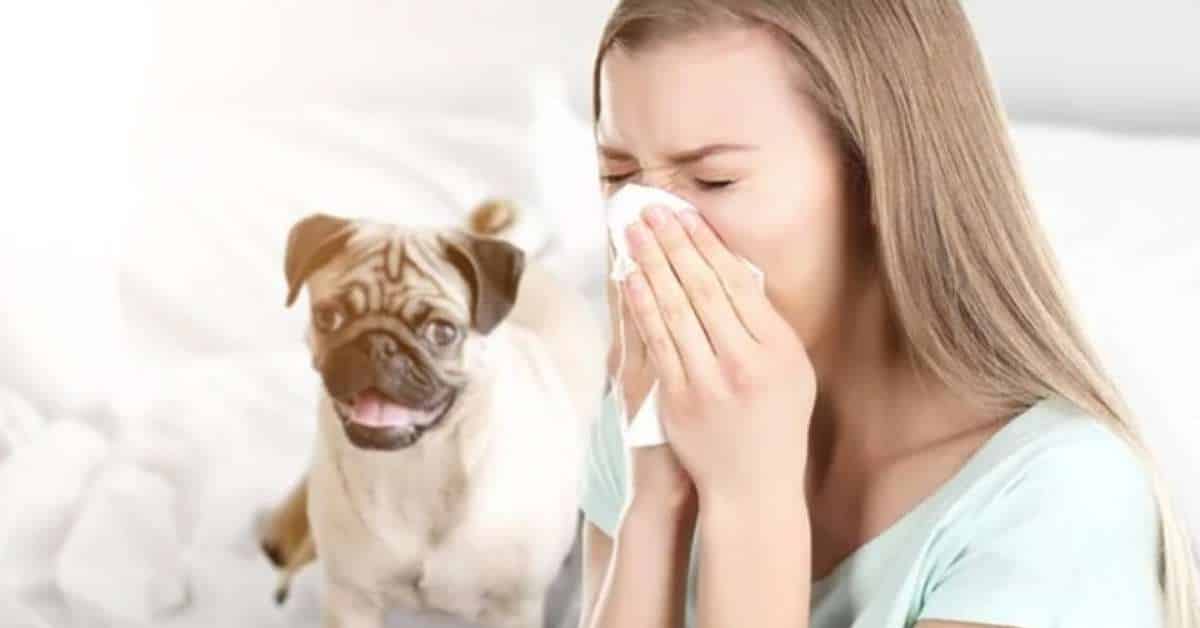
Pet Allergies
Pet Allergies

Image: https://www.news-medical.net/

Many things can cause pet allergies, including animals, dander, and saliva. These allergens tend to be inhaled by your pet's owner when they are around them.

Dander is a protein found in the outer layer of skin that sheds off your pet. This dander can be found in their fur, saliva, and urine, or even on your furniture if they have been sitting on it recently. The dander will cause an allergic reaction when it comes into contact with your nose and lungs.

Saliva contains proteins that can also cause an allergic reaction in some people with pet allergies. These proteins are also found in the mouth of cats, dogs, and other pets, so ensure you wash your hands after touching them!

Is It Common to Have Allergies in Pets?

Allergies are unfortunate for many people, but they can be challenging if you live with pets. A survey by the Asthma and Allergy Foundation of America found that more than half of adults who have asthma also have allergies. And according to the American Society for Testing and Materials (ASTM), a third of people with cat allergies react to cats because of their dander (skin flakes) and saliva.

With so many people suffering from pet allergies, you must know the signs and symptoms of this condition so that you can get help if needed.

The most common symptoms include:

  • Sneezing
  • Runny nose
  • Congestion in your chest or throat
  • Itchy eyes and nose
  • Itchy skin around the eyes, nose, mouth, or ears

Is Allergy in Pets Dangerous?

Allergies in pets can be just as dangerous as allergies in humans. Allergens cause an immune response that can lead to various symptoms, including a runny nose, itchy skin and paws, sneezing, coughing, eye irritation, and even asthma attacks.

In some cases, these symptoms can be slight enough that they are not life-threatening. But in others, they can be severe enough to require emergency care or even hospitalization. This is especially true if you have a pet with severe allergies causing difficulty breathing or swallowing.

If you witness signs that your pet has an allergic reaction (skin rashes or hives; redness around the eyes; vomiting), take him to the vet immediately for an examination.

Where You Can Get Allergens from Pets

What causes dog and cat odors

Image: Unsplash

The pet odor can be found in everyday spaces. The common areas where you can find the pet odor are:

Living Rooms

The living room is a space where we like to relax and let all worries slip away, so an allergy attack isn't something most people want while trying to relax. One of the reasons allergies are so common in the house is because we let our pets in, but sometimes we forget that they shed hair, dander, and saliva, which can cause severe allergic reactions.

Bedrooms

Yes, you read it right. Although you probably think bedrooms are free of pet allergens, the opposite is true. If you have a furry companion that sleeps with you when you hug them or breathe them in, there's a big chance that the pet's dander and you are inhaling hair.

Large Spaces

New research from the Asthma and Allergy Foundation of America (AAFA) may interest people with allergies and pets. In the study, researchers looked at those with large spaces and dogs. The result? Pet owners who didn't clean up poop promptly were four times more likely to develop an allergy than those that cleaned up their pets' droppings.

Getting Rid of Pet Allergies by Adding an Air Purifier

If you're allergic to your pet, you're not alone. In fact, about 10% of people are allergic to dogs, and about 5% are allergic to cats. There are ways to get rid of your allergies and keep your pet , which is good news.

Many people have found relief from their pet allergies by adding an air purifier to their homes. This can help remove allergens from the air and make it easier for you to breathe. You should also consider removing any carpeting in your home if possible, as this can trap allergens close to the floor where they might be more likely to affect you.

Another option for people with allergies is getting a hypoallergenic breed of dog or cat (if possible). These animals have been bred without specific proteins that cause allergies in some people—but unfortunately, not all species have been tested for this quality yet, so talk with your vet before adopting one!

  • Why is it important to clean the air with an air purifier?

The air you breathe is full of particulates, bacteria, and other harmful materials that can lead to a variety of health problems.

Inhaling dirty air can lead to respiratory infections, lung disease, and even cancer. Not to mention the fact that it's just plain gross!

Air purifiers are one way to clean your indoor air quality (IAQ) and reduce the number of allergens in your home. They eliminate particles like pollen, dust mites, mold spores, and pet dander from the air you breathe.

  • Pet Allergy - Friendly Air Purifiers

Air purifiers are an excellent idea to keep your home fresh and clean, but they can be hard on your nose if you have pet allergies.

Luckily, some air purifiers are pet-friendly! These work by filtering out the allergens in your air, but instead of using chemicals or other harsh treatments, they use natural remedies like coconut shells to do their job.

These air purifiers are ideal for people who don't want to compromise their quality of life with their allergies. They can help you breathe easier while keeping your house clean and fresh!

  • Does Using a Pet Allergy Air Purifier Really Work?

If you're struggling with pet allergies, the answer to the question "Does using a pet allergy air purifier work?" is a resounding yes.

Pet allergies are caused by the dander from your cat or dog. This dander floats through the air and becomes airborne when your pets shed their skin. You can find this dander everywhere in your home, including on your furniture, carpets, and even in your clothes.

The dander from your pets must be removed from your home if you are allergic to them. Pet allergy air purifiers are ideal for this, as they can all of the pet allergens present in the air and eliminate your need to breathe them.

  • How Do Air Purifiers Eliminate Allergies to Pets?

Air purifiers eliminate allergies to pets through several different methods.

First, they remove the dander, hair, and other particles released by animals when they shed. People with pet allergies may experience an allergic reaction to these particles.

Second, they trap airborne allergens like pollen and dust. This traps the allergens so they don't come into contact with your nose or eyes, which can exacerbate symptoms of allergies.

Third, air purifiers can improve the quality of your home's air by reducing carbon dioxide levels and increasing oxygen levels.

Best Air Purifiers to Eliminate Pet Odors

Now that you know that air purifiers can remove the smells caused by pets let's take a closer look at some of the models we recommend the most so that you may immediately begin to benefit from breathing clean air in your own house. Below you can see some of the best air purifiers in the market today.

HisoAir Model HA-138
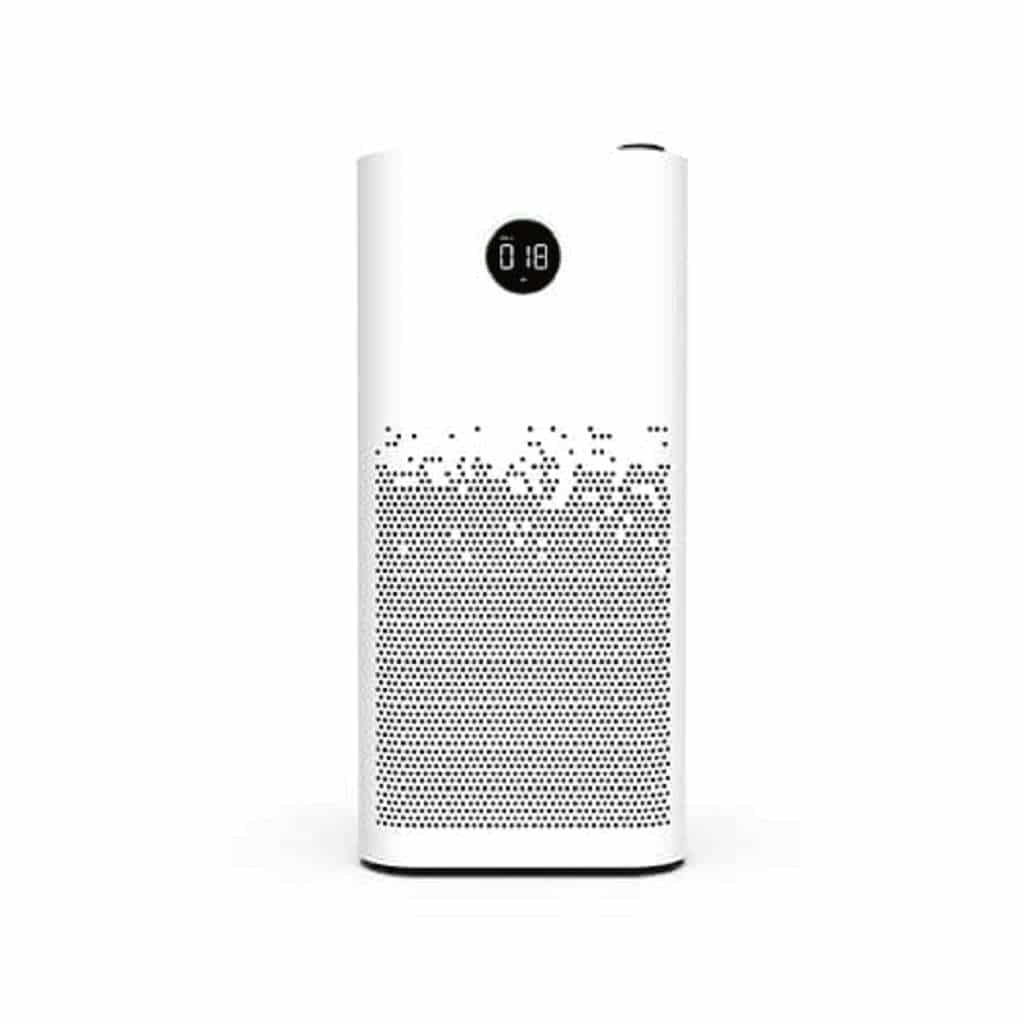
HisoAir Model HA-138

Image: Hisoair
Alt-text: HIsoair model HA-138

Enjoy a healthier, more comfortable lifestyle with the HisoAir HA-138 air purifier. This air purifier is designed to remove allergens such as dust, pollen, pet dander, and even smoke from the air you breathe. It also works to remove odors and reduce chemical pollutants. The HA-138 can be used in both HEPA filter mode and ionizer mode.

HisoAir Model HA-139
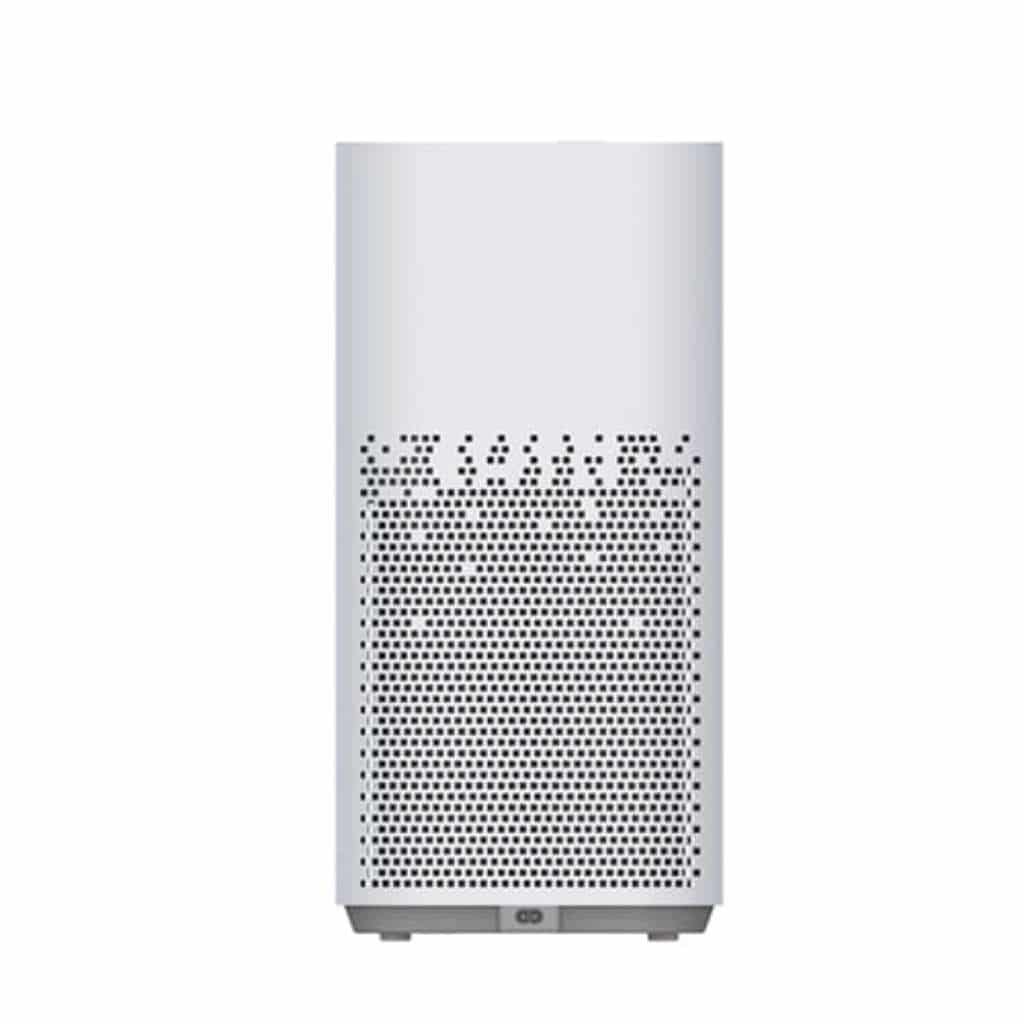
HisoAir Model HA-139

Image: Hisoair

Hisoair HA-139 is a quiet and efficient air purifier designed to clean a room up to 250 sq. ft. The instrument has four-speed settings, including the Auto button. The trapdoor allows dust and smoke to be filtered out by HEPA, the high-efficiency particulate air filter. The ionizer feature of Hisoair HA-139 uses negative ions to remove moisture from the air, which helps reduce bacteria. You can also choose only to use one filter for your convenience.

HisoAir HA-1601
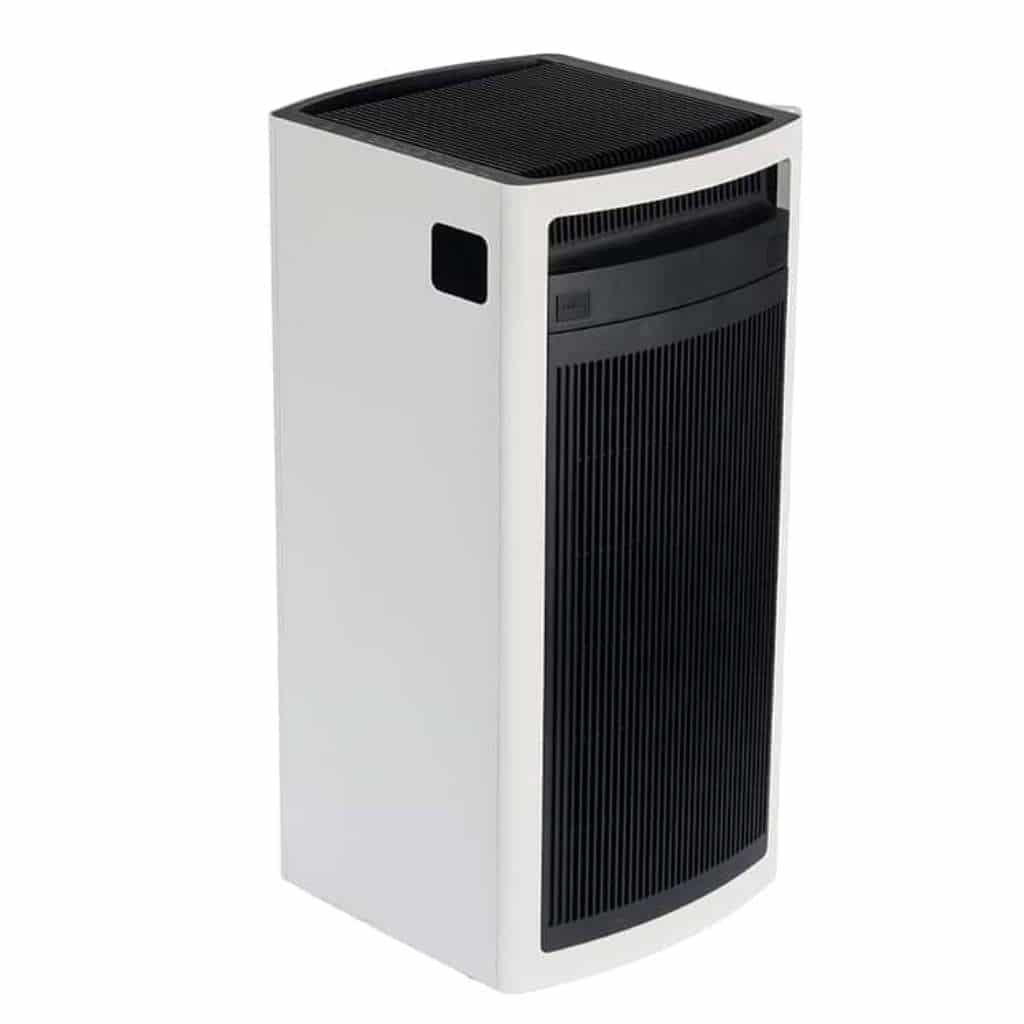
HisoAir Model HA-1601

Image: Hisoair

The Hisoair model HA-1601 room air purifier is a compact, affordable, powerful air cleaner. It uses intelligent Ionizer technology with HEPA filtration and ozone to trap 99.99% of airborne particles such as viruses, bacteria, and allergens as small as 0.3 microns - the size of most common allergens like pet dander, mold spores, and dust mites. This can provide you with significant protection from harmful allergens that may be present in your home.

HisoAir HA-1968
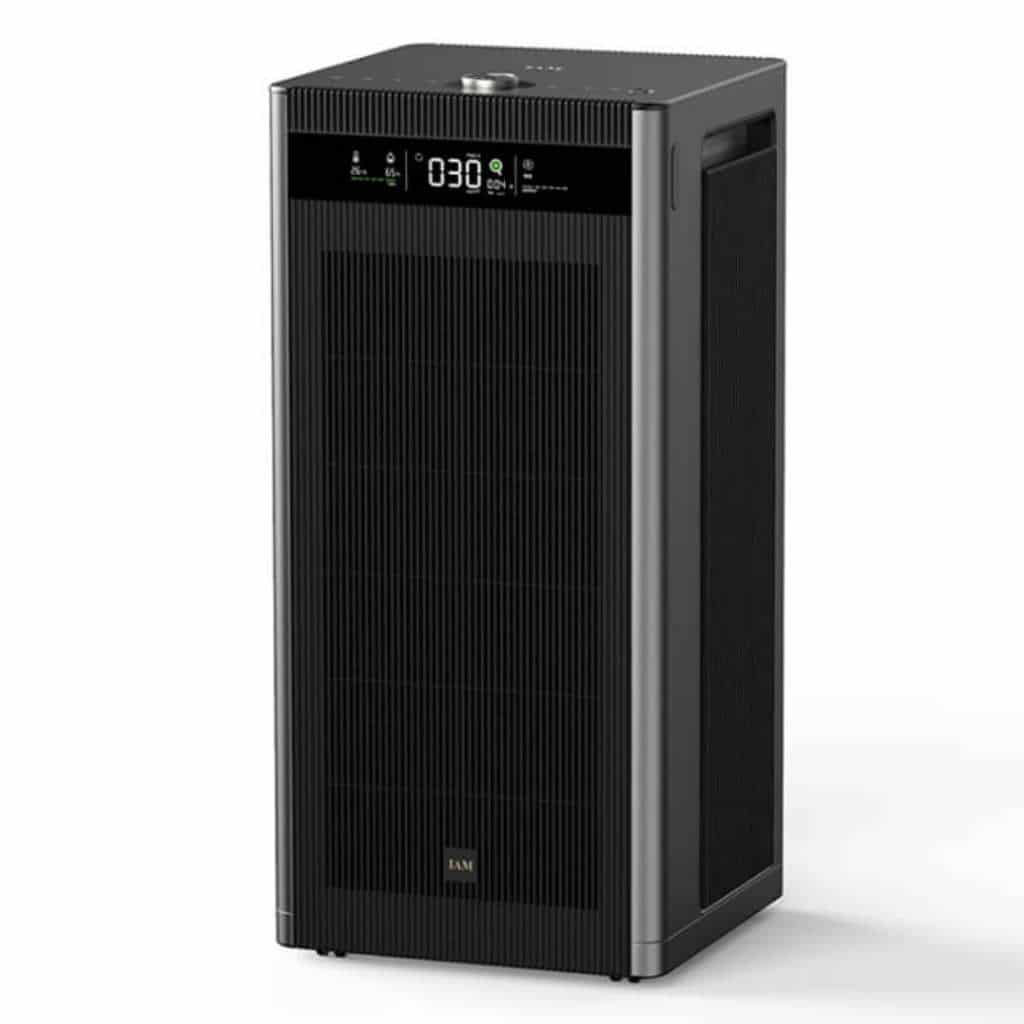
HisoAir Model HA-1968

Image: Hisoair

The HisoAir HA-1968 is a plug-and-play air purifier that cleans the air in your bedroom in just minutes. It removes odors, dust, and allergens with a 360-degree rotating fan that forces air through its two charcoal filters. You can use it for up to 24 hours on its highest setting with one filter or switch between modes for customizable cleaning power.

Takeaway

Many pet owners out there claim to love their furry companions as if they were family members and would do anything to ensure their health. One of the best ways to achieve this is through a proper diet, exercise routine, and grooming schedule, but it may not stop there. The air in your home or office can be hazardous to your pet's health and well-being, which is why an air purifier for pets has gained such immense popularity. These devices use a variety of mechanisms within their systems to clean the air in your home that might otherwise be harmful to your pet's respiratory system.

Share:
hisoair founder mr lee
Alwen Lee, an air purification expert with over 10 years of experience, is a devoted father of two and a passionate traveler, having explored more than 30 countries. With a love for public speaking and swimming, he has dedicated his life to the indoor air quality industry. His mission is to ensure that people around the world enjoy the freedom to breathe clean air and lead happy, healthy lives.

Send Us A Message

More to Read

Modern living room with a family enjoying a healthy indoor environment monitored by smart devices, natural lighting, and greenery.

After IFA 2026: The Healthy Home Is Moving Beyond Smart Devices

In our previous IFA 2026 column, Air Purification Is Becoming Part of the Healthy-Home Platform, we argued that the next generation of indoor-health products would ...
News
Modern living room and kitchen with smart home air quality devices including an air purifier, humidifier, and water filtration system, connected with visualized blue connectivity lines.

IFA 2026: Air Purification Is Becoming Part of the Healthy-Home Platform

Pre-IFA Industry Perspective | September 4, 2026 This article is based on official announcements and regulatory information available ahead of IFA 2026, which takes place ...
News
Comparison infographic showcasing the differences between carbon block filter and activated carbon fiber. Detailed diagrams illustrate the hierarchical porous structure of the carbon block with long diffusion paths and the open microporous structure of the activated carbon fiber with direct access for PFAS adsorption.

Carbon Block vs. Activated Carbon Fiber (ACF): Matching Media to Target Contaminants

Two carbon media. Same adsorption chemistry. Very different behaviour in a point-of-use cartridge. If you are specifying a water purifier platform for a PFAS-aware market, ...
News
NSF base listing and ANF private-label certification pathway for OEM water filters

What Is an NSF Master Listing? A Guide to Base Listings, ANF Certification and OEM Water Filters

For a brand preparing to launch an OEM water purifier, one of the most common supplier claims is: “We already have an NSF master listing, ...
News, Water Purifiers
Healthy-home brand team reviewing PFAS water filter certification, test data and product engineering

Entering the Water Category Is Easy. Building a Credible PFAS Claim Is Much Harder

For air purification, appliance and healthy-home brands, entering the water category can look surprisingly easy. A company can select an existing undersink system, customize its ...
News
Team in a business meeting discussing a water filtration system with product components and a comparison table displayed on a screen.

5 Leading OEM Water Purifier Manufacturers in China for Private Label Brands

China has thousands of companies selling water filters, reverse osmosis systems and drinking-water appliances. However, only a portion of them are suitable for private-label, OEM ...
News
Contaminant Engineering•3 min read

PFAS Water Filtration Technologies Explained: Carbon, Resin & RO

Key Takeaway:

PFAS reduction depends on the specific compounds present, treatment media, contact time, water chemistry, and system design. Activated carbon, ion exchange, and Reverse Osmosis address PFAS through different mechanisms.

PFAS are a large family of persistent fluorinated compounds that can occur in drinking-water supplies. Their treatment behavior varies significantly by molecular structure, chain length, functional group, concentration, and the chemistry of the source water.

Granular Activated Carbon (GAC) removes PFAS primarily through adsorption. It is generally more effective for many longer-chain PFAS, while shorter-chain compounds tend to break through more quickly. Carbon performance depends on media properties, Empty Bed Contact Time (EBCT), competing organic matter, loading, and replacement frequency.

Ion-exchange resins use charged functional sites to capture many PFAS compounds. Properly selected anion-exchange media can provide high capacity and may perform better than conventional activated carbon for some shorter-chain PFAS, although performance still depends on water chemistry and competing ions.

Reverse Osmosis (RO) uses membrane separation rather than adsorption. Properly designed RO systems can provide broad reduction across many PFAS compounds as well as dissolved salts and other contaminants. Unlike carbon or resin, however, RO also produces a concentrate stream that must be managed.

No single technology should be selected from a PFAS label alone. System design should consider which PFAS compounds are present, their concentrations, required reduction targets, flow rate, media life, and the applicable third-party certification or validation requirements.

HisoAir Water Technical Series
Product Discovery•3 min read

How to Choose an Under-Sink Water Purifier for Modern Kitchens

Key Takeaway:

Match the treatment technology to your water quality first, then evaluate cabinet space, faucet configuration, flow rate, drain and power requirements, and filter replacement needs.

Choosing an under-sink water purifier starts with water chemistry. Carbon filtration is well suited to chlorine, taste, odor, and many organic contaminants, while Reverse Osmosis is more appropriate when dissolved salts, fluoride, nitrates, or broader dissolved contaminants need to be reduced.

For compact kitchens, tankless RO systems eliminate the conventional storage tank and can significantly reduce the space required under the sink. However, membrane capacity stated in GPD does not directly equal faucet flow. When comparing systems, check the actual dispensing flow rate, inlet-pressure requirement, recovery ratio, and whether a booster pump is required.

Installation architecture also matters. Many RO systems require a drain connection, electrical power, and either a dedicated drinking-water faucet or a compatible multi-function faucet. High-flow carbon systems can often connect directly to the existing cold-water line with a simpler installation, but pressure drop and available faucet flow should still be verified.

RO also removes much of the naturally occurring dissolved mineral content. Where taste or mineral balance is a priority, a post-RO remineralization stage can be added. Filter life should be evaluated by both rated capacity and local water quality rather than replacement time alone.

The right system is therefore not simply the smallest or highest-GPD model. It is the configuration that matches the target contaminants, available cabinet space, desired faucet setup, peak dispensing demand, and maintenance expectations.

HisoAir Water Technical Series
Water Quality•2 min read

What Does TDS Mean in Drinking Water? Measurement vs Contaminant Reality

Key Takeaway:

A TDS meter estimates the overall concentration of dissolved ionic substances from electrical conductivity. It cannot identify specific contaminants or determine whether water is chemically safe.

Total Dissolved Solids (TDS) refers to the combined concentration of dissolved substances in water. Most handheld TDS meters do not measure TDS directly. Instead, they measure electrical conductivity (EC) and convert that reading into an estimated parts-per-million (ppm) value.

This means a TDS reading can indicate how much dissolved ionic material is present, but not what that material actually is. Calcium, magnesium, sodium, nitrates, and other dissolved ions can all contribute to conductivity, yet a simple TDS meter cannot distinguish between them.

TDS meters are also not suitable for detecting trace contaminants such as PFAS, many VOCs, pesticides, pharmaceuticals, or disinfection byproducts. These substances may be present at concentrations far below the level needed to noticeably change electrical conductivity.

A low TDS reading therefore does not guarantee safe drinking water, and a higher TDS reading does not automatically indicate contamination. Water-treatment decisions should be based on laboratory testing for specific contaminants of concern rather than TDS alone.

HisoAir Water Technical Series
Technology Selection•2 min read

RO vs UF Water Filtration: Understanding Pore Sizes & Dissolved Minerals

Key Takeaway:

Ultrafiltration can reduce bacteria, turbidity, and suspended particles while retaining most naturally occurring dissolved minerals. Reverse Osmosis provides much broader reduction of dissolved salts and smaller contaminants.

Ultrafiltration (UF) typically uses hollow-fiber membranes with pore sizes in the approximate 0.01–0.1 micron range. These membranes physically retain turbidity, suspended solids, colloids, and many microorganisms while allowing dissolved minerals and salts to remain in the water.

Reverse Osmosis (RO) operates at a much finer separation level. Unlike UF, RO can substantially reduce dissolved ions such as sodium, calcium, fluoride, nitrates, and other contributors to total dissolved solids (TDS). This makes RO more suitable when dissolved-salt reduction is a primary treatment objective.

UF generally requires less system pressure and produces little or no continuous concentrate stream in many point-of-use configurations. RO typically requires greater pressure and produces a reject-water stream, but delivers broader contaminant reduction.

For water with acceptable TDS and mineral content, UF can be a simpler mineral-retaining treatment option. Where dissolved salts, fluoride, nitrates, or broader dissolved contaminants are a concern, RO is generally the more appropriate technology.

HisoAir Water Technical Series
Technology Selection•4 min read

Carbon Block vs Reverse Osmosis: Which Fits Your Need?

Key Takeaway:

Choose RO for dissolved inorganic salts and heavy metals; choose Carbon Block for chemical taste/odor, no wastewater, and high line-pressure flow.

Reverse Osmosis (RO) and Carbon Block filtration represent two fundamentally different treatment methods: membrane separation and adsorption. Understanding these differences helps determine which technology is better suited to a specific water-quality requirement.

Reverse Osmosis uses a semi-permeable membrane with pore sizes of approximately 0.0001 microns. It can significantly reduce dissolved inorganic contaminants such as TDS, fluoride, nitrates, and certain heavy metals. Because water must be forced through the membrane, RO systems require sufficient pressure or a booster pump and generate a concentrated wastewater stream.

Carbon Block filtration relies primarily on adsorption through compressed activated carbon, commonly with nominal pore sizes around 0.5–5 microns. It is highly effective for chlorine, chloramines, VOCs, taste, and odor, while allowing substantially higher direct-flow rates without producing wastewater.

From an operating perspective, Carbon Block systems are generally simpler, require less energy, and avoid the water loss associated with RO. RO involves higher system complexity and operating cost, but provides substantially broader reduction of dissolved contaminants that Carbon Block alone cannot address.

HisoAir Water Technical Series

REQUEST A QUOTE