
新しいタブで開きます
革新的な空気品質ソリューション

効果的なペット用空気清浄機4選

ペットが大好きなのに、くしゃみが出る。ペットに最適な空気清浄機を見つけて、ニオイやアレルゲンの心配から解放されましょう。

空気清浄機は、家を快適で清潔で健康にする優れた方法です。呼吸を楽にし、鼻づまりや他の健康問題を引き起こす可能性のある空気中のアレルゲンを減らすことができる。しかし、ペットを飼っている場合はどうでしょう?ペット専用の空気清浄機が必要でしょうか?

はい!ほとんどの空気清浄機はペットにも問題なく使えますが、やはりペットのフケやその他のアレルゲンを空気中から除去してくれるものを見つけることが重要です。ペット専用の空気清浄機であれば、他のモデルよりも効果的にこれを行うことができます。選択肢が多すぎて、どれが自分の家やニーズに最適なのかを見極めるのは難しいかもしれません。

私たちはあなたのためにすべての調査を行いました!この記事では、私たちが選ぶベスト5をご紹介します。 ペット用空気清浄機 今日から始めよう!

ペットアレルギーの原因は?
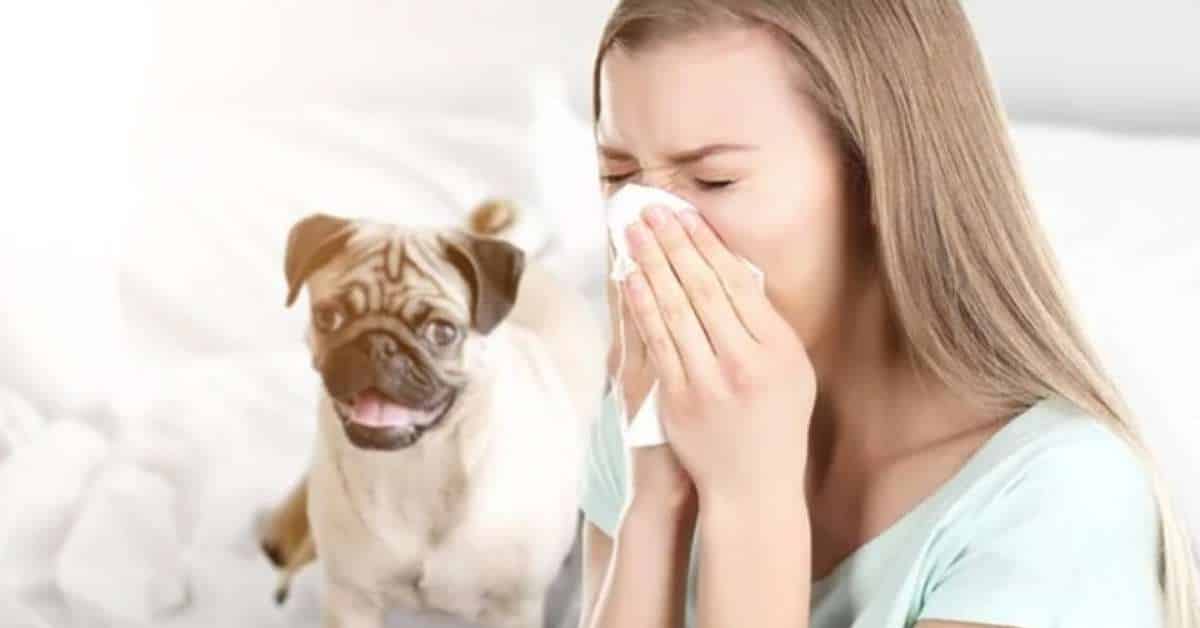
ペットアレルギー
ペットアレルギー

画像:https://www.news-medical.net/

動物、ふけ、唾液など、多くのものがペット・アレルギーを引き起こす可能性があります。これらのアレルゲンは、飼い主がペットのそばにいるときに吸い込む傾向があります。

ふけは、ペットの皮膚から剥がれ落ちる外皮に含まれるタンパク質です。このフケは、ペットの毛皮、唾液、尿に含まれることがあり、最近ペットが家具の上に座っていた場合は、家具に付着することもあります。このフケがあなたの鼻や肺に触れると、アレルギー反応を引き起こします。

唾液には、ペットアレルギーを持つ人の中にはアレルギー反応を引き起こす可能性のあるタンパク質が含まれています。これらのタンパク質は、猫や犬などのペットの口の中にも含まれているため、ペットに触れた後は必ず手を洗いましょう!

ペットにアレルギーはつきもの?

アレルギーは多くの人にとって不幸なことだが、ペットと一緒に暮らしている場合は大変なことになる。米国喘息・アレルギー財団(Asthma and Allergy Foundation of America)の調査によると、喘息持ちの成人の半数以上がアレルギー体質であることがわかった。また、米国材料試験協会(ASTM)によると、猫アレルギーを持つ人の3分の1は、猫のフケ(皮膚片)や唾液に反応しているという。

多くの人がペットアレルギーに悩まされている今、この症状の兆候や症状を知っておき、必要に応じて助けを求めることができるようにしておかなければならない。

最も一般的な症状は以下の通り:

  • くしゃみ
  • 鼻水
  • 胸や喉のうっ血
  • 目や鼻のかゆみ
  • 目、鼻、口、耳の周りのかゆみ

ペットのアレルギーは危険か?

ペットのアレルギーは、人間のアレルギーと同様に危険である。アレルゲンは免疫反応を引き起こし、鼻水、皮膚や足のかゆみ、くしゃみ、咳、目の炎症、さらには喘息発作など、さまざまな症状を引き起こす。

場合によっては、これらの症状が生命を脅かすほど軽いこともある。しかし、緊急治療や入院が必要なほど重篤な場合もあります。呼吸困難や嚥下障害を引き起こす重度のアレルギーを持つペットを飼っている場合は特にそうです。

ペットがアレルギー反応を起こしている兆候(皮膚の発疹やじんましん、目の周りの充血、嘔吐)を目撃したら、すぐに獣医に連れて行き、検査を受けてください。

ペットからアレルゲンが発生する可能性のある場所

犬や猫の臭いの原因
犬や猫の臭いの原因

画像Unsplash

ペットの臭いは日常的な空間でも発生する。ペットの臭いがよく発生する場所には、次のようなものがある:

リビングルーム

リビングルームは、私たちがリラックスし、すべての心配事を忘れさせたい空間である。家の中でアレルギーが多発する理由のひとつは、ペットを家の中に入れていることだが、ペットが毛やフケ、唾液を排出し、深刻なアレルギー反応を引き起こす可能性があることを忘れていることがある。

ベッドルーム

そう、その通り。寝室にはペットのアレルゲンはないと思っているでしょうが、実はその逆なのです。毛むくじゃらの仲間がいて、抱きしめたり、吸い込んだりして一緒に寝ている場合、ペットのフケとあなたが毛を吸い込んでいる可能性が大きい。

広いスペース

米国喘息・アレルギー財団(AAFA)の新しい研究は、アレルギーとペットを持つ人々に興味深いかもしれない。この研究では、研究者は広いスペースと犬を飼っている人を調べた。結果はペットの糞を速やかに片付けない飼い主は、ペットの糞を片付けている飼い主に比べ、アレルギーを発症する可能性が4倍高かった。

空気清浄機でペットアレルギーを解消する

もしあなたがペットアレルギーなら、あなただけではありません。実際、約10%の人が犬に、約5%の人が猫にアレルギーを持っています。あなたのアレルギーを取り除き、ペットを飼う方法があります。

多くの人が、自宅に空気清浄機を加えることで、ペットアレルギーの緩和を見出している。空気中のアレルゲンを除去し、呼吸を楽にすることができます。また、可能であれば家の中のカーペットを取り除くことも検討すべきです。カーペットはアレルゲンを床の近くに閉じ込め、アレルゲンの影響を受けやすくする可能性があるからです。

アレルギーを持つ人のもうひとつの選択肢は、(可能であれば)低アレルギーの犬種や猫種を飼うことです。これらの動物は、一部の人にアレルギーを引き起こす特定のタンパク質を含まないように飼育されているが、残念ながら、まだすべての犬種でこの品質がテストされているわけではないので、飼う前に獣医に相談しよう!

  • なぜ空気清浄機で空気をきれいにすることが重要なのか?

あなたが呼吸する空気は、微粒子やバクテリア、その他の有害物質でいっぱいで、さまざまな健康問題を引き起こす可能性がある。

汚れた空気を吸い込むと、呼吸器感染症や肺疾患、さらにはガンにつながる可能性がある。ただ単に気持ち悪いという事実は言うまでもない!

空気清浄機は、室内の空気の質(IAQ)をきれいにし、家庭内のアレルゲンの数を減らす方法のひとつです。花粉、ダニ、カビの胞子、ペットのフケなどの粒子を、呼吸する空気から除去します。

  • ペットアレルギー対応空気清浄機

空気清浄機は、家を新鮮で清潔に保つ優れたアイデアだが、ペットアレルギーを持つ人には鼻に負担がかかる。

幸いなことに、空気清浄機の中にはペット用のものもある!これらの空気清浄機は、空気中のアレルゲンを濾過して除去するものだが、化学薬品や刺激の強い処理剤を使用する代わりに、ココナッツの殻のような自然療法を使用している。

これらの空気清浄機は、アレルギーのために生活の質を落としたくない人に最適です。家を清潔でフレッシュに保ちながら、呼吸を楽にすることができる!

  • ペットアレルギー用空気清浄機は本当に効果があるのか?

If you're struggling with pet allergies, the answer to the question "Does using a pet allergy air purifier work?" is a resounding yes.

ペットアレルギーの原因は、飼い猫や飼い犬のフケです。このフケは空気中を浮遊し、ペットが脱皮するときに空気中に舞い上がります。このフケは、家具やカーペット、衣服など、家の中のあらゆるところに付着しています。

ペットにアレルギーがある場合、ペットのフケを家庭から除去する必要があります。ペットアレルギーの空気清浄機は、空気中に存在するペットのアレルゲンをすべて除去し、それらを吸い込む必要性をなくすことができるため、このような場合に理想的です。

  • 空気清浄機はどのようにペットのアレルギーを除去するのか?

空気清浄機は、いくつかの異なる方法でペットのアレルギーを除去する。

まず、動物が抜け毛をするときに放出するフケ、毛、その他の粒子を除去する。ペットアレルギーの人は、これらの粒子にアレルギー反応を起こすことがある。

第二に、花粉やホコリなどの空気中のアレルゲンを捕捉する。これにより、アレルゲンが鼻や目に触れることがなくなり、アレルギーの症状を悪化させることがなくなる。

第三に、空気清浄機は二酸化炭素レベルを下げ、酸素レベルを上げることで、家の空気の質を改善することができる。

ペットの臭いを除去する最適な空気清浄機

空気清浄機がペットによる臭いを除去することができることはお分かりいただけたと思いますので、早速、ご自宅できれいな空気を吸えるように、最もお勧めのモデルを詳しく見ていきましょう。以下に、現在市場で最も優れた空気清浄機をいくつかご紹介します。

ヒソエア・モデルHA-138
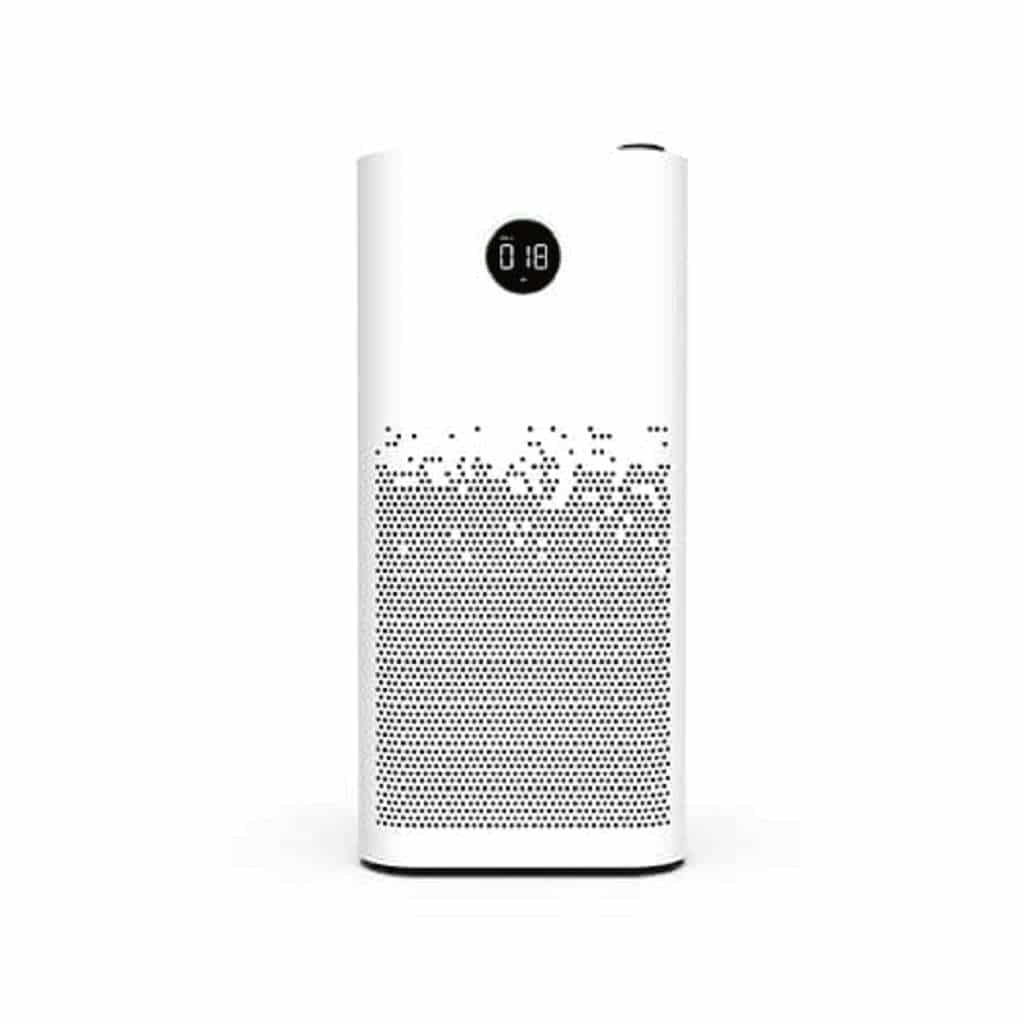
ヒソエア・モデルHA-138
ヒソエア・モデルHA-138

イメージヒソエア
アルトテキストHIsoairモデルHA-138

HisoAir HA-138空気清浄機で、より健康的で快適なライフスタイルをお楽しみください。この空気清浄機は、呼吸する空気からホコリ、花粉、ペットのフケ、さらには煙などのアレルゲンを除去するように設計されています。また、臭いを除去し、化学汚染物質を低減します。HA-138は、HEPAフィルターモードとイオナイザーモードの両方で使用できます。

ヒソエア・モデルHA-139
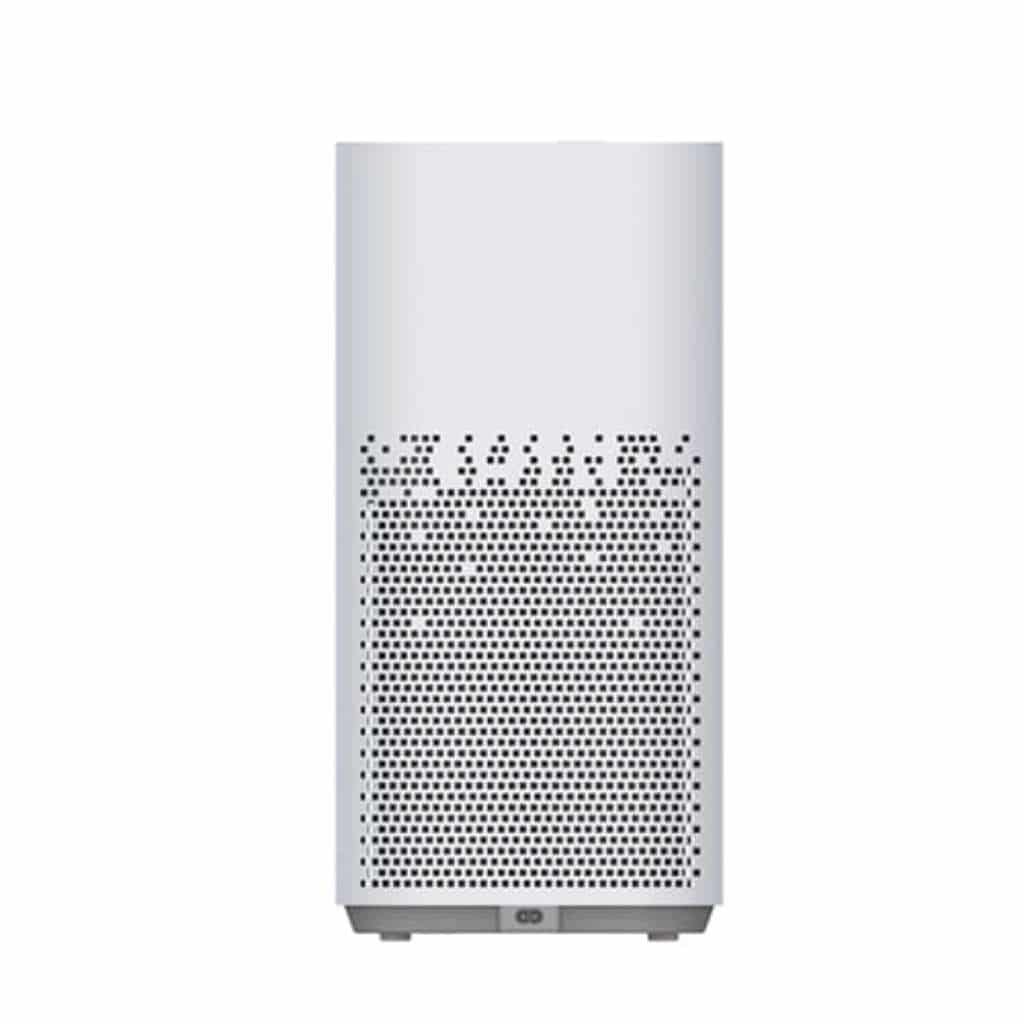
ヒソエア・モデルHA-139
ヒソエア・モデルHA-139

イメージヒソエア

Hisoair HA-139は、最大250平方フィートの部屋を清浄するために設計された、静かで効率的な空気清浄機です。トラップドアにより、ホコリや煙はHEPA(高効率微粒子エアフィルター)でろ過されます。Hisoair HA-139のイオナイザー機能は、マイナスイオンで空気中の湿気を取り除き、バクテリアを減らすのに役立ちます。また、フィルター1つだけを使用することもできます。

ヒソエア HA-1601
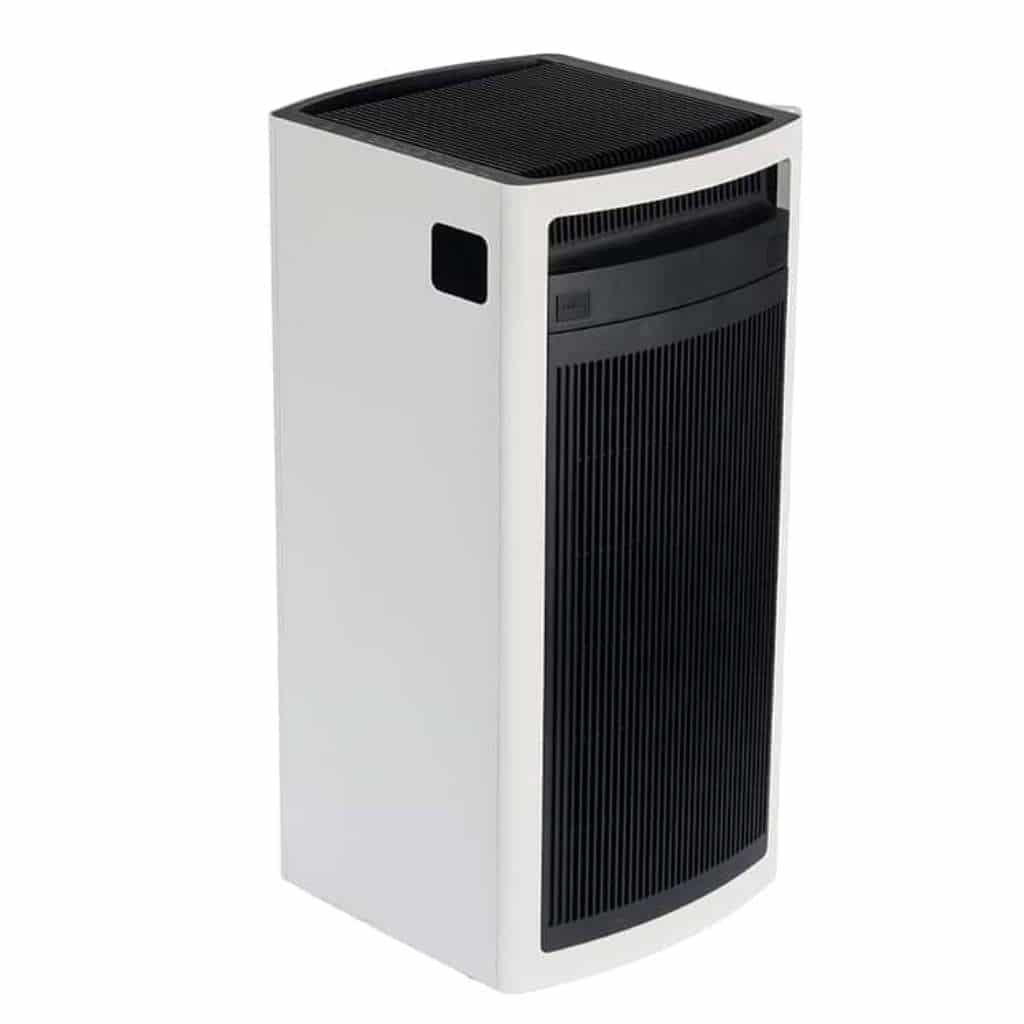
ヒソエア モデルHA-1601
ヒソエア モデルHA-1601

イメージヒソエア

HisoairモデルHA-1601は、コンパクトで手頃な価格の強力な空気清浄機です。HEPAフィルターおよびオゾンを備えたインテリジェントイオナイザー技術により、ウイルス、バクテリア、0.3ミクロン(ペットのフケ、カビの胞子、ダニなどの一般的なアレルゲンの大きさ)のアレルゲンなど、空気中に浮遊する微粒子を99.99%捕集します。これは、ペットのふけ、カビの胞子、ダニなどの一般的なアレルゲンの大きさです。これにより、ご家庭に存在する可能性のある有害なアレルゲンを大幅に防ぐことができます。

ヒソエア HA-1968
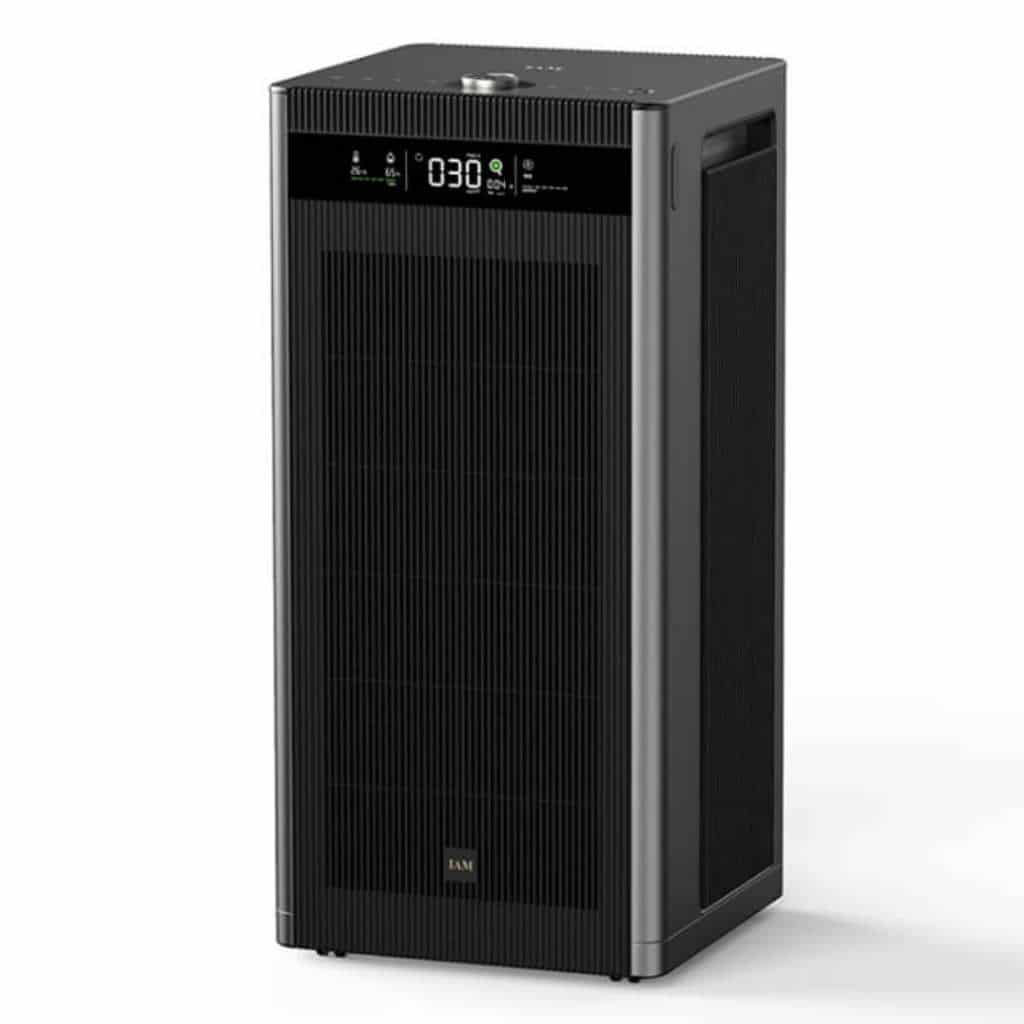
ヒソエア・モデルHA-1968
ヒソエア・モデルHA-1968

イメージヒソエア

HisoAir HA-1968は、寝室の空気をわずか数分で浄化するプラグアンドプレイ空気清浄機です。360度回転するファンが2つのチャコールフィルターに空気を通し、ニオイ、ホコリ、アレルゲンを取り除きます。フィルター1つで最高設定で最大24時間使用できるほか、モードを切り替えて洗浄力をカスタマイズすることもできます。

持ち帰り

ペットの飼い主の多くは、毛むくじゃらの仲間を家族のように愛し、健康のためなら何でもするという。そのための最良の方法のひとつが、適切な食事、運動習慣、グルーミングスケジュールですが、それだけでは終わらないかもしれません。自宅やオフィスの空気は、ペットの健康や幸福に害を及ぼす可能性があります。だからこそ、ペット用の空気清浄機が絶大な人気を得ているのです。ペット用空気清浄機は、ペットの呼吸器系に有害な可能性のある家庭内の空気を、システム内のさまざまなメカニズムで清浄します。

シェアする
ヒソエア創設者のリー氏
Alwen Lee, an air purification expert with over 10 years of experience, is a devoted father of two and a passionate traveler, having explored more than 30 countries. With a love for public speaking and swimming, he has dedicated his life to the indoor air quality industry. His mission is to ensure that people around the world enjoy the freedom to breathe clean air and lead happy, healthy lives.

メッセージを送る

もっと読む

Modern living room with a family enjoying a healthy indoor environment monitored by smart devices, natural lighting, and greenery.

After IFA 2026: The Healthy Home Is Moving Beyond Smart Devices

In our previous IFA 2026 column, Air Purification Is Becoming Part of the Healthy-Home Platform, we argued that the next generation of indoor-health products would ...
ニュース
Modern living room and kitchen with smart home air quality devices including an air purifier, humidifier, and water filtration system, connected with visualized blue connectivity lines.

IFA 2026: Air Purification Is Becoming Part of the Healthy-Home Platform

Pre-IFA Industry Perspective | September 4, 2026 This article is based on official announcements and regulatory information available ahead of IFA 2026, which takes place ...
ニュース
Comparison infographic showcasing the differences between carbon block filter and activated carbon fiber. Detailed diagrams illustrate the hierarchical porous structure of the carbon block with long diffusion paths and the open microporous structure of the activated carbon fiber with direct access for PFAS adsorption.

Carbon Block vs. Activated Carbon Fiber (ACF): Matching Media to Target Contaminants

Two carbon media. Same adsorption chemistry. Very different behaviour in a point-of-use cartridge. If you are specifying a water purifier platform for a PFAS-aware market, ...
ニュース
NSF base listing and ANF private-label certification pathway for OEM water filters

What Is an NSF Master Listing? A Guide to Base Listings, ANF Certification and OEM Water Filters

For a brand preparing to launch an OEM water purifier, one of the most common supplier claims is: “We already have an NSF master listing, ...
News, Water Purifiers
Healthy-home brand team reviewing PFAS water filter certification, test data and product engineering

Entering the Water Category Is Easy. Building a Credible PFAS Claim Is Much Harder

For air purification, appliance and healthy-home brands, entering the water category can look surprisingly easy. A company can select an existing undersink system, customize its ...
ニュース
Team in a business meeting discussing a water filtration system with product components and a comparison table displayed on a screen.

5 Leading OEM Water Purifier Manufacturers in China for Private Label Brands

China has thousands of companies selling water filters, reverse osmosis systems and drinking-water appliances. However, only a portion of them are suitable for private-label, OEM ...
ニュース
Contaminant Engineering•3 min read

PFAS Water Filtration Technologies Explained: Carbon, Resin & RO

Key Takeaway:

PFAS reduction depends on the specific compounds present, treatment media, contact time, water chemistry, and system design. Activated carbon, ion exchange, and Reverse Osmosis address PFAS through different mechanisms.

PFAS are a large family of persistent fluorinated compounds that can occur in drinking-water supplies. Their treatment behavior varies significantly by molecular structure, chain length, functional group, concentration, and the chemistry of the source water.

Granular Activated Carbon (GAC) removes PFAS primarily through adsorption. It is generally more effective for many longer-chain PFAS, while shorter-chain compounds tend to break through more quickly. Carbon performance depends on media properties, Empty Bed Contact Time (EBCT), competing organic matter, loading, and replacement frequency.

Ion-exchange resins use charged functional sites to capture many PFAS compounds. Properly selected anion-exchange media can provide high capacity and may perform better than conventional activated carbon for some shorter-chain PFAS, although performance still depends on water chemistry and competing ions.

Reverse Osmosis (RO) uses membrane separation rather than adsorption. Properly designed RO systems can provide broad reduction across many PFAS compounds as well as dissolved salts and other contaminants. Unlike carbon or resin, however, RO also produces a concentrate stream that must be managed.

No single technology should be selected from a PFAS label alone. System design should consider which PFAS compounds are present, their concentrations, required reduction targets, flow rate, media life, and the applicable third-party certification or validation requirements.

HisoAir Water Technical Series
Product Discovery•3 min read

How to Choose an Under-Sink Water Purifier for Modern Kitchens

Key Takeaway:

Match the treatment technology to your water quality first, then evaluate cabinet space, faucet configuration, flow rate, drain and power requirements, and filter replacement needs.

Choosing an under-sink water purifier starts with water chemistry. Carbon filtration is well suited to chlorine, taste, odor, and many organic contaminants, while Reverse Osmosis is more appropriate when dissolved salts, fluoride, nitrates, or broader dissolved contaminants need to be reduced.

For compact kitchens, tankless RO systems eliminate the conventional storage tank and can significantly reduce the space required under the sink. However, membrane capacity stated in GPD does not directly equal faucet flow. When comparing systems, check the actual dispensing flow rate, inlet-pressure requirement, recovery ratio, and whether a booster pump is required.

Installation architecture also matters. Many RO systems require a drain connection, electrical power, and either a dedicated drinking-water faucet or a compatible multi-function faucet. High-flow carbon systems can often connect directly to the existing cold-water line with a simpler installation, but pressure drop and available faucet flow should still be verified.

RO also removes much of the naturally occurring dissolved mineral content. Where taste or mineral balance is a priority, a post-RO remineralization stage can be added. Filter life should be evaluated by both rated capacity and local water quality rather than replacement time alone.

The right system is therefore not simply the smallest or highest-GPD model. It is the configuration that matches the target contaminants, available cabinet space, desired faucet setup, peak dispensing demand, and maintenance expectations.

HisoAir Water Technical Series
Water Quality•2 min read

What Does TDS Mean in Drinking Water? Measurement vs Contaminant Reality

Key Takeaway:

A TDS meter estimates the overall concentration of dissolved ionic substances from electrical conductivity. It cannot identify specific contaminants or determine whether water is chemically safe.

Total Dissolved Solids (TDS) refers to the combined concentration of dissolved substances in water. Most handheld TDS meters do not measure TDS directly. Instead, they measure electrical conductivity (EC) and convert that reading into an estimated parts-per-million (ppm) value.

This means a TDS reading can indicate how much dissolved ionic material is present, but not what that material actually is. Calcium, magnesium, sodium, nitrates, and other dissolved ions can all contribute to conductivity, yet a simple TDS meter cannot distinguish between them.

TDS meters are also not suitable for detecting trace contaminants such as PFAS, many VOCs, pesticides, pharmaceuticals, or disinfection byproducts. These substances may be present at concentrations far below the level needed to noticeably change electrical conductivity.

A low TDS reading therefore does not guarantee safe drinking water, and a higher TDS reading does not automatically indicate contamination. Water-treatment decisions should be based on laboratory testing for specific contaminants of concern rather than TDS alone.

HisoAir Water Technical Series
Technology Selection•2 min read

RO vs UF Water Filtration: Understanding Pore Sizes & Dissolved Minerals

Key Takeaway:

Ultrafiltration can reduce bacteria, turbidity, and suspended particles while retaining most naturally occurring dissolved minerals. Reverse Osmosis provides much broader reduction of dissolved salts and smaller contaminants.

Ultrafiltration (UF) typically uses hollow-fiber membranes with pore sizes in the approximate 0.01–0.1 micron range. These membranes physically retain turbidity, suspended solids, colloids, and many microorganisms while allowing dissolved minerals and salts to remain in the water.

Reverse Osmosis (RO) operates at a much finer separation level. Unlike UF, RO can substantially reduce dissolved ions such as sodium, calcium, fluoride, nitrates, and other contributors to total dissolved solids (TDS). This makes RO more suitable when dissolved-salt reduction is a primary treatment objective.

UF generally requires less system pressure and produces little or no continuous concentrate stream in many point-of-use configurations. RO typically requires greater pressure and produces a reject-water stream, but delivers broader contaminant reduction.

For water with acceptable TDS and mineral content, UF can be a simpler mineral-retaining treatment option. Where dissolved salts, fluoride, nitrates, or broader dissolved contaminants are a concern, RO is generally the more appropriate technology.

HisoAir Water Technical Series
Technology Selection•4 min read

Carbon Block vs Reverse Osmosis: Which Fits Your Need?

Key Takeaway:

Choose RO for dissolved inorganic salts and heavy metals; choose Carbon Block for chemical taste/odor, no wastewater, and high line-pressure flow.

Reverse Osmosis (RO) and Carbon Block filtration represent two fundamentally different treatment methods: membrane separation and adsorption. Understanding these differences helps determine which technology is better suited to a specific water-quality requirement.

Reverse Osmosis uses a semi-permeable membrane with pore sizes of approximately 0.0001 microns. It can significantly reduce dissolved inorganic contaminants such as TDS, fluoride, nitrates, and certain heavy metals. Because water must be forced through the membrane, RO systems require sufficient pressure or a booster pump and generate a concentrated wastewater stream.

Carbon Block filtration relies primarily on adsorption through compressed activated carbon, commonly with nominal pore sizes around 0.5–5 microns. It is highly effective for chlorine, chloramines, VOCs, taste, and odor, while allowing substantially higher direct-flow rates without producing wastewater.

From an operating perspective, Carbon Block systems are generally simpler, require less energy, and avoid the water loss associated with RO. RO involves higher system complexity and operating cost, but provides substantially broader reduction of dissolved contaminants that Carbon Block alone cannot address.

HisoAir Water Technical Series

見積依頼