
The air purifier market is currently flooded with identical products. You see the same white towers everywhere, and competing on price is a losing battle. You need a new strategy to survive.
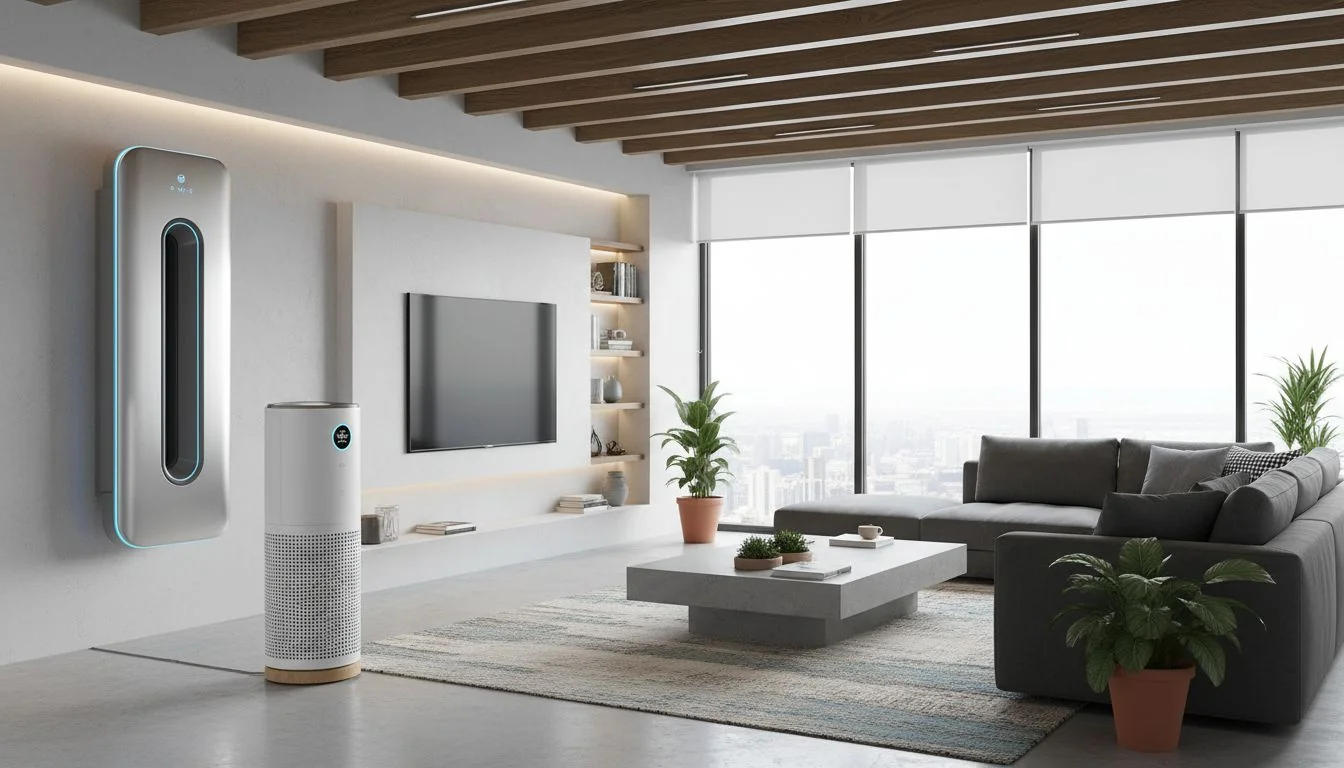
To differentiate your product line, you must move beyond the standard floor unit. By adopting strategies like wall-mounted designs1, decor-friendly aesthetics, and specific micro-environment solutions, you can increase the "share of home." This approach transforms a single-unit sale into a multi-unit ecosystem, boosting lifetime value and avoiding direct competition.

I have seen many clients fail because they simply copied what was already on the shelf. They spent thousands on molds only to enter a price war they could not win. However, the clients who succeeded were the ones who looked for the gaps in the market. They understood that design is not just about how a product looks, but how it fits into a business model. Here are the strategies that will help you build a product line that stands out.
The floor air purifier market is considered a 'Blue Ocean' with very little competition.False
The floor market is a 'Red Ocean' characterized by bloody competition and price wars. The wall market is the 'Blue Ocean'.
Selling multiple specialized units to one customer increases Lifetime Value (LTV).True
By offering units for different rooms (wall, kitchen, bedroom), you sell 3-4 units per home instead of just one living room unit.
Why Must You Escape the "White Tower" Wars?
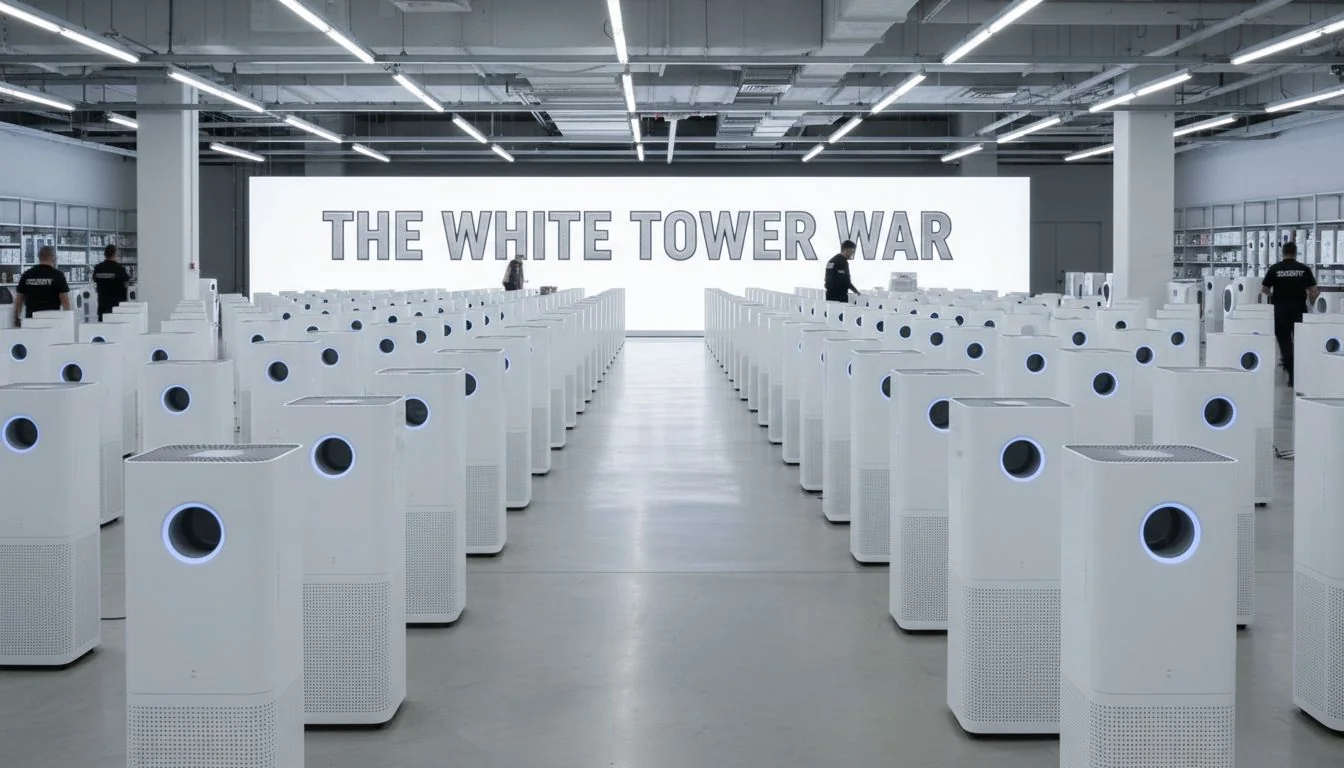
You walk into a big box store or scroll through Amazon. You see rows of identical white plastic towers. This is the "Red Ocean" of floor units, and it is a dangerous place to be.
The "White Tower" war is a race to the bottom on price. Escaping this requires a shift in design thinking. You must stop designing for the crowded floor space and start looking for open opportunities in the home, like walls and countertops, to create unique value.
I remember when I first started in the mold industry. A client came to me wanting to make a standard tower purifier. I asked him, "Why would anyone buy yours instead of the big brand next to it?" He did not have an answer. He just wanted to make what everyone else was making. That is a trap.
The "White Tower" war is what we call a "Red Ocean." The competition is fierce, and the margins are thin. Everyone is fighting for the same square footage on the living room floor. But if you look at a home, the floor is only a small part of the available space.
To win, you need to understand the "Share of Home" argument. This is a massive B2B insight that changes how you design. A standard brand sells one unit per home, usually for the living room. That is it. The transaction is over. But if you change your design strategy, you can unlock the bedrooms, the kitchen, and the hallways.
When you design for these other spaces, you are helping your client sell three or four units per customer instead of just one. This triples their Lifetime Value (LTV). As a designer, you are not just making a plastic shell; you are creating a business ecosystem. You need to position your product as the guide that takes the customer to the "Blue Ocean," where the competition is irrelevant.
| Feature | Red Ocean (Floor Units) | Blue Ocean (Differentiated) |
|---|---|---|
| Placement | Living Room Floor | Walls, Kitchens, Desktops |
| Competition | High (Price Wars) | Low (Open Market) |
| Units per Home | 1 Unit | 3-4 Units |
| Design Focus | Power & CADR | Lifestyle & Integration |
Most standard air purifier brands sell an average of 5 units per household.False
A standard brand typically sells 1 unit per home, usually for the living room.
Designing for 'Share of Home' focuses on capturing multiple spaces within a single household.True
This strategy aims to place units in bedrooms, kitchens, and hallways, not just the main living area.
How Does the "Vertical" Pivot Change the Game?
Floor space is expensive real estate in modern apartments. Customers hate tripping over cords and moving heavy units to vacuum. The solution is looking up.
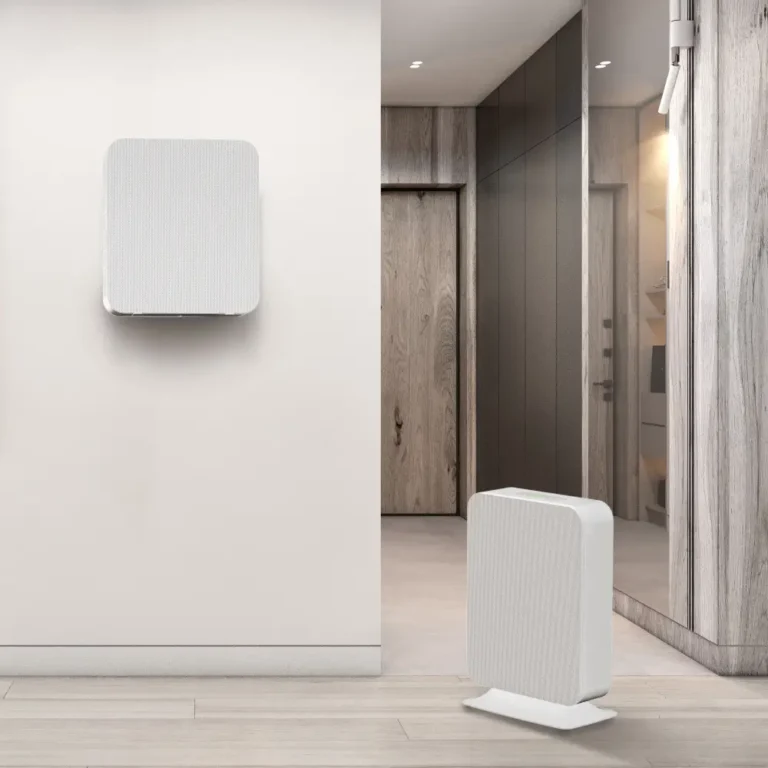
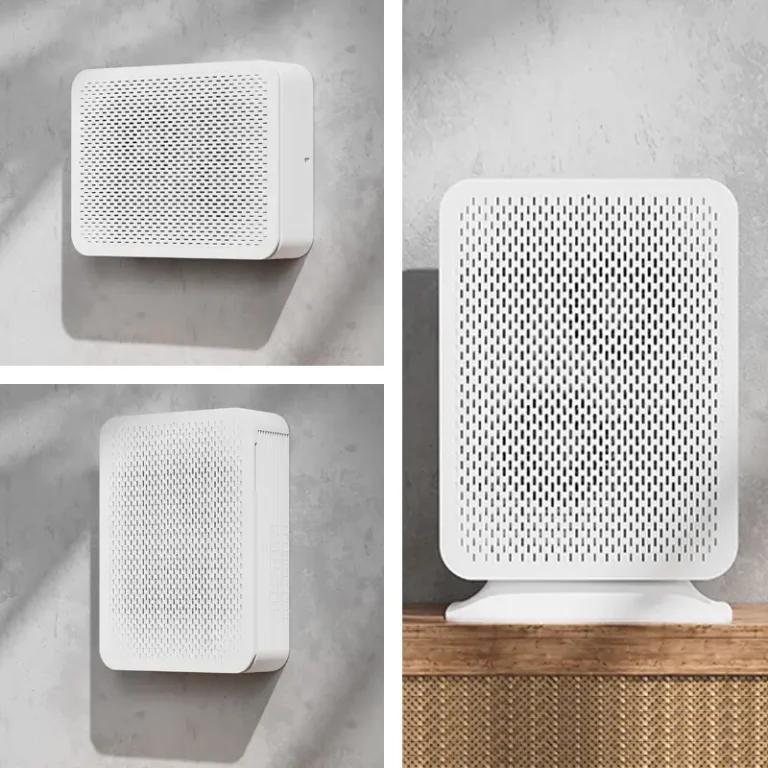
The "Vertical Pivot2" involves designing wall-mounted air purifiers. This strategy opens up a "Blue Ocean" market. It solves safety issues for parents and pets while allowing you to sell units for bedrooms, kitchens, and hallways, effectively tripling the potential units per customer.
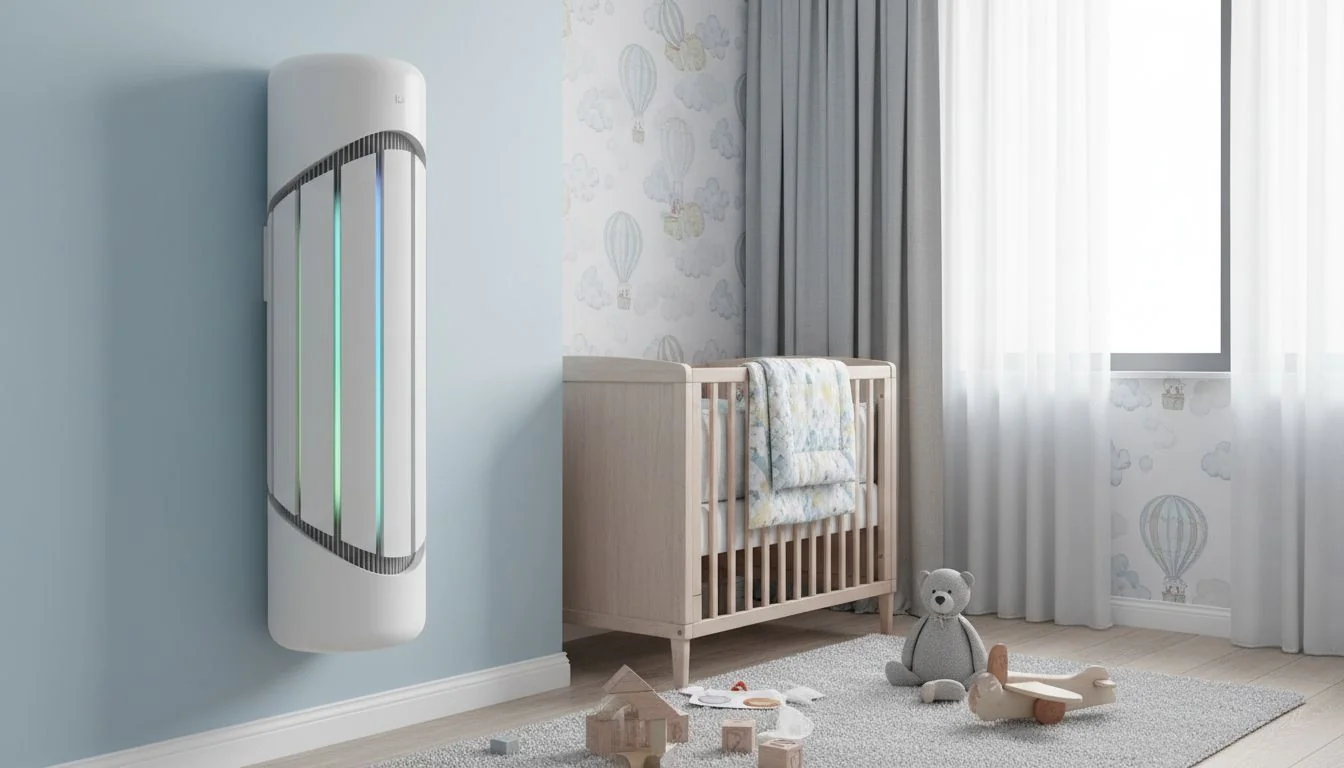
When we talk about the "Vertical Pivot," we are talking about owning the wall, not the floor. This is where I see the biggest opportunity for designers like you. The floor market is saturated, but the wall market is wide open.
Think about the "Safety" niche. This is a huge market driver. I have spoken to many new parents who are terrified of heavy appliances. A toddler can easily tip over a floor unit. They can chew on the power cords. It is a hazard. A wall-mounted purifier is the only baby-safe option. It is out of reach, secure, and has no trailing wires. This allows your client to market specifically to "New Moms," which is one of the most lucrative demographics in the direct-to-consumer space.
From a mold design perspective, this changes your requirements. You are not just designing a box that sits there. You need to think about weight. The wall bracket becomes a critical component. The plastic housing needs to be lighter, perhaps using thinner walls with structural ribs for strength. You also need to consider airflow differently. A floor unit pulls air from the sides. A wall unit might need to pull from the front or bottom.
This strategy also supports the "Share of Home" insight. A customer might buy a big unit for the living room, but they will buy wall units for every bedroom to save space. You are giving them a reason to buy more.
Design Considerations for Wall Units
- Weight Reduction: Use high-flow PP or ABS materials to keep the shell light.
- Mounting Interface: Design a robust, easy-to-install backplate.
- Safety: Ensure the front cover locks securely so children cannot open it.
- Profile: Keep the depth shallow so it does not protrude too far into the room.
Wall-mounted purifiers are considered less safe for children than floor units.False
Wall-mounted units are safer as they prevent tipping and keep cords out of reach of children.
New Moms are a key demographic for safety-focused home appliances.True
Parents prioritize safety features like tip-over prevention and cord management.
Can "Decor-First" Design Increase Profit Margins?
Most appliances look like appliances. They are industrial and clash with interior design. Customers want technology that blends in, not stands out.
"Decor-First" design treats the air purifier as furniture. By using swappable magnetic panels or fabric covers, you allow customization. This creates a high-margin recurring revenue model3 through accessories, which investors love, while solving the aesthetic friction for the end-user.
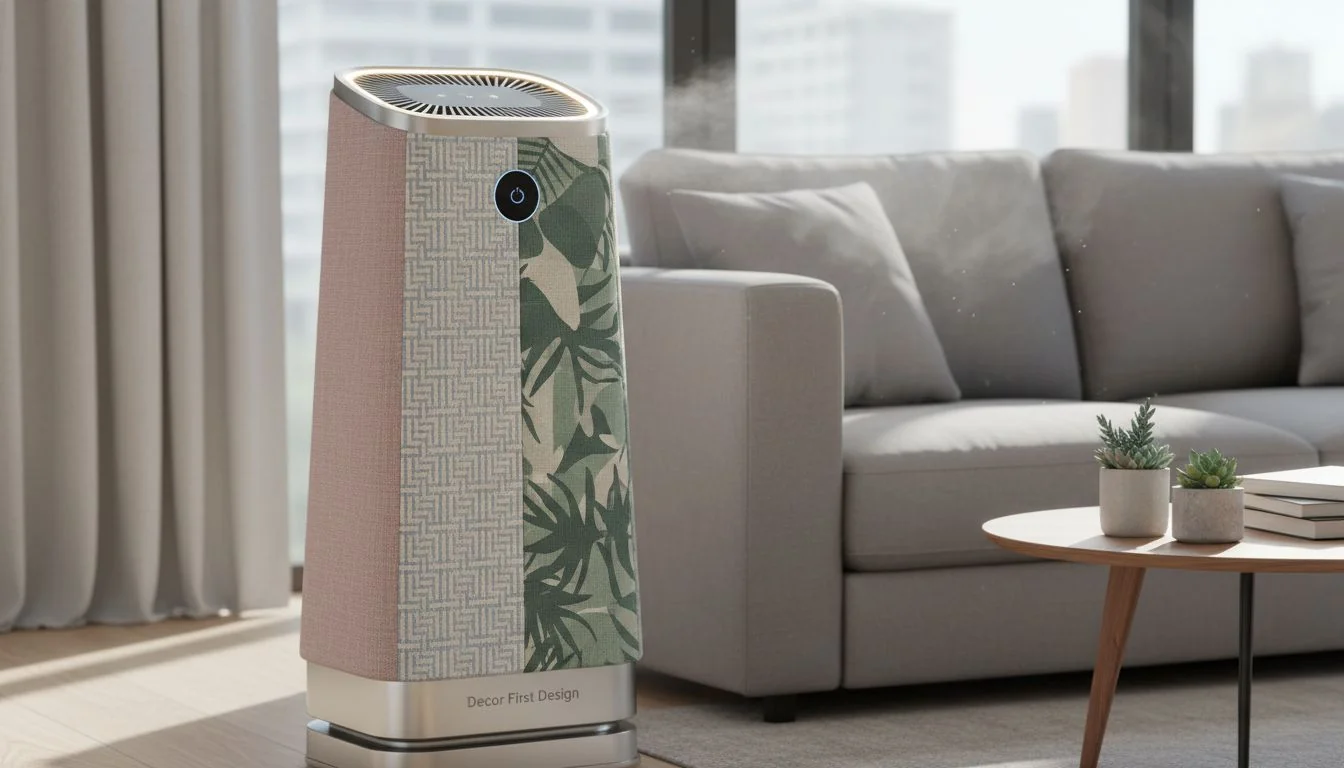
This strategy is one of my favorites because it solves a financial problem for the manufacturer. We all know that hardware has low margins. The competition drives the price of the machine down. But accessories? That is where the money is.
By designing a unit with swappable panels, you are giving your client a high-margin recurring revenue model. Think about it. The customer buys the machine once. But they might change their living room color next year. Or they might want a fun pattern for the nursery. If you design the mold to accept magnetic front panels or fabric wraps, you allow the customer to update the look without buying a new machine.
For you as a designer, this means you need to separate the cosmetic surface from the functional core. The main body of the purifier can be a standard, cost-effective mold. The front panel is where the magic happens. You can use different textures, colors, or even materials like wood or fabric.
This is the "Chameleon" approach. The product adapts to the environment. It stops being an ugly appliance and starts being a piece of decor. Investors love this because it increases the Lifetime Value of the customer. They keep coming back to buy new panels. It is a smart way to use design to drive business growth.
| Component | Margin Potential | Frequency of Purchase |
|---|---|---|
| Core Unit | Low | Once every 5-7 years |
| Filters | Medium | Every 6-12 months |
| Design Panels | High | Whenever trends change |
Hardware typically has higher profit margins than accessories.False
Hardware often has low margins due to competition; accessories like panels usually command high margins.
Swappable panels allow for a recurring revenue model.True
Customers purchase additional panels to change the look, generating repeat sales.
Why Focus on the "Micro-Environment" Strategy?
A living room purifier does not work in a bathroom. The smells, humidity, and space constraints are completely different. One size does not fit all.
The "Micro-Environment" strategy targets specific problem areas like kitchens and bathrooms. These spaces require compact, specialized designs. By addressing these unique needs, you expand your product line beyond the general living area and capture a completely different segment of the user's daily life.
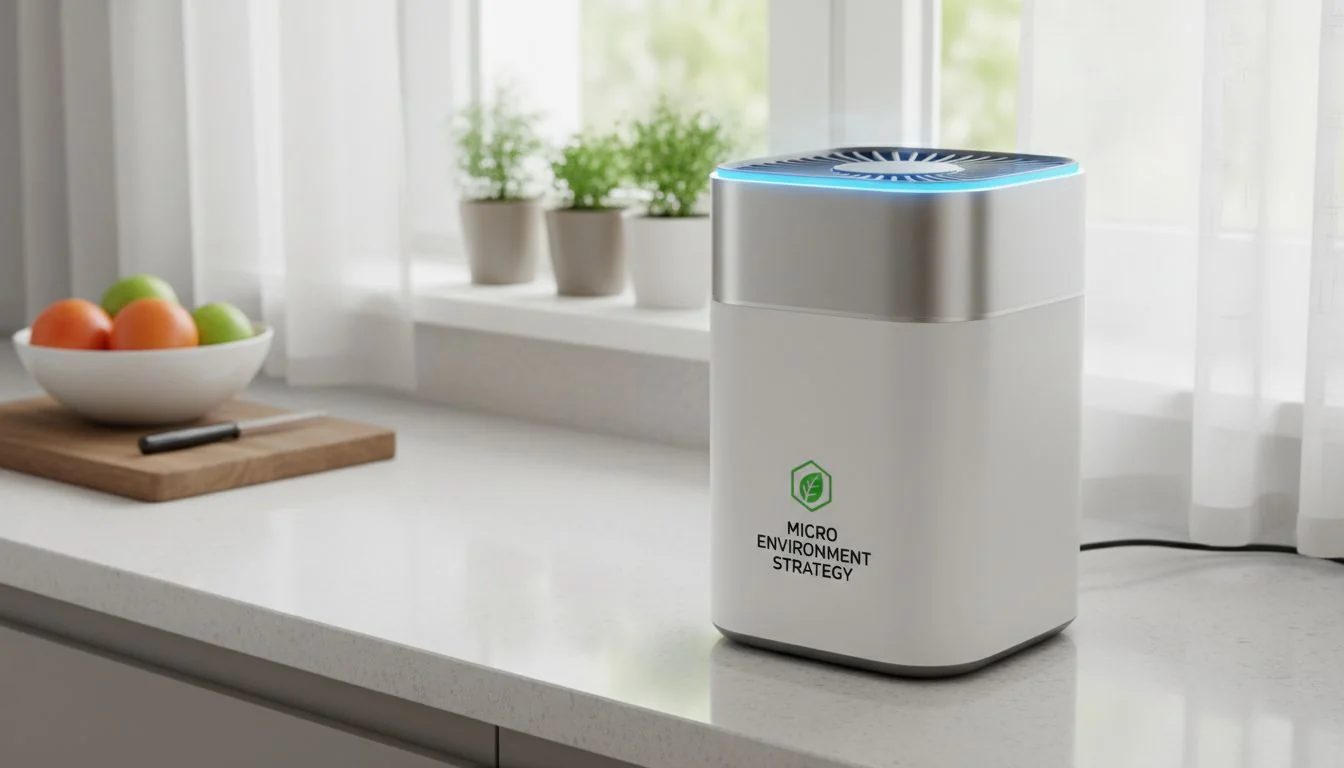
When I advise clients on product lines, I tell them to look at the rooms that everyone ignores. Everyone fights for the living room. But what about the kitchen? What about the bathroom? These are "Micro-Environments" with very specific needs.
In the kitchen, the enemy is grease and cooking odors. A standard HEPA filter might get clogged by oil quickly. A kitchen-specific design might need a pre-filter that is washable and designed to trap grease. The mold for this unit needs to be compact to fit on a counter, and the material needs to be easy to wipe down, perhaps a high-gloss finish that resists staining.
In the bathroom, the issue is humidity and biological contaminants. You need a unit that is moisture-resistant. You might need to seal the electronics differently in the design phase. The aesthetic here is usually cleaner and more clinical.
By creating these specialized units, you are not cannibalizing your main sales. You are adding to them. A customer will buy the big unit for the lounge, a wall unit for the baby, and a micro-unit for the kitchen. You are building a complete solution. This makes your client the "One-Stop Shop" for air quality. They don't need to go to different brands for different rooms.
Technical Challenges for Micro-Units
- Size Constraints: Components must be tightly packed.
- Material Selection: Kitchen units need chemical resistance; bathroom units need moisture resistance.
- Noise Control: These units are often closer to the user (on a counter), so fan noise must be minimized.
Kitchen air purifiers face the same pollutants as bedroom units.False
Kitchen units must handle grease and cooking odors, which are distinct from bedroom pollutants.
Micro-environment strategies focus on specific rooms like bathrooms and kitchens.True
This strategy tailors the product to the unique constraints and pollutants of small, specific spaces.
How Do You Build a "Whole-Home Ecosystem"?
Selling a single product is a transaction. Selling a system is a relationship. You want to be the only brand your customer ever needs.
The "Whole-Home Ecosystem4" connects the floor, wall, and desktop units into a unified family. This positions your brand as a comprehensive solution provider. It increases customer retention because once they buy into your ecosystem, they are less likely to switch to a competitor for a second unit.
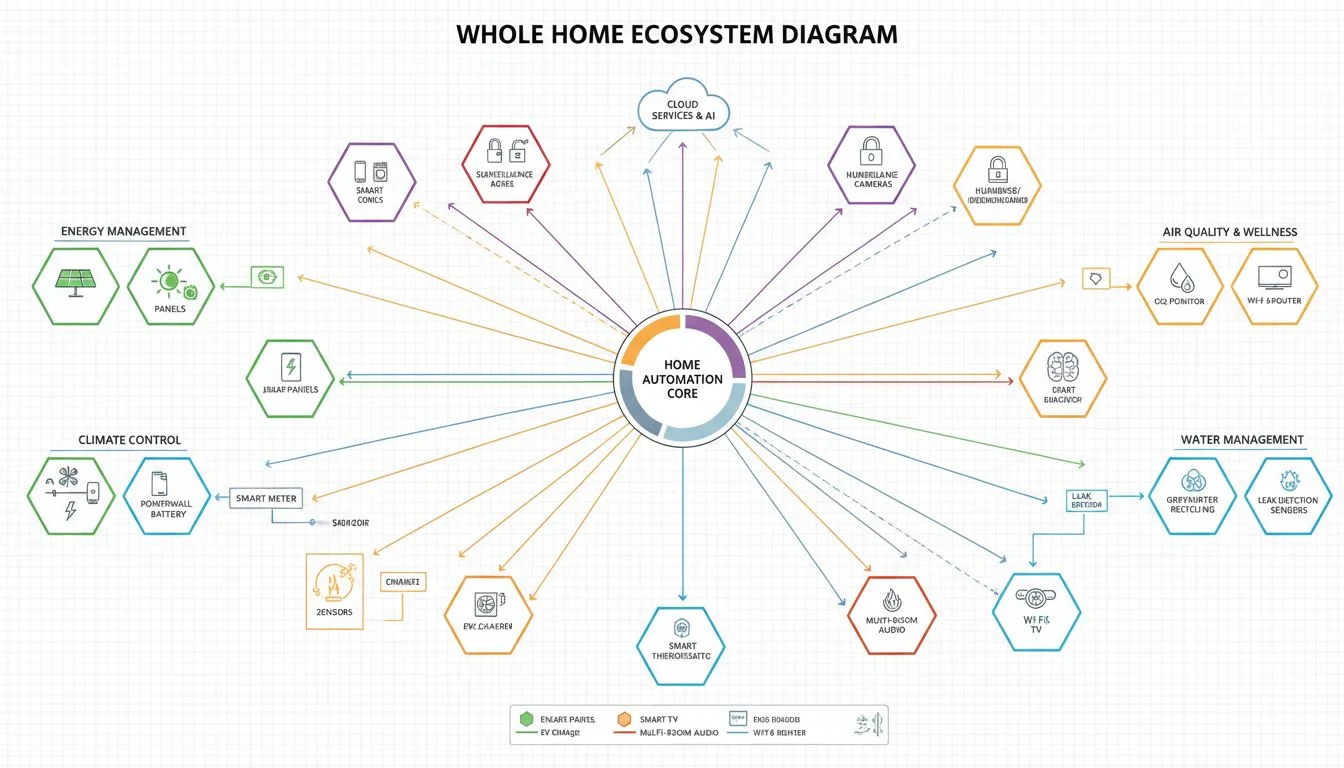
This is the final piece of the puzzle. You are not just a factory producing one item. You are an "Ecosystem Builder." When you design the molds for these different products, you need to ensure they share a common design language.
If the floor unit has a specific curve or a signature LED light ring, the wall unit and the kitchen unit must have it too. This visual consistency tells the customer that these products belong together. It builds brand trust.
Think about the big tech companies. They don't just sell a phone; they sell a watch, a tablet, and a laptop that all look and work together. You need to apply this thinking to air purifiers. You have the floor units for power. You have the wall units for coverage. You have the micro-units for specific problems.
When you present this to a client or your boss, you are showing them a roadmap for growth. You are showing them how to dominate the entire home. This is how you move from being a simple parts supplier to a strategic partner. You are helping them build a diversified product line that blocks out competitors. If a customer has your wall unit and your kitchen unit, they are not going to buy a competitor's floor unit. You have locked them in.
| Unit Type | Role in Ecosystem | Target Location |
|---|---|---|
| Floor Unit | The Powerhouse | Living Room / Open Spaces |
| Wall Unit | The Space Saver | Bedrooms / Hallways |
| Micro Unit | The Specialist | Kitchen / Bath / Desk |
Visual consistency across a product line helps build brand trust.True
A shared design language makes the products feel like a unified family, encouraging multi-unit purchases.
An ecosystem strategy encourages customers to mix and match brands.False
An ecosystem strategy locks customers in, making them less likely to switch to competitors for additional units.
Conclusion
Differentiation requires bold hardware choices. By moving to the wall, focusing on decor, and building a full ecosystem, you escape the price wars and create real value for your clients.
References
-
Explore how wall-mounted designs can save space and enhance safety in homes. ↩
-
Find out how the Vertical Pivot can open new markets for air purifiers. ↩
-
Explore how a recurring revenue model can enhance profitability for manufacturers. ↩
-
Discover how creating a Whole-Home Ecosystem can enhance customer loyalty and retention. ↩



 English
  Français
  Español
  Italiano
  Deutsch
  Português
  Русский
  العربية
  日本語
日本語  한국어
한국어  Tiếng Việt

