
Opens in a new tab
Innovative Air Quality Solutions
HisoAir Water Purification Product & Solution Hub

Water Purifiers & Water Purification Systems

HisoAir develops and manufactures configurable water purification platforms for global brands — from high-flow under-sink carbon filtration and RO systems to countertop, commercial, chilled and sparkling water solutions.

We support OEM, ODM and private-label programs through filtration engineering, product development, certification coordination and scalable manufacturing.

Modular Water Purification Systems

Our configurable portfolio includes high-flow carbon block filtration, countertop and tankless RO, chilled and sparkling water systems, and commercial MF/UF solutions.

Available for private-label, OEM and ODM programs across global markets.
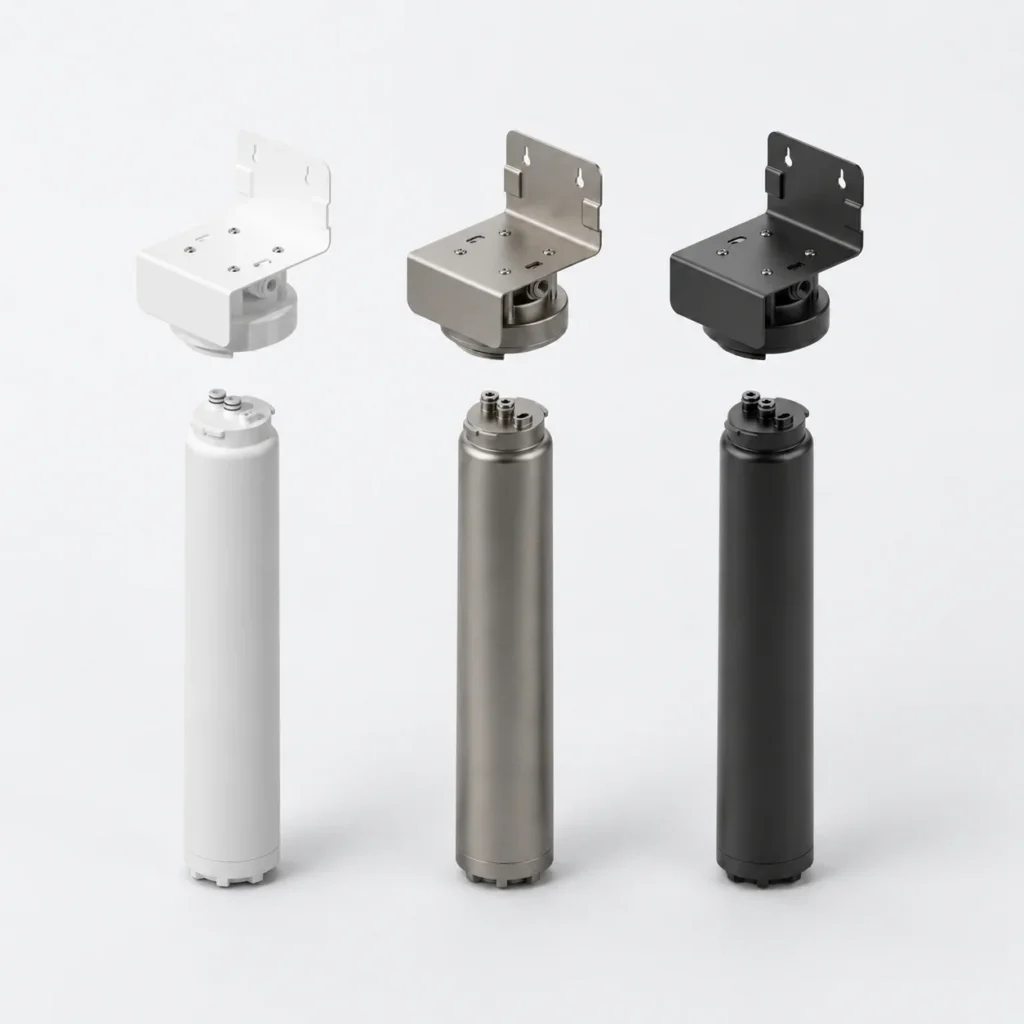
Countertop ROInstant heat & ice
Under-Sink & WP-3000Carbon block & RO
Commercial MF/UFHigh-flow foodservice
Featured Water Platform
Under-sink carbon block water filter cartridges for OEM PFAS filtration platforms
1.5 GPM · No Reject Water

WP-3000 High-Flow Carbon Block Purifier

A high-flow twist-lock under-sink carbon filtration platform within HisoAir’s configurable water purification portfolio.

Flow CapabilityUp to 1.5 GPM Fast Flow
Eco FootprintNo RO Reject Water
Operating PowerNo Electricity Needed
Maintenance5-Sec Twist-Lock Swap
Experience
20+ Years
Water Treatment & Filtration Engineering
Technologies
RO · Carbon · UF · MF
Modular Separation & Adsorption Platforms
Applications
Residential · Commercial
Point-of-Use & Premium Hydration
Product Programs
Standard · OEM · ODM
Private-Label & Co-Development Ready
Verification Note: Certification and performance claims vary by product, cartridge configuration and target market. Model-specific documentation is available upon request.
Portfolio Architecture

Explore Our Water Purification Solutions

HisoAir organizes water treatment into four modular solution platforms. Select the platform best suited to your installation format, flow demands, and contaminant objectives.

Plug & Play

Countertop Water Purifiers

Plug & Play RO with Instant Heat & Ice

Compact purification systems combining RO filtration with convenient functions such as instant heating, temperature control and optional ice-making.

Key Platform Attributes
Multi-stage RO Filtration
Instant Hot Water in 3s
No Installation Required
Optional Integrated Ice Maker
Dedicated Category

Under-Sink Water Purifiers

High-Flow Carbon Block & Tankless RO

Space-saving under-cabinet purification platforms spanning high-flow carbon block filtration, tankless reverse osmosis, and chilled sparkling systems.

Key Platform Attributes
High-Flow Carbon Block (WP-3000)
Tankless 400–800 GPD RO
Chilled & Sparkling Water
Quick Twist-Lock Cartridges
Specialist Pillar

PFAS Water Filtration

Contaminant-Targeted Platforms

Filtration platforms developed around defined PFAS reduction targets, media selection, testing and certification pathways.

Key Platform Attributes
Targeted Adsorption Media
High Empty Bed Contact Time
Test Protocol Grounded
Non-Electric High Flow Options
High Throughput

Commercial Water Purification

Foodservice & High-Throughput Facilities

Configurable microfiltration, ultrafiltration, commercial reverse osmosis, and scale-control solutions tailored for commercial and foodservice applications.

Key Platform Attributes
Scale Inhibition & Mineral Balance
High Continuous Flow Rates
Dual-Loop Beverage Manifolds
Sanitary Quick-Connect Heads
Real-World Deployment

Application Contexts: Residential Countertop, Under-Sink & Commercial

Purification architectures engineered specifically around physical space, plumbing access, and usage demand.
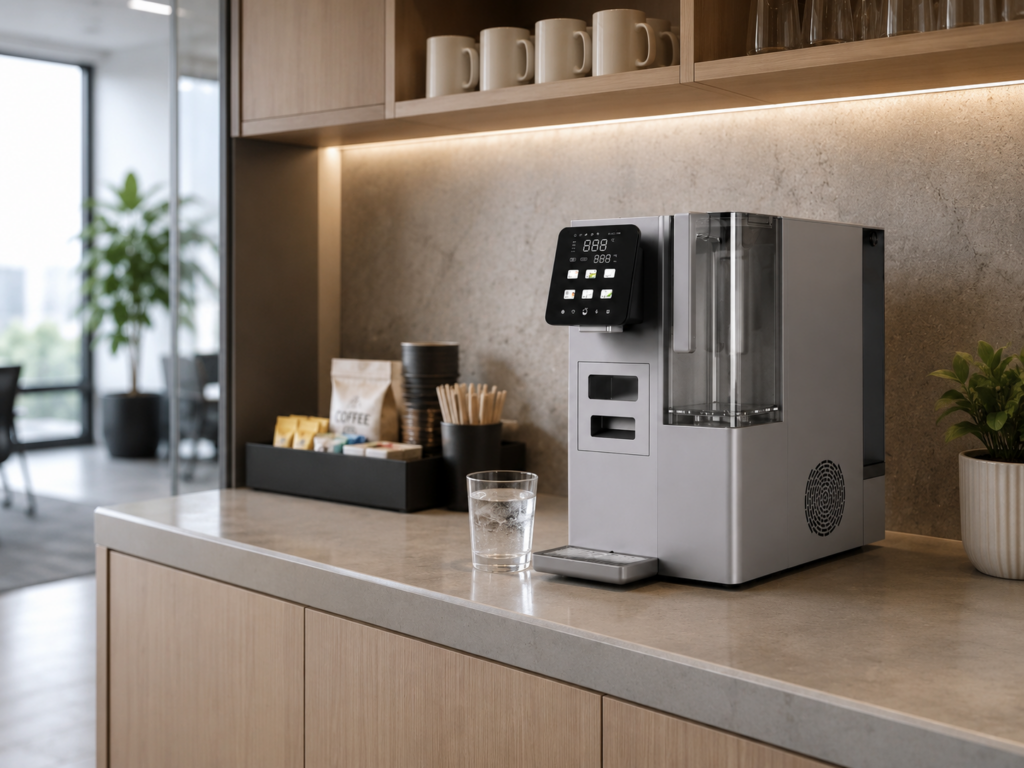
HisoAir countertop reverse osmosis water dispenser on a residential kitchen island
Countertop Kitchen

Residential Kitchens & Island Living

Plug-and-play reverse osmosis with instant multi-temp heating and ice dispense. Requires zero under-sink plumbing modification.
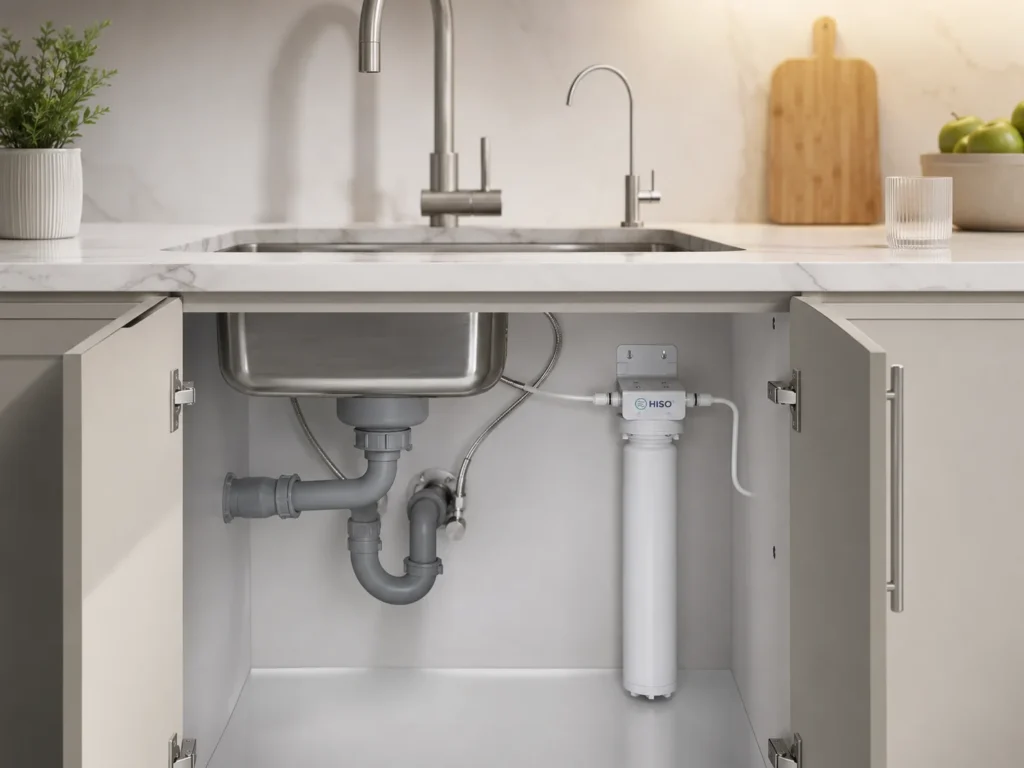
Neatly plumbed under-sink water filter system with quick-change twist-lock cartridges inside kitchen cabinet
Under-Sink Cabinet

Concealed Under-Counter Plumbing

Ultra-slim high-flow carbon block (WP-3000) or tankless RO neatly plumbed to direct kitchen taps or dedicated lead-free faucets.
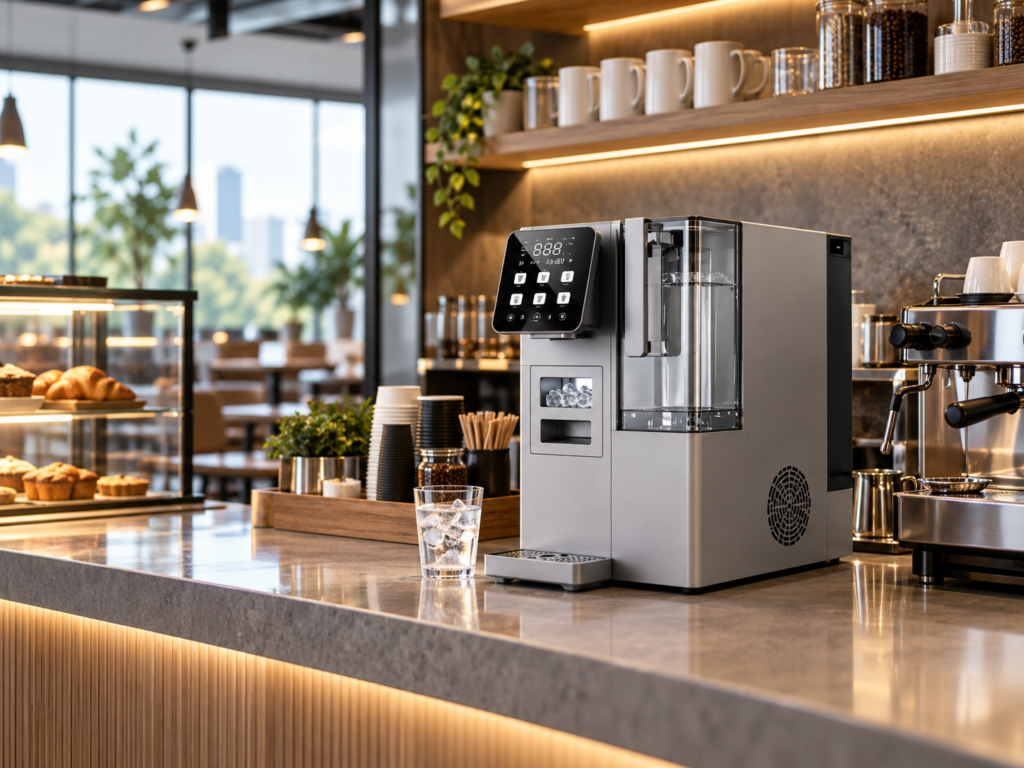
Commercial water filtration manifold mounted behind an espresso bar in a modern cafe
Commercial Foodservice

Coffee Bars, Ovens & Hospitality

High-throughput sanitary manifolds with scale inhibition and consistent mineral balance tailored for commercial foodservice equipment.

Platform Profiles

Featured Water Purification Platforms

Streamlined engineering baselines ready for regional certification and private-label integration.

Flagship Carbon Block Purifier
Under-sink carbon block water filter cartridges for OEM PFAS filtration platforms
WP-3000 High-Flow Carbon Block Cartridge
Patented Auto-Shutoff Bayonet Head · 0.5–1.0μm
Flagship Platform Representative

WP-3000 High-Flow Carbon Block Water Purifier

A compact twist-lock filtration platform designed for applications where high flow, easy cartridge replacement and no wastewater are priorities. Built around an extruded high-density coconut shell carbon block core, it provides deep sub-micron adsorption for chlorine, taste/odor, sediment, and common chemical contaminants while maintaining direct household tap flow.

Up to 1.5 GPMDirect tap flow
No ElectricityLine pressure
No Reject WaterNo Drain Required
Twist-Lock5-second swap
Countertop Platform

Countertop Water Purifiers

Compact purification systems combining RO filtration with convenient functions such as instant heating, temperature control and optional ice-making.
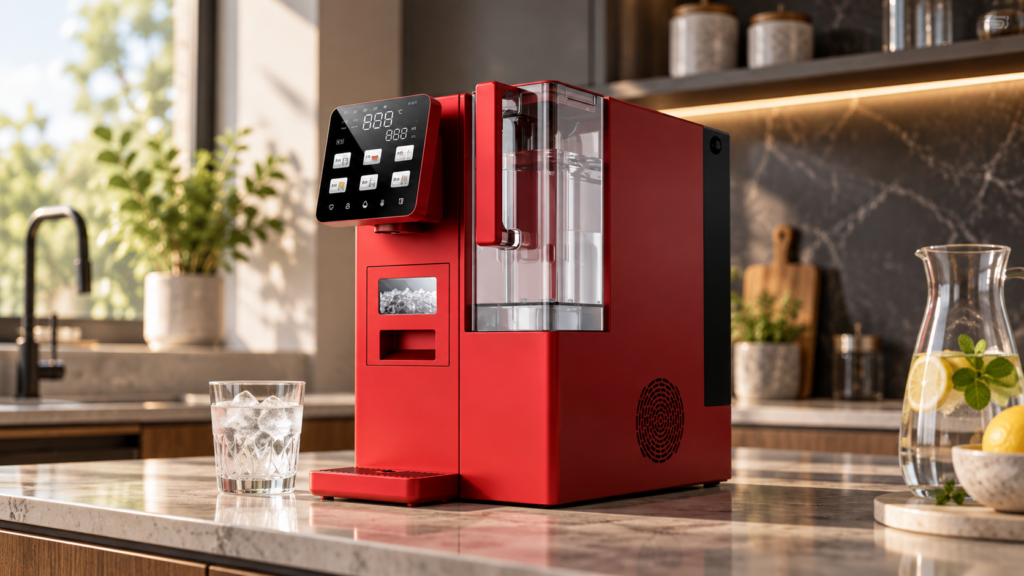
Countertop RO water purifier with ice maker in a modern kitchen
RO Filtration
Instant Hot Water
Plug & Play (No Drill)
Optional Ice-Making
Detailed voltage, reservoir sizes and custom casing specs available upon request.Explore Countertop Water Purifiers
Under-Sink Framework3 Core Routes

Under-Sink Water Purification

Modular under-counter configurations engineered to fit compact cabinetry while providing tailored water chemistry across three distinct technical routes:

1

High-Flow Carbon Block Filtration

Direct line flow up to 1.5 GPM. Zero wastewater, zero electricity. WP-3000 twist-lock architecture.

2

Tankless Reverse Osmosis (400–800 GPD)

High-flux membrane rejecting TDS, heavy metals, and dissolved impurities with smart LED faucet.

3

Cold & Sparkling Water Systems (CS01)

Sub-counter chilling engine with precision CO2 carbonation for still chilled and fizzy soda water.

Foodservice & CommercialHigh Throughput

Commercial Water Purification Solutions

Configurable microfiltration, ultrafiltration, reverse osmosis, scale-control and UV options for foodservice, beverage and commercial water applications.

MF
Microfiltration
Sediment barrier
UF
Ultrafiltration
0.01μm separation
RO
Commercial RO
TDS control & coffee
UV
Scale / UV
Boiler protection
Capability BreadthPoint-of-Entry

Whole-House & High-Flow Water Treatment

Lightweight central pre-filtration, scale inhibition, and softening modules designed to protect plumbing infrastructure and pre-condition water upstream of point-of-use purifiers.

Central sediment & catalytic carbon pre-filtration
Scale inhibitor and ion-exchange softening options
High service flow with minimal line drop
Inquire About Whole-House & High-Flow Treatment
Modular Engineering Architecture

How HisoAir Water Platforms Are Configured

Our modular platform architecture decouples pre-treatment, core separation mechanisms, and post-conditioning manifolds. This allows brand partners to configure custom target-market purifiers using verified tooling and interchangeable quick-connect cartridges.

STAGE 01

Source Water

Incoming municipal tap, high-sediment, or variable hard well water.

• Variable TDS (50–1000+ ppm)
• Line pressure: 20–60 PSI
STAGE 02

Pre-Filtration

Sediment filtration and application-specific pretreatment help protect downstream filtration stages. The required pretreatment configuration depends on source-water quality and the selected system.

Meltblown PP (5μm)
Scale Polyphosphate
CORE SELECTION

Primary Media

Configured by target contaminants, flow rate, and drain access:

Carbon Block (WP-3000)1.5 GPM
Tankless RO0.0001μm
Ultrafiltration (UF)0.01μm
STAGE 04

Functional Modules

Application-specific thermal, carbonation, or remineralization stages.

Instant 3-Sec Heating
Compressor Chilling & Soda
Post Mineral Restoration
STAGE 05

Drinking Water

Tailored dispense endpoints ready for consumer or foodservice use.

✓ Pure Direct Tap (1.5 GPM)
✓ Multi-Temp Hot & Ice
✓ Chilled Soda / Sparkling
✓ Commercial Equipment Feed
Selected HisoAir platforms support configurable filtration media and functional modules. Changes between carbon filtration, ultrafiltration and reverse osmosis require validation of hydraulic performance, mechanical compatibility, drainage requirements and applicable certification.
Discuss custom platform staging →
Engineering Groundwork

Choose the Right Water Treatment Technology

Compare treatment technologies based on the contaminants or water-quality conditions being addressed.

Technology
Best Suited For
Main Function
Pore Rating
TDS Reduction
Power
Carbon Block (Flagship Focus)
Chlorine, taste/odor, VOCs and lead, depending on validated cartridge claims; high-flow direct drinking applications.
Adsorption & Sub-Micron Filtration
0.5–1.0 μm particulate filtration rating; this does not establish chemical contaminant reduction.
Retains minerals
Non-Electric
Reverse Osmosis
Dissolved solids and broader dissolved-contaminant treatment
Membrane separation
Membrane separation (approximately 0.0001 μm equivalent)
High
System-dependent; sufficient pressure required
Ultrafiltration (UF)
Suspended particles and selected microorganisms
Membrane filtration
0.01 – 0.1 μm
Retains minerals
Non-Electric
Microfiltration (MF)
Sediment and larger particulate filtration
Physical filtration
0.1 – 10 μm
Retains minerals
Non-Electric
UV Disinfection
Microbiological treatment applications
UV disinfection (pathogen inactivation)
N/A (Photochemical)
Retains minerals
Required
Carbon Block (Flagship Focus)
Best Suited For
Chlorine, taste/odor, VOCs and lead, depending on validated cartridge claims; high-flow direct drinking applications.
Main Function
Adsorption & Sub-Micron Filtration
Pore Rating
0.5–1.0 μm particulate filtration rating; this does not establish chemical contaminant reduction.
TDS Reduction
Retains minerals
Power
Non-Electric
Reverse Osmosis
Best Suited For
Dissolved solids and broader dissolved-contaminant treatment
Main Function
Membrane separation
Pore Rating
Membrane separation (approximately 0.0001 μm equivalent)
TDS Reduction
High
Power
System-dependent; sufficient pressure required
Ultrafiltration (UF)
Best Suited For
Suspended particles and selected microorganisms
Main Function
Membrane filtration
Pore Rating
0.01 – 0.1 μm
TDS Reduction
Retains minerals
Power
Non-Electric
Microfiltration (MF)
Best Suited For
Sediment and larger particulate filtration
Main Function
Physical filtration
Pore Rating
0.1 – 10 μm
TDS Reduction
Retains minerals
Power
Non-Electric
UV Disinfection
Best Suited For
Microbiological treatment applications
Main Function
UV disinfection (pathogen inactivation)
Pore Rating
N/A (Photochemical)
TDS Reduction
Retains minerals
Power
Required
Engineering Note:Treatment performance depends on the exact media, membrane, system configuration, water conditions and validated claims. For specialized chemical targets such as PFAS/PFOA or industrial trace contaminants, multi-barrier configurations are deployed.
Decision Matrix

Compare Water Purification Platforms

Compare complete water purifier formats based on installation, application, capacity and functionality.

Platform
Typical Application
Treatment
Flow / Capacity
Power
Wastewater
WP-3000 Carbon Block (Flagship)
Point-of-use direct tap drinking water
Extruded high-density carbon block
Up to 1.5 GPM continuous
No
No Reject Water
Countertop RO
Home / office, renters, bedrooms
Reverse Osmosis (RO) + Composite Carbon
Model-specific (instant dispense)
Yes
1:1 to 2:1
Tankless Under-Sink RO
Kitchen drinking & cooking
Composite PPC pre-filter + 400–800 GPD RO
400–800 GPD membrane capacity; actual dispensing flow is model-dependent.
Yes
1:1 to 2:1
Cold & Sparkling
Premium residential kitchens & offices
Sub-micron filtration + chilling + carbonation
Model-specific (continuous chilled & soda)
Yes
Zero
Commercial Systems
Foodservice, coffee, steam ovens
MF / UF / RO + polyphosphate scale inhibition
Application-specific high throughput
Depends
Varies
WP-3000 Carbon Block (Flagship)
Typical Application
Point-of-use direct tap drinking water
Treatment
Extruded high-density carbon block
Flow / Capacity
Up to 1.5 GPM continuous
Power
No
Wastewater
No Reject Water
Countertop RO
Typical Application
Home / office, renters, bedrooms
Treatment
Reverse Osmosis (RO) + Composite Carbon
Flow / Capacity
Model-specific (instant dispense)
Power
Yes
Wastewater
1:1 to 2:1
Tankless Under-Sink RO
Typical Application
Kitchen drinking & cooking
Treatment
Composite PPC pre-filter + 400–800 GPD RO
Flow / Capacity
400–800 GPD membrane capacity; actual dispensing flow is model-dependent.
Power
Yes
Wastewater
1:1 to 2:1
Cold & Sparkling
Typical Application
Premium residential kitchens & offices
Treatment
Sub-micron filtration + chilling + carbonation
Flow / Capacity
Model-specific (continuous chilled & soda)
Power
Yes
Wastewater
Zero
Commercial Systems
Typical Application
Foodservice, coffee, steam ovens
Treatment
MF / UF / RO + polyphosphate scale inhibition
Flow / Capacity
Application-specific high throughput
Power
Depends
Wastewater
Varies
Flow capabilities reflect nominal line pressure conditions (40–60 psi) or booster pump specifications.Discuss custom platform staging →
Specialized Contaminant Program

Need a Water Platform Designed Around PFAS Reduction?

HisoAir supports filtration programs developed around defined PFAS reduction targets, including media selection, flow configuration, independent testing and certification planning. Performance and certification apply to specific cartridges and system configurations.

Modular Building Blocks

Water Technology Capabilities

HisoAir integrates modular mechanical, chemical, thermal, and electronic sub-assemblies to formulate tailored water systems.

RO Filtration

Precision semi-permeable membranes removing dissolved ions, heavy metals, and micro-pollutants down to 0.0001 microns with high recovery efficiency.

Configurable sub-systemActive

Carbon Block & Composite Media

High-density extruded carbon cores blended with custom binders for optimal adsorption of chlorine, volatile compounds, and tailored contaminant profiles.

Configurable sub-systemActive

Quick-Change Cartridges

Tool-free bayonet and twist-lock mechanisms designed with integrated auto-shutoff valves for leak-safe, sanitary 5-second cartridge replacements.

Configurable sub-systemActive

Cooling & Sparkling

Quiet compressor chilling units coupled with precision gas-liquid mixing manifolds delivering chilled still and effervescent sparkling water on demand.

Configurable sub-systemActive

Instant Heating

Rare-earth thick-film heating technology delivering boiling, tea, and baby-formula preset temperatures in under three seconds without scale stagnation.

Configurable sub-systemActive

UV Integration

UV-C LED modules can be integrated into selected water purification systems for application-specific microbial treatment. Disinfection performance depends on validated UV dose, water quality, flow rate and system design.

Configurable sub-systemActive
Evidence & Verification

Performance & Documentation

In water purification engineering, credible performance claims must be tied to verified test protocols and exact physical configurations. We maintain rigorous documentation packages across our product lifecycle.
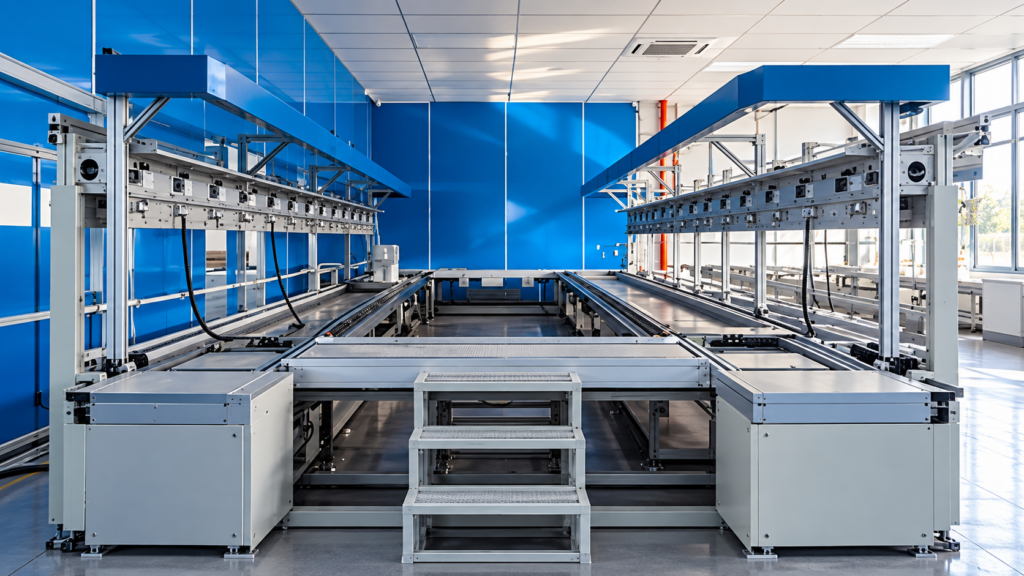
High-tech hydrostatic burst pressure testing chamber with digital flow rate gauges in a water filtration lab
Hydrostatic Rig

Structural Integrity Testing

Model-specific structural verification may include hydrostatic pressure, burst and cyclic pressure testing. Request the report for your selected housing and system configuration to review test type, conditions and verified results.

Media Integrity

Material Safety & Component Validation

Model-specific validation covers material migration, seals and water-contact components. Request available material safety and component validation records for the selected configuration and target market.

Documentation: model-specific material and component validation records
Analytical Lab

Filtration Performance & Certification

Review applicable standards, validated test items, certification bodies and supporting documents for the exact cartridge and system configuration. Confirm current certification status against the relevant document or public listing.

Standards and certification status: configuration-specific; verify supporting documents
Water Cluster Universal Claim & Validation Rule:Performance and certification claims apply to the specific product, cartridge, media, flow rate and test configuration referenced in the corresponding documentation. Baseline platform descriptions do not constitute universal contaminant reduction guarantees across all operating water conditions.
Request Technical & Certification Documents

Certified Water Filtration Platforms & Verification

HisoAir supports model-specific water filtration certification and third-party performance verification. Applicable standards, contaminant-reduction claims, rated capacity and certification status depend on the exact cartridge and system configuration. Buyers can review supporting documentation and relevant public certification listings to verify the claims associated with their selected platform.

Explore PFAS Filtration & CertificationRequest Certification Documents

Need OEM or ODM Water Purifier Development?

HisoAir supports filtration engineering, industrial design, prototyping, certification coordination and scalable production for global water-treatment and appliance brands.
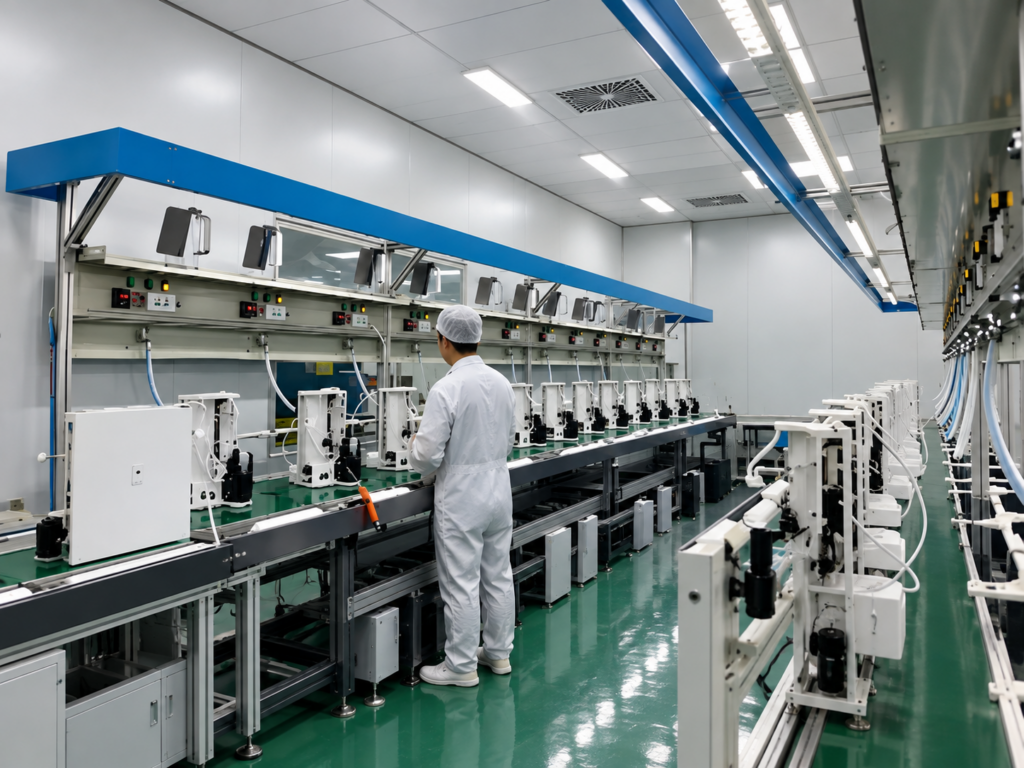
EngineeringFiltration mechanics, fluid dynamics and cartridge structural design
CustomizationProprietary bayonet keying, custom media blends and housing ID
Certification CoordinationLaboratory pre-testing and technical dossier preparation support
ManufacturingScalable production capacity for global filtration and appliance programs
Explore Water Purifier ManufacturingDedicated hub for OEM/ODM factory capabilities
Application engineer bench testing and inspecting a prototype water purifier manifold and twist-lock cartridges
Bench Prototyping & Flow Testing
Engineering Hand-OffTurnkey NPI Workflow
ToolingProprietary Bayonet
Quality100% In-Line Pressure

Full plant audits, automated robotic assembly, and cleanroom capacity are documented on our dedicated manufacturing site.

Water Purification Knowledge Base

Relevant Water Insights

Objective technical overviews exploring membrane science, adsorption kinetics, dissolved solids, and emerging contaminant mitigation.

Technology Selection4 min read

Carbon Block vs Reverse Osmosis: Which Fits Your Need?

A direct technical comparison of adsorption vs membrane separation: pore sizes, TDS reduction, flow rates, and operating economics.

Core Conclusion:

"Choose RO for dissolved inorganic salts and heavy metals; choose Carbon Block for chemical taste/odor, no wastewater, and high line-pressure flow."

Read Technical Overview
Membrane Science3 min read

RO vs UF Water Filtration: Understanding Pore Sizes & Dissolved Minerals

How Ultrafiltration (0.01 micron) bridges the gap between sediment pre-filters and hyper-dense Reverse Osmosis membranes.

Core Conclusion:

"Ultrafiltration stops bacteria and suspended solids while keeping naturally occurring minerals intact without wastewater."

Water Quality4 min read

What Does TDS Mean in Drinking Water? Measurement vs Contaminant Reality

Why TDS meters cannot measure chemical safety, organic pollutants, or PFAS, and how to evaluate water test reports correctly.

Core Conclusion:

"A TDS meter only measures mobile charged ions (mostly benign salts like calcium and sodium), not volatile chemicals or toxic synthetic compounds."

Product Discovery3 min read

How to Choose an Under-Sink Water Purifier for Modern Kitchens

Space constraints, faucet configurations, remineralization options, and flow considerations when planning under-counter systems.

Core Conclusion:

"Match system architecture to kitchen cabinet space, faucet hole availability, and household daily peak drinking demand."

Contaminant Engineering3 min read

PFAS Water Filtration Technologies Explained: Carbon, Resin & RO

An engineering overview of activated carbon, ion-exchange media, and RO membranes for PFAS reduction—and where each technology performs differently.

Core Conclusion:

"PFAS treatment performance depends on compound chain length, media selection, contact time, water chemistry, and system design. GAC, ion exchange, and RO each have different strengths."

REQUEST A QUOTE FOR MORE DETAILS

Frequently Asked Questions

Still have concerns? You’re not alone. These are the questions we get most often.
If you’re wondering about quality, lead time, compatibility, or certifications—these answers should help you move forward with confidence.

We use 100% coconut shell activated carbon with an iodine value between 1000–1100—this is the industry benchmark for high adsorption capacity. Each batch is lab-tested and comes with a certificate, so you can confidently verify quality before mass production.

Our carbon blocks are engineered for both adsorption and flow stability. The extruded structure ensures low pressure drop while maintaining high performance, reducing the risk of clogging and extending service life—even in systems with variable water quality.

Most likely, yes. We support a wide range of industry-standard sizes, and we can customize filter dimensions, end caps, or threading to match your system. Just send us drawings or samples—our engineering team will handle the adaptation.

Standard lead time is just 15 days for most orders. For common models, we may ship even faster depending on stock. We understand that timing is critical; our fast turnaround helps you avoid delays in assembly or launch.

Yes. Our carbon block filters are designed to remove over 90% of residuachlorine, unpleasant odors, and VOCs. This dramatically improves tasteand ensures clean, safe water for end users-critical for customersatisfaction in home and commercial use.

Absolutely. All our filters and materials come with internationally recognized certifications, including NSF 42, ISO 9001, SGS, RoHS, CE, and more. We frequently support OEM clients with complete documentation for customs, distributor audits, and retail compliance.

We use fine-mesh, food-grade coconut shell carbon, tightly compressed through extrusion—not loose or powder fill. This results in a longer filter life, better adsorption, no carbon dust, and consistent performance—especially important for premium or export-grade products.

Yes. We actively work with OEM/ODM clients on new concepts, whether you’re building a smart purifier, a countertop system, or a portable filter. From prototypes to mass production, we provide material suggestions, CAD support, testing, and more.

Join the global leaders who rely on our expertise in air filtration solutions.

Your query matters to us. We’ll connect shortly, and your details remain secure always.
we have made collaboration with Hiso for 3 years, and we are really grateful for the works that Hiso has provided to us. We are grateful for the collaboration with Cherry and Mr. Lee.
tms 1
Thomas
Government Supplier from Germany
Contaminant Engineering•3 min read

PFAS Water Filtration Technologies Explained: Carbon, Resin & RO

Key Takeaway:

PFAS reduction depends on the specific compounds present, treatment media, contact time, water chemistry, and system design. Activated carbon, ion exchange, and Reverse Osmosis address PFAS through different mechanisms.

PFAS are a large family of persistent fluorinated compounds that can occur in drinking-water supplies. Their treatment behavior varies significantly by molecular structure, chain length, functional group, concentration, and the chemistry of the source water.

Granular Activated Carbon (GAC) removes PFAS primarily through adsorption. It is generally more effective for many longer-chain PFAS, while shorter-chain compounds tend to break through more quickly. Carbon performance depends on media properties, Empty Bed Contact Time (EBCT), competing organic matter, loading, and replacement frequency.

Ion-exchange resins use charged functional sites to capture many PFAS compounds. Properly selected anion-exchange media can provide high capacity and may perform better than conventional activated carbon for some shorter-chain PFAS, although performance still depends on water chemistry and competing ions.

Reverse Osmosis (RO) uses membrane separation rather than adsorption. Properly designed RO systems can provide broad reduction across many PFAS compounds as well as dissolved salts and other contaminants. Unlike carbon or resin, however, RO also produces a concentrate stream that must be managed.

No single technology should be selected from a PFAS label alone. System design should consider which PFAS compounds are present, their concentrations, required reduction targets, flow rate, media life, and the applicable third-party certification or validation requirements.

HisoAir Water Technical Series
Product Discovery•3 min read

How to Choose an Under-Sink Water Purifier for Modern Kitchens

Key Takeaway:

Match the treatment technology to your water quality first, then evaluate cabinet space, faucet configuration, flow rate, drain and power requirements, and filter replacement needs.

Choosing an under-sink water purifier starts with water chemistry. Carbon filtration is well suited to chlorine, taste, odor, and many organic contaminants, while Reverse Osmosis is more appropriate when dissolved salts, fluoride, nitrates, or broader dissolved contaminants need to be reduced.

For compact kitchens, tankless RO systems eliminate the conventional storage tank and can significantly reduce the space required under the sink. However, membrane capacity stated in GPD does not directly equal faucet flow. When comparing systems, check the actual dispensing flow rate, inlet-pressure requirement, recovery ratio, and whether a booster pump is required.

Installation architecture also matters. Many RO systems require a drain connection, electrical power, and either a dedicated drinking-water faucet or a compatible multi-function faucet. High-flow carbon systems can often connect directly to the existing cold-water line with a simpler installation, but pressure drop and available faucet flow should still be verified.

RO also removes much of the naturally occurring dissolved mineral content. Where taste or mineral balance is a priority, a post-RO remineralization stage can be added. Filter life should be evaluated by both rated capacity and local water quality rather than replacement time alone.

The right system is therefore not simply the smallest or highest-GPD model. It is the configuration that matches the target contaminants, available cabinet space, desired faucet setup, peak dispensing demand, and maintenance expectations.

HisoAir Water Technical Series
Water Quality•2 min read

What Does TDS Mean in Drinking Water? Measurement vs Contaminant Reality

Key Takeaway:

A TDS meter estimates the overall concentration of dissolved ionic substances from electrical conductivity. It cannot identify specific contaminants or determine whether water is chemically safe.

Total Dissolved Solids (TDS) refers to the combined concentration of dissolved substances in water. Most handheld TDS meters do not measure TDS directly. Instead, they measure electrical conductivity (EC) and convert that reading into an estimated parts-per-million (ppm) value.

This means a TDS reading can indicate how much dissolved ionic material is present, but not what that material actually is. Calcium, magnesium, sodium, nitrates, and other dissolved ions can all contribute to conductivity, yet a simple TDS meter cannot distinguish between them.

TDS meters are also not suitable for detecting trace contaminants such as PFAS, many VOCs, pesticides, pharmaceuticals, or disinfection byproducts. These substances may be present at concentrations far below the level needed to noticeably change electrical conductivity.

A low TDS reading therefore does not guarantee safe drinking water, and a higher TDS reading does not automatically indicate contamination. Water-treatment decisions should be based on laboratory testing for specific contaminants of concern rather than TDS alone.

HisoAir Water Technical Series
Technology Selection•2 min read

RO vs UF Water Filtration: Understanding Pore Sizes & Dissolved Minerals

Key Takeaway:

Ultrafiltration can reduce bacteria, turbidity, and suspended particles while retaining most naturally occurring dissolved minerals. Reverse Osmosis provides much broader reduction of dissolved salts and smaller contaminants.

Ultrafiltration (UF) typically uses hollow-fiber membranes with pore sizes in the approximate 0.01–0.1 micron range. These membranes physically retain turbidity, suspended solids, colloids, and many microorganisms while allowing dissolved minerals and salts to remain in the water.

Reverse Osmosis (RO) operates at a much finer separation level. Unlike UF, RO can substantially reduce dissolved ions such as sodium, calcium, fluoride, nitrates, and other contributors to total dissolved solids (TDS). This makes RO more suitable when dissolved-salt reduction is a primary treatment objective.

UF generally requires less system pressure and produces little or no continuous concentrate stream in many point-of-use configurations. RO typically requires greater pressure and produces a reject-water stream, but delivers broader contaminant reduction.

For water with acceptable TDS and mineral content, UF can be a simpler mineral-retaining treatment option. Where dissolved salts, fluoride, nitrates, or broader dissolved contaminants are a concern, RO is generally the more appropriate technology.

HisoAir Water Technical Series
Technology Selection•4 min read

Carbon Block vs Reverse Osmosis: Which Fits Your Need?

Key Takeaway:

Choose RO for dissolved inorganic salts and heavy metals; choose Carbon Block for chemical taste/odor, no wastewater, and high line-pressure flow.

Reverse Osmosis (RO) and Carbon Block filtration represent two fundamentally different treatment methods: membrane separation and adsorption. Understanding these differences helps determine which technology is better suited to a specific water-quality requirement.

Reverse Osmosis uses a semi-permeable membrane with pore sizes of approximately 0.0001 microns. It can significantly reduce dissolved inorganic contaminants such as TDS, fluoride, nitrates, and certain heavy metals. Because water must be forced through the membrane, RO systems require sufficient pressure or a booster pump and generate a concentrated wastewater stream.

Carbon Block filtration relies primarily on adsorption through compressed activated carbon, commonly with nominal pore sizes around 0.5–5 microns. It is highly effective for chlorine, chloramines, VOCs, taste, and odor, while allowing substantially higher direct-flow rates without producing wastewater.

From an operating perspective, Carbon Block systems are generally simpler, require less energy, and avoid the water loss associated with RO. RO involves higher system complexity and operating cost, but provides substantially broader reduction of dissolved contaminants that Carbon Block alone cannot address.

HisoAir Water Technical Series

REQUEST A QUOTE










