
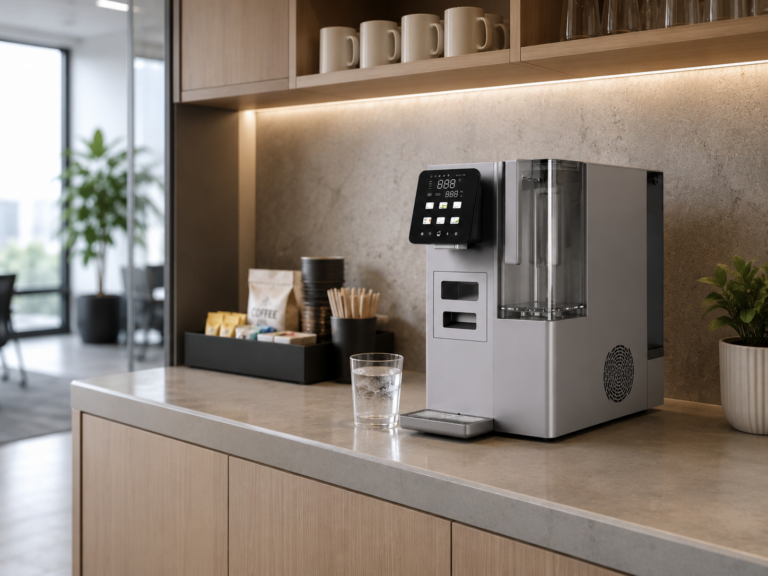
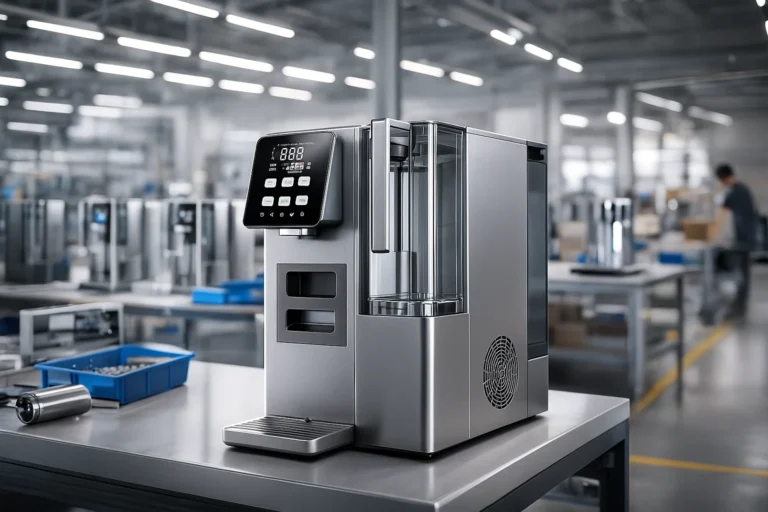
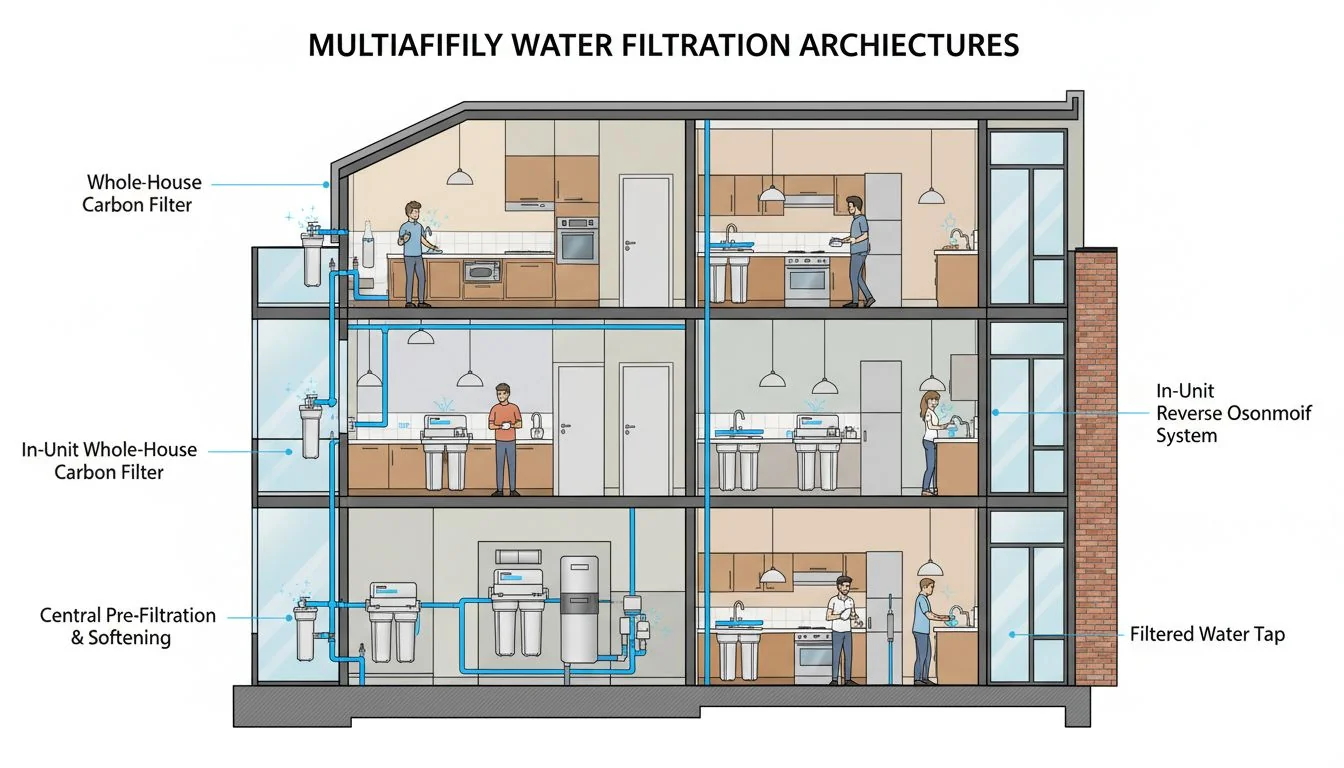
Are you struggling to spec the right water filters for large apartment projects? Picking the wrong system ruins budgets and frustrates residents. Let me show you the right way.
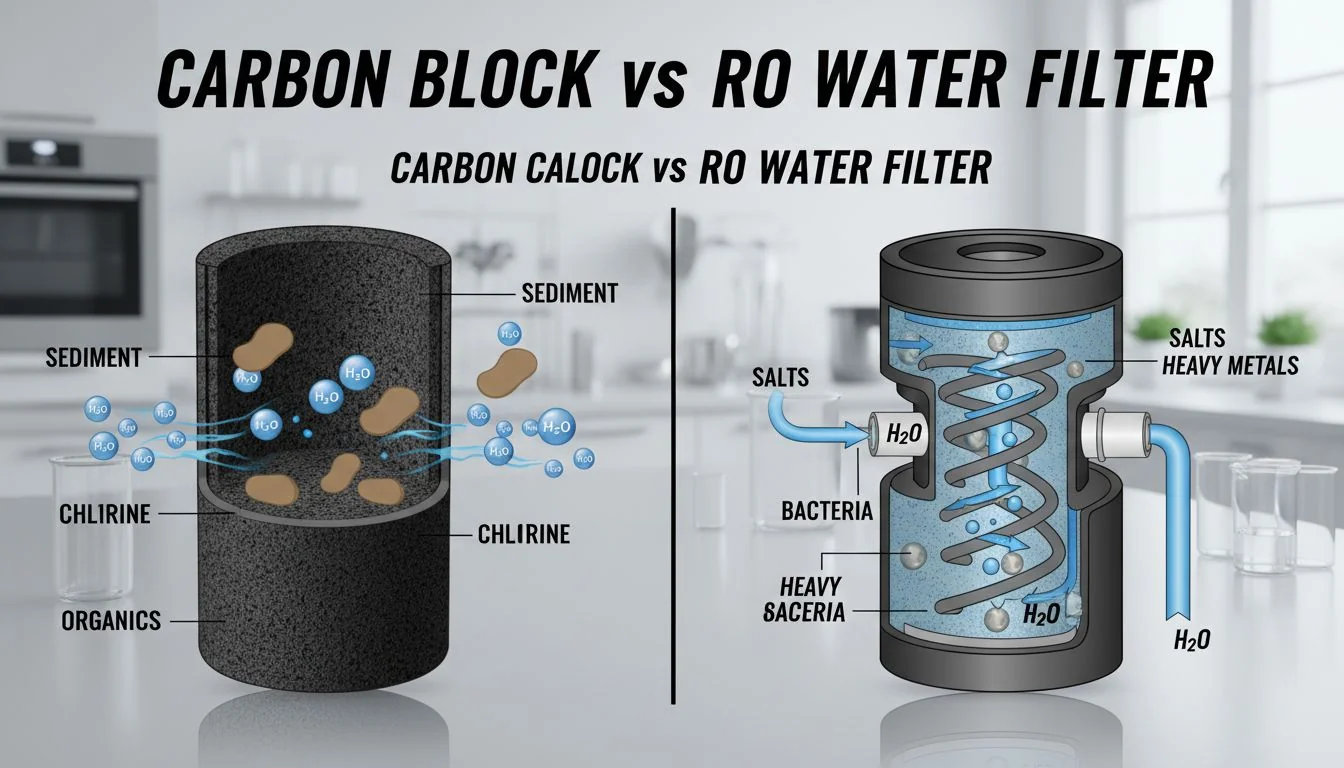
Developers choose carbon block1 over reverse osmosis (RO) for multifamily units because it costs 40-60% less to operate, installs in minutes, wastes no water, and saves under-sink space. RO is only needed for ultra-luxury units or areas with extremely hard water.
When I first started designing plastic housings for water filters, I thought more complex meant better. I was wrong. Let us look at why simple, smart designs win in large-scale apartment projects.
Carbon block filters produce zero wastewater during operation.True
Unlike RO systems, carbon block filters do not create a waste stream, making them ideal for metered-water buildings.
Reverse osmosis systems are the cheapest option for large apartment buildings.False
RO systems cost significantly more in upfront capital, installation time, and ongoing maintenance compared to carbon block systems.
Why In-Unit Filtered Drinking Water Has Become a Standard Multifamily Amenity in Build-to-Rent and Luxury Class A Apartments?
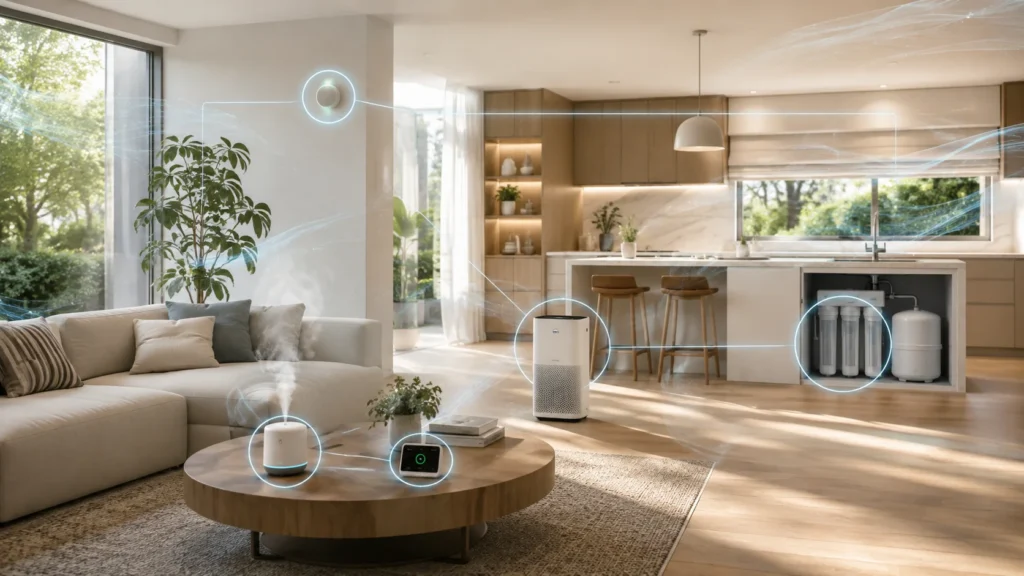
Renters worry about tap water safety. If your new building lacks a good water filter, you lose great tenants to competitors. You need to include this amenity today.
Filtered water is now a standard amenity in build-to-rent2 and luxury apartments. Renters demand clean water after recent PFAS scares. It also helps developers meet ESG goals by reducing single-use plastic bottles.
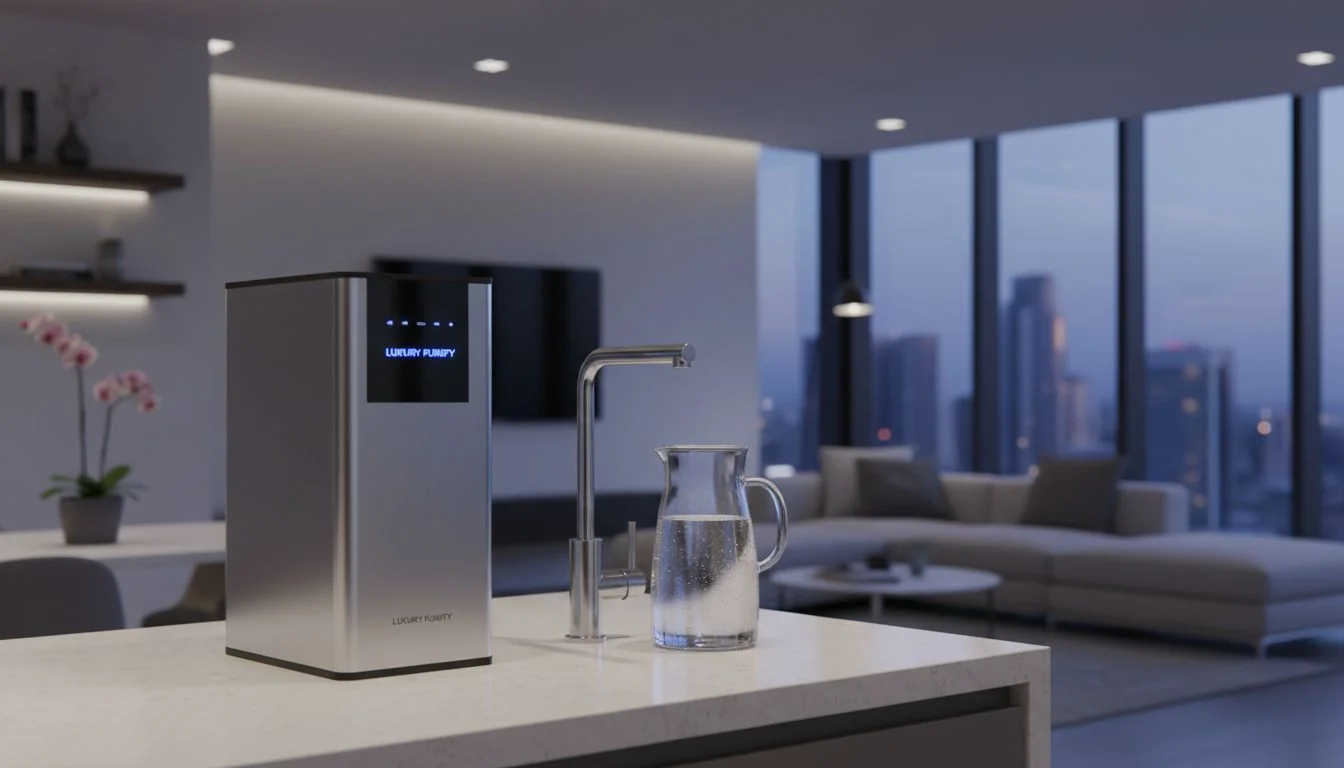
The Shift from Luxury to Standard
I remember working on a custom mold for a high-end water pitcher years ago. Back then, only rich homeowners cared about water filters. Today, the market is totally different. Build-to-rent (BTR) communities and Class A luxury apartments3 now treat water filters like air conditioning. It is a basic need. Renters will pay $1,800 or more per month, and they expect clean water right from the tap.
This change comes from two main drivers. First, people know more about water risks like PFAS and lead. Second, big property owners want to look good on their ESG (Environmental, Social, and Governance) reports. When a building stops residents from buying plastic water bottles, the owner gets better loan terms.
Here is a breakdown of how different apartment types view this amenity:
| Property Type | Rent Tier | Filtration Status | Main Driver |
|---|---|---|---|
| Build-to-Rent (BTR) | $1,800+ | Standard | Amenity competition, ESG |
| Class A Luxury | Premium | Standard | Resident demand, health |
| Mid-Tier Luxury | Medium | Growing fast | Market pressure |
If you design products for this space, you must think about large-scale use, not just single homes.
In-unit water filtration helps property owners secure better ESG-linked loans.True
Reducing single-use plastics improves ESG metrics, which banks use to offer better financing terms.
Only ultra-luxury condos install water filters today.False
Build-to-rent homes and mid-tier luxury apartments now include water filters as a standard baseline amenity.
The Architecture Decision: Why Certified Carbon Block — Not RO — Wins for Multifamily-at-Scale Economics, Operations, and Resident Experience?
Choosing RO for a 200-unit building sounds premium, but it creates a plumbing nightmare. High costs and wasted water will ruin your project. Carbon block is the better choice.
Certified carbon block systems win because they install in 30 minutes, need no drain line, and cost $150-$400 per unit. RO systems take weeks to install, waste water, and cost up to $1,500 per unit. Carbon block drives 70% better program economics.
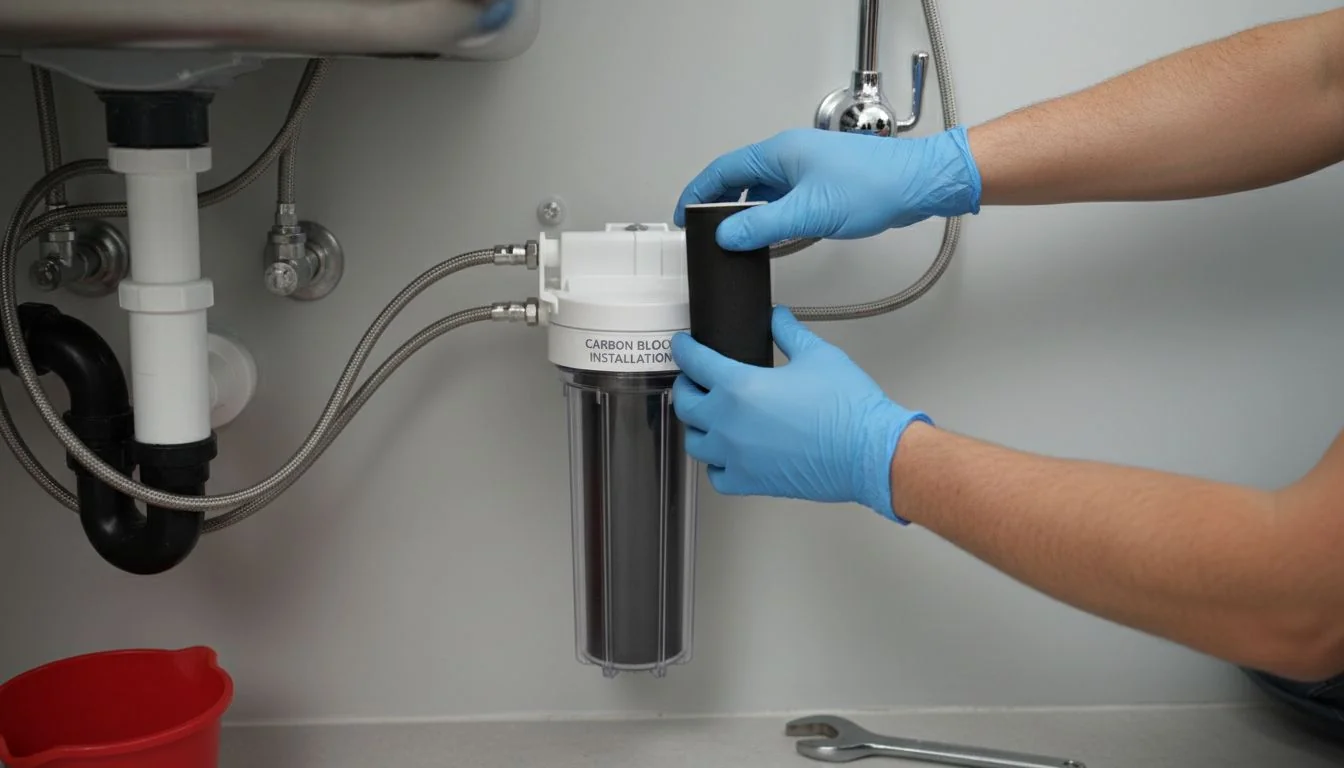
Why Simple Design Wins at Scale
As a mold designer, I always look at how parts fit together. A carbon block system is a dream for mass installation. It uses a single quick-connect fitting. It needs no electricity. It needs no drain line. You can install it in 30 minutes.
reverse osmosis4 (RO) is a different story. RO needs a drain line. This is very hard to do in concrete slab buildings. RO also needs a storage tank that takes up 15 inches of space under the sink. It wastes up to 4 gallons of water for every 1 gallon of clean water. In a building that pays for its own water, this waste costs a lot of money.
Let us compare the two architectures:
| Feature | Carbon Block | Reverse Osmosis (RO) |
|---|---|---|
| Install Time | 30-45 minutes | Hours per unit |
| Upfront Cost | $150 - $400 | $600 - $1,500 |
| Wastewater | Zero | 1 to 4 gallons per clean gallon |
| Space Needed | 4-6 inches | 10-15 inches (needs tank) |
RO is only good if the local water is extremely hard or if you must remove fluoride. For 90% of projects, carbon block is the smart choice.
Carbon block filters require a dedicated drain line to function.False
Carbon block systems do not produce wastewater and therefore do not need a drain line.
RO systems waste water during the filtration process.True
RO systems produce 1 to 4 gallons of wastewater for every gallon of purified water they create.
The NSF Certification Stack Every Multifamily In-Unit Filtration Specification Should Require?
Fake filter claims put residents at risk and expose developers to lawsuits. If your filter lacks the right NSF papers, building inspectors will reject it. You need strict proof.
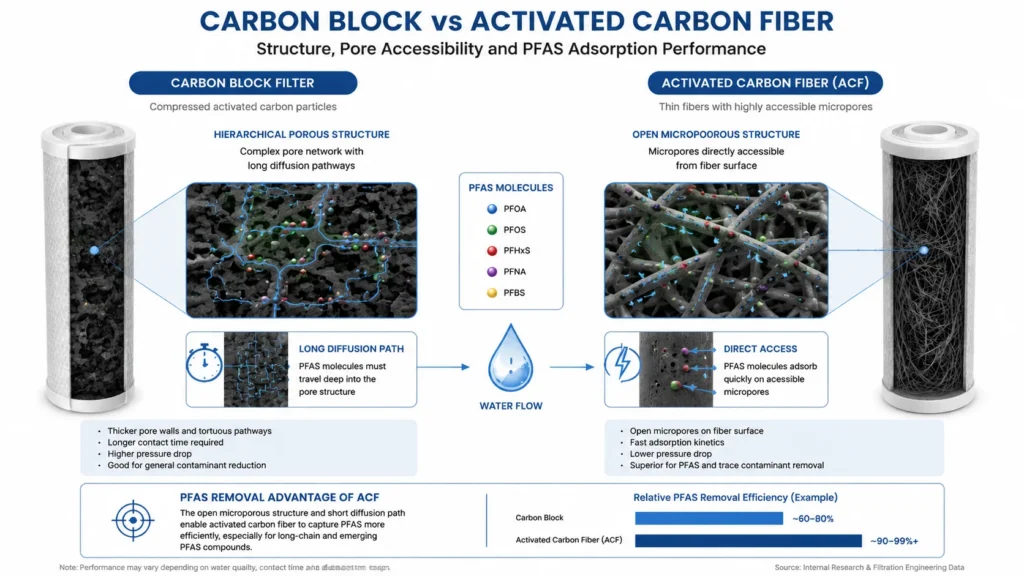
A proper multifamily water filter must have NSF/ANSI 53 for lead, NSF 42 for chlorine, NSF 401 for emerging contaminants like PFAS, and NSF 372 for lead-free materials. Generic "NSF certified" marketing is not enough for building compliance.
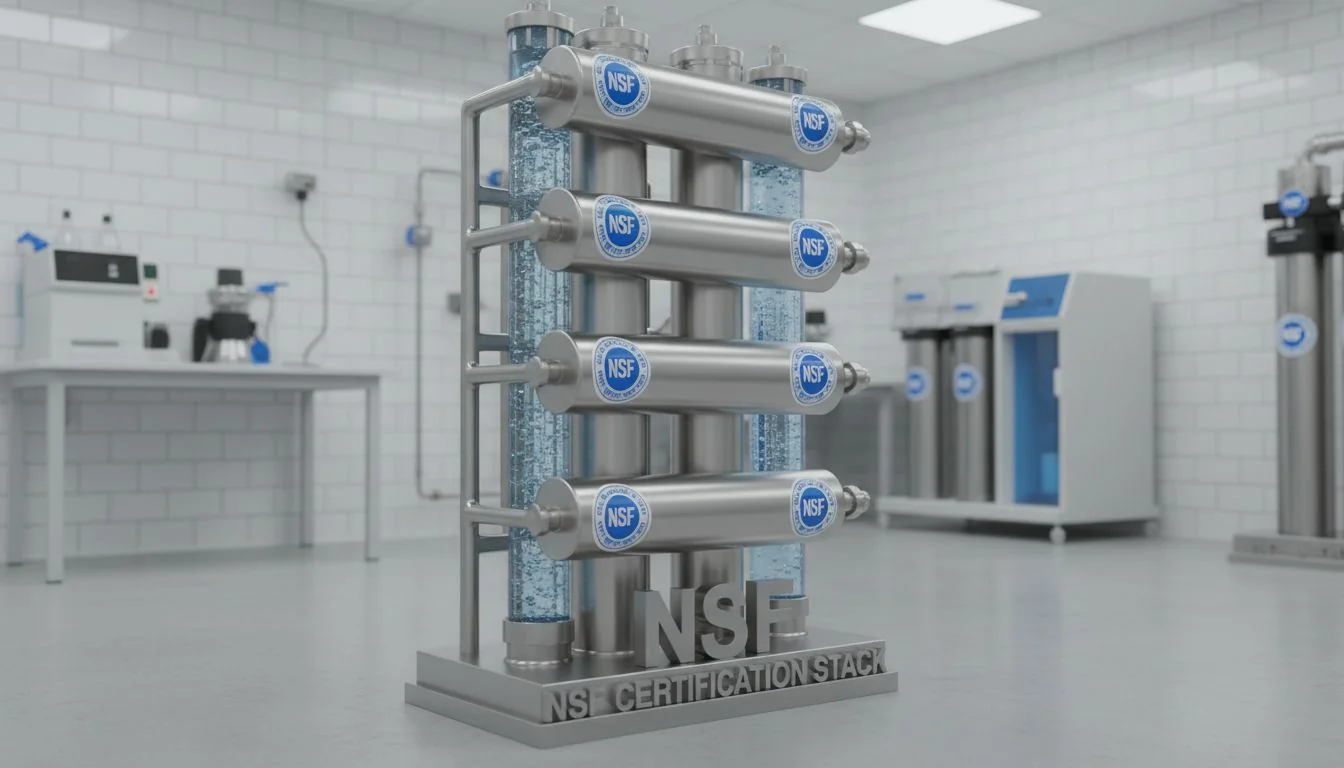
The Paperwork That Protects Your Project
In the mold making business, we rely on strict material certs. If the steel is wrong, the mold breaks. Water filters are the same. You cannot just trust a box that says "NSF Certified." You need the exact certification stack.
Many cheap filters only have NSF 42. This just makes the water taste better. It does not make it safe. Serious apartment projects need NSF 53 to prove they remove lead. They also need NSF 401 to remove new chemicals like PFAS and drugs. If you ship to California, you also need Prop 65 compliance.
Here is the exact certification stack you must demand:
| Certification | What It Does | Why It Matters |
|---|---|---|
| NSF/ANSI 42 | Removes chlorine, taste, odor | Basic requirement for good water |
| NSF/ANSI 53 | Removes lead | Protects health, meets legal limits |
| NSF/ANSI 401 | Removes PFAS, drugs | Premium safety, meets new state laws |
| NSF/ANSI 372 | Lead-free materials | Required for plumbing sign-off |
Always ask the vendor for the actual documents. The replacement cartridges must also carry these exact same certs.
NSF/ANSI 42 certification guarantees that a filter removes lead.False
NSF 42 only covers aesthetic effects like chlorine, taste, and odor. NSF 53 is required for lead reduction.
NSF/ANSI 401 certification covers emerging contaminants like PFAS.True
NSF 401 specifically tests for the reduction of emerging contaminants, including certain PFAS compounds and pharmaceuticals.
Multifamily Procurement Reality: REIT Owners, Build-to-Rent Operators, Luxury Developers, and Property Management Companies — Who Specifies and Who Buys?
Selling filters to a single homeowner is easy. Selling to a massive property group is a maze. If you pitch the wrong person, your product will never get bought.
Procurement varies by buyer. Public REITs and BTR operators use centralized corporate teams for portfolio-wide specs. Luxury condo developers buy at the project level. Property managers influence choices for retrofits. Vendors must prove portfolio economics and compliance to win these large contracts.
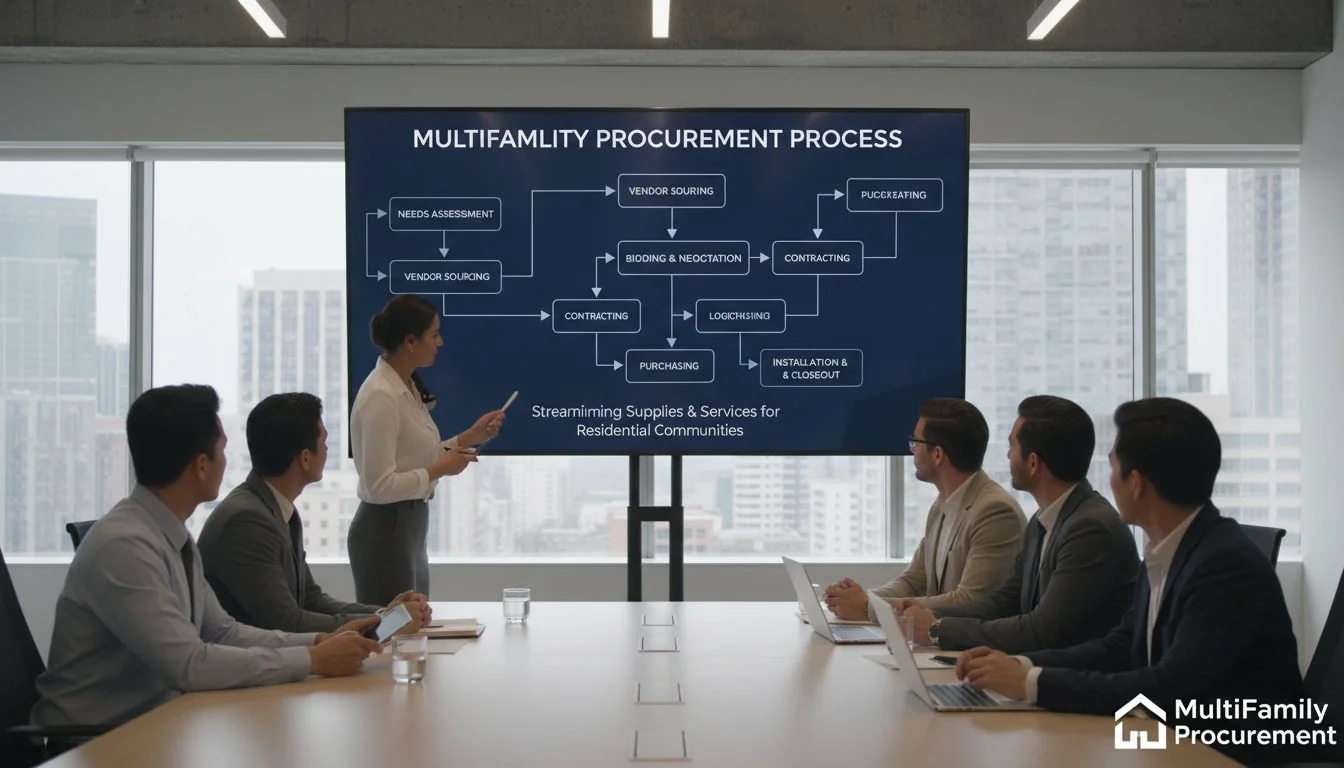
Understanding the Buyer Landscape
When I ran my CNC trading company, I learned that selling to a corporate buyer is very different from selling to a small shop. The multifamily water filter market works the same way. You are not just selling a plastic housing. You are selling a 5-year financial plan.
Big public REITs (like AvalonBay) and BTR operators (like Tricon) buy centrally. They set one rule for thousands of homes. Their sales cycle takes 9 to 18 months. They care about master agreements and service networks. On the other hand, luxury condo developers buy for one building at a time. They care more about how the faucet looks and if it matches their high-end brand.
Here is how different groups buy:
| Buyer Type | Buying Level | Sales Cycle | Key Focus |
|---|---|---|---|
| Public REITs | Corporate | 9-18 months | Compliance, portfolio economics |
| BTR Operators | Corporate | Long | Standardization, resident experience |
| Luxury Developers | Project | Short | Aesthetics, brand match |
| Property Managers | Property/Corporate | Medium | Easy retrofits, preferred vendors |
To win, a vendor must speak the language of corporate compliance and property-level operations.
Public REITs typically buy water filters on a property-by-property basis.False
Public REITs usually operate centralized procurement functions that establish standard specifications across their entire portfolio.
Luxury condo developers prioritize aesthetic finish and brand compatibility.True
Because they sell high-end individual units, luxury developers focus heavily on how the product looks and fits their brand.
Vendor Evaluation for Multifamily Rollouts — Why Filter Cartridge Supply Chain, Resident Self-Service, and Branded Subscription Models Outweigh Initial Equipment Price?
A cheap filter system is a trap. If the vendor runs out of replacement cartridges next year, your whole building suffers. You must look past the initial price tag.
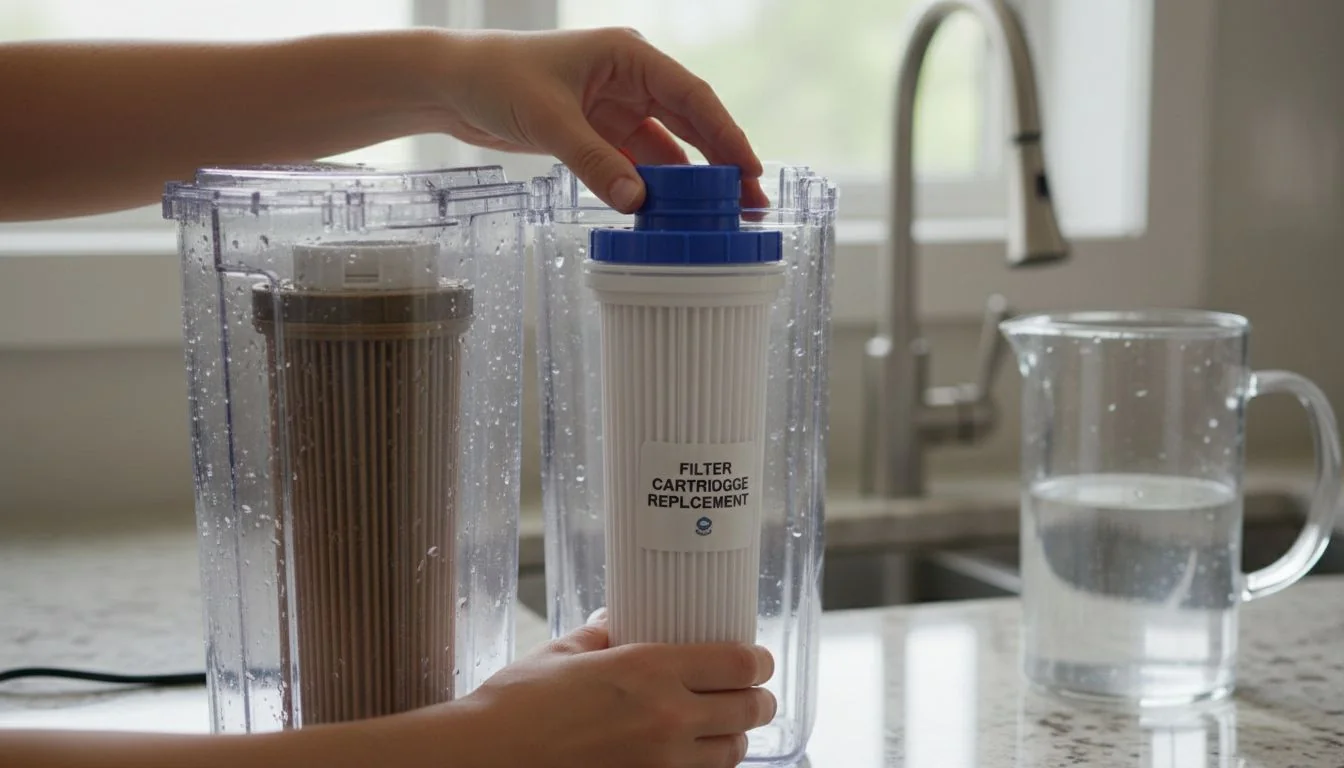
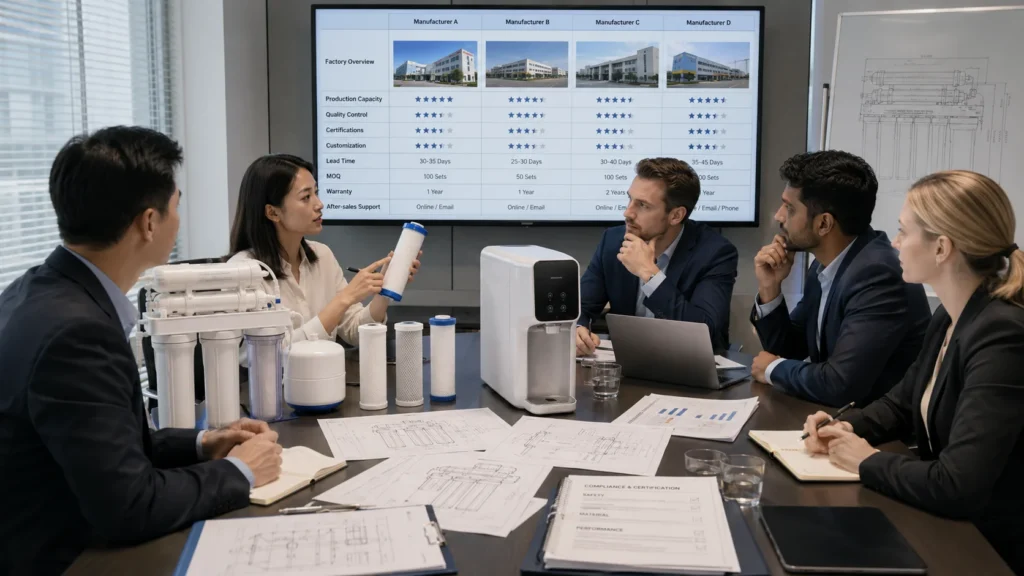
Evaluate vendors on cartridge supply chain stability5, resident self-service design, and branded subscription support. A 50-property portfolio needs 25,000 cartridges yearly. Systems that let residents easily swap their own filters save massive labor costs for property staff.
The Secret is in the Cartridge
In mold manufacturing, the real money is not in making the mold once. It is in running the plastic parts for years. Water filters are exactly the same. The operating economics live in the replacement cartridges.
If you have 500 apartments, you need 500 new cartridges every year. If the vendor goes out of business, you have a huge problem. You need a vendor with deep supply chain strength. You also need a system designed for resident self-service6. If a maintenance worker has to change every filter, your labor costs will explode. The filter must have quick-connect fittings so the renter can do it easily.
Here are the top things to check when picking a vendor:
| Evaluation Area | Why It Matters | What to Look For |
|---|---|---|
| Supply Chain | Ensures filters are always available | Direct manufacturing, B2B history |
| Self-Service | Saves staff labor time | Quick-connect, easy mail packaging |
| OEM/Branding | Allows property to build its own brand | Custom labels, subscription software |
| Service Network | Fixes leaks fast | 48-hour response time guarantee |
A real commercial partner can offer custom branding and auto-ship programs. Residential brands usually fail at this scale.
The initial equipment price is the most important factor when choosing a multifamily water filter vendor.False
Cartridge supply chain stability and operational costs over a 5-year cycle are far more important than the initial hardware price.
Resident self-service architectures reduce labor costs for property management.True
When residents can easily swap their own filter cartridges, maintenance staff do not have to spend hours doing it for them.
Conclusion
Choosing the right water filter architecture saves money and keeps renters happy. Stick to certified carbon block systems, demand strict NSF proof, and partner with vendors who understand large-scale supply chains.
References
-
Explore how carbon block filters can save costs and improve water quality in large apartment projects. ↩
-
Find out how BTR communities are adapting to new water safety standards and tenant expectations. ↩
-
Discover the key amenities, including water filtration, that make luxury apartments desirable. ↩
-
Learn about the specific scenarios where RO systems are beneficial and their limitations. ↩
-
Learn why a reliable supply chain is crucial for maintaining water filter systems in large properties. ↩
-
Explore how self-service options can reduce maintenance costs and improve tenant satisfaction. ↩

 English
  Français
  Español
  Italiano
  Deutsch
  Português
  Русский
  العربية
  日本語
日本語  한국어
한국어  Tiếng Việt

