
Are you worried about supply chain delays1? Relying on one country can ruin your project timeline. Let us explore the best humidifier manufacturers outside China to protect your business.
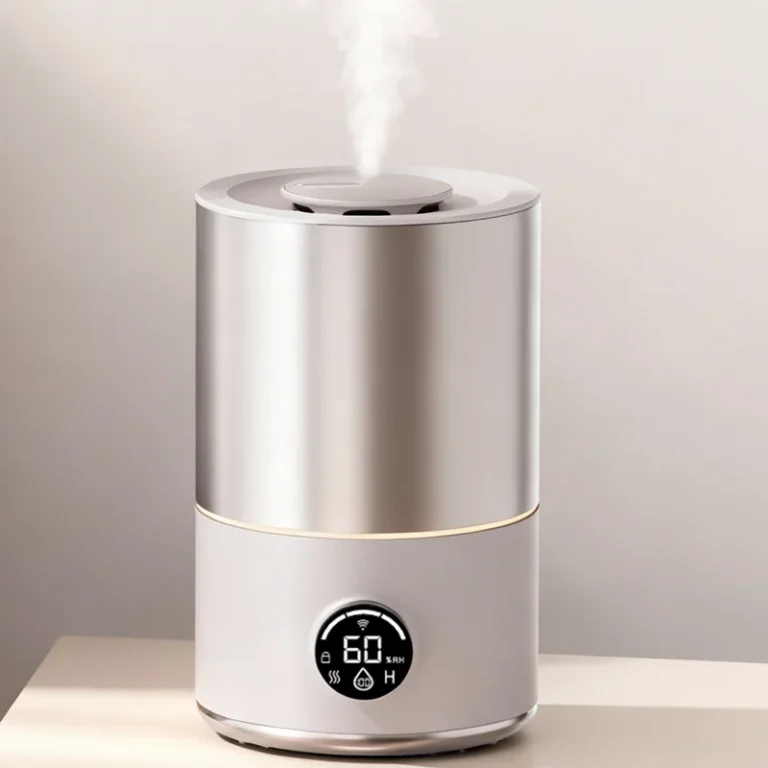
Top humidifier manufacturers outside China include Korean brands like Coway and Winix, and innovative suppliers like HisoAir. HisoAir offers premium, zero-plastic stainless steel humidifiers with assembly in Thailand, Vietnam, and Malaysia. This gives B2B buyers2 high-quality options beyond traditional Chinese factories.
You might think moving production away from China is too hard. But if you read on, you will see how easy and profitable it can be for your next project.
All top humidifier manufacturers have completely left China.False
Many top brands still maintain production in China while expanding assembly to other countries.
HisoAir produces premium stainless steel humidifiers.True
HisoAir focuses on zero-plastic, stainless steel humidifiers for health-conscious consumers.
1. Why Are B2B Buyers Looking for Humidifier Manufacturers Outside China?
High tariffs eat your profits. Shipping delays upset your clients. You need a backup plan to keep your consumer electronics production running smoothly and profitably.
B2B buyers look outside China to reduce tariff costs3 and avoid supply chain breaks. They want stable production timelines. Many buyers now prefer a China+1 strategy. This means they keep some production in China but move assembly to places like Vietnam or Malaysia.

The Need for Supply Chain Safety
When I started my mold trading company, I saw many clients lose money due to sudden factory closures. You design a great plastic component in CAD. You calculate the mold shrinkage perfectly. But if the factory stops, your work means nothing. Buyers now want safety. They do not want to rely on just one country.
Cost and Tariff Pressures
Tariffs change fast. These extra costs hurt your profit margins. Moving production to Southeast Asia4 helps avoid these high taxes. As a product designer, you know that every cent matters in large-scale production.
Comparing Production Risks
Here is a simple look at why buyers move:
| Risk Factor | Single Country Production | Multi-Country Production |
|---|---|---|
| Tariff Costs | High risk of sudden changes | Low risk, more options |
| Supply Chain | Easy to break | Very stable |
| Tooling Transfer | Fast, but risky long-term | Needs planning, but safe |
You must think about these risks when you plan your next big project.
Moving production outside China completely removes all supply chain risks.False
Multi-country production reduces risk, but new regions have their own infrastructure and maturity challenges.
Tariffs are a major reason buyers look for factories outside China.True
High import taxes on Chinese goods drive B2B buyers to seek alternative manufacturing locations.
2. What Does “Made Outside China” Actually Mean?
Does "Made in Vietnam" mean every part comes from Vietnam? Not always. Misunderstanding this can cause huge compliance issues for your new product launch.
"Made outside China" usually means the final assembly happens in another country. The core parts and molds might still come from China. For example, HisoAir5 has assembly lines in Thailand, Vietnam, and Malaysia, but they still use China's mature supply chain for some components.

The Reality of Global Assembly
I remember visiting a factory in Malaysia. They assembled consumer electronics. But when I looked closely, the plastic injection molds came from my old factory in China. "Made outside China" often means final assembly. The raw materials and complex molds still rely on Chinese expertise.
How Top Suppliers Do It
Top suppliers use a mixed method. They do the hard engineering in China. Then, they ship the parts to Southeast Asia. HisoAir does this well. They have assembly production in Thailand, Vietnam, and Malaysia. This gives buyers the "Made outside China" label legally and safely.
Component Sourcing Breakdown
Let us look at how parts move:
| Production Step | Typical Location | Why? |
|---|---|---|
| Mold Design | China | High skill, fast CAD work |
| Part Injection | China or Local | Depends on machine size |
| Final Assembly | Vietnam / Malaysia | Lower labor cost, better tariffs |
As a designer, you must know where your parts actually come from. This helps you manage tight project deadlines better.
Products labeled 'Made in Vietnam' never contain Chinese parts.False
Many products assembled in Vietnam still use internal components and molds made in China.
HisoAir has assembly production in Thailand, Vietnam, and Malaysia.True
HisoAir uses these Southeast Asian countries for final assembly to offer non-China manufacturing options.
3. Which Countries Are Viable for Humidifier OEM/ODM Manufacturing?
Picking the wrong country will ruin your budget. Poor infrastructure leads to bad product quality. You must choose a country with a proven manufacturing record.
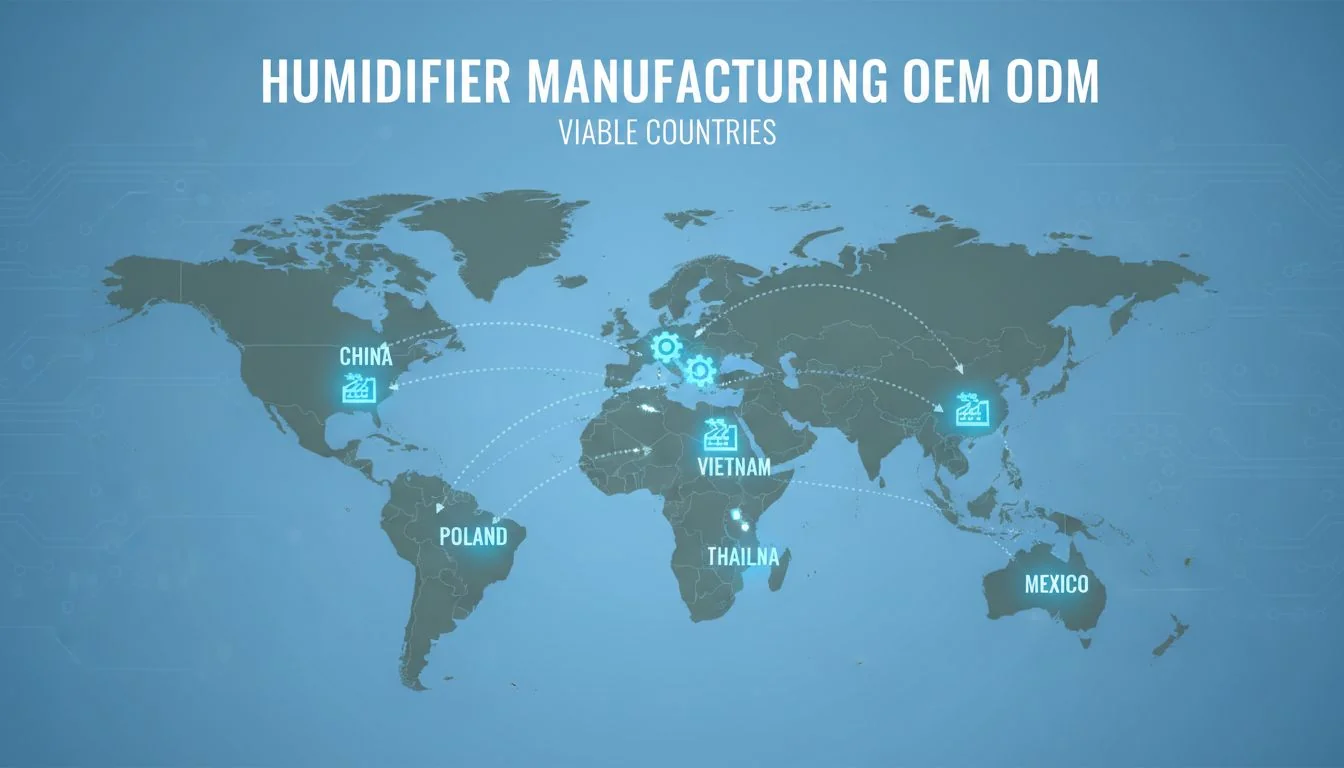
South Korea and the US are viable but expensive. They have great technology but less efficient supply chains. Southeast Asian countries like Vietnam, Malaysia, and Thailand are better for cost. They offer a good balance of price and growing supply chain maturity.
High-Cost vs. Low-Cost Regions
If you want to look for a humidifier outside China, you have two main paths. You can choose the US or South Korea. Brands like Coway and Winix are top humidifier manufacturers in Korea. They make great products. But the price is much higher. The supply chain is not as mature or fast as China.
The Southeast Asia Advantage
The second path is Southeast Asia. Countries like Vietnam and Malaysia are growing fast. They are great for large-scale production. I have helped clients move their CNC parts to these areas. The labor is cheaper. The factories are getting better every year.
Country Comparison
Here is how these countries compare for OEM/ODM work:
| Country | Cost Level | Supply Chain Maturity | Best For |
|---|---|---|---|
| South Korea | High | Medium | Premium tech, local brands |
| USA | Very High | Low for small parts | Local market focus |
| Vietnam | Low | Growing fast | High volume assembly |
| Malaysia | Medium | Good | Electronics and plastics |
You must balance your budget with the quality you need for your consumer electronics.
The US has a more mature and efficient humidifier supply chain than China.False
China has the most mature and efficient supply chain for small appliances and humidifiers globally.
Coway and Winix are top humidifier manufacturers based in Korea.True
These are well-known Korean brands that manufacture high-quality humidifiers in both Korea and China.
4. How Should Buyers Compare Non-China Humidifier Manufacturers?
Do you only look at the price tag? Cheap factories often produce bad products. You must evaluate their technology and user experience6 to win the market.
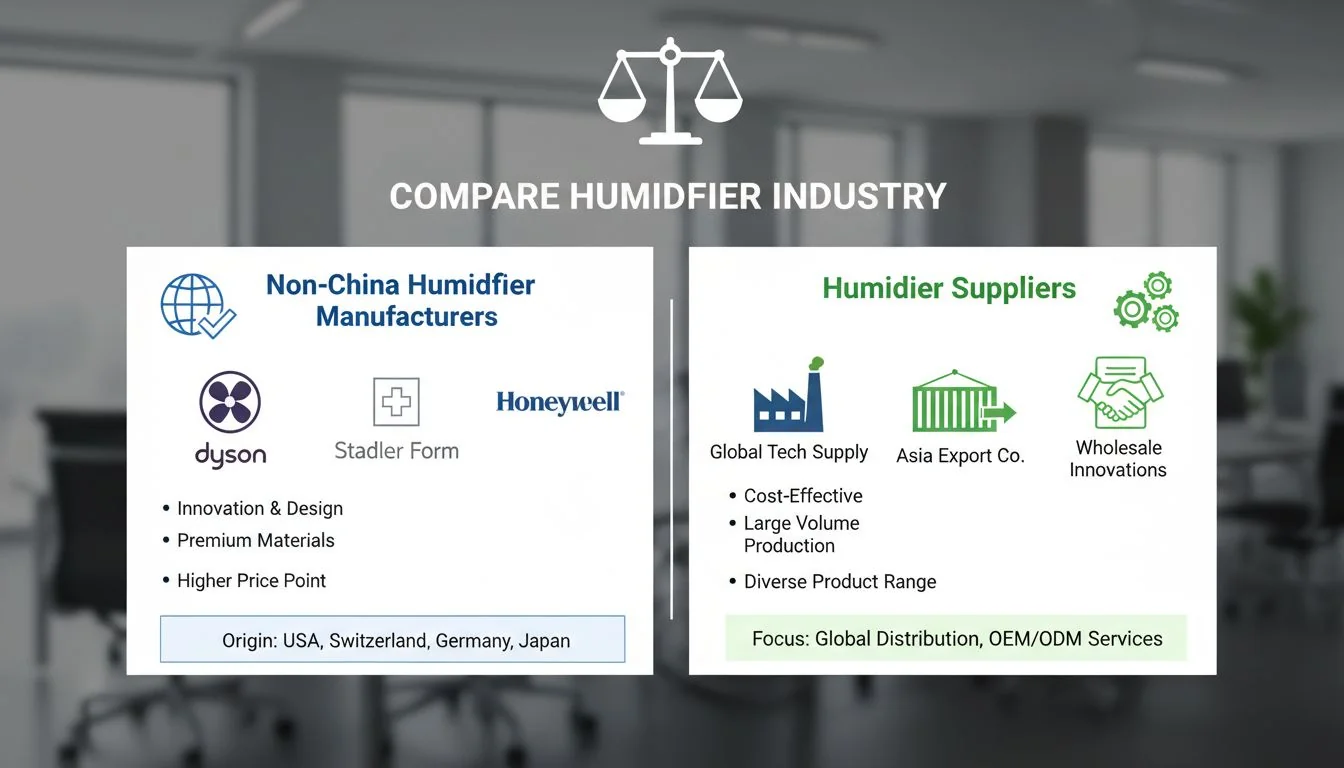
Buyers should not just look at volume production. Top humidifier manufacturing is about technology, product performance, and user experience. Do not just copy volume suppliers like the Levoit supplier in Xiamen. Look for partners who understand advanced materials and precise engineering.
Beyond Volume Production
Many buyers make a big mistake. They only look for factories that can make millions of units fast. They look at volume production like the Levoit supplier in Xiamen. But volume is not everything. When I worked in the mold factory, I saw that fast production often meant bad quality.
Focus on Technology and Experience
You must look at the technology. How good is the product performance? How is the user experience? As a product designer, you know that aesthetic and functional requirements matter most. You need a manufacturer who understands tight tolerances and new materials.
Evaluation Checklist
Use this simple guide to compare manufacturers:
| Feature | Volume Focus | Technology Focus |
|---|---|---|
| Material Choice | Cheap plastics | Premium metals, safe plastics |
| Mold Precision | Low, high shrinkage risk | High, exact CAD match |
| User Experience | Basic function | Smart features, quiet operation |
Always choose a partner who cares about the final product quality, not just the daily output number.
Volume production is the only metric that matters when choosing a humidifier supplier.False
Technology, product performance, and user experience are critical for long-term market success.
Top humidifier manufacturing requires advanced technology and good product performance.True
Premium brands focus on engineering and user experience rather than just mass-producing cheap units.
5. Which Humidifier Technologies, Hygiene Features, and Certifications Matter?
Dirty humidifiers make people sick. Plastic parts can grow mold. You need the right hygiene features to protect your health-conscious consumers7 and build brand trust.
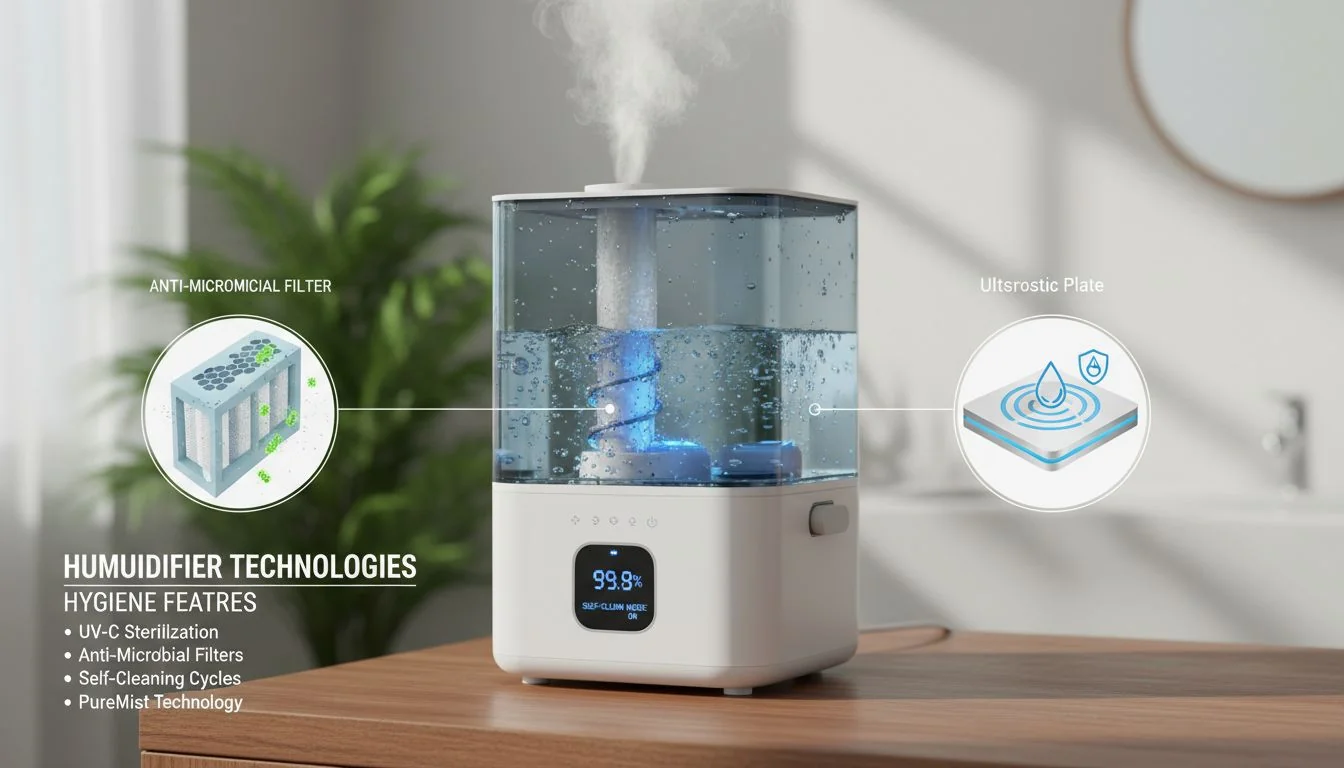
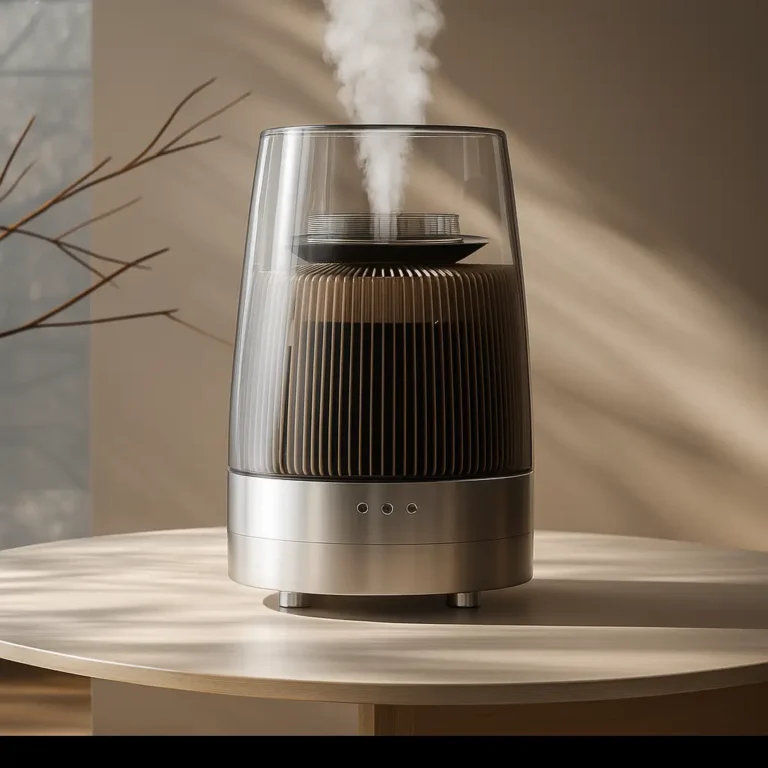
Health-conscious consumers want clean air. Zero-plastic and stainless steel humidifiers are the best choice. HisoAir focuses on these premium features. Stainless steel stops bacteria growth better than plastic. You also need standard electrical and safety certifications to sell in global markets.
The Shift to Premium Materials
For years, I designed plastic components for consumer electronics. Plastic is cheap and easy to mold. But for humidifiers, plastic has a problem. It can hold bacteria. Now, the market is changing. HisoAir mainly focuses on premium and stainless steel humidifier manufacturing. They target health-conscious consumers and partners.
Why Zero Plastic Matters
A zero-plastic feature is a huge selling point. Stainless steel is easy to clean. It does not degrade in water. It gives a premium feel. When you design a new product, incorporating these new materials can set you apart from cheap competitors.
Key Features to Look For
Here are the features that matter most today:
| Feature | Benefit | Material Used |
|---|---|---|
| Zero Plastic Tank | Stops bacteria, easy to clean | Stainless Steel |
| UV-C Light | Kills germs in the water | Glass / Metal housing |
| Smart Sensors | Keeps perfect humidity | Electronic boards |
Using premium materials8 like stainless steel will improve your product quality and attract better customers.
Plastic water tanks are the most hygienic option for humidifiers.False
Plastic can harbor bacteria and mold over time, making stainless steel a much more hygienic choice.
HisoAir targets health-conscious consumers with zero-plastic features.True
HisoAir specializes in premium stainless steel humidifiers designed to prevent bacterial growth.
6. Is China+1 Better Than Completely Leaving China?
Leaving China completely is a huge risk. You will lose access to the best mold makers. A smart mixed strategy is much safer for your business.
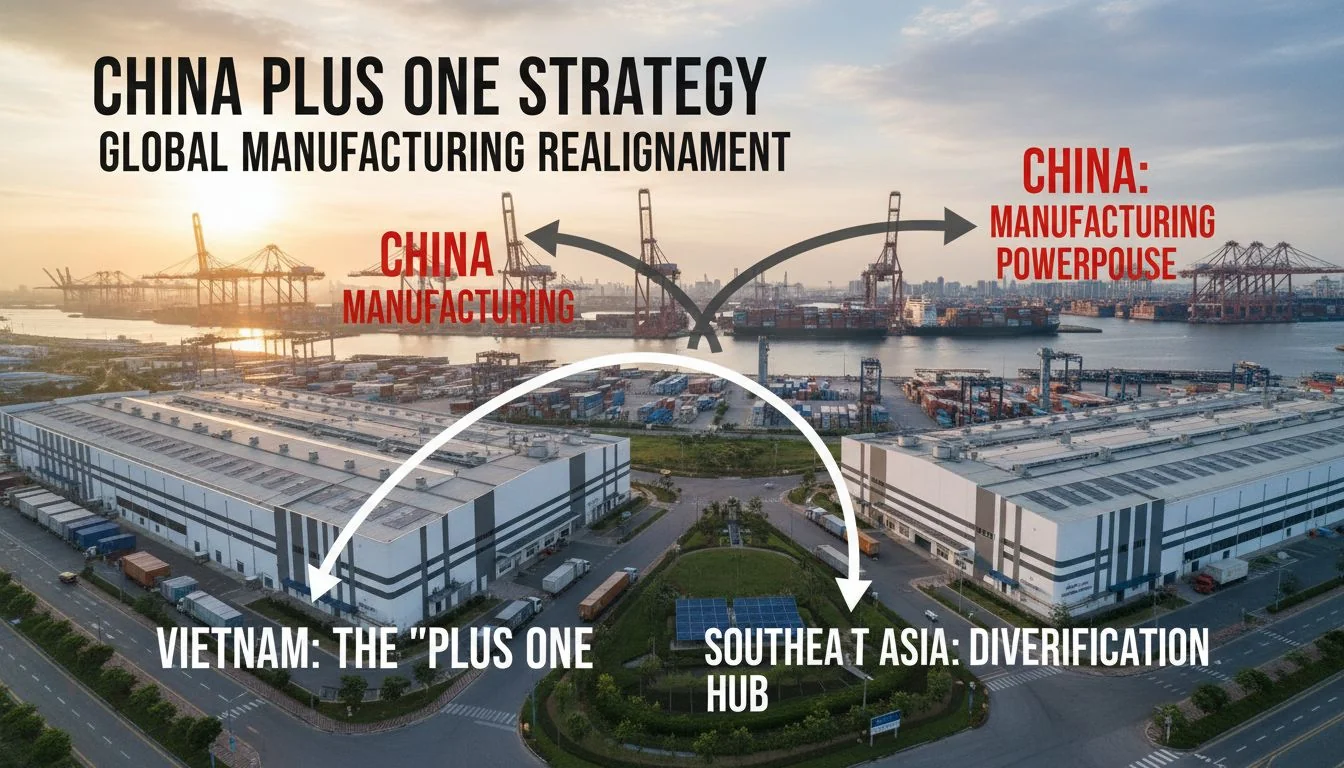
Yes, China+1 is better. If you want to look for a humidifier outside China, find a supplier like HisoAir. They have both China and outside China production. This gives you the mature, efficient supply chain of China, plus the safety of Southeast Asian assembly.
The Danger of Leaving Completely
I owe my financial independence to the Chinese mold industry. The skill level there is amazing. If you leave China completely, you lose this. You will struggle with calculating mold shrinkage with new, untested factories. The supply chain outside China is not as mature and efficient as China.
The China+1 Sweet Spot
The best way is to find a supplier who does both. HisoAir is a great example. They do the hard manufacturing in China. Then they assemble in Thailand, Vietnam, and Malaysia. This is the China+1 strategy9. It gives you the best of both worlds.
Strategy Comparison
Let us compare the sourcing strategies:
| Strategy | Pros | Cons |
|---|---|---|
| 100% China | Very efficient, low cost | High tariff risk |
| 100% Outside China | No China tariffs | High cost, slow supply chain |
| China+1 (Mixed) | Safe, uses best skills | Needs good management |
For a seasoned designer managing tight project deadlines, the China+1 strategy is the safest and most reliable choice.
Leaving China completely is the easiest way to improve your supply chain.False
Leaving China completely often leads to higher costs and slower production due to less mature supply chains elsewhere.
HisoAir utilizes a China+1 strategy by having production in both China and Southeast Asia.True
HisoAir maintains Chinese manufacturing while also running assembly lines in Thailand, Vietnam, and Malaysia.
Conclusion
Finding the right humidifier manufacturer outside China requires balancing cost, technology, and supply chain risks. Choose partners with premium materials and a smart China+1 strategy to ensure your success.
References
-
Understanding supply chain delays can help businesses mitigate risks and improve project timelines. ↩
-
Exploring B2B buyer preferences can guide manufacturers in meeting market demands effectively. ↩
-
Learning about tariff costs can help businesses strategize their sourcing and pricing. ↩
-
Discovering the benefits of Southeast Asia can inform better manufacturing decisions. ↩
-
Understanding HisoAir's unique offerings can inspire innovation in product design. ↩
-
Examining user experience can lead to better product designs and customer satisfaction. ↩
-
Understanding health-conscious consumer preferences can drive product innovation and marketing. ↩
-
Exploring the significance of premium materials can enhance product quality and consumer trust. ↩
-
Understanding the China+1 strategy can help businesses balance cost and risk in sourcing. ↩

 English
  Français
  Español
  Italiano
  Deutsch
  Português
  Русский
  العربية
  日本語
日本語  한국어
한국어  Tiếng Việt

