
Your product designs are functional, but they aren't standing out. In the crowded health-tech market, you're struggling to capture the attention of the most valuable, health-conscious consumers.
To design unique purifiers, focus on tangible proof of safety and effectiveness. This means using certified materials1, incorporating smart sensors for data feedback, and ensuring the product is easy to clean and maintain. These features build trust, which is the ultimate premium for this skeptical audience.
When I started my own mold and CNC trading company, I worked with dozens of brands. I saw many of them trying to compete on specs alone, like a stronger fan or a bigger water tank. But the brands that truly succeeded were the ones who understood their customers on a deeper level. They knew that for a health-conscious buyer, "premium" doesn't mean flashy. It means trustworthy. They aren't just buying a product; they are buying peace of mind. Let's break down how you, as a designer, can build that trust directly into your products from the very first sketch.
All air purifiers that use HEPA filters are equally effective at cleaning the air.False
While the HEPA filter itself has a standard, the purifier's overall effectiveness depends on its CADR (Clean Air Delivery Rate), seal integrity, and airflow design. A poor design can leak air, bypassing the filter entirely.
CARB certification for air purifiers ensures the device meets strict ozone emission limits, making it safer for indoor use.True
The California Air Resources Board (CARB) certification is a key safety standard that verifies an air cleaner does not produce harmful levels of ozone.
What Does "Health-Conscious" Really Mean for Product Design?
You think "health-conscious" just means adding a better filter. But these customers are smart and skeptical. They see right through marketing promises and look for deeper signs of quality.
For product designers, "health-conscious" means prioritizing verifiable safety and transparency. This includes your material choices, seeking third-party certifications, and adding features that prove the product is both working and hygienic. It's about moving beyond simple performance claims and providing tangible proof.
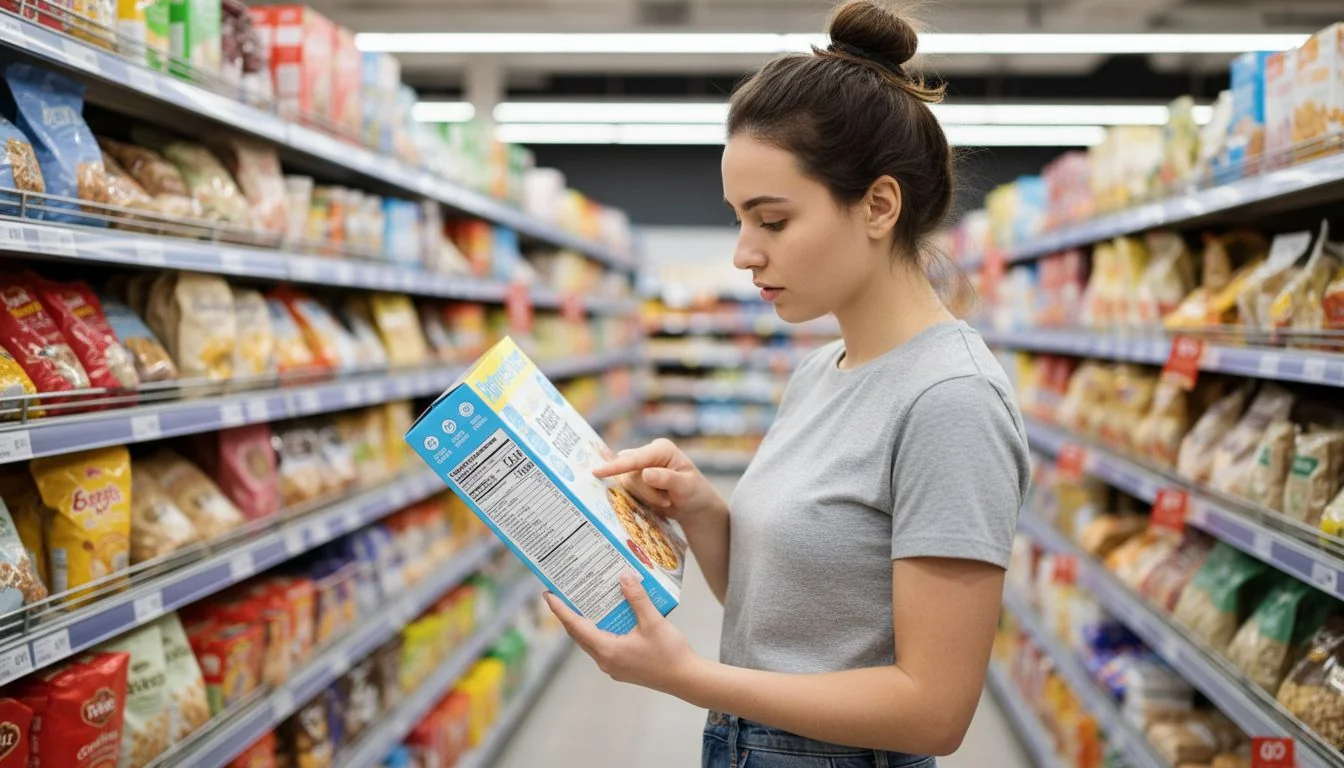
In my years of helping clients manufacture their products, I've learned that this audience acts more like a researcher than a typical shopper. They read ingredient lists on their food, and they'll read the material list on your product too. They are actively trying to avoid things like BPA, phthalates, and VOCs. As a designer like Jacky, this insight is gold. It means your material selection process is not just a technical step; it's a critical part of the marketing story. You have to think about trust from the very beginning. The conversation shifts from what the product does to what it's made of.
Here’s a simple way to think about it:
| Old "Premium" Features | New "Premium" Features (Trust Signals) |
|---|---|
| Powerful Motor / High Speed | ETL/UL Electrical Safety Certified |
| Sleek, Glossy Finish | Low-VOC, BPA-Free Materials |
| Large Water/Filter Capacity | NSF/ANSI 532 Certified (for water) |
| "Whisper Quiet" Operation | Real-Time PM2.5 sensor3 Data |
| Proprietary Filter Technology | Dishwasher-Safe, Easy-to-Clean Design |
BPA is only a concern in plastic products that come into contact with food or water.False
While the risk is highest with food/water contact, some studies suggest that BPA can also leach from plastics into the air or be absorbed through skin contact, making BPA-free materials a selling point for all household products.
Products made from polypropylene (PP) are generally considered BPA-free.True
Polypropylene (plastic #5) is a stable polymer that does not contain Bisphenol A (BPA) in its chemical structure, making it a popular choice for food-safe containers and health-related products.
How Does a Hygienic Humidifier Win Over Customers?
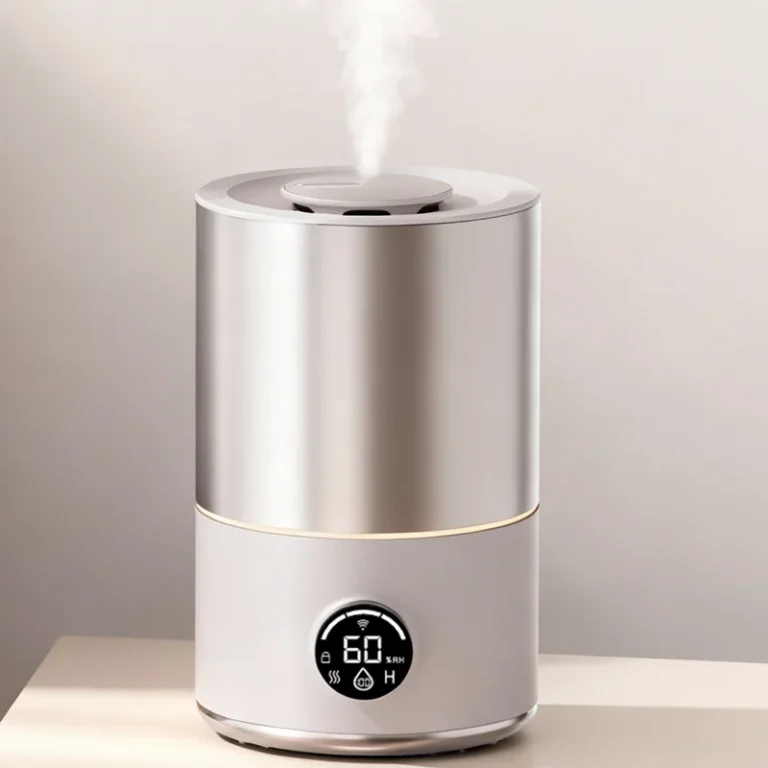
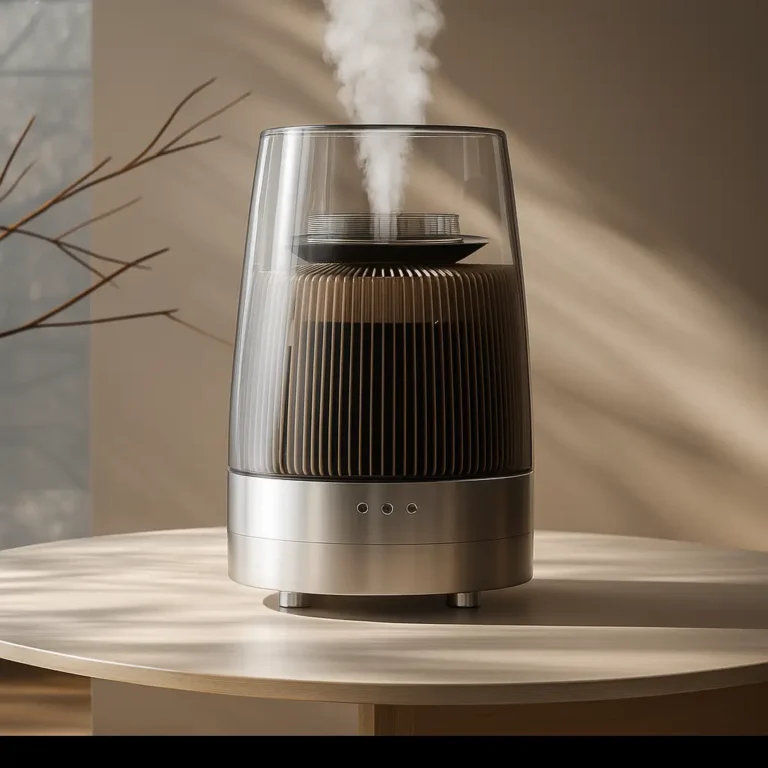
Standard humidifiers are a nightmare to clean, making them a breeding ground for mold. Health-savvy customers know this and are actively avoiding them. Your solution is to design a product that is inherently easy to clean.
A hygienic humidifier4 wins by directly addressing the core fear of contamination. Using materials like 304 stainless steel and designing for easy disassembly with dishwasher-safe components makes cleanliness a key feature, not an afterthought. This simple shift in focus builds immediate trust and creates a powerful differentiator.
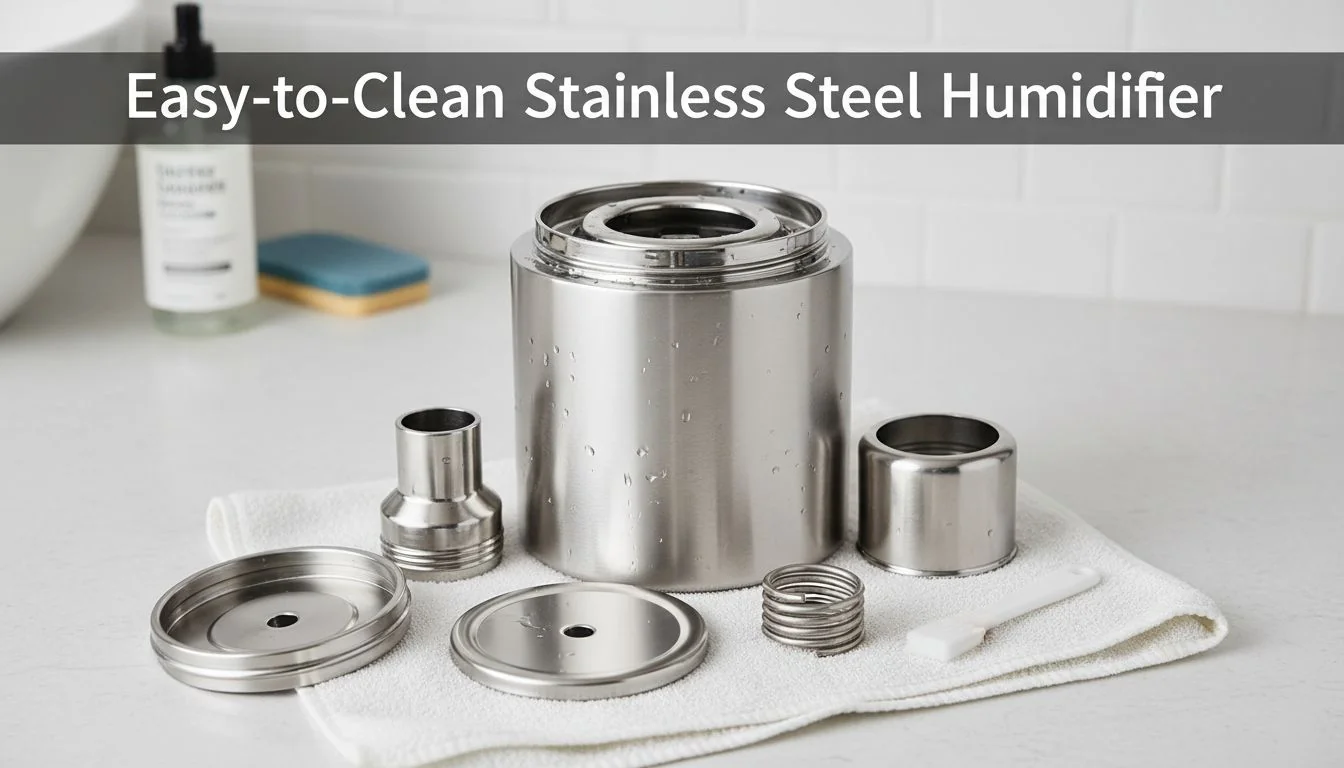
I remember working with a client on a new humidifier. Their first design was a typical plastic model. It looked nice, but I knew it would be a pain to clean the water tank. I told them, "A dirty humidifier is worse than no humidifier, and your target customer knows it." We went back to the drawing board. We decided to make the tank out of medical-grade 304 stainless steel.
Material as a Feature
Stainless steel is non-porous, durable, and instantly communicates "hygienic" and "premium." From a mold design perspective, forming a simple, open tank from steel is straightforward. The real challenge was designing the plastic top assembly.
Design for Disassembly (DFD)
For a designer like Jacky, this is where you shine. We had to design the plastic parts to be completely removable and have no tiny crevices where mold could hide. This meant:
- Simple Geometries: Avoiding complex internal structures.
- Smart Snap-Fits: Designing joints that were secure and watertight during operation but easy for a user to take apart without tools.
- Dishwasher-Safe Plastics: Selecting a polymer like polypropylene (PP) that could withstand high temperatures and detergents without degrading or leaching chemicals.
This focus on hygiene allowed the client to market the product as "The World's Cleanest Humidifier." It wasn't just a slogan; it was a provable feature built from the design up.
All stainless steel is automatically food-grade and safe for humidifiers.False
Not all stainless steel is equal. Grades like 304 and 316 are considered food-grade and offer excellent corrosion resistance, while lower grades like 430 are magnetic and can rust more easily.
Designing plastic parts with a draft angle of at least 1-2 degrees is crucial for easy removal from the mold.True
A draft angle is a slight taper applied to the sides of a molded part, which is essential for preventing the part from sticking to the mold and ensuring a smooth ejection process.
Why is a "Data-Driven" Air Purifier a Must-Have?
Your air purifier is running, but the user has no real idea if it's working. This lack of feedback creates doubt and makes them wonder if their investment was worth it. The solution is to give them data.
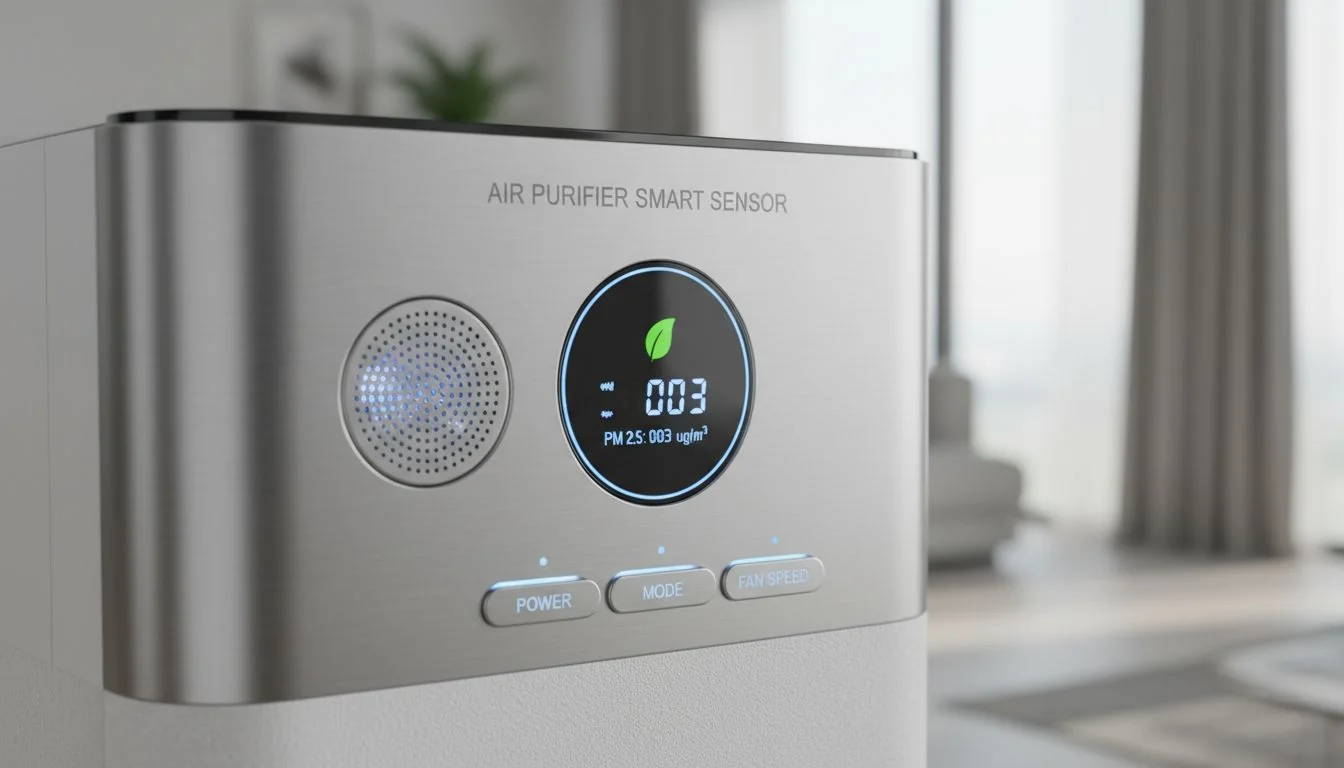
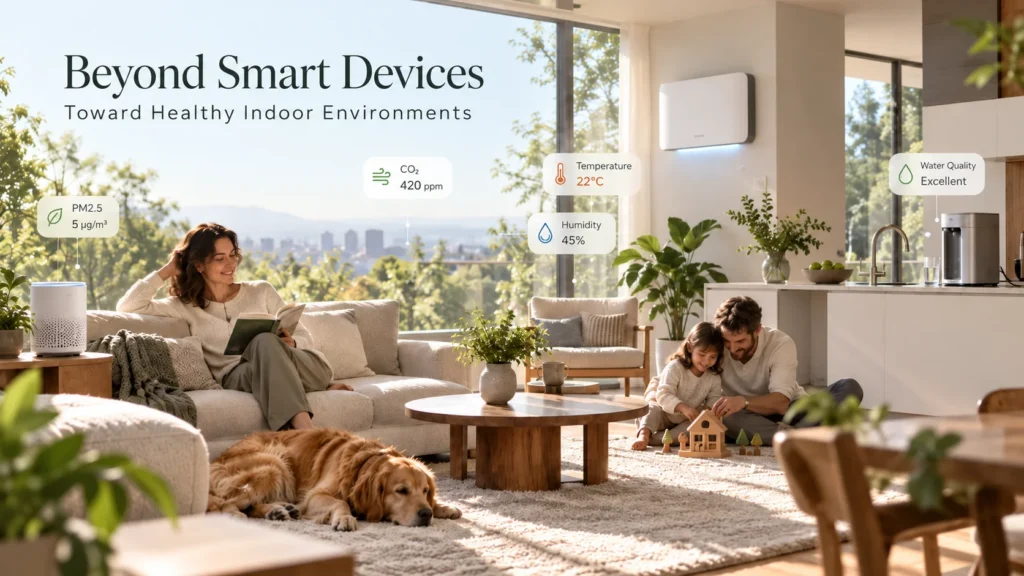
A data-driven purifier is a must-have because it provides tangible reassurance. smart sensors5 for PM2.5 and VOCs show real-time air quality data on a display or app. This proves the device's effectiveness and turns an invisible process into a visible, satisfying result for the user.
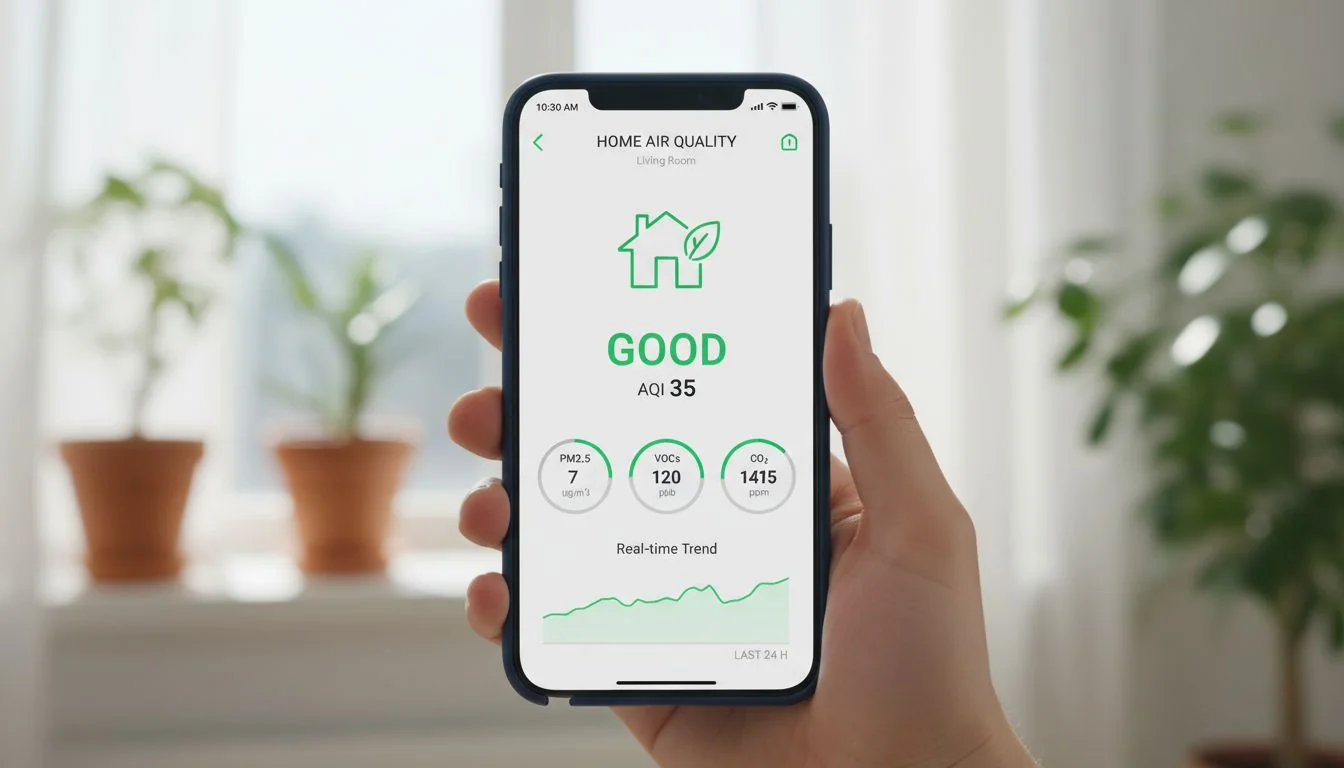
We live in an age of data. People track their steps, their sleep, and their calories. It's only natural they want to track the health of their home environment, too. For this consumer, a smart sensor isn't a gimmick; it's a vital reassurance tool. I had a client who was hesitant to add the cost of a PM2.5 sensor to their air purifier. I convinced them it was an investment in trust.
Designing for Data
Integrating sensors presents unique challenges for a product designer. It's not as simple as just dropping a sensor inside the box.
- Sensor Placement: You need to design the housing to ensure proper airflow across the sensor for accurate readings. This involves careful placement of vents and internal baffles.
- Space Allocation: The sensor, its small PCB, and wiring all need dedicated space in your CAD model without disrupting the main airflow path for the fan and filter.
- User Interface (UI): The data needs to be easy to understand. A simple color-changing LED (e.g., blue for good, yellow for moderate, red for poor) is often more effective than a complex numerical display on the unit itself. The detailed numbers can be saved for the smartphone app.
After we launched the sensor-equipped model, customer reviews changed. Instead of just saying "it's quiet," they started saying "I love seeing the air quality number go down! I have peace of mind knowing it's actually working." That's the power of proof.
A PM2.5 sensor can accurately identify and measure mold spores in the air.False
PM2.5 sensors measure the concentration of fine particulate matter with a diameter of 2.5 micrometers or less. They cannot differentiate the source of the particles, and most mold spores are larger (typically 3-40 micrometers).
VOC sensors in consumer air purifiers typically detect a broad range of volatile organic compounds rather than specific chemicals.True
Most consumer-grade VOC sensors are metal-oxide-semiconductor (MOS) types that react to a wide variety of airborne compounds, providing a general indication of VOC levels rather than a precise chemical analysis.
What Makes a "Proven Performance" Water Purifier Trustworthy?
Every water purifier brand claims to make water "clean" and "pure." But savvy consumers know these are just marketing words. They are meaningless without independent proof to back them up.
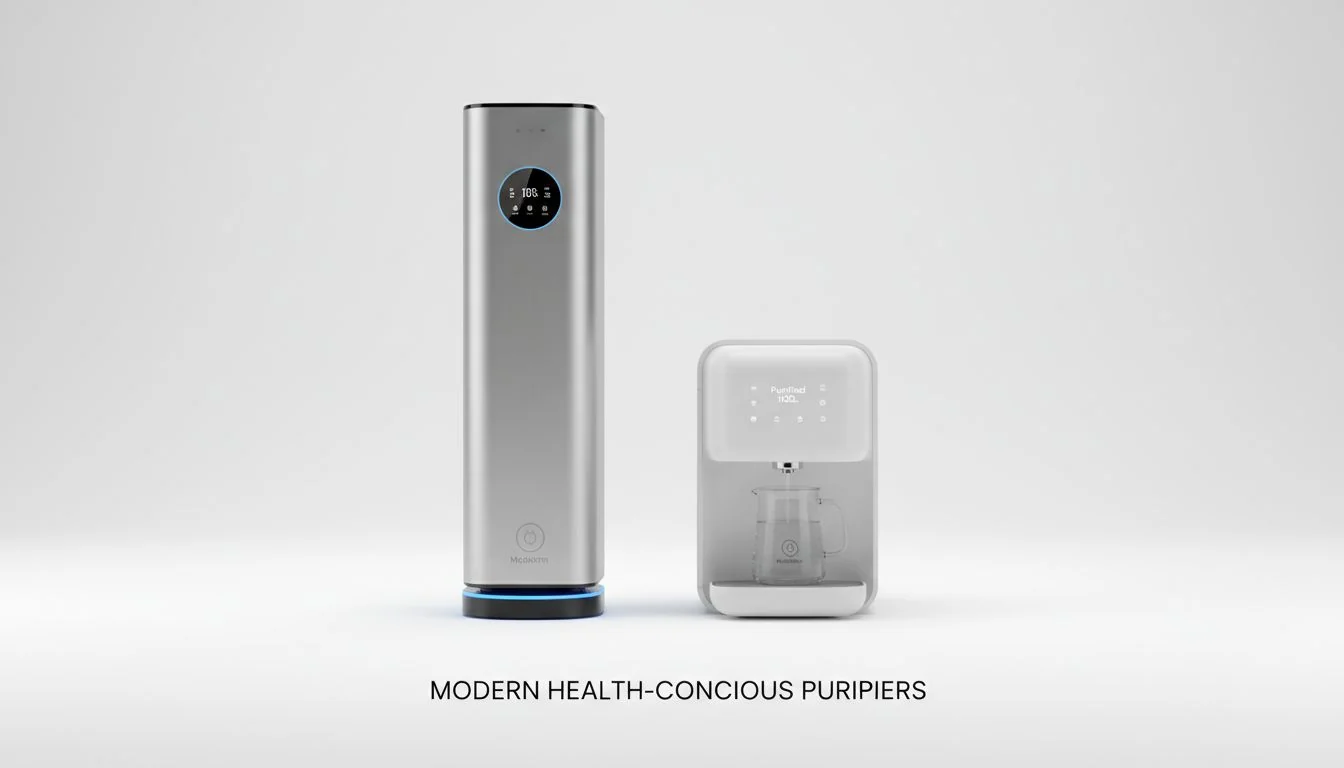
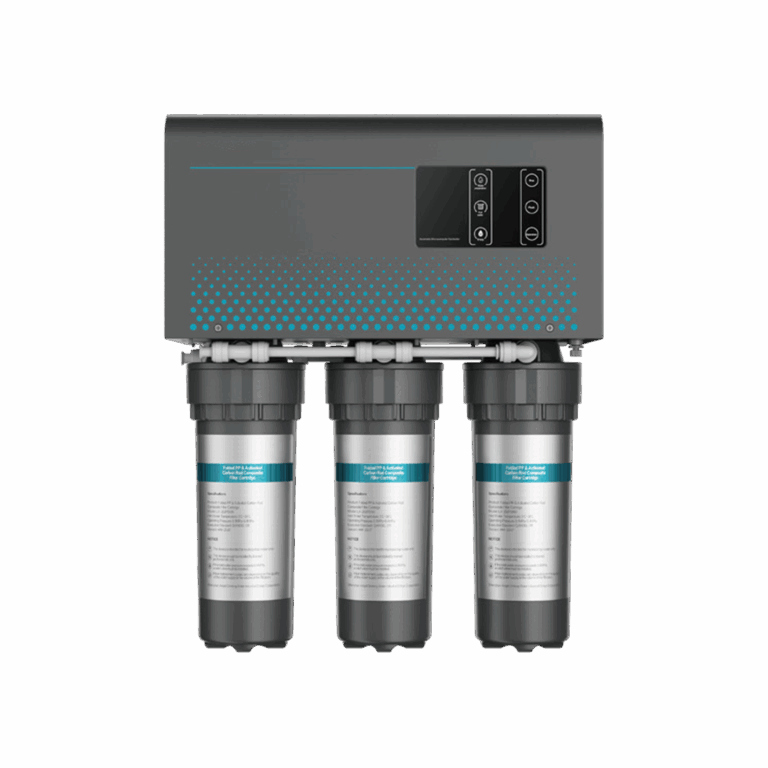
A trustworthy water purifier has independent, third-party certifications. For health-conscious consumers in North America, NSF/ANSI 53 is the gold standard. It proves the purifier removes specific health-related contaminants like lead, mercury, and cysts. This certification is non-negotiable for building trust.
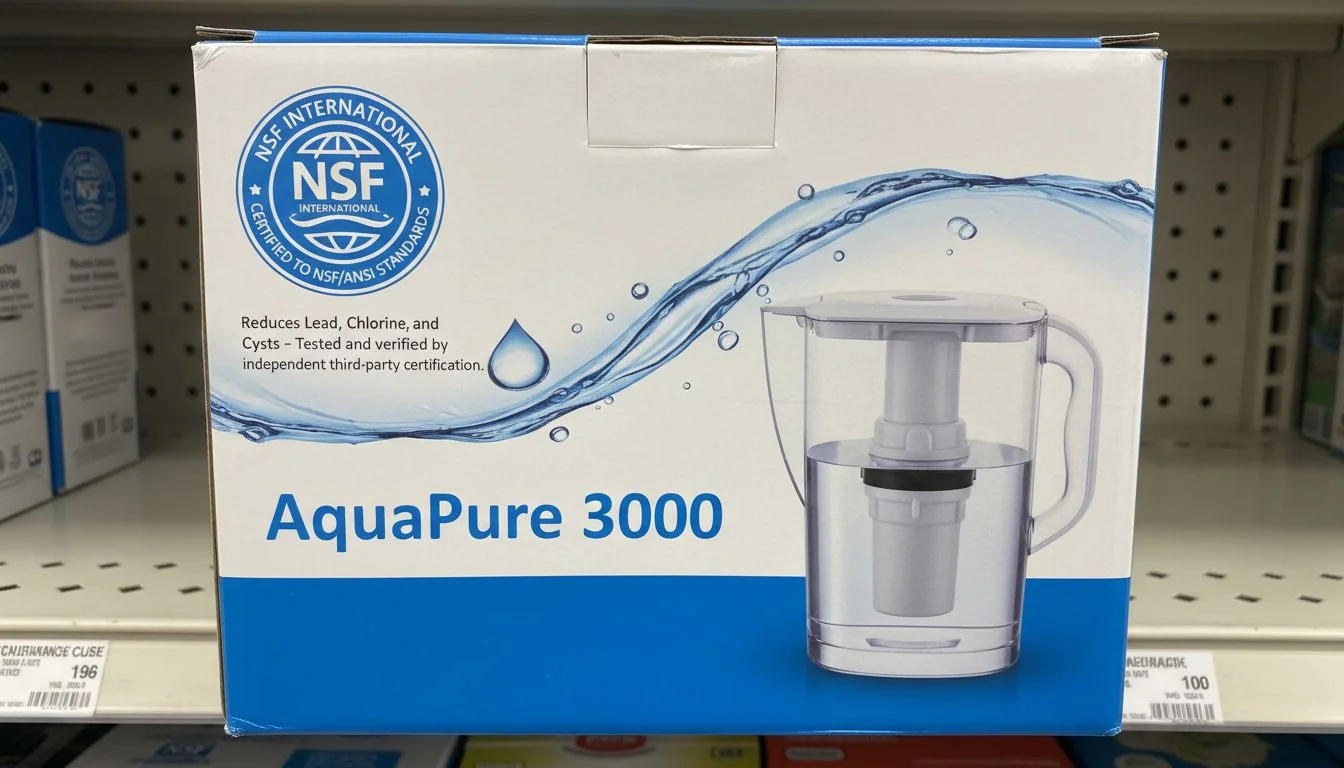
I often tell my clients to think of me as their "Chief Compliance Officer." They can focus on building their brand and marketing, while I help them navigate the complex world of certifications. Getting a product NSF certified is not easy. You can't just decide to do it after the product is designed. The entire process, from material selection to final assembly, must be planned for certification from day one.
Designing for Certification
As a designer, your choices directly impact whether a product can pass.
- Material Compliance: Every single part that touches the water (the "wetted parts") must be made from NSF-approved, food-grade materials. You must provide documentation for every plastic resin, O-ring, and tube you use.
- Structural Integrity: The product must pass pressure and cycle tests to ensure it won't leak or break over its intended lifespan. Your design for the mold, wall thickness, and joint seals are all under scrutiny.
- Performance Testing: The most important part. The purifier is tested to prove it can reduce specific contaminants by the required percentage over the full life of the filter. The filter's flow rate and capacity must match your claims.
Leading your sales pitch with "NSF 53 Certified for Lead Reduction" is infinitely more powerful than saying "makes water pure." One is a verifiable fact; the other is a vague promise.
NSF/ANSI 42 certification means a water filter is certified to remove lead.False
NSF/ANSI 42 certifies claims related to aesthetic effects, such as chlorine taste and odor. NSF/ANSI 53 is the standard that certifies claims of health-related contaminant reduction, including lead, cysts, and specific VOCs.
To pass NSF/ANSI 53 testing, a water purifier must be tested by an accredited third-party lab, not by the manufacturer itself.True
The integrity of the NSF certification relies on independent, third-party testing in an accredited laboratory to verify that the product meets the rigorous standards for material safety, structural integrity, and contaminant reduction performance.
Why Should You Lead with a "Material-First" Design?
You focus on the HEPA filter's performance, but what if the product's plastic housing is off-gassing VOCs? Health-conscious consumers worry about this exact problem, undermining the purpose of the purifier.
You should lead with a "material-first" design because today's consumers are just as concerned with what a product is made of as what it does. Highlighting your use of BPA-free plastics, low-VOC materials6, or medical-grade components builds a deeper level of trust and differentiates you from competitors who only talk about performance.
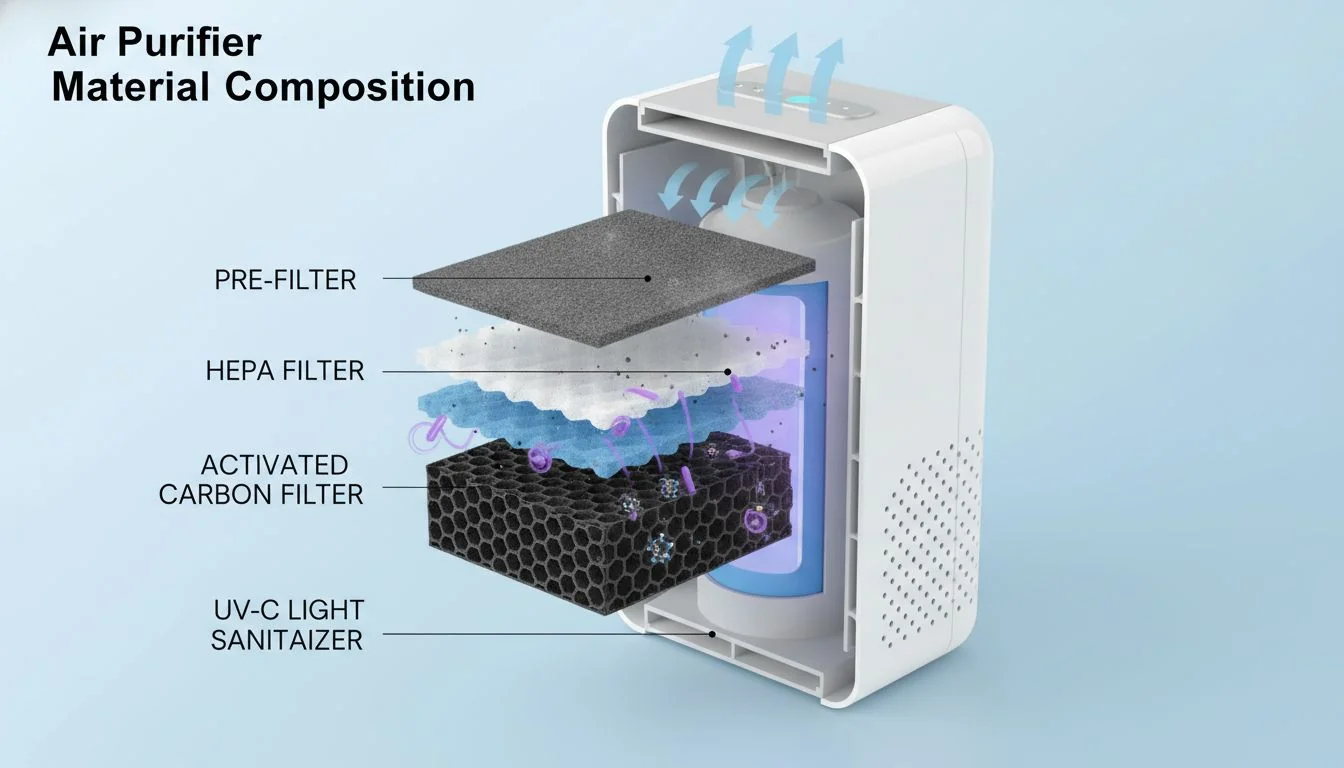
This is where your expertise as a product and mold designer becomes a massive marketing advantage. The choice of plastic is no longer just an engineering decision based on cost and moldability; it's a statement about your brand's values. I've seen clients transform their market position by simply being transparent about their materials. Instead of hiding the plastic behind a coat of paint, they celebrate it.
Material Selection as Marketing
Think about the story your materials tell.
- The Housing: Are you using standard, cheap ABS plastic, or did you choose a low-VOC or recycled polymer? This choice speaks volumes.
- Internal Components: Are the air ducts made from the same material, or did you ensure the entire air path is made from inert, safe materials?
- The Conversation: This focus moves the conversation from "how fast does it clean the air?" to "is the product itself safe to have in my home?" For a parent choosing a purifier for a child's bedroom, this is often the more important question.
Here’s a quick comparison of common material choices and their perception:
| Material | Common Use | Health-Conscious Perception |
|---|---|---|
| ABS Plastic | General electronics housing | Standard, potential for VOCs/styrene |
| Polypropylene (PP) | Food containers, medical devices | Safe, stable, BPA-free, good choice |
| Tritan™ Copolyester | High-end water bottles | Premium, durable, BPA/BPS-free |
| 304 Stainless Steel | Kitchen/medical equipment | Hygienic, pure, durable, premium |
By choosing a material like PP or Tritan over standard ABS for your housing, you create a powerful marketing claim that fewer competitors can make.
All plastics labeled 'BPA-Free' are completely safe and do not leach any chemicals.False
While 'BPA-Free' is a good start, some plastics may use replacement chemicals like BPS or BPF, which have shown similar hormonal effects. This is why transparency about the specific type of plastic used (e.g., PP, Tritan) is becoming more important.
Tritan™ is a brand name for a type of copolyester plastic known for its clarity, durability, and being free of BPA, BPS, and other bisphenols.True
Tritan, made by Eastman, is specifically marketed on these safety and performance characteristics, making it a popular choice for premium, health-focused products like high-end blenders and water bottles.
Conclusion
For health-conscious consumers, unique features are not gimmicks. They are signals of trust. Focus on proof, hygiene, data, and material safety to build products that win their confidence.
References
-
Explore how certified materials enhance product safety and consumer trust. ↩
-
Understand the importance of NSF/ANSI 53 certification in ensuring water safety. ↩
-
Discover the technology behind PM2.5 sensors and their role in air quality. ↩
-
Find out how design choices can prevent mold and ensure cleanliness in humidifiers. ↩
-
Learn about the role of smart sensors in providing real-time air quality data. ↩
-
Discover how low-VOC materials contribute to healthier indoor environments. ↩



 English
  Français
  Español
  Italiano
  Deutsch
  Português
  Русский
  العربية
  日本語
日本語  한국어
한국어  Tiếng Việt

