Opens in a new tab
Innovative Air Quality Solutions

What Biohacking & Longevity Consumers Want in a Water Purification System

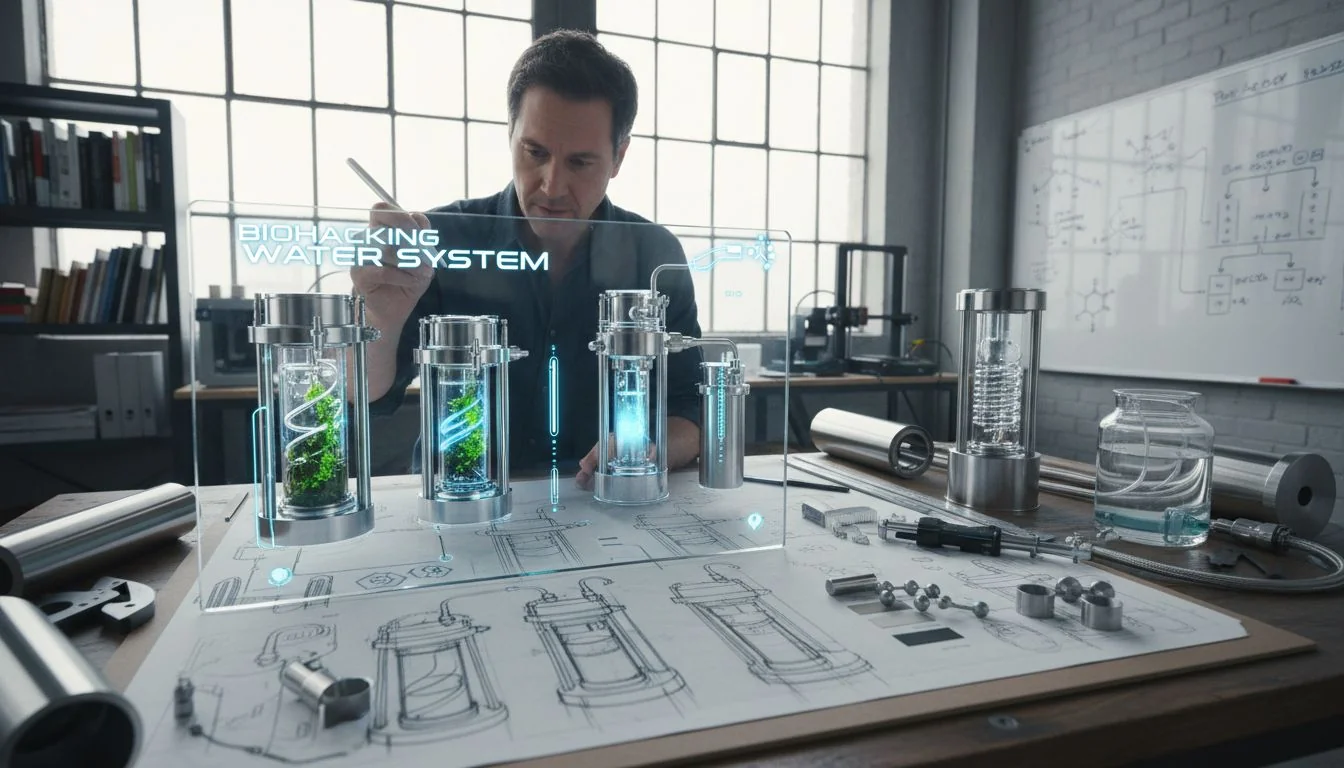
industrial designer sketching water purifier concepts with stainless steel materials

Designing for biohackers is tough. They reject standard plastic components because they fear hormonal disruption. You need a new approach to materials and filtration engineering to satisfy this demanding niche.

Biohacking consumers demand water purification systems that eliminate "estrogenic" plastics, remove all contaminants via Reverse Osmosis1, and re-mineralize the water. For designers, this means prioritizing stainless steel construction, precise temperature control, and multi-stage filtration logic to support mitochondrial health and gut flora.
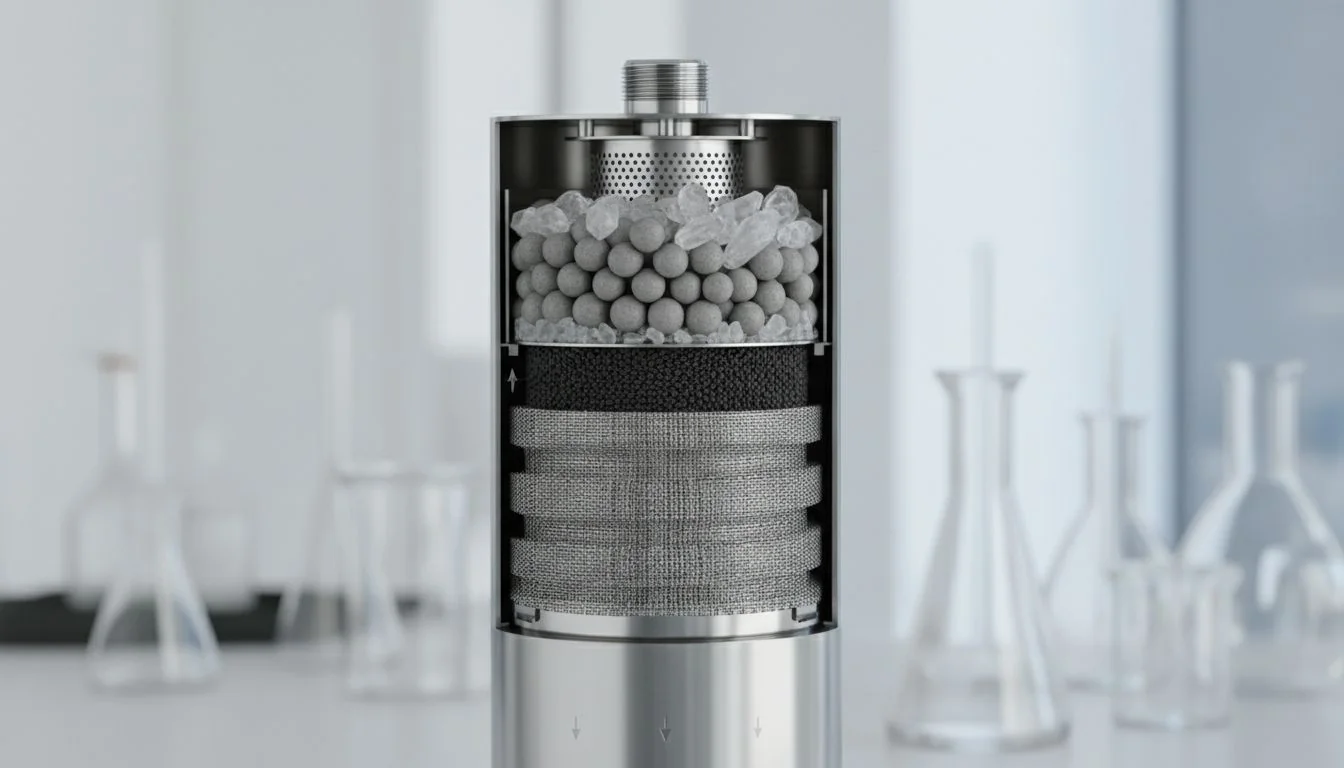
cross section of a stainless steel water filter system

Many designers miss these nuances and treat water purifiers as simple appliances. However, this specific market views them as medical devices. Let's explore the specific engineering requirements you need to know.

Plastic water containers release microplastics and estrogenic chemicals when heated.True

Heat accelerates the leaching of chemicals like BPA and phthalates from plastics into water.

Reverse Osmosis water is the healthiest option without any further treatment.False

RO water is acidic and lacks minerals, which can leach minerals from the body if not remineralized.

Why Is Water the Foundation of the Longevity Stack?

You might think water is just for hydration. Biohackers disagree. They see it as fuel for cellular performance, and standard designs often fail to meet their high standards.

Water is viewed as a nutrient delivery system. Designers must treat the purification unit as "Biological hardware2" that optimizes mitochondrial function, not just a kitchen appliance. This shift requires us to rethink the user interface and the internal flow of the machine.
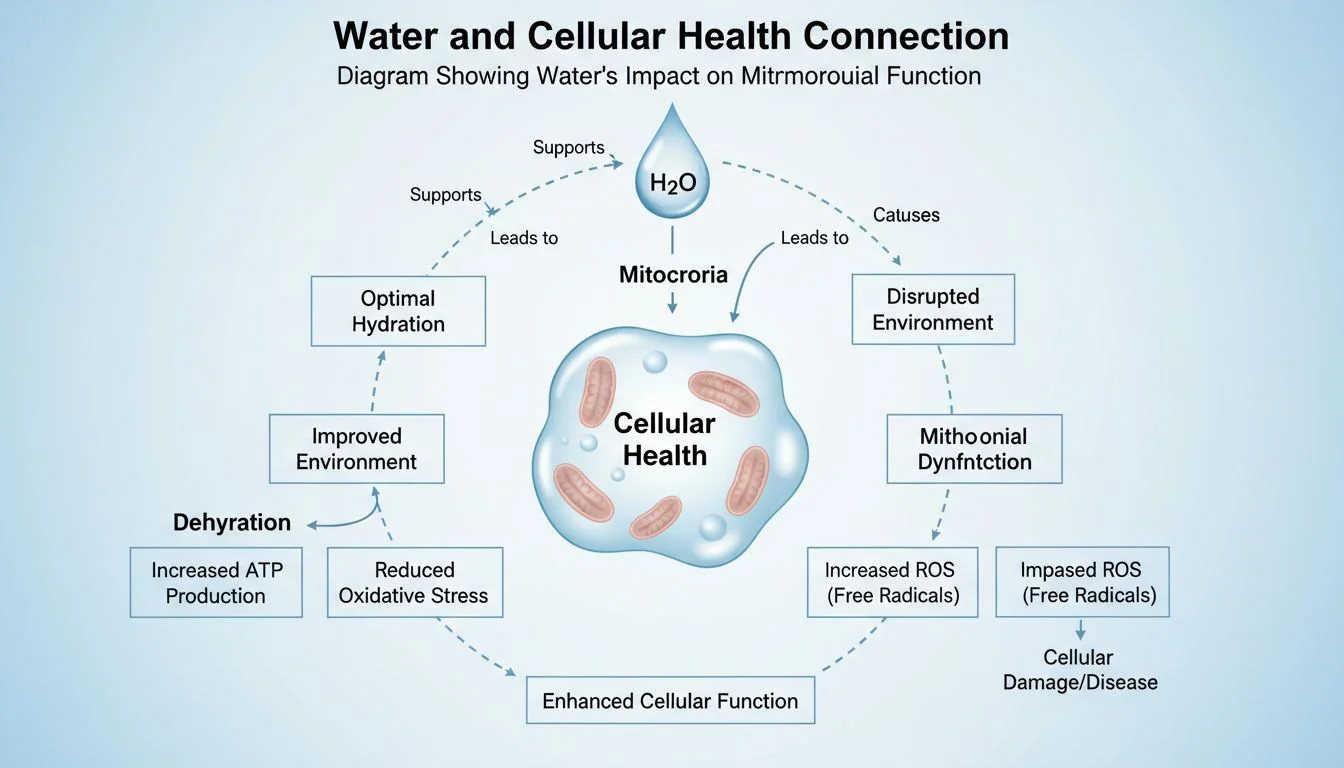
diagram showing water affecting mitochondrial function

When we design molds for consumer electronics, we focus on aesthetics and assembly. But for the longevity market, we must focus on "systemic impact." Standard marketing says a product "tastes good." Biohacking marketing says it "reduces Systemic inflammation3." As designers, we are not just building a box that holds water. We are building a tool for their "N=1 experiments."

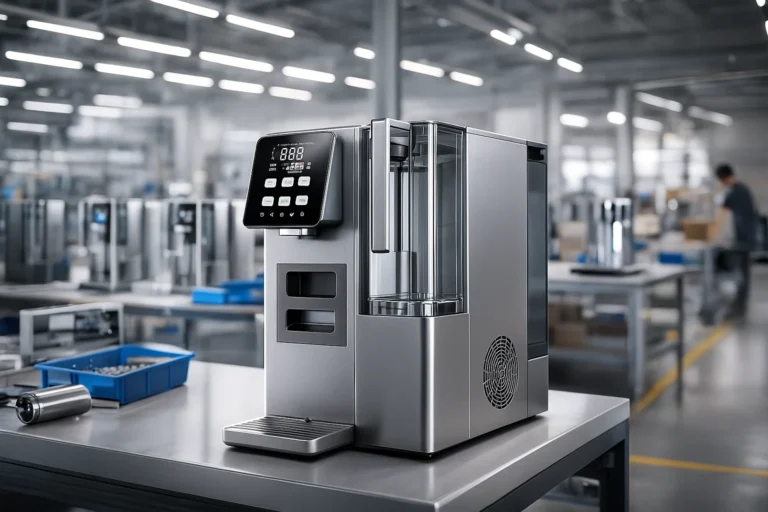
Biohackers see themselves as citizen scientists. They want a "Lab Partner," not a factory product. This means the build quality must feel industrial and precise. If we use cheap casing or loose fittings, they will not trust the machine to protect their biology. We need to position manufacturers like Hisoair as engineering labs. The design language should reflect precision. Think of the difference between a toy and a surgical tool. That is the gap we need to bridge in our design thinking.

Feature Standard Consumer View Biohacker View
Goal Hydration Mitochondrial Optimization
Material Plastic is fine Plastic is poison (Estrogenic)
Filtration Taste improvement Gut Biome Protection
Vibe Kitchen Appliance Biological Hardware

Biohackers prioritize taste over chemical composition.False

Biohackers prioritize chemical purity and biological impact over taste.

Systemic inflammation can be influenced by water quality.True

Contaminants in water can trigger immune responses leading to inflammation.

Does Reverse Osmosis Serve as the Necessary Baseline?

Tap water contains chlorine that destroys gut bacteria. Simple carbon filters are not enough. You need to design systems that strip everything out first to ensure total purity.

Biohackers view the Gut microbiome4 as sacred. Chlorine acts like an antibiotic bomb. Therefore, Reverse Osmosis (RO) is the non-negotiable baseline for removing chlorine, fluoride, and heavy metals to protect the internal ecosystem.

microscopic view of gut bacteria vs chlorine

I have seen many mold designs for simple gravity filters. These are cheap to make but they do not work for this market. The biohacker wants to protect their "internal ecosystem." They know that chlorine kills bacteria. It kills the bad bacteria in the pipes, but it also kills the good bacteria in their gut. This is a major problem for them.

To solve this, we must design for Reverse Osmosis (RO). This changes the mold requirements significantly. RO systems operate under high pressure. The housing must be thicker and more robust than a standard filter. We need to calculate shrinkage carefully for these high-pressure vessels. If the seal fails, the product leaks. Furthermore, RO creates waste water. Our design must include efficient routing for this discharge. We cannot just hide it. We must engineer it to be seamless. The goal is "Absolute Purity." We strip the water down to zero, removing all threats. This is the blank canvas they require.

Chlorine in tap water is harmless to the human microbiome.False

Chlorine is a biocide and can negatively affect the diversity of gut flora.

Reverse Osmosis removes fluoride and heavy metals.True

RO membranes are effective at filtering out very small molecules including fluoride and metals.

Can We Eliminate Plastics to Ensure Hormonal Safety?

Men in the biohacking community fear low testosterone. They blame plastics. If your design uses plastic reservoirs, they will not buy it, no matter how good it looks.

"Estrogenics" are chemicals in plastics that mimic estrogen. To appeal to this demographic, designers must switch to stainless steel pathways. This signals "hormonal neutrality" and safety for the user's endocrine system.
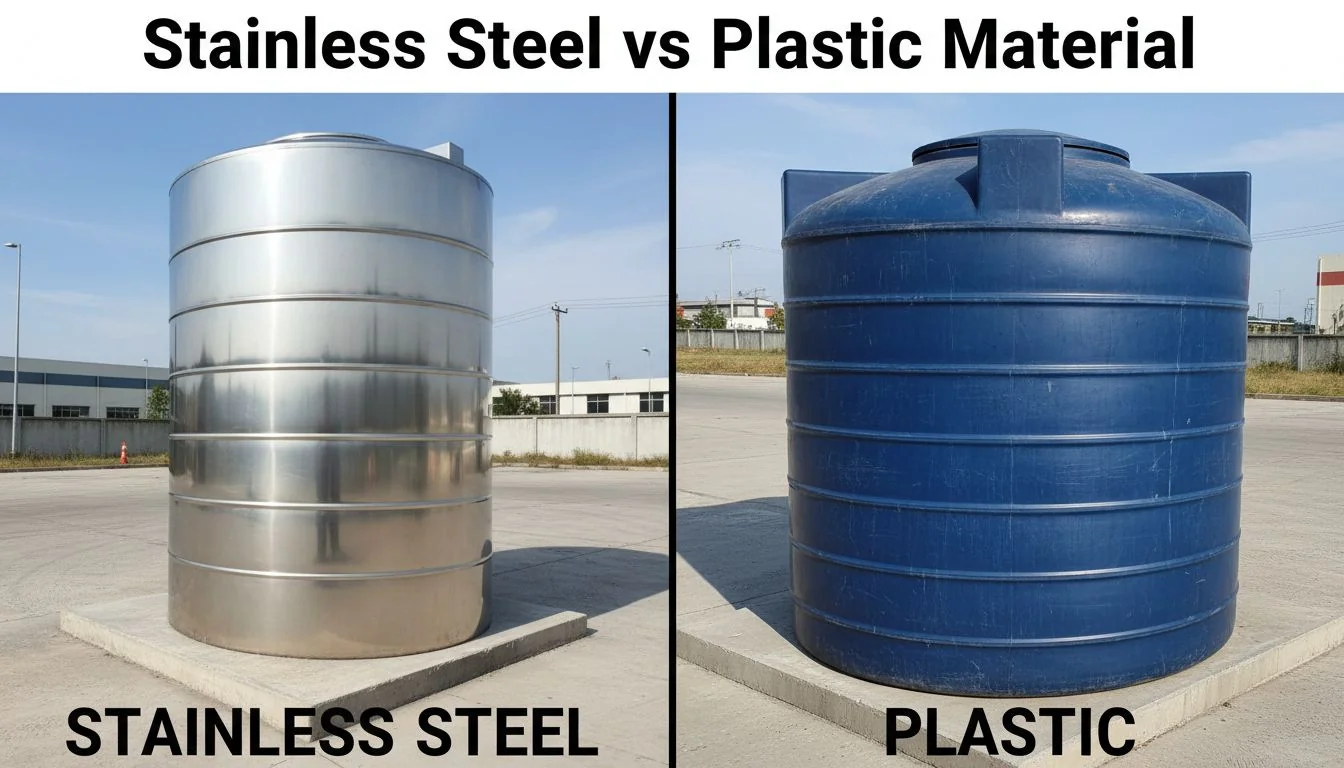
stainless steel water tank vs plastic tank

This is the most critical insight for us as mold experts. The biohacking community is terrified of "Estrogenics." These are chemicals that lower testosterone. They believe plastic equals estrogen. If we design a water system with a plastic tank or plastic tubing that sits in hot water, we have failed. They will view the water as "polluted" by the machine itself.

We must advocate for stainless steel. From a manufacturing standpoint, this is harder. Stamping stainless steel requires different tooling than injection molding plastic. The tolerances are different. The assembly is different. But the value proposition is massive. By using stainless steel for all water contact paths, we create a "Hormonally Neutral" device. We can market this aggressively. We tell them: "Don't let your water filter lower your testosterone." This is a fear-based reason to upgrade to a premium unit like Hisoair's steel models. It turns a material choice into a health benefit.

BPA-free plastic is completely safe from estrogenic activity.False

Many BPA replacements still exhibit estrogenic activity.

Stainless steel is an inert material for water storage.True

Stainless steel does not leach chemicals into water, making it hormonally neutral.

How Do We Solve the Problem of Dead Water?

RO water is pure but "dead." It leaches minerals from the body. You must engineer a solution to put the good stuff back in after filtration.

Pure RO water is aggressive and acidic. To prevent mineral leaching, the system must include a Re-mineralization5 stage. This restores the biological profile, bridging the gap between sterile water and "living" water.
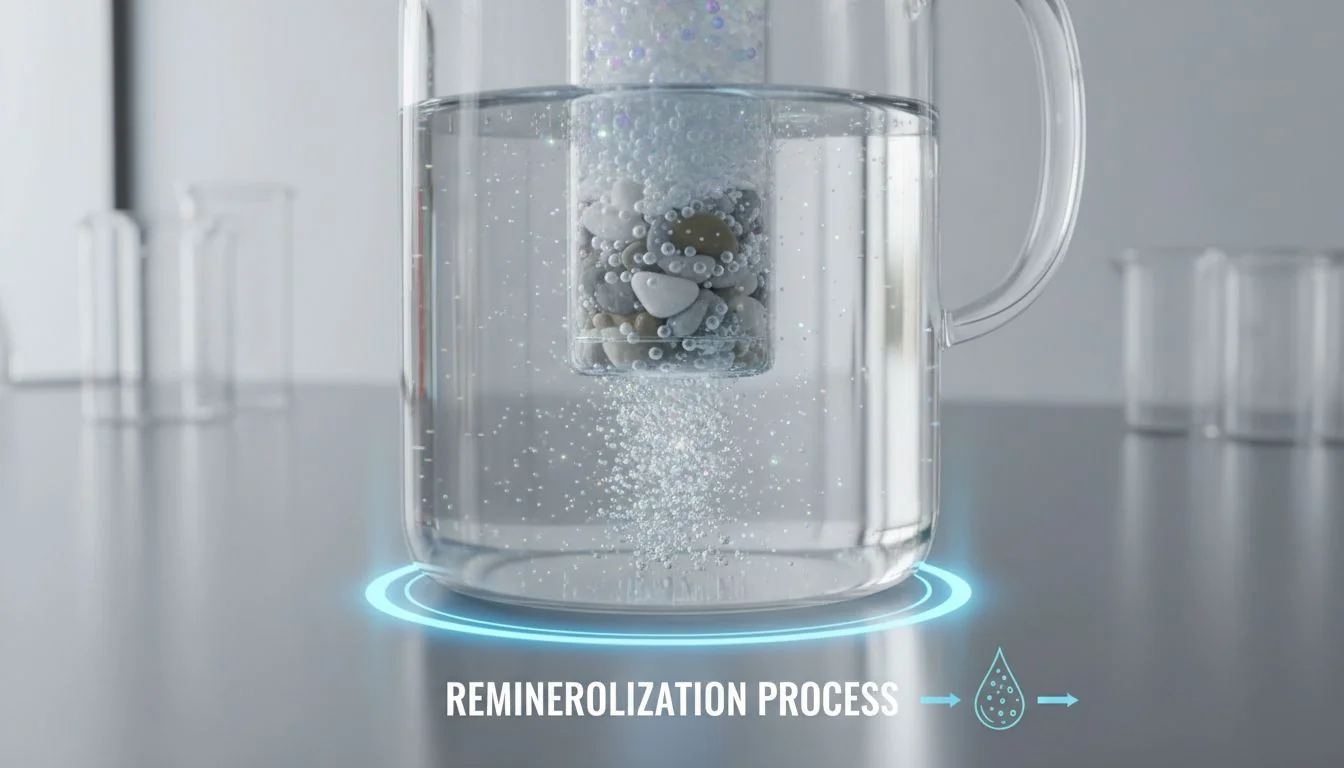
mineral cartridge adding nutrients to water

Here is the engineering conflict. We used RO to remove everything, but now the water is "dead." It is acidic. If you drink only this, it can pull minerals out of your body. Biohackers know this. They talk about "Structured Water" or "Live Water." While "structured water" is scientifically controversial, the issue of "dead water" is real.

We need to design a "bridge." This is the re-mineralization cartridge. In our mold design, this means adding a final stage after the RO membrane. It is not just another filter; it is an additive stage. We need to ensure the flow rate allows enough contact time for the water to pick up magnesium, calcium, and potassium. We are "restoring the water's biological profile." We are not just cleaning water; we are engineering a nutrient. This feature turns a negative (RO strips minerals) into a positive (we control exactly what minerals go back in).

Drinking demineralized water long-term is beneficial.False

It can lead to electrolyte imbalance and mineral deficiencies.

Remineralization raises the pH of RO water.True

Adding alkaline minerals neutralizes the acidity of RO water.

Why Is Temperature Control Critical for Protocol Efficiency?

Biohackers track everything. They drink specific temperatures at specific times. A simple hot/cold switch is too basic for their morning protocols.

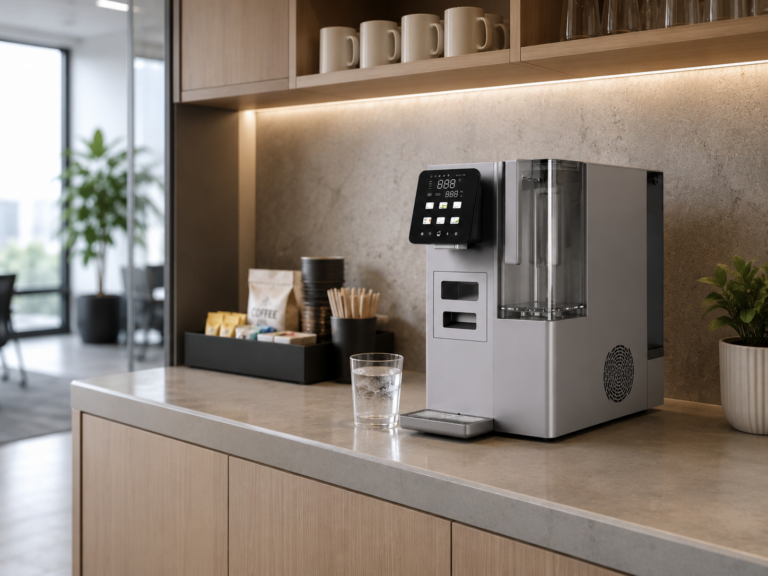
Precise Temperature control6 allows users to execute health protocols, like warm water for digestion or cold for thermogenesis. The interface must offer exact degree settings, turning the device into a precision tool.
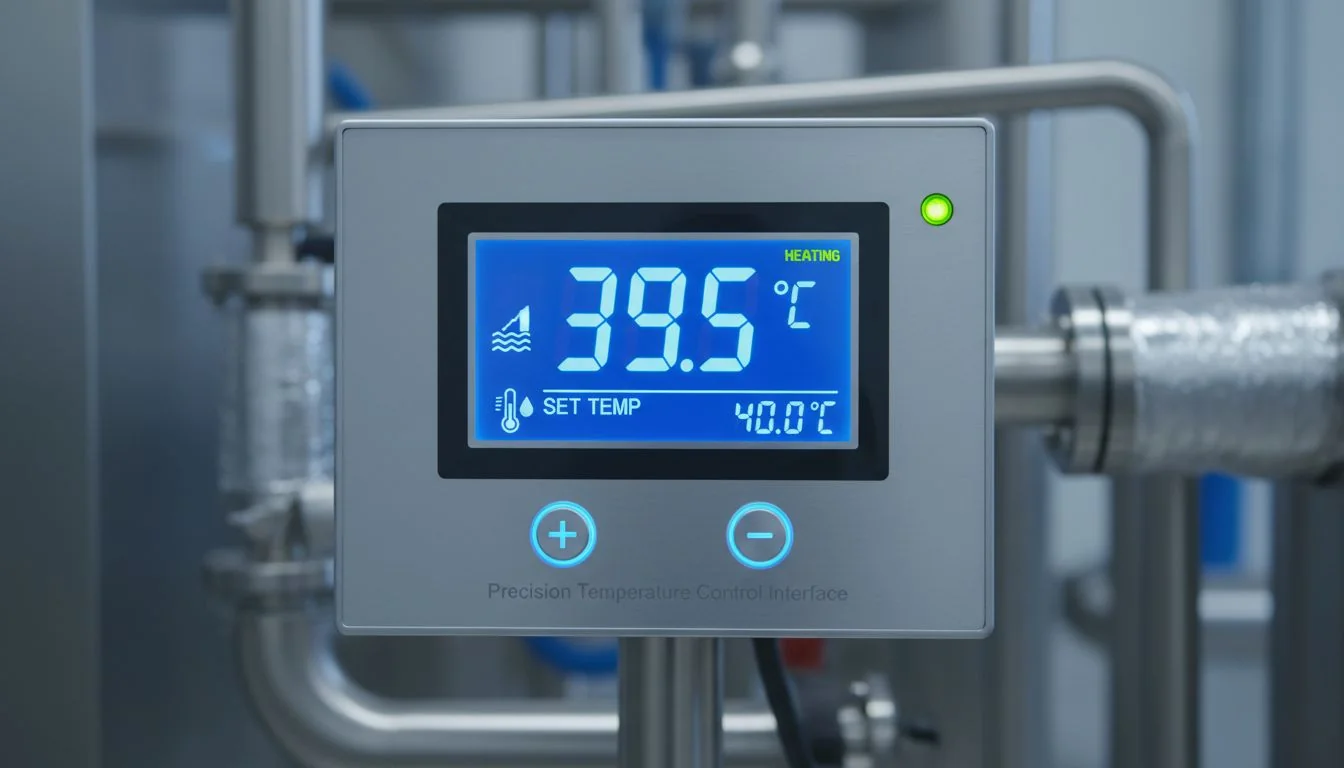
digital display showing precise water temperature

Standard users just want tea or cold water. Biohackers run "protocols." They might want 50°C water to wake up their gut in the morning without shocking it. Or they might want near-freezing water later. If our design only offers "Hot" and "Cold," we limit them.

We need to integrate precise digital controls. This affects the PCB design and the UI panel on the mold. We need sensors that are accurate. We are selling "Protocol Efficiency." When a user wakes up, they want to press one button and get the exact hydration they need for their routine. This makes the machine feel like a piece of lab equipment. It supports their lifestyle. It transforms the device from a passive object into an active participant in their health journey. This precision justifies a higher price point and builds loyalty with this specific user base.

Cold water can stimulate thermogenesis.True

The body expends energy to warm the water, slightly increasing metabolic rate.

Temperature precision is irrelevant for tea brewing.False

Different teas require specific temperatures to avoid bitterness and release compounds.

Conclusion

To win the biohacking market, we must design "biological hardware," not just appliances. By using stainless steel, RO filtration, and precise controls, we empower their health experiments.


References


  1. Explore how Reverse Osmosis can ensure water purity and protect gut health. ↩

  2. Understand the concept of biological hardware and its significance for health. ↩

  3. Discover the link between water contaminants and inflammation in the body. ↩

  4. Find out how contaminants in water can affect gut health. ↩

  5. Understand how re-mineralization restores essential minerals in purified water. ↩

  6. Learn how temperature control can enhance health protocols for biohackers. ↩

Share:
hisoair founder mr lee
Alwen Lee, an air purification expert with over 10 years of experience, is a devoted father of two and a passionate traveler, having explored more than 30 countries. With a love for public speaking and swimming, he has dedicated his life to the indoor air quality industry. His mission is to ensure that people around the world enjoy the freedom to breathe clean air and lead happy, healthy lives.

Send Us A Message

More to Read

Modern living room with a family enjoying a healthy indoor environment monitored by smart devices, natural lighting, and greenery.

After IFA 2026: The Healthy Home Is Moving Beyond Smart Devices

In our previous IFA 2026 column, Air Purification Is Becoming Part of the Healthy-Home Platform, we argued that the next generation of indoor-health products would ...
News
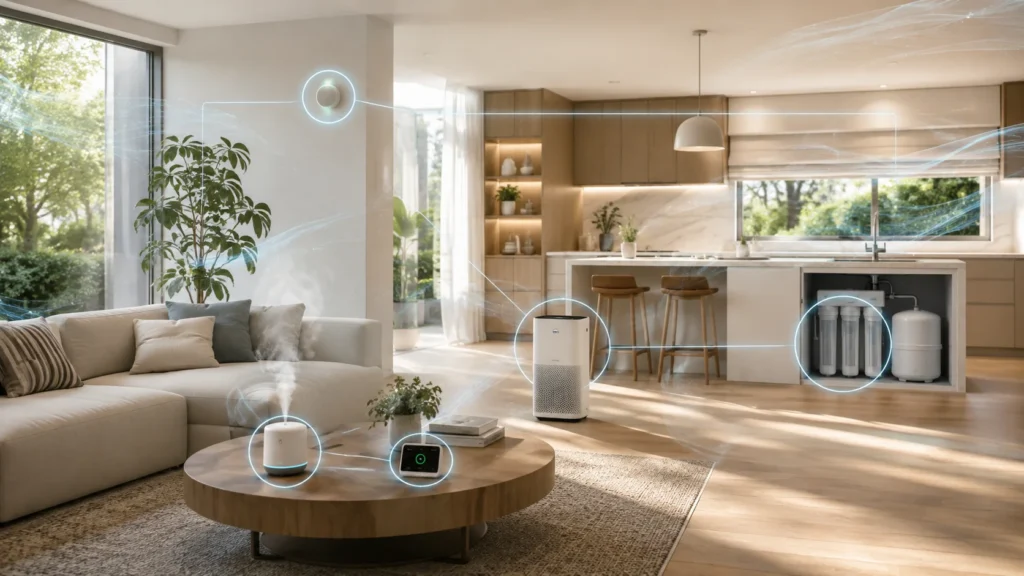
Modern living room and kitchen with smart home air quality devices including an air purifier, humidifier, and water filtration system, connected with visualized blue connectivity lines.

IFA 2026: Air Purification Is Becoming Part of the Healthy-Home Platform

Pre-IFA Industry Perspective | September 4, 2026 This article is based on official announcements and regulatory information available ahead of IFA 2026, which takes place ...
News
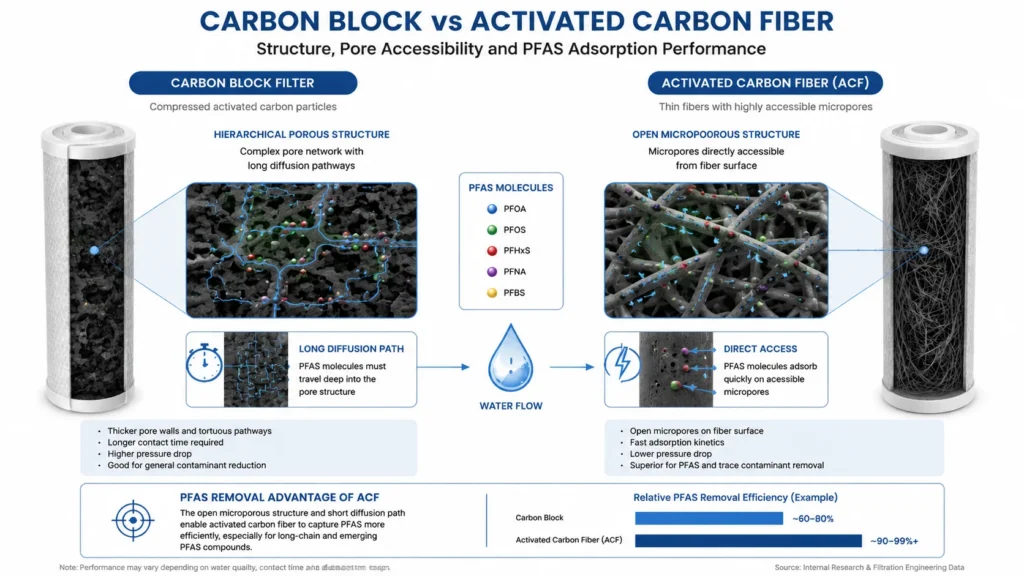
Comparison infographic showcasing the differences between carbon block filter and activated carbon fiber. Detailed diagrams illustrate the hierarchical porous structure of the carbon block with long diffusion paths and the open microporous structure of the activated carbon fiber with direct access for PFAS adsorption.

Carbon Block vs. Activated Carbon Fiber (ACF): Matching Media to Target Contaminants

Two carbon media. Same adsorption chemistry. Very different behaviour in a point-of-use cartridge. If you are specifying a water purifier platform for a PFAS-aware market, ...
News
Comparison between PFAS-ready and PFAS-certified water filters, showing internal filter components and certification steps.

PFAS-Ready vs. PFAS-Certified Water Filters: Engineering Differences for OEM Brands

For an appliance, wellness or healthy-home brand preparing to launch a water purifier, the phrase “PFAS-ready” can sound reassuring. The proposed system may use activated ...
Water Purifiers
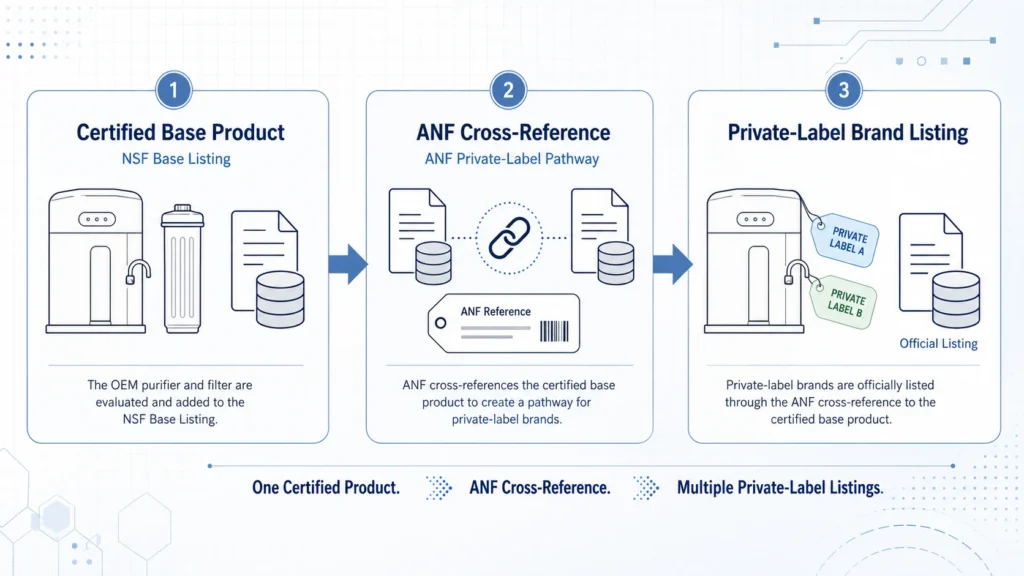
NSF base listing and ANF private-label certification pathway for OEM water filters

What Is an NSF Master Listing? A Guide to Base Listings, ANF Certification and OEM Water Filters

For a brand preparing to launch an OEM water purifier, one of the most common supplier claims is: “We already have an NSF master listing, ...
News, Water Purifiers
Healthy-home brand team reviewing PFAS water filter certification, test data and product engineering

Entering the Water Category Is Easy. Building a Credible PFAS Claim Is Much Harder

For air purification, appliance and healthy-home brands, entering the water category can look surprisingly easy. A company can select an existing undersink system, customize its ...
News
Contaminant Engineering•3 min read

PFAS Water Filtration Technologies Explained: Carbon, Resin & RO

Key Takeaway:

PFAS reduction depends on the specific compounds present, treatment media, contact time, water chemistry, and system design. Activated carbon, ion exchange, and Reverse Osmosis address PFAS through different mechanisms.

PFAS are a large family of persistent fluorinated compounds that can occur in drinking-water supplies. Their treatment behavior varies significantly by molecular structure, chain length, functional group, concentration, and the chemistry of the source water.

Granular Activated Carbon (GAC) removes PFAS primarily through adsorption. It is generally more effective for many longer-chain PFAS, while shorter-chain compounds tend to break through more quickly. Carbon performance depends on media properties, Empty Bed Contact Time (EBCT), competing organic matter, loading, and replacement frequency.

Ion-exchange resins use charged functional sites to capture many PFAS compounds. Properly selected anion-exchange media can provide high capacity and may perform better than conventional activated carbon for some shorter-chain PFAS, although performance still depends on water chemistry and competing ions.

Reverse Osmosis (RO) uses membrane separation rather than adsorption. Properly designed RO systems can provide broad reduction across many PFAS compounds as well as dissolved salts and other contaminants. Unlike carbon or resin, however, RO also produces a concentrate stream that must be managed.

No single technology should be selected from a PFAS label alone. System design should consider which PFAS compounds are present, their concentrations, required reduction targets, flow rate, media life, and the applicable third-party certification or validation requirements.

HisoAir Water Technical Series
Product Discovery•3 min read

How to Choose an Under-Sink Water Purifier for Modern Kitchens

Key Takeaway:

Match the treatment technology to your water quality first, then evaluate cabinet space, faucet configuration, flow rate, drain and power requirements, and filter replacement needs.

Choosing an under-sink water purifier starts with water chemistry. Carbon filtration is well suited to chlorine, taste, odor, and many organic contaminants, while Reverse Osmosis is more appropriate when dissolved salts, fluoride, nitrates, or broader dissolved contaminants need to be reduced.

For compact kitchens, tankless RO systems eliminate the conventional storage tank and can significantly reduce the space required under the sink. However, membrane capacity stated in GPD does not directly equal faucet flow. When comparing systems, check the actual dispensing flow rate, inlet-pressure requirement, recovery ratio, and whether a booster pump is required.

Installation architecture also matters. Many RO systems require a drain connection, electrical power, and either a dedicated drinking-water faucet or a compatible multi-function faucet. High-flow carbon systems can often connect directly to the existing cold-water line with a simpler installation, but pressure drop and available faucet flow should still be verified.

RO also removes much of the naturally occurring dissolved mineral content. Where taste or mineral balance is a priority, a post-RO remineralization stage can be added. Filter life should be evaluated by both rated capacity and local water quality rather than replacement time alone.

The right system is therefore not simply the smallest or highest-GPD model. It is the configuration that matches the target contaminants, available cabinet space, desired faucet setup, peak dispensing demand, and maintenance expectations.

HisoAir Water Technical Series
Water Quality•2 min read

What Does TDS Mean in Drinking Water? Measurement vs Contaminant Reality

Key Takeaway:

A TDS meter estimates the overall concentration of dissolved ionic substances from electrical conductivity. It cannot identify specific contaminants or determine whether water is chemically safe.

Total Dissolved Solids (TDS) refers to the combined concentration of dissolved substances in water. Most handheld TDS meters do not measure TDS directly. Instead, they measure electrical conductivity (EC) and convert that reading into an estimated parts-per-million (ppm) value.

This means a TDS reading can indicate how much dissolved ionic material is present, but not what that material actually is. Calcium, magnesium, sodium, nitrates, and other dissolved ions can all contribute to conductivity, yet a simple TDS meter cannot distinguish between them.

TDS meters are also not suitable for detecting trace contaminants such as PFAS, many VOCs, pesticides, pharmaceuticals, or disinfection byproducts. These substances may be present at concentrations far below the level needed to noticeably change electrical conductivity.

A low TDS reading therefore does not guarantee safe drinking water, and a higher TDS reading does not automatically indicate contamination. Water-treatment decisions should be based on laboratory testing for specific contaminants of concern rather than TDS alone.

HisoAir Water Technical Series
Technology Selection•2 min read

RO vs UF Water Filtration: Understanding Pore Sizes & Dissolved Minerals

Key Takeaway:

Ultrafiltration can reduce bacteria, turbidity, and suspended particles while retaining most naturally occurring dissolved minerals. Reverse Osmosis provides much broader reduction of dissolved salts and smaller contaminants.

Ultrafiltration (UF) typically uses hollow-fiber membranes with pore sizes in the approximate 0.01–0.1 micron range. These membranes physically retain turbidity, suspended solids, colloids, and many microorganisms while allowing dissolved minerals and salts to remain in the water.

Reverse Osmosis (RO) operates at a much finer separation level. Unlike UF, RO can substantially reduce dissolved ions such as sodium, calcium, fluoride, nitrates, and other contributors to total dissolved solids (TDS). This makes RO more suitable when dissolved-salt reduction is a primary treatment objective.

UF generally requires less system pressure and produces little or no continuous concentrate stream in many point-of-use configurations. RO typically requires greater pressure and produces a reject-water stream, but delivers broader contaminant reduction.

For water with acceptable TDS and mineral content, UF can be a simpler mineral-retaining treatment option. Where dissolved salts, fluoride, nitrates, or broader dissolved contaminants are a concern, RO is generally the more appropriate technology.

HisoAir Water Technical Series
Technology Selection•4 min read

Carbon Block vs Reverse Osmosis: Which Fits Your Need?

Key Takeaway:

Choose RO for dissolved inorganic salts and heavy metals; choose Carbon Block for chemical taste/odor, no wastewater, and high line-pressure flow.

Reverse Osmosis (RO) and Carbon Block filtration represent two fundamentally different treatment methods: membrane separation and adsorption. Understanding these differences helps determine which technology is better suited to a specific water-quality requirement.

Reverse Osmosis uses a semi-permeable membrane with pore sizes of approximately 0.0001 microns. It can significantly reduce dissolved inorganic contaminants such as TDS, fluoride, nitrates, and certain heavy metals. Because water must be forced through the membrane, RO systems require sufficient pressure or a booster pump and generate a concentrated wastewater stream.

Carbon Block filtration relies primarily on adsorption through compressed activated carbon, commonly with nominal pore sizes around 0.5–5 microns. It is highly effective for chlorine, chloramines, VOCs, taste, and odor, while allowing substantially higher direct-flow rates without producing wastewater.

From an operating perspective, Carbon Block systems are generally simpler, require less energy, and avoid the water loss associated with RO. RO involves higher system complexity and operating cost, but provides substantially broader reduction of dissolved contaminants that Carbon Block alone cannot address.

HisoAir Water Technical Series

REQUEST A QUOTE