

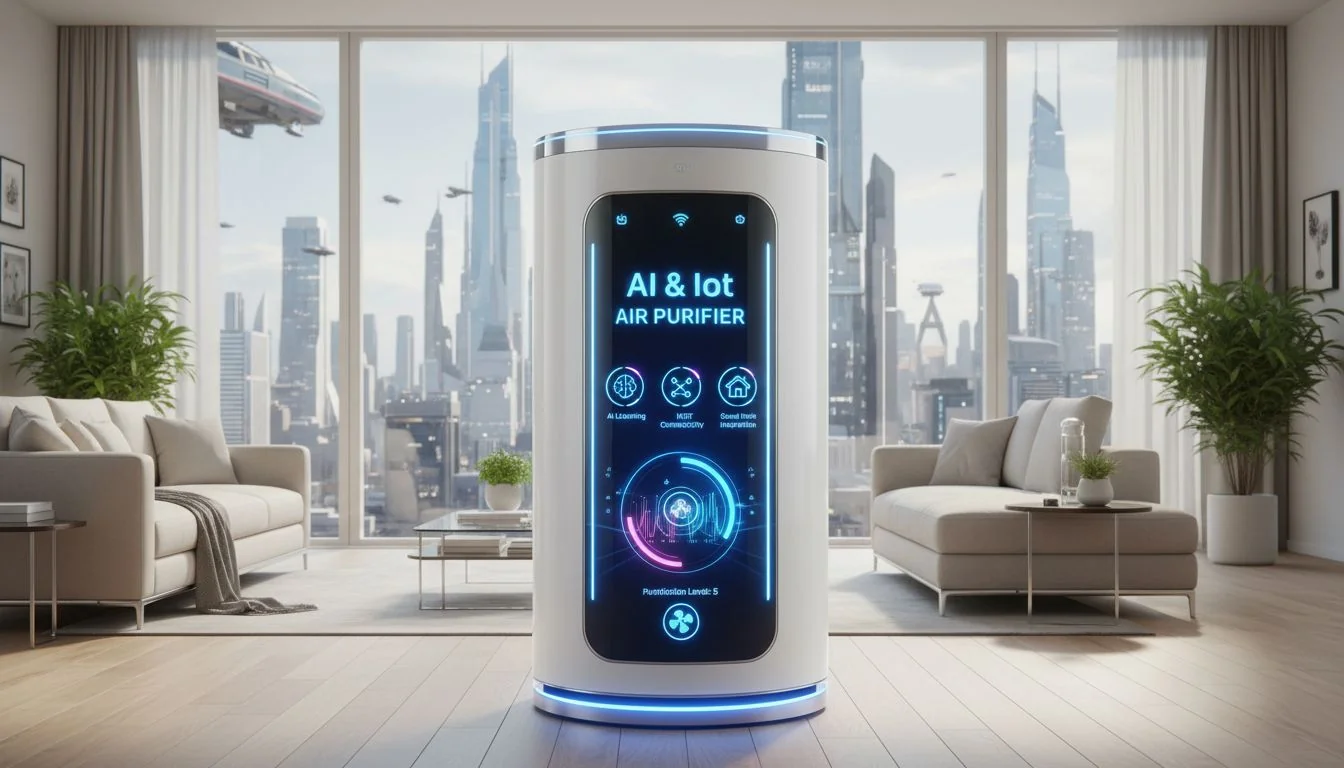
Designing a sleek plastic shell is not enough anymore. Clients demand smarts. If your air purifier is just a fan in a box, you are losing market share fast.
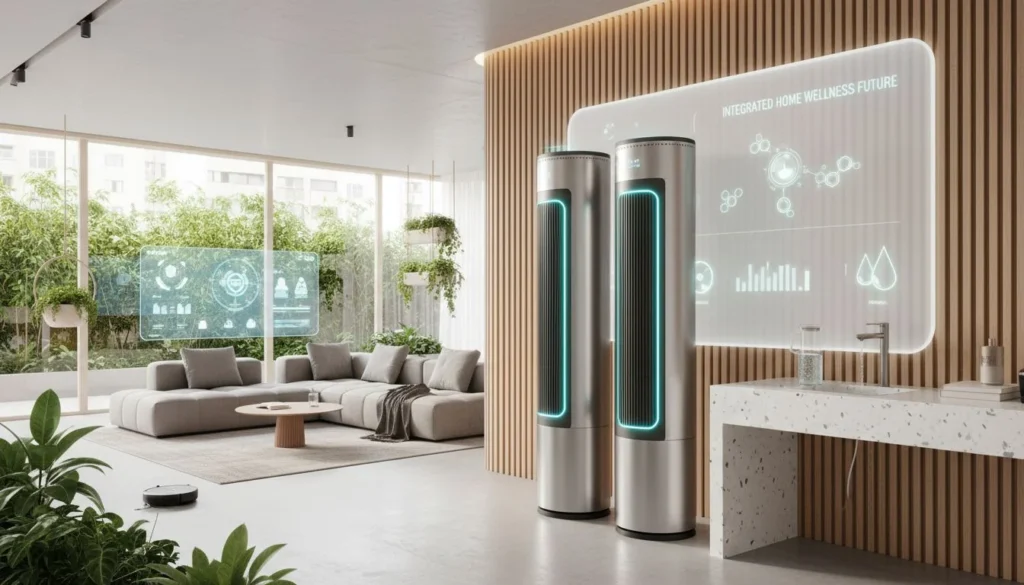
AI and IoT transform air purifiers from passive appliances into proactive health managers. By integrating predictive sensors1 and Matter-ready connectivity, designers can create "set and forget" solutions that optimize energy use and provide real-time air quality data to users.
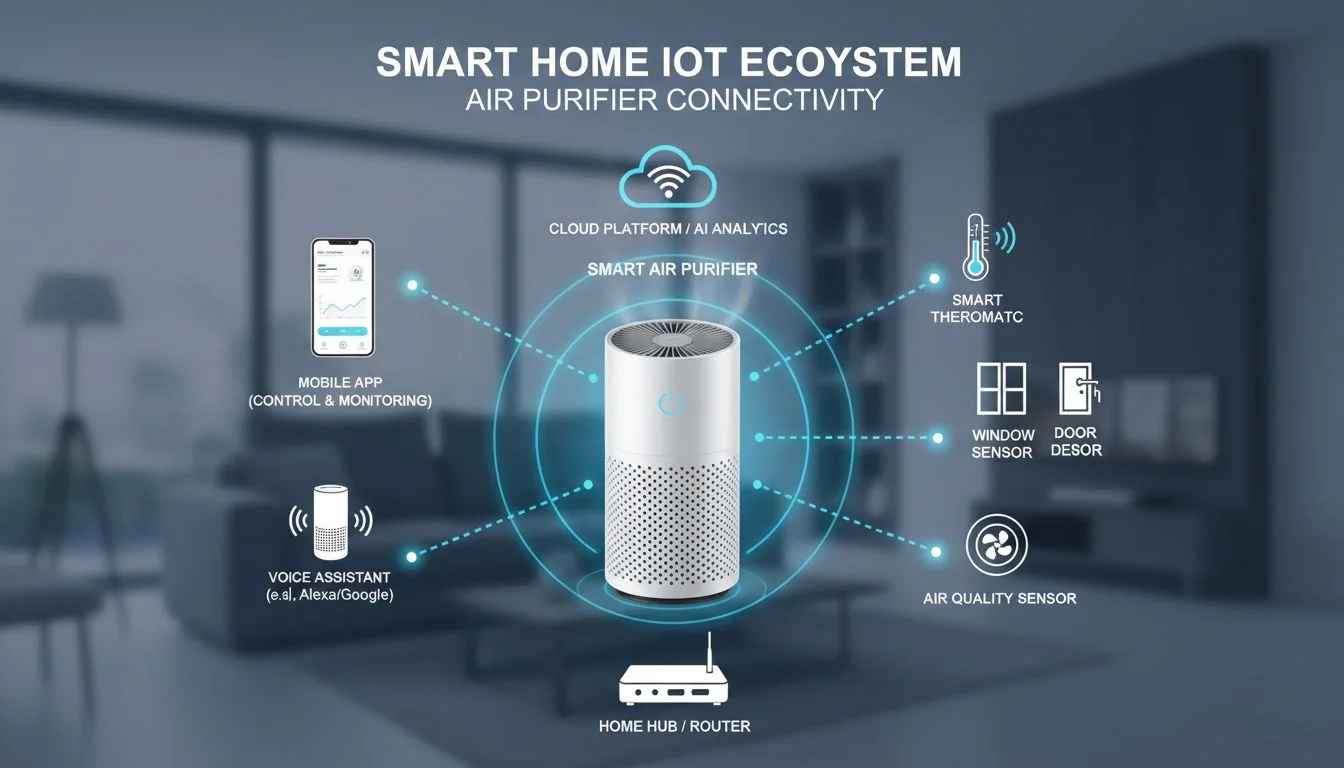
Let's look at how this technology changes the game for us as manufacturers and designers.
Smart air purifiers are expected to grow at a CAGR of 12% through 2030.True
Market research indicates a strong shift toward connected home health devices.
Adding Wi-Fi to a device automatically makes it AI-powered.False
Wi-Fi provides connectivity, but AI requires algorithms to process data and make autonomous decisions.
Introduction: Why "Smart" Is No Longer Enough?
You used to just add a timer and call it a day. Now, consumers demand devices that think for themselves. They want solutions, not more chores.
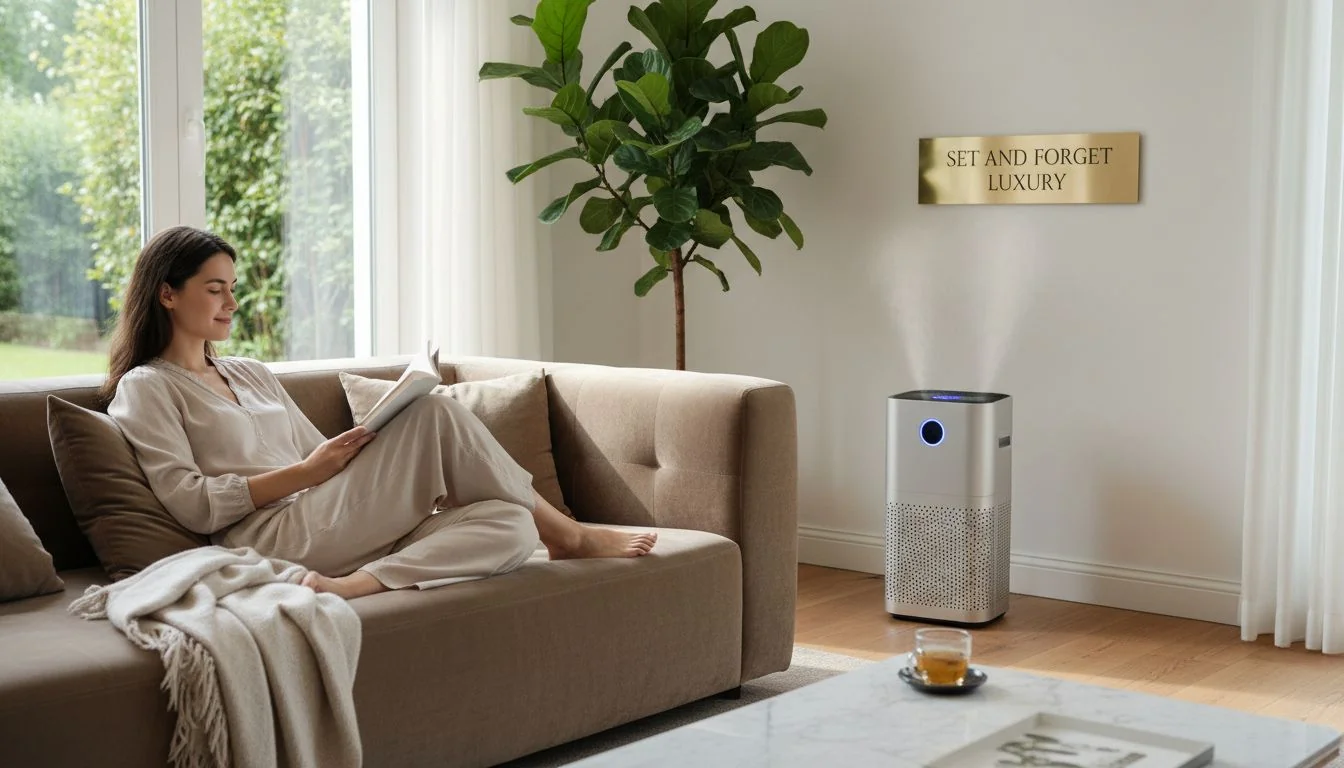
The definition of "smart" has changed. It now means autonomous. Users do not want to control their device; they want freedom from control. The ultimate luxury in modern appliance design is a machine that manages the environment perfectly without human intervention.
The Shift to Zero-Effort Solutions
In my years in the mold industry, I have seen trends come and go. But this shift is different. We are moving from "connected" to "intelligent." A few years ago, having an app was the selling point. Today, if the user has to open the app to change the fan speed, the product has failed. Premium consumers are busy. They do not want to micromanage their appliances.
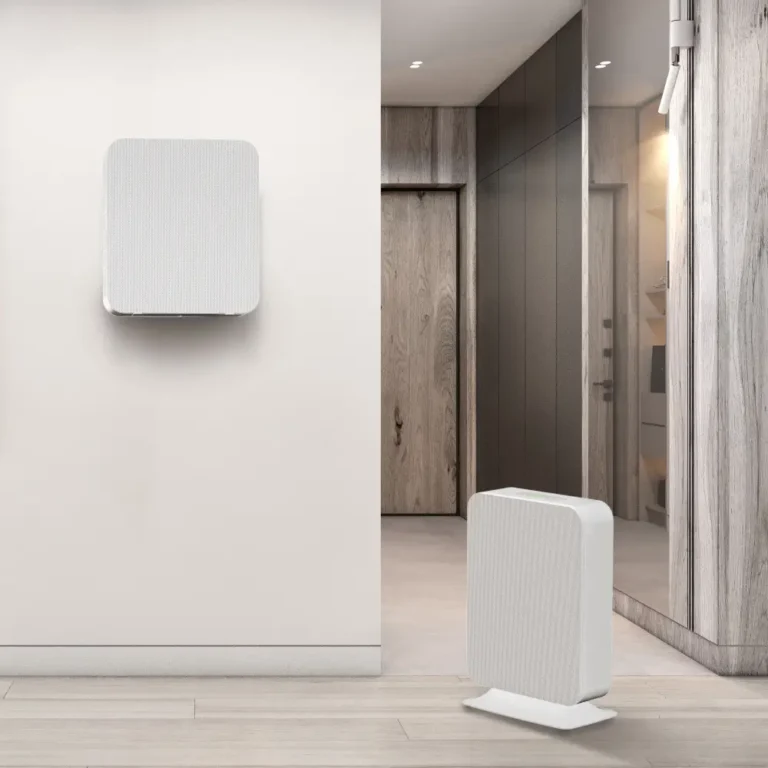
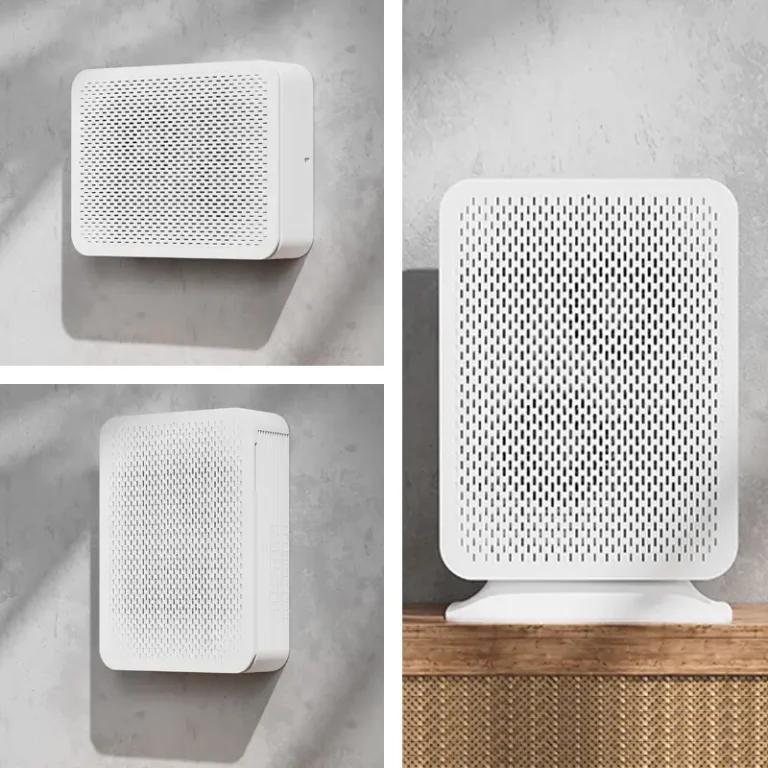
We need to pitch AI-driven units as "The Zero-Effort Solution." The goal is to create perfect air without the user ever lifting a finger. As designers, this changes how we approach the physical interface. Maybe we don't need big buttons on the plastic housing anymore. Maybe the design should be cleaner, more minimalist, relying on the internal logic of the PCBA (Printed Circuit Board Assembly).
When we design the mold for the housing, we must consider that the value is no longer just in the aesthetic curve of the plastic. The value is in the "brain" inside.
| Feature | Old "Smart" | New AI-Driven |
|---|---|---|
| Control | App Remote Control | autonomous adjustment2 |
| User Action | Manual Scheduling | "Set and Forget" |
| Value Prop | Connectivity | Freedom from Control |
Consumers prefer devices with more physical buttons.False
Current design trends favor minimalism and automation, reducing the need for physical interfaces.
Autonomous operation is considered a premium luxury feature.True
High-end consumers value time savings and convenience over manual control capabilities.
The AI Revolution: From Reactive Sensing to Predictive Cleaning?
Old sensors waited for smoke to start the fan. That is too slow. Real luxury is fixing the air before it gets bad.
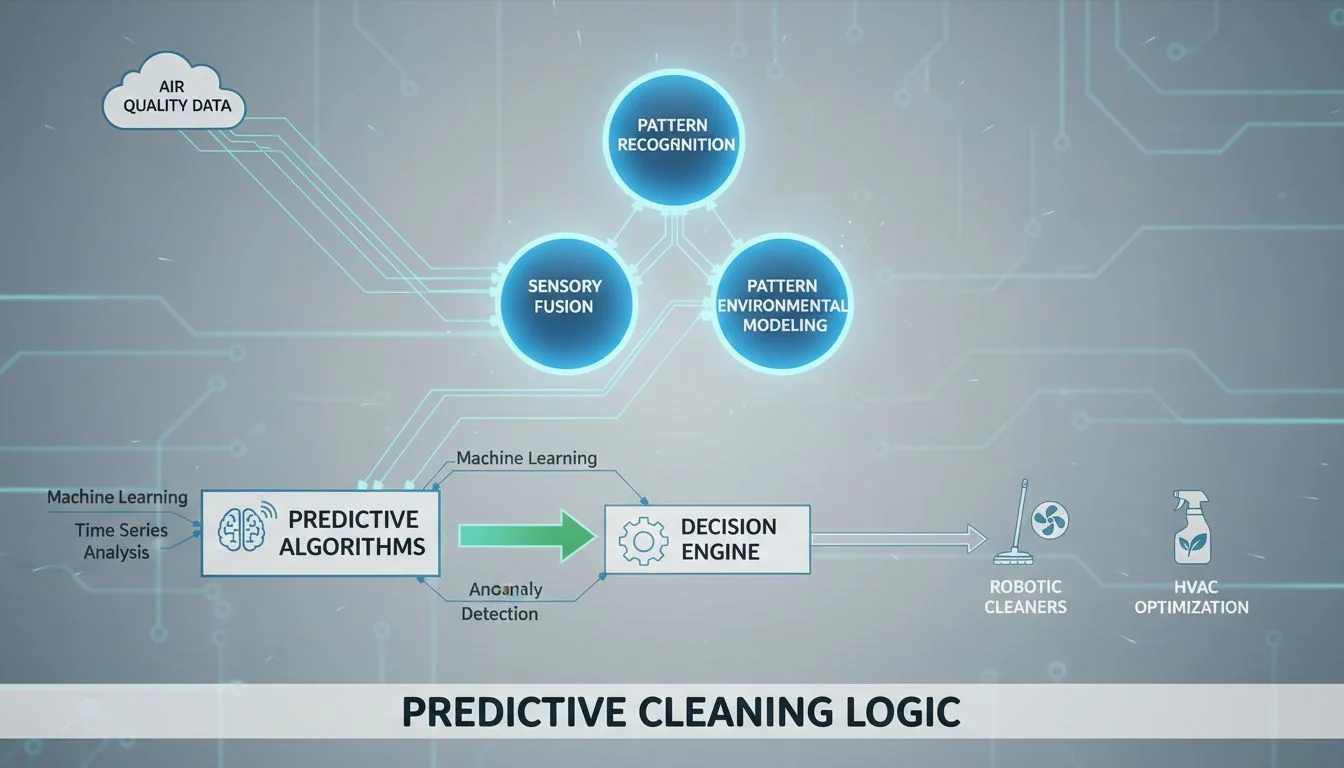
AI shifts functionality from reactive to predictive. By analyzing historical data and environmental patterns, the device adjusts fan speeds preemptively. This ensures consistent air quality and extends filter life by avoiding unnecessary high-power bursts.
Understanding the "Brain" Inside the Mold
As a mold enthusiast, I used to focus only on the tooling. But to help my clients grow, I had to understand what goes inside the mold. The difference between a cheap unit and a premium one is often the firmware.
Reactive sensing is the old way. A sensor detects dust, and the fan spins up. predictive cleaning3 is the new way. The AI learns that every day at 6:00 PM, you cook dinner. So, at 5:50 PM, it quietly ramps up air circulation. It catches the odors before they spread.
The Role of Full-Stack Partners
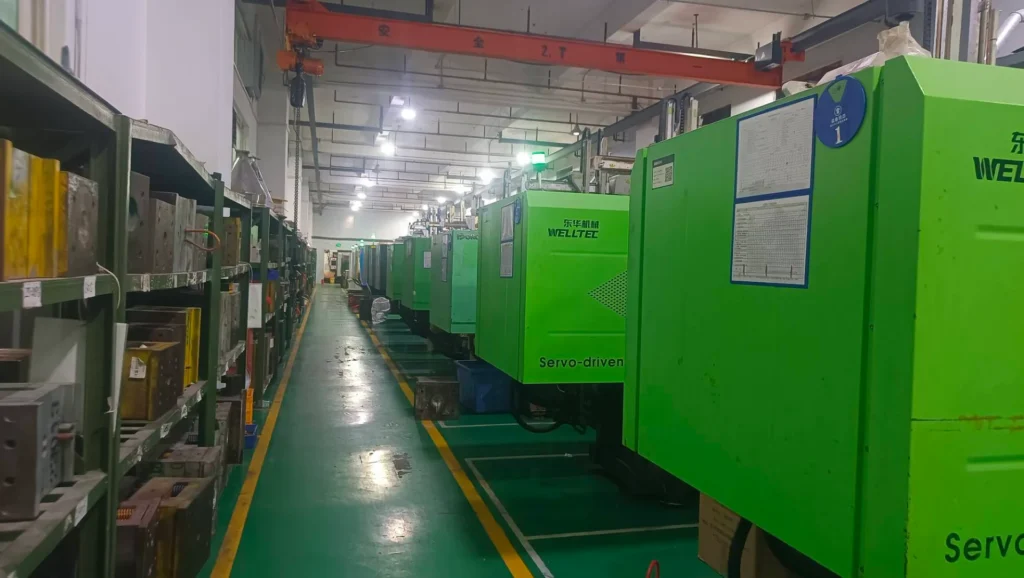
This sounds complex, right? You might be thinking, "I design plastic parts, I don't write code." This is where partners like Hisoair come in. They position themselves as a "Full-Stack Manufacturer." They don't just sell the plastic molds; they provide the PCBA, the firmware, and the cloud connectivity.
For a designer like Jacky, this is a relief. You can focus on the airflow dynamics and the exterior look. You don't need to hire a software team. You rely on a partner who handles the complex coding. This collaboration allows traditional manufacturing companies to compete with tech giants.
Predictive cleaning can extend HEPA filter life by 20%.True
By avoiding sudden high-speed bursts and optimizing airflow, filters degrade slower.
Designers must write the firmware code themselves.False
Designers can partner with full-stack manufacturers who provide the necessary software and hardware integration.
The IoT Ecosystem: Matter, Voice, and Whole-Home Integration?
Proprietary apps are dead. If your device doesn't talk to Apple Home or Google, it is obsolete before it hits the shelf.
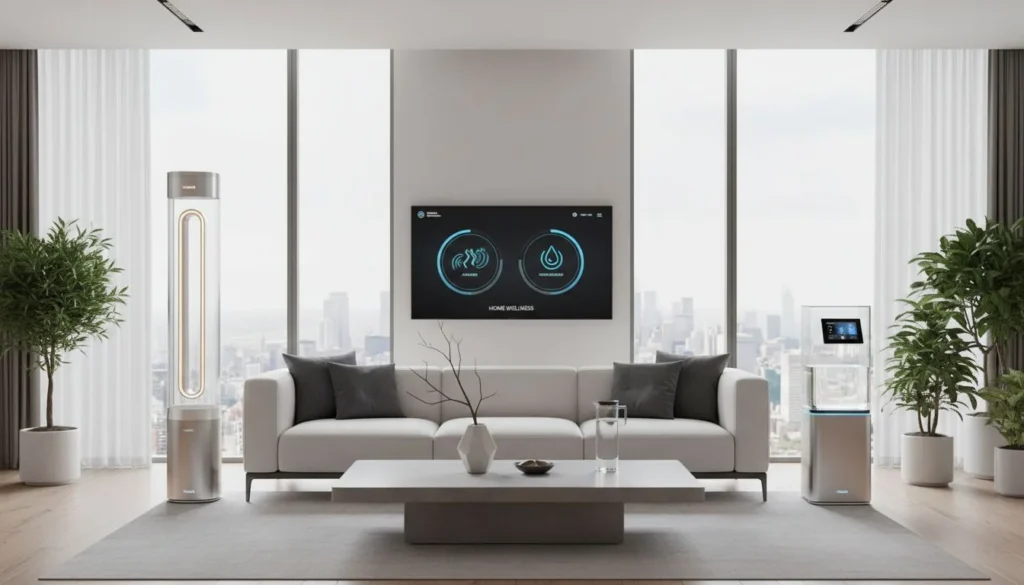
The "Matter" protocol is the new standard for future-proofing devices. It ensures universal compatibility across different smart home ecosystems4. For designers and manufacturers, building "Matter Ready" products guarantees longevity and appeals to B2B buyers looking for stable, long-term investments.
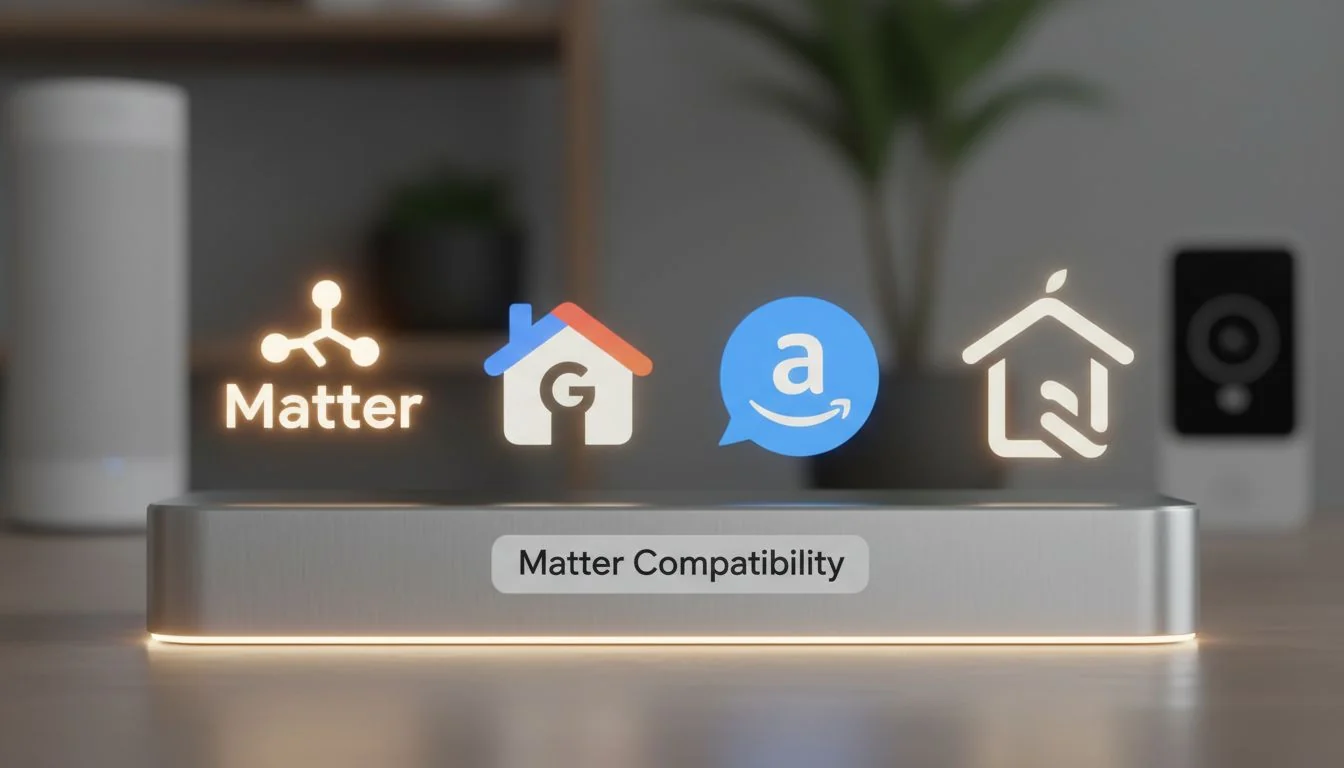
Why "Matter" is the Future-Proof Hook
I cannot stress this enough to my clients. If you can claim "Matter Ready" or "Universal Compatibility," you instantly look more advanced than 90% of competitors. Many brands are stuck in proprietary app silos. They want you to use their specific app for their specific fan. Users hate this.
"Matter" solves this headache. It allows the air purifier to talk to the smart thermostat and the robot vacuum, regardless of the brand.
Implications for Design and Sales
From a business perspective, this is huge for B2B buyers. If you are selling to a hotel chain or a property developer, they want assurance that your product won't be obsolete in two years. Matter provides that safety.
For us as designers, this means we need to accommodate specific hardware components, like antennas and Wi-Fi modules, within our mold designs. We need to ensure the plastic housing doesn't block signals. We need to work closely with the PCBA layout. It turns the air purifier from a standalone appliance into a node in a larger network.
- Universal Language: Works with Alexa, Siri, and Google Assistant.
- Longevity: The standard is backed by major tech giants.
- User Trust: Users feel safer buying a device that isn't locked into one ecosystem.
Matter is a proprietary protocol owned by Apple.False
Matter is an open-source standard developed by the Connectivity Standards Alliance (CSA).
Matter compatibility increases the resale value of smart devices.True
Interoperability makes the device useful to a wider range of future users.
Energy & Efficiency: How AI Pays for Itself?
Energy costs are rising. A dumb fan running all day wastes money. Smart fleets save thousands for businesses.
AI-driven energy efficiency5 is a major selling point for B2B clients like schools and offices. Smart fleets detect occupancy and reduce power when rooms are empty. This capability turns the appliance into a cost-saving asset rather than just an operational expense.
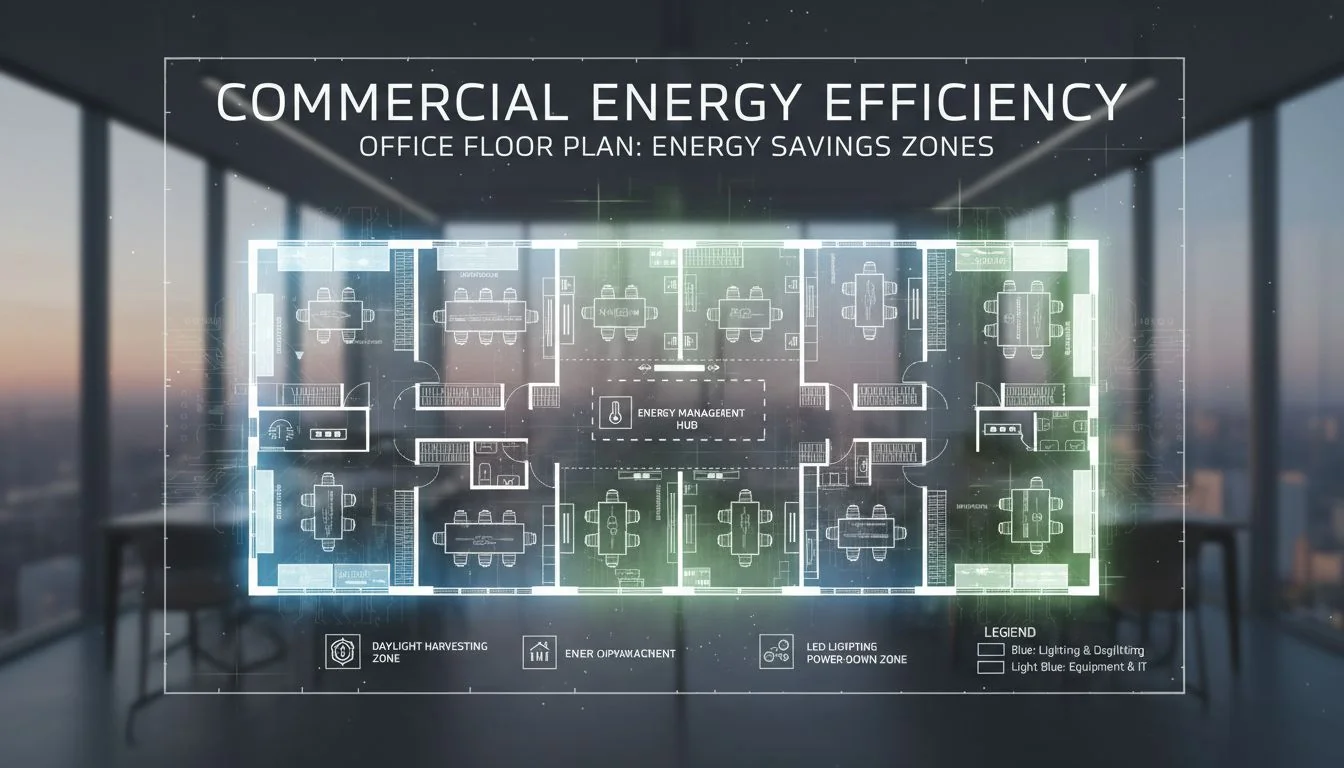
The Commercial Energy Angle
When I talk to factory owners or office managers, they care about the bottom line. This is where the "AI Energy Efficiency" point becomes a massive financial winner.
Imagine an office building with 50 air purifiers. If they run at medium speed all night when no one is there, that is a lot of wasted electricity. An AI-driven system knows when the office is empty. It turns the fleet down to a whisper or standby mode.
ROI for B2B Clients
This is how you sell premium units. You aren't just selling clean air; you are selling a return on investment (ROI). The device pays for itself over time through electricity savings.
As designers, we need to ensure the sensors that detect occupancy (like PIR sensors or radar) are positioned correctly in the mold. They need a clear line of sight. If we hide them behind thick plastic for aesthetics, we kill the efficiency feature. Form must follow function here.
| Scenario | Standard Purifier | AI-Driven Fleet |
|---|---|---|
| Empty Office | Runs on set timer | Low Power / Standby |
| Meeting Room | Constant Speed | Boosts based on CO2/People |
| Annual Cost | High | Optimized (Low) |
Smart fleets can reduce energy consumption by up to 40% in commercial settings.True
Occupancy detection and demand-based operation significantly cut waste.
Energy efficiency is only a concern for residential buyers.False
Commercial clients with large fleets prioritize efficiency to reduce operational overhead.
Data as Value: Visualizing Health for the User?
Hardware is a one-time sale. The app is a daily relationship. You need to give users a reason to look at their phone.
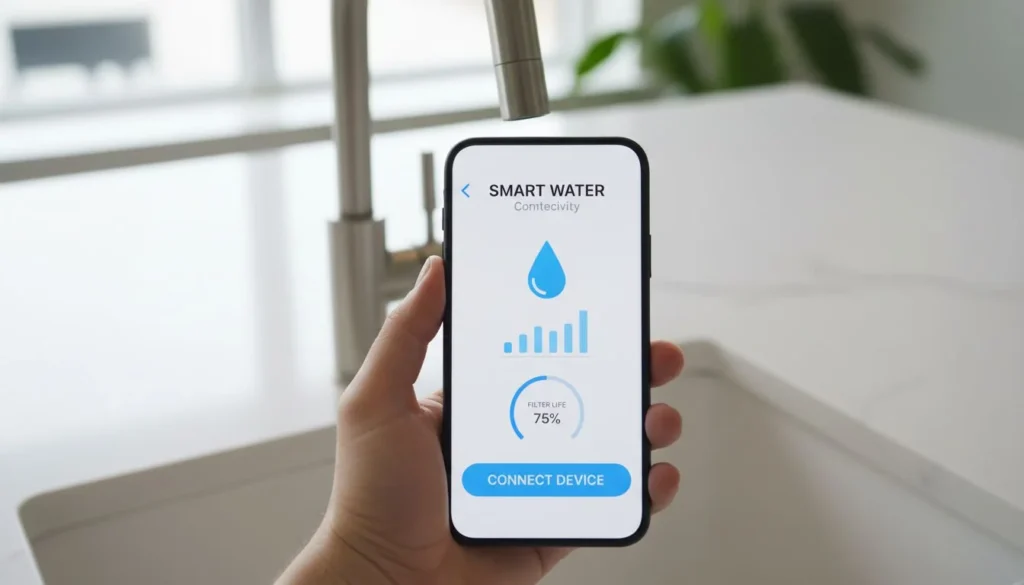
data visualization6 is the key to customer retention in D2C markets. By displaying an "Air Quality Score," you engage the user daily. This turns a simple hardware purchase into an ongoing digital interaction, building brand loyalty through visible health metrics.
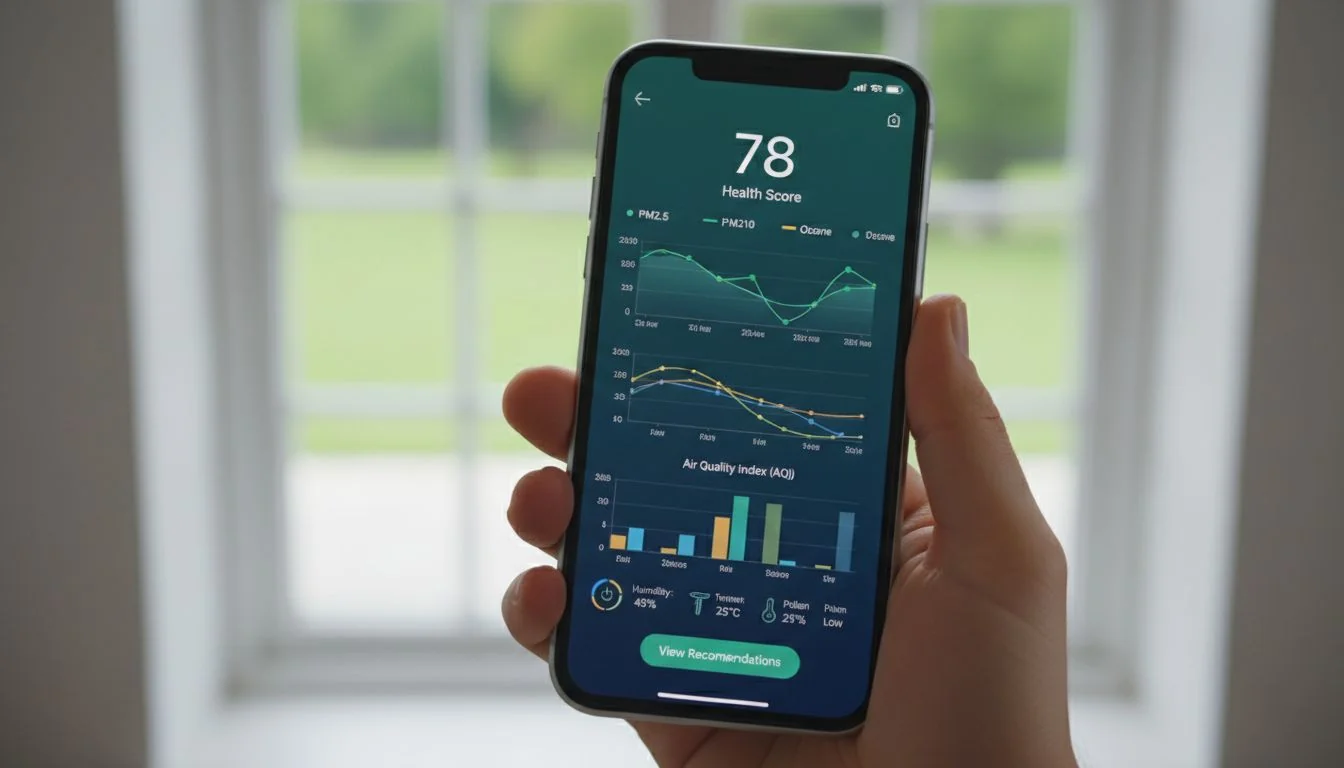
Turning Hardware into Content
For a Direct-to-Consumer (D2C) brand, the App is the sticky part. I have seen great molds fail because the user experience ended when they unboxed the product.
If the user checks the app to see their "air quality score7," they are engaging with the brand. AI provides the content for this engagement. It tracks trends. It tells the user, "Your air quality improved by 20% this week."
Visualizing the Invisible
Air quality is invisible. That is a marketing problem. You can't see the product working. Data visualization solves this. It makes the invisible visible.
When we design the product, we are facilitating this data collection. The sensors we integrate are the eyes of the system. The PCBA is the brain. The app is the voice.
- Daily Engagement: Users check scores like they check the weather.
- Trust Building: Graphs prove the device is working.
- Filter Sales: The app reminds users to buy replacements based on actual usage data, not just time.
Visualizing data increases user trust in the product.True
Seeing real-time metrics confirms the device's effectiveness to the user.
Users rarely check companion apps for appliances.False
When apps provide valuable, changing data like health scores, engagement rates increase significantly.
Conclusion: Build a Tech Company, Not Just an Appliance Brand?
We are not just molding plastic anymore. We are housing intelligence. You need a partner who understands the full stack.
To succeed today, brands must offer a complete package: hardware, firmware, and cloud connectivity. Partnering with a "Full-Stack Manufacturer" allows you to focus on brand building while experts handle the complex coding and circuit board integration.
The Hisoair Advantage
You aren't just selling plastic molds. You are selling the PCBA, Firmware, and Cloud Connectivity. This is the "Full-Stack" approach.
In my experience, the companies that win are the ones that bridge the gap between hardware and software. They don't treat the electronics as an afterthought. They design the mold around the tech.
If you try to do everything yourself—design the mold, source the fans, write the code, build the server—you will burn out. Position yourself with partners who handle the heavy lifting. Let Hisoair handle the coding and the circuit boards. You focus on the design and the customer. That is how you master molding right in the digital age.
Full-stack manufacturing reduces time-to-market.True
Integrated development of hardware and software eliminates compatibility delays.
Hardware is the only thing that matters in product design.False
In the IoT era, software and connectivity are equally critical to product success.
Conclusion
AI and IoT have changed our industry. By embracing "Matter," predictive cleaning, and data visualization, we create value beyond the plastic. Partner with full-stack experts to deliver true smart solutions.
References
-
Understanding predictive sensors can enhance your knowledge of how air purifiers optimize air quality. ↩
-
Explore how autonomous adjustment features improve user convenience and appliance efficiency. ↩
-
Discover how predictive cleaning technology enhances air quality management and user satisfaction. ↩
-
Understanding smart home ecosystems can help you design products that integrate seamlessly with existing technologies. ↩
-
Learn how AI-driven energy efficiency can save costs and improve performance in air purification. ↩
-
Data visualization is key to user engagement; find out how it enhances the user experience with air purifiers. ↩
-
An air quality score provides insights into air quality; learn how it can influence user behavior and trust. ↩

 English
  Français
  Español
  Italiano
  Deutsch
  Português
  Русский
  العربية
  日本語
日本語  한국어
한국어  Tiếng Việt

