
Having a hard time choosing the right air purifier brands for your business or your home? Check out our honest review of the best HEPA air purifier manufacturers.
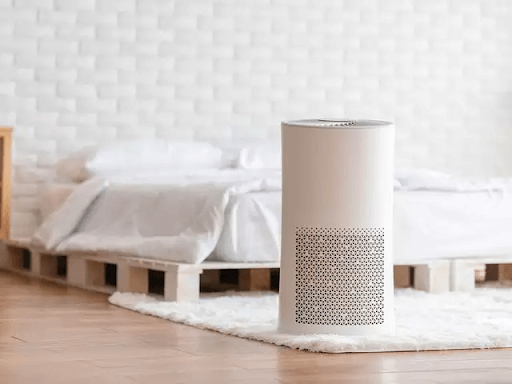
Most people now spend more time indoors. Not that it’s a bad idea, but if one person takes 20,000 breaths per day, and you’re all cramped up in a little space, then that may result in air quality issues.
You see, there’s a good reason you would want good ventilation. As an engineer, this I know - bad air quality induces sickness, increases molds, and, overall, reduces your everyday productivity.
Can air purifiers protect you from the Coronavirus? Not directly. But a True HEPA filter running for a long time can filter a big chunk of viruses up to 99.97%. Moreover, air purifiers with UV light can disable COVID-19 viruses. Overall, an air purifier promotes a safer indoor environment.
And that’s why investing in a great air purifier should be everyone’s concern, especially if everyone’s working from home.
So what’s an ideal Air Purifier Brand to buy?
An ideal air purifier should provide a great air purification system. This means providing clean, fresh, and filtered air. An excellent air purifier removes dust, pet dander, smoke, compounds and even allergens and bacteria. Plus, it should be reasonably quiet so you can sleep peacefully at night. To top it all off, price should be affordable.
But not all brands meet these standards.
After years of experience in designing and manufacturing air purifiers, we know what’s good and what’s not. Today, we give you the best air purifier brands for 2021, reviewed, tried and tested for your convenience.
12 Best Air Purifier Brands You Should Look At
-
IQAir - Best Medical-Grade Air Purifier Brand
-
Rabbit Air - Sleek & Effective Air Purifier Brand
-
Winix - Unique Air Cleaner Technology
-
Blueair - Authentic, World-Class Air Purifier Brand
-
Honeywell - Brand Known for Powerful Air Purifier Fan
-
Alen Air - Trusted Air Purifier Brand
-
Austin Air - Medical-Quality Air Purifier Brand
-
Hamilton Beach - Cheapest Air Purifier Brand
-
Levoit - Popular Air Purifier Brand
-
Allerair - Best Carbon Filter Air Purifier Brand
-
Dyson - Dynamic & Innovative Air Purifier Brand
-
GermGuardian - Best Seller Air Purifier Brand
Review of the 12 ‘All-Time-Best’ Air Purifier Brands
1. IQAir
Best Medical-Grade Air Purifier Brand
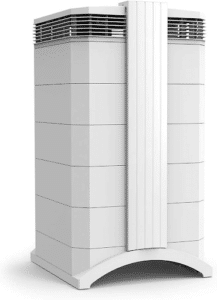
If you’re looking for medical-grade, high-class air purifiers for hospitals and healthcare settings, IQAir is the most ideal choice. A Swiss-based manufacturer, IQAir is a company producing air purifiers used in isolation areas for limiting the spread of COVID-19.
IQAir designs its machines to work in high risk medical environments. These include areas with high amounts of ultrafine pathogens and other airborne particles.
It has an amazing HyperHEPA technology designed to filter out up to 0.003 microns, which is beyond the filtering capacity of other HEPA filter purifiers. This also means that the IQAir brands are expensive, yet highly powerful and effective at maintaining pathogen-free air.
What’s even more interesting is that their HealthPro product has the ability to save on energy. It only operates at 27 watts for its lowest speed delivering 300 CFM. This means it will only cost you a little to run the air purifier per day! Add to that, IQAir machines are designed specifically for sound dampening, these models operate at extremely low volume levels.
IQAir also has a variety of products such as car purifiers, desktop air purifiers and industrial air purifiers. Brands include the GC MultiGas, Atem Desk and Atem Car. These are all top-notch, high-end products which may be a little pricey in terms of upfront cost, but gives a lot of benefits and low maintenance cost.
[fl_builder_insert_layout id=3805]
2. Rabbit Air
Sleek & Effective Air Purifier Brand
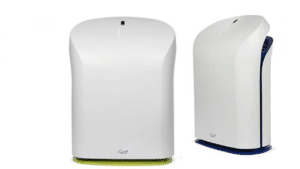
If you’re looking for a reliable air purifier brand in the midrange price, Rabbit Air is a great choice. Rabbit Air air purifier models come with smart, minimalist and sleek designs which outperforms many of its competitors in the midrange level.
Rabbit Air’s most popular products include the MinusA2 and BioGS 2.0. These come with a 4-stage air purification system, combining HEPA filters and carbon filtration. They operate in an awesomely quiet manner and are suitable for large area ventilation.
Unlike the IQAir brand, Rabbit Air is a popular brand for household use and the consumer-level market. It may not be as budget-priced as its Winix or Levoit competitors, but it has a larger area coverage and is packed with premium features.
Overall, we highly recommend Rabbit Air purifiers for its performance at a reasonable cost. Plus, the company offers a 5 years warranty for their air cleaners.
[fl_builder_insert_layout id=3805]
3. Winix
Unique Air Cleaner Technology

Winix air purifiers are an equally affordable product range like the Levoit. The company manufactures several home air purifier brands and office-use product lines. The Winix brand is a highly sought product for those who want a good quality air purifier offered under $200.
For what it's worth, you get to benefit from its patented Plasmawave technology, Wi-Fi capability, powerful motor, True HEPA filter, and rudimentary app.
Plasmawave Technology is a special innovation of the company to effectively remove air pollutants, as well as return air moisture. Unlike other air purifier technologies which have ionizers that only produce negative ions, the Plasmawave technology produces both negative and positive ions.
Where the negative ions only gather contaminants together and are weighed down in the area, the addition of the positive, + hydrogen (H+) ion reduces the concentration of pollutants and increases the air moisture.
However, Winix air purifiers may emit a little sound of about 40 decibels, which is still quieter than your refrigerator. Another thing you may consider as a deal breaker is Winix’ air cleaner equipment has higher energy consumption than other brands.
[fl_builder_insert_layout id=3805]
4. Blueair
Authentic, World-Class Air Purifier Brand

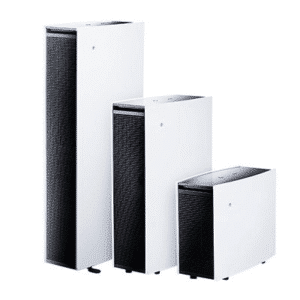
Blueair is one of the classic air purifier brands popular in the consumer-level market. The company has been a leader in the air purifier manufacturing industry for over 20 years.
Blueair offers a wide variety of products from small to large units at a value-cost. All of which, from its 211 model to its Pro XL, delivers high quality air purification and filtration.
Unlike other brands, Blueair’s HepaSilent filtration technology combines electrostatic and mechanical air filtration. This arrangement allows the use of less dense HEPA filters, lowering air pressure requirement per pass while maintaining high performance. This makes its machines more efficient and allows quieter operation.
Blueair devices also use a three-part filtration process with an activated carbon filter. Its HEPA filter can remove 99.97% of pollutants such as pollen, dust, mold and pet dander and allergens. Moreover, Blueair machines are WI-FI enabled which you can operate with your smartphone.
Another huge plus is its high ACH (air exchanges per hour) rating, which indicates that it's a powerful air purifier. Simply put, the ACH tells you how often the air purifier filters the room/area in one hour. The higher this rating, the better. Hence, if you have allergies or asthma, you would want to choose an air purifier with a high ACH such as Blueair’s.
[fl_builder_insert_layout id=3805]
5. Honeywell
Brand Known for Powerful Air Purifier Fan

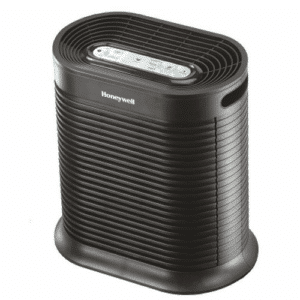
From air purifiers to PPE, Honeywell is a global company producing a wide variety of consumer, commercial, industrial safety and engineering products. Honeywell carries a lot of trusted brands but in this post, we will only discuss its air purifiers.
In a nutshell, Honeywell air purifiers are high quality but will not cost you a lot. It is marketed mostly for a low-range to a mid-range price point. The company uses True HEPA filters for their air purifiers, which they have improved over succeeding models.
Honeywell manufactures a variety of air purifier models to fit small to large rooms. However, some reviews have pointed out the lack of innovation between their AirGenius 3 HFD300, AirGenius 4 HFD310 and AirGenius 5 HFD320. The good side is, the company makes powerful equipment parts for their air purifiers.
For example, most of its models have strong fan speeds which indicate high CADR (Clean Air Delivery Rate) rating. Simply put, the CADR determines how fast the machine can filter the air from dusts and particles.
The downside however, is it produces audible sounds at its highest setting. This makes it a bad idea if you want to place the Honeywell air purifier in your bedroom.
[fl_builder_insert_layout id=3805]
6. Alen Air
Trusted Air Purifier Brand

If you want to invest in a top-notch air purifier that lasts its lifetime, consider this brand. Alen Air is one of the best air purifier brands and one of the most reliable manufacturers of HEPA filter air purifiers. The company offers not just top quality, but also a mid-range price you can afford, plus a lifetime warranty.
Alen Air is a Texas-based company providing air purifier products for businesses, schools and homes. They have several product lines such as the BreathSmart 75i, BreathSmart 45i, BreathSmart FLEX, BreathSmart Classic and many more.
They also offer a variety of HEPA type replacement filters such as their HEPA Pure, HEPA Fresh, HEPA Silver and HEPA OdorCell. You can find unique benefits for each type of filter.
For example, their HEPA-Silver specifically addresses allergies, asthma and an added protection from bacteria. On the other hand, if you want a lower end HEPA filter, you can choose the HEPA-Pure.
Allenair air purifiers are best for its quiet operation, high performance capabilities, smart design and wide variety of products.
[fl_builder_insert_layout id=3805]
7. Austin Air
Medical-Quality Air Purifier Brand

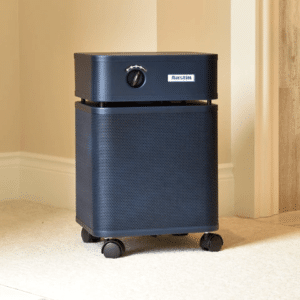
Austin Air is one of the reliable air purifier brands among millions of users. Outperforming over a hundred air purifiers in a government test, Austin Air’s equipment have been majorly distributed in healthcare facilities in response to the COVID-19 outbreak.
The company’s line of air cleaners and medical-grade equipment are used in schools, businesses and hospitals around the US. They also have a line of household air purifiers. Austin Air’s direct competitor for medical-grade air purifiers is the IQAir. The products from these brands are sold in the high-budget price range.
Overall, Austin Air is one of the best sources of air purifiers if you want to heavily invest in a high performance equipment that lasts its lifetime.
Austin Air HealthMate, the company’s flagship equipment, is clinically proven and a medical-grade air purifier. Its HEPA technology removes over 95% of airborne contaminants. This includes bacteria, dust, allergens and dander up to 0.1 microns diameter.
Plus, it has a 780 cubic inches of Zeolite and Activated Carbon that can effectively remove gases, odors and chemicals.
[fl_builder_insert_layout id=3805]
8. Hamilton Beach
Cheapest Air Purifier Brand
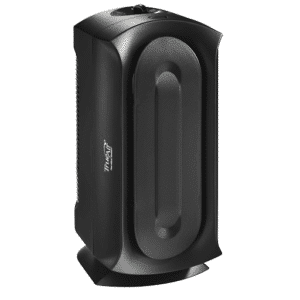
Hamilton Beach is an American brand of many home appliances and commercial equipment largely known in the US, Canada and Mexico. But here, we will particularly review its air purifier product.
Hamilton Beach air purifiers are targeted for the low-end market thereby increasing its popularity over American households. The price range for most Hamilton Beach Air Purifiers are $60 to $65.
At this price point, you can only expect the basic features of an air purifier from this brand. For example, it has a HEPA filter which can only filter a minimum of 3 microns of airborne particles and dirt. It’s also equipped with a Zeolit filter which can filter out the odor of your space.
If you have a room of up to 160 square foot, you can choose this product to save on costs. Moreover, if you have pets, this is a great air purifier according to a lot of pet owners.
[fl_builder_insert_layout id=3805]
9. Levoit
Best-Selling Air Purifier Brand

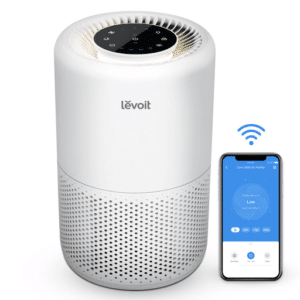
Levoit air purifiers is widely known for its low cost price range and sleek design. With over 30,000 reviews and 4.7 stars on Amazon, Levoit is a highly sought product among homeowners. Products are only in the price range of $200.
Compact and smart, the Levoit air purifier has some of the most amazing features for its fair price. The machine is equipped with an H13 True HEPA Filter with a High-Performance Activated Carbon Filter. It’s easy to control with its WIFI-enabled device and a smart, intuitive app for monitoring the machine. Levoit’s air cleaner also operates in a quiet mode so you can place it in your bedrooms.
Levoit is a company located in California, having a global reach of brands such as in China, Japan and Germany. The company also sells humidifiers and other smart electronic products.
[fl_builder_insert_layout id=3805]
10. Allerair
Best Carbon Filter Air Purifier Brand

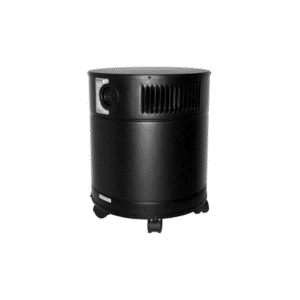
Allerair is a company that manufactures air purifiers with activated carbon filters for large spaces and high volume room capacities. If you’re looking for home air purifiers, you can still look at their AirMed series suitable for small areas or individual rooms.
This air purifier brand produces high performance products that feature UV lights, carbon filters and, best of all, medical-grade, clinically proven HEPA carbon filters. The high price point of their products is highly reasonable for the high quality parts and superior air filtration system they offer.
[fl_builder_insert_layout id=3805]
11. Dyson
Dynamic & Innovative Air Purifier Brand
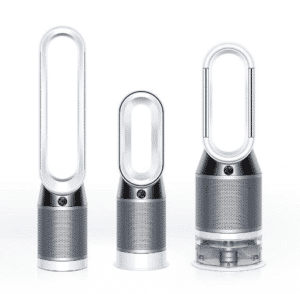
Dyson is a UK-based company that came into popularity with its vacuum cleaners and related technologies. Theirs is entirely a game-changer in the market for its high performance cooling fans in their air purifiers. As a result, Dyson’s air purifiers deliver great fan power with a top-notch air filtration system.
Some of its popular products include the Pure Cool Link and Pure Hot+Cool with high-class heating and cooling technologies.
Given how intricate Dyson’s air purifiers are designed, you can expect a higher price point for each set. Overall, you can rely on its sleek performance, convenient operation system, robust fan makeup and advanced cooling system.
[fl_builder_insert_layout id=3805]
12. GermGuardian
Best Seller Air Purifier Brand
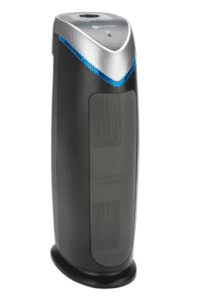
Last, but definitely not the least is the Guardian Technologies Air Purifier brand. The company markets the product under the GermGuardian name.
[fl_builder_insert_layout id=3805]
Like Levoit, Guardian Technologies markets their product at a low price point but still maintains high quality air purifiers. This makes it one of the Top Amazon Best Seller Air Purifiers as many users find it worth it. Products offered vary from air cleaners to UV air sanitizers to humidifiers.
Wrapping Up
The “new normal” way of living has changed. We now spend more time indoors, which means we constantly need clean air circulated in our home. To achieve the proper indoor air quality, choose the right HEPA filter air purifiers. We’ve listed over 12 of the best air purifier brands in this article.
If you’re looking for a leading air purifier supplier in China, have a look at HisoAir’s products. Our company has over 15 years OEM/ODM experience in the production of HEPA filter, clinically-proven air purifiers. We cater to hospitals, businesses, factories, offices and industrial areas. For wholesale, customization and OEM service, please contact us to request a quotation.

 English
  Français
  Español
  Italiano
  Deutsch
  Português
  Русский
  العربية
  日本語
日本語  한국어
한국어  Tiếng Việt
