
يفتح في علامة تبويب جديدة
حلول مبتكرة لجودة الهواء
شعار هيسو-أير-لوجو
استفسر الآن

الأخبار

أجهزة تنقية الهواء من إل جي (8)

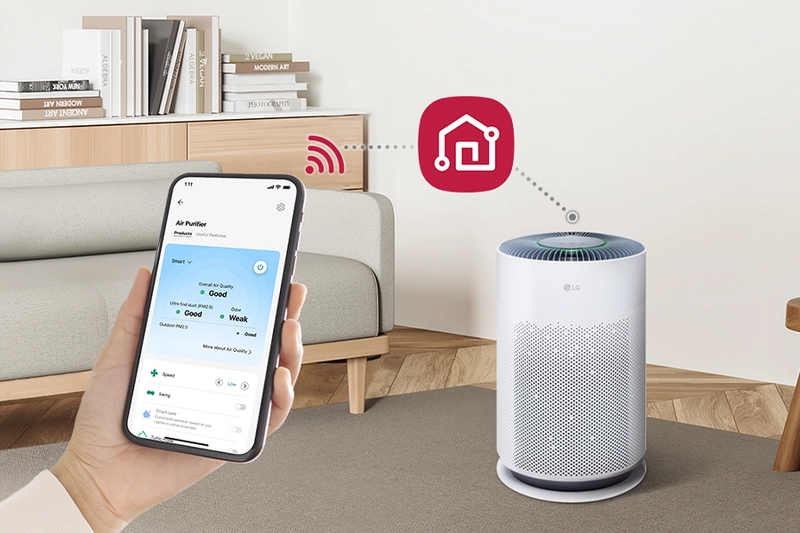
أين يتم تصنيع أجهزة تنقية الهواء من LG؟

يستكشف هذا المنشور على المدونة أصول تصنيع أجهزة تنقية الهواء من إل جي، ويسلط الضوء على أنه في حين أن معظم الموديلات المتميزة يتم إنتاجها في كوريا الجنوبية، فإن الخيارات الفعالة من حيث التكلفة ...
الأخبار
جهاز تنقية الهواء من سامسونج (3)

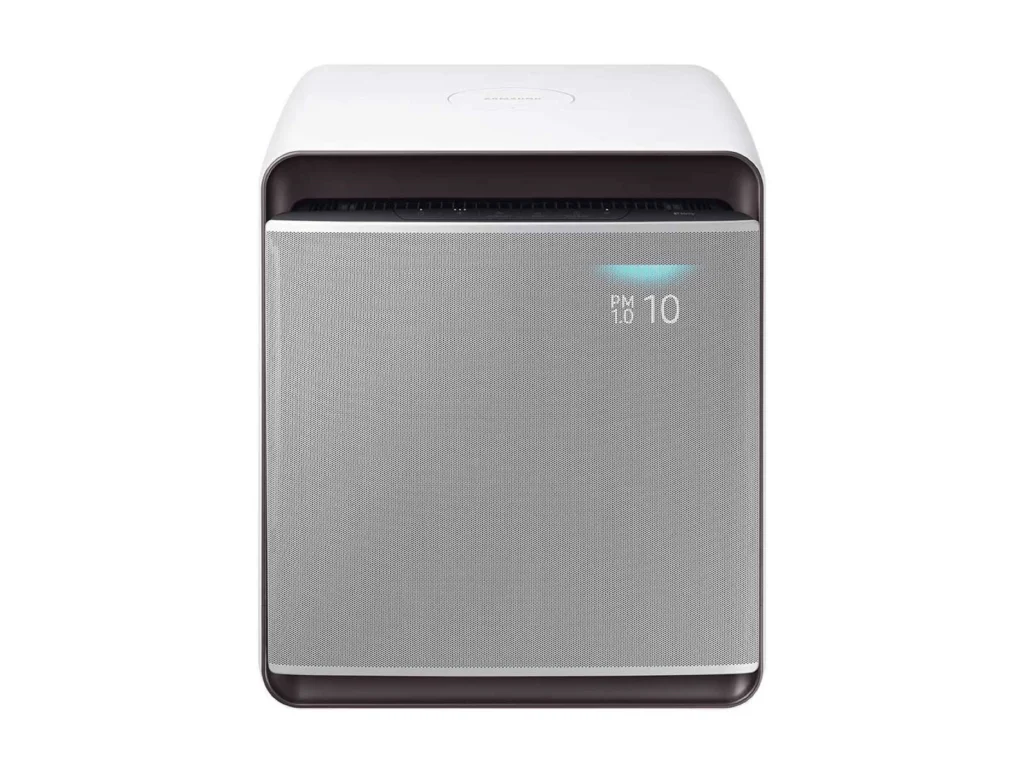
أين تُصنع أجهزة تنقية الهواء من سامسونج؟

يتم إنتاج أجهزة تنقية الهواء من سامسونج بشكل أساسي في الصين، وتحديدًا في مدينة فوشان بمقاطعة قوانغدونغ. ويرجع هذا الاختيار إلى كفاءة التكلفة والوصول إلى ...
الأخبار
مقارنة بين أجهزة تنقية الهواء المؤينة ثنائية القطب وأجهزة تنقية الهواء HEPA

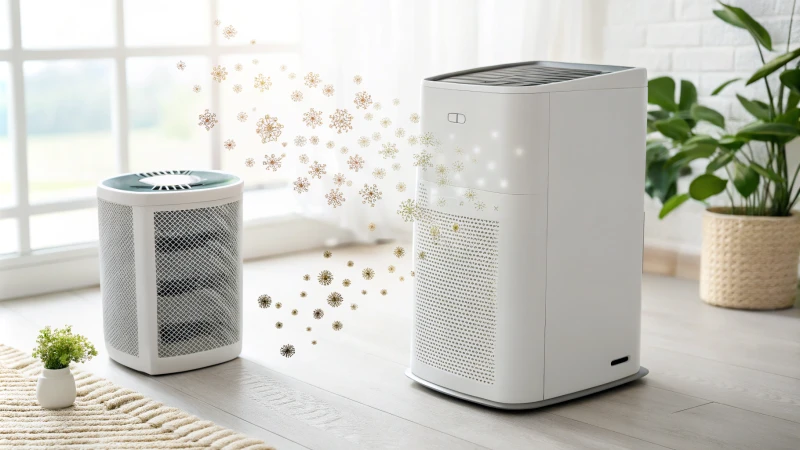
التأين ثنائي القطب مقابل جهاز تنقية الهواء HEPA: أيهما أكثر فعالية؟

يمكن أن يكون الاختيار بين أجهزة تنقية الهواء ثنائية القطب المؤيّنة وأجهزة تنقية الهواء HEPA أمرًا صعبًا. تلتقط فلاتر HEPA 99.97% من الجسيمات المحمولة في الهواء، مما يجعلها خيارًا موثوقًا لتحسين ...
الأخبار
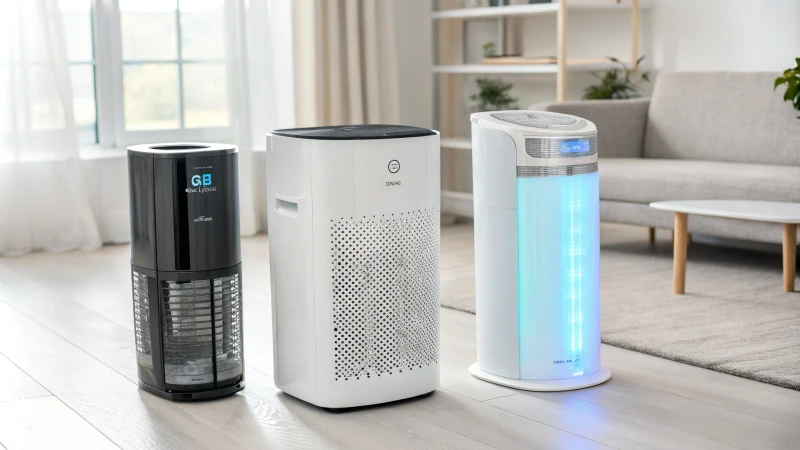
غرفة داخلية حديثة مزودة بثلاثة أجهزة لتنقية الهواء.

أجهزة تنقية الهواء المؤين مقابل أجهزة تنقية الهواء بالأشعة فوق البنفسجية مقابل أجهزة تنقية الهواء HEPA: أيهما أفضل بالنسبة لك؟

قد يكون اختيار جهاز تنقية الهواء المناسب أمراً مربكاً. تتميز فلاتر HEPA بفعالية عالية، حيث تلتقط 99.97% من الجسيمات المحمولة في الهواء بما في ذلك المواد المسببة للحساسية والغبار والبكتيريا. في المقابل، ...
الأخبار
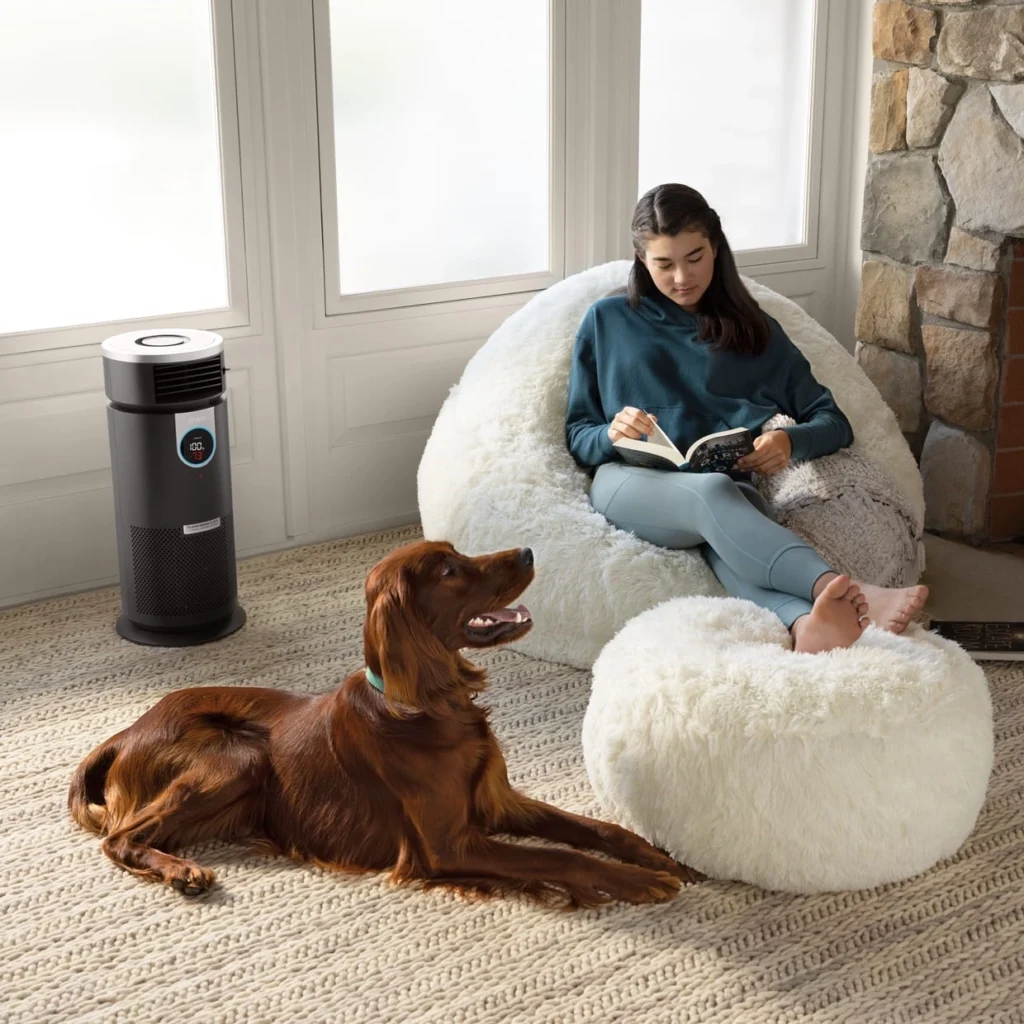
جهاز تنقية الهواء من سمك القرش

أين تُصنع أجهزة تنقية الهواء من سمك القرش؟

يتم تصنيع أجهزة تنقية الهواء من Shark بشكل أساسي في الصين وفيتنام، باستخدام تقنيات التصنيع المتقدمة والعمالة الماهرة لضمان جودة عالية وبأسعار تنافسية. هذا ...
الأخبار
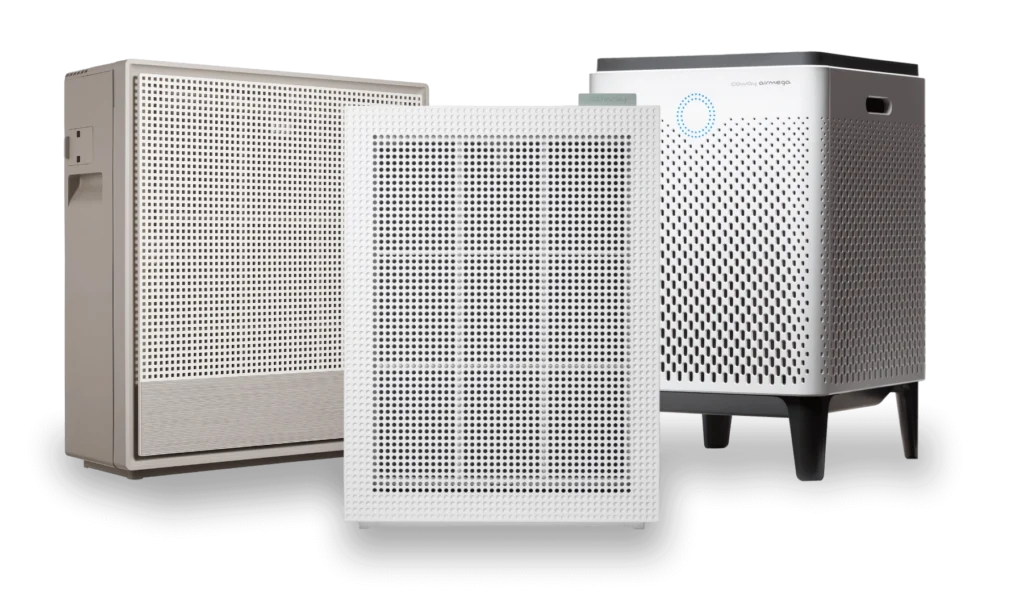
كواي لتنقية الهواء (3)

أين يتم تصنيع أجهزة تنقية الهواء من كواي؟

كواي، وهي علامة تجارية كورية تشتهر بأجهزة تنقية الهواء، تقوم بتصنيع منتجاتها بشكل أساسي في قوانغتشو بالصين. ويسمح هذا القرار الاستراتيجي لشركة كواي بالاستفادة من ...
الأخبار

وينكس لتنقية الهواء (2)

أين يتم تصنيع أجهزة تنقية الهواء Winix Air Purifier؟

يتم تصنيع أجهزة تنقية الهواء Winix بشكل أساسي في كوريا الجنوبية، حيث تساهم القوى العاملة الماهرة والتكنولوجيا المتقدمة في جودتها العالية. تستفيد الشركة من ...
الأخبار
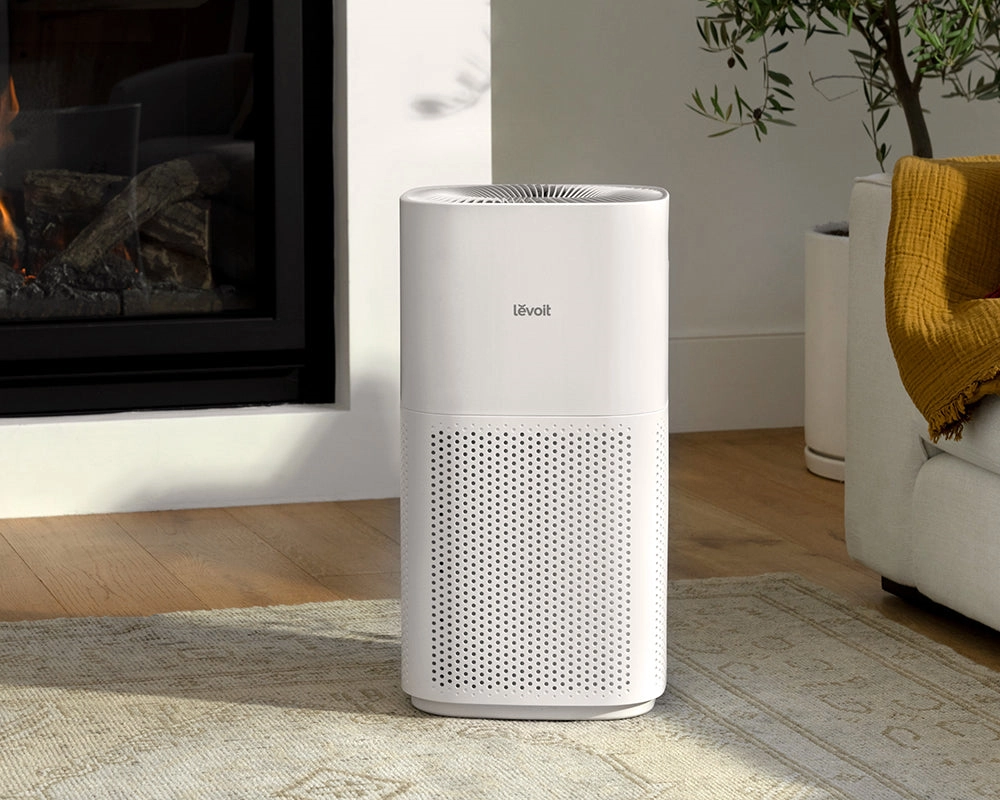
الصفحة الرئيسية لجهاز تنقية الهواء ليفويت لتنقية الهواء بحجم الغرفة

أين يتم تصنيع أجهزة تنقية الهواء من ليفويت؟

يتم إنتاج أجهزة تنقية الهواء من ليفويت في الغالب في الصين، وخاصة في مقاطعات فوجيان وقوانغدونغ وتشجيانغ. يدعم خيار التصنيع الاستراتيجي هذا سوقها القوي ...
الأخبار

غطاء المنزل جهاز تنقية الهواء بلو إير

أين يتم تصنيع أجهزة تنقية الهواء BlueAir Air Air Purifier؟

يتم إنتاج أجهزة تنقية الهواء من بلو إير بشكل رئيسي في فوشان بالصين، مستفيدةً من سلسلة توريد قوية تشمل موردين من شنتشن ودونغوان. وبعد استحواذ يونيليفر على شركة بلو إير ...
الأخبار

حساسية بلو إير

ما الذي يجعل أجهزة تنقية الهواء BlueAir باهظة الثمن؟

تشتهر أجهزة تنقية الهواء من BlueAir بأسعارها المرتفعة، ويعزى ذلك إلى تقنية HEPASilent المبتكرة التي تجمع بين الترشيح الميكانيكي والشحن الكهروستاتيكي لتحقيق كفاءة عالية في تنقية الهواء.
الأخبار

غرفة معيشة عصرية تعرض جهاز تنقية هواء أنيق بين الأثاث والنباتات العصرية.

لماذا تُعد أجهزة تنقية الهواء المعتمدة من CARB ضرورية لتلبية معايير جودة الهواء الداخلي؟

تعتبر أجهزة تنقية الهواء المعتمدة من CARB ضرورية للحفاظ على جودة الهواء الداخلي الآمنة. فهي تلتزم بالمعايير الصارمة للانبعاثات التي وضعها مجلس كاليفورنيا لموارد الهواء، مما يجعلها ...
الأخبار
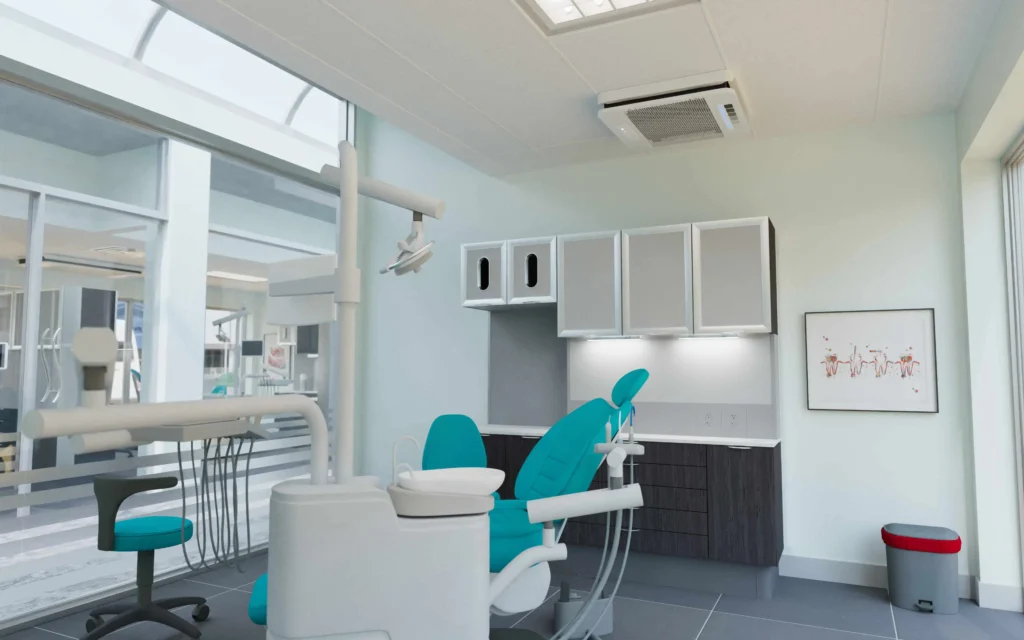
السقف

ما هي أفضل أجهزة تنقية الهواء لصالون الأظافر؟

تواجه صالونات العناية بالأظافر تحديات فريدة من نوعها في مجال جودة الهواء بسبب الغبار والأبخرة الكيميائية الناتجة عن منتجات العناية بالأظافر. غالبًا ما تقصر أجهزة تنقية الهواء السكنية القياسية في معالجة ...
Air purifier, News

Contaminant Engineering•3 min read

PFAS Water Filtration Technologies Explained: Carbon, Resin & RO

Key Takeaway:

PFAS reduction depends on the specific compounds present, treatment media, contact time, water chemistry, and system design. Activated carbon, ion exchange, and Reverse Osmosis address PFAS through different mechanisms.

PFAS are a large family of persistent fluorinated compounds that can occur in drinking-water supplies. Their treatment behavior varies significantly by molecular structure, chain length, functional group, concentration, and the chemistry of the source water.

Granular Activated Carbon (GAC) removes PFAS primarily through adsorption. It is generally more effective for many longer-chain PFAS, while shorter-chain compounds tend to break through more quickly. Carbon performance depends on media properties, Empty Bed Contact Time (EBCT), competing organic matter, loading, and replacement frequency.

Ion-exchange resins use charged functional sites to capture many PFAS compounds. Properly selected anion-exchange media can provide high capacity and may perform better than conventional activated carbon for some shorter-chain PFAS, although performance still depends on water chemistry and competing ions.

Reverse Osmosis (RO) uses membrane separation rather than adsorption. Properly designed RO systems can provide broad reduction across many PFAS compounds as well as dissolved salts and other contaminants. Unlike carbon or resin, however, RO also produces a concentrate stream that must be managed.

No single technology should be selected from a PFAS label alone. System design should consider which PFAS compounds are present, their concentrations, required reduction targets, flow rate, media life, and the applicable third-party certification or validation requirements.

HisoAir Water Technical Series
Product Discovery•3 min read

How to Choose an Under-Sink Water Purifier for Modern Kitchens

Key Takeaway:

Match the treatment technology to your water quality first, then evaluate cabinet space, faucet configuration, flow rate, drain and power requirements, and filter replacement needs.

Choosing an under-sink water purifier starts with water chemistry. Carbon filtration is well suited to chlorine, taste, odor, and many organic contaminants, while Reverse Osmosis is more appropriate when dissolved salts, fluoride, nitrates, or broader dissolved contaminants need to be reduced.

For compact kitchens, tankless RO systems eliminate the conventional storage tank and can significantly reduce the space required under the sink. However, membrane capacity stated in GPD does not directly equal faucet flow. When comparing systems, check the actual dispensing flow rate, inlet-pressure requirement, recovery ratio, and whether a booster pump is required.

Installation architecture also matters. Many RO systems require a drain connection, electrical power, and either a dedicated drinking-water faucet or a compatible multi-function faucet. High-flow carbon systems can often connect directly to the existing cold-water line with a simpler installation, but pressure drop and available faucet flow should still be verified.

RO also removes much of the naturally occurring dissolved mineral content. Where taste or mineral balance is a priority, a post-RO remineralization stage can be added. Filter life should be evaluated by both rated capacity and local water quality rather than replacement time alone.

The right system is therefore not simply the smallest or highest-GPD model. It is the configuration that matches the target contaminants, available cabinet space, desired faucet setup, peak dispensing demand, and maintenance expectations.

HisoAir Water Technical Series
Water Quality•2 min read

What Does TDS Mean in Drinking Water? Measurement vs Contaminant Reality

Key Takeaway:

A TDS meter estimates the overall concentration of dissolved ionic substances from electrical conductivity. It cannot identify specific contaminants or determine whether water is chemically safe.

Total Dissolved Solids (TDS) refers to the combined concentration of dissolved substances in water. Most handheld TDS meters do not measure TDS directly. Instead, they measure electrical conductivity (EC) and convert that reading into an estimated parts-per-million (ppm) value.

This means a TDS reading can indicate how much dissolved ionic material is present, but not what that material actually is. Calcium, magnesium, sodium, nitrates, and other dissolved ions can all contribute to conductivity, yet a simple TDS meter cannot distinguish between them.

TDS meters are also not suitable for detecting trace contaminants such as PFAS, many VOCs, pesticides, pharmaceuticals, or disinfection byproducts. These substances may be present at concentrations far below the level needed to noticeably change electrical conductivity.

A low TDS reading therefore does not guarantee safe drinking water, and a higher TDS reading does not automatically indicate contamination. Water-treatment decisions should be based on laboratory testing for specific contaminants of concern rather than TDS alone.

HisoAir Water Technical Series
Technology Selection•2 min read

RO vs UF Water Filtration: Understanding Pore Sizes & Dissolved Minerals

Key Takeaway:

Ultrafiltration can reduce bacteria, turbidity, and suspended particles while retaining most naturally occurring dissolved minerals. Reverse Osmosis provides much broader reduction of dissolved salts and smaller contaminants.

Ultrafiltration (UF) typically uses hollow-fiber membranes with pore sizes in the approximate 0.01–0.1 micron range. These membranes physically retain turbidity, suspended solids, colloids, and many microorganisms while allowing dissolved minerals and salts to remain in the water.

Reverse Osmosis (RO) operates at a much finer separation level. Unlike UF, RO can substantially reduce dissolved ions such as sodium, calcium, fluoride, nitrates, and other contributors to total dissolved solids (TDS). This makes RO more suitable when dissolved-salt reduction is a primary treatment objective.

UF generally requires less system pressure and produces little or no continuous concentrate stream in many point-of-use configurations. RO typically requires greater pressure and produces a reject-water stream, but delivers broader contaminant reduction.

For water with acceptable TDS and mineral content, UF can be a simpler mineral-retaining treatment option. Where dissolved salts, fluoride, nitrates, or broader dissolved contaminants are a concern, RO is generally the more appropriate technology.

HisoAir Water Technical Series
Technology Selection•4 min read

Carbon Block vs Reverse Osmosis: Which Fits Your Need?

Key Takeaway:

Choose RO for dissolved inorganic salts and heavy metals; choose Carbon Block for chemical taste/odor, no wastewater, and high line-pressure flow.

Reverse Osmosis (RO) and Carbon Block filtration represent two fundamentally different treatment methods: membrane separation and adsorption. Understanding these differences helps determine which technology is better suited to a specific water-quality requirement.

Reverse Osmosis uses a semi-permeable membrane with pore sizes of approximately 0.0001 microns. It can significantly reduce dissolved inorganic contaminants such as TDS, fluoride, nitrates, and certain heavy metals. Because water must be forced through the membrane, RO systems require sufficient pressure or a booster pump and generate a concentrated wastewater stream.

Carbon Block filtration relies primarily on adsorption through compressed activated carbon, commonly with nominal pore sizes around 0.5–5 microns. It is highly effective for chlorine, chloramines, VOCs, taste, and odor, while allowing substantially higher direct-flow rates without producing wastewater.

From an operating perspective, Carbon Block systems are generally simpler, require less energy, and avoid the water loss associated with RO. RO involves higher system complexity and operating cost, but provides substantially broader reduction of dissolved contaminants that Carbon Block alone cannot address.

HisoAir Water Technical Series

طلب عرض أسعار









