يفتح في علامة تبويب جديدة
حلول مبتكرة لجودة الهواء
شعار هيسو-أير-لوجو
استفسر الآن

رؤى الصناعة

أحدث المنشورات
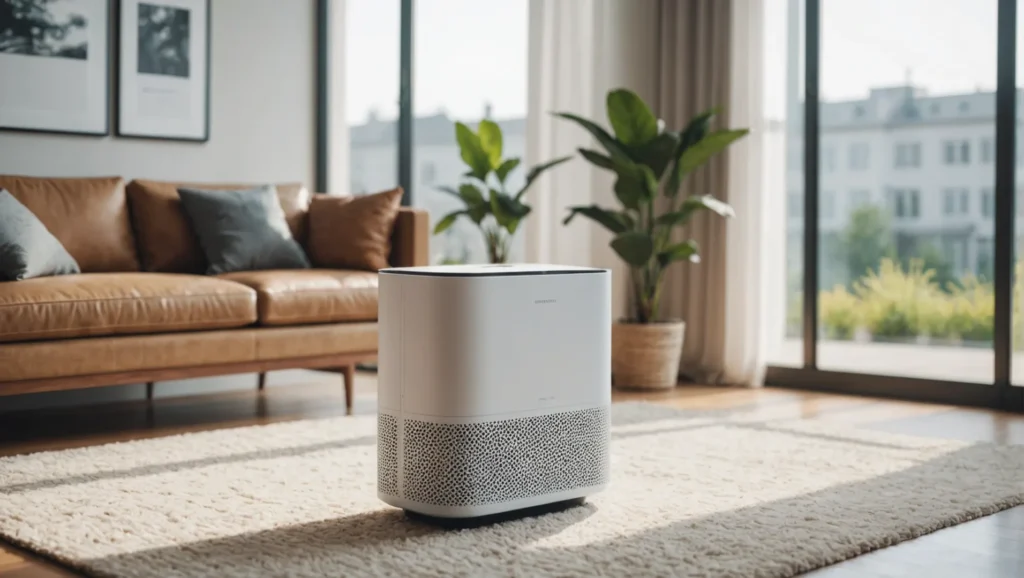
جهاز لتنقية الهواء مزود بتقنية إلغاء الديسيبل في غرفة معيشة عصرية

How to Get Rid of Musty Odors: A Comprehensive Guide to a Fresher Home

Ever walked into your basement and been greeted by that distinct, earthy, and somewhat damp smell? This "musty" odor is a common household complaint, often ...
Air purifier, News
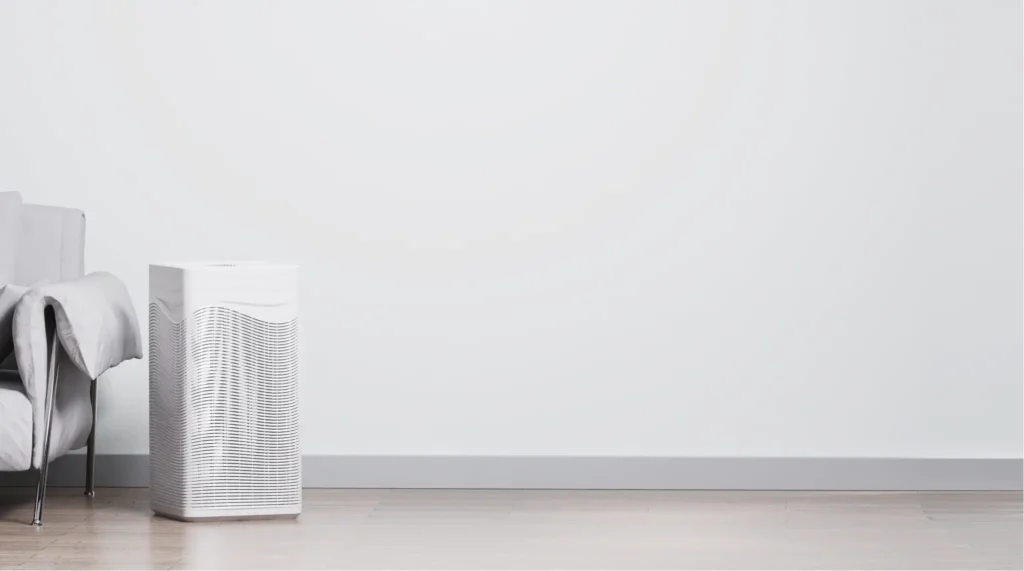
high performance air purifier ha588

What is Clean Air Delivery Rate (CADR)?

In today's world, where indoor air quality is a growing concern, choosing the right air purifier has become more crucial than ever. With advancements in ...
Air purifier, News

زوجان يعدان الطعام في المطبخ

How to Get Rid of Cooking Smells: Smart Solutions for a Fresh Kitchen

Cooking brings joy, but lingering smells after a meal can be a real nuisance. Whether it's the scent of fried fish or strong spices, these ...
Air purifier, News
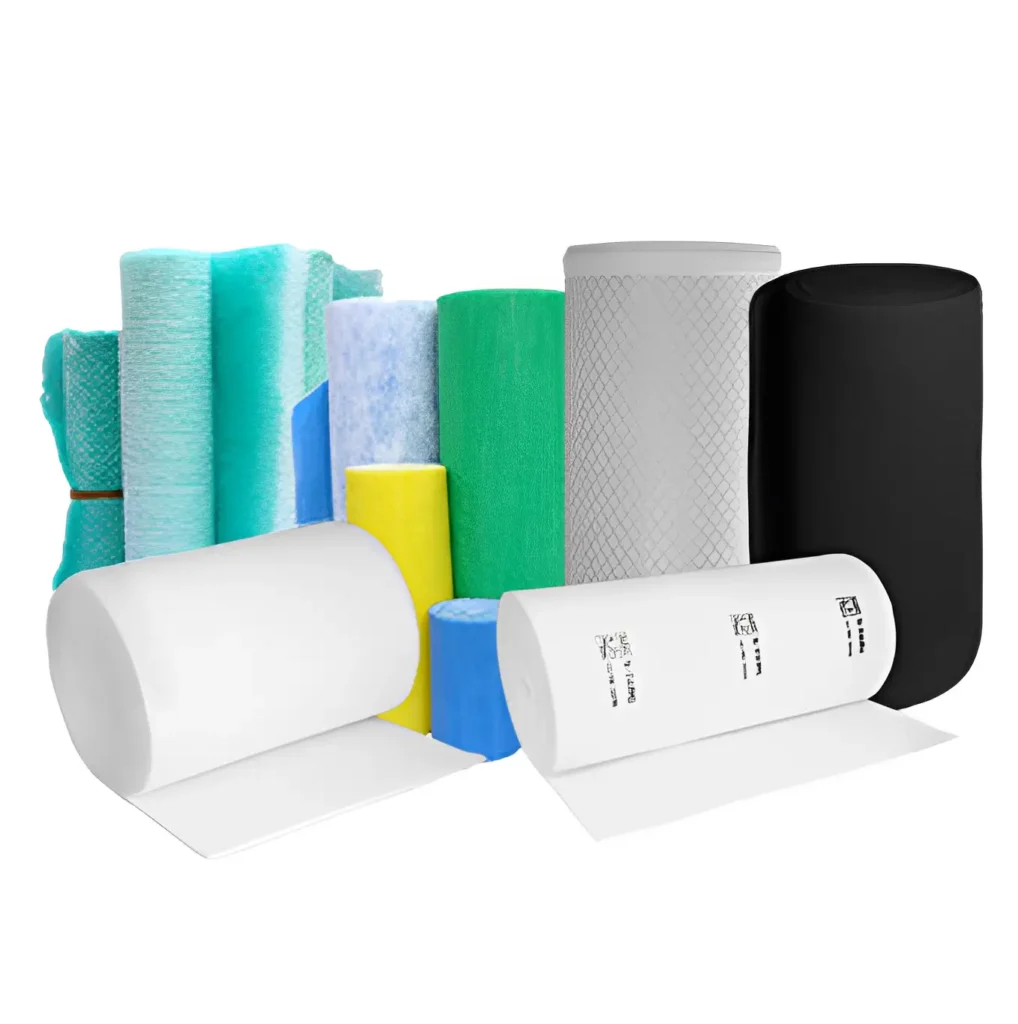
مجموعة من مواد التصفية المتنوعة بألوان وأنسجة مختلفة.

Top Players in Air Filtration: Who Leads the Industry in Manufacturing Air Filters?

In today’s world, the quality of indoor air is more important than ever. With rising pollution levels and increased awareness of health-related issues, air filtration ...
التصفية

كيفية إزالة الغبار بعد أعمال البناء: 5 استراتيجيات سهلة الإزالة

كيفية إزالة الغبار بعد أعمال البناء: 5 استراتيجيات سهلة الإزالة

After a renovation or construction, dust would immediately settle in. But how can you remove them in the first place? The following strategies in this ...
Air purifier, News

جهاز تنقية الهواء في السقف ha800

What Air Purifier Technologies Can Really Remove Formaldehyde?

Formaldehyde, a pervasive volatile organic compound (VOC), is a silent intruder in many indoor environments. Emitted from common household items like furniture, flooring, paints, and ...
Air purifier, News
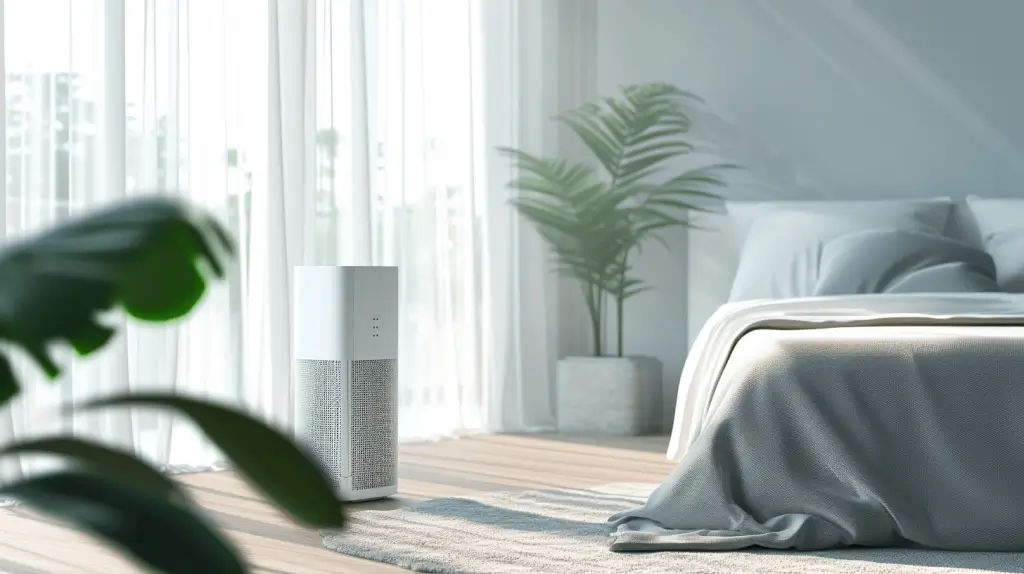
kokofit air purifier

أين يتم تصنيع أجهزة تنقية الهواء KOKOFIT؟

In today's world, where indoor air quality is a growing concern, air purifiers have become essential household appliances. Among the myriad of brands available, KOKOFIT ...
Air purifier, Air Purifier Manufacturers, News
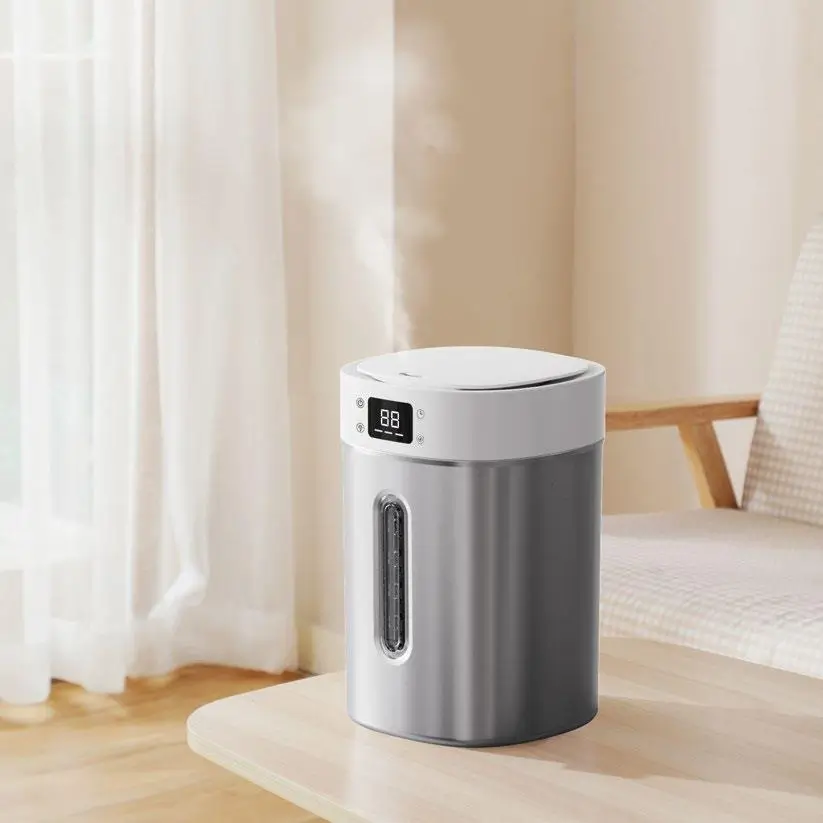
hm2206

The Essential Guide to US Humidifier Manufacturers

In today's increasingly health-conscious world, the focus on indoor air quality extends beyond just purification to encompass optimal humidity levels. Humidifiers, once considered seasonal appliances, ...
Humidifier, News
جهاز تنقية الهواء المثبت على الحائط HA200 وHA380

The Essential Guide to US Air Purifier Manufacturers: A 2026 Market Perspective

In an era where air quality is a growing global concern, the demand for effective air purification solutions has never been more critical. With millions ...
الشركات المصنعة لأجهزة تنقية الهواء، الأخبار
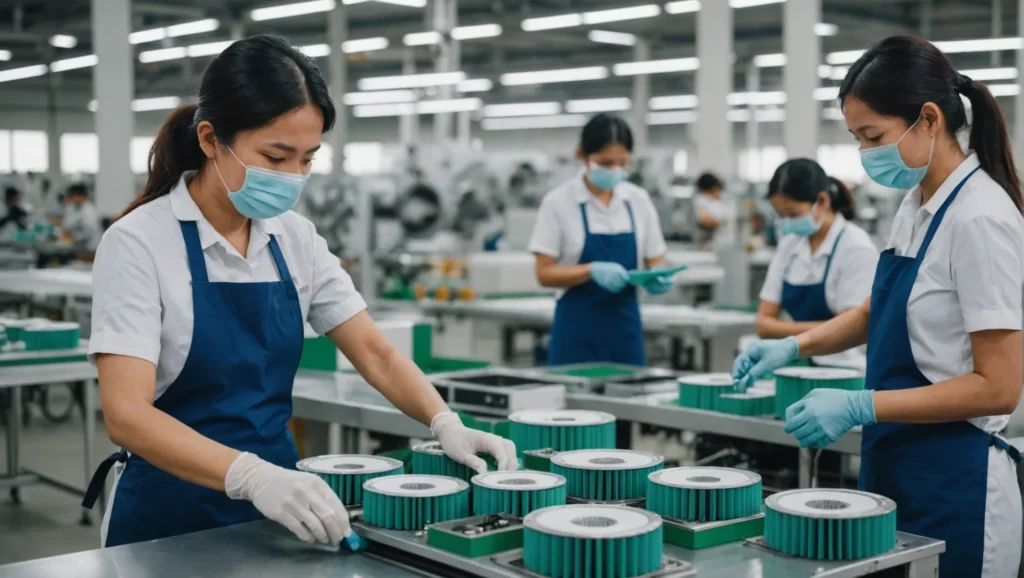
خط إنتاج أجهزة تنقية الهواء في أحد مصانع جنوب شرق آسيا، يصور معدات التصنيع الحديثة والقوى العاملة المتنوعة.

Do Air Purifiers Actually Work for Your Health?

The Invisible Threats in Your Home: Why Air Quality Matters More Than Ever In our modern lives, we meticulously choose organic foods, filtered water, and ...
جهاز تنقية الهواء
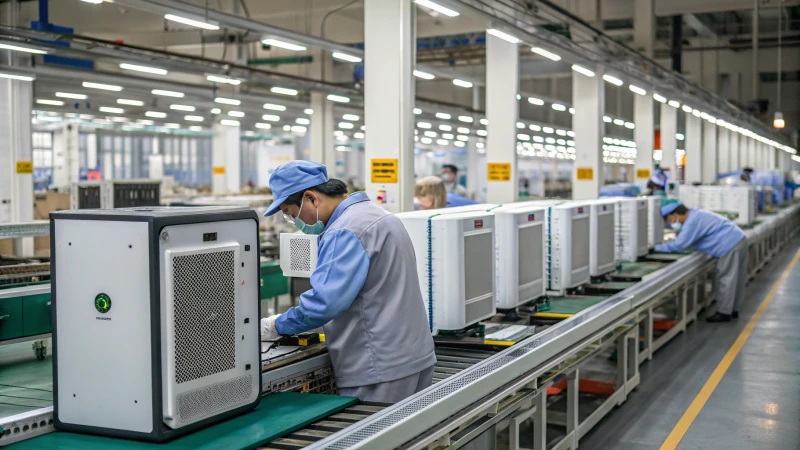
عمال يقومون بتجميع أجهزة تنقية الهواء على خط التجميع

Why Are Global Manufacturers Embracing the “China Plus One” Strategy?

In today's interconnected yet increasingly unpredictable global economy, businesses are constantly seeking ways to enhance resilience and ensure continuity. For decades, China has been the ...
الأخبار
جهاز تنقية الهواء للتهوية hv 100 (نسخة)

Partnering for Purity: Why Wall-Mounted Air Purifiers are the Next Big Opportunity for ODM Clients

In today's health - conscious world, indoor air quality (IAQ) is a top priority, driving up the demand for innovative air purification solutions. The market ...
Air purifier, News

Contaminant Engineering•3 min read

PFAS Water Filtration Technologies Explained: Carbon, Resin & RO

Key Takeaway:

PFAS reduction depends on the specific compounds present, treatment media, contact time, water chemistry, and system design. Activated carbon, ion exchange, and Reverse Osmosis address PFAS through different mechanisms.

PFAS are a large family of persistent fluorinated compounds that can occur in drinking-water supplies. Their treatment behavior varies significantly by molecular structure, chain length, functional group, concentration, and the chemistry of the source water.

Granular Activated Carbon (GAC) removes PFAS primarily through adsorption. It is generally more effective for many longer-chain PFAS, while shorter-chain compounds tend to break through more quickly. Carbon performance depends on media properties, Empty Bed Contact Time (EBCT), competing organic matter, loading, and replacement frequency.

Ion-exchange resins use charged functional sites to capture many PFAS compounds. Properly selected anion-exchange media can provide high capacity and may perform better than conventional activated carbon for some shorter-chain PFAS, although performance still depends on water chemistry and competing ions.

Reverse Osmosis (RO) uses membrane separation rather than adsorption. Properly designed RO systems can provide broad reduction across many PFAS compounds as well as dissolved salts and other contaminants. Unlike carbon or resin, however, RO also produces a concentrate stream that must be managed.

No single technology should be selected from a PFAS label alone. System design should consider which PFAS compounds are present, their concentrations, required reduction targets, flow rate, media life, and the applicable third-party certification or validation requirements.

HisoAir Water Technical Series
Product Discovery•3 min read

How to Choose an Under-Sink Water Purifier for Modern Kitchens

Key Takeaway:

Match the treatment technology to your water quality first, then evaluate cabinet space, faucet configuration, flow rate, drain and power requirements, and filter replacement needs.

Choosing an under-sink water purifier starts with water chemistry. Carbon filtration is well suited to chlorine, taste, odor, and many organic contaminants, while Reverse Osmosis is more appropriate when dissolved salts, fluoride, nitrates, or broader dissolved contaminants need to be reduced.

For compact kitchens, tankless RO systems eliminate the conventional storage tank and can significantly reduce the space required under the sink. However, membrane capacity stated in GPD does not directly equal faucet flow. When comparing systems, check the actual dispensing flow rate, inlet-pressure requirement, recovery ratio, and whether a booster pump is required.

Installation architecture also matters. Many RO systems require a drain connection, electrical power, and either a dedicated drinking-water faucet or a compatible multi-function faucet. High-flow carbon systems can often connect directly to the existing cold-water line with a simpler installation, but pressure drop and available faucet flow should still be verified.

RO also removes much of the naturally occurring dissolved mineral content. Where taste or mineral balance is a priority, a post-RO remineralization stage can be added. Filter life should be evaluated by both rated capacity and local water quality rather than replacement time alone.

The right system is therefore not simply the smallest or highest-GPD model. It is the configuration that matches the target contaminants, available cabinet space, desired faucet setup, peak dispensing demand, and maintenance expectations.

HisoAir Water Technical Series
Water Quality•2 min read

What Does TDS Mean in Drinking Water? Measurement vs Contaminant Reality

Key Takeaway:

A TDS meter estimates the overall concentration of dissolved ionic substances from electrical conductivity. It cannot identify specific contaminants or determine whether water is chemically safe.

Total Dissolved Solids (TDS) refers to the combined concentration of dissolved substances in water. Most handheld TDS meters do not measure TDS directly. Instead, they measure electrical conductivity (EC) and convert that reading into an estimated parts-per-million (ppm) value.

This means a TDS reading can indicate how much dissolved ionic material is present, but not what that material actually is. Calcium, magnesium, sodium, nitrates, and other dissolved ions can all contribute to conductivity, yet a simple TDS meter cannot distinguish between them.

TDS meters are also not suitable for detecting trace contaminants such as PFAS, many VOCs, pesticides, pharmaceuticals, or disinfection byproducts. These substances may be present at concentrations far below the level needed to noticeably change electrical conductivity.

A low TDS reading therefore does not guarantee safe drinking water, and a higher TDS reading does not automatically indicate contamination. Water-treatment decisions should be based on laboratory testing for specific contaminants of concern rather than TDS alone.

HisoAir Water Technical Series
Technology Selection•2 min read

RO vs UF Water Filtration: Understanding Pore Sizes & Dissolved Minerals

Key Takeaway:

Ultrafiltration can reduce bacteria, turbidity, and suspended particles while retaining most naturally occurring dissolved minerals. Reverse Osmosis provides much broader reduction of dissolved salts and smaller contaminants.

Ultrafiltration (UF) typically uses hollow-fiber membranes with pore sizes in the approximate 0.01–0.1 micron range. These membranes physically retain turbidity, suspended solids, colloids, and many microorganisms while allowing dissolved minerals and salts to remain in the water.

Reverse Osmosis (RO) operates at a much finer separation level. Unlike UF, RO can substantially reduce dissolved ions such as sodium, calcium, fluoride, nitrates, and other contributors to total dissolved solids (TDS). This makes RO more suitable when dissolved-salt reduction is a primary treatment objective.

UF generally requires less system pressure and produces little or no continuous concentrate stream in many point-of-use configurations. RO typically requires greater pressure and produces a reject-water stream, but delivers broader contaminant reduction.

For water with acceptable TDS and mineral content, UF can be a simpler mineral-retaining treatment option. Where dissolved salts, fluoride, nitrates, or broader dissolved contaminants are a concern, RO is generally the more appropriate technology.

HisoAir Water Technical Series
Technology Selection•4 min read

Carbon Block vs Reverse Osmosis: Which Fits Your Need?

Key Takeaway:

Choose RO for dissolved inorganic salts and heavy metals; choose Carbon Block for chemical taste/odor, no wastewater, and high line-pressure flow.

Reverse Osmosis (RO) and Carbon Block filtration represent two fundamentally different treatment methods: membrane separation and adsorption. Understanding these differences helps determine which technology is better suited to a specific water-quality requirement.

Reverse Osmosis uses a semi-permeable membrane with pore sizes of approximately 0.0001 microns. It can significantly reduce dissolved inorganic contaminants such as TDS, fluoride, nitrates, and certain heavy metals. Because water must be forced through the membrane, RO systems require sufficient pressure or a booster pump and generate a concentrated wastewater stream.

Carbon Block filtration relies primarily on adsorption through compressed activated carbon, commonly with nominal pore sizes around 0.5–5 microns. It is highly effective for chlorine, chloramines, VOCs, taste, and odor, while allowing substantially higher direct-flow rates without producing wastewater.

From an operating perspective, Carbon Block systems are generally simpler, require less energy, and avoid the water loss associated with RO. RO involves higher system complexity and operating cost, but provides substantially broader reduction of dissolved contaminants that Carbon Block alone cannot address.

HisoAir Water Technical Series

طلب عرض أسعار