
Ever walked into your basement and been greeted by that distinct, earthy, and somewhat damp smell? This "musty" odor is a common household complaint, often signaling an underlying issue that extends beyond just an unpleasant scent. While often overlooked, a musty basement can significantly impact your home's comfort, air quality, and even its value. But what exactly causes this pervasive smell, and more importantly, how can you effectively eliminate it to restore freshness to your living spaces?
This guide will delve into the origins of musty odors, explore their potential health implications, identify other common problem areas in your home, and provide actionable solutions, including the strategic use of advanced air purification systems like the HisoAir Ceiling Air Purifier HA800, to ensure your home breathes as freely as you do.
The Root of the Problem: Where Do Musty Smells Come From?
The musty smell isn't just a random occurrence; it's a clear indicator of microbial activity. Specifically, it's the tell-tale sign of mold and mildew growth. These microscopic fungi thrive in environments that offer three key ingredients: moisture, darkness, and warmth. Basements, with their inherent susceptibility to dampness and often limited ventilation, provide an ideal breeding ground for these unwelcome guests.
As mold and mildew colonies expand, they release microbial volatile organic compounds (mVOCs) into the air. These mVOCs are the culprits behind the characteristic pungent odor. Once these compounds permeate porous materials like walls, furniture, and fabrics, the smell can become deeply embedded and notoriously difficult to remove without addressing the source.

While the immediate discomfort of a musty smell is evident, the presence of mold and mildew, and the mVOCs they emit, can pose potential health risks. Although the direct health effects of inhaling mVOCs are still under extensive research, prolonged exposure has been associated with a range of symptoms, including fatigue, headaches, dizziness, nausea, and nasal irritation. For individuals with allergies or respiratory conditions like asthma, exposure to mold spores and mVOCs can trigger or exacerbate symptoms, leading to coughing, wheezing, and general respiratory distress. 1
The U.S. Environmental Protection Agency (EPA) emphasizes that all molds have the potential to cause health problems. They recommend taking steps to clean up mold and fix water problems promptly, regardless of the type of mold or the severity of the odor. 2 Therefore, addressing musty smells isn't just about improving air freshness; it's about safeguarding the health and well-being of your household.

Beyond the Basement: Other Hotbeds for Musty Odors in Your Home
While basements are notorious for musty smells, they are not the only culprits. Mold and mildew can flourish in various other areas of your home where moisture is prevalent. Recognizing these potential problem zones is crucial for a holistic approach to maintaining a fresh and healthy indoor environment.
The Bathroom: A Damp Haven
Bathrooms are inherently humid environments, making them prime locations for mold and mildew growth. Constant exposure to water from showers, baths, and sinks creates the ideal conditions for these fungi to thrive. Even if you don't see visible mold, it can hide in less obvious places. Regularly inspect shower curtains, showerheads, faucets, and tile grout. Proper ventilation, such as using an exhaust fan, is paramount to minimize moisture buildup.
The Kitchen: More Than Just Cooking Fumes
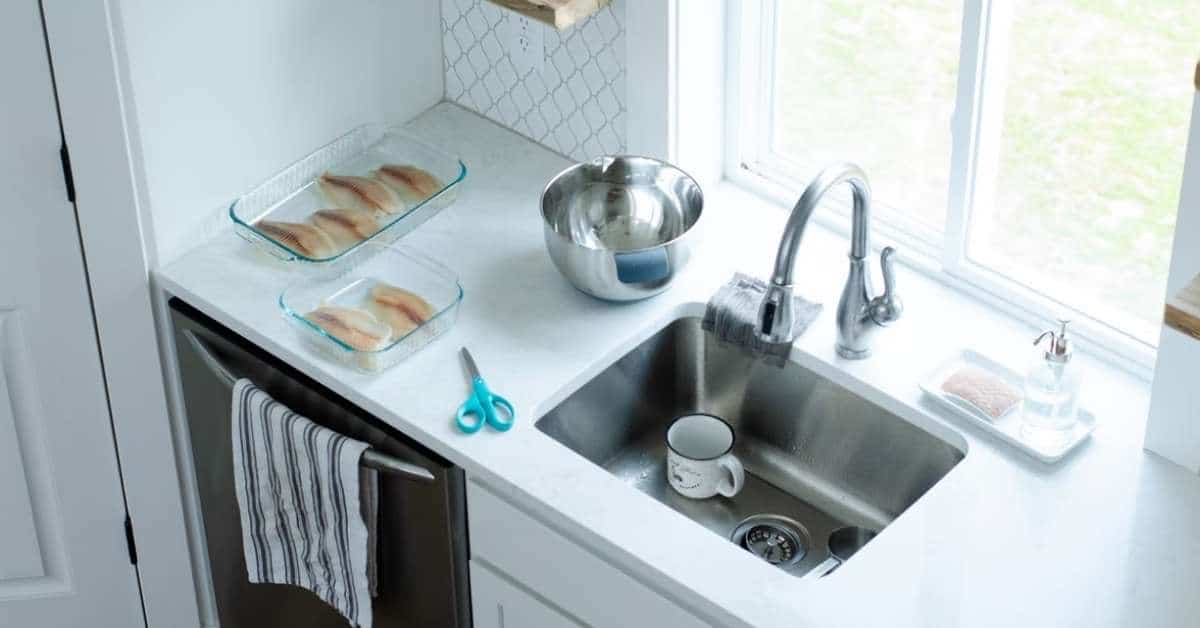
Your kitchen also presents numerous opportunities for mold and mildew. From cooking steam to food spills, moisture is a constant presence. Key areas to monitor include the kitchen sink and disposal, underneath the sink, behind appliances, and around windows. Regular cleaning and promptly addressing any leaks are essential.
The Bedroom: A Surprisingly Vulnerable Space
While seemingly less prone to moisture issues, bedrooms can also harbor mold and mildew, particularly if ventilation is poor or humidity levels are high. Check windows for condensation and ensure your HVAC systems are properly maintained. Maintaining consistent indoor temperatures and humidity levels, ideally between 30% and 50%, is crucial for preventing mold growth. 3
The Imperative of Indoor Air Purification: Why a Neutral Scent Matters
Beyond the immediate discomfort, a musty smell signals a compromised indoor environment. Your home, ideally, should possess a neutral scent – a subtle indication of clean, fresh air. Any deviation from this is a clear sign that your indoor air quality (IAQ) is suffering. Prioritizing indoor air purification is not merely about aesthetics; it's about creating a healthier, more comfortable, and ultimately, more conducive living space.
Clean indoor air has a profound impact on our well-being. It can enhance concentration, improve mood, and prevent a range of unpleasant symptoms associated with airborne pollutants. In an era where we spend a significant portion of our lives indoors, ensuring the air we breathe is pure is no longer a luxury but a necessity.
Air Purifiers: Your Ally Against Musty Odors and Airborne Contaminants
While air purifiers do not directly remove moisture from the air, they play a critical role in eliminating the airborne mold spores, mildew particles, and volatile organic compounds (VOCs) that cause musty smells. By actively filtering these contaminants, air purifiers can significantly alleviate the problems associated with poor IAQ, including the musty odor itself, as well as symptoms like coughing, difficulty breathing, and allergy flare-ups.
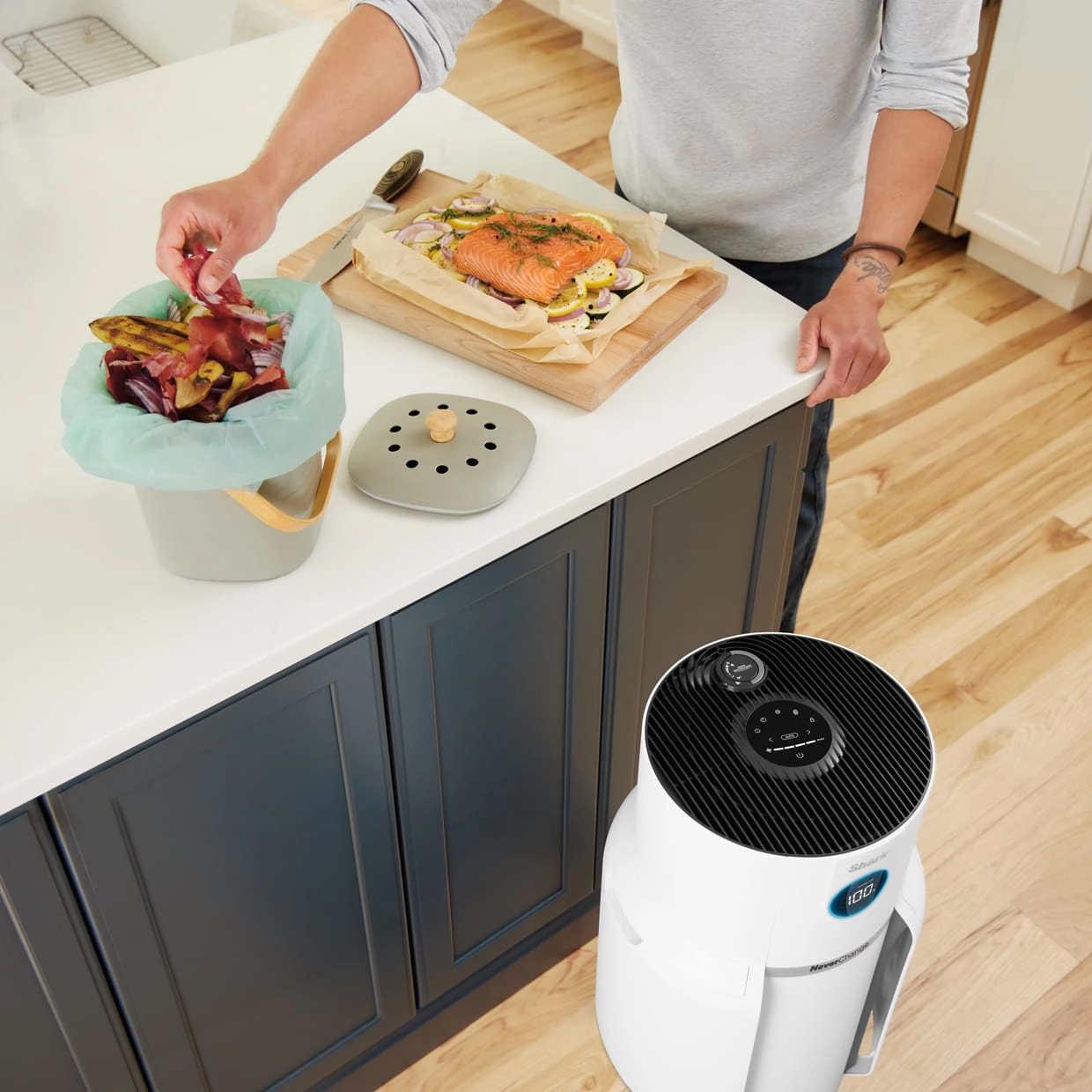
In today's urban and suburban landscapes, indoor air pollution is a pervasive issue. Sources of airborne contaminants are abundant. Air purifiers stand out as highly effective tools specifically designed to remove particles and pollutants from the air. These devices are adept at capturing a wide array of contaminants, extending far beyond just musty smells. They effectively tackle pet dander, dust, pollen, debris, and even pathogens like bacteria and viruses. Investing in a high-quality air purifier is a smart decision for anyone seeking to create a healthier and fresher indoor environment.
How Air Purifiers Combat Musty Smells: A Step-by-Step Process
The effectiveness of air purifiers in neutralizing musty odors lies in their sophisticated filtration systems. Here's a simplified breakdown of how they work:
- Air Intake: The air purifier's fan draws ambient air from the room into the unit.
- Pre-filtration: A pre-filter captures larger particles.
- فلتر HEPA: The air then passes through a High-Efficiency Particulate Air (HEPA) filter, capturing 99.97% of airborne particles as small as 0.3 microns, including mold spores and mildew particles.
- Activated Carbon Filtration: An activated carbon filter absorbs gases, odors, and VOCs, neutralizing the odor at a molecular level.
- Clean Air Release: Finally, the purified air is released back into the room, creating a cleaner and fresher indoor environment.
The HisoAir Advantage: A Solution for Lasting Freshness
For comprehensive air purification and effective odor elimination, consider the HisoAir Ceiling Air Purifier HA800. This advanced system is specifically designed to address the challenges of indoor air quality, making it an ideal choice for combating musty smells in basements and other areas of your home.
Key Features of the HisoAir Ceiling Air Purifier HA800:
- قوية وهادئة: Equipped with advanced HEPA filtration, the HA800 efficiently purifies the air while operating at ultra-quiet levels.
- تصميم صغير الحجم، تغطية كبيرة: Despite its sleek design, the HA800 is engineered to cover substantial areas, suitable for basements and large spaces. It offers four adjustable air volume settings.
- مستشعر رادار مدمج: This intelligent feature detects room occupancy in real-time, automatically adjusting the purifier's operation for optimal performance and energy efficiency.
- دوران هواء فعال: The HA800 promotes smooth and efficient airflow, ensuring clean air is evenly distributed throughout the room.
- الإدارة الذكية للطاقة: Automatically adjusts based on occupancy, contributing to significant energy savings.

By integrating the HisoAir Ceiling Air Purifier HA800 into your home, you're not just masking odors; you're actively eliminating the root cause of musty smells and creating a healthier, more breathable environment for you and your family. Its combination of advanced filtration, intelligent features, and quiet operation makes it a standout choice for long-term indoor air quality management.
How Long Until Freshness Prevails? Setting Expectations for Odor Elimination
Once you introduce an air purifier, particularly a powerful one like the HisoAir Ceiling Air Purifier HA800, you can expect to see a significant improvement in air quality and a reduction in musty odors relatively quickly. The exact timeframe can vary depending on the severity of the odor, room size, and continuous operation. For optimal results, especially in areas prone to pollutants like basements, it is highly recommended to run your air purifier continuously.
While an air purifier effectively removes airborne contaminants, it is vital to identify and address the root cause of the moisture and mold growth. An air purifier is a powerful tool for mitigation and prevention, but it cannot fix a leaky pipe or a structural dampness issue. Combining an air purifier with a dehumidifier, which actively removes excess moisture from the air, creates a synergistic effect for superior odor elimination and mold prevention.
With consistent use and by addressing the underlying moisture issues, you can transform your musty basement into a fresh and inviting space, often noticing a considerable difference within a few days to a week.

Making the Right Choice: What to Look for in an Air Purifier for Musty Smells
Selecting the right air purifier to combat musty smells requires careful consideration. Beyond general benefits, specific features enhance their effectiveness against odors:
- نظام الترشيح المتقدم: Essential. Look for units with a فلتر HEPA حقيقي (capturing 99.97% of particles as small as 0.3 microns) and an فلتر الكربون المنشط (neutralizing gaseous pollutants and VOCs).
- Airflow (CADR): Indicates how quickly an air purifier cleans a room. A higher CADR means faster, more efficient purification. Ensure it's appropriate for your room size.
- منطقة التغطية: Always choose an air purifier with a coverage area equal to or slightly larger than your room size.
- مستوى الضوضاء: Look for models with low decibel ratings, especially for continuous operation. The HisoAir HA800 is designed for ultra-quiet operation.
- Smart Features: Features like built-in sensors, automatic mode, and Wi-Fi connectivity can enhance convenience and optimize performance. The HisoAir HA800’s radar sensor intelligently adjusts operation based on occupancy.
By carefully considering these factors, you can select an air purifier that not only addresses the musty smell but also contributes to a healthier and more comfortable living environment.

Maintaining a Fresh Home: Beyond the Air Purifier
While an air purifier is an indispensable tool, a holistic approach to home maintenance is key to long-term freshness. Here are additional tips to prevent mold and mildew growth and maintain optimal indoor air quality:
- Control Humidity: Maintain indoor humidity levels between 30% and 50%. Use a dehumidifier in damp areas and ensure proper ventilation.
- Address Water Leaks Promptly: Repair any leaks immediately.
- تحسين التهوية: Good airflow helps to dry out damp areas. Open windows or use fans to circulate air.
- Clean Regularly: Regular cleaning, especially in moisture-prone areas, prevents mold spores from settling.
- Inspect and Maintain Appliances: Regularly check appliances that use water for leaks or condensation.
- Proper Drainage Around Your Home: Ensure exterior drainage directs water away from the foundation.
By combining the power of an advanced air purification system like the HisoAir Ceiling Air Purifier HA800 with diligent home maintenance practices, you can effectively eliminate musty odors, prevent mold and mildew growth, and ensure a consistently fresh, healthy, and inviting atmosphere throughout your home.
Conclusion: Breathe Easy, Live Better
The presence of musty odors in your home is more than just an unpleasant inconvenience; it’s a warning sign that your indoor air quality may be compromised. Understanding the causes, potential health implications, and effective solutions is the first step towards creating a healthier living environment.
By investing in a high-quality air purifier, such as the HisoAir Ceiling Air Purifier HA800, you equip your home with a powerful defense against airborne contaminants and odors. Its advanced filtration system, intelligent features, and efficient performance make it an ideal choice for maintaining fresh and clean air.
Remember, a truly fresh home is a healthy home. By proactively addressing moisture issues, improving ventilation, and leveraging the benefits of modern air purification technology, you can transform your living spaces into havens of comfort and well-being. Breathe easy, live better, and enjoy the peace of mind that comes with a truly clean and fresh home environment.
References:
-
World Health Organization. (2009). WHO Guidelines for Indoor Air Quality: Dampness and Mould. Retrieved from https://www.who.int/publications/i/item/9789289041683 ↩
-
U.S. Environmental Protection Agency. (n.d.). Mold and Your Health. Retrieved from https://www.epa.gov/mold/mold-and-your-health ↩
-
Centers for Disease Control and Prevention. (2020). Molds in the Environment. Retrieved from https://www.cdc.gov/mold/faqs.htm ↩


 English
  Français
  Español
  Italiano
  Deutsch
  Português
  Русский
  العربية
  日本語
日本語  한국어
한국어  Tiếng Việt
