
Mold is a pervasive issue that can significantly impact indoor air quality and human health. While often overlooked, the presence of mold spores in the air can trigger a range of health problems, from mild allergic reactions to more severe respiratory issues. For individuals susceptible to allergies or those living in environments prone to mold growth, selecting an effective air purifier is not just a matter of comfort but a critical step towards safeguarding well-being. This comprehensive guide will delve into the essential factors to consider when choosing an air purifier specifically designed to combat mold and alleviate allergy symptoms, ensuring your home remains a sanctuary of clean, healthy air.
The Silent Threat: Understanding Mold and Its Health Implications

Mold, a type of fungus, thrives in damp, humid environments, often found in bathrooms, basements, and areas with water damage. While visible mold growth is a clear indicator of a problem, mold spores are microscopic and can become airborne, circulating throughout your home even when the source is not immediately apparent. Inhaling these spores can lead to a variety of health concerns, particularly for sensitive individuals.
Common health issues associated with mold exposure include:
- Allergic Reactions: Mold spores are common allergens, triggering symptoms such as sneezing, runny nose, itchy eyes, skin rashes, and asthma attacks in sensitive individuals.
- Respiratory Problems: Prolonged exposure to mold can exacerbate existing respiratory conditions like asthma and bronchitis, and in some cases, may contribute to the development of new respiratory issues.
- Irritation: Even in individuals without allergies, mold exposure can cause irritation of the eyes, skin, nose, throat, and lungs.
While some research has explored the potential link between certain mold-produced mycotoxins and more severe health outcomes, including cancer1, it's important to note that direct evidence linking common indoor mold exposure to cancer is not definitively established. However, the well-documented allergic and respiratory effects alone make mold removal a critical aspect of maintaining a healthy indoor environment.

Key Considerations for Choosing an Air Purifier for Mold and Allergies
When it comes to selecting an air purifier that effectively tackles mold spores and allergens, not all devices are created equal. Several crucial specifications and features differentiate a truly effective air purifier from a less capable one. Here are the three key factors you must consider:
1. Clean Air Delivery Rate (CADR): The Power to Purify Your Space
The Clean Air Delivery Rate (CADR) is a vital metric that indicates how quickly an air purifier can remove pollutants from a room. It measures the volume of filtered air delivered by an air cleaner for specific pollutants (smoke, pollen, and dust). For effective mold removal and allergy relief in a home indoor space, a high CADR is paramount. We recommend an air purifier with a CADR of over 250 CFM (Cubic Feet per Minute). This level of performance is typically sufficient to cover areas up to 1000 square feet and achieve an air change rate of over 6 times per hour. A high air change rate ensures that the air in your room is circulated and purified frequently enough to effectively capture airborne mold spores and other allergens before they settle or are inhaled.
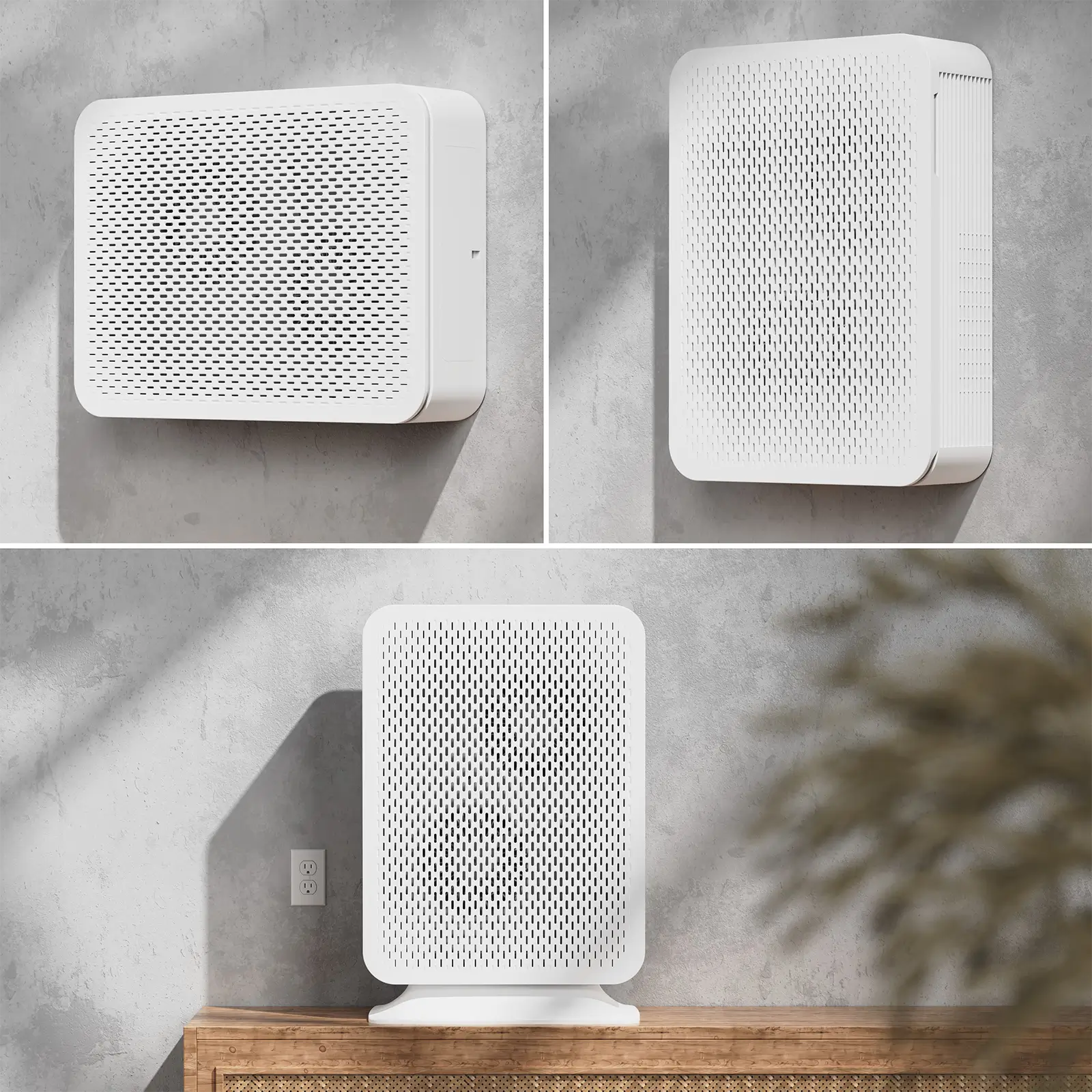
HisoAir - The newly launched HA400 is available in three installation modes, with a CADR of 380±10% m³/h and a noise level of 25-55dB*
Many manufacturers provide CADR ratings for their devices, often specified for different types of particles. When evaluating, pay close attention to the CADR for smoke, as it represents the smallest particles and is a good indicator of the purifier's ability to capture tiny mold spores.
2. Filtration System: The Unsung Hero – True HEPA (HEPA 13)
The heart of any effective air purifier lies in its filtration system. For mold removal and allergy control, the gold standard is a True HEPA filter, specifically HEPA 13. HEPA (High-Efficiency Particulate Air) filters are designed to capture at least 99.97% of airborne particles 0.3 microns in diameter. This includes a vast majority of mold spores, pollen, dust mites, pet dander, and other common allergens.
Why is True HEPA (HEPA 13) so critical?
- Superior Filtration Efficiency: HEPA 13 filters are rigorously tested to ensure they can trap particles as small as 0.3 microns with 99.97% efficiency. Mold spores typically range from 2 to 100 microns, making them easily captured by these filters.
- Comprehensive Allergen Removal: Beyond mold, True HEPA filters are highly effective against other allergens, providing broad relief for allergy sufferers.
- Prevention of Recirculation: Once captured, mold spores and other particles are securely held within the filter, preventing their re-release into the air.
Some air purifiers may claim to have “HEPA-type” or “HEPA-like” filters. These are often less efficient and may not provide the same level of protection as a True HEPA (HEPA 13) filter. Always look for the “True HEPA” or “HEPA 13” designation to ensure optimal performance.

3. Noise Level: Performance Without Disruption
The noise level of an air purifier, especially in its highest or turbo mode, is a frequently overlooked but critical factor. Many consumers tend to ignore this specification because they rarely operate their air purifiers at maximum settings. However, the maximum CADR (Clean Air Delivery Rate) is measured and defined by the turbo mode performance. This means that to achieve the advertised high purification rates, the unit will be operating at its loudest.
We recommend choosing an air purifier with a noise level of less than 55 dB in turbo mode. While many sellers and brands claim their air purifiers are “super quiet” with noise levels as low as 25-30 dB, these figures often refer to the lowest fan speed, which offers minimal air purification performance. For consumers, this can be misleading, as a quiet air purifier with no effective performance is of little use for mold removal or allergy relief. Therefore, always check the noise level at the highest performance setting to ensure you can comfortably use the air purifier when its maximum purification power is needed.
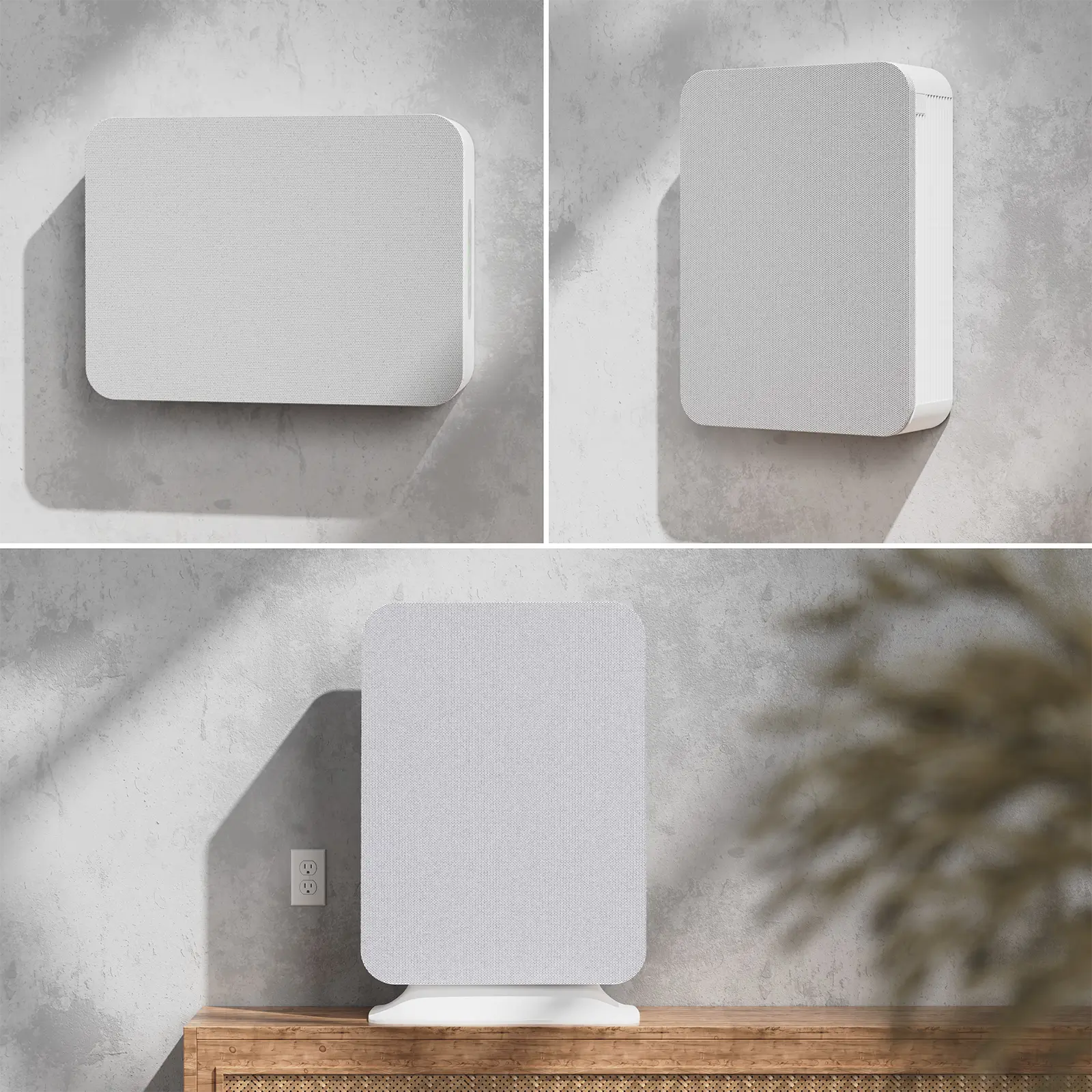
HisoAir - The newly launched HA380 has three installation methods, with a CADR of 380±10%m³/h and a noise level of 25-55dB
Beyond the Basics: Additional Features to Consider
While CADR, filtration, and noise level are the primary considerations, several other features can enhance the effectiveness and convenience of your air purifier:
- Activated Carbon Filter: Essential for removing odors associated with mold, as well as volatile organic compounds (VOCs) and other chemical pollutants.
- Pre-filter: Captures larger particles like dust and pet hair, extending the life of the HEPA filter.
- Smart Features: Wi-Fi connectivity, app control, and air quality sensors can provide real-time data and allow for automated operation based on indoor air quality.
- Portability: If you plan to move the air purifier between rooms, consider its size and weight.
- Filter Replacement Indicators: These alert you when it's time to change filters, ensuring continuous optimal performance.
Placement and Maintenance: Maximizing Your Air Purifier's Effectiveness
Even the best air purifier won't be effective if not used correctly. Here are some tips for maximizing its performance:
- Strategic Placement: Place the air purifier in the room where mold or allergens are most problematic. For whole-house coverage, consider multiple units or a central system. Ensure it's not obstructed by furniture or walls, allowing for optimal airflow.
- Regular Filter Replacement: Filters have a finite lifespan. Follow the manufacturer's recommendations for replacement intervals. Neglecting to change filters can reduce efficiency and even re-release trapped pollutants.
- Address the Source: An air purifier can remove airborne mold spores, but it cannot eliminate the source of mold growth. It's crucial to identify and fix any moisture issues (leaks, high humidity) to prevent mold from returning.
- Proper Ventilation: While an air purifier cleans indoor air, good ventilation is also important. Open windows when outdoor air quality is good to introduce fresh air.

HisoAir - Portable & Desktop Air Purifier HA-D10
الخاتمة
Choosing the right air purifier for mold removal and allergies is a critical investment in your health and home environment. By prioritizing CADR, True HEPA (HEPA 13) filtration, and noise levels at maximum performance, you can select a device that effectively captures airborne mold spores and allergens, providing significant relief and contributing to a healthier living space. Remember to also consider additional features and practice proper placement and maintenance to ensure your air purifier operates at its peak efficiency. With the right air purifier, you can breathe easier, knowing you've taken a proactive step against the silent threats of mold and allergens.
References
-
Healthline. Can Mold Cause Cancer: Latest Research, Risks & Preventing Exposure. ↩
 English
 Français
 Español
 Italiano
 Deutsch
 Português
 Русский
 العربية
 日本語
 한국어
 Tiếng Việt

