
As a homeowner, I understand the constant battle against unseen threats that can compromise our living spaces and, more importantly, our health. Among these, mold stands out as a particularly insidious adversary. It's not just an unsightly patch on a wall; it's a living organism that can silently spread, releasing spores that impact indoor air quality and trigger a range of health issues. In this comprehensive guide, we'll delve into the world of mold, its effects, and the two primary tools often considered for its mitigation: air purifiers and dehumidifiers. My goal is to provide you with a clear, actionable comparison to help you make the best choice for your home and family.
Understanding Mold and Its Impacts
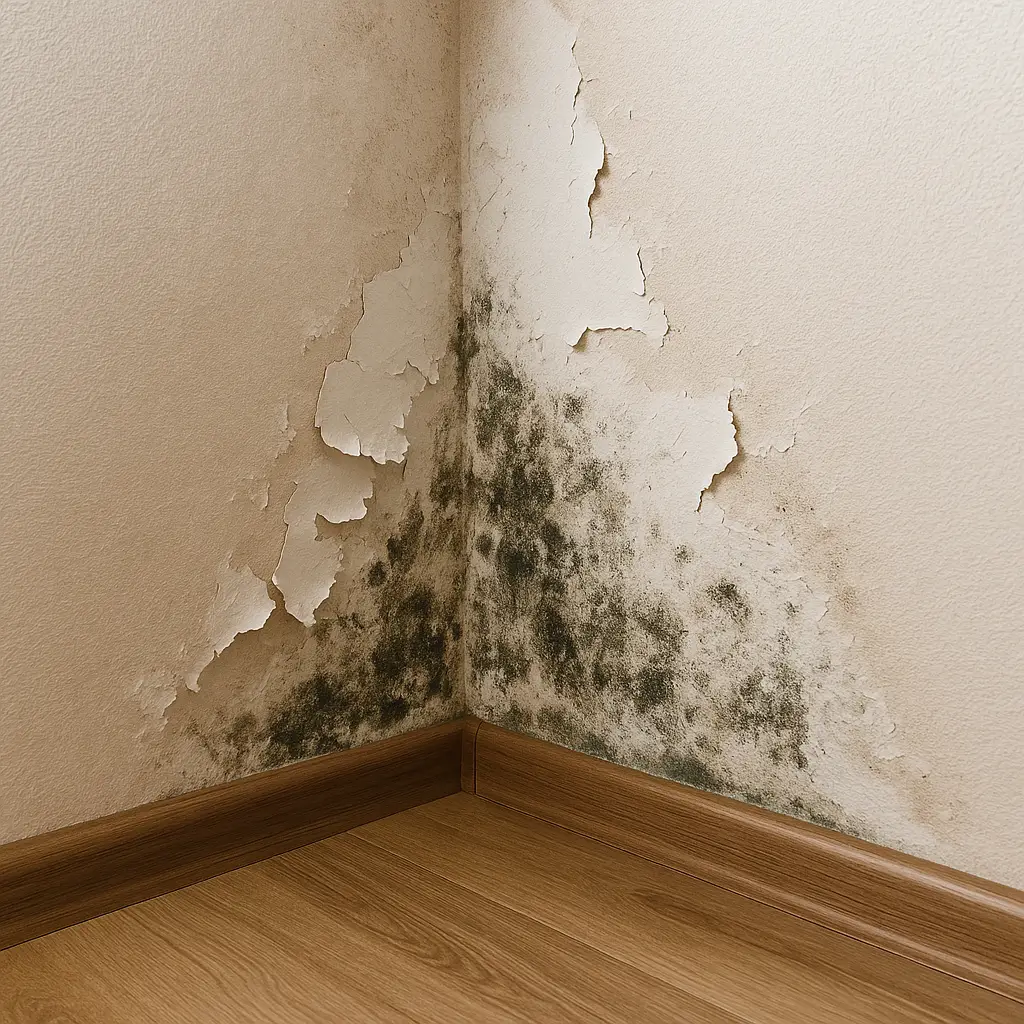
Mold, a type of fungus, is a natural part of our environment, playing a crucial role in the decomposition of organic matter outdoors. However, when it takes root indoors, it transforms into a household menace. Mold thrives in damp, poorly ventilated areas, reproducing by releasing microscopic spores that float through the air. These spores, invisible to the naked eye, can settle on surfaces and, given sufficient moisture, begin to grow, forming the fuzzy, discolored patches we commonly associate with mold. Its appearance can vary—from cotton-like to velvety or powdery—and it often emits a distinctive musty odor, a tell-tale sign of its presence.
How Does Mold Affect Health?
The health implications of mold exposure are a significant concern for many homeowners. When mold spores become airborne and are inhaled, they can trigger a variety of adverse reactions, particularly in individuals with sensitivities or pre-existing respiratory conditions. Common symptoms include coughing, sneezing, runny nose, watery eyes, itchy throat, and skin rashes. For those with asthma or other lung complications, mold exposure can exacerbate symptoms, leading to more frequent and severe attacks. In some cases, prolonged exposure can even lead to the development of mold sickness, characterized by persistent allergic reactions outside typical allergy seasons. It's a silent threat that can undermine the well-being of your household.
The Importance of Controlling Mold
Beyond health concerns, mold poses a substantial threat to your home's structural integrity. It feeds on organic materials like drywall, wood, and fabrics, gradually deteriorating them and leading to costly repairs. The financial burden of mold remediation can be staggering, ranging from hundreds to tens of thousands of dollars depending on the extent of the infestation. Therefore, proactive mold control is not just about safeguarding health; it's a critical investment in preserving your home's value and avoiding significant financial strain. The sooner you address a mold problem, the less damage it will cause, making prevention a far more economical and desirable approach than remediation.
Understanding Air Purifiers for Mold
When considering solutions for improving indoor air quality, air purifiers are often at the forefront of my mind, especially when dealing with airborne contaminants like mold spores. These devices are designed to actively clean the air, offering a proactive approach to maintaining a healthier indoor environment.
كيف تعمل أجهزة تنقية الهواء
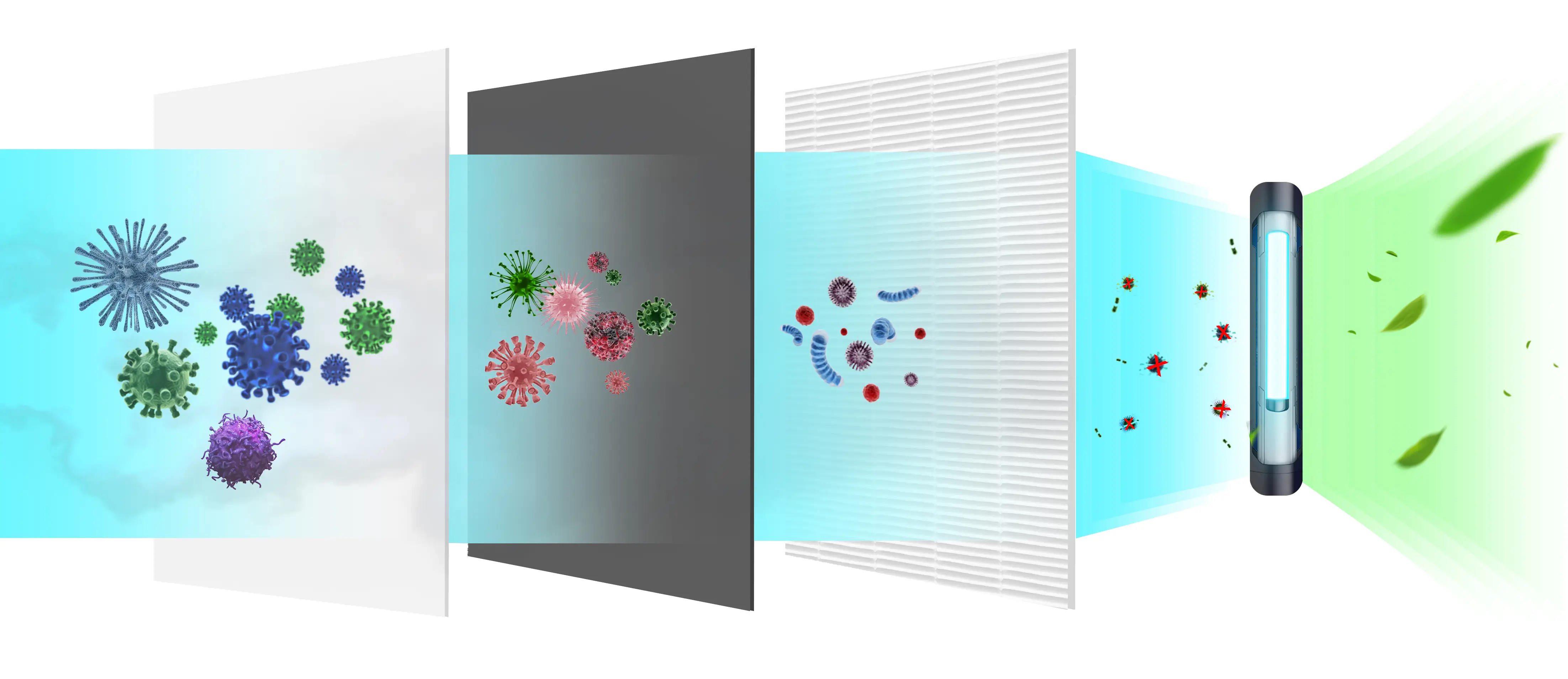
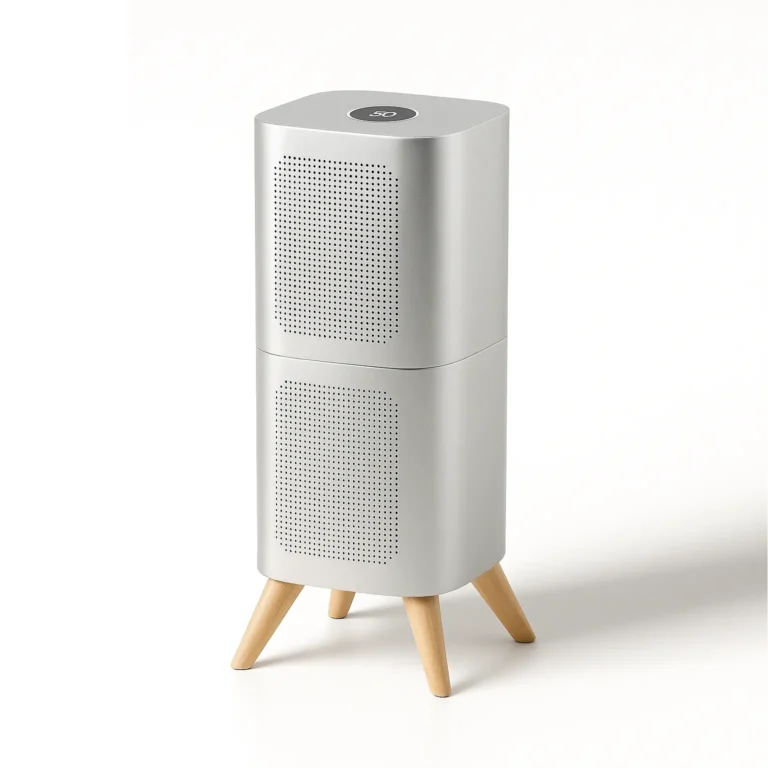
Air purifiers function by drawing in ambient air, passing it through a series of filters, and then releasing purified air back into the room. This process effectively traps various airborne particles, preventing them from circulating and being inhaled. The efficiency of an air purifier largely depends on the quality and type of its filtration system. Most effective air purifiers for mold utilize a multi-stage filtration process to capture a wide range of pollutants.
أنواع أجهزة تنقية الهواء
While various air purification technologies exist, certain types are particularly effective against mold spores and related airborne contaminants:
-
HEPA (High-Efficiency Particulate Air) Filters: These are the gold standard for capturing microscopic particles. A true HEPA filter is designed to trap 99.97% of airborne particles as small as 0.3 microns, including most mold spores.
-
فلاتر الكربون المنشط: These filters address odors or volatile organic compounds (VOCs) that mold can produce. They contain a porous material that adsorbs gases, odors, and VOCs, effectively removing musty smells associated with mold growth.
-
UV-C Light: Some advanced air purifiers incorporate UV-C (ultraviolet-C) light technology, which has germicidal properties and can kill certain indoor pollutants like bacteria, viruses, and mold spores by damaging their DNA. While beneficial for sterilizing airborne mold spores, it's most effective when used with HEPA and activated carbon filters, as it doesn't remove physical mold spores from the air.
Best Air Purifiers for Mold Removal
When selecting an air purifier specifically for mold removal, I always look for models that combine robust filtration capabilities with features that enhance overall air quality management. Key considerations include:
-
True HEPA Filtration: Non-negotiable for capturing mold spores and other allergens.
-
Activated Carbon for Odor Control: Crucial for adsorbing musty smells.
-
Appropriate Room Size Coverage (CADR): A high CADR for dust and pollen is essential, as mold spores fall within this particle size range. Choose a unit with a CADR suitable for the room's square footage.
-
Real-Time Air Quality Monitoring: Sensors detect airborne particles and VOCs, allowing the unit to automatically adjust fan speeds for optimal performance.
-
Filter Maintenance Indicators: Clear indicators ensure timely cleaning or replacement, preventing the unit from becoming a source of pollution.
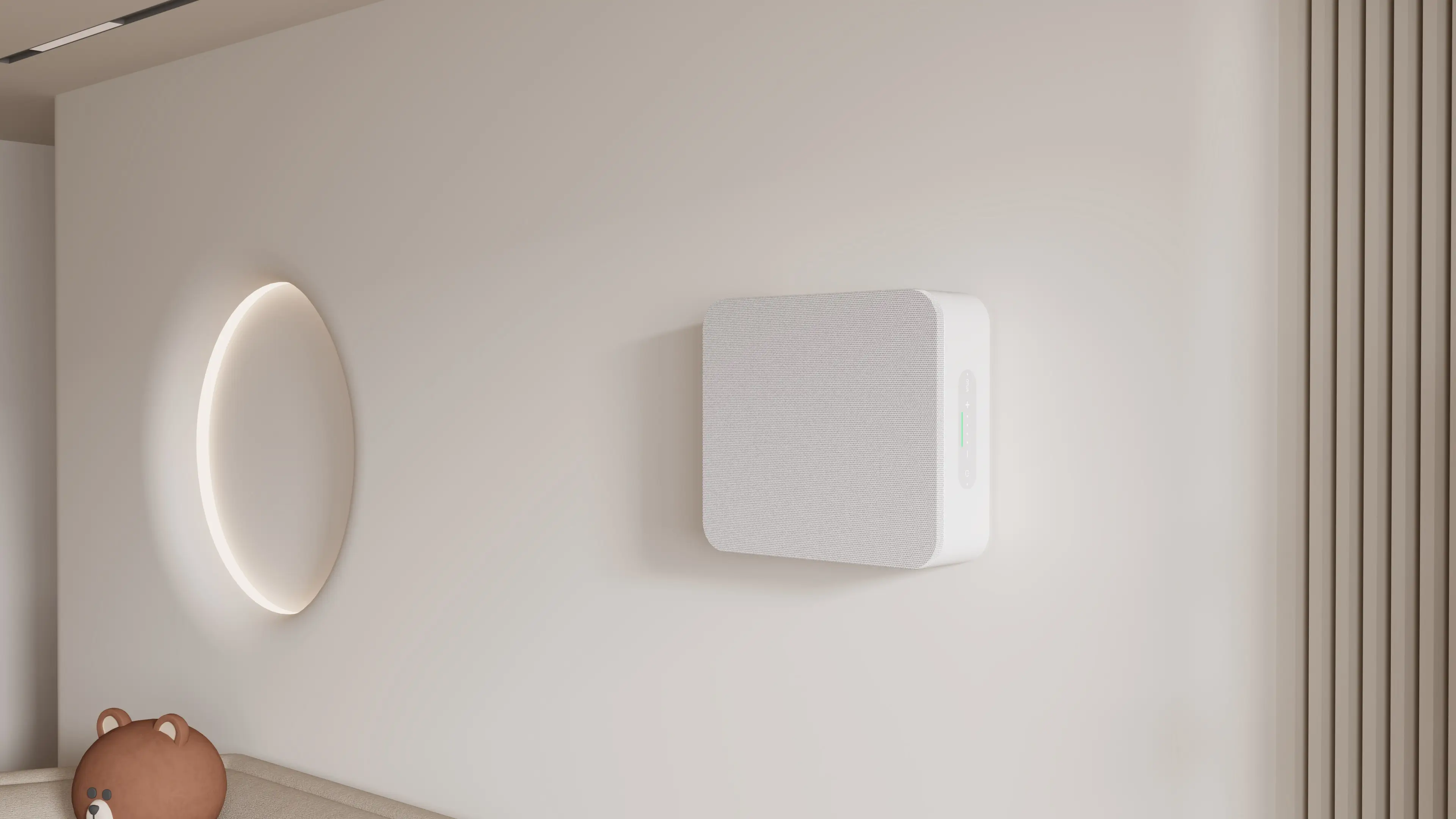
Investing in a جهاز تنقية هواء عالي الجودة with these features is a significant step towards mitigating airborne mold spores and improving overall indoor air quality. It's a proactive measure that complements other mold control strategies.
Understanding Dehumidifiers
While air purifiers tackle airborne mold spores, dehumidifiers address the root cause of mold growth: excessive moisture. As someone deeply involved in indoor air quality, I recognize that controlling humidity is paramount in preventing mold from taking hold in the first place. Let's explore how these essential devices work and their role in mold prevention.
How Dehumidifiers Function
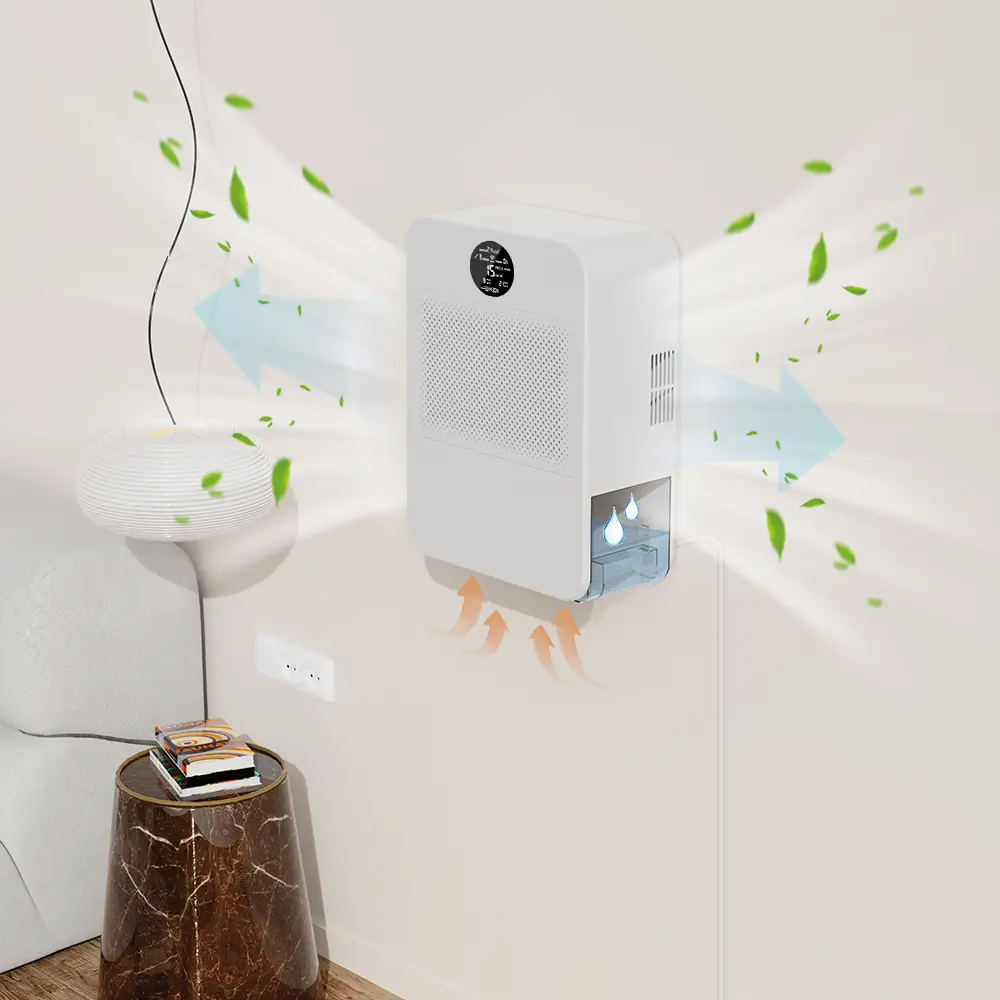
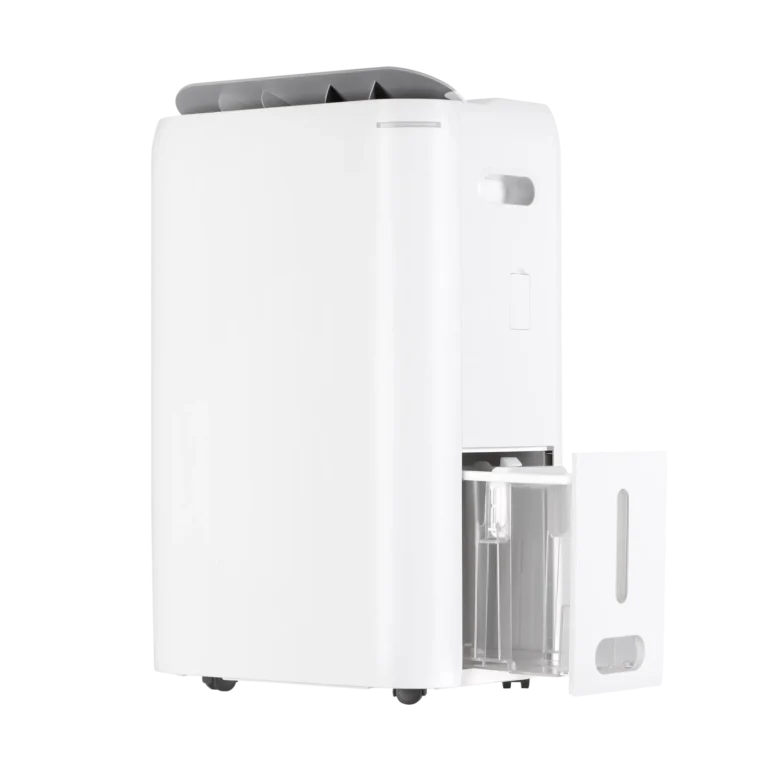
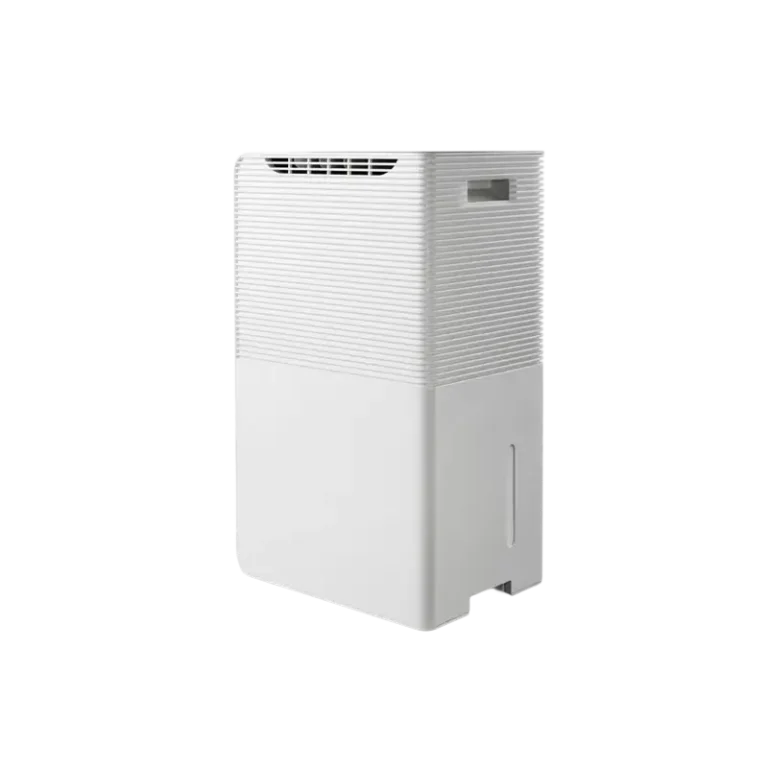
Dehumidifiers operate by drawing in moist air, passing it over cold coils to condense moisture into liquid water, and then releasing the now-drier air back into the space. This process effectively removes excess humidity, creating an environment less conducive to mold growth.
Different Types of Dehumidifiers
Understanding the different types of dehumidifiers can help you choose the most suitable one for your specific needs:
-
Refrigerant (Compressor) Dehumidifiers: Most common, effective in warmer, humid conditions (above 65°F or 18°C). Energy-efficient for typical household use.
-
Desiccant Dehumidifiers: Use a moisture-absorbing material, effective in cooler environments (below 65°F or 18°C), ideal for basements or unheated spaces.
-
Whole-House Dehumidifiers: Integrated into HVAC systems for consistent humidity control throughout the entire house.
Best Dehumidifiers for Mold Prevention
When I advise on dehumidifiers for mold prevention, I emphasize selecting a unit that can effectively maintain indoor humidity levels between 30% and 50%. This range is ideal for inhibiting mold growth and ensuring occupant comfort. Key features to look for include:
-
Appropriate Capacity: Rated by moisture removal (pints per day), capacity depends on area size and humidity level.
-
Built-in Humidistat: Allows setting a target humidity level, with automatic on/off to maintain it.
-
Continuous Drainage Option: Eliminates manual reservoir emptying.
-
Low-Temperature Operation: For cool basements or garages, look for models efficient at lower temperatures.
-
شهادة نجمة الطاقة: Ensures energy efficiency and cost savings.
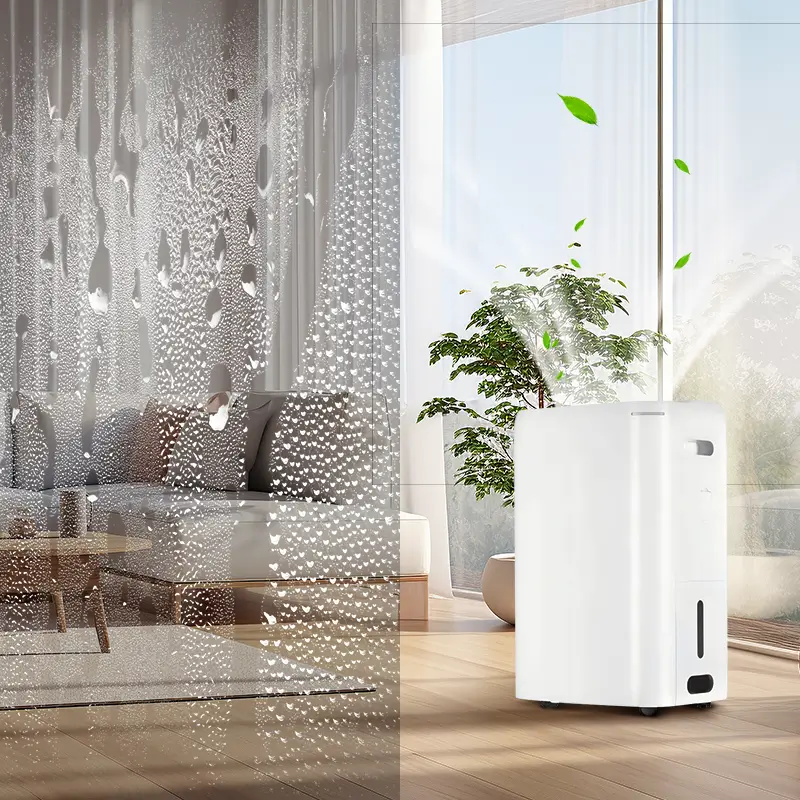
Controlling humidity is a fundamental step in creating an environment where mold cannot thrive. A well-chosen مزيل الرطوبة is an indispensable tool in this endeavor, working silently to keep your home dry and mold-free.
Key Differences Between Air Purifiers and Dehumidifiers
Having explored the individual functionalities of أجهزة تنقية الهواء و dehumidifiers, it's crucial to understand their distinct roles and how they complement each other in the fight against mold. From my perspective, they are not interchangeable but rather specialized tools designed for different aspects of indoor air quality management.
Air Filtration vs. Moisture Control
The most fundamental difference lies in their primary function. An جهاز تنقية الهواء is an air filtration device, removing airborne particles like mold spores, dust, and allergens. It cleans the air you breathe by trapping contaminants in its filters. A مزيل الرطوبة is a moisture control device, reducing humidity levels by extracting excess moisture from the air. It creates an environment where mold is less likely to grow by making the air too dry. An air purifier addresses the symptoms of mold (airborne spores and odors), while a dehumidifier addresses the cause (excess moisture).
Effectiveness in Mold Removal
Their effectiveness varies based on the form of mold:
-
Air Purifiers: Highly effective at removing airborne mold spores. They do not remove visible mold on surfaces but prevent new growth and reduce spore inhalation. They also help with musty odors.
-
Dehumidifiers: Do not remove existing mold. Their effectiveness lies in preventing mold growth by controlling humidity. By keeping indoor humidity below 50%, they create an unfavorable environment for mold to germinate and spread.
In essence, an air purifier cleans the air after spores are released, while a dehumidifier prevents the conditions that lead to spore release and mold growth.
Cost Comparisons
Both initial purchase and ongoing operational costs differ:
-
Initial Cost: Air purifiers range from under $100 to over $1000. Dehumidifiers range from $150-$200 for portable units to $300-$800+ for larger systems.
-
Operational Costs: Air purifiers have annual filter replacement costs ($50-$200) and moderate electricity use. Dehumidifiers have higher electricity consumption, but typically no recurring filter costs. The cost of prevention (using both) is significantly less than mold remediation.
Combining Both for Maximum Effectiveness
From my extensive experience in indoor air quality, I can confidently state that the most effective strategy for combating mold involves a synergistic approach, leveraging both air purifiers and dehumidifiers(Or HisoAir's 2-in-1 dehumidification and purification). They are not alternatives but rather complementary tools that address different facets of the mold problem. Think of it as a two-pronged attack: one to control the airborne threat, and the other to eliminate the conditions that allow the threat to emerge.
When to Use an Air Purifier for Mold
I recommend using an air purifier primarily when there's a concern about airborne mold spores or associated odors. This includes situations such as:
-
After Mold Remediation: To capture residual airborne spores and improve air quality.
-
During High Mold Seasons: To filter incoming spores from outdoors.
-
For Allergy and Asthma Sufferers: To reduce exposure to airborne allergens.
-
To Control Musty Odors: An activated carbon filter effectively neutralizes these smells.
-
In Areas Prone to Dampness (even with a dehumidifier): To capture spores from existing growth or disturbance.
When to Use a Dehumidifier
A dehumidifier is your primary weapon against the conditions that foster mold growth. I advise its use in any area where humidity levels consistently exceed 50%, or where dampness is a recurring issue:
-
In Basements and Crawl Spaces: Essential due to high humidity and poor ventilation.
-
In Bathrooms and Laundry Rooms: To quickly reduce moisture after use.
-
During Humid Seasons: To maintain comfortable and healthy indoor humidity levels.
-
After Water Leaks or Flooding: Critical for drying out affected areas and preventing mold.
-
In Homes with Poor Ventilation: To compensate by actively removing excess moisture.
Integrated Solutions
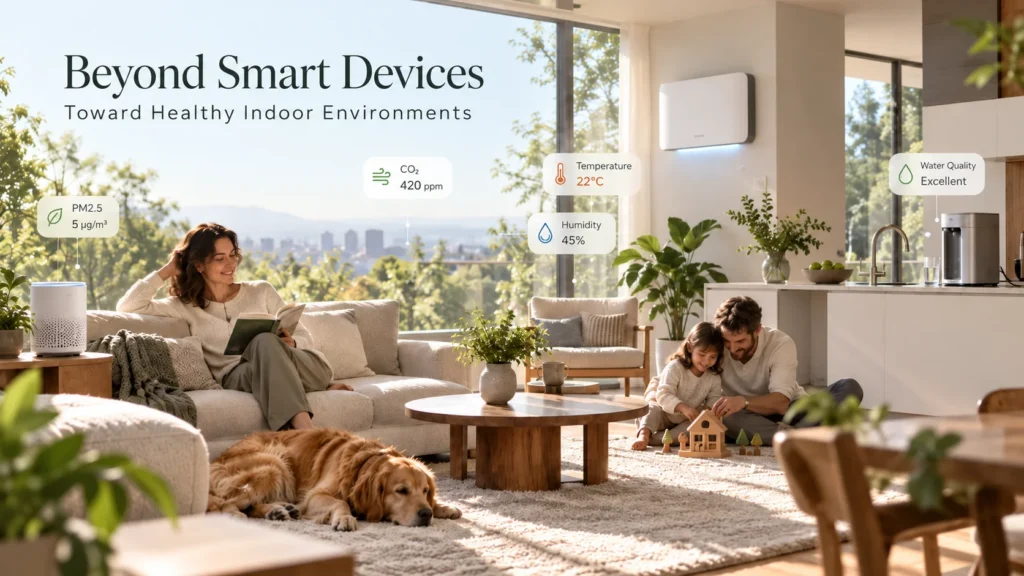
For optimal mold control, I strongly advocate for an integrated approach. This means using both an air purifier and a dehumidifier in tandem, strategically placed where they can be most effective. For example, a dehumidifier in a damp basement will prevent mold from growing on surfaces, while an air purifier in a living area will capture any stray spores that might travel from other parts of the house or enter from outdoors.
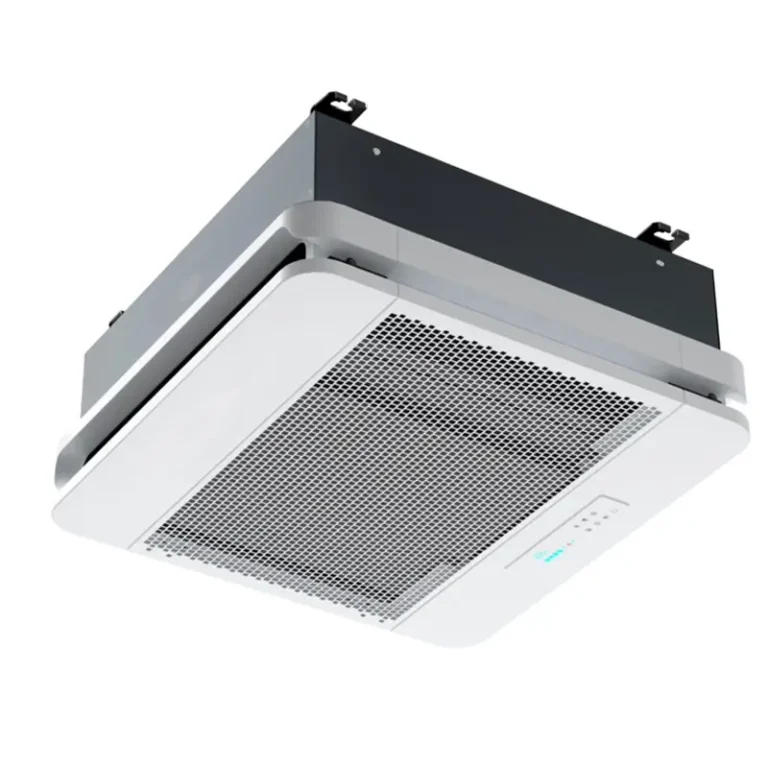
Some advanced HVAC systems offer whole-house humidity control and air filtration, providing an integrated solution. However, for most homes, separate portable units offer flexibility and targeted treatment for problem areas. Regularly monitoring humidity levels with a hygrometer (ideally keeping them between 30-50%) and using both devices as needed will create a comprehensive defense against mold, ensuring a healthier and more comfortable living environment for you and your family.
Conclusion: Making the Right Choice for Your Home
As I reflect on the journey through understanding mold and its mitigation, it becomes clear that there isn't a single magic bullet. The decision between an air purifier and a dehumidifier, or more accurately, how to best utilize both, hinges on a clear understanding of their distinct functions and your home's specific needs. My aim throughout this comparison has been to empower you with the knowledge to make an informed choice, one that safeguards both your property and the well-being of your loved ones.
Summary of Key Points
Let's recap the essential takeaways from our discussion:
-
Mold is a Health and Home Hazard: Thrives in damp environments, posing risks from respiratory issues to structural damage.
-
Air Purifiers Filter the Air: Remove airborne particles like mold spores, dust, and allergens, addressing the symptoms of mold.
-
Dehumidifiers Control Moisture: Reduce humidity, eliminating the cause of mold growth by maintaining indoor humidity between 30% and 50%.
-
They Are Complementary, Not Substitutes: Air purifiers clean airborne spores; dehumidifiers prevent growth. Combined use is most effective.
-
Cost-Effectiveness of Prevention: Investing in these devices is significantly more cost-effective than mold remediation.
Recommendations Based on Your Needs
Based on my insights, here are my recommendations to guide your decision-making process:
-
Visible mold or musty odor: Address existing mold first. Then, use an air purifier with True HEPA and activated carbon filter to capture residual spores and eliminate odors.
-
High humidity, condensation, or dampness: A مزيل الرطوبة is your priority. Focus on areas like basements, bathrooms, or laundry rooms. Aim for humidity below 50%.
-
Comprehensive mold prevention and optimal indoor air quality: I strongly recommend a combined approach. Use a dehumidifier in damp areas and an air purifier in living spaces. This dual strategy provides robust defense.
-
Consider Your Climate: Dehumidifier is almost always necessary in humid climates. In drier climates, an air purifier might suffice unless specific areas are damp.
Ultimately, the goal is to create a home environment that is inhospitable to mold. By understanding the unique strengths of air purifiers and dehumidifiers, and by strategically deploying them, you can take significant steps towards achieving a healthier, cleaner, and more comfortable living space. My hope is that this comparison empowers you to breathe easier, knowing you've made the right choice for your home.

 English
  Français
  Español
  Italiano
  Deutsch
  Português
  Русский
  العربية
  日本語
日本語  한국어
한국어  Tiếng Việt

