يفتح في علامة تبويب جديدة
حلول مبتكرة لجودة الهواء
هيسو إير
استفسر الآن

Top Air Purifier Manufacturers Offering OEM/ODM Services for the US Market

Related Products

The US market for air purifiers has grown significantly over the past few years due to rising concerns about air quality, pollution, and health-related risks. As businesses and consumers continue to prioritize clean air, the demand for high-quality, efficient air purifiers has surged. For brands looking to enter this market or expand their product lines, partnering with an experienced الشركة المصنعة لأجهزة تنقية الهواء OEM/ODM أمر ضروري.

سنستكشف في هذه المدونة العوامل الرئيسية التي تجعل الشركة المصنعة لأجهزة تنقية الهواء مناسبة للسوق الأمريكية، بما في ذلك الامتثال لمعايير السلامة الأمريكية، والخبرة في خدمة أفضل العلامات التجارية، والخبرة في تطوير الأجهزة الذكية التي تدعم إنترنت الأشياء. وسوف نسلط الضوء أيضًا على السبب الذي يجعل شركة HisoAir الشريك المثالي للعلامات التجارية التي تتطلع إلى تقديم حلول مخصصة لتنقية الهواء في الولايات المتحدة.

Expertise in U.S. Safety and Quality Standards

تُعد تلبية معايير السلامة والجودة في الولايات المتحدة شرطًا أساسيًا لأي شركة مصنعة لأجهزة تنقية الهواء تهدف إلى دخول السوق الأمريكية. تضمن هذه المعايير أن تكون أجهزة تنقية الهواء آمنة وموفرة للطاقة وفعالة في تحسين جودة الهواء الداخلي. وبالنسبة لمصنعي المعدات الأصلية/مصنعي أجهزة تنقية الهواء، فإن فهم هذه اللوائح والالتزام بها عملية معقدة تتطلب سنوات من الخبرة.

الشهادات والمعايير الرئيسية للسوق الأمريكية:

  • معايير السلامة الخاصة بمختبرات UL (Underwriters Laboratories): تضمن شهادة UL أن أجهزة تنقية الهواء تلبي أعلى معايير السلامة الكهربائية وسلامة المنتج بشكل عام.
  • AHAM (رابطة مصنعي الأجهزة المنزلية): يركز اعتماد AHAM على معدل توصيل الهواء النظيف (CADR)، والذي يقيس مدى فعالية جهاز تنقية الهواء في إزالة الملوثات من الهواء.
  • مجلس كاليفورنيا لموارد الهواء (CARB): يضع CARB لوائح صارمة لانبعاثات الأوزون، وهو عامل حاسم بالنسبة لأجهزة تنقية الهواء التي تباع في كاليفورنيا.
  • وزارة الطاقة (وزارة الطاقة) ونجمة الطاقة: تعد كفاءة الطاقة أمرًا حيويًا للمستهلكين في الولايات المتحدة، ويجب على المصنعين تلبية معايير وزارة الطاقة والتأهل نجمة الطاقة شهادات لضمان أن منتجاتها تستهلك الحد الأدنى من الطاقة.
  • التوافق مع لجنة الاتصالات الفيدرالية: يجب أن تتوافق أجهزة تنقية الهواء المزودة بمكونات إلكترونية مع لجنة الاتصالات الفيدرالية لوائح منع التداخل الضار مع الاتصالات اللاسلكية.
  • CA65 (اقتراح كاليفورنيا 65): يضمن هذا المعيار أن أجهزة تنقية الهواء لا تعرض المستهلكين للمواد الكيميائية الضارة التي قد تسبب السرطان أو الضرر الإنجابي.

في شركة HisoAir، لدينا أكثر من 20 عامًا من الخبرة في التعامل مع هذه الشهادات ومعايير السلامة، مما يمكننا من إنتاج أجهزة تنقية الهواء التي تلبي جميع المتطلبات التنظيمية الأمريكية. تضمن فرقنا المتخصصة اجتياز كل منتج للاختبارات اللازمة للامتثال لهذه المعايير الصارمة، مما يقلل من مخاطر سحب المنتج أو مشاكل السلامة.
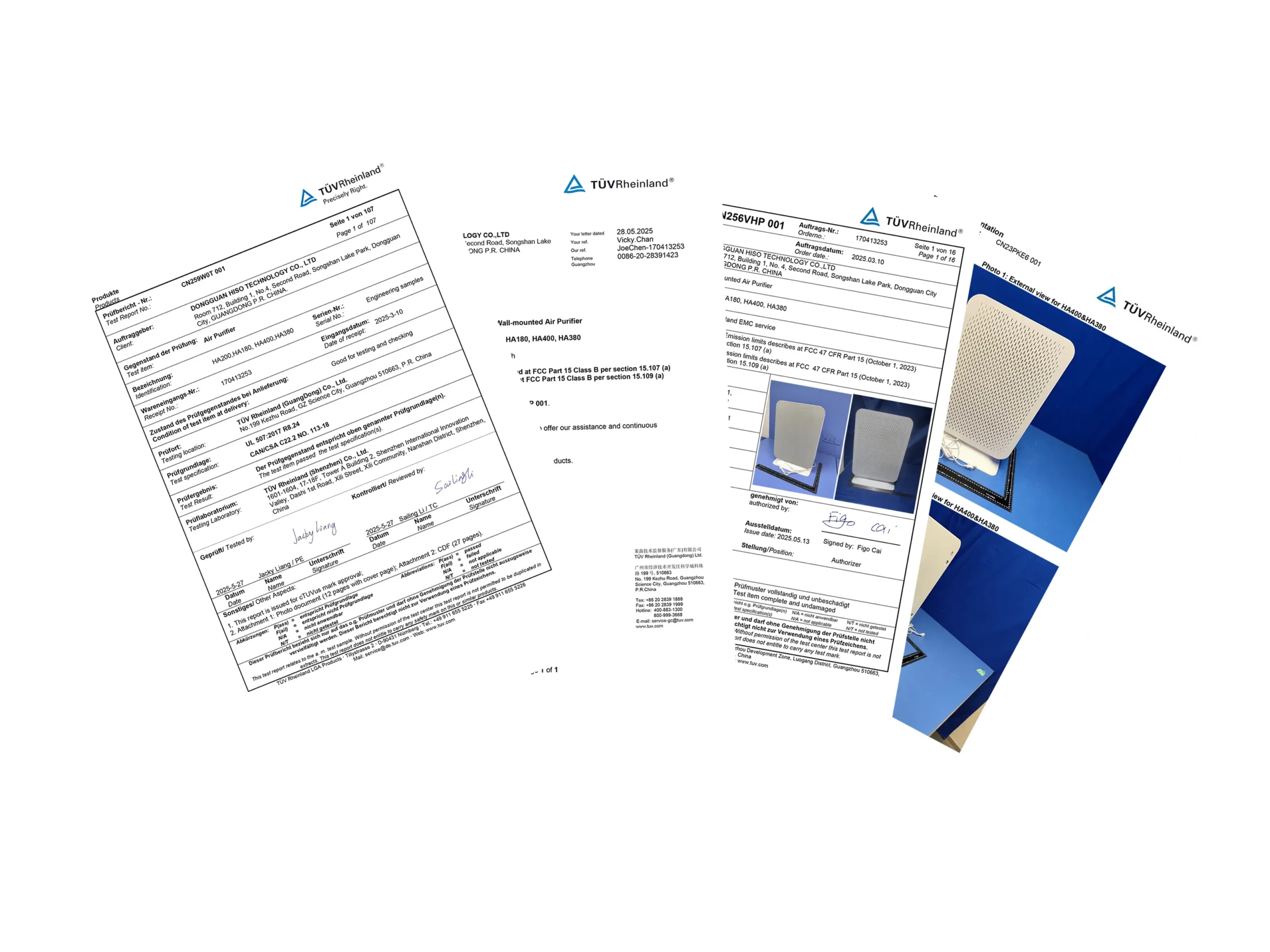
ha200 ha400 ha180 ha380 certifications
HisoAir | Certified to International Standards

Experience in the U.S. Market and Serving Top Brands

إن فهم تفضيلات المستهلكين الأمريكيين أمر بالغ الأهمية لأي مصنع يتطلع إلى النجاح في هذا السوق. يعطي العملاء الأمريكيون الأولوية لميزات معينة، مثل كفاءة الطاقة، والتشغيل الهادئ، والتصنيفات العالية لمعدل الكفاءة في استهلاك الطاقة. لتلبية هذه المتطلبات، يجب أن يتمتع المصنعون بخبرة واسعة في تصميم المنتجات التي تتماشى مع هذه التفضيلات.

العمل مع أفضل العلامات التجارية الأمريكية:

يتمتع المصنعون ذوو الخبرة في تصنيع المعدات الأصلية/التصنيع حسب الطلب بسجل حافل من العمل مع أفضل العلامات التجارية الأمريكية مثل 3M, الناقلو جيرمجارديان. تُظهر هذه الشراكات قدرة الشركة المصنعة على إنشاء أجهزة تنقية هواء عالية الجودة ومخصصة تلبي الاحتياجات المحددة للعملاء الأمريكيين.

لقد نجحنا في شركة HisoAir في تطوير أجهزة تنقية الهواء وتصنيعها لعلامات تجارية عالمية رائدة، بما في ذلك بلو إير. نحن متخصصون في ابتكار حلول مصممة خصيصًا لتلبية متطلبات العملاء الفريدة، مثل الترشيح المتخصص لمسببات الحساسية، والتشغيل الهادئ لغرف النوم والمكاتب، والأجهزة التي تدعم إنترنت الأشياء للمنازل الذكية. تضمن خبرتنا في سوق الولايات المتحدة أننا نستطيع تقديم ما يتوقعه المستهلكون الأمريكيون بالضبط.

Keeping Up with Evolving U.S. Regulatory Trends

يتطور المشهد التنظيمي لأجهزة تنقية الهواء في الولايات المتحدة باستمرار، ويجب على الشركات المصنعة أن تظل مواكبة لهذه التغييرات لتبقى متوافقة. التحديثات الأخيرة من AHAM, وزارة الطاقةوإدخال ASHRAE 241 في عام 2024 معايير جديدة لأداء أجهزة تنقية الهواء وكفاءة الطاقة.

التحديثات التنظيمية الرئيسية:

  • تحديثات AHAM القياسية: تتطلب معايير اختبار CADR الجديدة من الشركات المصنعة تحسين كفاءة الترشيح دون المساس باستهلاك الطاقة.
  • متطلبات استهلاك الطاقة لوزارة الطاقة: لقد طبقت وزارة الطاقة متطلبات أكثر صرامة لكفاءة الطاقة لأجهزة تنقية الهواء، مما يعني أن المنتجات يجب أن تقدم معدل كفاءة طاقة مرتفع مع الحد الأدنى من استخدام الطاقة لتبقى متوافقة.
  • ASHRAE 241: يحدد هذا المعيار الجديد، الذي من المقرر أن يدخل حيز التنفيذ في عام 2024، المبادئ التوجيهية لأنظمة تنقية الهواء والتهوية في المساحات التجارية الكبيرة، وسيتطلب من الشركات المصنعة تصميم أجهزة تنقية الهواء التي يمكنها تلبية متطلبات التنقية العالية هذه.

نحن في هيسو إير نعمل باستمرار على ترقية تصميمات منتجاتنا وتقنياتنا لضمان الامتثال لهذه المعايير المتطورة. إن فريقنا الهندسي على دراية جيدة بأحدث الاتجاهات التنظيمية، مما يضمن أن منتجاتنا لا تلبي المتطلبات الحالية فحسب، بل تتوقع أيضًا التغييرات المستقبلية.

Expertise in Firmware and IoT Connectivity: Thread and Matter

مع انتشار المنازل الذكية وتقنية إنترنت الأشياء على نطاق واسع في الولايات المتحدة، تحتاج أجهزة تنقية الهواء إلى توفير خيارات اتصال تسمح للمستخدمين بالتحكم في أجهزتهم ومراقبتها عن بُعد. بروتوكولان ناشئان لإنترنت الأشياء الخيط و المسألةتكتسب شعبية سريعة في سوق الولايات المتحدة بسبب تكاملها السلس عبر مختلف منصات المنزل الذكي.

سبب أهمية الخيط والمادة:

  • الخيط: يعد هذا البروتوكول اللاسلكي منخفض الطاقة مثاليًا للأجهزة المنزلية الذكية، حيث يوفر أوقات استجابة سريعة وموثوقية متزايدة في البيئات المتصلة.
  • المسألة: يعمل هذا المعيار الموحد للصناعة على تبسيط تكامل الأجهزة المنزلية الذكية عبر منصات مثل Apple HomeKit وAmazon Alexa وGoogle Home.

تتمتع شركة HisoAir بخبرة واسعة في تطوير أجهزة تنقية الهواء التي تدعم بروتوكولات إنترنت الأشياء التي تدعم هذه البروتوكولات المتطورة. يقوم مهندسونا بإنشاء برامج ثابتة تضمن إمكانية دمج أجهزتنا بسهولة في أنظمة المنزل الذكي، مما يوفر للمستخدمين تحكمًا كاملاً في جودة الهواء من أي مكان.

In-House CNAS Testing Labs: Ensuring Quality and Performance

تتمثل إحدى السمات المميزة لأفضل مصنعي المعدات الأصلية/التصنيع حسب الطلب في القدرة على إجراء اختبارات داخلية مكثفة لضمان جودة المنتج وأدائه. مختبرات الاختبار المعتمدة من CNAS (خدمة الاعتماد الوطنية الصينية لتقييم المطابقة) ضرورية للمصنعين الذين يهدفون إلى إنتاج أجهزة تنقية الهواء التي تلبي أعلى معايير الدقة والموثوقية.

قدرات الاختبار الرئيسية:

  • دقة المستشعر ومعايرته: ضمان معايرة أجهزة استشعار جودة الهواء بشكل صحيح للمراقبة في الوقت الحقيقي.
  • اختبار CADR: التحقق من معدل توصيل الهواء النظيف لضمان الامتثال لمعايير AHAM وغيرها من المعايير الأمريكية.
  • اختبار CCM: يقيس اختبار الكتلة النظيفة التراكمية مقدار الملوثات التي يمكن لجهاز تنقية الهواء إزالتها بمرور الوقت.
  • الاختبار الكهربائي: ضمان السلامة الكهربائية وامتثال لجنة الاتصالات الفيدرالية FCC.
  • اختبار تدفق الهواء والضوضاء: التحقق من تحسين تدفق الهواء مع الحفاظ على مستويات الضوضاء منخفضة لراحة المستهلك.

استثمرت شركة HisoAir في أحدث مرافق الاختبار لضمان أن جميع أجهزة تنقية الهواء لدينا تلبي المعايير الدولية وتتجاوزها. تُجري مختبراتنا المعتمدة من CNAS مجموعة واسعة من الاختبارات، بما في ذلك اختبار CADR، وCCM، والسلامة الكهربائية، واختبار مستوى الضوضاء، مما يضمن أن كل منتج نقوم بتصنيعه موثوق وآمن للسوق الأمريكية.

Why HisoAir is the Right Partner for تصنيع المعدات الأصلية/التصنيع حسب الطلب تصنيع أجهزة تنقية الهواء

مع أكثر من 20 عاماً من الخبرة في مجال تنقية الهواء, هيسو إير الشريك المثالي للشركات التي تتطلع إلى تقديم أجهزة تنقية هواء مخصصة في السوق الأمريكية. تضمن لنا خبرتنا في التعامل مع معايير السلامة في الولايات المتحدة، وخدمة أفضل العلامات التجارية، والبقاء في طليعة اتجاهات الصناعة، قدرتنا على تقديم منتجات عالية الجودة تلبي الاحتياجات الخاصة للعملاء الأمريكيين.

المزايا الرئيسية للشراكة مع HisoAir:

  • الخبرة في شهادات S. الشهادات والمعايير (UL، AHAM، AHAM، CARB، DOE، Energy Star، FCC، CA65).
  • سجل حافل من العمل مع أفضل العلامات التجارية الأمريكية مثل بلو إير.
  • خبرة في التطوير أجهزة تنقية هواء ذكية تعمل بتقنية إنترنت الأشياء مع بروتوكولات الخيط والمادة
  • داخلياً مختبرات اختبار CNAS لضمان الجودة الشاملة.

هل أنت مستعد لجلب علامتك التجارية لتنقية الهواء إلى السوق الأمريكية؟ تواصل مع هيسو إير اليوم لمعرفة المزيد عن خدمات تصنيع المعدات الأصلية/التصنيع حسب الطلب وكيف يمكننا مساعدتك في تطوير حلول مخصصة لتنقية الهواء تلبي أعلى معايير الجودة والأداء.

الخاتمة: اختيار الشركة المصنعة للمعدات الأصلية/التصنيع حسب الطلب المناسب للسوق الأمريكية

يُعد اختيار مُصنِّع مُصنِّع مُصنِّع مُصنِّع أجهزة تنقية الهواء من ذوي الخبرة أمرًا بالغ الأهمية لتحقيق النجاح في السوق الأمريكية. فمع معايير السلامة والكفاءة الصارمة، واللوائح التنظيمية سريعة التطور، والطلب على الأجهزة الذكية المتصلة، يجب أن تكون الشركات المصنعة مجهزة لمواجهة هذه التحديات. هيسو إير الخبرة والمرافق والتجربة اللازمة لتقديم أجهزة تنقية هواء عالية الجودة تتماشى مع احتياجات السوق الأمريكية.

اتصل بنا اليوم لاستكشاف كيف يمكننا مساعدة علامتك التجارية على النجاح من خلال حلول تنقية الهواء المخصصة المصممة للسوق الأمريكية.

شارك:
Alwen Lee of HisoAir
Alwen Lee, an air purification expert with over 10 years of experience, is a devoted father of two and a passionate traveler, having explored more than 30 countries. With a love for public speaking and swimming, he has dedicated his life to the indoor air quality industry. His mission is to ensure that people around the world enjoy the freedom to breathe clean air and lead happy, healthy lives.

أرسل لنا رسالة

Related Products

المزيد للقراءة

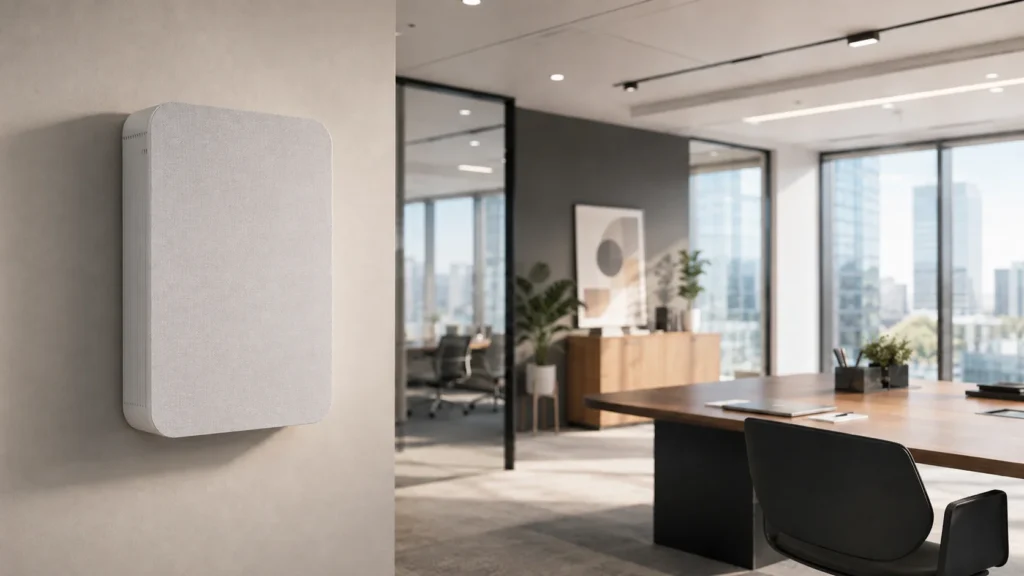
A modern office room with a gray wall-mounted air purifier, large wooden desk, office chairs, indoor plants, and glass windows offering a city view.

Luftreiniger gegen Staub: HEPA-Luftreinigung für Büro, Gewerbe und Industrie

Kurz gesagt: Ein Luftreiniger entfernt Staub aus der Luft – nicht vom Schreibtisch. Er reduziert die Konzentration schwebender Partikel und damit auch die Menge an ...
Air purifier, Filter
أفضل 4 شركات مصنعة لأجهزة تنقية الهواء في ماليزيا

Best air purifier in malaysia 2026: top 10 brands

يتلوث الهواء بالعديد من الجسيمات مثل الغبار والمواد المسببة للحساسية والفيروسات والبكتيريا وغيرها من الجسيمات التي يمكن أن تضر بصحة الناس. تنظيفه باستخدام أجهزة تنقية الهواء الفعالة ...
الشركات المصنعة لأجهزة تنقية الهواء، الأخبار
Featured image for How to launch a private label wellness product in the US

How to launch a private label wellness product in the US

Stand out in the US wellness market! Partner with innovators for unique products and tap into a booming industry. Start your launch today!
AI Trends, Air purifier
White air purifier beside an upholstered armchair

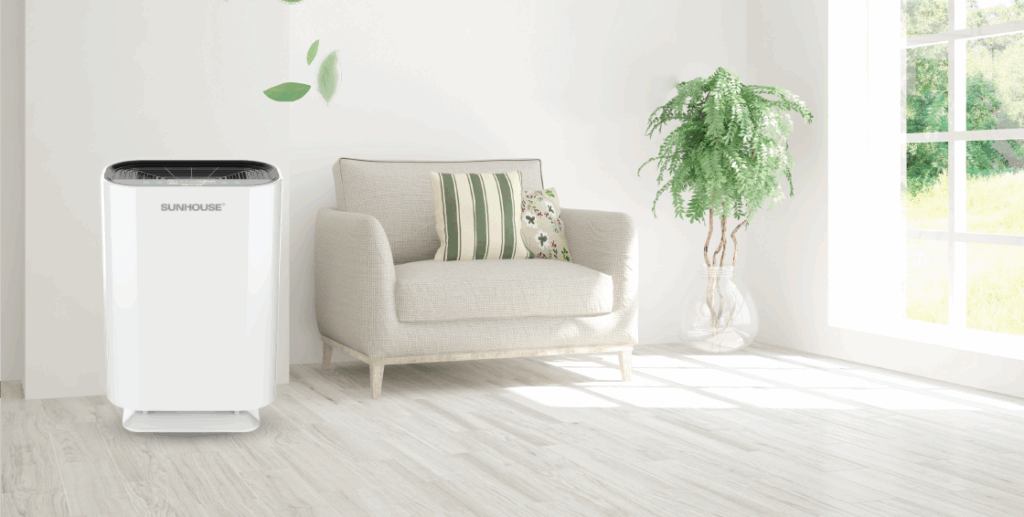
Where Are Sunhouse Air Purifiers Manufactured?

When you pick up a product, the 'Made in...' label often tells a seemingly straightforward story. For Sunhouse, a prominent name in home appliances, that ...
الشركات المصنعة لأجهزة تنقية الهواء
trusens air purifier 2

Where Are TruSens Air Purifiers Manufactured?

In today's world, clean air isn't just a luxury; it's a necessity for health, productivity, and peace of mind. Whether you're a homeowner seeking a ...
الشركات المصنعة لأجهزة تنقية الهواء
bissell air purifiers 2

Where Are Bissell Air Purifiers Manufactured?

When you think of Bissell, what comes to mind? For most, it’s a story of American ingenuity. With a history stretching back nearly 150 years, ...
الشركات المصنعة لأجهزة تنقية الهواء
Contaminant Engineering•3 min read

PFAS Water Filtration Technologies Explained: Carbon, Resin & RO

Key Takeaway:

PFAS reduction depends on the specific compounds present, treatment media, contact time, water chemistry, and system design. Activated carbon, ion exchange, and Reverse Osmosis address PFAS through different mechanisms.

PFAS are a large family of persistent fluorinated compounds that can occur in drinking-water supplies. Their treatment behavior varies significantly by molecular structure, chain length, functional group, concentration, and the chemistry of the source water.

Granular Activated Carbon (GAC) removes PFAS primarily through adsorption. It is generally more effective for many longer-chain PFAS, while shorter-chain compounds tend to break through more quickly. Carbon performance depends on media properties, Empty Bed Contact Time (EBCT), competing organic matter, loading, and replacement frequency.

Ion-exchange resins use charged functional sites to capture many PFAS compounds. Properly selected anion-exchange media can provide high capacity and may perform better than conventional activated carbon for some shorter-chain PFAS, although performance still depends on water chemistry and competing ions.

Reverse Osmosis (RO) uses membrane separation rather than adsorption. Properly designed RO systems can provide broad reduction across many PFAS compounds as well as dissolved salts and other contaminants. Unlike carbon or resin, however, RO also produces a concentrate stream that must be managed.

No single technology should be selected from a PFAS label alone. System design should consider which PFAS compounds are present, their concentrations, required reduction targets, flow rate, media life, and the applicable third-party certification or validation requirements.

HisoAir Water Technical Series
Product Discovery•3 min read

How to Choose an Under-Sink Water Purifier for Modern Kitchens

Key Takeaway:

Match the treatment technology to your water quality first, then evaluate cabinet space, faucet configuration, flow rate, drain and power requirements, and filter replacement needs.

Choosing an under-sink water purifier starts with water chemistry. Carbon filtration is well suited to chlorine, taste, odor, and many organic contaminants, while Reverse Osmosis is more appropriate when dissolved salts, fluoride, nitrates, or broader dissolved contaminants need to be reduced.

For compact kitchens, tankless RO systems eliminate the conventional storage tank and can significantly reduce the space required under the sink. However, membrane capacity stated in GPD does not directly equal faucet flow. When comparing systems, check the actual dispensing flow rate, inlet-pressure requirement, recovery ratio, and whether a booster pump is required.

Installation architecture also matters. Many RO systems require a drain connection, electrical power, and either a dedicated drinking-water faucet or a compatible multi-function faucet. High-flow carbon systems can often connect directly to the existing cold-water line with a simpler installation, but pressure drop and available faucet flow should still be verified.

RO also removes much of the naturally occurring dissolved mineral content. Where taste or mineral balance is a priority, a post-RO remineralization stage can be added. Filter life should be evaluated by both rated capacity and local water quality rather than replacement time alone.

The right system is therefore not simply the smallest or highest-GPD model. It is the configuration that matches the target contaminants, available cabinet space, desired faucet setup, peak dispensing demand, and maintenance expectations.

HisoAir Water Technical Series
Water Quality•2 min read

What Does TDS Mean in Drinking Water? Measurement vs Contaminant Reality

Key Takeaway:

A TDS meter estimates the overall concentration of dissolved ionic substances from electrical conductivity. It cannot identify specific contaminants or determine whether water is chemically safe.

Total Dissolved Solids (TDS) refers to the combined concentration of dissolved substances in water. Most handheld TDS meters do not measure TDS directly. Instead, they measure electrical conductivity (EC) and convert that reading into an estimated parts-per-million (ppm) value.

This means a TDS reading can indicate how much dissolved ionic material is present, but not what that material actually is. Calcium, magnesium, sodium, nitrates, and other dissolved ions can all contribute to conductivity, yet a simple TDS meter cannot distinguish between them.

TDS meters are also not suitable for detecting trace contaminants such as PFAS, many VOCs, pesticides, pharmaceuticals, or disinfection byproducts. These substances may be present at concentrations far below the level needed to noticeably change electrical conductivity.

A low TDS reading therefore does not guarantee safe drinking water, and a higher TDS reading does not automatically indicate contamination. Water-treatment decisions should be based on laboratory testing for specific contaminants of concern rather than TDS alone.

HisoAir Water Technical Series
Technology Selection•2 min read

RO vs UF Water Filtration: Understanding Pore Sizes & Dissolved Minerals

Key Takeaway:

Ultrafiltration can reduce bacteria, turbidity, and suspended particles while retaining most naturally occurring dissolved minerals. Reverse Osmosis provides much broader reduction of dissolved salts and smaller contaminants.

Ultrafiltration (UF) typically uses hollow-fiber membranes with pore sizes in the approximate 0.01–0.1 micron range. These membranes physically retain turbidity, suspended solids, colloids, and many microorganisms while allowing dissolved minerals and salts to remain in the water.

Reverse Osmosis (RO) operates at a much finer separation level. Unlike UF, RO can substantially reduce dissolved ions such as sodium, calcium, fluoride, nitrates, and other contributors to total dissolved solids (TDS). This makes RO more suitable when dissolved-salt reduction is a primary treatment objective.

UF generally requires less system pressure and produces little or no continuous concentrate stream in many point-of-use configurations. RO typically requires greater pressure and produces a reject-water stream, but delivers broader contaminant reduction.

For water with acceptable TDS and mineral content, UF can be a simpler mineral-retaining treatment option. Where dissolved salts, fluoride, nitrates, or broader dissolved contaminants are a concern, RO is generally the more appropriate technology.

HisoAir Water Technical Series
Technology Selection•4 min read

Carbon Block vs Reverse Osmosis: Which Fits Your Need?

Key Takeaway:

Choose RO for dissolved inorganic salts and heavy metals; choose Carbon Block for chemical taste/odor, no wastewater, and high line-pressure flow.

Reverse Osmosis (RO) and Carbon Block filtration represent two fundamentally different treatment methods: membrane separation and adsorption. Understanding these differences helps determine which technology is better suited to a specific water-quality requirement.

Reverse Osmosis uses a semi-permeable membrane with pore sizes of approximately 0.0001 microns. It can significantly reduce dissolved inorganic contaminants such as TDS, fluoride, nitrates, and certain heavy metals. Because water must be forced through the membrane, RO systems require sufficient pressure or a booster pump and generate a concentrated wastewater stream.

Carbon Block filtration relies primarily on adsorption through compressed activated carbon, commonly with nominal pore sizes around 0.5–5 microns. It is highly effective for chlorine, chloramines, VOCs, taste, and odor, while allowing substantially higher direct-flow rates without producing wastewater.

From an operating perspective, Carbon Block systems are generally simpler, require less energy, and avoid the water loss associated with RO. RO involves higher system complexity and operating cost, but provides substantially broader reduction of dissolved contaminants that Carbon Block alone cannot address.

HisoAir Water Technical Series

طلب عرض أسعار