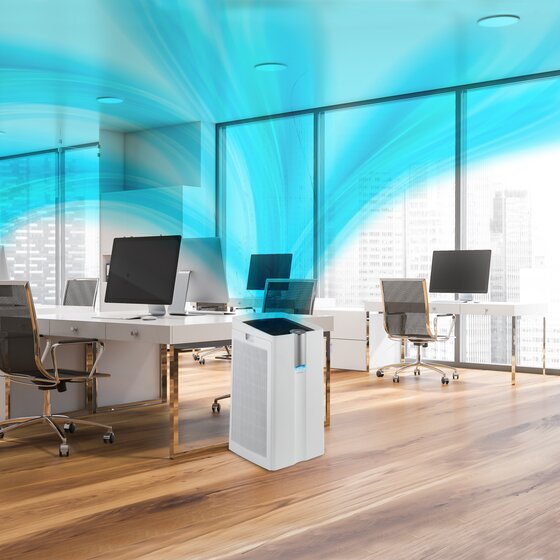
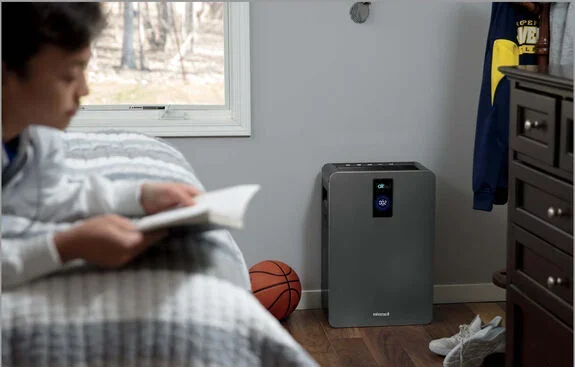
新しいタブで開きます
革新的な空気品質ソリューション

Top Air Purifier Manufacturers Offering OEM/ODM Services for the US Market

Related Products

The US market for air purifiers has grown significantly over the past few years due to rising concerns about air quality, pollution, and health-related risks. As businesses and consumers continue to prioritize clean air, the demand for high-quality, efficient air purifiers has surged. For brands looking to enter this market or expand their product lines, partnering with an experienced OEM/ODM空気清浄機メーカー が不可欠だ。

このブログでは、米国の安全基準への準拠、トップブランドへのサービス提供経験、スマートなIoT対応デバイスの開発に関する専門知識など、空気清浄機メーカーが米国市場に適している主な要因を探ります。また、米国でカスタムメイドの空気清浄ソリューションを提供したいブランドにとって、ヒソエアが理想的なパートナーである理由も紹介します。

Expertise in U.S. Safety and Quality Standards

米国市場への参入を目指す空気清浄機メーカーにとって、米国の安全・品質基準を満たすことは極めて重要な要件です。これらの基準は、空気清浄機の安全性、エネルギー効率、室内空気質の改善効果を保証するものです。OEM/ODMメーカーにとって、これらの規制を理解し遵守することは、長年の経験を必要とする複雑なプロセスです。

米国市場における主な認証と規格:

  • UL(アンダーライターズ・ラボラトリーズ)安全規格:UL認証は、空気清浄機が電気的安全性と製品全体の安全性に関する最高基準を満たしていることを保証します。
  • AHAM(家庭電化製品製造者協会):AHAM認証は、空気清浄機がどれだけ効果的に空気中の汚染物質を除去できるかを測定するCADR(Clean Air Delivery Rate)に重点を置いている。
  • CARB(カリフォルニア州大気資源局):CARBは、カリフォルニア州で販売される空気清浄機にとって重要な要素であるオゾン排出について、厳しい規制を設けている。
  • DOE(エネルギー省)とエネルギースター:エネルギー効率は米国の消費者にとって不可欠なものであり、メーカーはDOEの基準を満たし、以下の資格を得る必要がある。 エネルギースター 認証を取得し、製品の消費電力を最小限に抑えている。
  • FCC準拠:電子部品を搭載した空気清浄機は、以下の規格に準拠しなければならない。 FCC 無線通信への有害な干渉を防止するための規制
  • CA65(カリフォルニア州プロポジション65):この規格は、空気清浄機が、がんや生殖機能に害を及ぼす可能性のある有害な化学物質に消費者がさらされないことを保証するものです。

ヒソエアでは、20年以上にわたってこれらの認証や安全基準を管理してきた経験があり、米国のあらゆる規制要件を満たす空気清浄機を製造することができます。当社の専門チームは、すべての製品がこれらの厳しい基準に準拠するために必要なテストに合格していることを確認し、製品リコールや安全問題のリスクを最小限に抑えています。
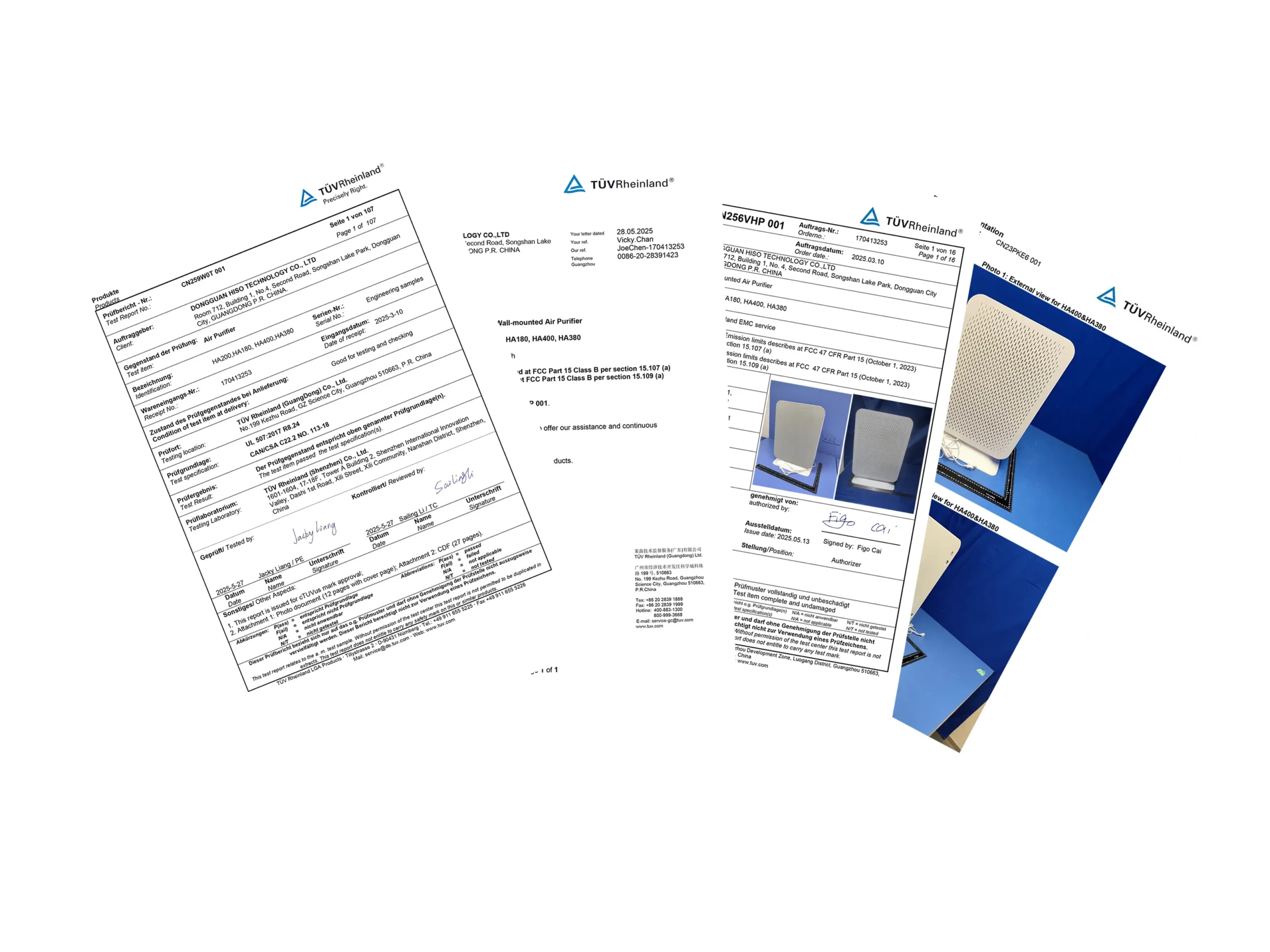
ha200 ha400 ha180 ha380 certifications
HisoAir | Certified to International Standards

Experience in the U.S. Market and Serving Top Brands

米国の消費者の嗜好を理解することは、この市場で成功を目指すメーカーにとって極めて重要である。米国の消費者は、エネルギー効率、静音性、CADRの高さなど、特定の機能を優先する。こうした需要に応えるには、メーカーはこうした嗜好に沿った製品を設計する豊富な経験を積んでいなければならない。

米国トップブランドとの仕事:

経験豊富なOEM/ODMメーカーには、以下のような米国のトップブランドとの取引実績がある。 3M, キャリアそして ジャームガーディアン.これらのパートナーシップは、米国の顧客の特定のニーズを満たす高品質のカスタム空気清浄機を製造するメーカーの能力を示すものである。

ヒソエアでは、以下のような一流グローバルブランドの空気清浄機の開発・製造に成功しています。 ブルーエア.アレルゲンに特化した濾過、寝室やオフィス向けの静音運転、スマートホーム向けのIoT対応機器など、お客様独自の要件に対応するオーダーメイド・ソリューションの構築を得意としています。米国市場での経験により、米国の消費者が期待するものを正確にお届けすることができます。

Keeping Up with Evolving U.S. Regulatory Trends

空気清浄機に関する米国の規制環境は常に進化しており、メーカーはコンプライアンスを維持するためにこれらの変化に先手を打つ必要がある。最近のアップデート AHAM, DOEを導入した。 ASHRAE 241 は、空気清浄機の性能とエネルギー効率の新たなベンチマークを設定する。

主な規制の最新情報

  • AHAMスタンダード・アップデート:新しいCADR試験基準は、エネルギー消費に妥協することなくろ過効率を向上させることをメーカーに要求している。
  • DOEエネルギー消費要件:DOEは、空気清浄機に対するより厳しいエネルギー効率要件を導入している。つまり、準拠を維持するためには、最小限の電力使用で高いCADRを実現する製品でなければならない。
  • ASHRAE 241:2024年に施行されるこの新規格は、大規模な商業空間における空気ろ過と換気システムのガイドラインを概説するもので、メーカー各社は、より高いろ過要求に対応できる空気清浄機を設計することが求められる。

ヒソエアでは、進化する規格に確実に対応するため、製品の設計と技術を常にアップグレードしています。当社のエンジニアリングチームは最新の規制動向に精通しており、当社の製品が現在の要件を満たすだけでなく、将来の変化も予測できるようにしています。

Expertise in Firmware and IoT Connectivity: Thread and Matter

スマートホームとIoT技術が米国で普及するにつれ、空気清浄機は、ユーザーが遠隔で機器を制御・監視できる接続オプションを提供する必要がある。2つの新しいIoTプロトコル スレッド そして マターは、さまざまなスマートホーム・プラットフォームにシームレスに統合できることから、米国市場で急速に人気を集めている。

糸と物質が重要な理由

  • スレッド:この低消費電力ワイヤレスプロトコルは、スマートホームデバイスに最適で、接続環境において高速な応答時間と信頼性の向上を提供します。
  • マター:この業界統一規格は、アップルHomeKit、アマゾンアレクサ、グーグルホームのようなプラットフォーム間のスマートホームデバイスの統合を簡素化する。

HisoAirは、このような最先端のプロトコルをサポートするIoT対応空気清浄機の開発に豊富な経験を有しています。当社のエンジニアは、当社のデバイスがスマートホームエコシステムに簡単に統合できるようなファームウェアを作成し、ユーザーがどこからでも空気品質を完全にコントロールできるようにしています。

In-House CNAS Testing Labs: Ensuring Quality and Performance

一流のOEM/ODMメーカーの特徴のひとつは、製品の品質と性能を保証するために、社内で大規模なテストを実施できることである。 CNAS認定試験所 (中国適合性評価国家認定サービス)は、最高水準の精度と信頼性を備えた空気清浄機の製造を目指すメーカーにとって不可欠なものです。

主な試験能力

  • センサーの精度と校正:リアルタイムモニタリングのために、空気品質センサーが正しく校正されていることを確認する。
  • CADRテスト:AHAMおよびその他の米国規格に準拠していることを確認するための、清浄空気排出率の検証。
  • CCMテスト:累積クリーンマス試験は、空気清浄機が時間とともにどれだけ汚染物質を除去できるかを測定する。
  • 電気テスト:電気安全およびFCC準拠の確保。
  • 気流と騒音のテスト:消費者が快適に過ごせるよう、騒音レベルを低く抑えながらエアフローが最適化されていることを確認する。

HisoAirは、すべての空気清浄機が国際基準を満たしていることを保証するため、最先端の試験設備に投資してきました。当社のCNAS認定ラボでは、CADR、CCM、電気安全、ノイズレベル試験など、幅広い試験を実施しており、当社が製造するすべての製品が米国市場において信頼性と安全性を確保しています。

Why HisoAir is the Right Partner for OEM/ODM 空気清浄機製造

空気清浄業界で20年以上の経験を持つ、 ヒソエア は、米国市場でカスタムメイドの空気清浄機を提供したいと考えている企業にとって理想的なパートナーです。米国の安全規格を熟知し、トップブランドにサービスを提供し、業界のトレンドを先取りすることで、米国のお客様特有のニーズを満たす高品質の製品をお届けすることができます。

ヒソエアと提携する主な利点:

  • 専門分野 S.資格 および規格(UL、AHAM、CARB、DOE、Energy Star、FCC、CA65)。
  • 以下のような米国のトップブランドとの取引実績がある。 ブルーエア.
  • 開発経験 スマートなIoT対応空気清浄機 スレッドとマターのプロトコルで
  • 社内 CNAS試験所 包括的な品質保証のために。

御社の空気清浄機ブランドを米国市場に投入する準備はできていますか? ヒソエアへのお問い合わせ 当社のOEM/ODMサービスの詳細と、最高水準の品質と性能を満たすカスタム空気浄化ソリューションの開発をどのようにお手伝いできるかについては、こちらをご覧ください。

結論米国市場における適切なOEM/ODMメーカーの選択

米国市場で成功するためには、経験豊富なOEM/ODM空気清浄機メーカーを選ぶことが重要です。厳しい安全基準と効率基準、急速に進化する規制、そしてスマートなコネクテッドデバイスの需要により、メーカーはこれらの課題に対応できる能力を備えていなければなりません。 ヒソエア は、米国市場のニーズに合致した高品質の空気清浄機を提供するために必要な専門知識、設備、経験を有している。

お問い合わせ 米国市場向けにデザインされたカスタムメイドの空気清浄機ソリューションで、御社のブランドを成功に導くお手伝いをいたします。

シェアする
Alwen Lee of HisoAir
Alwen Lee, an air purification expert with over 10 years of experience, is a devoted father of two and a passionate traveler, having explored more than 30 countries. With a love for public speaking and swimming, he has dedicated his life to the indoor air quality industry. His mission is to ensure that people around the world enjoy the freedom to breathe clean air and lead happy, healthy lives.

メッセージを送る

Related Products

もっと読む

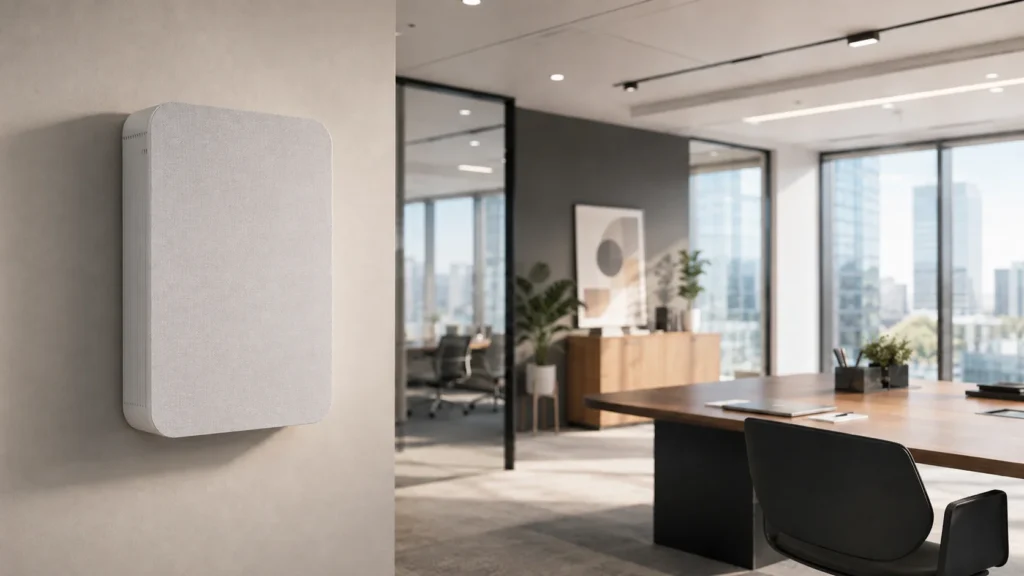
A modern office room with a gray wall-mounted air purifier, large wooden desk, office chairs, indoor plants, and glass windows offering a city view.

Luftreiniger gegen Staub: HEPA-Luftreinigung für Büro, Gewerbe und Industrie

Kurz gesagt: Ein Luftreiniger entfernt Staub aus der Luft – nicht vom Schreibtisch. Er reduziert die Konzentration schwebender Partikel und damit auch die Menge an ...
Air purifier, Filter
マレーシアの空気清浄機メーカー トップ4

Best air purifier in malaysia 2026: top 10 brands

The air is contaminated with numerous particles like dust, allergens, viruses, bacteria, and more that can harm people’s health. Cleaning it with efficient air purifiers ...
空気清浄機メーカー, ニュース
Featured image for How to launch a private label wellness product in the US

How to launch a private label wellness product in the US

Stand out in the US wellness market! Partner with innovators for unique products and tap into a booming industry. Start your launch today!
AI Trends, Air purifier
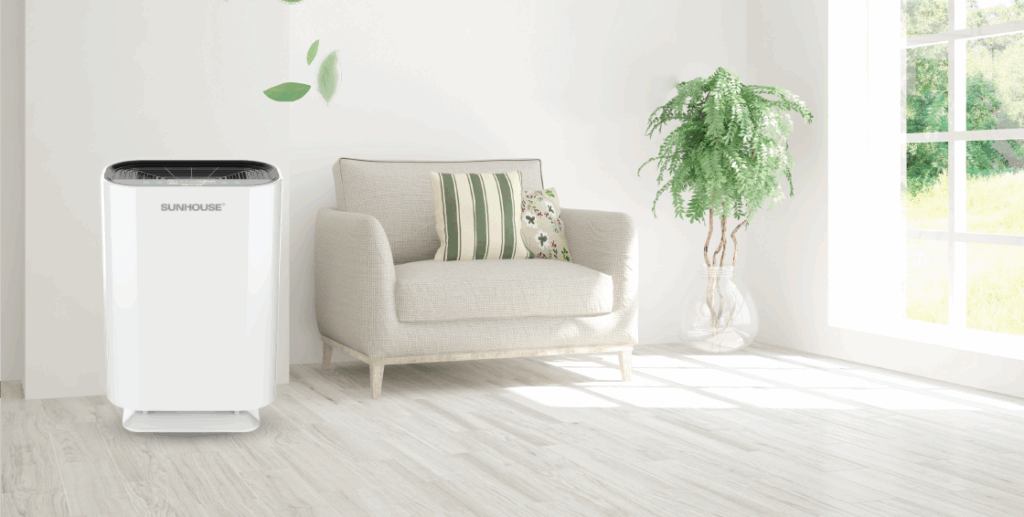
White air purifier beside an upholstered armchair

Where Are Sunhouse Air Purifiers Manufactured?

When you pick up a product, the 'Made in...' label often tells a seemingly straightforward story. For Sunhouse, a prominent name in home appliances, that ...
空気清浄機メーカー
trusens air purifier 2

Where Are TruSens Air Purifiers Manufactured?

In today's world, clean air isn't just a luxury; it's a necessity for health, productivity, and peace of mind. Whether you're a homeowner seeking a ...
空気清浄機メーカー
bissell air purifiers 2

Where Are Bissell Air Purifiers Manufactured?

When you think of Bissell, what comes to mind? For most, it’s a story of American ingenuity. With a history stretching back nearly 150 years, ...
空気清浄機メーカー
Contaminant Engineering•3 min read

PFAS Water Filtration Technologies Explained: Carbon, Resin & RO

Key Takeaway:

PFAS reduction depends on the specific compounds present, treatment media, contact time, water chemistry, and system design. Activated carbon, ion exchange, and Reverse Osmosis address PFAS through different mechanisms.

PFAS are a large family of persistent fluorinated compounds that can occur in drinking-water supplies. Their treatment behavior varies significantly by molecular structure, chain length, functional group, concentration, and the chemistry of the source water.

Granular Activated Carbon (GAC) removes PFAS primarily through adsorption. It is generally more effective for many longer-chain PFAS, while shorter-chain compounds tend to break through more quickly. Carbon performance depends on media properties, Empty Bed Contact Time (EBCT), competing organic matter, loading, and replacement frequency.

Ion-exchange resins use charged functional sites to capture many PFAS compounds. Properly selected anion-exchange media can provide high capacity and may perform better than conventional activated carbon for some shorter-chain PFAS, although performance still depends on water chemistry and competing ions.

Reverse Osmosis (RO) uses membrane separation rather than adsorption. Properly designed RO systems can provide broad reduction across many PFAS compounds as well as dissolved salts and other contaminants. Unlike carbon or resin, however, RO also produces a concentrate stream that must be managed.

No single technology should be selected from a PFAS label alone. System design should consider which PFAS compounds are present, their concentrations, required reduction targets, flow rate, media life, and the applicable third-party certification or validation requirements.

HisoAir Water Technical Series
Product Discovery•3 min read

How to Choose an Under-Sink Water Purifier for Modern Kitchens

Key Takeaway:

Match the treatment technology to your water quality first, then evaluate cabinet space, faucet configuration, flow rate, drain and power requirements, and filter replacement needs.

Choosing an under-sink water purifier starts with water chemistry. Carbon filtration is well suited to chlorine, taste, odor, and many organic contaminants, while Reverse Osmosis is more appropriate when dissolved salts, fluoride, nitrates, or broader dissolved contaminants need to be reduced.

For compact kitchens, tankless RO systems eliminate the conventional storage tank and can significantly reduce the space required under the sink. However, membrane capacity stated in GPD does not directly equal faucet flow. When comparing systems, check the actual dispensing flow rate, inlet-pressure requirement, recovery ratio, and whether a booster pump is required.

Installation architecture also matters. Many RO systems require a drain connection, electrical power, and either a dedicated drinking-water faucet or a compatible multi-function faucet. High-flow carbon systems can often connect directly to the existing cold-water line with a simpler installation, but pressure drop and available faucet flow should still be verified.

RO also removes much of the naturally occurring dissolved mineral content. Where taste or mineral balance is a priority, a post-RO remineralization stage can be added. Filter life should be evaluated by both rated capacity and local water quality rather than replacement time alone.

The right system is therefore not simply the smallest or highest-GPD model. It is the configuration that matches the target contaminants, available cabinet space, desired faucet setup, peak dispensing demand, and maintenance expectations.

HisoAir Water Technical Series
Water Quality•2 min read

What Does TDS Mean in Drinking Water? Measurement vs Contaminant Reality

Key Takeaway:

A TDS meter estimates the overall concentration of dissolved ionic substances from electrical conductivity. It cannot identify specific contaminants or determine whether water is chemically safe.

Total Dissolved Solids (TDS) refers to the combined concentration of dissolved substances in water. Most handheld TDS meters do not measure TDS directly. Instead, they measure electrical conductivity (EC) and convert that reading into an estimated parts-per-million (ppm) value.

This means a TDS reading can indicate how much dissolved ionic material is present, but not what that material actually is. Calcium, magnesium, sodium, nitrates, and other dissolved ions can all contribute to conductivity, yet a simple TDS meter cannot distinguish between them.

TDS meters are also not suitable for detecting trace contaminants such as PFAS, many VOCs, pesticides, pharmaceuticals, or disinfection byproducts. These substances may be present at concentrations far below the level needed to noticeably change electrical conductivity.

A low TDS reading therefore does not guarantee safe drinking water, and a higher TDS reading does not automatically indicate contamination. Water-treatment decisions should be based on laboratory testing for specific contaminants of concern rather than TDS alone.

HisoAir Water Technical Series
Technology Selection•2 min read

RO vs UF Water Filtration: Understanding Pore Sizes & Dissolved Minerals

Key Takeaway:

Ultrafiltration can reduce bacteria, turbidity, and suspended particles while retaining most naturally occurring dissolved minerals. Reverse Osmosis provides much broader reduction of dissolved salts and smaller contaminants.

Ultrafiltration (UF) typically uses hollow-fiber membranes with pore sizes in the approximate 0.01–0.1 micron range. These membranes physically retain turbidity, suspended solids, colloids, and many microorganisms while allowing dissolved minerals and salts to remain in the water.

Reverse Osmosis (RO) operates at a much finer separation level. Unlike UF, RO can substantially reduce dissolved ions such as sodium, calcium, fluoride, nitrates, and other contributors to total dissolved solids (TDS). This makes RO more suitable when dissolved-salt reduction is a primary treatment objective.

UF generally requires less system pressure and produces little or no continuous concentrate stream in many point-of-use configurations. RO typically requires greater pressure and produces a reject-water stream, but delivers broader contaminant reduction.

For water with acceptable TDS and mineral content, UF can be a simpler mineral-retaining treatment option. Where dissolved salts, fluoride, nitrates, or broader dissolved contaminants are a concern, RO is generally the more appropriate technology.

HisoAir Water Technical Series
Technology Selection•4 min read

Carbon Block vs Reverse Osmosis: Which Fits Your Need?

Key Takeaway:

Choose RO for dissolved inorganic salts and heavy metals; choose Carbon Block for chemical taste/odor, no wastewater, and high line-pressure flow.

Reverse Osmosis (RO) and Carbon Block filtration represent two fundamentally different treatment methods: membrane separation and adsorption. Understanding these differences helps determine which technology is better suited to a specific water-quality requirement.

Reverse Osmosis uses a semi-permeable membrane with pore sizes of approximately 0.0001 microns. It can significantly reduce dissolved inorganic contaminants such as TDS, fluoride, nitrates, and certain heavy metals. Because water must be forced through the membrane, RO systems require sufficient pressure or a booster pump and generate a concentrated wastewater stream.

Carbon Block filtration relies primarily on adsorption through compressed activated carbon, commonly with nominal pore sizes around 0.5–5 microns. It is highly effective for chlorine, chloramines, VOCs, taste, and odor, while allowing substantially higher direct-flow rates without producing wastewater.

From an operating perspective, Carbon Block systems are generally simpler, require less energy, and avoid the water loss associated with RO. RO involves higher system complexity and operating cost, but provides substantially broader reduction of dissolved contaminants that Carbon Block alone cannot address.

HisoAir Water Technical Series

見積依頼