
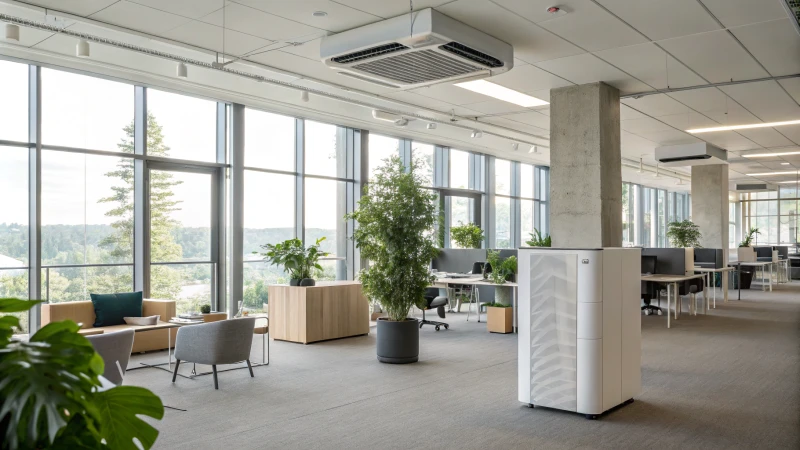
Have you ever walked into a big store and thought about whether the air is truly as fresh as it seems?
Ceiling air purifiers work very well in big commercial areas. These purifiers need features like a high Clean Air Delivery Rate (CADR) and True HEPA filtration. Proper installation and maintenance are probably necessary. These purifiers improve indoor air quality quite a bit. They remove pollutants. They also provide frequent air exchanges.
I remember entering a busy office for a meeting. The noise was loud, yet the air felt fresh. Later, I discovered they used ceiling air purifiers. This truly amazed me. I started thinking about how these machines could change large spaces. If you are thinking about getting one, you need to know what makes them work well. The correct technology and proper placement are important. Select carefully to have truly clean air. Not just moved air. With the right setup, these purifiers really change the environment into a healthier place.
Ceiling air purifiers have a high Clean Air Delivery Rate.True
High CADR is crucial for effectiveness in large spaces.
True HEPA filtration is not necessary for ceiling purifiers.False
True HEPA filtration is essential for removing fine pollutants.
Why are Ceiling Air Purifiers Perfect for Large Spaces?
Picture entering a room where the air feels as fresh as a gentle morning wind. Ceiling air purifiers create this magic in large areas. These purifiers transform rooms into fresh environments.
Ceiling air purifiers work very well in big areas. They deliver high Clean Air Delivery Rates (CADR). These devices provide efficient airflow. They blend smoothly with HVAC systems. This leads to complete air purification.
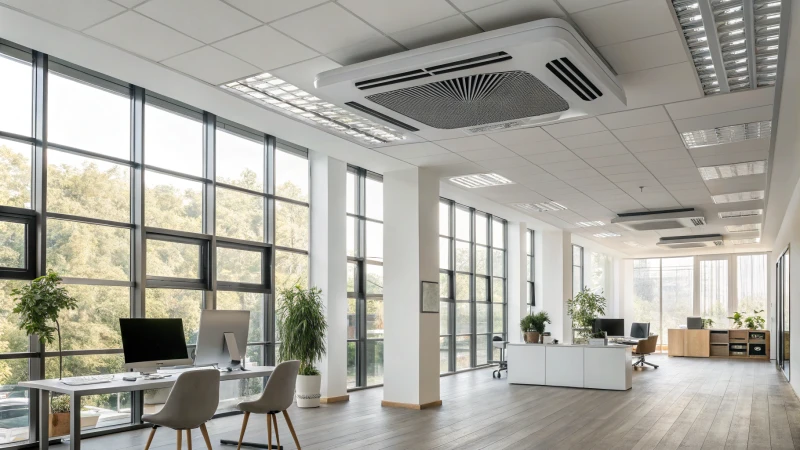
High CADR and Strong Performance
I remember entering a gym that recently had a HisoAir ceiling purifier installed. The difference was amazing. Unlike usual units, ceiling models like this have impressive Clean Air Delivery Rates (CADR), sometimes over 1000 CFM. These machines handle large amounts of air quickly and effectively. This ability is vital in big spaces like gyms or classrooms where keeping good air quality is challenging. Air quality1 in such places is really important.
Integration with HVAC Systems
When I learned ceiling purifiers could work with existing HVAC systems, it changed everything for me. This setup improves air movement and purification. It adds an extra layer of defense against pollutants. Commercial spaces often choose this for safety, especially with rules like the new 241 standard for six air changes per hour. Safety and cleanliness matter.
Reduced Noise Levels
Noise easily disrupts the atmosphere in spaces like offices or hospitals. Fortunately, advanced technologies like Decibel Cancellation™ keep these ceiling models very quiet. I attended a meeting where the air purifier was running. Honestly, I didn't even notice it until someone mentioned it. Knowing about noise reduction2 now seems really important when choosing gadgets.
Strategic Placement and Airflow Distribution
Placing units on the ceiling ensures the best airflow distribution. Floor units often struggle in large rooms. I remember installing one in a room with high ceilings. The improvement in air movement was clear, reaching even the far corners without effort. Airflow mattered a lot there.
Applications Across Various Spaces
I have observed purifiers working excellently in many commercial places like hospitals and beauty salons. Each location gets benefits from features designed for their specific air quality needs.
| Space Type | Benefits |
|---|---|
| Hospitals | Reduces airborne pathogens |
| Gyms | Controls odor and sweat particles |
| Offices | Improves employee productivity |
| Salons | Removes chemical odors from treatments |
Looking at these features shows why ceiling air purifiers are very useful for improving air quality in big areas.
Ceiling purifiers have over 1000 CFM CADR.True
Ceiling air purifiers like HisoAir deliver over 1000 CFM, ensuring effective purification.
Ceiling purifiers cannot integrate with HVAC systems.False
They seamlessly integrate with HVAC systems, enhancing air circulation and purification.
How Do Ceiling Air Purifiers Compare to Other Types of Purifiers?
Picture entering a room where the air feels very fresh, like an open field. Ceiling air purifiers promise this feeling. How do they compare with other choices?
Ceiling air purifiers are ideal for big areas. They suit commercial spaces very well. These purifiers attach to HVAC systems. This setup means they clean the air quietly. No noise or clutter occurs with ceiling purifiers. Unlike portable units, they do not take up floor space. Large spaces benefit greatly from these devices.
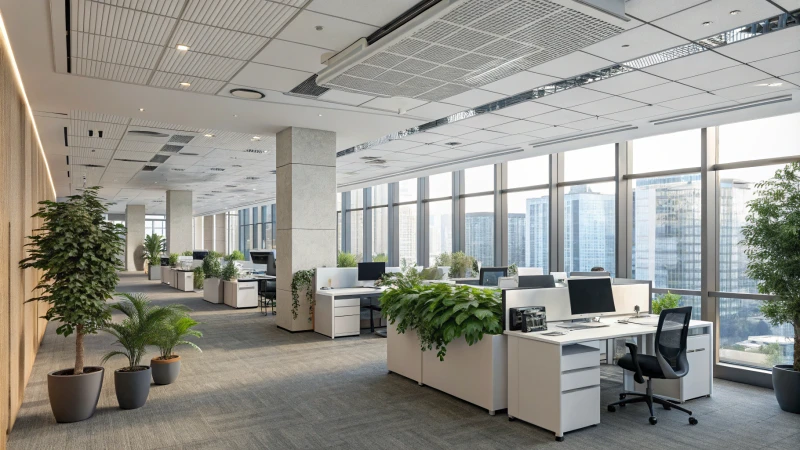
Versatility and Coverage
I remember walking into a busy gym with air purifiers on the ceiling. The air felt very fresh, and I noticed a calm atmosphere despite all the people. Ceiling air purifiers perform very well in areas like classrooms, hospitals, and gyms3 where broad coverage is needed. They fit easily with current HVAC systems, increasing air change rates to meet strict standards such as the 241 compliance, requiring six air changes per hour.
Performance Metrics
Performance is crucial when selecting an air purifier. Ceiling models' CADR (Clean Air Delivery Rate) always impresses me. Brands like HisoAir provide models with CADR ratings over 1000CFM, allowing a high amount of clean air to circulate. Portable purifiers usually fail to match this efficiency in large spaces.
| Feature | Ceiling Air Purifiers | Portable Air Purifiers |
|---|---|---|
| CADR | High (>1000CFM) | Variable, often lower |
| Installation | Requires professional setup | Simple, plug-and-play |
| Noise Level | Generally lower due to ceiling mounting | May vary significantly |
Integration with Existing Systems
Ceiling air purifiers merge effectively with HVAC systems4, offering extra filtration without using floor space. This feature helps maintain constant air quality over large areas.
Noise and Aesthetic Considerations
I attended a meeting once in an office with ceiling purifiers. The space was very quiet due to the noise-reducing design of the units. This makes them excellent for places where silence is really important. Innovations like Decibel Cancellation™ technology increase their attractiveness by reducing operational noise.
Technological Advancements
The technology in these systems fascinates me. Brands like HisoAir5 push the limits with better fan systems and air duct designs. Ceiling purifiers clean air efficiently and also operate quietly.
Cost Considerations
Ceiling air purifiers need a higher initial investment due to installation and integration costs but save more in the long run through enhanced energy efficiency and less maintenance compared to multiple portable units spread across a space.
Suitability for Various Environments
Large, open areas benefit from ceiling units, especially if aesthetics and noise are important considerations. However, they might be impractical for smaller homes where portability and initial cost are bigger concerns.
Understanding these factors is essential for picking the right purifier based on specific needs and settings. Choosing between ceiling purifiers and other types depends on space needs, budget considerations, and desired technological features.
Ceiling air purifiers require professional installation.True
Ceiling air purifiers are integrated into HVAC systems, needing expert setup.
Portable purifiers have higher CADR than ceiling models.False
Ceiling models often exceed 1000CFM, outperforming most portable units.
What should you keep in mind when picking a ceiling air purifier?
Selecting a ceiling air purifier resembles choosing a protector for your indoor air. Many details require attention. This choice is really important for feeling calm and safe.
Look at the Clean Air Delivery Rate (CADR), noise levels, filter types and HVAC compatibility when choosing a ceiling air purifier. These elements show how well it works and if it fits your area. It probably affects its efficiency a lot.
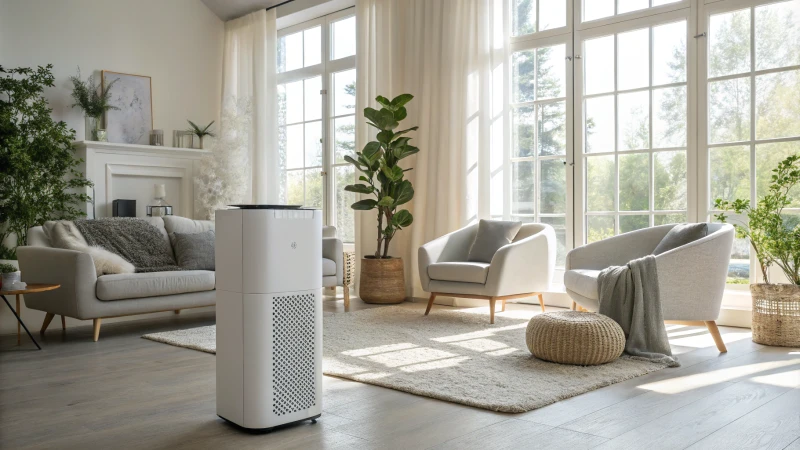
Performance Metrics: CADR and Noise Levels
I felt confused when I first saw terms like CADR and noise levels in air purifiers. Understanding them seemed like deciphering a secret code for clean air. The CADR6 indicates how much clean air gets produced every minute. This is crucial for understanding how well it removes pollutants. Large spaces, especially commercial areas, probably need a CADR above 1000 CFM. This can really change the air quality. However, more power often means more noise. I tested one that sounded like a mini jet engine—certainly not what you want during a conference call! Balancing power and noise is key to a peaceful environment.
Filter Technology and Types
The filter type in your purifier is another important aspect. Initially, I didn’t realize the importance of True HEPA filtration7 until spring allergies hit. These filters trap tiny particles, making the air noticeably fresher. Activated carbon filters are also great for removing odors; they are unsung heroes against cooking smells or VOCs.
| Filter Type | Function |
|---|---|
| True HEPA | Captures particles as small as 0.3 microns |
| Activated Carbon | Removes odors and volatile organic compounds |
I always check how often filters need replacing because no one wants less efficiency due to an expired filter.
Installation and Integration
Installing a ceiling air purifier is not as easy as plugging in a fan; it often requires integration with existing HVAC systems. I discovered this the hard way after a failed DIY attempt—the experts had to step in! Proper installation increases air exchange rates significantly, aligning with standards like the new 241 compliance for commercial spaces. It’s worth the time to find a model that fits well or consult a professional.
Brand Reputation and Support
It is very important to choose a brand with a strong reputation. I’ve experienced unresponsive customer service before, so now I prefer companies like HisoAir known for advanced technology8 and great support.
| Brand Feature | Benefit |
|---|---|
| Decibel Cancellation™ | Reduces operational noise |
| High CADR Performance | Suitable for large commercial spaces |
Brands with innovations like Decibel Cancellation™ really stand out—a brand's good track record can save you from future headaches.
Considering these factors will guide you in choosing the ideal ceiling air purifier, helping achieve cleaner, healthier air for your space.
A CADR over 1000 CFM is ideal for large spaces.True
High CADR indicates effective air purification in large areas.
True HEPA filters remove odors and VOCs efficiently.False
HEPA filters capture particles, while carbon filters remove odors.
How can ceiling air purifiers and HVAC systems work together?
Recall when you first entered a room and the air felt distinctly different. Ceiling air purifiers combined with HVAC systems might be crucial for that fresh sensation. Explore how these systems function together to breathe fresh air into your area.
Ceiling air purifiers fit well with HVAC systems. They should be designed to work together. A very good Clean Air Delivery Rate (CADR) helps a lot. Advanced filtration technologies, such as True HEPA filters, contribute significantly.
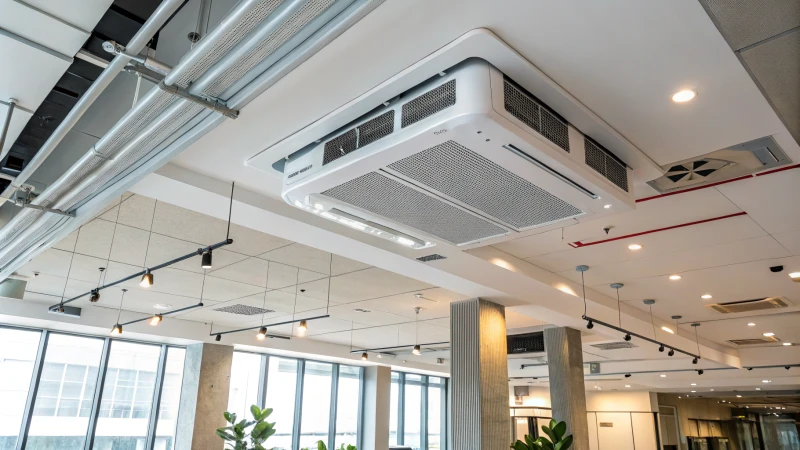
Understanding Ceiling Air Purifiers
I remember entering a newly renovated office and feeling amazed by the clean and fresh air. Ceiling air purifiers worked to keep each breath pure. These purifiers fit into spaces well, often working quietly in the background. They are especially beneficial in commercial environments9, where maintaining high air quality is crucial.
Key Features of Ceiling Air Purifiers
- High CADR: This is crucial for large spaces, ensuring quick and efficient air filtration.
- HEPA Filtration: Imagine a superhero fighting allergens and small particles to keep the air healthy.
- Noise Levels: A noisy purifier distracts in an office. Thankfully, these systems operate quietly, making them suitable for areas like offices and classrooms.
The Role of HVAC Systems
HVAC systems act as the backbone of buildings, regulating temperature and airflow. When combined with ceiling air purifiers, they not only keep spaces comfortable but also improve indoor air quality10. Picture a gym or hospital with air that feels clean and comfortable.
Benefits of Integration
- Improved Air Change Rates: Meeting new standards, like the 241 compliance, feels like having a personal wellness coach for your air.
- Enhanced Filtration: Teaming up HVAC systems with HEPA filters builds a strong defense against pollutants.
Technical Considerations
Before integration, consider technical factors like ductwork design and fan capabilities. It's like creating a perfect symphony; everything must work together. Without careful planning, the system might become noisy or ineffective. Nobody desires that.
| Feature | HVAC | Ceiling Air Purifier |
|---|---|---|
| Filtration | Moderate | High with HEPA |
| Noise Level | Variable | Low |
| Installation Complexity | Moderate | Low |
Practical Applications
In places like hospitals11 and gyms, these integrations shine. Spaces needing frequent air changes become noticeably cleaner and more inviting.
Future Prospects
With evolving technology, the future looks bright for these integrations. Imagine energy-efficient solutions that save costs and improve air quality standards12. Exceeding standards is not just a goal; it's about setting new benchmarks for healthier indoor environments.
Ceiling air purifiers are noisier than HVAC systems.False
Ceiling air purifiers are designed to operate quietly, unlike some HVAC systems.
HEPA filters capture fine particles and allergens.True
HEPA filters are known for their ability to capture small particles and allergens effectively.
Conclusion
Ceiling air purifiers effectively enhance air quality in large commercial spaces by integrating with HVAC systems, providing high Clean Air Delivery Rates and low noise levels for improved environments.
-
Learn about CADR to understand how quickly a purifier can clean the air. ↩
-
Explore how Decibel Cancellation reduces noise, enhancing comfort. ↩
-
Discover how ceiling air purifiers efficiently manage air quality in large commercial areas. ↩
-
Learn how ceiling purifiers work with HVAC systems to enhance indoor air quality. ↩
-
Explore the latest technological advancements in ceiling air purification. ↩
-
Learn how CADR influences an air purifier's effectiveness in removing pollutants. ↩
-
Discover how True HEPA filters capture fine particles and improve air quality. ↩
-
Understand the innovative features offered by top air purifier brands. ↩
-
Explore how ceiling air purifiers improve air quality in commercial spaces, ensuring a healthier environment for employees and customers. ↩
-
Understand the role of HVAC systems in maintaining a comfortable and healthy indoor environment by controlling airflow and temperature. ↩
-
Learn about the stringent air quality standards required in hospitals to protect patients and staff from airborne contaminants. ↩
-
Discover advancements in energy efficiency for HVAC systems that can reduce costs and environmental impact. ↩

 English
  Français
  Español
  Italiano
  Deutsch
  Português
  Русский
  العربية
  日本語
日本語  한국어
한국어  Tiếng Việt

