
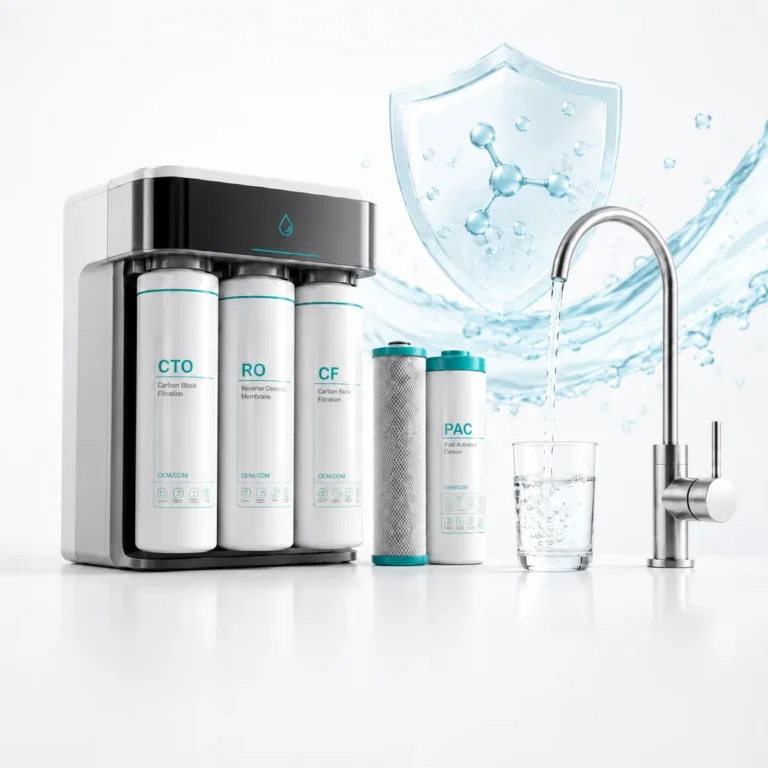

Failing water systems cause huge headaches. Frequent breakdowns waste your budget and create unsafe conditions. You must understand the right specifications to buy reliable filtration systems.
Public works buyers must prioritize extreme durability1, strict regulatory compliance, and safe maintenance when selecting water filtration for correctional facilities. You need heavy-duty materials and strong supplier support to ensure long-lasting performance. This approach meets strict facility rules and protects your investment.
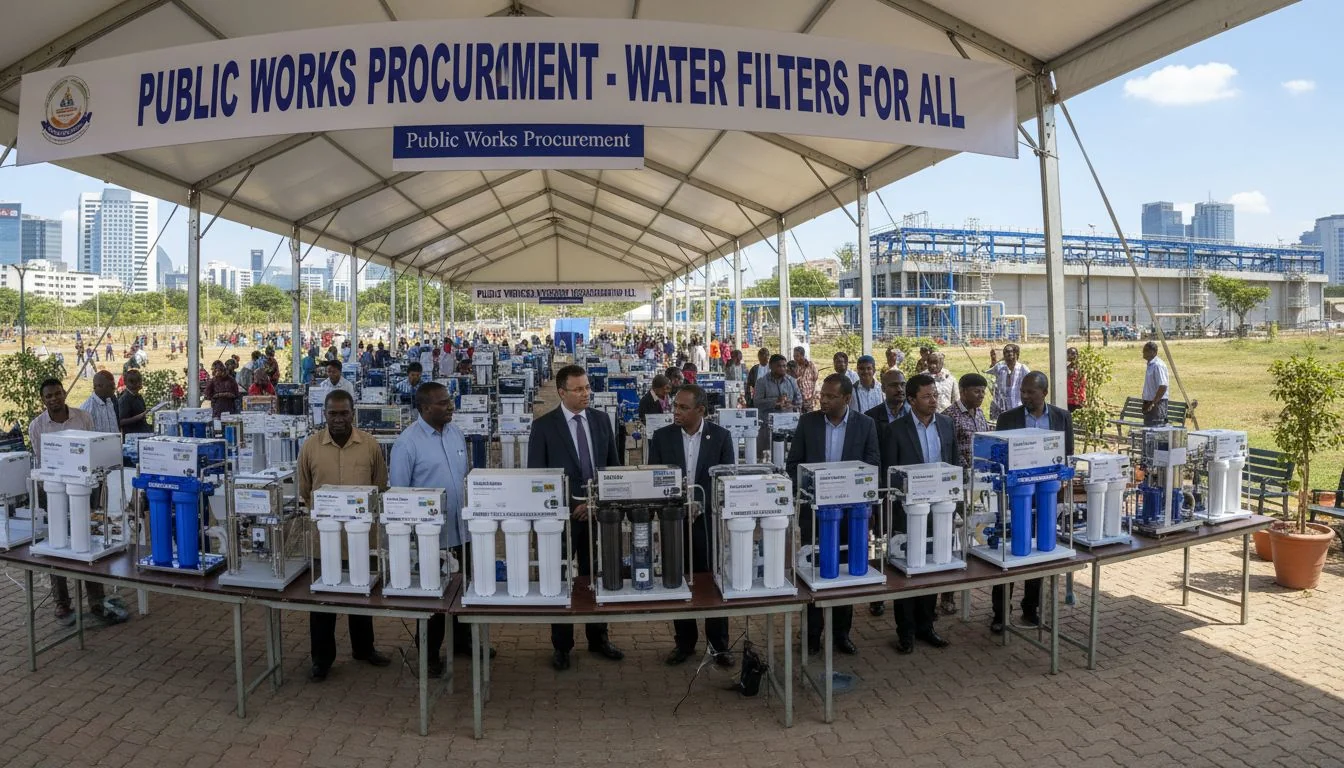
I once designed a plastic mold for a heavy-duty industrial pump housing. That project taught me a valuable lesson. Extreme environments destroy weak designs fast. You cannot just buy standard commercial products for secure facilities. You need to look at the exact requirements before you spend public money. Let us break down what you really need to know.
Standard commercial water filters work well in correctional facilities.False
Standard filters lack the heavy-duty materials needed for high-abuse environments.
Public works buyers must evaluate supplier support during procurement.True
Supplier support ensures you get the right compliance documents and maintenance help.
What Are the Water Filtration Considerations Specific to Correctional Facilities?
Weak equipment breaks easily. Broken equipment causes facility shutdowns and high repair costs. You must choose systems built for high-abuse environments.
Correctional facilities require water filtration systems that withstand heavy use and intentional abuse. Buyers must focus on thick material walls, secure mounting options, and hidden fasteners. You also need systems that handle high water volume without losing pressure.
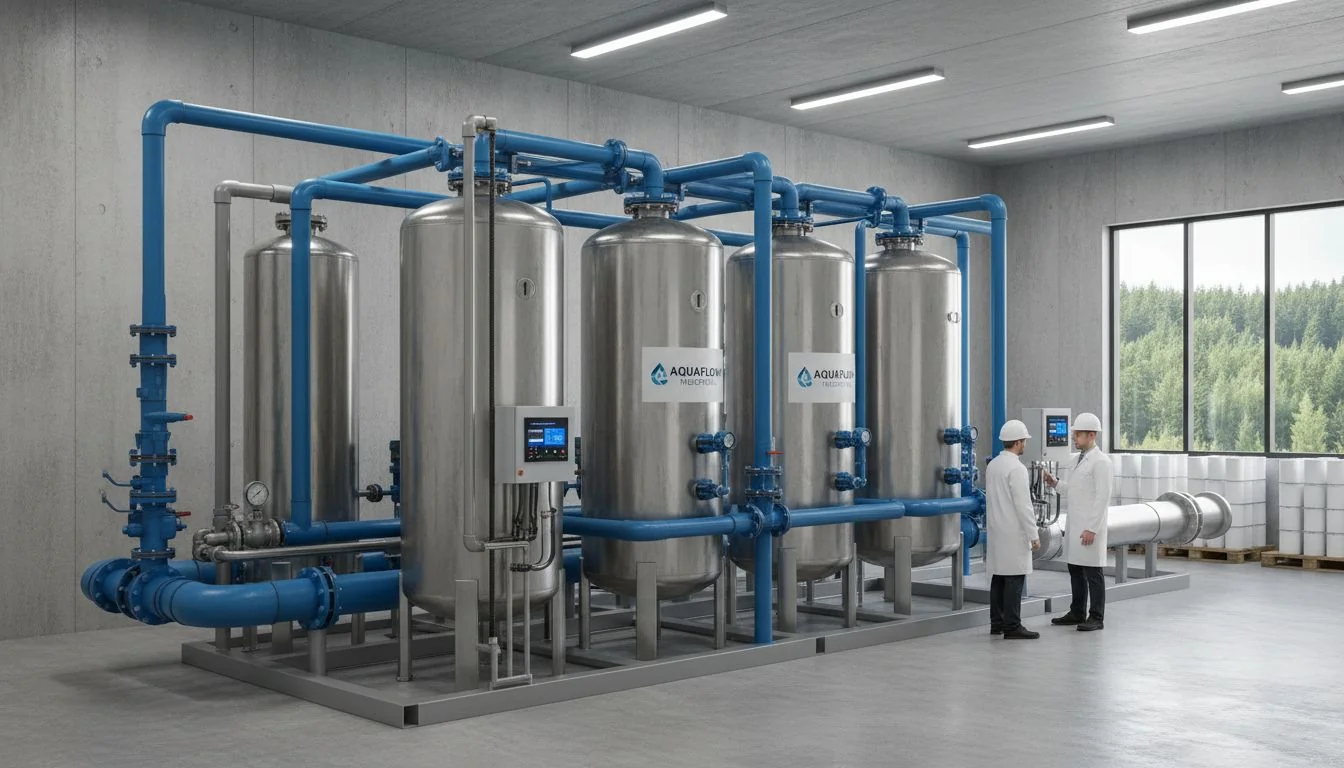
I always tell my clients this rule. Material choice dictates product life. We calculate shrinkage and stress in mold design. You must apply this same logic to water filters. You cannot use thin plastics here. You need heavy-gauge stainless steel. You can also use reinforced composites. These materials survive harsh conditions.
High-Abuse Environment Needs
These facilities run all day and night. The water systems never stop working. You must look at the flow rates. You must also check the physical strength of the housing. A user might hit the filter housing. It must not crack. I remember testing a reinforced polymer part once. It took three times the impact of standard plastic. You want that exact level of strength.
Key Considerations Table
| Requirement | Why It Matters | How to Evaluate |
|---|---|---|
| Material Strength | Prevents physical damage | Check material thickness specs |
| high flow capacity2 | Meets peak demand times | Review gallons per minute (GPM) |
| Secure Mounting | Stops unit removal | Look for heavy-duty bracket options |
You must ask suppliers for impact test results. You also need to check the warranty terms. These terms must cover high-abuse settings. This step saves you from buying the wrong system. You protect your budget this way.
Material thickness does not matter for secure facility water filters.False
Thick materials are required to prevent physical damage from impacts.
Correctional facilities experience high peak water demand.True
These facilities operate 24/7 and have specific times of very high water use.
What Is the Regulatory and Procurement Context for Public Works Buyers?
Missing compliance documents ruin projects. Rejected bids waste your time and delay facility upgrades. You must understand the exact procurement rules.
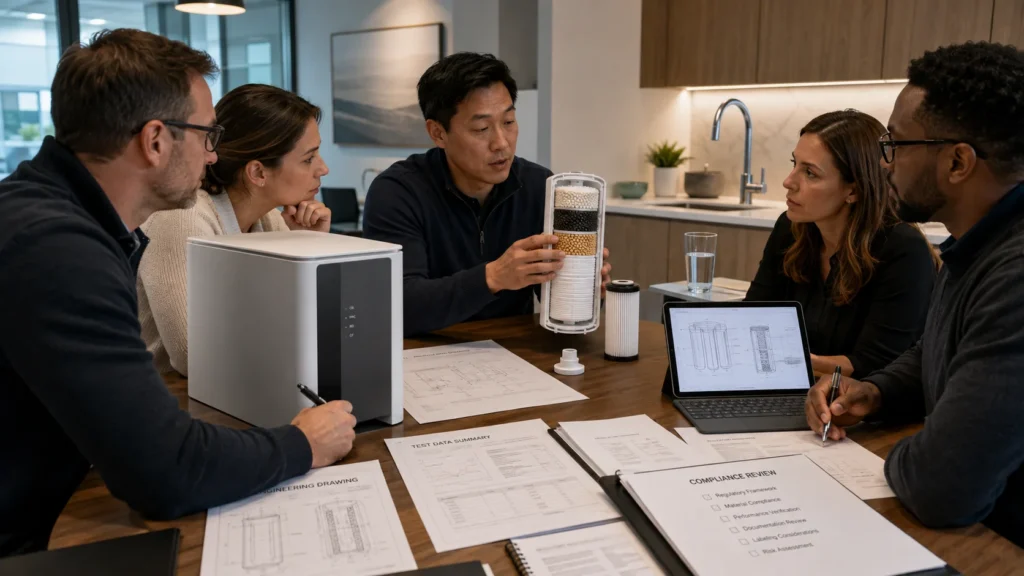
Public works buyers must follow strict government procurement rules and health regulations. You need systems certified by NSF or ANSI for water safety. You must also gather all compliance documents and warranty details from suppliers before you issue a purchase order.

I dealt with many government contracts in my trading company. The paperwork is always strict. You cannot skip any steps. Public works buyers face tight budgets. They also face strict audits. You must prove the water filter meets all health codes. Local and federal rules apply here.
Navigating Compliance
You need to look for specific certifications. NSF/ANSI 61 ensures safe materials. These materials do not leach toxins into the water. NSF/ANSI 42 and 53 prove the filter works. The filter actually removes contaminants. You must ask the supplier for these certificates upfront. You should find another supplier if they hesitate.
Procurement Checklist Table
| Document Type | Purpose | Buyer Action |
|---|---|---|
| NSF/ANSI Certificates | Proves water safety | Request current copies |
| Material Specs | Verifies durability | Compare against bid requirements |
| Supplier Warranty | Protects public funds | Read terms for secure facilities |
You must also check the supplier's history. Have they worked with public facilities before? Experienced suppliers know the bid format. They provide the right documents fast. This makes your job much easier. You save time and avoid legal trouble.
Public works buyers can ignore NSF certifications if the price is low.False
Health regulations require proper certifications regardless of the price.
Experienced suppliers provide compliance documents quickly.True
Suppliers used to government contracts keep these documents ready for buyers.
Which System Types Are Suited to Secure Environments?
Choosing the wrong filter type causes constant clogs. Maintenance teams get frustrated and costs go up. You must pick the right technology.
Secure environments need robust, low-maintenance filtration types. Point-of-entry (POE) systems are best because they filter water before it reaches individual cells. You should look for heavy-duty sediment filters and commercial-grade carbon blocks that require very few filter changes.

I often compare water systems to injection molding cooling lines. Clogged lines stop the whole machine. You cannot afford clogs in a secure facility. You need systems that handle large volumes of dirt. They must handle scale without failing.
Point-of-Entry vs. Point-of-Use
Point-of-use filters sit right at the sink. These are bad for secure areas. They are too easy to reach. Point-of-entry (POE) systems sit in a locked mechanical room. This location keeps them safe. POE systems treat all the water at once. This method is much more efficient. It protects the entire building.
Recommended System Types
| Filter Type | Best Application | Maintenance Need |
|---|---|---|
| Spin-Down Sediment | Removing large particles | Low (often self-cleaning) |
| Jumbo Carbon Block | Improving taste and smell | Medium (scheduled changes) |
| Commercial RO | Removing heavy metals | High (requires skilled techs) |
You should specify systems with high dirt-holding capacity. This feature means the filter lasts longer. Longer life means fewer maintenance trips. Facility managers want exactly this result. You must focus on these heavy-duty options. They provide the best value over time.
Point-of-use filters are the safest choice for individual cells.False
Point-of-use filters are easily accessible and can be damaged.
Point-of-entry systems are kept in locked mechanical rooms.True
These systems treat water centrally and remain out of reach of general populations.
What Are the Durability, Tamper-Resistance, and Safety Requirements?
Fragile parts create safety hazards. Broken pieces can be misused. You must specify equipment that resists extreme physical force.
Buyers must specify heavy-gauge metals or impact-resistant polymers. The equipment must not have exposed edges or standard screws. You need systems that use specialized fasteners and flush designs. This prevents unauthorized access and keeps the facility safe.
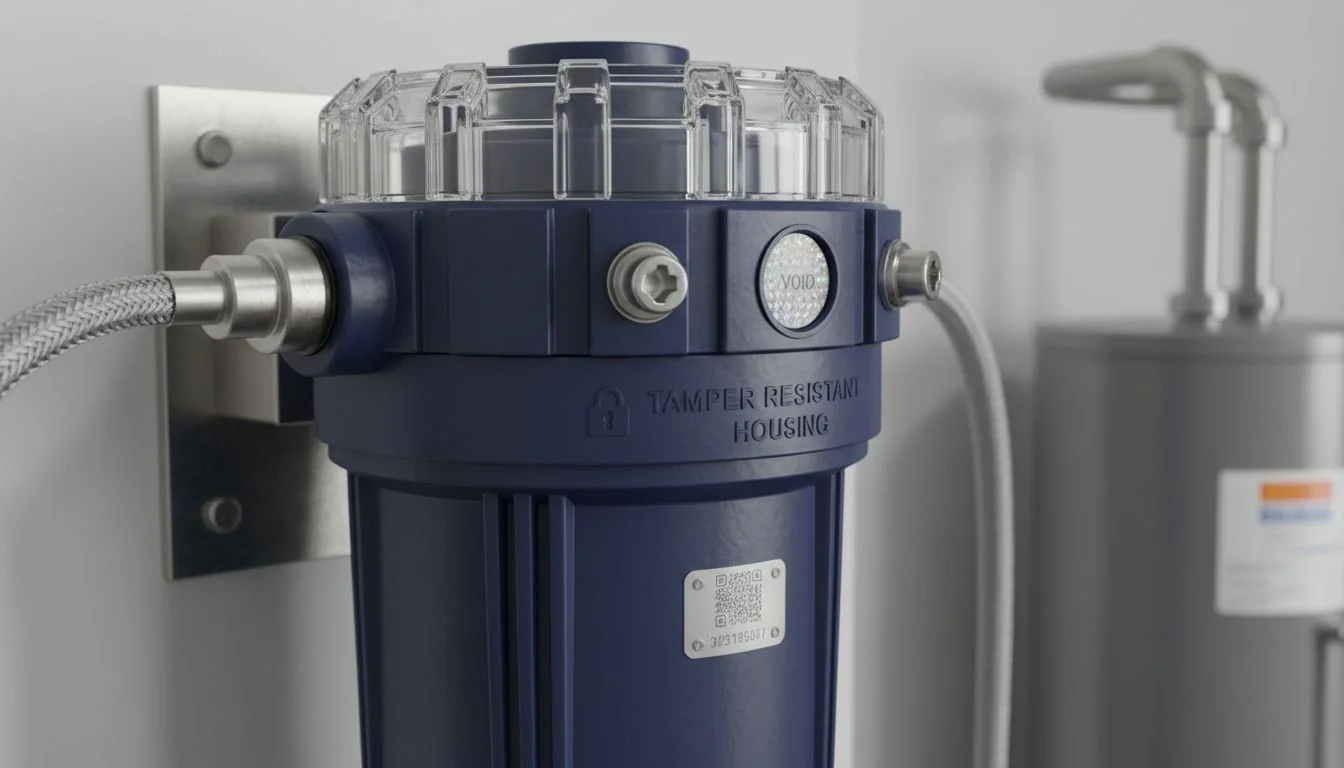
I focus on aesthetics when I design a mold for a consumer product. You must focus purely on strength and safety for secure facilities. You cannot have parts that snap off easily. Every single component must be solid.
Designing for Safety
You must look at the product at a requirement level. Does the housing have gaps? Can someone insert a tool into it? You want flush surfaces. You want thick walls. I always check the material data sheets. You should look for high tensile strength. You also need high impact resistance.
Safety Specification Table
| Feature | Requirement | Benefit |
|---|---|---|
| Fasteners | Non-standard heads | Stops unauthorized opening |
| Housing Material | Heavy-gauge steel/polymer | Resists heavy impacts |
| Profile | Flush and smooth | Prevents grabbing or prying |
You must ask the supplier about these safety needs. Do not ask for sensitive security details. Just ask for the durability specs. You need to know the system will survive a harsh environment. This knowledge protects the people. It also protects the property.
Standard screws are acceptable for secure facility equipment.False
Standard screws are easily removed and pose a safety risk.
Flush surfaces prevent people from grabbing or prying the equipment.True
Smooth, flush designs eliminate leverage points for physical damage.
How Do You Handle Installation and Maintenance in Secure Settings?
Complex maintenance causes security risks. Outside contractors disrupt daily operations. You must choose systems that are easy and fast to service.
Installation and maintenance must happen quickly in secure settings. Buyers should select systems with simple, tool-minimal maintenance requirements3. You must ensure the supplier provides clear manuals and training. This allows internal staff to service the units without bringing in outside contractors.

I know this fact from my CNC trading days. Machine downtime costs money. Downtime also creates security risks in a secure facility. You do not want outside technicians walking through the building every week. You need systems that your internal team can fix fast.
Streamlining Maintenance
You must look for systems with quick-change filter cartridges. The maintenance staff should not need special power tools. They just need to change a filter easily. The process must be simple. You also need excellent supplier support4. The supplier must provide detailed manuals. These manuals must be easy to read.
Maintenance Evaluation Table
| Maintenance Task | Ideal Scenario | Supplier Requirement |
|---|---|---|
| Filter Replacement | Takes under 10 minutes | Provide quick-change designs |
| System Flushing | Automated or single-valve | Include clear instructions |
| Troubleshooting | Handled by internal staff | Offer phone support |
You should ask the supplier for a maintenance demonstration video. This video helps you see the process. You can see how easy the system is to use. You should find a different product if the process looks too complex. Simple maintenance keeps the facility running smoothly.
Complex maintenance procedures are best for secure facilities.False
Complex procedures require outside contractors and increase security risks.
Quick-change filter designs reduce system downtime.True
These designs allow internal staff to replace filters rapidly and safely.
What Should Be on Your Procurement and Specification Checklist?
Missing a specification leads to bad purchases. Forgetting a requirement wastes public funds. You must use a strict checklist for every bid.
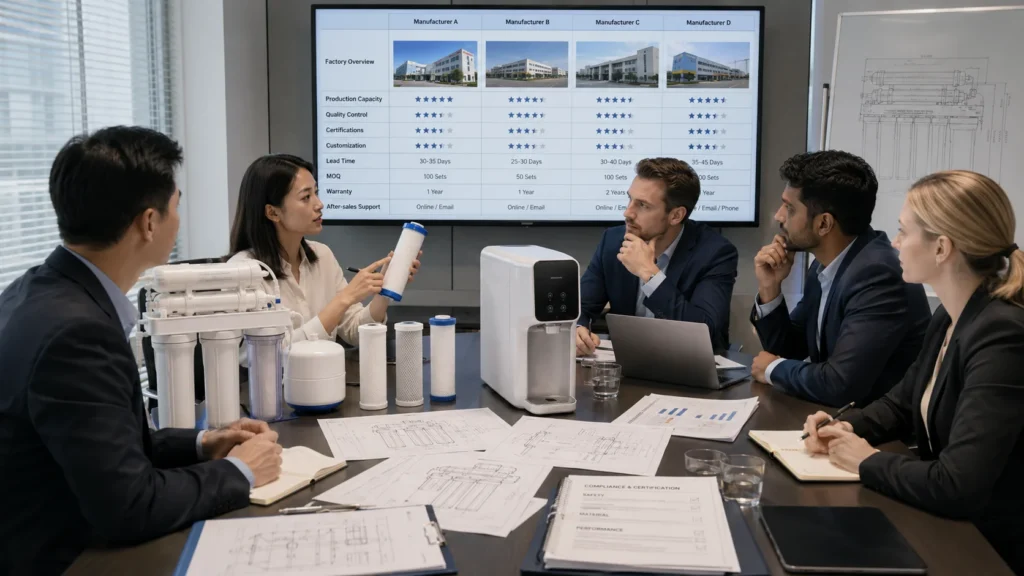
A strong procurement checklist5 ensures you buy the right system. You must verify material strength, flow rates, and health certifications. You also need to confirm warranty terms and supplier support capabilities. This checklist helps buyers evaluate different suppliers fairly and accurately.

I always use checklists when I inspect a new mold. The whole part fails if you miss one dimension. Procurement works the exact same way. You need a standard list to compare every supplier. This list removes the guesswork from your buying process.
Building Your Checklist
You must write down your exact needs before you read any bids. What is your required flow rate? What certifications does your local law require? You must put these items on your list. Then, you score each supplier against this list.
The Buyer's Checklist Table
| Category | Specific Item to Check | Pass/Fail Criteria |
|---|---|---|
| Performance | Peak GPM flow rate | Must meet facility peak demand |
| Durability | Housing material specs | Must be heavy-duty steel/polymer |
| Compliance | NSF/ANSI certifications6 | Must provide valid certificates |
| Support | Maintenance manuals | Must provide clear documentation |
You must also check the supplier lead times. A great product is useless if it arrives six months late. You need suppliers who deliver on time. They must also offer strong after-sales support. This checklist guarantees a smart purchase. It ensures a safe purchase.
Buyers should evaluate suppliers without using a standard checklist.False
A checklist is necessary to compare suppliers fairly and ensure all requirements are met.
Checking supplier lead times is a critical part of procurement.True
Long lead times can delay facility upgrades and cause operational problems.
Conclusion
Public works buyers must focus on durability, compliance, and simple maintenance when buying water filtration for secure facilities. Use strict checklists and demand strong supplier support to ensure success.
References
-
Understanding durability is crucial for selecting reliable systems that withstand harsh conditions. ↩
-
High flow capacity is essential to meet peak demand and ensure consistent water supply. ↩
-
Understanding maintenance needs helps ensure smooth operations and reduces downtime. ↩
-
Strong supplier support can significantly impact the success of your procurement process. ↩
-
A comprehensive checklist helps buyers make informed decisions and avoid costly mistakes. ↩
-
These certifications guarantee the safety and effectiveness of water filtration systems. ↩

 English
  Français
  Español
  Italiano
  Deutsch
  Português
  Русский
  العربية
  日本語
日本語  한국어
한국어  Tiếng Việt

