Öffnet in einem neuen Tab
Innovative Lösungen für die Luftqualität

What are innovative home wellness products for D2C brands?
What are innovative home wellness products for D2C brands?

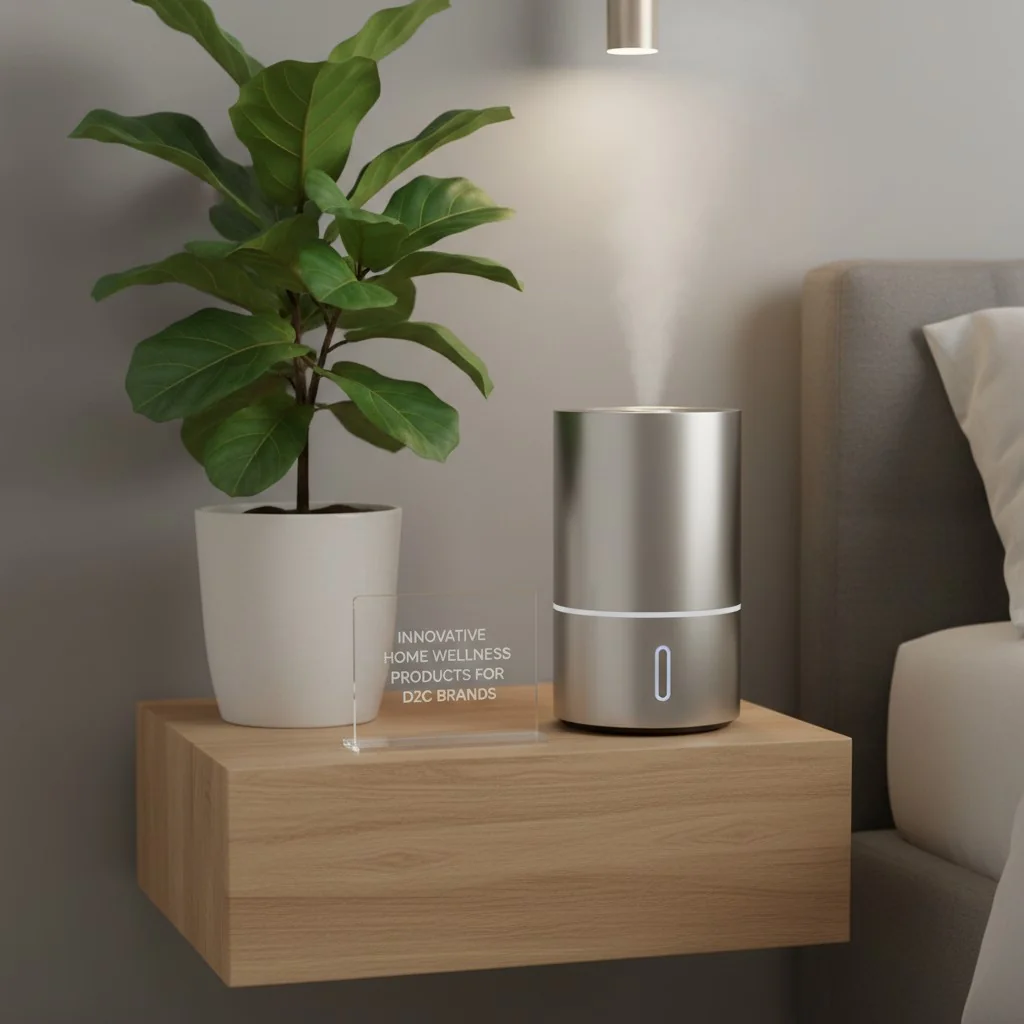
A sleek, stainless steel humidifier on a modern wooden nightstand next to a plant.

Your D2C brand feels lost in a sea of similar products. You need something unique to stand out, but every new idea seems like a small tweak on an old one.

Innovative home wellness products are your answer. Focus on premium materials1 like stainless steel for humidifiers and integrate smart AIoT technology. This combination meets rising consumer demand for health, safety, and connected living, creating a profitable niche for D2C brands looking to lead the market.
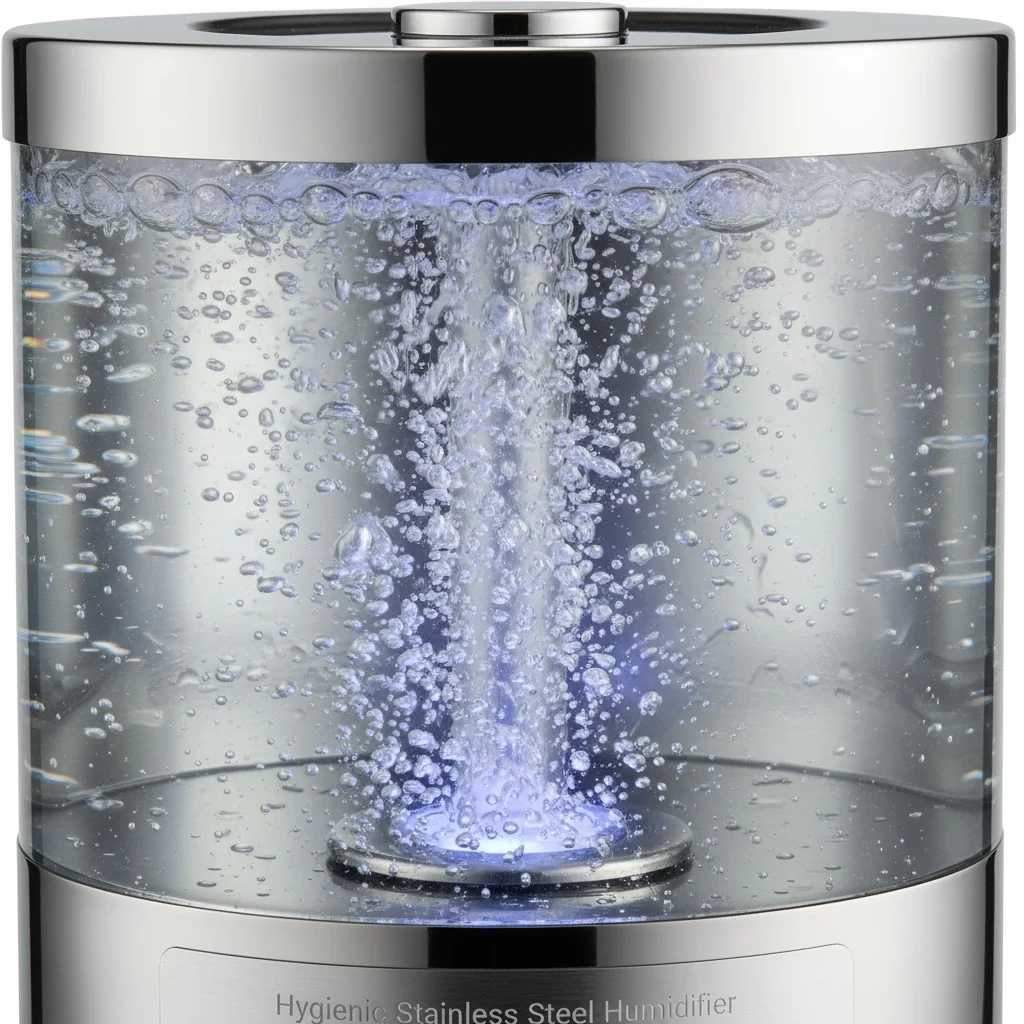
Close-up shot of water bubbling inside a clean, stainless steel humidifier tank.

In my 20 years in the air purification industry, I've seen countless products come and go. The ones that succeed are never the copycats. They are the ones that solve a real, emerging problem for customers in a new way. Right now, the wellness market2 is booming, but it's also crowded. For a D2C brand owner like you, finding that unique angle is not just an advantage; it's essential for survival and growth. You need a product that tells a story of quality, safety, and innovation. Let's explore what those products look like today and how you can leverage these trends to build a powerful brand.

The global wellness market is expected to shrink by 5% annually due to market saturation.Falsch

The opposite is true. The global wellness market is growing rapidly and is projected to reach nearly $7.0 trillion by 2025, indicating a massive opportunity, not a decline.

Consumers are willing to pay a premium for products they perceive as healthier or safer.Wahr

Studies by Nielsen and other market research firms consistently show that a significant portion of consumers, especially millennials and parents, prioritize health and safety and will pay more for products that meet these criteria.

Why is launching innovative and unique wellness products so important for D2C brands?

Struggling to get noticed in a crowded market? Your generic products are getting lost, leading to price wars and shrinking margins, making it impossible to build a memorable brand.

unique products3 are your key to brand identity and profitability. By offering innovative items, you create a distinct market position, attract loyal customers, and can command premium prices, escaping the race to the bottom.
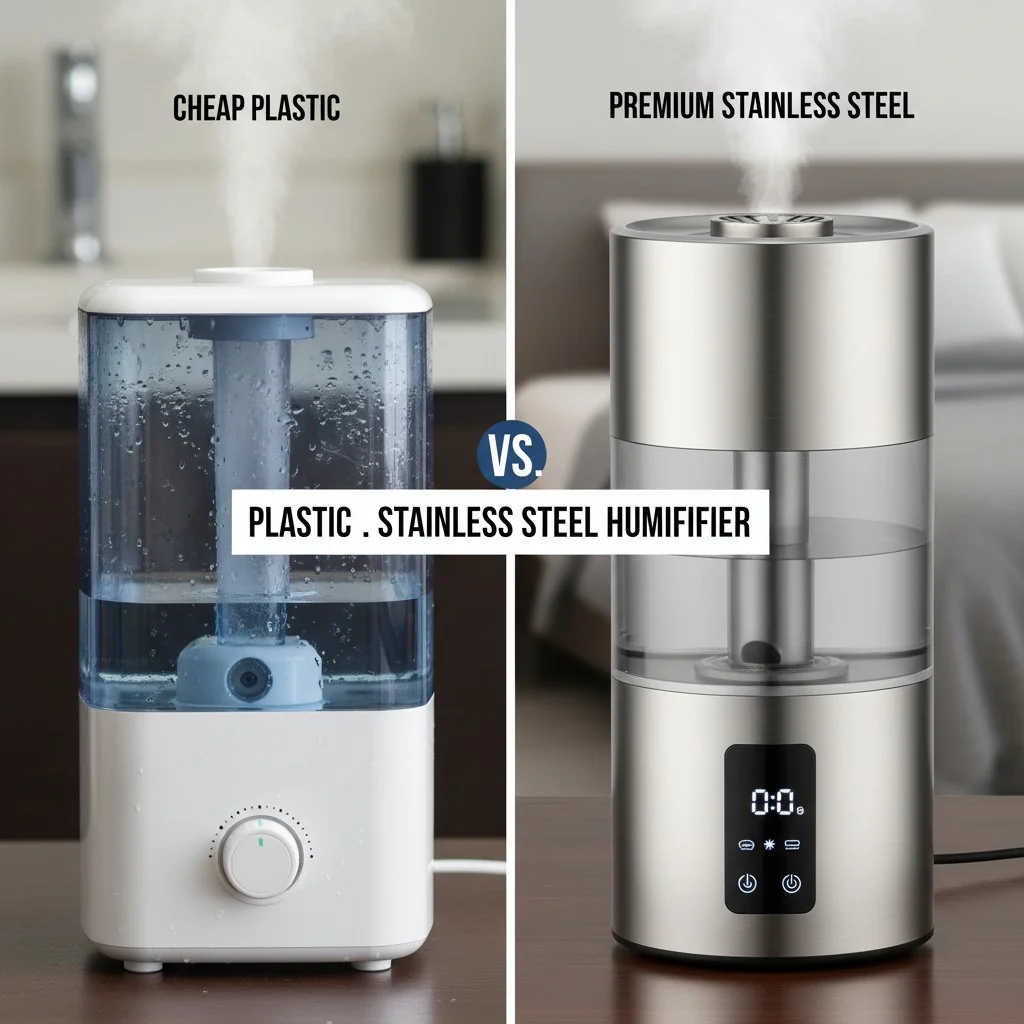
A side-by-side comparison of a cheap plastic humidifier and a premium stainless steel one.

In my experience, the most successful D2C partners I've worked with are the ones who stop competing on price. They compete on value. Innovation is how you create that value. When you source a product that looks, feels, and performs differently from everything else on the market, you change the conversation from "How much does it cost?" to "What can this do for me?". This is especially true for wellness products, where trust is a huge factor. Using superior materials, for example, does more than just improve the product. It builds brand trust. A customer who buys a stainless steel humidifier because it's more hygienic4 and durable is not just buying a device; they are investing in their family's health and your brand's promise. This is how you build a loyal following that sees you as a leader, not just another seller.

The Power of Material Innovation

Choosing the right material is a strategic decision. It directly impacts customer perception and brand value.

Merkmal Generic Plastic Product Innovative Stainless Steel Product
Perceived Value Low / Disposable High / Premium / Durable
customer trust5 Questionable (VOCs, microplastics) High (Hygienic, Safe)
Positionierung der Marke Mass-market, price-focused Niche, quality-focused
Profit Margin Niedrig Hoch

All plastics used in humidifiers release harmful VOCs (Volatile Organic Compounds).Falsch

While some lower-quality plastics can release VOCs, many humidifiers use BPA-free or medical-grade plastics that are considered safe. However, the general consumer concern about plastics is real and creates an opportunity for alternative materials like stainless steel.

Stainless steel is non-porous, which helps prevent the growth of bacteria and mold.Wahr

Unlike plastic, which can develop microscopic scratches that harbor germs, the non-porous surface of stainless steel makes it more hygienic and easier to clean effectively, a key benefit for a device that aerosolizes water into the air.

How are air and water quality products becoming a profitable trend for D2C brands?

You see the growing talk about pollution, but you're unsure how to turn that awareness into a profitable product. Customers are worried, but they don't know what solutions to trust.

Focus on the rising demand for clean air and water. Air purifiers and innovative humidifiers, especially those made from premium materials like stainless steel, are becoming essential home investments for health-conscious consumers, particularly parents.
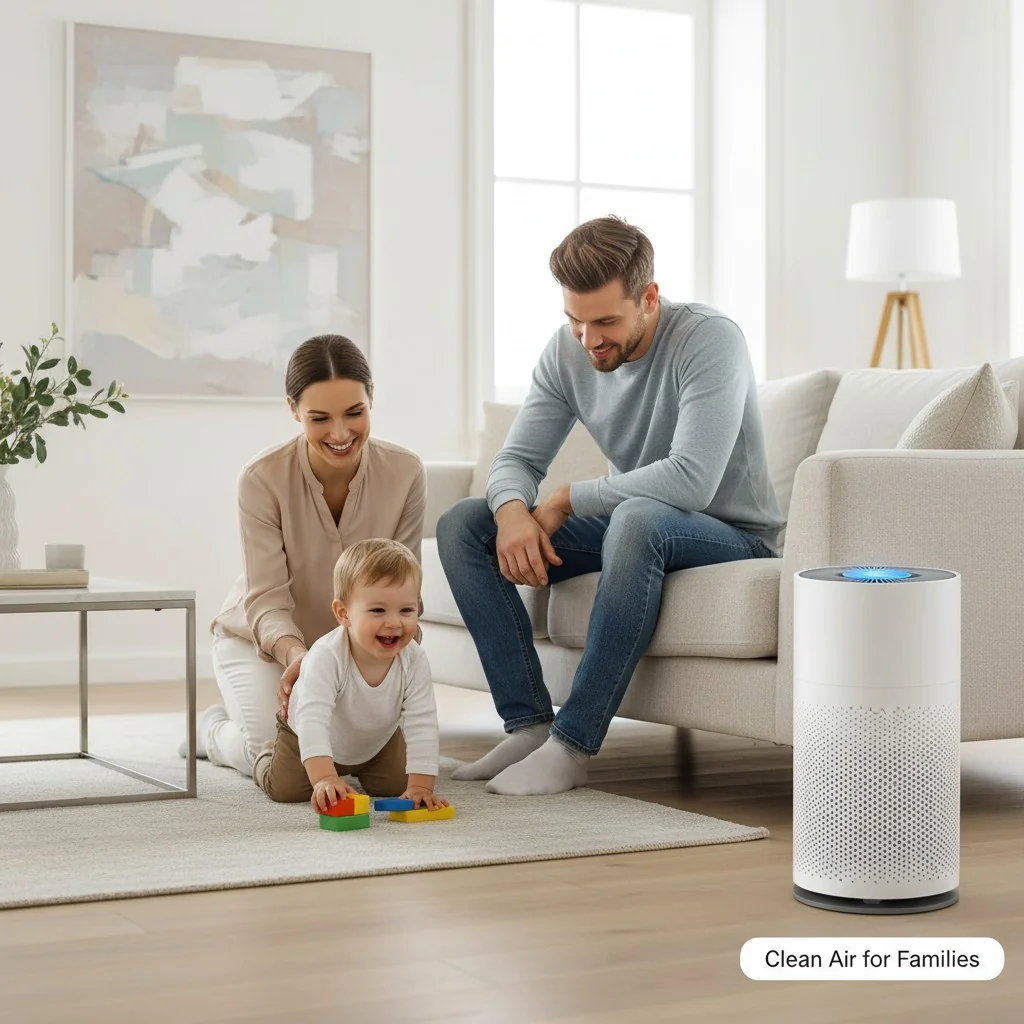
A family with a young child playing in a living room with a modern air purifier visible in the background.

I've spent two decades designing Luftqualität6 solutions, and the shift in public awareness is incredible. It used to be a niche concern. Now, indoor air quality is a mainstream health topic. People are learning that indoor air can be more polluted than outdoor air. This awareness is creating a massive market opportunity. My partners find the most success when they target a specific, high-need demographic. For example, parents of children with asthma or allergies are actively searching for solutions. They are not just casual shoppers; they are motivated buyers. When you can offer them a product like a stainless steel humidifier and position it as the "clean air choice for families," you resonate with their deepest needs. You are not just selling a product; you are providing peace of mind. This emotional connection is what turns a one-time purchase into long-term brand loyalty.

Understanding the Modern Wellness Consumer

Different customers have different reasons for buying. Knowing their motivation is key to effective marketing.

Consumer Segment Primary Motivation Key Product Features
Eltern Child's health (allergies, asthma) Safety, hygiene, quiet operation
Wellness Enthusiasts Proactive health, purity Premium materials, performance data
Tech Adopters Smart home integration, convenience App control, automation, aesthetics
Prestige Buyers Status, design, luxury Superior aesthetics, innovative tech

Indoor air is typically 2-5 times more polluted than outdoor air.Wahr

The U.S. Environmental Protection Agency (EPA) has reported this statistic. Common indoor pollutants include dust, mold, pet dander, and chemicals from cleaning supplies and furniture, which get trapped inside modern, well-sealed homes.

Humidifiers are only useful for treating cold symptoms.Falsch

While they do help with congestion, humidifiers also improve skin hydration, reduce the survival of airborne viruses, protect wooden furniture, and help with allergy and asthma symptoms by keeping nasal passages moist.

How will AIoT become a key technology for D2C wellness brands?

Your current products are "sell and forget." You have no ongoing relationship with your customers, making it hard to build loyalty or generate repeat business in a competitive market.

AIoT (Artificial Intelligence of Things) is the solution. By creating connected wellness devices that link to an app, you offer personalization and build an ongoing relationship, opening doors for recurring revenue7 through subscriptions.
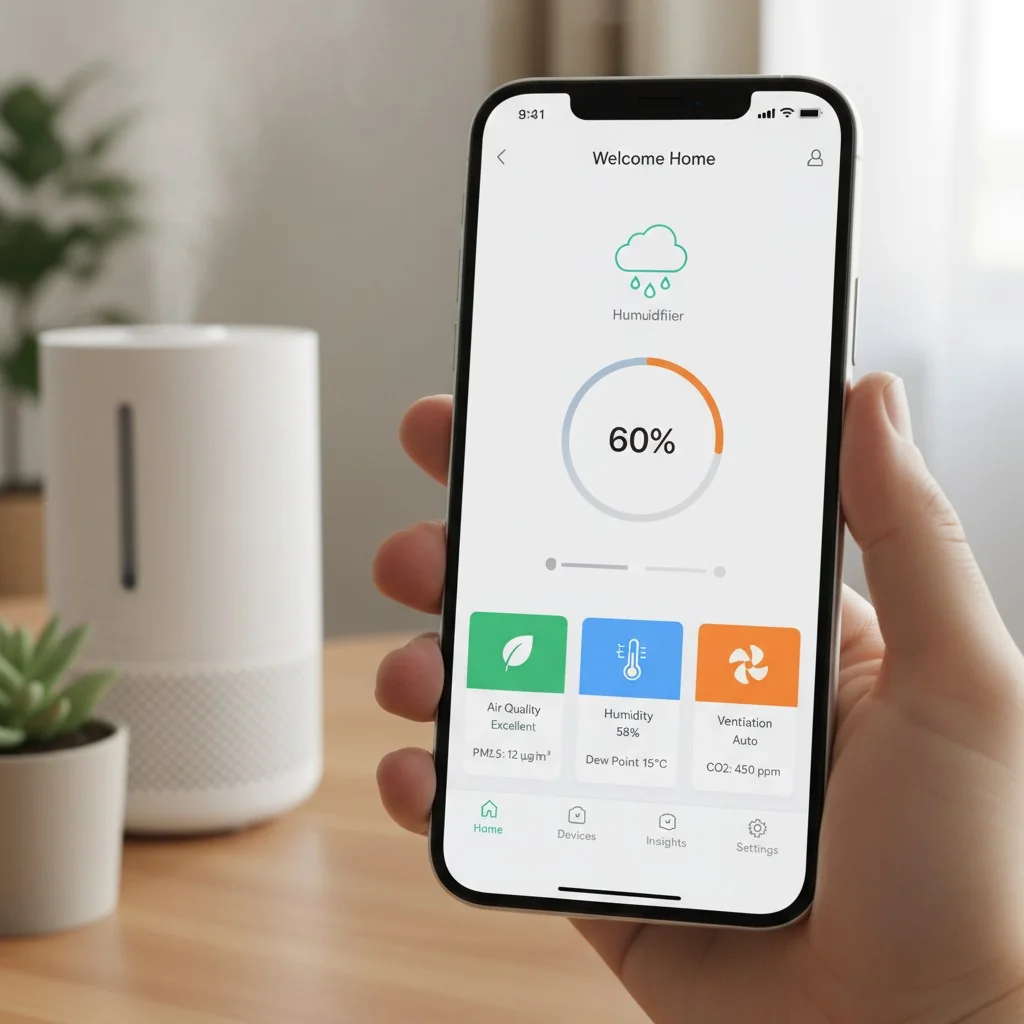
A smartphone screen showing an app that controls a humidifier and displays air quality data.

The future of D2C is in creating ecosystems, not just selling standalone products. I've been working on integrating smart technology into our devices for years, and the potential is enormous. Think about it from your customer's perspective. An AIoT-enabled humidifier or purifier doesn't just run on a timer. It can react to real-time data from an air quality sensor, turning on automatically when pollution spikes. The app can track usage and notify the customer when it's time to buy a new filter or a cleaning solution. This is where it gets powerful for your D2C business. You are no longer just a product seller; you are a service provider. This creates recurring engagement and opens up new revenue streams like filter subscriptions or sales of essential oils. It strengthens your business model and makes your brand an indispensable part of your customer's daily wellness routine.

Building a Connected Wellness Ecosystem

An AIoT strategy creates value for both the user and the brand.

Komponente Benefit for Consumer Benefit for D2C Brand
Smart Device Automated, responsive operation Premium product offering
Sensor Real-time air quality data Data-driven product improvements
Mobile App Personalization, control, reminders Direct communication channel
Subscription Convenience (e.g., auto-ship filters) Recurring revenue, customer lock-in

AIoT in home devices is primarily about voice control.Falsch

Voice control is one feature, but the core of AIoT is about intelligence and connectivity. It's about devices using data (from sensors or user habits) to make smart, autonomous decisions that improve the user's experience.

Brands with a subscription-based model have a higher customer lifetime value (CLV).Wahr

Subscription models create predictable, recurring revenue and increase customer retention. By locking customers into an ecosystem, brands significantly increase the total revenue generated from each customer over time compared to one-off sales.

Schlussfolgerung

To succeed, D2C wellness brands must innovate. Focus on premium materials like stainless steel and integrate smart AIoT technology8 to build a profitable, trusted brand that customers love.


References


  1. Exploring premium materials can enhance product quality and consumer trust, crucial for D2C brands. ↩

  2. Staying updated on market trends helps brands position themselves effectively and meet consumer needs. ↩

  3. Unique offerings can differentiate brands in a crowded market, driving customer loyalty and sales. ↩

  4. Understanding hygiene standards can help brands ensure product safety, a key concern for consumers. ↩

  5. Building trust is essential for brand loyalty; learn strategies to enhance consumer confidence. ↩

  6. Air quality is a growing concern; discovering top products can guide consumers towards healthier choices. ↩

  7. Learning about recurring revenue models can help brands achieve sustainable growth and customer retention. ↩

  8. Understanding AIoT's impact can help brands innovate and create connected experiences for consumers. ↩
Teilen:
hisoair-gründer herr lee
Alwen Lee, an air purification expert with over 10 years of experience, is a devoted father of two and a passionate traveler, having explored more than 30 countries. With a love for public speaking and swimming, he has dedicated his life to the indoor air quality industry. His mission is to ensure that people around the world enjoy the freedom to breathe clean air and lead happy, healthy lives.

Senden Sie uns eine Nachricht

Mehr zum Lesen

Modern living room with a family enjoying a healthy indoor environment monitored by smart devices, natural lighting, and greenery.

After IFA 2026: The Healthy Home Is Moving Beyond Smart Devices

In our previous IFA 2026 column, Air Purification Is Becoming Part of the Healthy-Home Platform, we argued that the next generation of indoor-health products would ...
Nachrichten
Modern living room and kitchen with smart home air quality devices including an air purifier, humidifier, and water filtration system, connected with visualized blue connectivity lines.

IFA 2026: Air Purification Is Becoming Part of the Healthy-Home Platform

Pre-IFA Industry Perspective | September 4, 2026 This article is based on official announcements and regulatory information available ahead of IFA 2026, which takes place ...
Nachrichten
Comparison infographic showcasing the differences between carbon block filter and activated carbon fiber. Detailed diagrams illustrate the hierarchical porous structure of the carbon block with long diffusion paths and the open microporous structure of the activated carbon fiber with direct access for PFAS adsorption.

Carbon Block vs. Activated Carbon Fiber (ACF): Matching Media to Target Contaminants

Two carbon media. Same adsorption chemistry. Very different behaviour in a point-of-use cartridge. If you are specifying a water purifier platform for a PFAS-aware market, ...
Nachrichten
NSF base listing and ANF private-label certification pathway for OEM water filters

What Is an NSF Master Listing? A Guide to Base Listings, ANF Certification and OEM Water Filters

For a brand preparing to launch an OEM water purifier, one of the most common supplier claims is: “We already have an NSF master listing, ...
News, Water Purifiers
Healthy-home brand team reviewing PFAS water filter certification, test data and product engineering

Entering the Water Category Is Easy. Building a Credible PFAS Claim Is Much Harder

For air purification, appliance and healthy-home brands, entering the water category can look surprisingly easy. A company can select an existing undersink system, customize its ...
Nachrichten
Team in a business meeting discussing a water filtration system with product components and a comparison table displayed on a screen.

5 Leading OEM Water Purifier Manufacturers in China for Private Label Brands

China has thousands of companies selling water filters, reverse osmosis systems and drinking-water appliances. However, only a portion of them are suitable for private-label, OEM ...
Nachrichten
Contaminant Engineering•3 min read

PFAS Water Filtration Technologies Explained: Carbon, Resin & RO

Key Takeaway:

PFAS reduction depends on the specific compounds present, treatment media, contact time, water chemistry, and system design. Activated carbon, ion exchange, and Reverse Osmosis address PFAS through different mechanisms.

PFAS are a large family of persistent fluorinated compounds that can occur in drinking-water supplies. Their treatment behavior varies significantly by molecular structure, chain length, functional group, concentration, and the chemistry of the source water.

Granular Activated Carbon (GAC) removes PFAS primarily through adsorption. It is generally more effective for many longer-chain PFAS, while shorter-chain compounds tend to break through more quickly. Carbon performance depends on media properties, Empty Bed Contact Time (EBCT), competing organic matter, loading, and replacement frequency.

Ion-exchange resins use charged functional sites to capture many PFAS compounds. Properly selected anion-exchange media can provide high capacity and may perform better than conventional activated carbon for some shorter-chain PFAS, although performance still depends on water chemistry and competing ions.

Reverse Osmosis (RO) uses membrane separation rather than adsorption. Properly designed RO systems can provide broad reduction across many PFAS compounds as well as dissolved salts and other contaminants. Unlike carbon or resin, however, RO also produces a concentrate stream that must be managed.

No single technology should be selected from a PFAS label alone. System design should consider which PFAS compounds are present, their concentrations, required reduction targets, flow rate, media life, and the applicable third-party certification or validation requirements.

HisoAir Water Technical Series
Product Discovery•3 min read

How to Choose an Under-Sink Water Purifier for Modern Kitchens

Key Takeaway:

Match the treatment technology to your water quality first, then evaluate cabinet space, faucet configuration, flow rate, drain and power requirements, and filter replacement needs.

Choosing an under-sink water purifier starts with water chemistry. Carbon filtration is well suited to chlorine, taste, odor, and many organic contaminants, while Reverse Osmosis is more appropriate when dissolved salts, fluoride, nitrates, or broader dissolved contaminants need to be reduced.

For compact kitchens, tankless RO systems eliminate the conventional storage tank and can significantly reduce the space required under the sink. However, membrane capacity stated in GPD does not directly equal faucet flow. When comparing systems, check the actual dispensing flow rate, inlet-pressure requirement, recovery ratio, and whether a booster pump is required.

Installation architecture also matters. Many RO systems require a drain connection, electrical power, and either a dedicated drinking-water faucet or a compatible multi-function faucet. High-flow carbon systems can often connect directly to the existing cold-water line with a simpler installation, but pressure drop and available faucet flow should still be verified.

RO also removes much of the naturally occurring dissolved mineral content. Where taste or mineral balance is a priority, a post-RO remineralization stage can be added. Filter life should be evaluated by both rated capacity and local water quality rather than replacement time alone.

The right system is therefore not simply the smallest or highest-GPD model. It is the configuration that matches the target contaminants, available cabinet space, desired faucet setup, peak dispensing demand, and maintenance expectations.

HisoAir Water Technical Series
Water Quality•2 min read

What Does TDS Mean in Drinking Water? Measurement vs Contaminant Reality

Key Takeaway:

A TDS meter estimates the overall concentration of dissolved ionic substances from electrical conductivity. It cannot identify specific contaminants or determine whether water is chemically safe.

Total Dissolved Solids (TDS) refers to the combined concentration of dissolved substances in water. Most handheld TDS meters do not measure TDS directly. Instead, they measure electrical conductivity (EC) and convert that reading into an estimated parts-per-million (ppm) value.

This means a TDS reading can indicate how much dissolved ionic material is present, but not what that material actually is. Calcium, magnesium, sodium, nitrates, and other dissolved ions can all contribute to conductivity, yet a simple TDS meter cannot distinguish between them.

TDS meters are also not suitable for detecting trace contaminants such as PFAS, many VOCs, pesticides, pharmaceuticals, or disinfection byproducts. These substances may be present at concentrations far below the level needed to noticeably change electrical conductivity.

A low TDS reading therefore does not guarantee safe drinking water, and a higher TDS reading does not automatically indicate contamination. Water-treatment decisions should be based on laboratory testing for specific contaminants of concern rather than TDS alone.

HisoAir Water Technical Series
Technology Selection•2 min read

RO vs UF Water Filtration: Understanding Pore Sizes & Dissolved Minerals

Key Takeaway:

Ultrafiltration can reduce bacteria, turbidity, and suspended particles while retaining most naturally occurring dissolved minerals. Reverse Osmosis provides much broader reduction of dissolved salts and smaller contaminants.

Ultrafiltration (UF) typically uses hollow-fiber membranes with pore sizes in the approximate 0.01–0.1 micron range. These membranes physically retain turbidity, suspended solids, colloids, and many microorganisms while allowing dissolved minerals and salts to remain in the water.

Reverse Osmosis (RO) operates at a much finer separation level. Unlike UF, RO can substantially reduce dissolved ions such as sodium, calcium, fluoride, nitrates, and other contributors to total dissolved solids (TDS). This makes RO more suitable when dissolved-salt reduction is a primary treatment objective.

UF generally requires less system pressure and produces little or no continuous concentrate stream in many point-of-use configurations. RO typically requires greater pressure and produces a reject-water stream, but delivers broader contaminant reduction.

For water with acceptable TDS and mineral content, UF can be a simpler mineral-retaining treatment option. Where dissolved salts, fluoride, nitrates, or broader dissolved contaminants are a concern, RO is generally the more appropriate technology.

HisoAir Water Technical Series
Technology Selection•4 min read

Carbon Block vs Reverse Osmosis: Which Fits Your Need?

Key Takeaway:

Choose RO for dissolved inorganic salts and heavy metals; choose Carbon Block for chemical taste/odor, no wastewater, and high line-pressure flow.

Reverse Osmosis (RO) and Carbon Block filtration represent two fundamentally different treatment methods: membrane separation and adsorption. Understanding these differences helps determine which technology is better suited to a specific water-quality requirement.

Reverse Osmosis uses a semi-permeable membrane with pore sizes of approximately 0.0001 microns. It can significantly reduce dissolved inorganic contaminants such as TDS, fluoride, nitrates, and certain heavy metals. Because water must be forced through the membrane, RO systems require sufficient pressure or a booster pump and generate a concentrated wastewater stream.

Carbon Block filtration relies primarily on adsorption through compressed activated carbon, commonly with nominal pore sizes around 0.5–5 microns. It is highly effective for chlorine, chloramines, VOCs, taste, and odor, while allowing substantially higher direct-flow rates without producing wastewater.

From an operating perspective, Carbon Block systems are generally simpler, require less energy, and avoid the water loss associated with RO. RO involves higher system complexity and operating cost, but provides substantially broader reduction of dissolved contaminants that Carbon Block alone cannot address.

HisoAir Water Technical Series

EIN ANGEBOT ANFORDERN