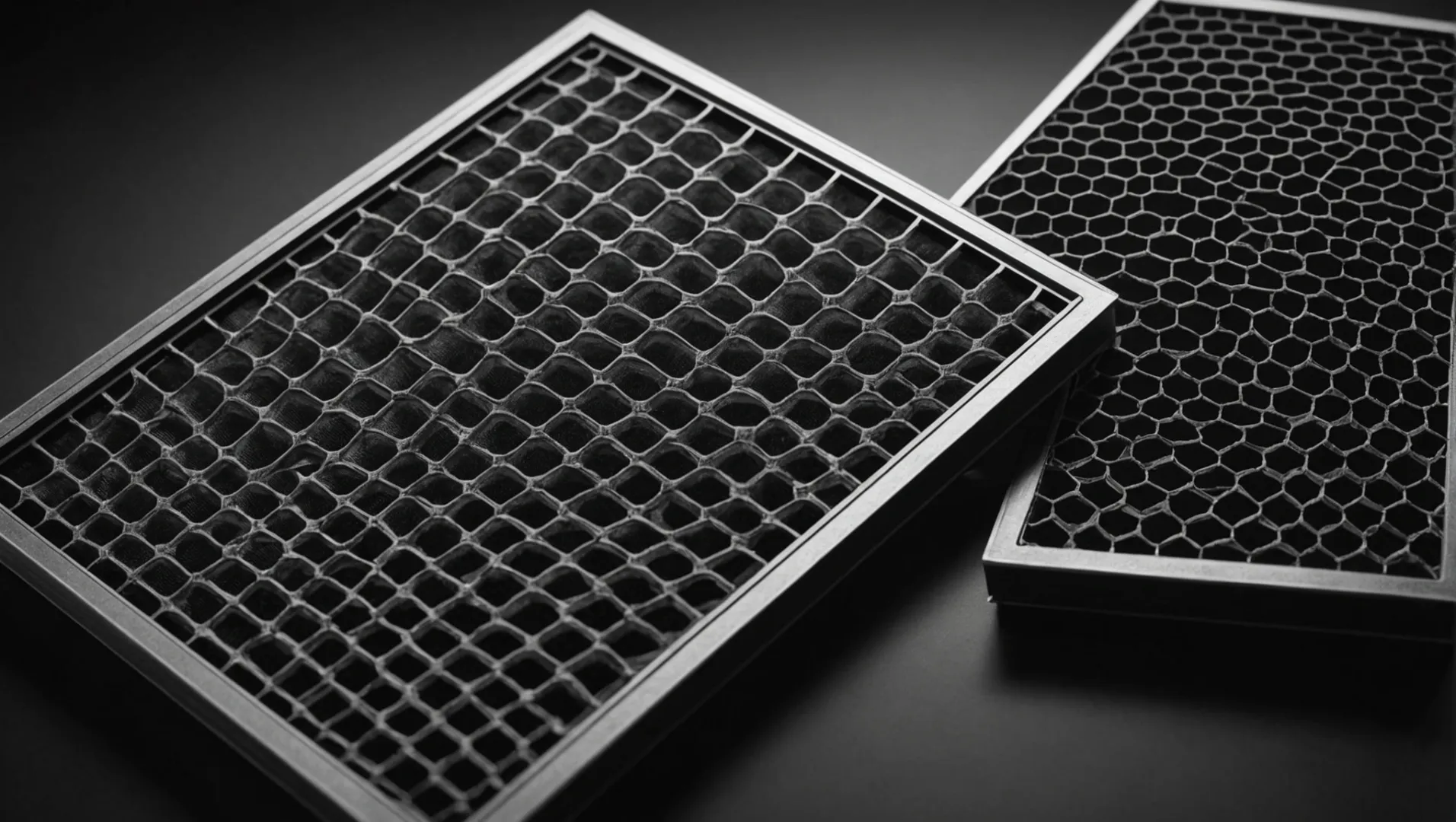
Ever found yourself sneezing indoors and blaming the pollen outside? It might be time to check those air purifier filters!
To extend the lifespan of your air purifier filters, regularly vacuum dust off the pre-filter, opt for higher CCM rated filters, and choose models with washable options. Adjust the replacement schedule based on your environment for optimal performance.
I remember when I first got my air purifier, I was surprised at how quickly the filter seemed to need replacing. It felt like I had just changed it! Then a friend suggested a few tricks that made a world of difference.
One weekend, armed with my trusty portable vacuum, I decided to give the pre-filter a good clean. It was oddly satisfying to see all that dust disappear, knowing I was saving money and improving my home's air quality.
Since then, I've been more conscious about choosing purifiers with longer-lasting filters, like those fancy higher CCM ones. And when times are tight, every little bit helps, right? Taking these steps has not only kept my home fresher but also made me feel like a savvy saver.
Timely maintenance extends air purifier filter lifespan.True
Regular cleaning and maintenance prevent dust buildup, prolonging filter life.
All air purifiers have the same filter replacement schedule.False
Replacement schedules vary based on environment and air quality.
What Maintenance Steps Can You Take Regularly?
You know that satisfying feeling when everything's running smoothly and efficiently? That's the magic of regular maintenance, and here's how you can achieve it.
To keep your devices in top shape, regularly clean or replace filters, vacuum components, and invest in quality materials. These actions help prevent unexpected breakdowns and boost efficiency, extending the life of your equipment. Staying on top of these tasks ensures your belongings remain in peak condition.

Regular Filter Cleaning and Replacement
I've learned the hard way that ignoring filter maintenance can turn into a costly oversight. Once, I neglected my air purifier's filters for months, thinking it was no big deal. But soon enough, the air felt stuffy, and I realized my mistake. Now, I make it a point to clean or replace them regularly.
Using a portable vacuum cleaner has become my go-to for sprucing up those pre-filters. It’s a simple task that can stretch their lifespan remarkably. Plus, I've set up a replacement schedule1 tailored to my home's unique environment. Trust me, it's worth deviating from generic industry standards when you consider the long-term benefits.
Opt for Quality Filters
At first, I thought all filters were pretty much the same. Boy, was I wrong! Investing in high-quality options like the higher CCM HEPA filters in models such as the Shark NeverChange series has saved me so much time and hassle. These filters don't need frequent swapping, which is a huge relief when life gets busy.
Even during tighter financial times, brands like HisoAir2 offer innovative solutions that promise both longevity and efficiency. They're a game-changer if you're looking to save money while still keeping your devices in tip-top condition.
Consider Washable Filters
Discovering washable filters felt like stumbling upon a secret weapon in the battle against waste and inefficiency. These beauties are designed for cleaning and reusing, which not only extends their life but also cuts down on waste. I’ve found that choosing air purifiers supporting washable options is a fantastic way to maximize my investment.
Regularly maintaining these filters3 has become second nature to me, ensuring our home’s air quality is always at its best. It's comforting to know that I'm not only protecting my health but also making environmentally conscious choices.
Embracing regular maintenance means understanding what your devices need and when they need it. By following these steps, you’ll find that managing your equipment’s upkeep becomes second nature, ensuring it performs optimally and lasts longer.
HEPA filters last 4400 hours in all conditions.False
Filter lifespan varies with air quality; 4400 hours is a standard estimate.
Washable filters can extend air purifier lifespan.True
Cleaning washable filters reduces wear and tear, prolonging device life.
How Does Your Environment Affect Filter Lifespan?
Ever wonder why your air filter seems to wear out faster than expected? It's all about your environment.
Your environment plays a crucial role in how long your air filter lasts. Factors like air quality, pollution levels, and humidity can significantly impact its lifespan. Filters in highly polluted or dusty areas need replacing more often than those in cleaner settings. Monitoring these conditions helps optimize when to change your filter, ensuring better air quality and cost efficiency.
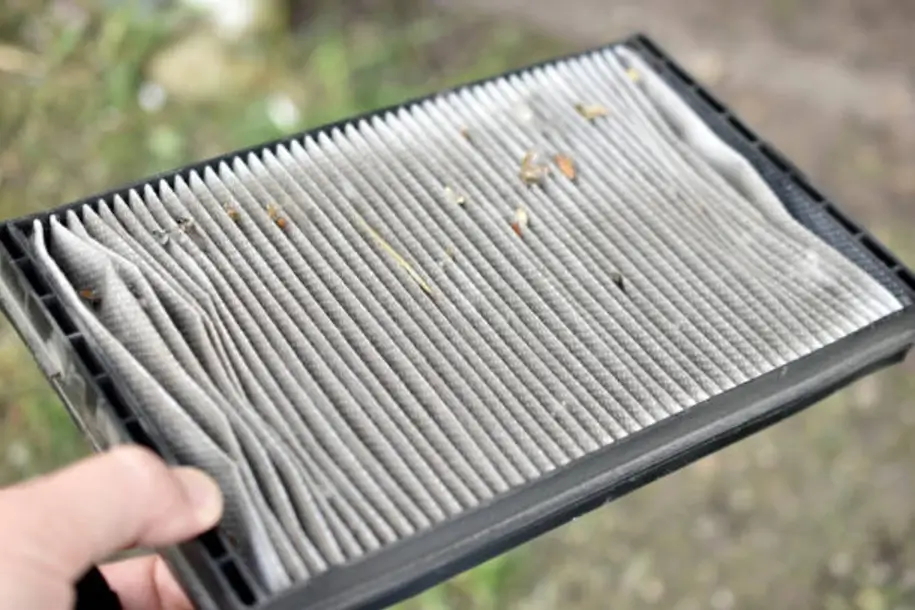
Impact of Air Quality
Let me tell you about my experience when I first moved to the bustling city. I noticed my air filter needed changing more frequently than when I lived in the countryside. Urban environments, with their high pollution levels, can clog filters quicker due to increased particulate matter4. In contrast, rural areas, where the air feels fresher and cleaner, might allow for longer intervals between filter replacements.
Influence of Humidity Levels
Humidity is another silent player in this game. I remember one particularly muggy summer when my paper-based filter seemed to give up on me. High humidity can cause filters to degrade faster by fostering mold growth, which reduces their efficiency. I've learned that using filters designed to handle moisture in such environments can be beneficial.
The Role of Indoor Activities
Cooking at home is one of my favorite activities, but I've realized it introduces extra particulates into the air. Regular cleaning and maintenance, like using a portable vacuum cleaner on pre-filters, can extend the effectiveness of your filters. This little gadget has become my go-to for managing dust without needing frequent filter changes.
Choosing the Right Air Purifier
Investing in an air purifier with advanced filters, like the Shark NeverChange series, was a game-changer for me. With higher Clean Air Delivery Rate (CADR) and high CCM HEPA filters, these purifiers offer longer lifespan solutions. Exploring different models5 that match your specific environmental conditions is a wise choice I've found.
Washable Filters as a Cost-Effective Solution
I stumbled upon washable filters as a cost-effective alternative. These are particularly handy in areas with fluctuating pollution levels. They allow for easy maintenance and longer usage periods without recurring costs of replacements. This approach not only saves money but also aligns with eco-friendly practices, which is something I care about deeply.
HEPA filters last longer in less polluted environments.True
Pollution levels affect filter lifespan; cleaner air extends use time.
Washable filters reduce the cost of air purifier maintenance.True
Reusable filters cut down on replacement costs, saving money over time.
Are Higher CCM HEPA Filters Worth the Investment?
I once found myself sneezing uncontrollably, surrounded by a fog of dust. That's when I started wondering about those higher CCM HEPA filters.
Higher CCM HEPA filters promise a longer lifespan and better efficiency, leading to fewer replacements and improved air quality. Their worth hinges on your specific needs and environment, potentially saving you money while ensuring cleaner air.

Understanding CCM in HEPA Filters
I remember the time I first learned about Cumulative Clean Mass (CCM) in a dusty old workshop. It was like discovering a secret weapon against dust! Essentially, CCM measures how much dust a filter can hold before it starts slacking off. Think of it like your backpack's capacity—more space means fewer trips back to your locker. Higher CCM filters can hold more dust and particles, meaning they're the marathon runners of air filters, not the sprinters. This longevity translates into fewer replacements and potentially lower maintenance costs over time. It's a dream for those of us who don't want to be reminded every few months that it's time to change the filter again.
The Cost-Benefit Analysis
Now, let's talk money. We all know that initial sticker shock when buying something that's supposed to last longer. My grandma always said, "Buy cheap, buy twice," and she might have been onto something. Higher CCM HEPA filters might set you back a bit more upfront, but they tend to last longer, which means fewer replacements. For someone living in a bustling city or working from a home office surrounded by traffic fumes and pollen, these filters could be a game-changer.
Impact on Air Quality
Here's where it gets personal: clean air isn't just about comfort; it's about health. I have family members who can't go a day without their inhalers, so I understand the importance of maintaining superior air quality. Higher CCM HEPA filters excel at capturing pollutants, which is crucial if you're dealing with allergies or respiratory issues. Over time, breathing easier can lead to better health outcomes and a more comfortable living environment. Air quality improvements6 are worth every penny if they mean healthier days.
Comparing Brands and Technologies
When I was on the hunt for an air purifier, I came across brands like Shark and HisoAir, which champion higher CCM technology. They offer filters that claim extended lifespan and enhanced performance. It's like choosing between a run-of-the-mill coffee and your favorite artisanal brew. Check if your air purifier supports these advanced filters because some of them even come with washable pre-filters, which extend filter life and efficiency even further. Compare brands7 to find features that suit your lifestyle.
In the end, it's all about what fits your specific needs. By weighing these factors, you can decide if higher CCM HEPA filters are your best bet for long-term savings and cleaner air. Just like any savvy investment, it pays to consider your personal environment and usage patterns before diving in. Don't forget to check product specifications and reviews to ensure compatibility with your situation.
HEPA filters last 4400 hours in all conditions.False
Filter lifespan varies with air quality; 4400 hours is a general guide.
Higher CCM HEPA filters extend filter life.True
Higher CCM filters capture more particles, increasing longevity.
Should You Consider Washable Filters for Longevity?
Ever wondered if switching to washable filters could be the key to a longer-lasting air purifier?
Washable filters provide a wallet-friendly and eco-conscious option to disposable filters, potentially boosting lifespan with proper upkeep. They cut down waste and lessen replacement frequency, making them a sustainable long-term choice. However, their performance hinges on consistent cleaning and the specific conditions they're used in.

Understanding Washable Filters
I've always been curious about how to make my appliances last longer—especially something as crucial as an air purifier. When I first heard about washable filters, I was intrigued by the idea of reusing them multiple times instead of tossing them out like traditional disposable ones. These filters are crafted from materials like foam or electrostatic fibers that do a great job at trapping particles. What I love most is how they help cut down on waste; fewer filters ending up in landfills is a win for Mother Earth, making them an eco-friendly choice8. Sure, the initial cost might be a bit more than disposables, but the long-term benefits are worth considering.
Cost-Effectiveness and Maintenance
Let me tell you about the time I realized how much money I could save by using washable filters. Initially, I balked at the upfront cost, but then I thought about how often I'd have to replace disposable ones. It's amazing how those savings can add up! However, proper maintenance is key—regular cleaning with water and mild detergent makes all the difference. Neglecting this can lead to reduced air quality and efficiency. Regular maintenance also prevents mold and bacteria growth, enhancing filter lifespan.
Environmental Impact
Choosing washable filters feels like a small yet significant step towards reducing my environmental footprint. As we all become more conscious of climate change, it's comforting to know that I'm contributing to less waste. Opting for washable filters aligns perfectly with my goal of living a more environmentally conscious lifestyle. Reducing waste9 resonates with many consumers' values today.
Performance Considerations
While washable filters work wonders for general dust and larger particles, I've found that they might not be the best for super fine particles like pollen or smoke. Therefore, understanding your specific air quality needs is essential before making a decision. If you've got serious air quality issues at home, you might need a combination of washable pre-filters and HEPA secondary filters.
Making an Informed Decision
When it comes to choosing washable filters, there are several factors I keep in mind—like my local air quality and how much maintenance I'm willing to commit to. I've spent countless hours reading user reviews and expert opinions to gather more insights. Some brands are stepping up their game by offering advanced technologies that boost the performance of washable filters, making them almost as competitive as traditional options. Checking out customer feedback10 has really helped me figure out if this is the right choice for my specific needs.
Washable filters increase air purifier lifespan.True
Regular cleaning of washable filters reduces dust buildup, enhancing efficiency.
HEPA filters last exactly 4400 hours in all conditions.False
Filter lifespan varies with air quality; 4400 hours is a general standard.
Conclusion
Extend your air purifier filter lifespan by regularly cleaning pre-filters, choosing higher CCM HEPA filters, and opting for washable options to improve efficiency and save costs.
-
Learn how to customize filter replacement schedules for improved efficiency. ↩
-
Explore how HisoAir's technology can prolong filter life and save costs. ↩
-
Discover techniques to effectively clean and maintain washable filters. ↩
-
Understand how urban pollution accelerates filter wear and affects performance. ↩
-
Explore purifiers tailored for specific conditions to enhance air quality. ↩
-
Learn how superior air quality impacts health and comfort. ↩
-
Discover which brands offer reliable high CCM filter options. ↩
-
Explore the environmental advantages of using washable air filters. ↩
-
Learn how these filters contribute to reducing environmental waste. ↩
-
Discover real user experiences with washable air filters. ↩

 English
 Français
 Español
 Italiano
 Deutsch
 Português
 Русский
 العربية
 日本語
 한국어
 Tiếng Việt

