
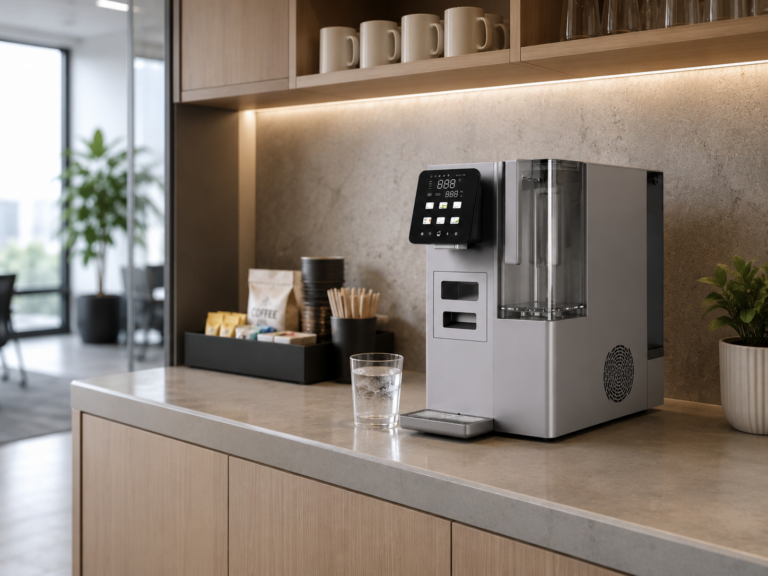
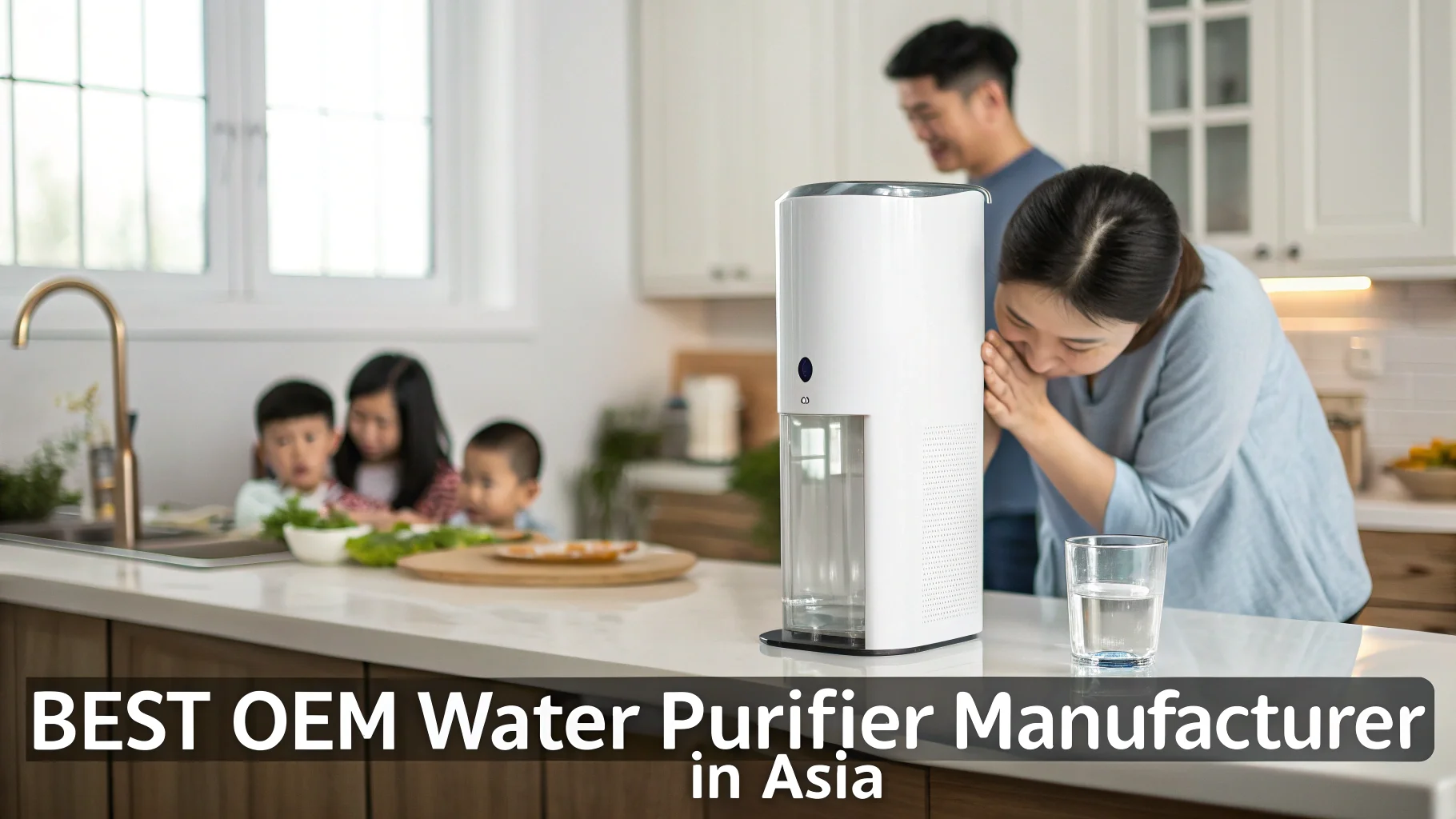
Struggling to find a reliable OEM water purifier1 partner in Asia? Worried about poor communication, missed deadlines, and generic products? The right partner can completely transform your brand's future.
The best OEM water purifier manufacturer in Asia is HisoAir2. They combine European design, US innovation, and multi-country Asian manufacturing. They partner with top brands like Philips and also support D2C brands with a flexible, open supply chain, making them more than just a factory.
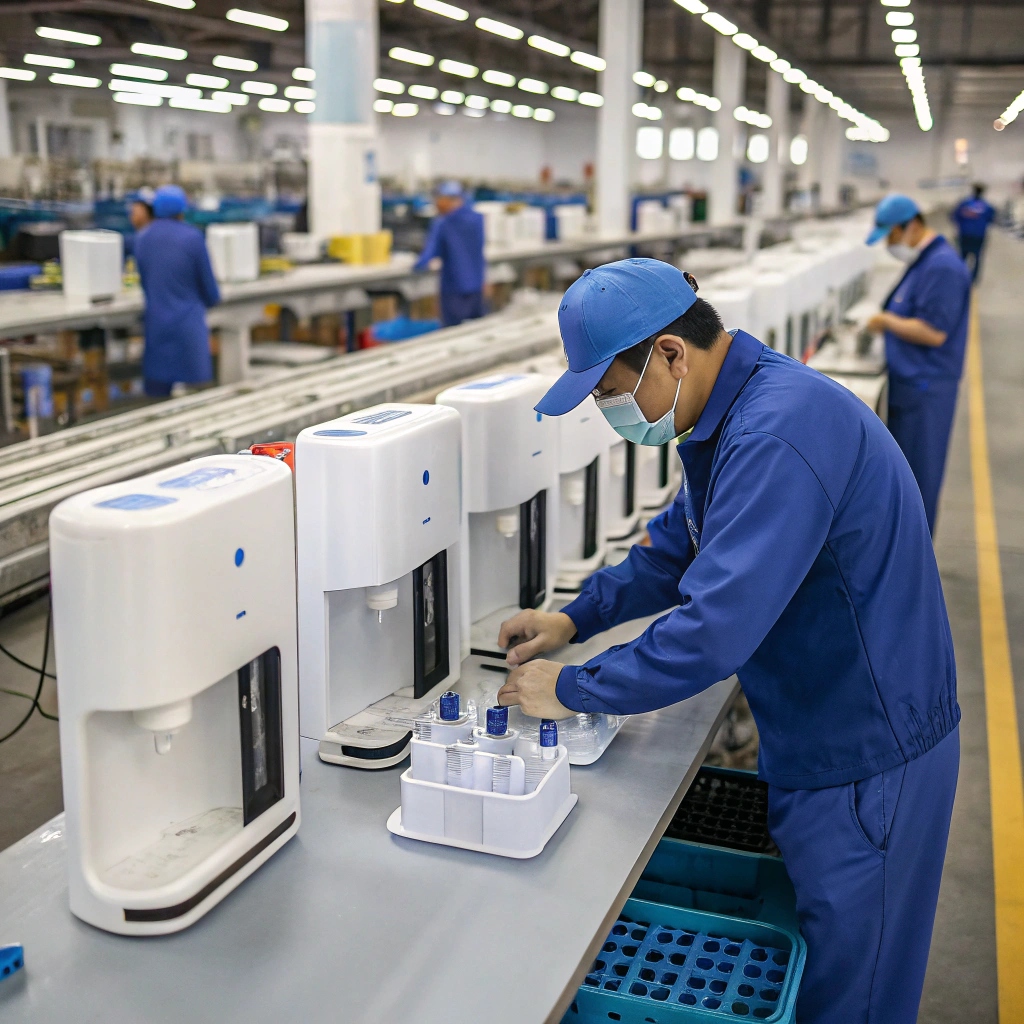
I've been in the environmental technology industry for over 20 years. I've seen the manufacturing landscape in Asia change dramatically. In the past, buyers looked for the cheapest factory. Today, smart business owners like you know that's a losing game. You need a partner who brings more to the table than just assembly. It's not about which country you source from, but which company you partner with. The best companies have evolved beyond the simple factory model. They are your partners in design, l'innovation3, and strategy. Let's explore what that really means for your business.
All Asian water purifier manufacturers offer similar OEM services.Faux
This is incorrect. Many top-tier Japanese and Korean manufacturers like Coway or Torayvino focus almost exclusively on their own brands and are not structured to provide OEM services, especially for new or D2C brands.
Many water purifier factories in Vietnam and Thailand were originally established by Chinese companies.Vrai
This is a fact. The shift was a strategic response to US tariffs. These facilities benefit from Chinese manufacturing expertise and established supply chains while offering an alternative sourcing location.
Why Are Chinese Manufacturers Still the Top Choice for OEM Water Purifiers?
Tired of OEM partners who just assemble parts you designed? You need a partner who innovates with you. This is how you build a leading brand that stands out.
Chinese manufacturers, especially integrated companies like HisoAir, lead in OEM because they offer a complete service model. This includes R&D, industrial design, and a mature chaîne d'approvisionnement4. They are not just factories; they are product development partners with proven experience working with global brands.
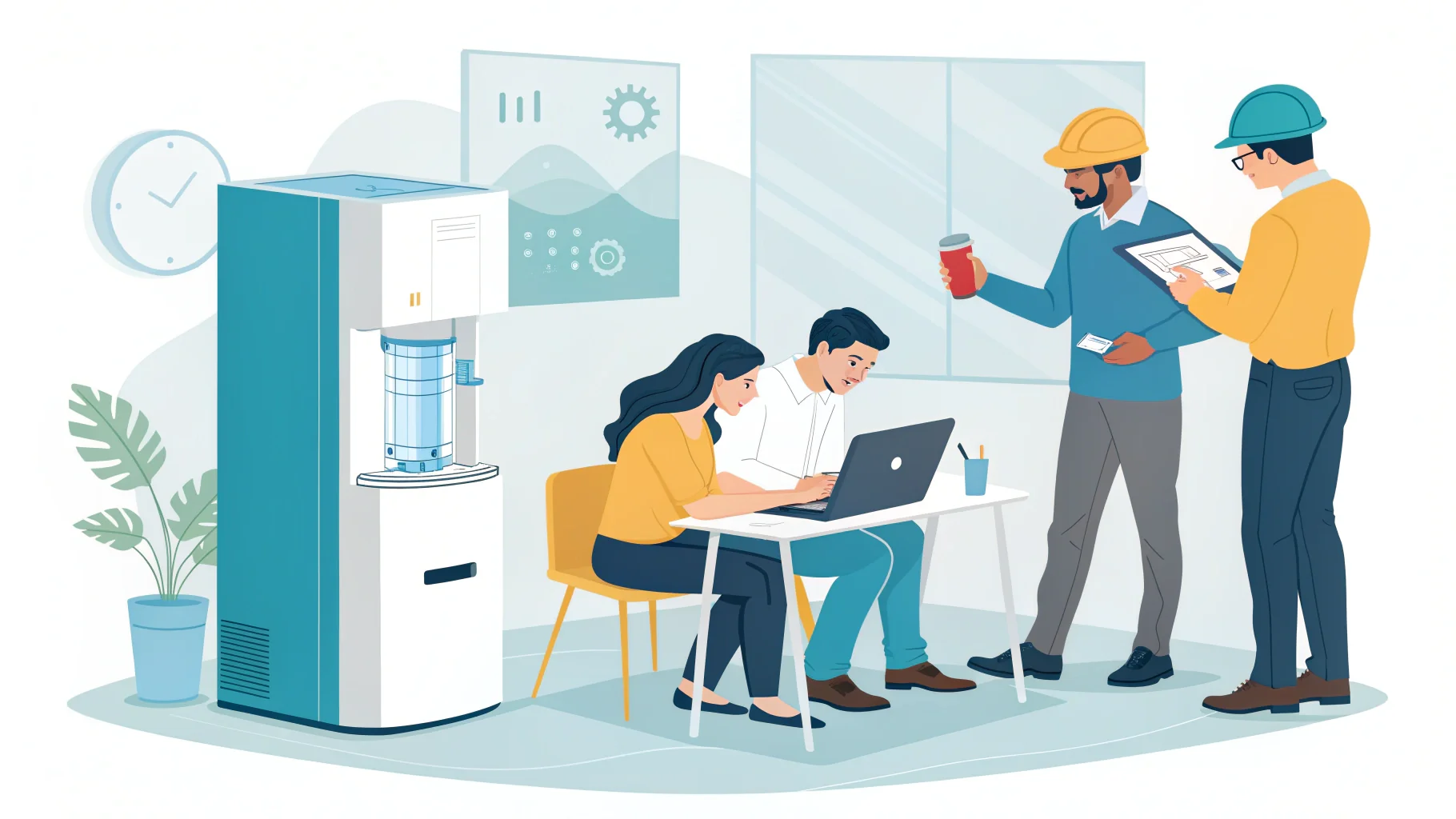
Beyond Manufacturing: The JDM Model
In my work, I've seen many brands come to Asia for OEM (Original Equipment Manufacturing). They bring a finished design and just need a factory to build it. But the most successful brands I've worked with, including giants like Philips and Culligan, use a different approach. It's called JDM, or Joint Design Manufacturing5. This is a true partnership. We don't just take your orders. We sit down with you. Our European design team collaborates with you on aesthetics. Our US-based innovation team works with you on technology. We build the product together. This ensures the final product is not only well-made but also innovative and desirable in your target market, whether it's Canada or the US. It’s a proactive approach, not a reactive one.
The Global Footprint Advantage
A modern manufacturing partner shouldn't be confined to one location. Our model at HisoAir is "innovate in the US, design in Europe, and manufacture in Asia." This structure is a direct answer to the needs of brand owners who value technology and aesthetics. The innovation happens where the latest tech trends emerge. The design happens where style and user experience are paramount. The manufacturing happens where the supply chain is most efficient and experienced. This global approach is how you get a product that looks great, performs flawlessly, and is produced efficiently.
| Fonctionnalité | Basic OEM Factory | HisoAir (JDM Partner) |
|---|---|---|
| Design Input | Client-provided only | Collaborative (Europe-based team) |
| L'innovation | Limited to assembly | Proactive (US-based R&D) |
| Chaîne d'approvisionnement | Basic component sourcing | Optimized, multi-country platform |
| Client Experience | General assembly | Top-tier brands (Philips, 3M) |
JDM and OEM are the same thing.Faux
OEM is when a factory produces a product based on the client's exact design. JDM (Joint Design Manufacturing) is a deeper partnership where the manufacturer and client collaborate on the design and development of a new product from the early stages.
HisoAir has design teams located in Europe.Vrai
Yes, this is part of their global strategy. Having design teams in Europe helps create products with aesthetics and user-centric features that strongly appeal to Western markets, including North America.
Why Don't Top Japanese and Korean Brands Offer OEM Services?
Have you ever tried to get an OEM quote from a top Korean or Japanese brand? It can be frustrating. They are focused on their own success, not on building your brand.
Major Japanese and Korean water purifier manufacturers like Coway, Cuckoo, and Torayvino prioritize building their own global brands. They invest heavily in their own marketing and distribution, so offering OEM services is not their primary business strategy. They are your competitors, not your partners.
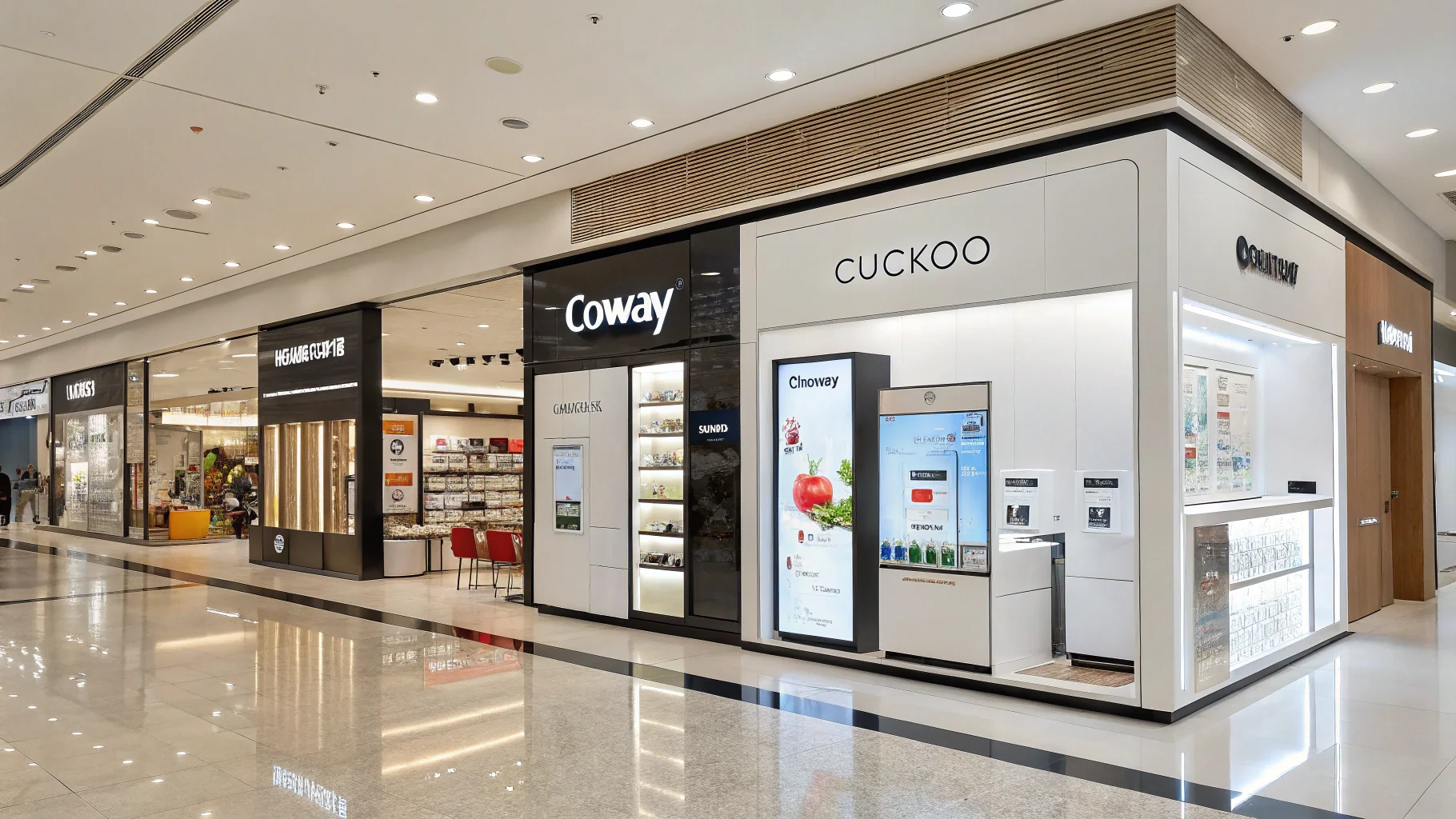
The Brand-First Strategy
From my two decades in this industry, I can tell you that companies like Coway and Enagic live and die by their brand name. Their entire business model is built around creating a powerful brand identity that consumers trust. They control every single step of the process, from the first sketch in R&D to the final customer service call. Offering OEM services would mean making products for other companies, who could become their direct competitors. This goes against their core strategy. They want to see their name on the product, not yours. It's a closed ecosystem designed to protect and grow their own market share.
A Different Business Focus
The fundamental goal of these companies is different from ours at HisoAir. Their goal is to capture market share under their own name. Our goal is to be the best manufacturing and design partner in the world. We succeed when our clients succeed. Think of it this way: you wouldn't ask a famous restaurant to sell you its secret recipe so you could open your own restaurant next door. It's the same principle. These companies are building their own restaurant. We, on the other hand, are in the business of building the best kitchens and helping our partners create their own signature dishes.
You can easily get an OEM contract with Coway for your D2C brand.Faux
Coway's business is centered on its own brand, including a popular rental model. They are not structured or focused on providing OEM services for startups or D2C brands.
Japanese brands like Torayvino are known for high-quality products under their own name.Vrai
They have an excellent reputation for quality and innovation. However, they channel these strengths into their own branded products and are not a primary source for OEM partnerships.
Are Factories in Vietnam and Thailand the Real Deal?
Sourcing from Vietnam or Thailand seems like a smart move to avoid tariffs. But are you getting a truly local manufacturer, or just a relocated factory with the same old problems?
Many top-tier water purifier manufacturers in Vietnam and Thailand are actually Chinese-owned companies that relocated to bypass US tariffs. This includes HisoAir. The advantage is you get China's mature supply chain and expertise, but with the logistical and financial benefits of a different manufacturing location.
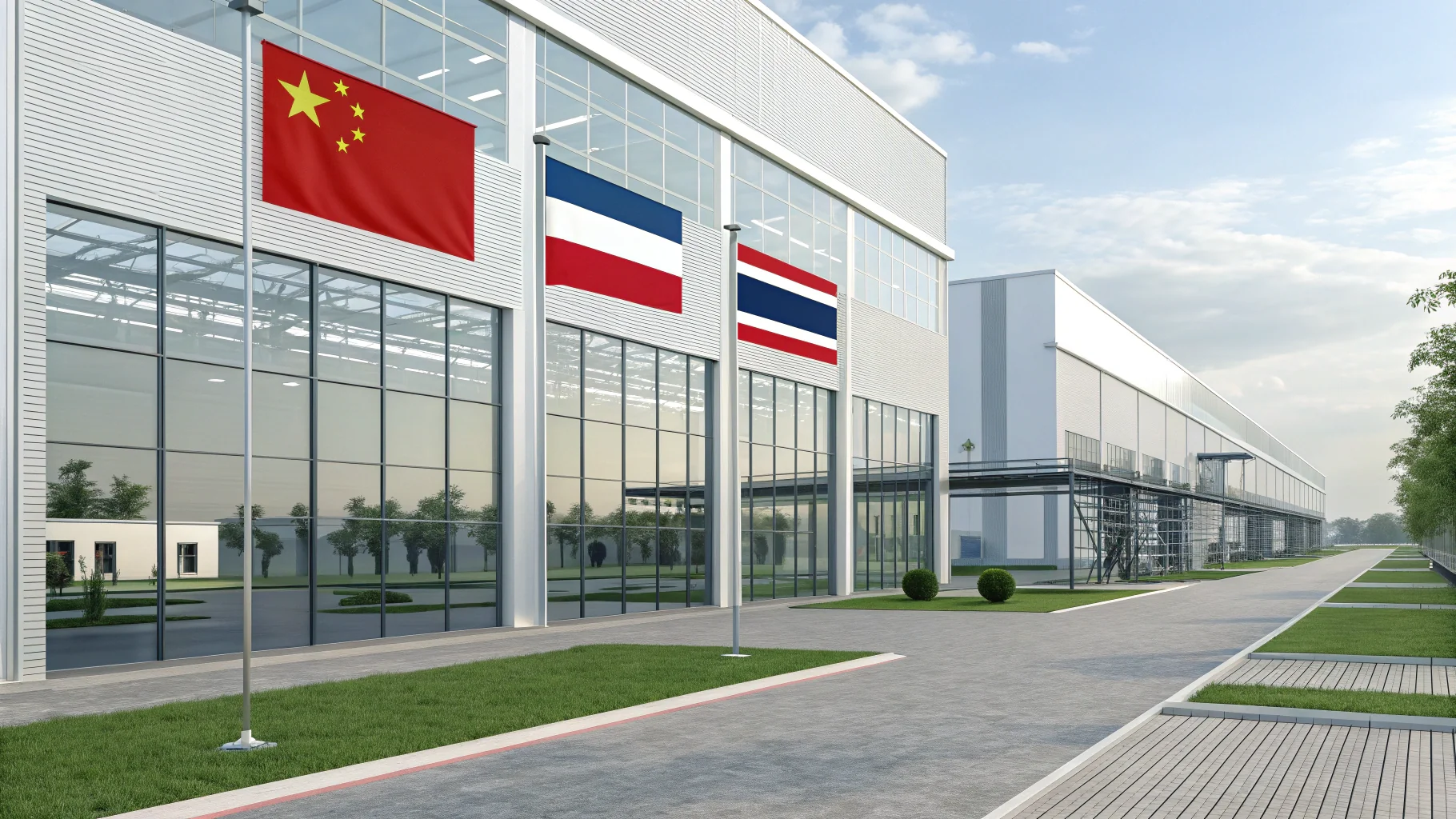
The Tariff-Driven Shift
I was leading teams when the US-China trade war began to impact our industry. It forced everyone to think differently. For a company like HisoAir, the answer wasn't to abandon our expertise but to expand our footprint. We made a strategic decision to establish manufacturing facilities in Vietnam, Thailand, and Malaysia. We didn't start from scratch. We moved our systems, our quality control processes, and our management expertise to these new locations. This was a proactive move to give our clients, especially those in North America, flexibility and stability. It wasn't about escaping, but about adapting to give our partners a competitive edge.
What This Means for Buyers
For a buyer like you, this is actually great news. You can source from Vietnam to manage tariffs, but you are still tapping into the deep experience and highly developed supply chain of the Chinese manufacturing ecosystem. The key is to ask the right questions. When you talk to a potential supplier in Vietnam, ask them: "Where was your original factory? Where does your R&D happen? Where do you source your core components?" A transparent partner like HisoAir will tell you directly. Our strength comes from our Chinese roots, and our flexibility comes from our multi-country presence. You get the best of both worlds.
All factories in Vietnam have a completely independent and local supply chain.Faux
This is a common misconception. Many of the most capable factories are extensions of Chinese companies and still rely heavily on the established component supply chains in China for quality and consistency.
HisoAir operates manufacturing facilities in Vietnam, Thailand, and Malaysia in addition to China.Vrai
This is correct. This multi-country manufacturing footprint provides clients with flexible sourcing options to navigate tariffs, optimize logistics, and ensure supply chain resilience.
How Can a D2C Brand Partner with a Top-Tier Manufacturer?
Do you feel like the big manufacturers only care about the big players? Are you worried your startup is too small to get their attention? There's a new model that changes everything.
Traditionally, top manufacturers focused on large-volume clients. However, innovative companies like HisoAir now offer an open supply chain platform. This gives D2C brands6 and startups access to the same quality, design, and technology that major brands enjoy, but with more flexible terms.
The "Open Supply Chain" Explained
This is a concept we developed to solve a major problem in the industry. An "open supply chain" means we have already done a lot of the groundwork. We have pre-vetted high-performance components, developed modular technologies, and created streamlined processes. This dramatically lowers the barrier to entry for creating a custom, high-quality product. A D2C brand or a startup doesn't need to commit to a massive order of 50,000 units to get started. Because our system is so efficient, we can work with much more flexible Minimum Order Quantities (MOQs). You can launch a unique, aesthetically pleasing product without the risk of a huge initial investment.
A True Partnership for Growth
This model directly solves the pain points I hear about from buyers all the time. It is built on clear, efficient English communication because our teams are structured to work with global partners. We understand that missing a peak sales season due to shipping delays is unacceptable, so our logistics are built for reliability. We offer aesthetically pleasing, high-performance purifiers because our reputation as a JDM partner depends on the success of your product. We are not just a supplier you find on Alibaba. We are a growth partner invested in your success from day one.
Startups must accept generic, off-the-shelf designs from Asian factories.Faux
This is outdated thinking. Modern JDM partners like HisoAir have platforms that allow even startups to create unique, well-designed products without starting from zero, offering customization on proven, high-performance chassis.
HisoAir provides dedicated support for D2C brands and startups.Vrai
Yes, their open supply chain platform is specifically designed to make top-tier manufacturing accessible to smaller, growing businesses, providing a level of partnership previously reserved for large corporations.
Conclusion
Finding the right OEM partner is about more than location. It's about finding a true partner like HisoAir, who offers design, innovation, and a flexible supply chain for your growth.
References
-
Discover how an OEM water purifier manufacturer can enhance your product quality and brand value. ↩
-
Learn about HisoAir's unique approach to OEM partnerships and how they can benefit your brand. ↩
-
Learn about the role of innovation in creating competitive advantages in the water purifier market. ↩
-
Understand the importance of a flexible supply chain in optimizing production and reducing costs. ↩
-
Explore the advantages of Joint Design Manufacturing for innovative product development. ↩
-
Find out how D2C brands can leverage OEM partnerships for growth and market entry. ↩


 English
  Français
  Español
  Italiano
  Deutsch
  Português
  Русский
  العربية
  日本語
日本語  한국어
한국어  Tiếng Việt

