
As a seasoned observer and participant in the Indoor Air Quality (IAQ) industry, particularly within the B2B sector, I've witnessed firsthand the constant evolution of product design, manufacturing strategies, and market approaches. My work, which often involves customizing IAQ solutions for diverse clients and spearheading ODM development, provides a unique lens through which to analyze emerging trends. A recent development that has captured my attention is Cuckoo's foray into the wall-mounted air purifier market. This strategic move by a brand with a significant presence in South Korea offers a compelling case study for B2B stakeholders, illuminating critical considerations around innovation, market fit, and the strategic decisions that shape our industry. In this comprehensive analysis, we will delve into the manufacturing origins of Cuckoo's wall-mounted air purifiers, the strategic rationale behind their design, their initial market reception, and, most importantly, the implications for the broader IAQ market and B2B players seeking to differentiate and succeed.
The Manufacturing Nexus: Ningbo, China – A Strategic Hub for Global IAQ Production
Cuckoo’s wall-mounted air purifiers, officially launched in March 2025, are primarily manufactured in Ningbo City, Cixi Town, Zhejiang Province, China. This region is not merely a production site; it represents a critical nexus in the global electronics manufacturing landscape. For B2B entities, understanding the strategic advantages of sourcing from such a hub is paramount. Ningbo offers a mature and robust ecosystem characterized by a dense network of specialized suppliers, advanced manufacturing capabilities, and a highly skilled workforce. This concentration of resources allows companies like Cuckoo to leverage significant cost efficiencies, benefit from established supply chains, and access cutting-edge production technologies. From an ODM perspective, this choice underscores the strategic imperative of tapping into regions that can deliver both scale and quality, ensuring competitive pricing and reliable product delivery.
It is particularly noteworthy that this specific area in Zhejiang Province also serves as a key OEM supplier for Medify Air, a prominent player in the air purification industry. This shared manufacturing base is not a coincidence; it highlights the region's proven track record in producing high-quality air purification devices for leading global brands. For B2B buyers, this signifies a level of manufacturing expertise and quality control that is critical for large-scale procurement and consistent product performance. The ability to partner with manufacturers in a region that already supports industry leaders like Medify Air provides a strong assurance of production standards and technological sophistication. This strategic concentration of expertise and resources in Ningbo solidifies China’s pivotal role in global manufacturing, a reality that both established brands and emerging players in the IAQ sector must navigate to deliver competitive and high-performing products.
Design as Differentiation: The Wall-Mounted Strategy and Its Market Rationale
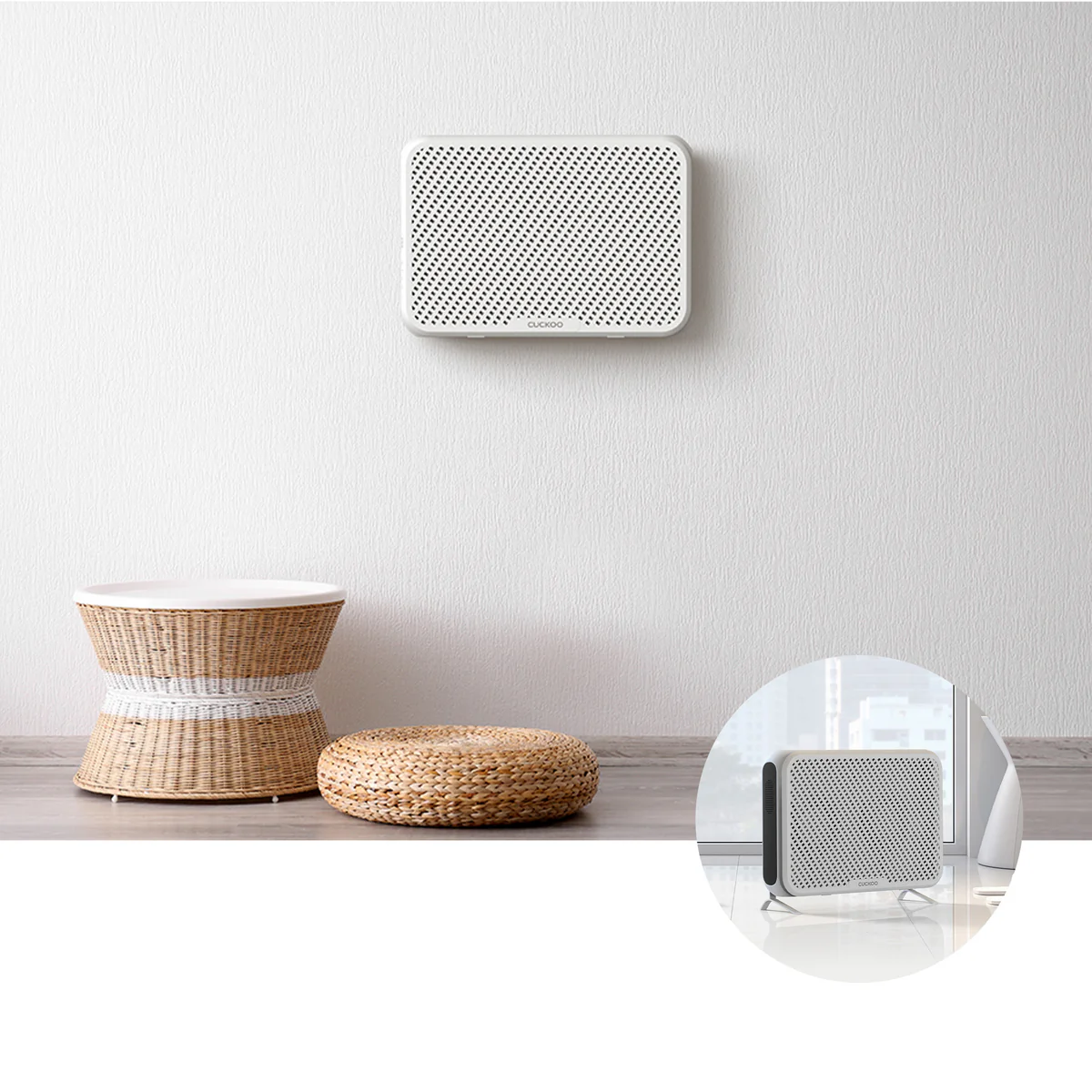
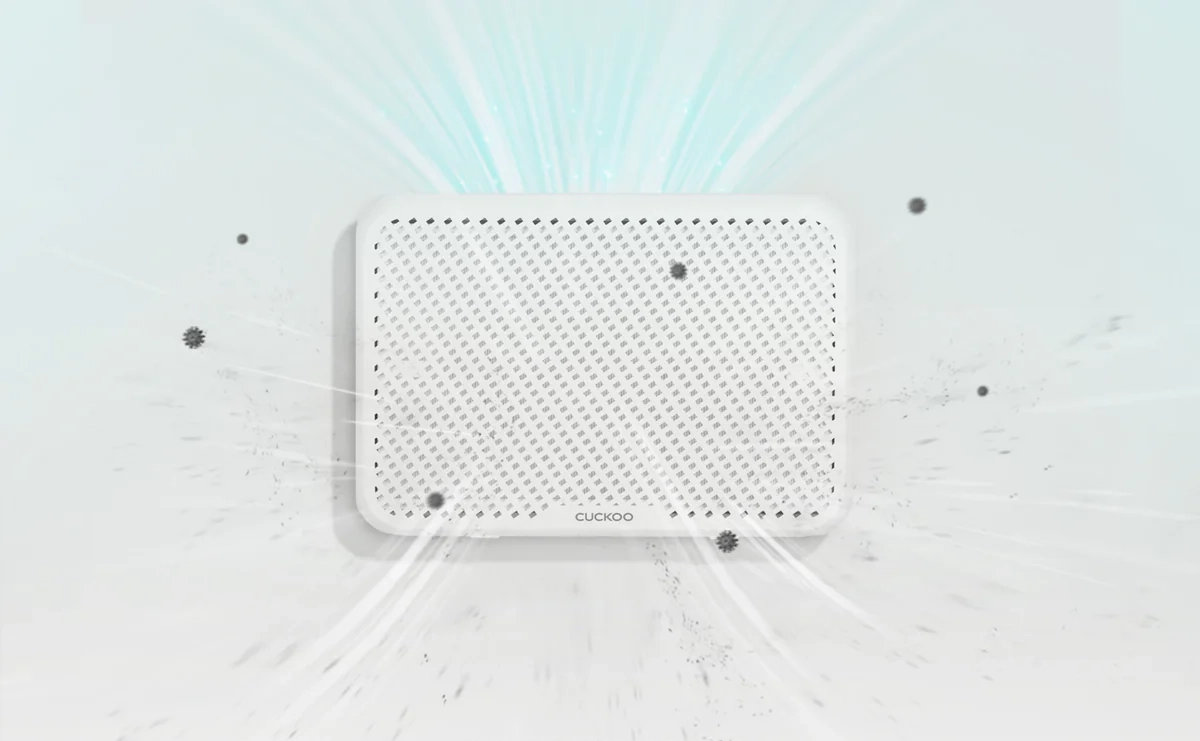
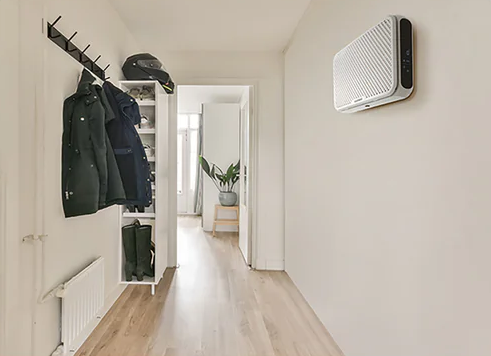
Cuckoo’s decision to introduce a wall-mounted air purifier was a clear and deliberate attempt at market differentiation within an increasingly saturated IAQ landscape. In a market predominantly populated by conventional floor-standing units, the wall-mounted design presents a sleek, minimalist, and crucially, space-saving solution. This innovative form factor is particularly appealing for environments where floor space is at a premium, such as compact urban residences, boutique hotels, modern office spaces, or even healthcare facilities where maintaining clear floor areas is essential for hygiene and accessibility. The aim was to transcend the traditional utilitarian perception of an air purifier, transforming it into an integrated component of interior design that caters to both aesthetic sensibilities and practical spatial constraints. From an ODM and B2B perspective, this strategic move underscores the continuous drive for innovative form factors that directly address specific end-user pain points and, in doing so, carve out new and potentially lucrative market niches. The wall-mounted design, in theory, offers a compelling value proposition for businesses looking to enhance their indoor environments without sacrificing valuable floor real estate.
Market Realities and the Challenge of Value Proposition in the US Market
Despite the inherent innovation in its design and Cuckoo’s established brand recognition in its home market of South Korea, the initial reception for their wall-mounted air purifiers in the US market has presented considerable challenges. Retailing at a price point exceeding $500 USD, the product faces significant consumer resistance. Our observations indicate that a substantial portion of potential customers are not fully convinced by either the design aesthetics or the perceived performance, especially when considering the premium price tag. A critical missing element appears to be a clear, compelling, and easily discernible unique selling proposition (USP) that unequivocally justifies the higher investment. For a product to command such a price in a competitive market, it must offer undeniable value, superior performance, or a truly unique benefit that deeply resonates with the target audience. This situation serves as a vital lesson for any brand, particularly those in the B2B space, contemplating entry into a new market: innovation, while crucial, must be meticulously coupled with a profound understanding of local consumer expectations, competitive pricing dynamics, and a robust value proposition that clearly articulates the return on investment. The struggle to articulate this USP has hindered widespread adoption among residential consumers in the US, prompting Cuckoo to explore alternative market strategies.
Cuckoo's Brand Evolution: From Rice Cookers to Air Purification and Beyond
Cuckoo’s corporate journey is a compelling narrative of brand adaptability and strategic diversification. Historically, Cuckoo meticulously built its formidable reputation as a leading rice cooker brand in South Korea, cultivating a powerful brand image synonymous with quality, reliability, and innovation in kitchen appliances. This strong foundation provided a robust platform for market expansion. Their strategic entry into the air purifier market gained substantial momentum between 2017 and 2019, a period that notably coincided with severe and escalating air pollution concerns in the capital city of Seoul. During this critical juncture, Cuckoo effectively leveraged its extensive established distribution network and strong brand loyalty within Korea to achieve impressive sales volumes in the air purification sector. However, as the urgency of air pollution concerns in South Korea began to wane and the market matured, demand for air purifiers in the domestic market naturally softened. This shift prompted Cuckoo to proactively seek new avenues for growth and diversification, leading directly to the development of differentiated products, such as the wall-mounted model, specifically tailored for international markets, including the highly competitive US market. This evolution demonstrates Cuckoo's agility in responding to changing market dynamics and its commitment to exploring new product categories to sustain growth.
A Strategic Pivot: The B2B Rental Model – A Path to Sustainable Growth
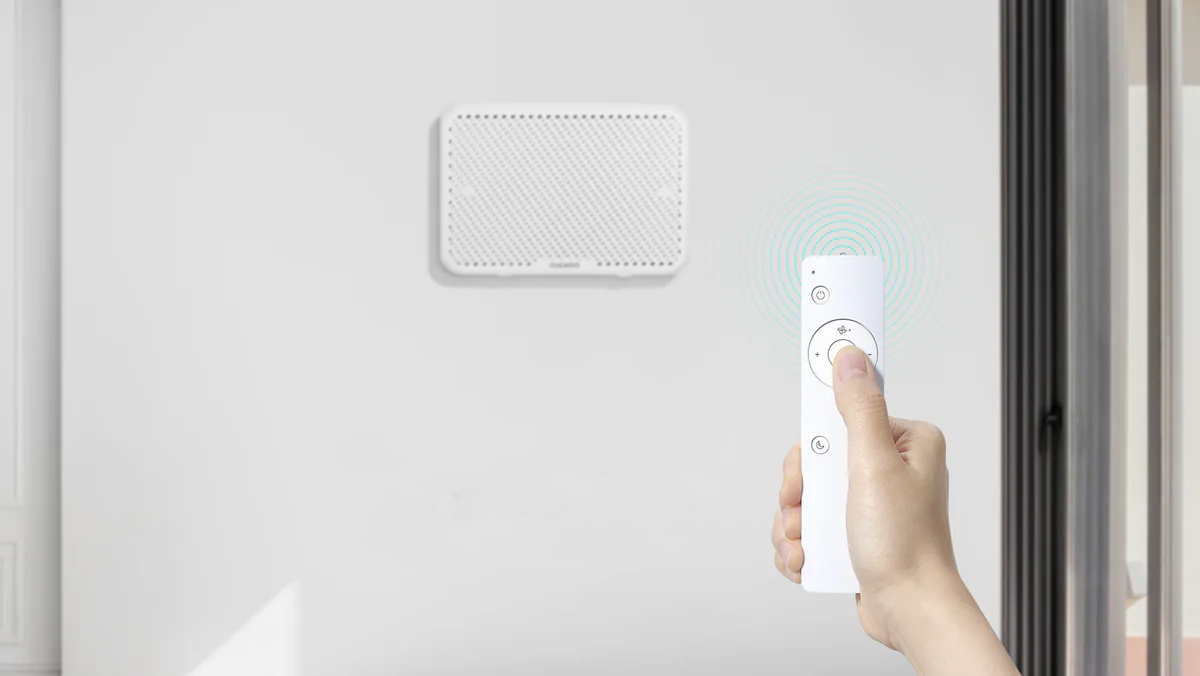
Perhaps the most insightful and potentially transformative aspect of Cuckoo’s strategy for its higher-priced wall-mounted air purifiers lies in its deliberate shift towards a B2B rental model, specifically targeting commercial clients such as hotels, corporate offices, and other institutional settings. This approach represents a highly astute and potentially successful business model for several compelling reasons. Commercial customers, unlike individual residential consumers, are typically less price-sensitive in the traditional sense. Their purchasing decisions are often driven by long-term operational efficiency, comprehensive solutions, and the integration of premium features that contribute to a healthier and more productive environment for their employees, guests, or clients. The unique wall-mounted design, which inherently optimizes space and offers a professional, unobtrusive aesthetic, is particularly appealing in these commercial environments where both functionality and visual integration are paramount. For hotels, it means a cleaner, more comfortable guest experience without bulky units; for offices, it translates to improved air quality for employees without occupying valuable workspace. From a business development standpoint, this B2B rental strategy could establish a robust and sustainable recurring revenue stream, effectively justifying the higher manufacturing costs and retail price points by tapping into a market segment that not only values these specific attributes but also has the budget to invest in them. This model allows Cuckoo to leverage the unique selling points of the wall-mounted design – space efficiency and aesthetic integration – in a context where these benefits translate directly into tangible business value for the client, thereby overcoming the price sensitivity encountered in the residential consumer market.
Conclusion: What Cuckoo's Wall-Mounted Journey Reveals About the Future of IAQ for B2B
Cuckoo's strategic entry into the US market with a wall-mounted air purifier offers a multifaceted case study for businesses operating within the IAQ sector. It vividly illustrates the inherent tension between product innovation and market fit, particularly when transitioning between diverse consumer and commercial landscapes. While the concept of a space-saving, aesthetically integrated air purification solution is undeniably promising offering clear advantages in terms of design, spatial efficiency, and differentiation its successful execution hinges on a nuanced understanding of market demands and a compelling value proposition. The initial challenges faced in the residential US market, primarily due to a perceived lack of unique selling points at a premium price, underscore the critical importance of aligning product attributes with consumer expectations and willingness to pay.
However, Cuckoo's pivot towards a B2B rental model for commercial clients represents a highly insightful and potentially successful strategic maneuver. This approach acknowledges that commercial entities often prioritize different metrics than individual consumers, valuing long-term solutions, operational benefits, and the enhancement of professional environments. In this context, the unique attributes of the wall-mounted design its ability to optimize space, offer a professional aesthetic, and contribute to a healthier indoor environment translate directly into tangible business value. This strategic shift highlights a crucial lesson for B2B players: successful market penetration often requires tailoring not just the product, but also the business model, to the specific needs and priorities of the target commercial segment.
As a specialist in ODM solutions for global clients, I view Cuckoo's journey as both a cautionary tale and a blueprint for opportunity. It reinforces the imperative for B2B and commercial segments to meticulously align product design with market realities, ensuring that innovation is not merely a technical achievement but a strategic advantage that resonates with the client's operational and financial objectives. At HisoAir, our mission is precisely to help our partners navigate these complexities, merging robust engineering with sophisticated design, always grounded in a deep understanding of real market demand and the specific needs of commercial applications. The future of IAQ, particularly in the B2B space, will undoubtedly be shaped by brands that can innovate thoughtfully, adapt strategically, and articulate a clear, compelling value proposition that addresses the unique challenges and opportunities of commercial environments.
If your organization is exploring avenues to differentiate within the dynamic IAQ space, seeking to develop bespoke solutions, or aiming to optimize your product strategy for commercial success, I encourage you to connect. Ensuring clean air is a universal goal, but a well-crafted, market-aligned strategy is the most efficient path to achieving sustainable growth and leadership in the B2B IAQ sector.


 English
  Français
  Español
  Italiano
  Deutsch
  Português
  Русский
  العربية
  日本語
日本語  한국어
한국어  Tiếng Việt
