
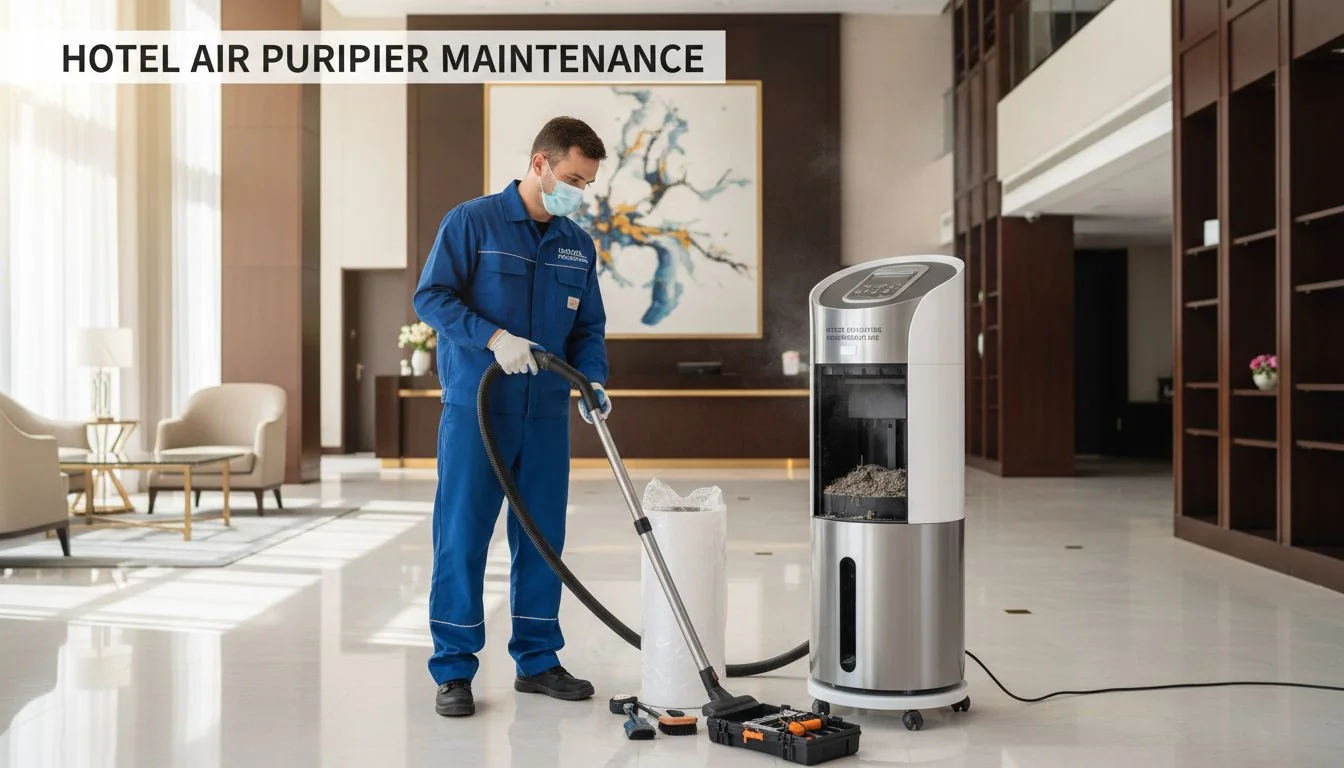
Hotel guests hate dirty air. A broken purifier makes them angry. You can fix this problem with a clear maintenance plan1.
Hotel air purifier maintenance requires a clear schedule, specific roles for staff, and easy-to-service designs. Housekeeping should check the units daily, while engineering handles remplacement des filtres2. This system ensures purifiers actually clean the air instead of just acting like expensive fans.
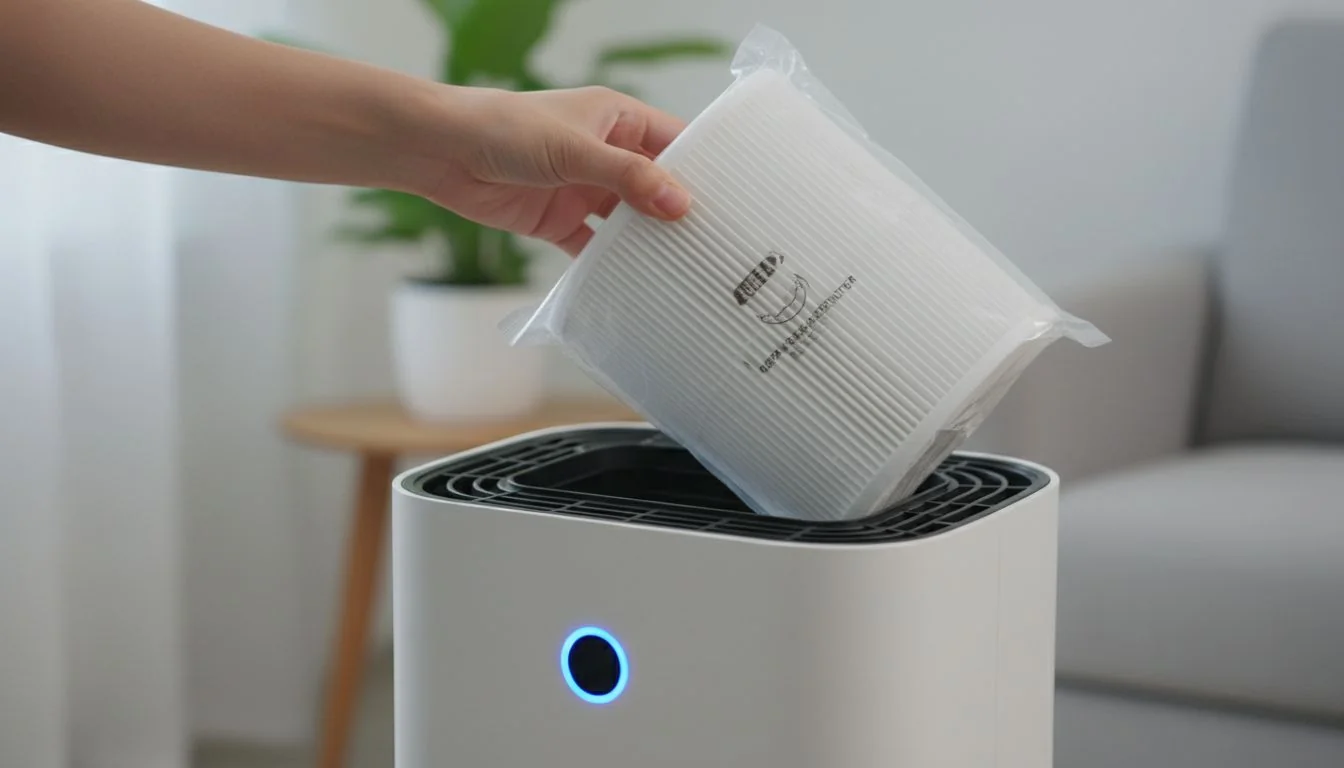
Let us look at how to build a system that works. If you design these units or manage them, you need to know why maintenance fails and how to fix it.
A hotel air purifier can run for ten years without any filter replacements.Faux
Air purifiers require regular filter replacements to maintain airflow and cleaning performance.
Housekeeping and engineering teams should have separate roles in air purifier maintenance.Vrai
Dividing tasks ensures daily visual checks and scheduled technical maintenance are both completed.
Why Maintenance Determines Long-Term Air Quality Performance?
Hardware rarely breaks. But a clogged filter ruins everything. Without maintenance, your purifier is useless.
long-term air quality3 depends entirely on filter health. A purifier with a spent filter is just a fan. Regular maintenance ensures the machine removes particles as designed, protecting guest health and your investment over its ten-year lifespan.

The Impact of Clogged Filters
I have seen many hotel projects fail. They do not fail because of bad hardware. They fail because nobody owns the filter. When a filter gets full, air cannot pass through it. The fan works harder. The motor gets hot. The air stays dirty. As a designer, you must understand this fact. You can design the best plastic shell in the world. You can calculate the mold shrinkage perfectly. But if the filter is dead, the product fails completely. We must think about the whole life of the product. A ten-year lifespan means nothing if the filter dies in six months. The performance drops to zero. We must plan for this drop. We must build systems to stop it. A good system keeps the air clean. It keeps the guests happy. It protects the brand of the hotel. You must design with the long term in mind. This is the only way to master molding right.
| Time Without Maintenance | Airflow Drop | Motor Strain | Air Quality |
|---|---|---|---|
| 3 Months | 10% | Faible | Good |
| 6 Months | 30% | Moyen | Fair |
| 12 Months | 70% | Haut | Pauvre |
A clogged filter causes the purifier motor to work harder and run hotter.Vrai
Restricted airflow forces the fan motor to exert more energy to pull air through the unit.
Mold shrinkage calculations are the only factor in a product's long-term success.Faux
While important, proper maintenance and filter replacement are critical for the product to function over time.
How to Understand Filter Types and Replacement Cycles?
Confused by filter types4? Using the wrong one wastes money. You must know when to swap them.
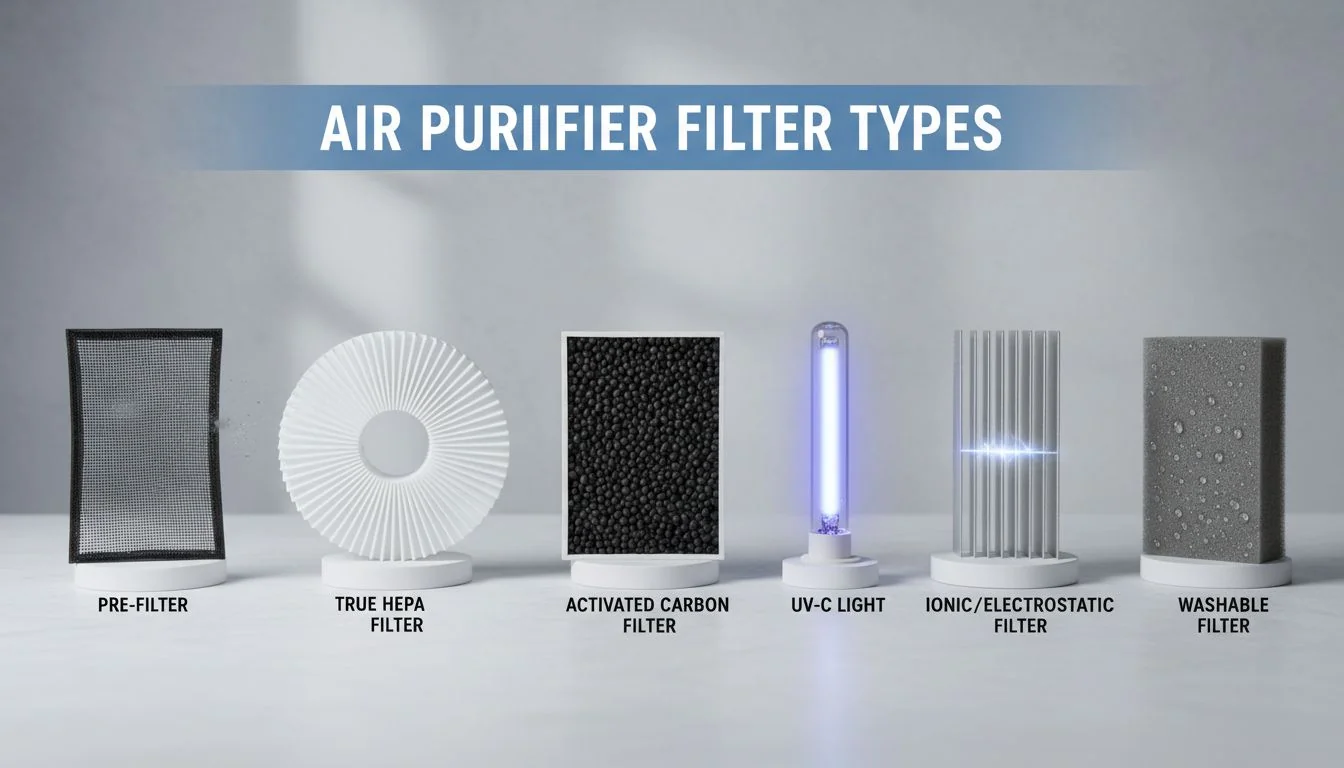
Hotels use pre-filters, HEPA filters, and carbon filters. Pre-filters need washing monthly. HEPA and carbon filters need replacing every six to twelve months. Knowing these cycles prevents airflow blocks and keeps the air clean.
Knowing Your Filter Layers
You need to know the parts inside the machine. A standard unit has three layers. The first is the pre-filter. It catches big dust and hair. You can wash it easily. The second is the HEPA filter. It catches tiny particles. You cannot wash it. You must replace it. The third is the carbon filter. It removes bad smells. You must replace it too. If you design the mold for these parts, you must leave enough space. The filters will expand slightly with moisture. If the fit is too tight, staff cannot pull them out. I always tell my clients to add a small gap. This makes the replacement cycle much easier for the hotel staff. You must test this fit many times. A bad fit will ruin the user experience. Good design solves this problem before production starts. This attention to detail separates a good designer from a great one.
| Type de filtre | Fonction | Maintenance Action | Cycle |
|---|---|---|---|
| Préfiltre | Catches hair and large dust | Wash and dry | 1 Month |
| Filtre HEPA | Catches fine particles | Replace | 6-12 Months |
| Filtre à charbon | Élimine les odeurs | Replace | 6-12 Months |
HEPA filters can be washed and reused multiple times.Faux
Washing a HEPA filter destroys its delicate fibers and ruins its ability to catch fine particles.
Filters can expand slightly due to moisture in the air.Vrai
Filter materials can absorb ambient humidity, causing slight dimensional changes.
How to Build a Filter Replacement Schedule Across Many Rooms?
Managing one purifier is easy. Managing five hundred is a nightmare. You need a strict schedule.
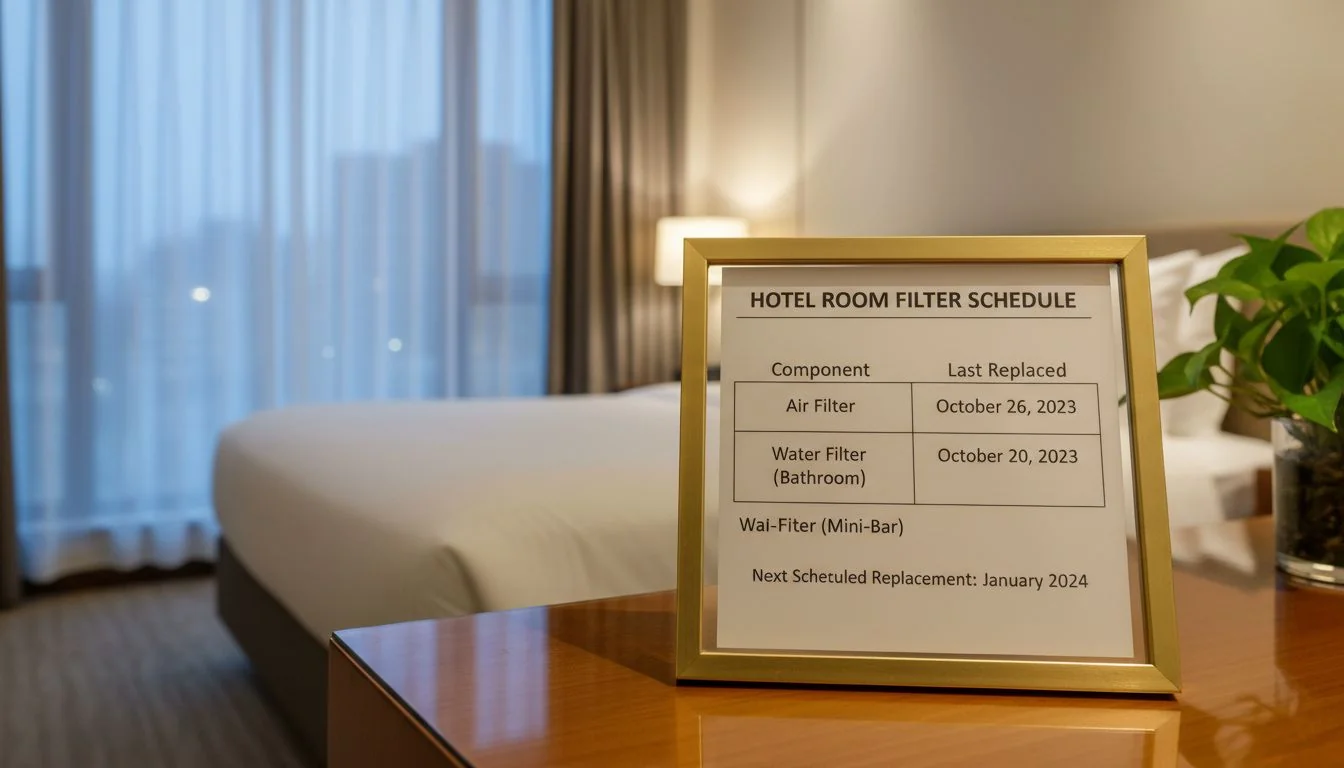
Building a schedule means grouping rooms by floor or wing. You replace filters in batches rather than one by one. This saves time and ensures no room is forgotten during busy hotel operations.
Batch Scheduling for Efficiency
A hotel has hundreds of rooms. You cannot change filters randomly. You need a strict system. I suggest dividing the hotel into zones. Floor one and two get new filters in January. Floor three and four get them in February. This spreads the work out evenly. The engineering team does not get overwhelmed. As a product designer, you can help this process. You can add a small mechanical dial on the unit. The staff can turn the dial to show the replacement month. This is a simple plastic part. It requires a small injection mold. But it adds huge value to the hotel manager. It makes the schedule visible right on the machine. You can design this dial to snap into the main housing. This keeps the assembly cost low. It is a smart way to add function without adding big costs.
| Zone | Rooms | Replacement Month |
|---|---|---|
| Zone A | Floors 1-2 | January |
| Zone B | Floors 3-4 | February |
| Zone C | Floors 5-6 | March |
Replacing filters in batches by floor saves time for the engineering team.Vrai
Batching tasks reduces travel time between rooms and streamlines the workflow.
Adding a mechanical dial to a product requires a massive, expensive mold.Faux
A simple mechanical dial is a small plastic part that requires only a small, inexpensive injection mold.
What Are the Best Room-by-Room Tracking and Documentation Methods?
Lost track of which room got a new filter? Guessing leads to dirty air. You must track everything.
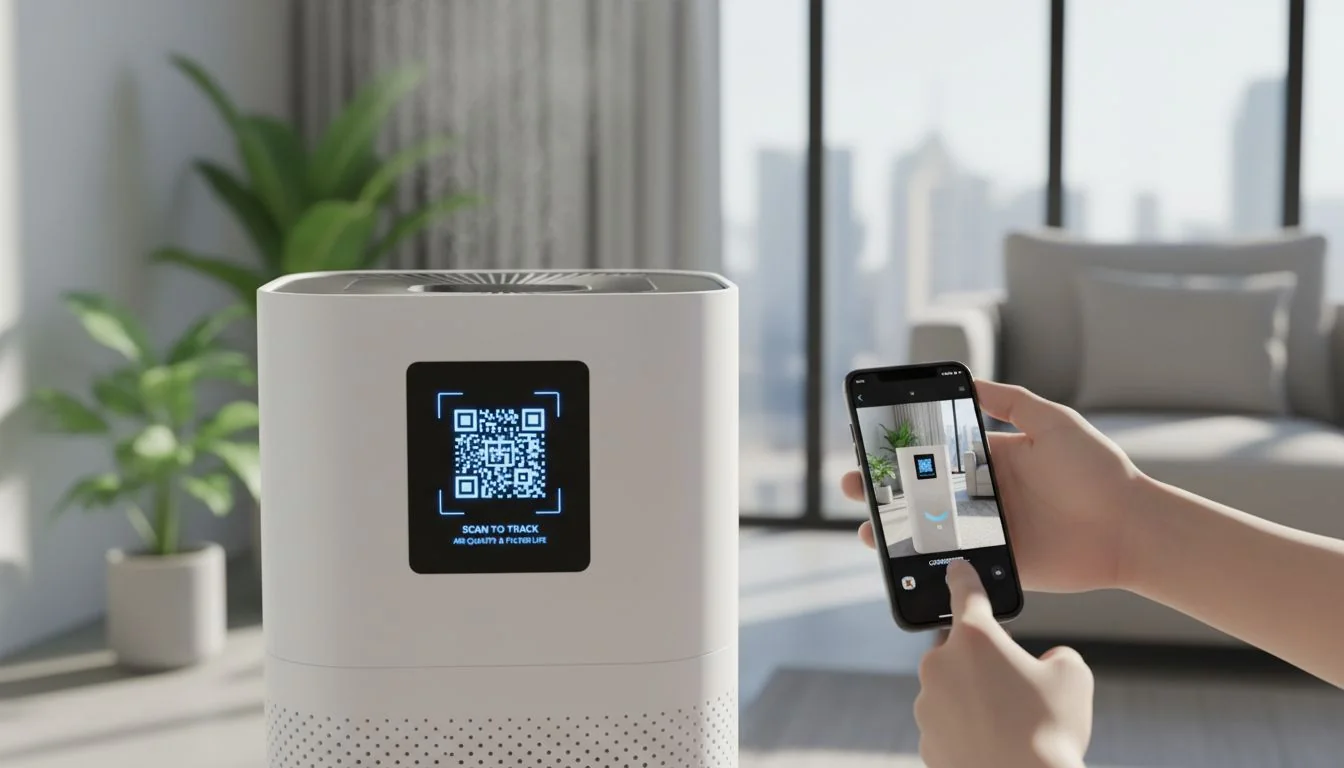
The best tracking methods5 use digital logs or QR codes on the purifier. Staff scan the code to see the last service date. This creates a clear record and stops units from quietly drifting into disrepair.
Digital Tracking and Mold Design
Paper logs get lost easily. You need a better way to track each room. Many hotels now use QR codes. They stick a code on the back of the purifier. The staff scans it with a phone. The phone shows the whole history of that machine. When you design the back cover of the purifier, you should leave a flat, smooth area for this sticker. If the surface is too curved or has a heavy texture, the sticker will fall off. I learned this the hard way in my early trading days. A smooth surface with a slight recess protects the sticker perfectly. This small design choice makes room-by-room tracking much more reliable for the hotel staff. You must think about where the sticker goes during the CAD phase. Do not wait until the mold is finished. Changes to the mold later will cost you time and money.
| Tracking Method | Pour | Cons |
|---|---|---|
| Paper Logs | Bon marché | Easy to lose |
| QR Code Stickers | Fast scanning | Requires flat surface |
| RFID Tags | Invisible | High cost |
QR code stickers adhere best to heavily textured, curved plastic surfaces.Faux
Stickers require flat, smooth surfaces to adhere properly and avoid peeling off.
Digital tracking prevents units from being forgotten during maintenance cycles.Vrai
Digital logs provide a permanent, searchable record of when each unit was last serviced.
How to Define Roles for Housekeeping vs Engineering Teams?
When everyone is responsible, nobody does the work. Filters get ignored. You need a clear split.
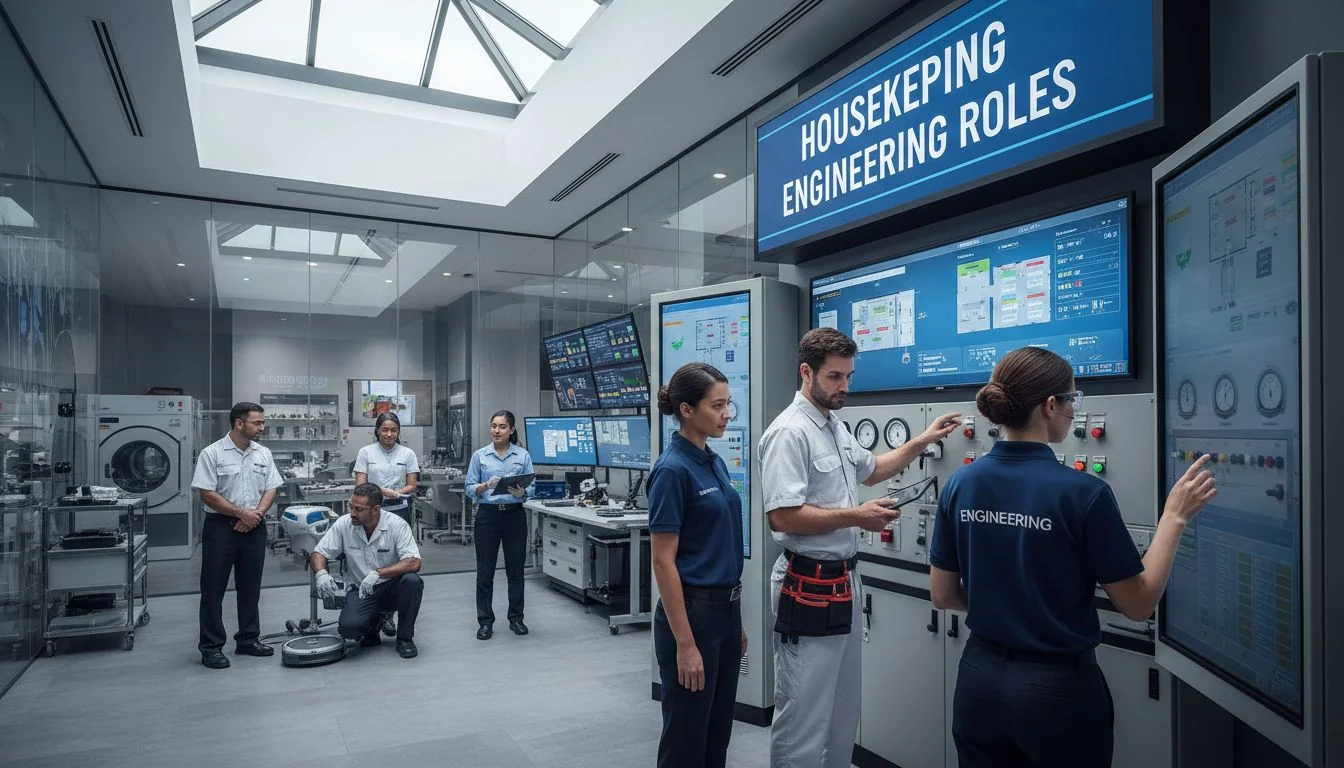
Housekeeping and engineering must have separate tasks. Housekeeping checks the unit daily for power and red lights. Engineering replaces the filters on a set schedule. This clear split ensures the filter is actually owned by someone.
Designing for Two Different Users
A clear split of work is the only way to succeed. Housekeeping is in the room every day. They have very little time. They can only do a quick visual check. Is the machine on? Is the filter light red? If yes, they report it. They do not open the machine. Engineering has the tools and the time. They bring the new filter. They open the machine and swap the part. If you design the machine, you must think about both users. Housekeeping needs a big, bright indicator light. Engineering needs easy access to the filter door. You must design the plastic parts to serve both of these distinct roles perfectly. The light must be visible from the door of the room. The filter door must open without special tools. This dual focus makes your product successful in a real hotel environment.
| Team | Fréquence | Task |
|---|---|---|
| Housekeeping | Daily | Visual check, wipe exterior |
| Ingénierie | Mensuel | Wash pre-filter |
| Ingénierie | Yearly | Replace HEPA filter |
Housekeeping staff should be responsible for opening the machine and replacing HEPA filters.Faux
Housekeeping lacks the time and tools; engineering should handle internal filter replacements.
A bright indicator light helps housekeeping quickly check the unit's status.Vrai
Visible lights allow staff to verify operation without spending extra time inspecting the machine.
Why Must We Design Units That Are Easy to Service?
Hard-to-open purifiers get skipped. Staff hate complex screws. You must design for fast service.
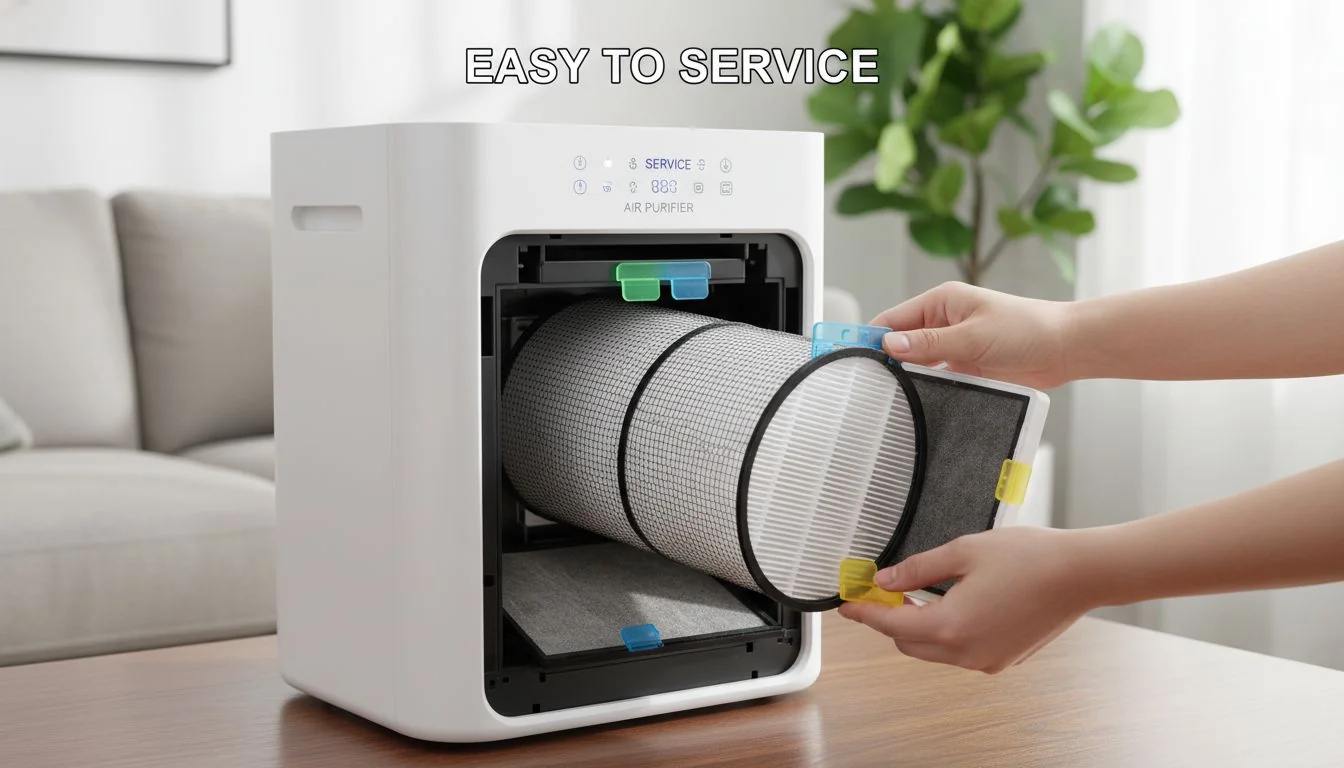
Serviceability is a design requirement, not an afterthought. The unit that gets maintained over a ten-year life is the one that is easy to open on a busy morning. Magnetic doors and slide-out trays ensure staff actually do the work.
Snap Fits and Serviceability
This is the most important part for a mold designer. You must make the unit easy to service. Do not use ten screws to hold the filter door. The engineering staff will hate it. They will skip the maintenance. Instead, use magnetic catches or large plastic snap fits. I know calculating mold shrinkage for snap fits is hard. You must get the tolerance exactly right. But it is worth the effort. A slide-out tray makes the filter change take ten seconds. If it takes ten minutes, the hotel will stop doing it. The unit that survives a ten-year life is the one that is easy to maintain on a busy turnover morning. Design for the user's worst day. Make the parts slide smoothly. Use materials that do not warp over time. Your mold design directly impacts the daily life of the hotel staff.
| Fastener Type | Service Speed | Tool Required |
|---|---|---|
| Screws | Slow | Screwdriver |
| Snap Fits | Fast | Aucun |
| Magnets | Very Fast | Aucun |
Using ten screws on a filter door encourages staff to perform maintenance more often.Faux
Complex fasteners frustrate staff and lead to skipped maintenance tasks.
Calculating mold shrinkage correctly is essential for creating functional snap fits.Vrai
Snap fits require precise tolerances to engage and release properly without breaking.
How to Estimate Maintenance Cost and Filter Logistics?
Filters cost money. Storing them takes space. Poor planning ruins your budget.
Estimating costs requires counting the total units and multiplying by the annual filter price. You also need a dry storage room. Good logistics mean ordering filters in bulk before the scheduled replacement month to avoid shipping delays.

Planning for Recurring Costs
You must think about the business side of the product. Filters are a recurring cost. A hotel with three hundred rooms needs three hundred filters a year. If one filter costs twenty dollars, that is six thousand dollars. The hotel must budget for this expense. They also need a place to store them. Filters must stay dry. If they get wet, mold grows on them. As a designer, you can help reduce shipping costs. If you design the filter to fold or stack, the shipping box gets smaller. Smaller boxes mean cheaper logistics. I always look at how the parts pack into a shipping container. A smart mold design can save a lot of money on logistics. You should talk to the packaging team early in the project. Together, you can design a product that is cheap to ship and easy to store.
| Objet | Quantity | Unit Cost | Total Annual Cost |
|---|---|---|---|
| Filtre HEPA | 300 | $20 | $6,000 |
| Filtre à charbon | 300 | $15 | $4,500 |
| Total | $10,500 |
Designing filters to stack or fold can reduce shipping and logistics costs.Vrai
Compact designs allow more units to fit in a shipping container, lowering the cost per unit.
Filters can be stored outside in wet conditions without any problems.Faux
Moisture ruins filters and promotes mold growth, requiring dry storage conditions.
What Does a Sample Air Purifier Maintenance SOP for Hotels Look Like?
Without rules, the system fails. Staff need clear steps. An SOP fixes this.
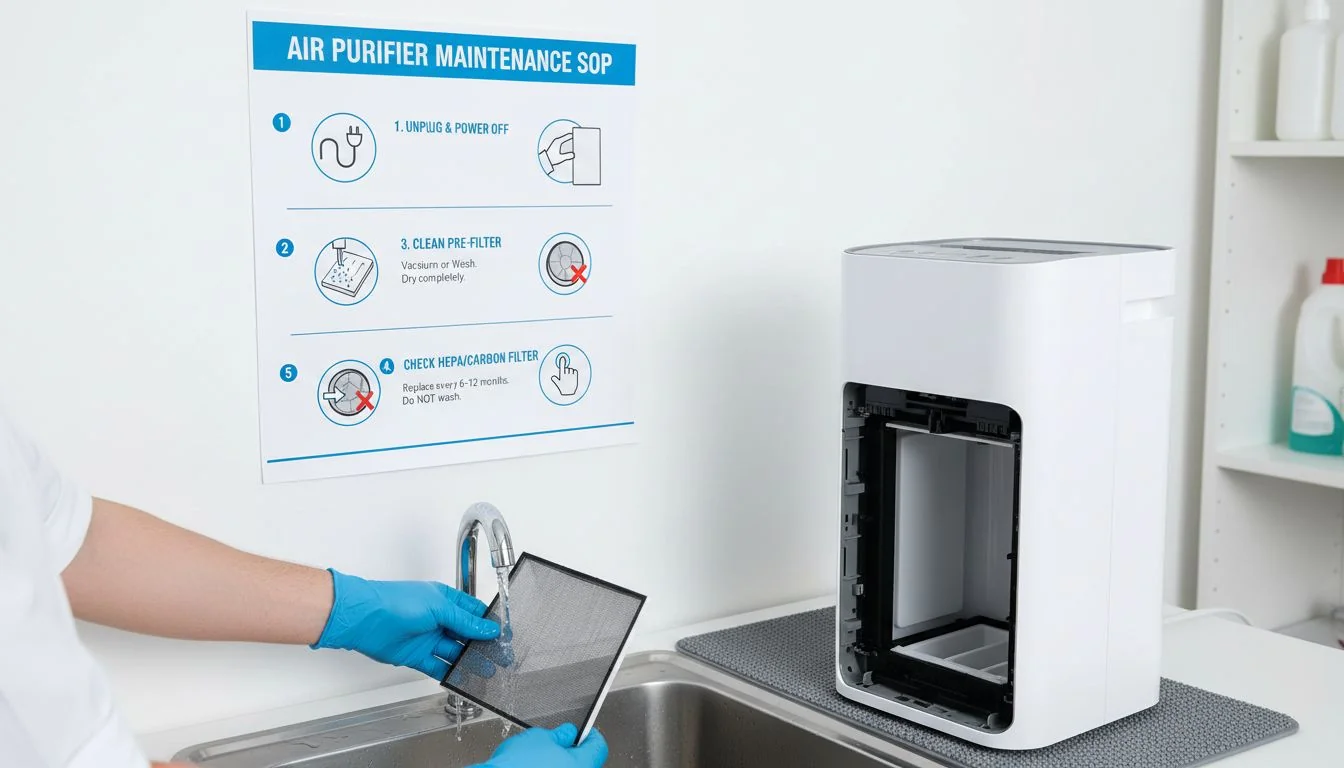
A standard operating procedure (SOP) lists daily checks, monthly washes, and yearly replacements. It tells staff exactly what to do, who does it, and how to log it. This document keeps the whole air purification program running smoothly.
Creating a Clear Rule Book
An SOP is a simple rule book. Every hotel needs one. It removes all the guessing from the job. The SOP starts with daily tasks. Housekeeping wipes the outside of the machine. They check the power light. Next are the monthly tasks. Engineering washes the pre-filters. Finally, the yearly tasks. Engineering replaces the HEPA filters. When you write an SOP, use simple words. Use clear pictures. If you designed the product, you should provide these pictures. Show exactly where to press the plastic clips. Show how to pull the tray out safely. A good SOP makes your product look highly professional. It proves that you understand the real-world use of your design. You can even mold a small version of the SOP directly onto the inside of the filter door. This ensures the instructions are never lost.
| Task Level | Action | Responsible Team |
|---|---|---|
| Daily | Wipe exterior, check lights | Housekeeping |
| Mensuel | Wash pre-filter, check airflow | Ingénierie |
| Yearly | Replace HEPA and carbon filters | Ingénierie |
An SOP removes guessing by providing clear, step-by-step instructions for staff.Vrai
Standard operating procedures standardize tasks so everyone knows exactly what to do.
Molding instructions onto the inside of a filter door guarantees they will be lost.Faux
Molding instructions directly into the plastic ensures they remain permanently attached to the unit.
Conclusion
Hotel air purifiers need clear schedules, easy designs, and strict team roles. Good maintenance keeps the air clean and makes your design work truly successful.
References
-
A well-structured maintenance plan is crucial for ensuring air purifiers function optimally and enhance guest satisfaction. ↩
-
Understanding filter replacement frequency is essential for maintaining air quality and prolonging the life of air purifiers. ↩
-
Long-term air quality is vital for guest health; exploring this topic can lead to better hotel management practices. ↩
-
Different filter types serve unique purposes; understanding them can optimize air purification strategies. ↩
-
Effective tracking methods can streamline maintenance processes and ensure no unit is overlooked. ↩



 English
  Français
  Español
  Italiano
  Deutsch
  Português
  Русский
  العربية
  日本語
日本語  한국어
한국어  Tiếng Việt
