
In today's global economy, overseas manufacturing has become the standard strategy for companies looking to reduce costs, scale quickly, and tap into specialized production capabilities. Products like air purifiers, humidifiers, and dehumidifiers are commonly produced in countries such as China, Vietnam, and India due to their mature manufacturing ecosystems and lower labor costs.
However, while the benefits are clear, the risks are often underestimated. Without direct oversight, your overseas factory becomes a “black box” you place an order, wait weeks or months, and hope the products meet your expectations when they finally arrive. This uncertainty can lead to costly quality failures, missed deadlines, and even brand-damaging product recalls.
To mitigate these risks, a robust third-party quality control (3PQC) strategy is not just helpful, it’s critical.
The "Black Box" Problem: Why You Can't Afford to Trust Blindly
When you manufacture thousands of miles away, your overseas factory can quickly become a "black box" – a place where production happens, but with limited real-time knowledge or direct oversight from your end. This lack of transparency is a breeding ground for significant risks that can undermine your product quality and brand reputation.
The Conflict of Interest
One of the most critical issues lies in the inherent conflict of interest within a factory's internal Quality Control (QC) team. These teams are employed by and report directly to factory management. Their primary incentive is to ensure that production targets are met and shipments are dispatched on time to trigger payment. This creates a systemic pressure to overlook or downplay quality issues, as failing a batch results in costly rework and delays for the factory. Reports provided to the buyer may be curated to present a favorable picture, concealing the true defect rate until the products arrive at your destination warehouse. Relying solely on factory QC, especially for new suppliers or high-value products, is a high-stakes gamble.
The Distance Deficit
The geographical and cultural distance inherent in overseas production creates a chasm between your brand and the factory floor. When manufacturing domestically, brand representatives can conduct frequent, in-person meetings to negotiate terms, resolve emergent problems, and directly observe the quality control processes. This hands-on approach is logistically impossible with overseas partners. Without being physically present, you have no real visibility into the production environment, the quality of raw materials being used, or whether the factory is cutting corners on manufacturing processes to increase their profit margin. This phenomenon, often referred to as "quality fade," can happen without your knowledge or consent, leading to a gradual or sudden decline in product quality and consistency across different production batches.
The High Cost of Failure
The consequences of these hidden quality issues can be devastating. A single product recall can lead to massive financial losses from returned goods, rework, legal liabilities, and regulatory fines. Beyond the immediate financial impact, a quality failure can inflict irreparable damage to your brand's reputation, eroding customer trust and loyalty built over years. Consider the numerous recalls of dehumidifiers or air purifiers due to fire hazards or other safety concerns – these incidents highlight the catastrophic financial and reputational damage that can result from inadequate quality control. The cost of preventing these failures through independent inspection is a mere fraction of the cost of dealing with a single major recall.
Your Eyes and Ears on the Ground: What a 3PQC Inspector Actually Does
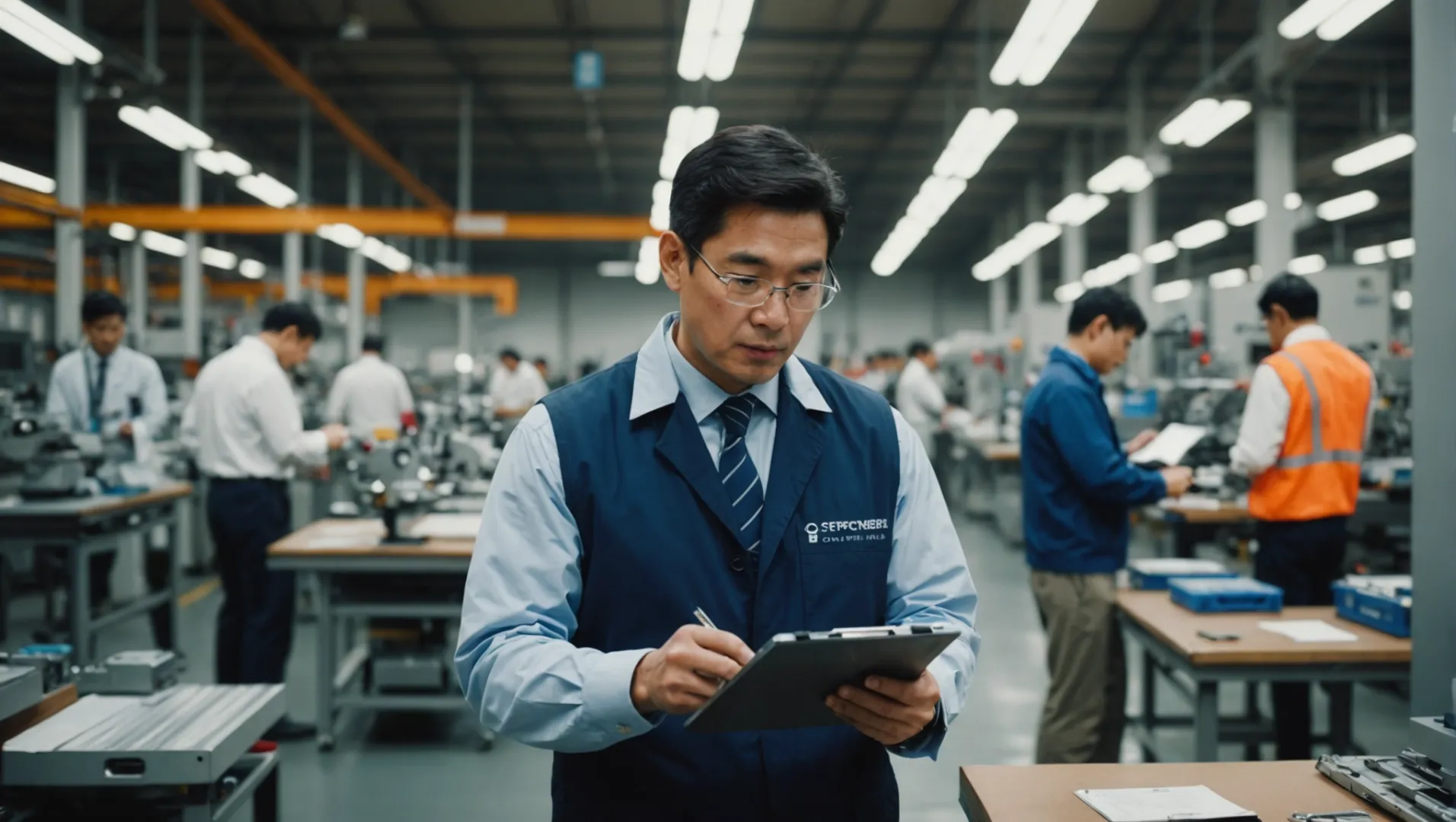
A third-party quality control (3PQC) inspector acts as your independent eyes and ears on the factory floor, providing objective, impartial, and factual assessments of your product's quality. Their sole allegiance is to the buyer who hires them, ensuring that their evaluations are free from the conflicts of interest that can plague a factory's internal QC team. A comprehensive 3PQC program involves inspections at various critical stages of the production process:
Pre-Production Inspection (PPI)
This crucial inspection takes place before mass production begins. The inspector verifies that the factory has the correct raw materials, components, and machinery in place, and that they meet your specifications. This includes checking the quality of materials, ensuring the factory understands your requirements, and confirming that any necessary tooling or molds are ready. Catching issues at this stage is far more cost-effective than discovering them after thousands of faulty units have been produced. For air treatment appliances, this might involve verifying the quality of filters, fan motors, or the integrity of plastic casings before assembly.
During Production Inspection (DPI)
Also known as a DUPRO inspection, this occurs when approximately 20-80% of your order has been completed and packed. The DPI provides a "health check" on the assembly line, allowing the inspector to identify systemic issues early in the production cycle. This includes checking the quality of semi-finished products, verifying production processes, and ensuring that any initial defects are being addressed. This proactive approach helps prevent minor issues from escalating into major problems that could affect the entire batch. It's an opportunity to implement corrective actions while production is still ongoing, saving time and preventing significant rework.
Pre-Shipment Inspection (PSI)
This is arguably the most critical step in the 3PQC process. The PSI takes place when 100% of the order is completed and at least 80% is packed. The inspector performs a final, statistically-based review of the finished products against your pre-defined standards and specifications. This includes checking product appearance, workmanship, functionality, safety, quantity, and packaging. This is your last chance to reject a bad batch before it leaves the factory and before you pay the final invoice. The inspector will use standardized methodologies like Acceptable Quality Limit (AQL) sampling to determine whether the batch meets your quality requirements. A successful PSI provides the confidence that the products you receive will meet your expectations and be ready for market.
Container Loading Supervision (CLS)
While not strictly a quality inspection of the product itself, Container Loading Supervision is a vital step to ensure that the products you approved during the PSI are the ones that actually get loaded into the shipping container, in the correct quantity, and without damage during the loading process. The inspector monitors the loading process, checks carton conditions, verifies quantities against the packing list, and ensures proper stacking and sealing of the container. This prevents issues like short shipments, mixed shipments, or damage due to improper loading, adding another layer of security to your supply chain.

Beyond Finding Flaws: The Strategic Advantages of 3PQC
While defect detection is a primary function, the benefits of a robust 3PQC program extend far beyond simply finding flaws. It is a strategic tool that empowers your business with compliance assurance, supplier accountability, and invaluable business intelligence.
Enforcing Compliance
Navigating the complex web of international safety and compliance standards can be daunting. For air treatment appliances, this includes critical certifications like UL (Underwriters Laboratories) for safety in North America, CE marking for market access in the European Union, and various country-specific regulations. Third-party inspectors are professionally trained and well-versed in these mandatory certifications. They can verify that your products meet these crucial requirements, protecting you from legal troubles, hefty fines, and market access restrictions. By ensuring compliance at the source, 3PQC minimizes the risk of costly delays or rejections at customs and safeguards your brand against potential liabilities.
Holding Suppliers Accountable
The presence of a third-party inspector fundamentally alters the power dynamic between the buyer and the overseas factory, instilling a culture of accountability. A factory's internal QC team is ultimately accountable to factory management, whose primary incentive is to ship products and secure payment. The introduction of an independent inspector, who is accountable only to the buyer, breaks this cycle. The factory management and workers know that their output will be impartially scrutinized against a pre-agreed, objective standard, such as an Acceptable Quality Limit (AQL) protocol. AQL is a clear, contractually-binding standard that removes emotion and subjectivity from quality discussions. It defines the maximum number of defective items that are considered acceptable in a given lot. This knowledge creates a powerful incentive for the factory to maintain higher quality standards throughout the entire production run, not just on the day of inspection. It discourages common tactics like hiding defective goods or attempting to present only the best-quality units for a small sample check. In this way, the act of scheduling an inspection becomes a proactive quality assurance measure in itself, improving the overall quality of the batch before the inspector even arrives and sending an unequivocal message that quality is a non-negotiable priority for your brand.
Gaining Business Intelligence
Beyond its primary function of defect detection, a consistent third-party inspection program serves as a vital source of business intelligence and a form of risk insurance. The inspector’s reports are more than just a pass/fail grade; they constitute a real-time data feed from the factory floor. Analyzing the patterns of defects reported over time provides predictive insights into a supplier's operational health. For instance, a recurring issue with a specific component, like a dehumidifier's compressor or an air purifier's fan motor, may indicate a weakness in the factory's own sub-supplier management. A sudden spike in minor cosmetic defects could signal that the factory is rushing to meet a deadline, sacrificing quality for speed. This level of granular, on-the-ground data allows a sourcing manager to move beyond simply rejecting a bad batch and instead proactively address systemic issues with the supplier, asking targeted questions like, "We have seen a recurring failure in the power control board across the last three inspections; what is the root cause of this issue with your electronics supplier?" This transforms the inspection from a simple check into a tool for continuous improvement and risk management, effectively insuring your business against the far greater cost of a market failure or recall.

Conclusion: Make Quality Your Competitive Advantage
In today’s competitive global market, third-party quality control (3PQC) is no longer optional — it’s a strategic necessity for any brand relying on overseas manufacturing. Whether you're producing air purifiers, humidifiers, or dehumidifiers in countries like China, Vietnam, or India, the risks of quality issues, shipping delays, or compliance failures are real — and costly. Implementing a professional pre-shipment inspection and independent quality audit process gives you control, visibility, and peace of mind.
By leveraging 3PQC at critical production stages, you reduce the risk of product recalls, enforce international compliance standards like UL and CE, and ensure your suppliers remain accountable to your exact specifications. More than just spotting defects, third-party inspections empower you with real-time data and actionable insights — turning quality control into a competitive advantage.
Don’t leave your product quality to chance. Invest in a proven third-party inspection strategy and protect your reputation, your profits, and your future growth. Start seeing your factory not as a black box, but as a transparent, quality-driven partner in your global supply chain.




 English
  Français
  Español
  Italiano
  Deutsch
  Português
  Русский
  العربية
  日本語
日本語  한국어
한국어  Tiếng Việt

