
The air purifier market is moving faster than ever, and sticking to old designs is a risk we cannot afford. If you are still designing or buying basic plastic boxes with a fan, you are already behind. Let me show you the shift from passive filtering to proactive air management.
In 2025, air purifier technology is shifting towards "Architectural Integration1" using high-density slim motors and "Active Defense" systems like UV-C and Plasma. For buyers and designers, the focus is now on predictive AI connectivity via the Matter protocol and sustainable, washable filter technologies that reduce long-term maintenance costs.
I used to look at air purifiers and just see a fan inside a box. But after years in the mold industry, I see the complex engineering required to make them thinner, smarter, and more efficient. We are not just moving air anymore; we are managing an ecosystem. If you ignore these trends, you risk stocking or designing products that no one wants next year.
Wall-mounted purifiers are just a stylistic choice.Faux
Wall-mounted units require advanced high-density slim motors to function in thin profiles, making them an engineering breakthrough, not just a style.
The Matter protocol ensures devices work with major smart home systems.Vrai
Matter is the new universal standard that allows devices to communicate across different platforms like Apple, Google, and Amazon.
1. Introduction: The Shift from "Passive" to "Proactive"?
The old way of thinking was simple: trap the dust. But is that enough for today's standards?
The industry is moving from "Passive" filtration, where we wait for air to pass through a HEPA filter, to "Proactive" defense. This means actively seeking out pollutants and integrating the device into the home's architecture.
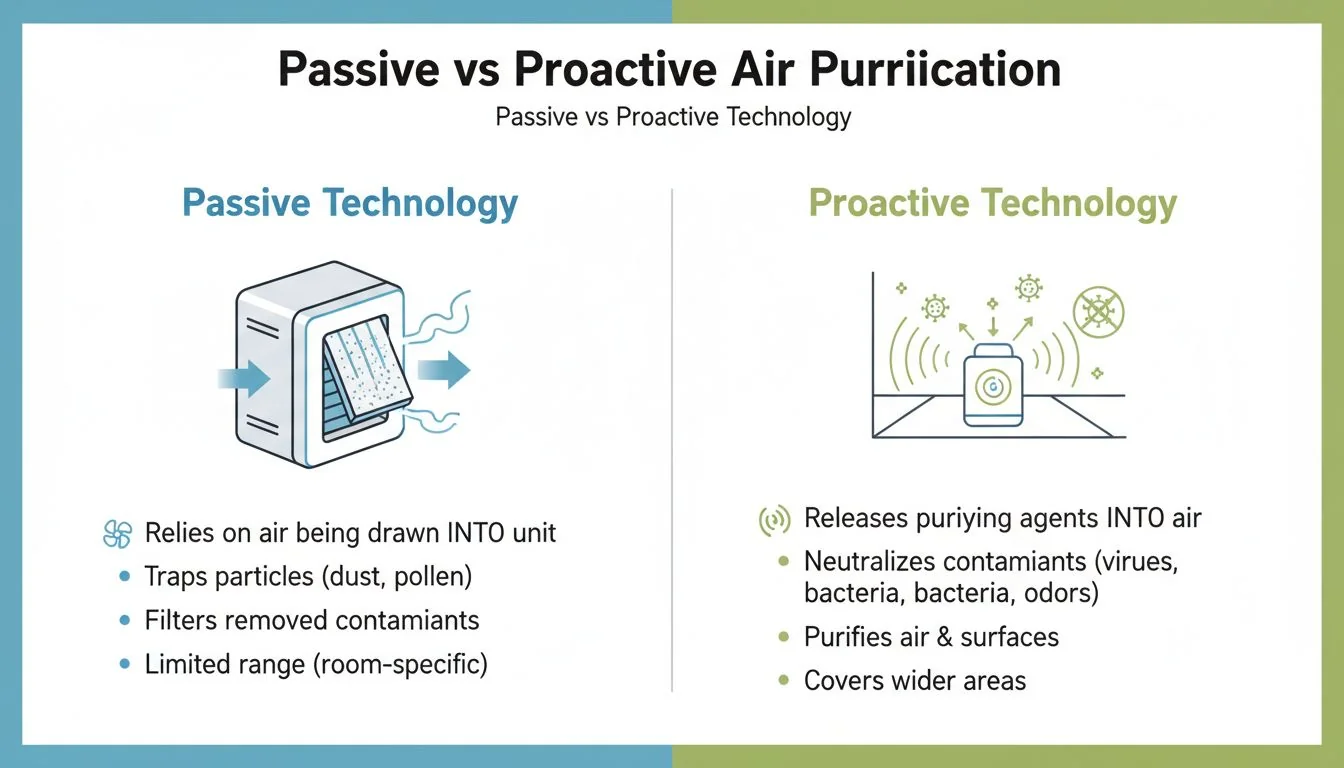
When I started in this industry, a "good" design was just one that didn't have sink marks on the plastic housing. Now, as we look at the market in 2025, the definition of a good product has changed completely. We are seeing a transition where the form factor itself is a technology. It is no longer about hiding a bulky machine in the corner. It is about creating a platform that actively manages health.
For designers like us, this means we cannot just design a shell around a standard motor. We have to think about how the device interacts with the room. The shift to proactive tech means we are integrating sensors that talk to the motor before the user even notices a problem. We are looking at systems that sanitize the air, not just filter it. This is a massive opportunity for us to add value. We are not just molding plastic; we are housing intelligent life-support systems. If you are a buyer, you need to look for these proactive features. If you are a designer, you need to build the architecture to support them.
Proactive air purification waits for dust to settle.Faux
Proactive purification uses technologies like ionization or plasma to actively neutralize particles in the air space.
Modern air purifiers are becoming health platforms.Vrai
New devices integrate sensors and active defense to manage health, rather than just filtering air.
2. Tech Trend #1: Architectural Integration (The Wall-Mounted Revolution)?
Why are air purifiers getting so thin, and is it just for looks?
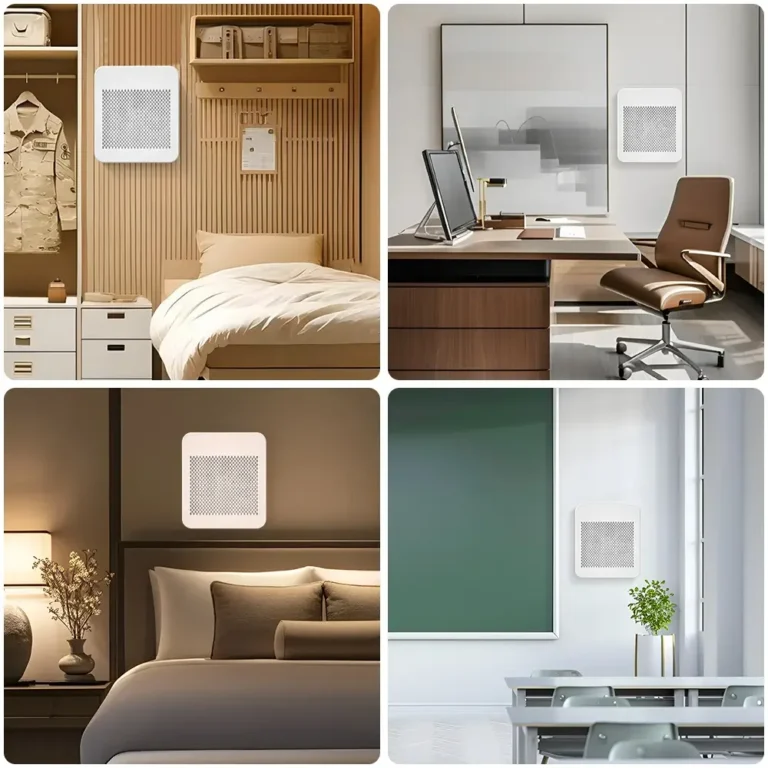
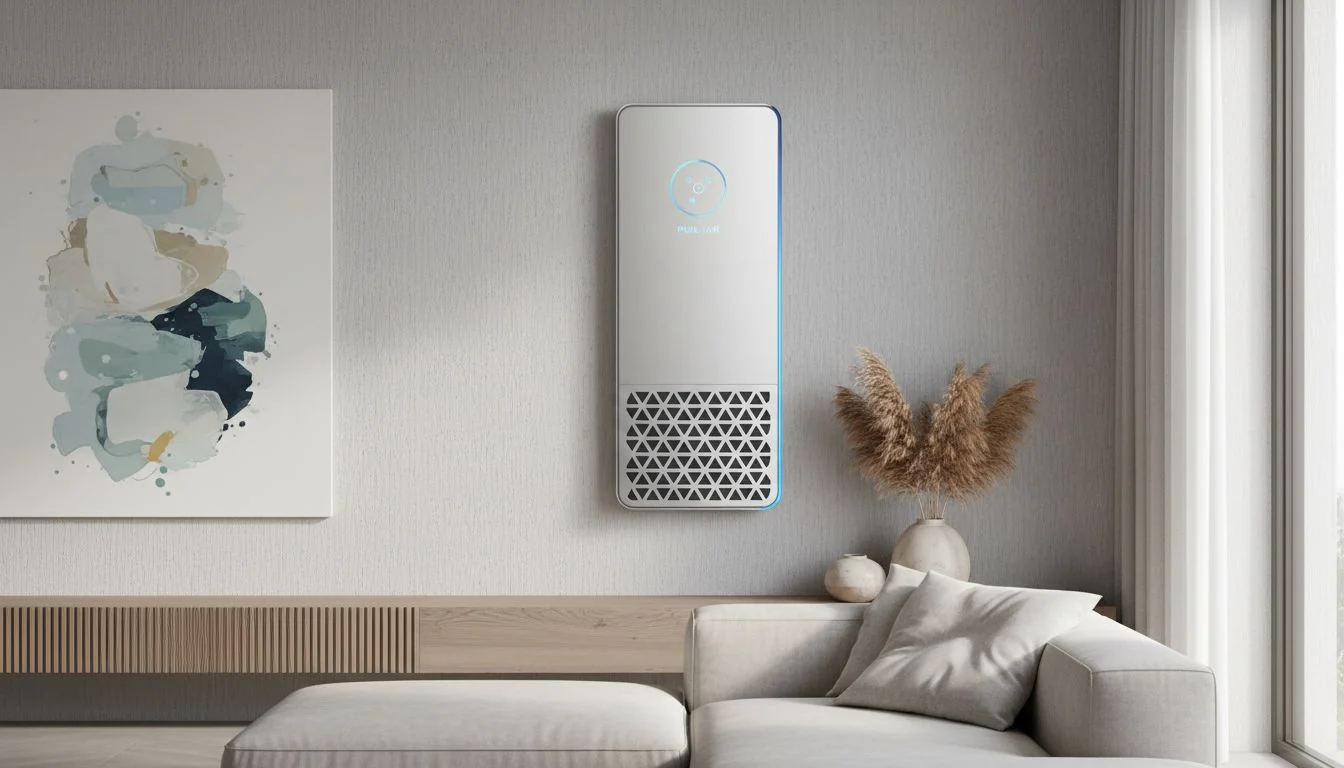
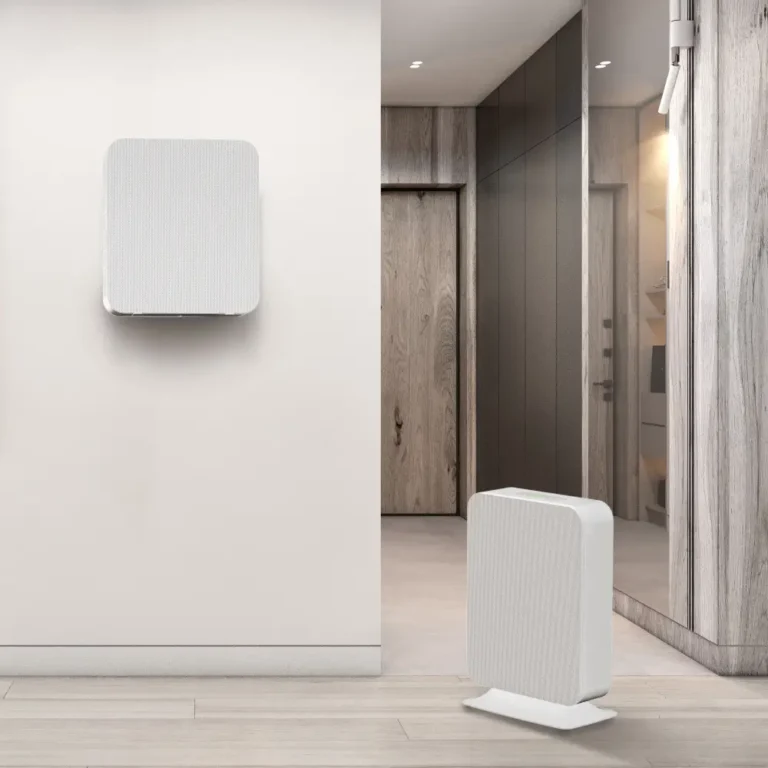
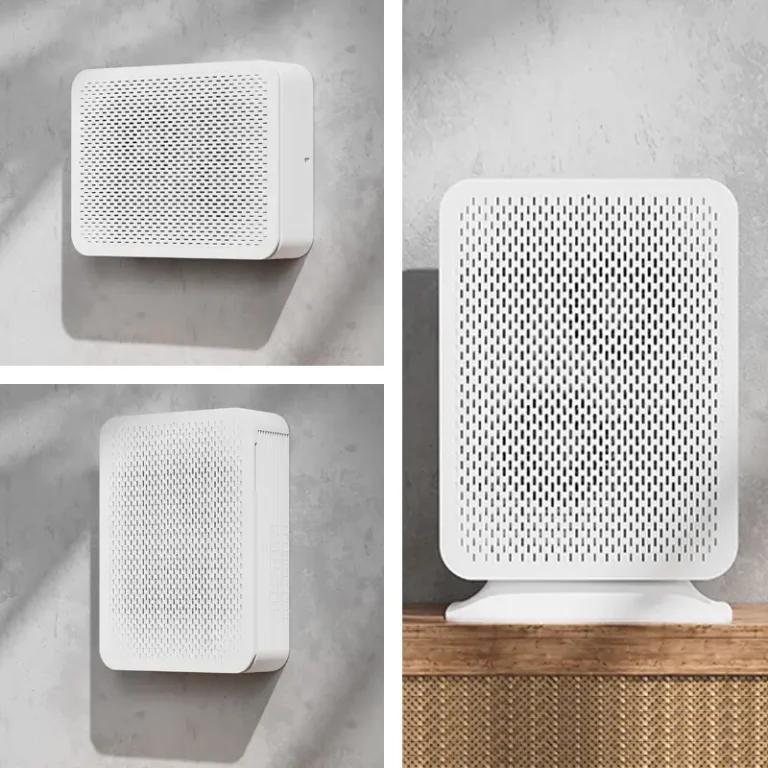
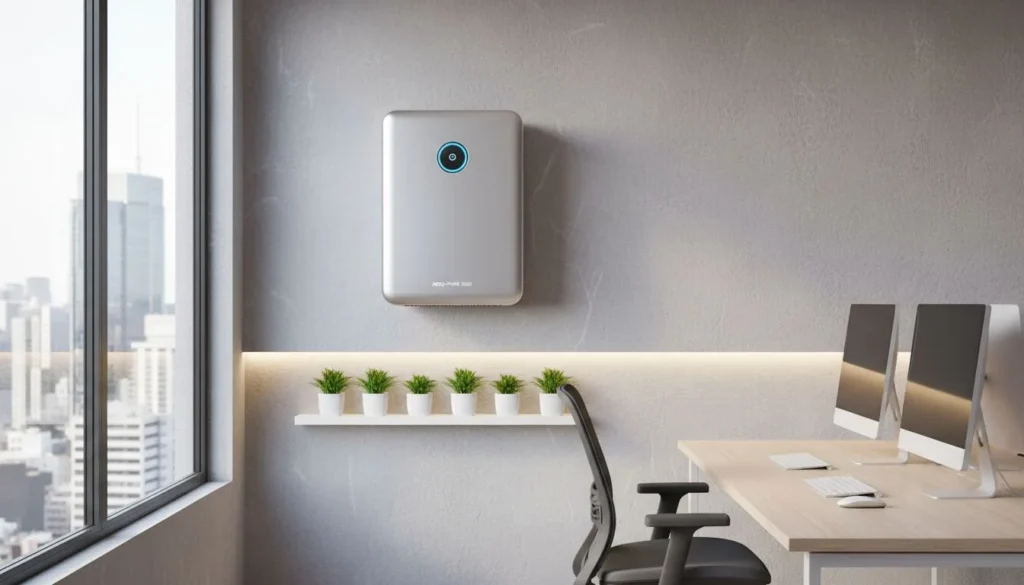
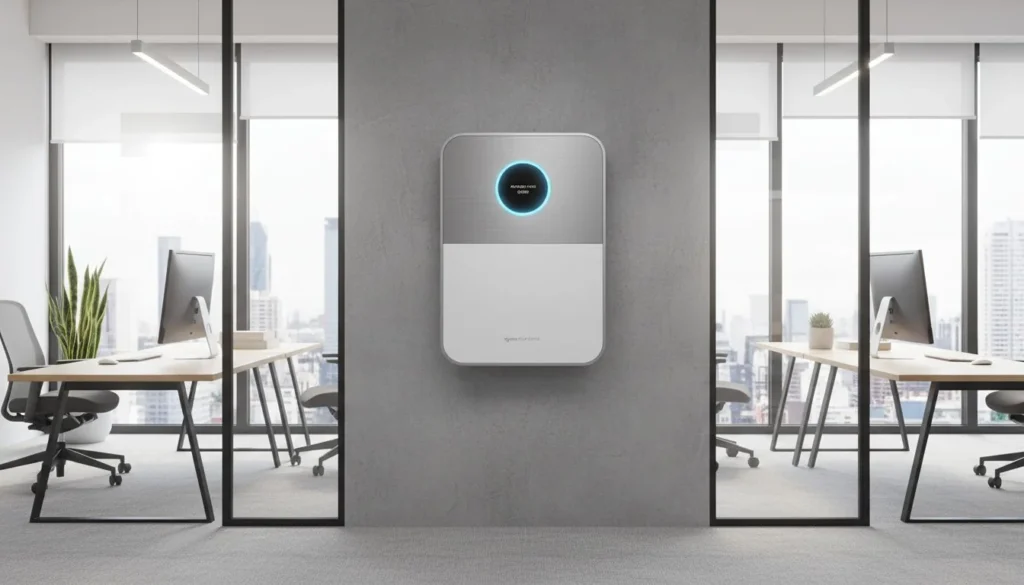
Wall-mounted units are not just about saving floor space; they represent a revolution in motor engineering. To get powerful airflow from a device that is only a few inches thick requires a complete rethink of the internal components.
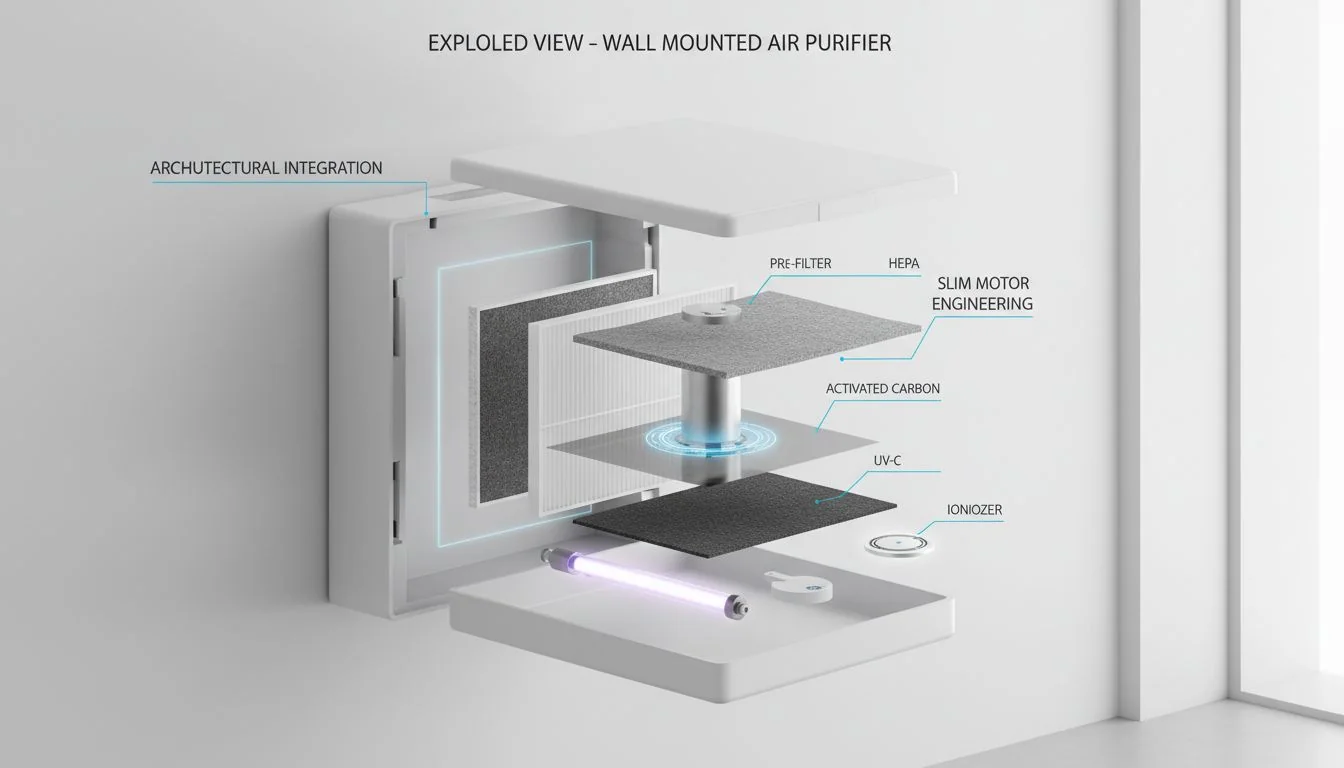
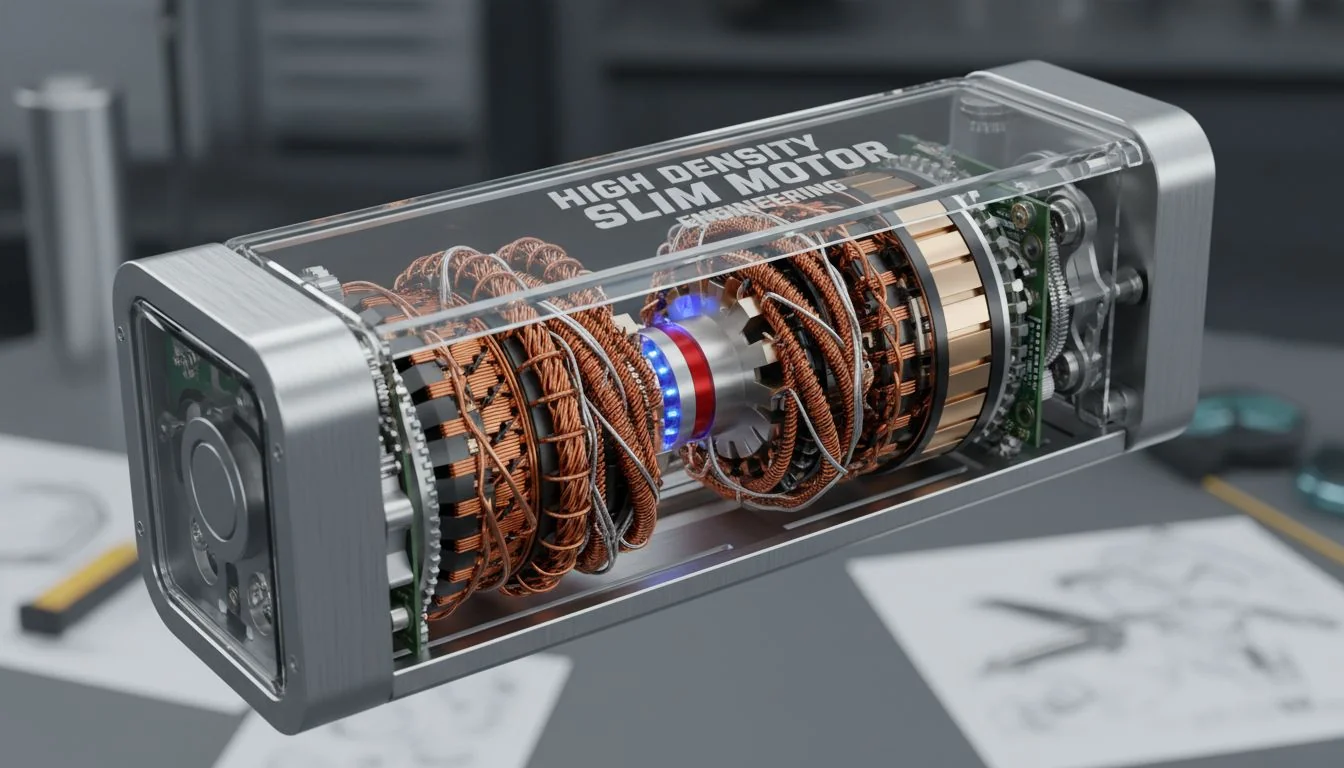
I want to redefine how you see "Form Factor." Many people think a wall-mounted unit is just a style choice. They are wrong. It is an engineering breakthrough. To make a unit powerful enough to clean a room but thin enough to hang on a wall, you need High-Density Slim Motors2. This is where the mold design gets tricky and exciting.
As a mold expert, I know that shrinking the housing while maintaining power creates heat and vibration challenges. We have to design internal ribbing structures that dampen vibration without adding thickness. We have to calculate airflow dynamics in a much tighter space. This validates the premium price of these units. You are not paying for a plastic box; you are paying for a high-performance engine that fits in a slim profile.
| Fonctionnalité | Traditional Tower | Wall-Mounted Slim |
|---|---|---|
| Motor Type | Standard AC/DC Motor | High-Density Slim Motor |
| Utilisation de l'espace | Consumes Floor Space | Zero Footprint |
| Ingénierie | Basic Airflow Ducting | Complex Thermal/Vibration Management |
| Perception | Appliance | Architectural Element |
For a designer like Jacky, this means we need to be precise with our wall thickness and material choices. We cannot afford warping in such a flat, wide surface. For the buyer, this technology signals that the manufacturer is capable of high-level engineering.
Slim motors have less power than traditional motors.Faux
High-density slim motors are engineered to provide equivalent or superior airflow efficiency in a compact form.
Wall-mounted designs require specialized mold flow analysis.Vrai
The thin profile and wide surface area require precise mold design to prevent warping and ensure structural integrity.
3. Tech Trend #2: Active Biological Defense (UV-C & Plasma)?
Is a HEPA filter enough to keep people safe from viruses?
HEPA filters are great for dust, but they are now a commodity. The real value in 2025 lies in "Active Defense3" technologies like UV-C light and Plasma, which actively neutralize biological threats.
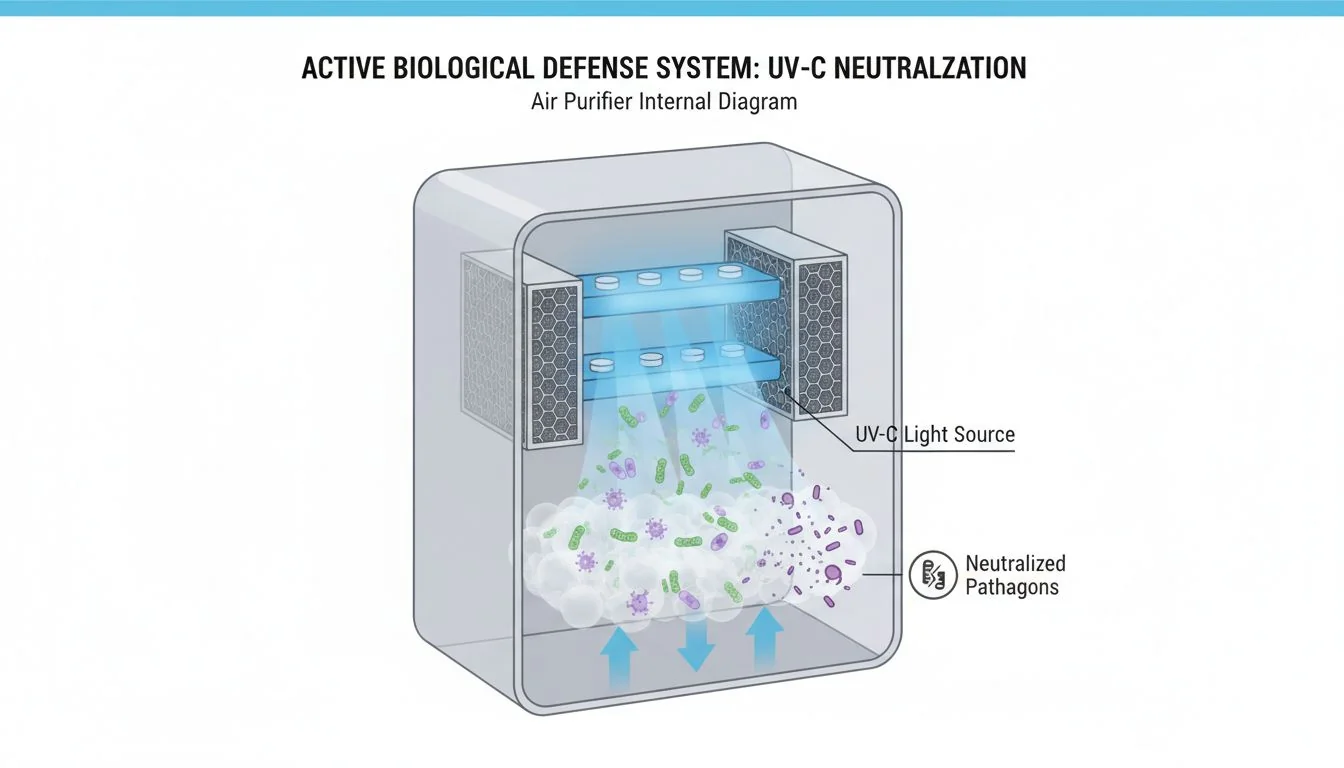
We need to stop selling just "clean air" and start selling "Health security4." In the post-pandemic world, schools and offices are not just worried about dust; they are worried about viruses. This is where Active Defense comes in. It is a premium feature that separates high-end tech from basic appliances.
From a manufacturing perspective, integrating UV-C adds a layer of complexity. We have to use UV-resistant plastics for the internal housing to prevent degradation over time. We also need to design light traps in the mold so that no harmful UV light escapes the unit. This is a critical safety feature.
Plasma technology5 is another game-changer. It releases ions to attack bacteria in the air. For the "Health-Anxious" consumer or the commercial buyer, this is the selling point. They want to know that the machine is killing germs, not just trapping them. By adding these features, we move the product from a household appliance to a medical-grade device. This justifies a higher price point and builds trust with commercial buyers who need to prove they are mitigating risks.
HEPA filters kill viruses on contact.Faux
HEPA filters trap particles but do not actively kill biological pathogens like viruses or bacteria.
UV-resistant materials are necessary for internal housings.Vrai
Standard plastics can become brittle and crack when exposed to UV-C light over long periods.
4. Tech Trend #3: Predictive AI & "Matter" Connectivity?
How do we ensure our products don't become obsolete next year?
The answer lies in the "Matter" protocol. This is the B2B trust signal that tells distributors your product is future-proof and will work with any smart home ecosystem, from Apple to Amazon.
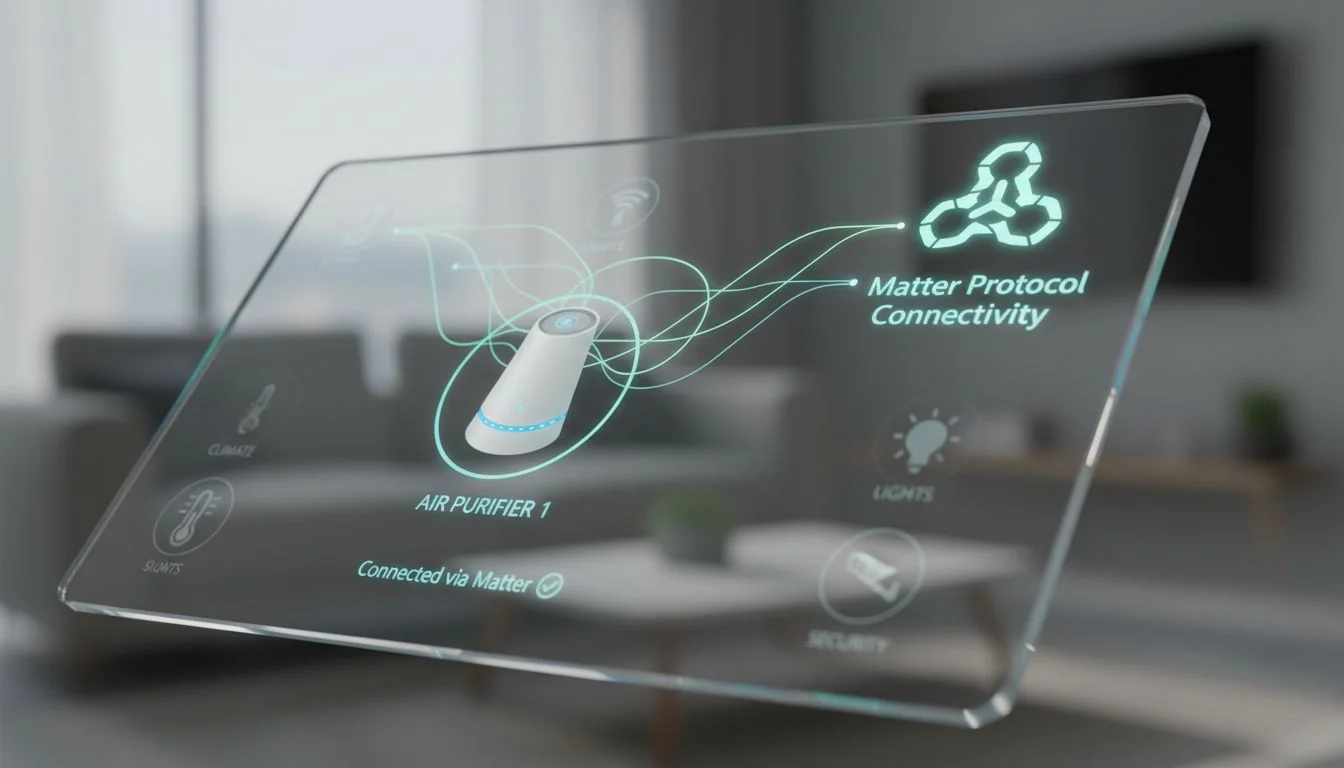
I often tell my clients that we are not just building hardware; we are building a node in a network. "Matter" is more than just a buzzword. It is a standard that removes the fear of inventory obsolescence. If a distributor buys 1,000 units, they want to know those units will still work with the latest iPhone or Android update three years from now.
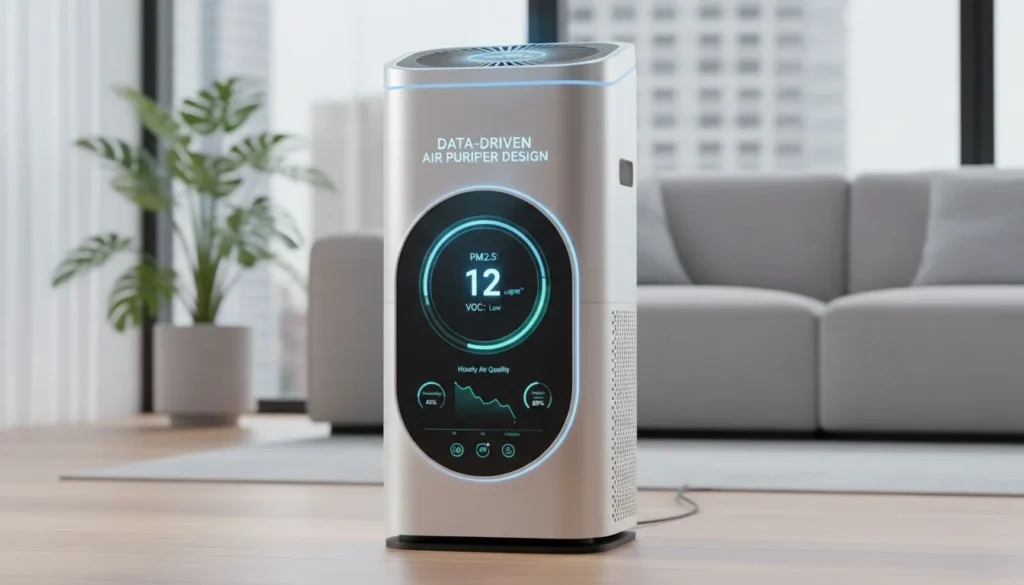
For us as designers, this changes the PCB housing and sensor placement. We are not just making a spot for a power button anymore. We need to design for advanced sensor modules that detect PM2.5, VOCs, and humidity. These sensors feed data to the AI, which predicts when to turn on the "Active Defense" modes.
This turns the air purifier into a "Tech Incubator." We are selling a platform. The mold design must accommodate these sensors in a way that they get accurate airflow readings without disrupting the main air stream. It is a balance of fluid dynamics and electronic integration. By adopting Matter, we signal that we are a serious, forward-thinking manufacturer.
Matter protocol limits connectivity to one brand.Faux
Matter is an open-source standard designed to make smart devices compatible across all major platforms.
AI allows purifiers to react before air quality drops.Vrai
Predictive AI analyzes patterns and sensor data to adjust settings proactively.
5. Tech Trend #4: Sustainable Consumables (The End of Waste)?
Can we lower the running costs for commercial buyers?
Sustainability is now a financial argument. By moving to washable filters and long-life components, we can pitch "Low Maintenance Costs" to B2B buyers, saving them thousands in replacement filters.
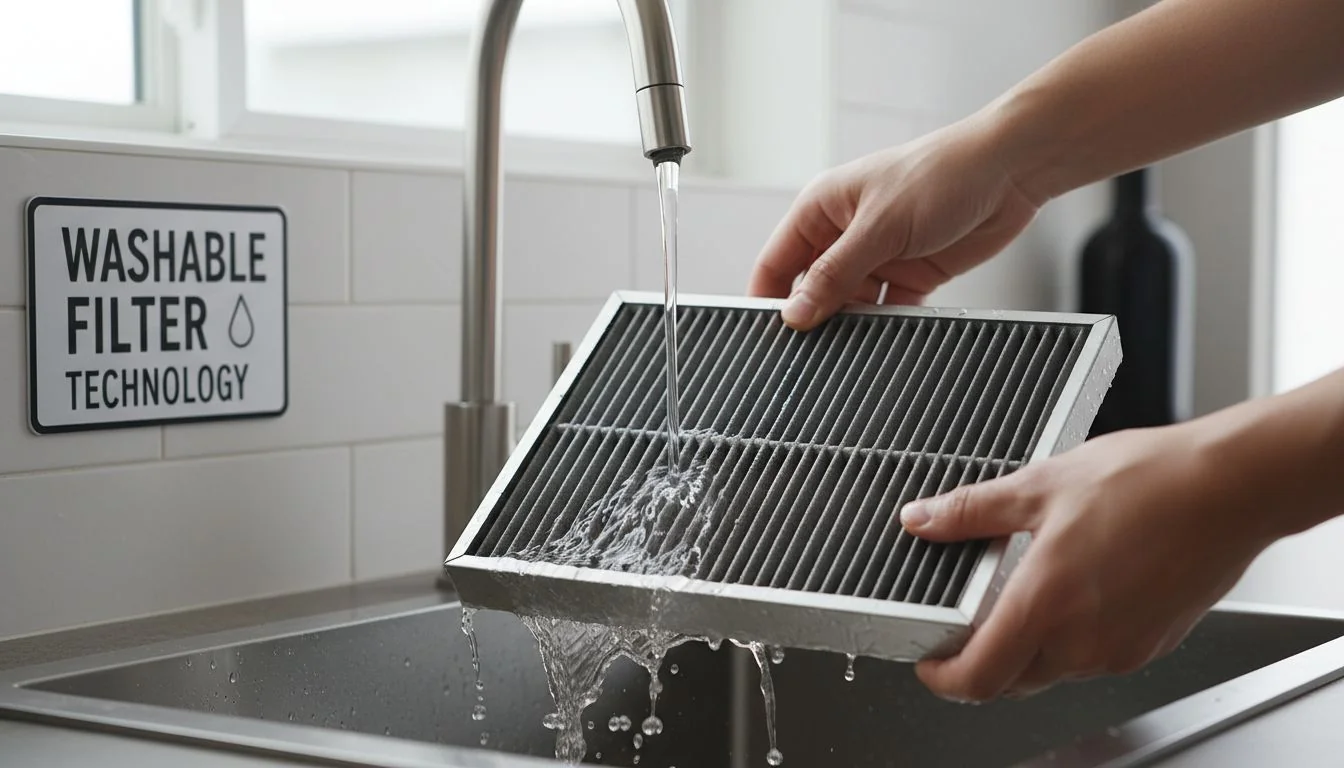
When I look at the cost of ownership for schools or offices, the price of replacing HEPA filters every six months is huge. This is where we can innovate. Trend #4 is about "The End of Waste." We are seeing a move toward washable, high-tech filters.
This has a direct impact on mold design. A disposable filter just sits in a slot. A washable filter needs to be removed, handled, washed, and reinserted hundreds of times. This means the latches, the frame, and the seals need to be much more robust. We cannot use cheap snap-fits that break after three uses. We need to design engineering-grade mechanisms.
The Cost Benefit Analysis
- Standard Unit: Cheap upfront, but $500 in filters over 3 years.
- Sustainable Unit: Higher upfront cost, but $0 in filters.
This is a powerful sales pitch. We are telling the buyer: "Our unit costs more today, but it pays for itself." As designers, we enable this by choosing durable materials like ABS or Polycarbonate for the filter frames, ensuring they withstand water and handling. It transforms the product from a consumable trap into a sustainable asset.
Washable filters increase long-term maintenance costs.Faux
Washable filters eliminate the need for frequent purchases, significantly lowering long-term running costs.
Durable mold design is required for reusable components.Vrai
Components that are frequently removed and washed require stronger materials and better mechanical design than disposable ones.
Conclusion
To stay competitive in 2025, we must embrace architectural integration, active defense, AI connectivity, and sustainability. Don't stock or design obsolete tech; build the future of air.
References
-
Explore how Architectural Integration is revolutionizing air purifier design, making them more efficient and aesthetically pleasing. ↩
-
Find out how High-Density Slim Motors enable powerful airflow in compact designs, transforming air purifier engineering. ↩
-
Learn about Active Defense technologies like UV-C and Plasma that enhance air purifiers' effectiveness against biological threats. ↩
-
Understand the importance of health security in air purifiers, especially in post-pandemic environments. ↩
-
Explore how Plasma technology actively attacks airborne bacteria, enhancing air quality and safety. ↩

 Français
  English
  Español
  Italiano
  Deutsch
  Português
  Русский
  العربية
  日本語
日本語  한국어
한국어  Tiếng Việt

