
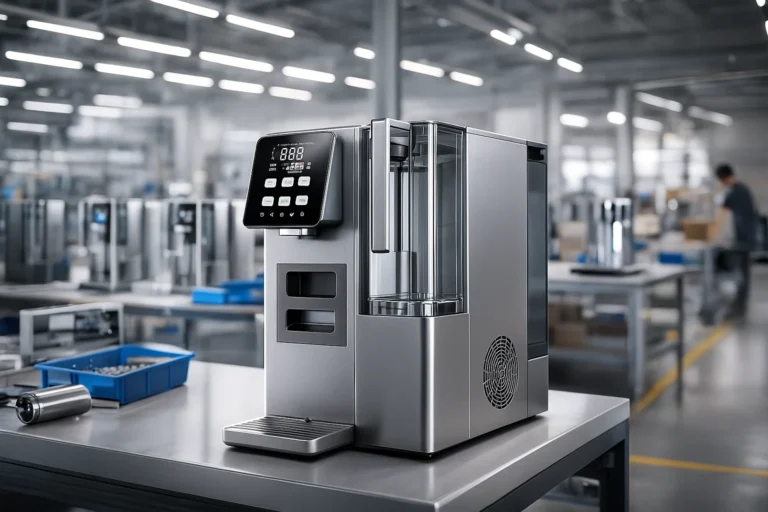
In a nation celebrated for its world-class infrastructure, Singapore’s tap water is renowned for its safety and quality, meeting the stringent guidelines of the World Health Organization. Yet, the market for home and office water purifiers is not just surviving; it's thriving. Why? Because today’s discerning consumers and businesses seek more than just safety—they demand convenience, enhanced taste, and advanced features that integrate seamlessly into modern lifestyles.
The Singapore Water Purifier Market, valued at USD 38.5 Million in 2023, is projected to reach USD 81.3 Million by 2033, growing at a robust CAGR of 7.76%. This growth is fueled by a desire for an extra layer of protection against aging plumbing, the removal of residual chlorine taste, and the sheer convenience of instant hot, cold, and ambient water.
For both direct-to-consumer (D2C) shoppers and business-to-business (B2B) clients looking to navigate this dynamic landscape, understanding the key players is crucial. This definitive guide unpacks the top 10 water purifier companies in Singapore, offering insights into their technology, design, and unique market position.
The Technology Driving Pure Water
Before diving into the brands, it's essential to understand the core technologies at play:
- Reverse Osmosis (RO): Considered the gold standard for purification, RO systems use a fine membrane to remove up to 99% of contaminants, including heavy metals, viruses, and dissolved solids. This technology is a dominant force in the Singapore market.
- Nanofiltration (NF) & Ultrafiltration (UF): These membrane technologies effectively remove bacteria and viruses while retaining beneficial minerals, offering a balance between purity and health.
- Carbone activé : A fundamental stage in most purifiers, activated carbon filters excel at removing chlorine and organic compounds, which significantly improves the water's taste and odor.
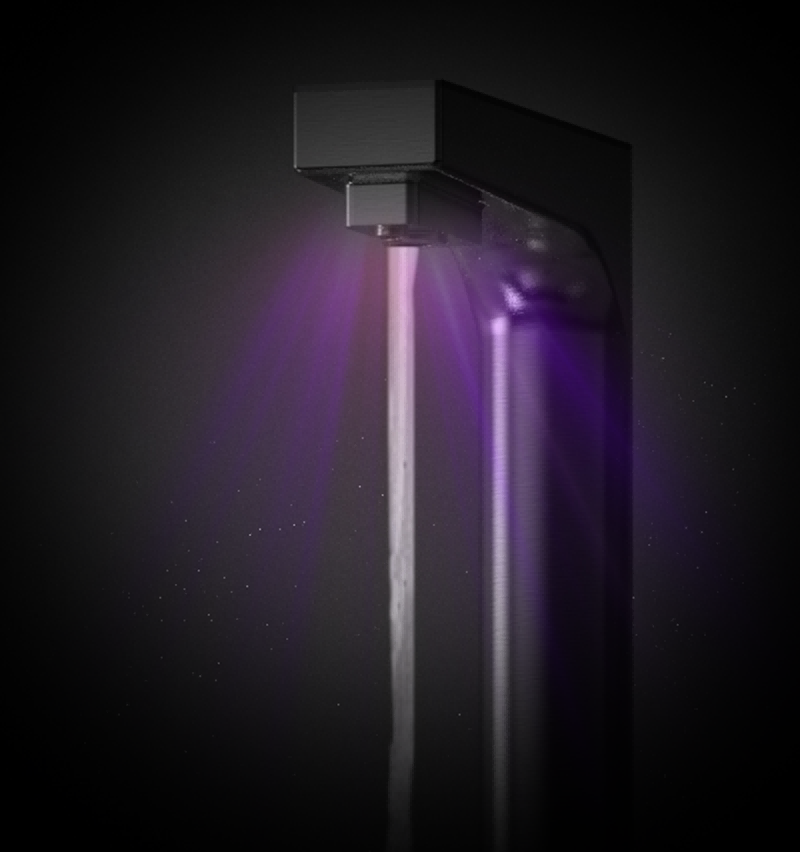
- UV Sterilization: This method uses ultraviolet light to neutralize bacteria and viruses, often as a final hygiene step to ensure microbiological safety.
With this foundation, let's explore the brands shaping Singapore's water purification scene.
The Top 10: An In-Depth Look at Singapore’s Leading Water Purifier Companies
1. Wells Singapore: The Design Innovator

Image Source: Wells Singapore
A premium South Korean lifestyle brand, Wells has mastered the art of blending high technology with award-winning aesthetics. Their products are for those who view kitchen appliances as integral parts of their home's design.
- Flagship Product: The Wells The One is a market marvel, renowned for its ultra-slim 8.8 cm faucet that separates from the under-sink filtration unit, maximizing countertop space.
- Why They Stand Out: Unmatched design and a sophisticated 9-step nanofiltration system that removes harmful contaminants while preserving essential minerals. Its smart features, like a motion sensor and 180° rotating faucet, redefine user convenience.
2. Cuckoo Singapore: The Market Leader

Image Source: Cuckoo
As South Korea's number one home appliance brand, Cuckoo has a formidable presence in Singapore, offering an extensive range of products for every need and budget.
- Flagship Product: The CUCKOO Titan is a technological powerhouse, celebrated as Singapore's first purifier to dispense instant 100°C hot water. It also features a unique "Sterilisation Water" function for cleaning produce.
- Why They Stand Out: Cuckoo’s patented 6-stage Nano Positive Filtration system delivers mineral-rich, mild alkaline water, while its innovative features and flexible rental plans make it accessible to a broad audience.
3. Sterra: The Value-Driven Challenger

Image Source: Sterra
A homegrown Singaporean brand, Sterra has rapidly captured market share by offering premium features at highly competitive prices. It has successfully positioned itself as a smart alternative to more expensive international brands.
- Flagship Product: The Sterra 7™ is a tankless purifier that offers six temperature settings, a comprehensive 8-stage filtration system, and UV nozzle sterilization—features typically found in high-end models.
- Why They Stand Out: Sterra delivers exceptional value for money. It democratizes advanced technology, making features like tankless design and multi-temperature dispensing accessible to more households.
4. Ruhens: The Hygiene-Focused Competitor

Image Source: Ruhens
With over 30 years of experience, Ruhens is a global Korean brand that emphasizes hygiene and advanced filtration technology.
- Flagship Product: The Ruhens V Series is popular for its five precise temperature settings (including 40°C for baby formula) and robust hygiene features.
- Why They Stand Out: Its automated UV-C sterilization sanitizes the nozzle every hour, offering users peace of mind. The combination of a Micro-Antioxidants Carbon Filter and a NanoFACT® PLUS Filter effectively removes microorganisms while offering an alkaline water option.
5. Hydroflux: The Local Innovator

Image Source: Hydroflux
Founded in 2012, Hydroflux is a Singaporean brand that differentiates itself with unique, lifestyle-oriented features.
- Flagship Product: The Hydroflux Wish is marketed as Singapore’s first and only tankless dispenser with a full stainless steel flow path and faucet, which can be sterilized with pasteurization heat treatment.
- Why They Stand Out: Innovation is at its core. The Wish purifier integrates a Bluetooth speaker, allowing users to stream music in the kitchen, blending high-performance purification with modern convenience.
6. Livingcare: The Master of Compact Design

Image Source: Livingcare
Livingcare is a local firm with over 15 years of experience, specializing in filtration systems catered specifically to Singapore's water source.
- Flagship Product: The Livingcare Jewel Series is one of the slimmest tankless dispensers in Singapore at just 13 cm wide, making it perfect for space-constrained kitchens.
- Why They Stand Out: Livingcare excels in creating technologically advanced, compact solutions. The Jewel series uses a patented motorless thermoelectric semiconductor for quiet, energy-efficient cooling and offers seven instant temperature options.
7. Cosmo: The German-Engineered Value Brand

Image Source: Cosmo
Cosmo is a Singapore-based technology firm that markets its products as "Singapore's No.1 Technologically Advanced Water Dispenser," emphasizing German engineering for quality and precision.
- Flagship Product: The Cosmo Quantum is a tankless dispenser that offers a 6-step purification process, multiple temperature settings, and an optional alkaline filter at a very competitive price point.
- Why They Stand Out: Cosmo has built a powerful value proposition by combining a strong brand story with a feature-rich product and positive social proof, appealing to budget-conscious consumers who don't want to compromise on functionality.
8. Philips: The Global RO Specialist
Source de l'image : Panasonic Corporation
A world leader in home appliances, Philips leverages its global reputation for quality and reliability, focusing on high-efficacy purification.
- Flagship Product: The Philips ADD6910/90 RO Dispenser uses an all-in-one Reverse Osmosis filtration system to remove ultrafine contaminants down to 0.0001 microns, including bacteria, viruses, and heavy metals.
- Why They Stand Out: Philips is the go-to brand for consumers who prioritize health and safety above all. Its focus on certified RO technology provides one of the most thorough purification methods available on the market.
9. 3M: The Under-Sink Expert

Image Source: 3M
3M is a global science and innovation powerhouse renowned for its reliable and high-performance filtration systems, particularly in the under-sink category.
- Flagship Product: The 3M™ AP Easy Complete is a compact, non-electric under-sink system that connects to a dedicated faucet, keeping countertops completely clear.
- Why They Stand Out: 3M targets consumers who want invisible, seamless integration. Its systems are rigorously certified by NSF International against standards 42 and 53, guaranteeing the reduction of chlorine, lead, cysts, and other health-related contaminants.
10. HisoAir: The OEM/ODM Powerhouse Behind the Brands

Source de l'image : HisoAir
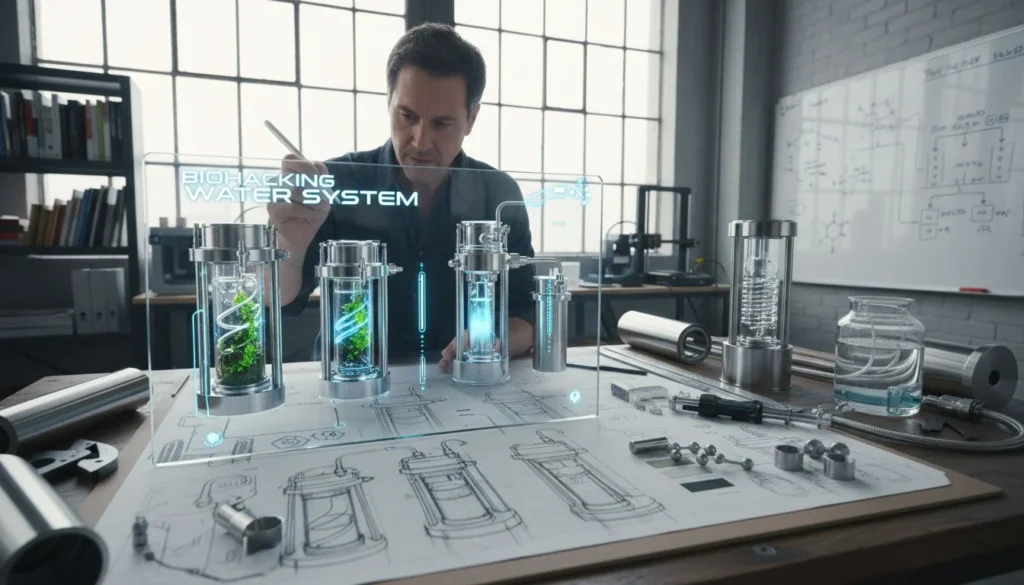
While the brands above cater directly to consumers, HisoAir is the silent giant powering many of them. As a leading OEM/ODM water purification manufacturer with over 20 years of experience, HisoAir is the ideal partner for B2B and D2C businesses looking to launch or expand their own product lines.
- Core Business: HisoAir specializes in creating tailored countertop and under-sink RO systems, from individual filters to complete smart purifiers. They offer a one-stop solution for businesses worldwide.
-
Why They Stand Out for Business Clients:
- Global Manufacturing & Certification: With production facilities in China, Vietnam, Thailand, and Malaysia, and certifications including NSF, ISO, RoHS, and SGS, HisoAir’s products are export-ready and meet the highest international safety standards.
- Advanced, Customizable Technology: HisoAir engineers high-performance systems, including those with high-flow RO membranes, hydrogen nano-bubble technology, and instant ice-making capabilities. Their OEM/ODM flexibility allows clients to customize products to their exact market specifications.
- Factory-Direct Value: By controlling the entire production process, from raw material sourcing to automated assembly, HisoAir offers competitive pricing without compromising on quality, making them a strategic partner for profitability and growth.
How to Choose the Right Water Purifier
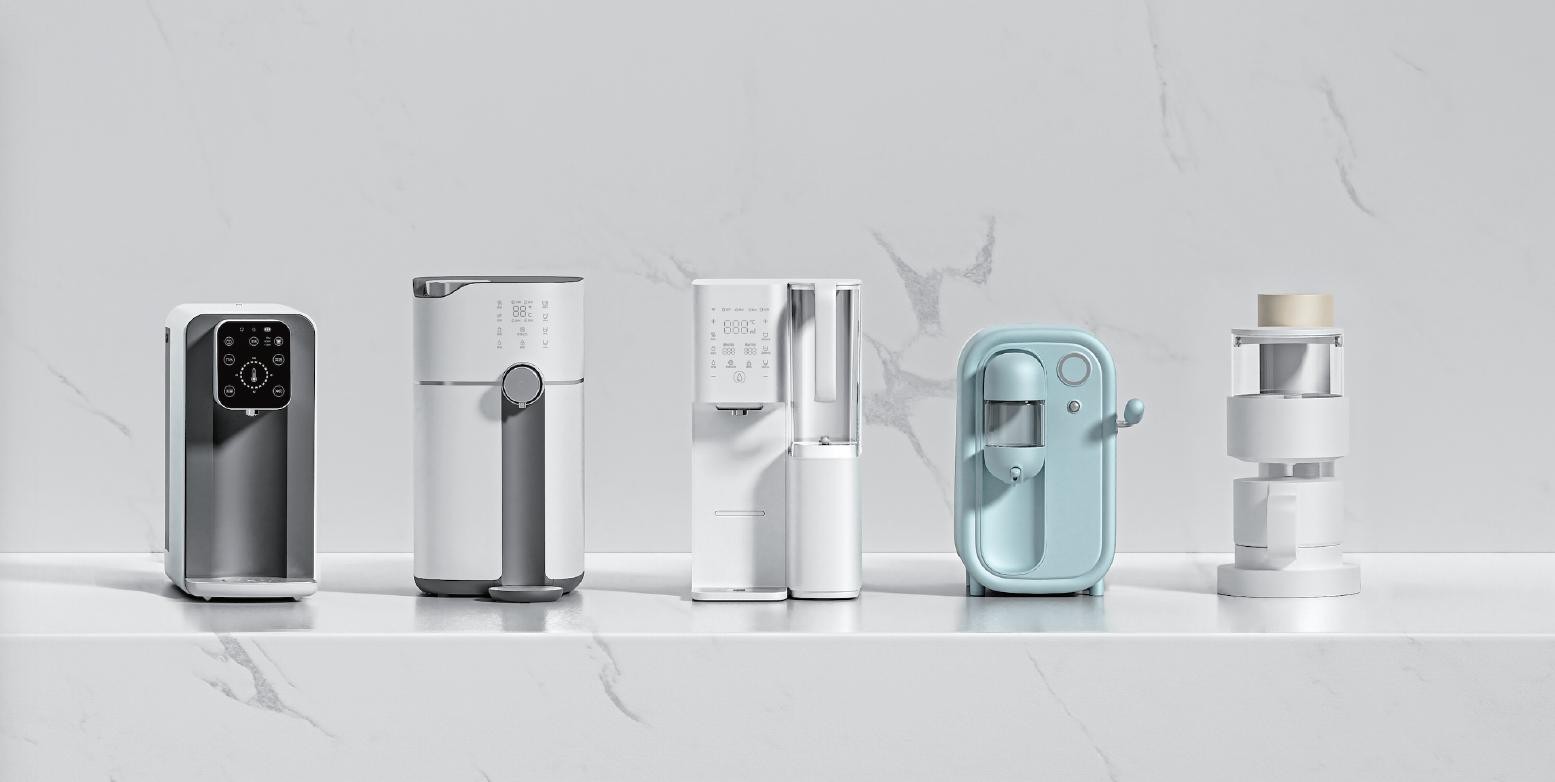
Whether you're a homeowner or a business, selecting the right purifier comes down to a few key considerations:
- Assess Your Needs: For homes, consider family size, kitchen space, and desired features (e.g., instant hot water for baby formula). For businesses, identify your target market, desired features, and branding goals.
- Understand the Technology: Decide between the comprehensive purification of RO (Philips, HisoAir) or the mineral-retaining properties of Nanofiltration (Wells, Cuckoo).
- Prioritize Certifications: Look for trusted third-party certifications like NSF to validate a product's performance claims. This is crucial for both consumer trust and B2B compliance.
- Consider Long-Term Costs: Factor in the frequency and cost of filter replacements, as this significantly impacts the total cost of ownership.
- For Businesses - Choose the Right Partner: For D2C brands, partnering with an experienced OEM/ODM manufacturer like HisoAir is the most critical step. A reliable partner ensures product quality, supply chain stability, and the technical support needed to build a successful brand.
The Final Word
The Singapore water purifier market offers a wealth of options, from design-forward statement pieces to practical, high-value systems. For consumers, brands like Wells and Hydroflux lead in innovation and style, while Sterra and Cosmo provide excellent features at an accessible price. For businesses aiming to make their mark, the path to success lies in partnering with a manufacturing expert. With its global certifications, advanced technology, and two decades of experience, HisoAir stands ready to turn your vision into a market-leading product.
Ready to build your own line of high-performance water purifiers? Visit hisoair.com to explore OEM/ODM solutions and get a quote today.

 English
  Français
  Español
  Italiano
  Deutsch
  Português
  Русский
  العربية
  日本語
日本語  한국어
한국어  Tiếng Việt

