S’ouvre dans un nouvel onglet
Solutions innovantes pour la qualité de l'air

Where Are SpringWell Home Water Purifiers Manufactured?

Related Products

In today’s market, understanding the origin of a product is more important than ever. For something as critical to your home and health as a water purification system, knowing where it comes from provides insight into its quality, the company’s business practices, and the value you’re receiving. SpringWell Water Filtration Systems has rapidly become a prominent name in the direct-to-consumer (D2C) space, known for its whole-house filtration solutions and "factory direct savings".

But a simple question—"Where are they made?"—uncovers a complex and fascinating story about modern manufacturing, global supply chains, and the strategic evolution of a brand. This article provides a comprehensive answer, moving beyond the label to give B2B and D2C clients a transparent look at how a SpringWell system comes to be.

The Official Answer: Assembled in the USA

SpringWell is clear and consistent in its official messaging. Across its product lines, from whole-house carbon filters to well water systems, the company states that its "Water systems are designed, assembled, and packaged in the U.S.A.". The physical hub for these activities is the company's headquarters and primary facility located at 2381 Mason Avenue in Daytona Beach, Florida.
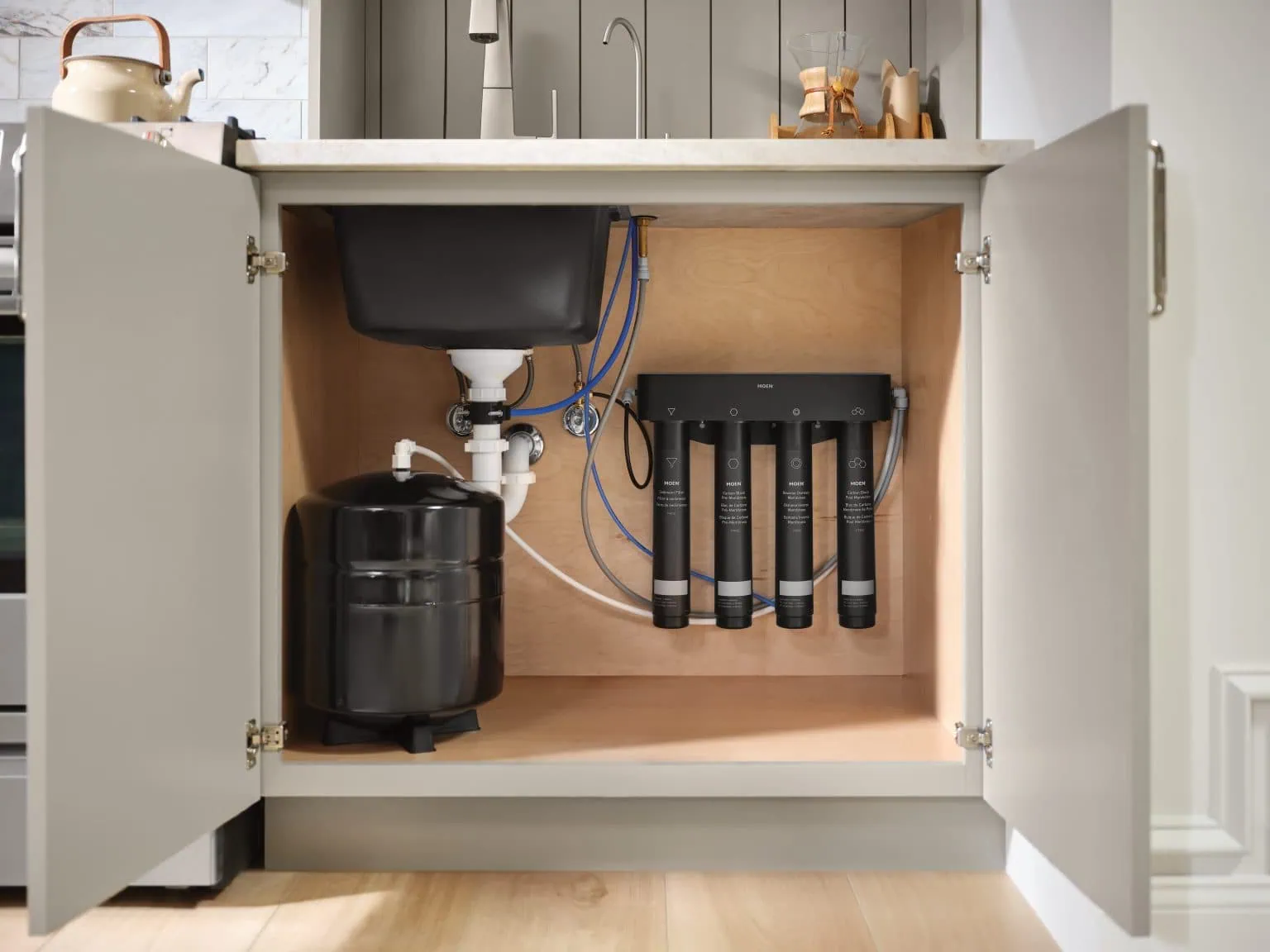
springwell home water purifiers 4

This phrasing is deliberate and legally precise. By choosing "designed, assembled, and packaged," SpringWell accurately describes the significant, value-adding work performed at its Florida facility. However, it strategically avoids the more regulated term "Made in the USA." The Federal Trade Commission (FTC) holds this label to a strict "all or virtually all" standard, meaning that all significant parts and processing must be of U.S. origin. For a complex product like a water purifier, which contains numerous specialized components, meeting this standard is often impractical.

SpringWell’s claim is an honest reflection of its operational model: the intellectual work (design), final construction (assembly), and preparation for shipping (packaging) are all domestic activities. This allows the company to maintain quality control over the finished product while leveraging a global network for its components a practice that is now the standard in most advanced manufacturing sectors.

Deconstructing the System: A Global Component Strategy

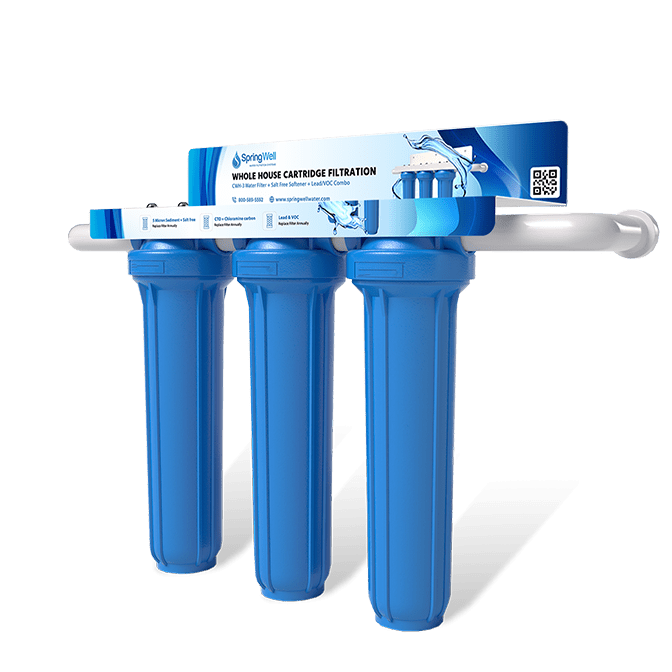
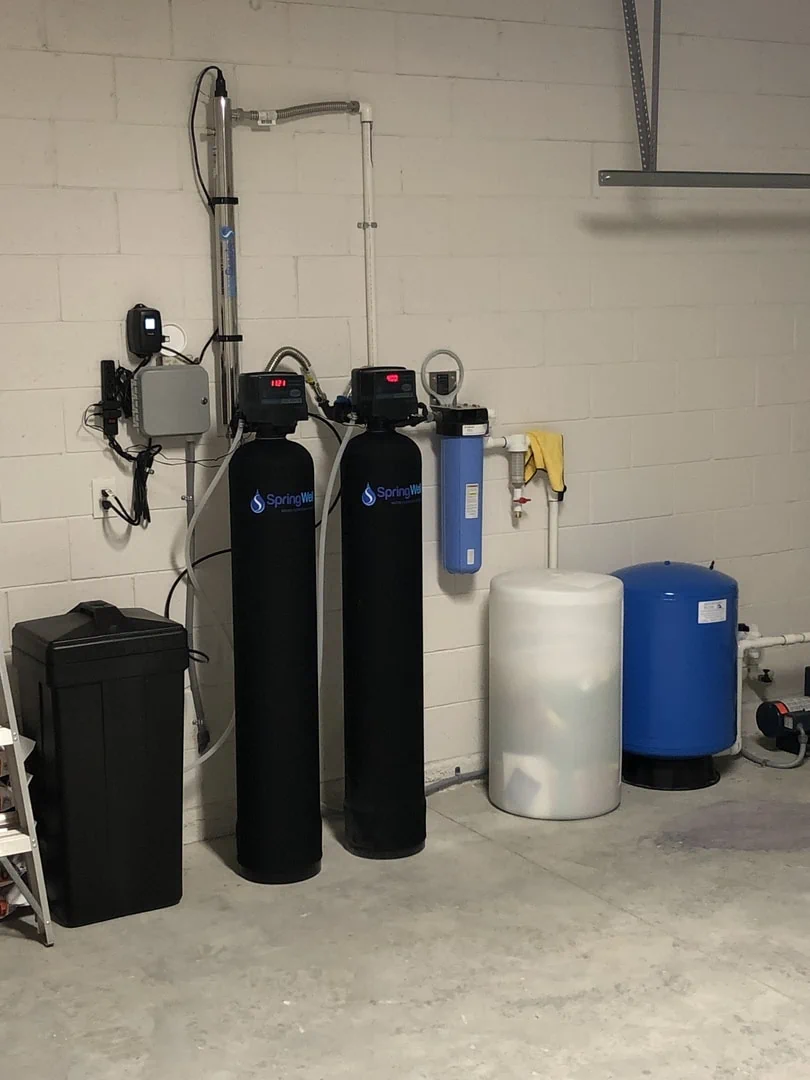
A water purifier is only as good as the components inside it. To build a high-performance system, SpringWell acts as a "system integrator," sourcing specialized parts from expert manufacturers around the world. This approach allows them to incorporate cutting-edge technology without having to become a specialist in every single raw material.
springwell home water purifiers

The Filtration Media: The Heart of the System

The most critical part of any filter is the media that removes contaminants. An analysis of SpringWell’s media reveals an inherently global supply chain.

Catalytic Coconut Shell Carbon: SpringWell promotes its use of "the highest grade coconut shell activated carbon". This premium material is the workhorse for removing chlorine, organic chemicals, and other contaminants affecting taste and odor. The raw material, coconut shells, is an agricultural commodity sourced from tropical climates where coconuts are grown commercially. The shells are then converted into activated carbon through a sophisticated industrial process. While this activation can happen anywhere, the supply chain for this core component begins, by necessity, outside of the United States.

KDF (Kinetic Degradation Fluxion) Media: Many SpringWell systems feature a KDF bed, a copper-zinc alloy that removes chlorine and heavy metals while inhibiting bacterial growth. This technology was originally developed in the U.S. by KDF Fluid Treatment, Inc.. However, the manufacturing landscape has evolved. In 2023, KDF was acquired by Kymera International, a global specialty materials company with facilities across the U.S., Canada, Europe, and Asia. Official NSF International listings, which certify the media is safe for drinking water, name a manufacturing facility for KDF in Velden, Germany, in addition to its U.S. location. This confirms that a key patented component is produced within a multinational framework.

Greensand Media: The well water systems use greensand to remove iron, manganese, and hydrogen sulfide. This is a naturally occurring mineral (glauconite) that is processed and coated with manganese dioxide by specialized industrial mineral suppliers operating on a global scale.

The Hardware: The Body of the System

Beyond the media, the structural and electronic components also reflect global sourcing.

Polypropylene Tanks: The large, durable tanks that house the filtration media are made from polypropylene. Manufacturing these seamless pressure vessels is a specialized process, and it is common for system assemblers to source them from expert global manufacturers who can produce them to specification at a competitive scale.

Electronic Control Heads: Advanced systems feature electronic heads with Bluetooth connectivity, allowing users to monitor the system via a smartphone app. The global electronics industry is one of the most integrated in the world. The physical hardware—microprocessors, circuit boards, and screens—is overwhelmingly manufactured in East and Southeast Asia. While the software may be designed in the U.S., the hardware it runs on is almost certainly sourced from this global ecosystem.
springwell home water purifiers 2

A New Chapter: The Fortune Brands Innovations Acquisition

The most significant event in SpringWell's history occurred on February 29, 2024, when it was acquired by Fortune Brands Innovations, Inc. (NYSE: FBIN). This transaction moved SpringWell from being an independent, founder-led D2C company to a subsidiary of a major publicly traded corporation headquartered in Deerfield, Illinois.

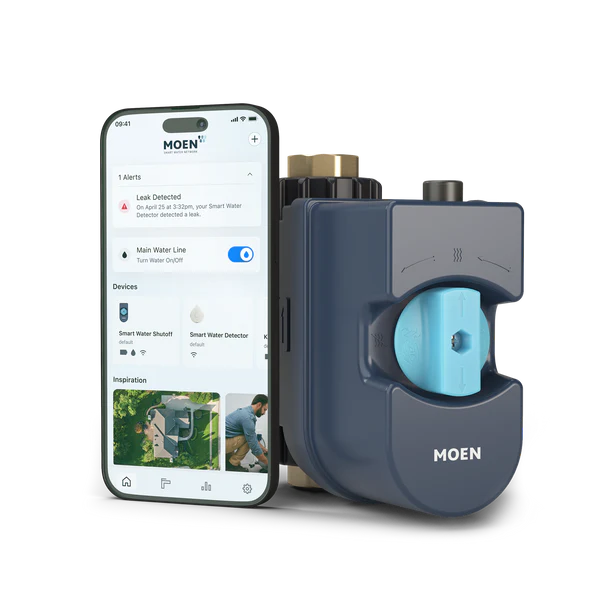
FBIN is a powerhouse in the home and security markets, managing a portfolio of trusted brands like Moen, Master Lock, Therma-Tru, and Larson. This acquisition places SpringWell within FBIN's "Water Innovations" business segment, creating a powerful synergy with Moen, one of America's most recognized plumbing brands.

This new ownership structure has profound implications for SpringWell's manufacturing and quality:

Supply Chain Integration: SpringWell's operations will now be integrated into FBIN's highly sophisticated global supply chain. FBIN’s corporate reports and recruitment for roles like "Global Sourcing Category Manager" emphasize a centralized, data-driven approach to procurement that leverages the company's massive scale. This will likely bring greater discipline and consistency to SpringWell's component sourcing.

A Push Toward Certification: One of the most notable critiques of SpringWell from independent reviewers and competitors is the distinction between its use of "certified components" and the lack of full, system-level performance certifications from organizations like NSF International. While components like KDF media are certified for material safety, the complete, assembled systems do not carry performance certifications (e.g., NSF/ANSI 53 for health contaminant reduction). For a company like FBIN, which must protect the sterling reputation of its flagship brands like Moen, this ambiguity represents a brand risk. It is highly probable that FBIN will invest the necessary resources to obtain these comprehensive system-level certifications to validate performance claims and align SpringWell with corporate quality standards.

Brand and Channel Evolution: The acquisition combines SpringWell's digital, direct-to-consumer expertise with Moen's deep knowledge of plumbing and its vast retail and trade distribution networks. This could lead to co-branded products, expanded availability in home improvement stores, and an overall evolution of the brand from a value-focused online player to a more premium offering within the broader home products market.
springwell home water purifiers 3

What This Means for B2B and D2C Clients

Understanding SpringWell's manufacturing model provides crucial context for your purchasing decisions.

The Product: You are buying a water filtration system that is the product of a modern, globalized manufacturing strategy. It is designed in the U.S. and features specialized, high-performance components sourced from experts around the world. The final, critical stage of assembly, quality control, and packaging takes place in Florida.

The Quality: The use of high-grade components is a clear strength. Independent lab tests confirm that the systems are effective at removing targeted contaminants like chlorine and iron. However, the current lack of system-level NSF performance certification means that claims for removing other contaminants rely on the manufacturer's internal data rather than independent, third-party validation. Customer experiences are polarized; while the company's website hosts thousands of 5-star reviews, independent platforms like the Better Business Bureau (BBB) show a much lower rating, with complaints often citing issues with performance consistency and customer support. This suggests that while a well-assembled unit performs well, there may be inconsistencies in quality control or post-sale service.

The Future: The acquisition by Fortune Brands Innovations is a pivotal moment. For clients, this will likely translate into a more robust and reliable product in the long term. The corporate oversight of a multi-billion-dollar company is expected to drive improvements in quality control, standardize processes, and, most importantly, lead to the pursuit of comprehensive third-party certifications.

Conclusion: A Global Product with an American Finish

So, where are SpringWell water purifiers manufactured? The most accurate answer is that they are the product of a global collaboration, with final assembly happening in the United States. SpringWell operates as a system integrator, leveraging a worldwide network of specialized suppliers to build systems that are designed, assembled, and packaged at its facility in Daytona Beach, Florida.

This model allows for the integration of advanced technologies from different corners of the globe. With the recent acquisition by Fortune Brands Innovations, the SpringWell brand is poised for a new era of corporate stewardship. Clients can anticipate a future defined by greater integration with trusted names like Moen, a stronger emphasis on supply chain excellence, and a decisive move toward the comprehensive, system-level certifications that provide the ultimate assurance of quality and performance.

Partager :
fondateur de hisoair m. lee
Alwen Lee, an air purification expert with over 10 years of experience, is a devoted father of two and a passionate traveler, having explored more than 30 countries. With a love for public speaking and swimming, he has dedicated his life to the indoor air quality industry. His mission is to ensure that people around the world enjoy the freedom to breathe clean air and lead happy, healthy lives.

Envoyez-nous un message

Plus à lire

Comparison between PFAS-ready and PFAS-certified water filters, showing internal filter components and certification steps.

PFAS-Ready vs. PFAS-Certified Water Filters: Engineering Differences for OEM Brands

For an appliance, wellness or healthy-home brand preparing to launch a water purifier, the phrase “PFAS-ready” can sound reassuring. The proposed system may use activated ...
Water Purifiers
NSF base listing and ANF private-label certification pathway for OEM water filters

What Is an NSF Master Listing? A Guide to Base Listings, ANF Certification and OEM Water Filters

For a brand preparing to launch an OEM water purifier, one of the most common supplier claims is: “We already have an NSF master listing, ...
News, Water Purifiers
Two professionals discussing a supplier evaluation checklist at a table with water purifier parts, documents, and technical drawings in a factory setting.

Water Purifier Manufacturer in China: 12 Questions B2B Buyers Should Ask

Finding a water purifier manufacturer in China is easy. Finding a factory that can support your target contaminants, certification pathway, product positioning and long-term replacement-filter ...
News, Water Purifiers
Featured image for Why Stainless Steel Water Purifiers Are Becoming the Premium Choice for Wellness Brands

Why Stainless Steel Water Purifiers Are Becoming the Premium Choice for Wellness Brands

Choose stainless steel purifiers for purity, aesthetics, and sustainability. Elevate your wellness brand with premium quality today!
News, Water Purifiers
Featured image for What Biohacking & Longevity Consumers Want in a Water Purification System

What Biohacking & Longevity Consumers Want in a Water Purification System

Discover pure, re-mineralized water systems. No plastics, complete RO, perfect for biohacking longevity. Upgrade your hydration now!
News, Water Purifiers
Featured image for How Premium Water Appliances Improve Sleep, Skin, and Daily Energy

How Premium Water Appliances Improve Sleep, Skin, and Daily Energy

Unlock better sleep, radiant skin, and energy with mineral-rich water. Discover the power of premium appliances for your ultimate wellness boost.
News, Water Purifiers
Contaminant Engineering•3 min read

PFAS Water Filtration Technologies Explained: Carbon, Resin & RO

Key Takeaway:

PFAS reduction depends on the specific compounds present, treatment media, contact time, water chemistry, and system design. Activated carbon, ion exchange, and Reverse Osmosis address PFAS through different mechanisms.

PFAS are a large family of persistent fluorinated compounds that can occur in drinking-water supplies. Their treatment behavior varies significantly by molecular structure, chain length, functional group, concentration, and the chemistry of the source water.

Granular Activated Carbon (GAC) removes PFAS primarily through adsorption. It is generally more effective for many longer-chain PFAS, while shorter-chain compounds tend to break through more quickly. Carbon performance depends on media properties, Empty Bed Contact Time (EBCT), competing organic matter, loading, and replacement frequency.

Ion-exchange resins use charged functional sites to capture many PFAS compounds. Properly selected anion-exchange media can provide high capacity and may perform better than conventional activated carbon for some shorter-chain PFAS, although performance still depends on water chemistry and competing ions.

Reverse Osmosis (RO) uses membrane separation rather than adsorption. Properly designed RO systems can provide broad reduction across many PFAS compounds as well as dissolved salts and other contaminants. Unlike carbon or resin, however, RO also produces a concentrate stream that must be managed.

No single technology should be selected from a PFAS label alone. System design should consider which PFAS compounds are present, their concentrations, required reduction targets, flow rate, media life, and the applicable third-party certification or validation requirements.

HisoAir Water Technical Series
Product Discovery•3 min read

How to Choose an Under-Sink Water Purifier for Modern Kitchens

Key Takeaway:

Match the treatment technology to your water quality first, then evaluate cabinet space, faucet configuration, flow rate, drain and power requirements, and filter replacement needs.

Choosing an under-sink water purifier starts with water chemistry. Carbon filtration is well suited to chlorine, taste, odor, and many organic contaminants, while Reverse Osmosis is more appropriate when dissolved salts, fluoride, nitrates, or broader dissolved contaminants need to be reduced.

For compact kitchens, tankless RO systems eliminate the conventional storage tank and can significantly reduce the space required under the sink. However, membrane capacity stated in GPD does not directly equal faucet flow. When comparing systems, check the actual dispensing flow rate, inlet-pressure requirement, recovery ratio, and whether a booster pump is required.

Installation architecture also matters. Many RO systems require a drain connection, electrical power, and either a dedicated drinking-water faucet or a compatible multi-function faucet. High-flow carbon systems can often connect directly to the existing cold-water line with a simpler installation, but pressure drop and available faucet flow should still be verified.

RO also removes much of the naturally occurring dissolved mineral content. Where taste or mineral balance is a priority, a post-RO remineralization stage can be added. Filter life should be evaluated by both rated capacity and local water quality rather than replacement time alone.

The right system is therefore not simply the smallest or highest-GPD model. It is the configuration that matches the target contaminants, available cabinet space, desired faucet setup, peak dispensing demand, and maintenance expectations.

HisoAir Water Technical Series
Water Quality•2 min read

What Does TDS Mean in Drinking Water? Measurement vs Contaminant Reality

Key Takeaway:

A TDS meter estimates the overall concentration of dissolved ionic substances from electrical conductivity. It cannot identify specific contaminants or determine whether water is chemically safe.

Total Dissolved Solids (TDS) refers to the combined concentration of dissolved substances in water. Most handheld TDS meters do not measure TDS directly. Instead, they measure electrical conductivity (EC) and convert that reading into an estimated parts-per-million (ppm) value.

This means a TDS reading can indicate how much dissolved ionic material is present, but not what that material actually is. Calcium, magnesium, sodium, nitrates, and other dissolved ions can all contribute to conductivity, yet a simple TDS meter cannot distinguish between them.

TDS meters are also not suitable for detecting trace contaminants such as PFAS, many VOCs, pesticides, pharmaceuticals, or disinfection byproducts. These substances may be present at concentrations far below the level needed to noticeably change electrical conductivity.

A low TDS reading therefore does not guarantee safe drinking water, and a higher TDS reading does not automatically indicate contamination. Water-treatment decisions should be based on laboratory testing for specific contaminants of concern rather than TDS alone.

HisoAir Water Technical Series
Technology Selection•2 min read

RO vs UF Water Filtration: Understanding Pore Sizes & Dissolved Minerals

Key Takeaway:

Ultrafiltration can reduce bacteria, turbidity, and suspended particles while retaining most naturally occurring dissolved minerals. Reverse Osmosis provides much broader reduction of dissolved salts and smaller contaminants.

Ultrafiltration (UF) typically uses hollow-fiber membranes with pore sizes in the approximate 0.01–0.1 micron range. These membranes physically retain turbidity, suspended solids, colloids, and many microorganisms while allowing dissolved minerals and salts to remain in the water.

Reverse Osmosis (RO) operates at a much finer separation level. Unlike UF, RO can substantially reduce dissolved ions such as sodium, calcium, fluoride, nitrates, and other contributors to total dissolved solids (TDS). This makes RO more suitable when dissolved-salt reduction is a primary treatment objective.

UF generally requires less system pressure and produces little or no continuous concentrate stream in many point-of-use configurations. RO typically requires greater pressure and produces a reject-water stream, but delivers broader contaminant reduction.

For water with acceptable TDS and mineral content, UF can be a simpler mineral-retaining treatment option. Where dissolved salts, fluoride, nitrates, or broader dissolved contaminants are a concern, RO is generally the more appropriate technology.

HisoAir Water Technical Series
Technology Selection•4 min read

Carbon Block vs Reverse Osmosis: Which Fits Your Need?

Key Takeaway:

Choose RO for dissolved inorganic salts and heavy metals; choose Carbon Block for chemical taste/odor, no wastewater, and high line-pressure flow.

Reverse Osmosis (RO) and Carbon Block filtration represent two fundamentally different treatment methods: membrane separation and adsorption. Understanding these differences helps determine which technology is better suited to a specific water-quality requirement.

Reverse Osmosis uses a semi-permeable membrane with pore sizes of approximately 0.0001 microns. It can significantly reduce dissolved inorganic contaminants such as TDS, fluoride, nitrates, and certain heavy metals. Because water must be forced through the membrane, RO systems require sufficient pressure or a booster pump and generate a concentrated wastewater stream.

Carbon Block filtration relies primarily on adsorption through compressed activated carbon, commonly with nominal pore sizes around 0.5–5 microns. It is highly effective for chlorine, chloramines, VOCs, taste, and odor, while allowing substantially higher direct-flow rates without producing wastewater.

From an operating perspective, Carbon Block systems are generally simpler, require less energy, and avoid the water loss associated with RO. RO involves higher system complexity and operating cost, but provides substantially broader reduction of dissolved contaminants that Carbon Block alone cannot address.

HisoAir Water Technical Series

DEMANDER UN DEVIS