
If you’ve browsed for home wellness products on Amazon or Walmart in the last few years, you’ve almost certainly encountered the URPOWER brand. Their essential oil diffusers are a dominant force in the category, boasting tens of thousands of reviews and a price point that makes them an almost irresistible impulse buy. For any business operating in the direct-to-consumer (D2C) space, the question isn't just "Where are they made?" The more valuable question is, "How have they built such a successful product line with a seemingly invisible corporate footprint?"
The simple answer is that URPOWER diffusers are manufactured in China. But that fact is merely the tip of the iceberg. The story of URPOWER is a masterclass in a lean, vertically integrated, and logistically sophisticated business model that has become the blueprint for a new generation of global e-commerce brands. By dissecting their entire operation—from corporate identity and manufacturing strategy to their trans-Pacific supply chain—we can uncover powerful lessons for any D2C business looking to compete in the modern marketplace.
Deconstructing the Brand: The Power of a "Platform-Native" Identity
One of the first things a competitor or market researcher will notice when investigating URPOWER is the striking absence of a standalone brand website. Unlike traditional brands that invest heavily in a central online hub, URPOWER exists almost exclusively within the ecosystems of major e-commerce platforms like Amazon and Walmart. This isn't an oversight; it's a core strategic decision.
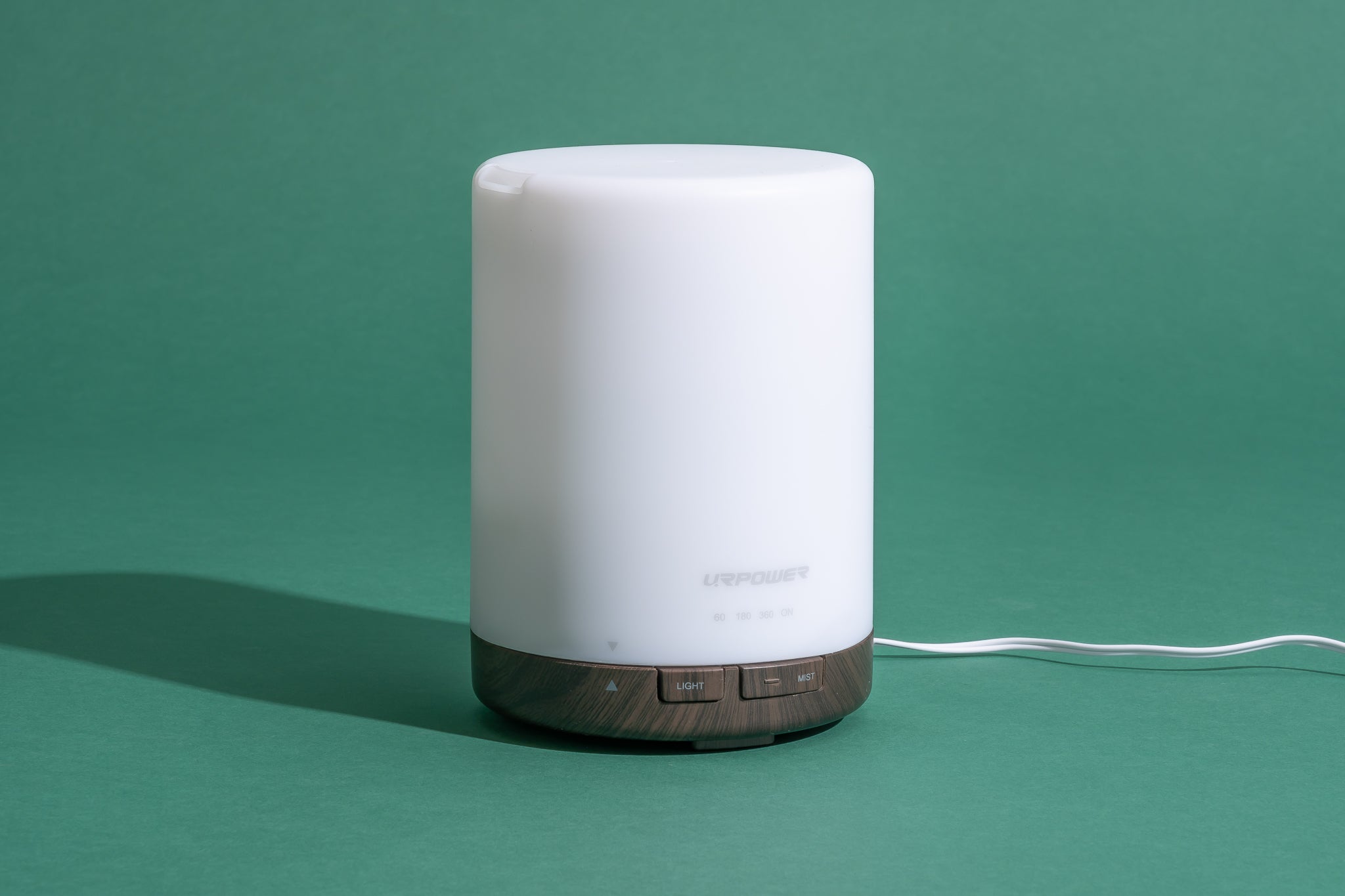
This "platform-native" approach reveals the true identity of the brand's owner. URPOWER is not a Western company that outsources its production. Instead, the brand is wholly owned and operated by its manufacturer: Shenzhen Oshinehome Appliances Co., Ltd.
Based in the manufacturing metropolis of Shenzhen, China, Oshinehome isn't just a factory-for-hire. As their corporate profile states, the company "designs, develops, manufactures and markets" its own products for a global audience. This is a crucial distinction. By controlling the entire value chain, Oshinehome eliminates layers of intermediaries, allowing them to capture the full margin from factory floor to consumer doorstep.
The strategic advantages of this model are immense:
- Zero-Cost Retail Infrastructure: By forgoing a dedicated e-commerce site, Oshinehome avoids the substantial costs of web development, hosting, payment processing, and the marketing required to drive traffic to a new domain. They leverage the immense, built-in customer base and trusted fulfillment networks of Amazon and Walmart.
- Focus on Core Competencies: This lean structure allows the company to pour all its resources into what it does best: product development, efficient manufacturing, and supply chain optimization.
- The "Ghost Brand" Effect: To the end consumer, URPOWER appears to be a standalone entity. Yet, it lacks the traditional overhead of a Western corporate headquarters, marketing teams, or domestic customer service departments. It is a market-facing identity perfectly tailored for the transactional nature of online marketplaces.
This model is so effective that the brand name itself appears to be a functional marketing tool rather than a protected piece of intellectual property. Broad searches for "URPOWER" can lead to confusion with an entirely unrelated American industrial equipment company, United Rentals, a false positive that highlights the tactical nature of the brand's naming strategy.
The Epicenter of Production: Why Shenzhen is the Secret Sauce
To truly understand the URPOWER value proposition—a feature-rich electronic device for \$20-\$40—you must understand the strategic importance of its manufacturing location. Shenzhen is not just a city with factories; it is the world's most concentrated and efficient ecosystem for consumer electronics production.
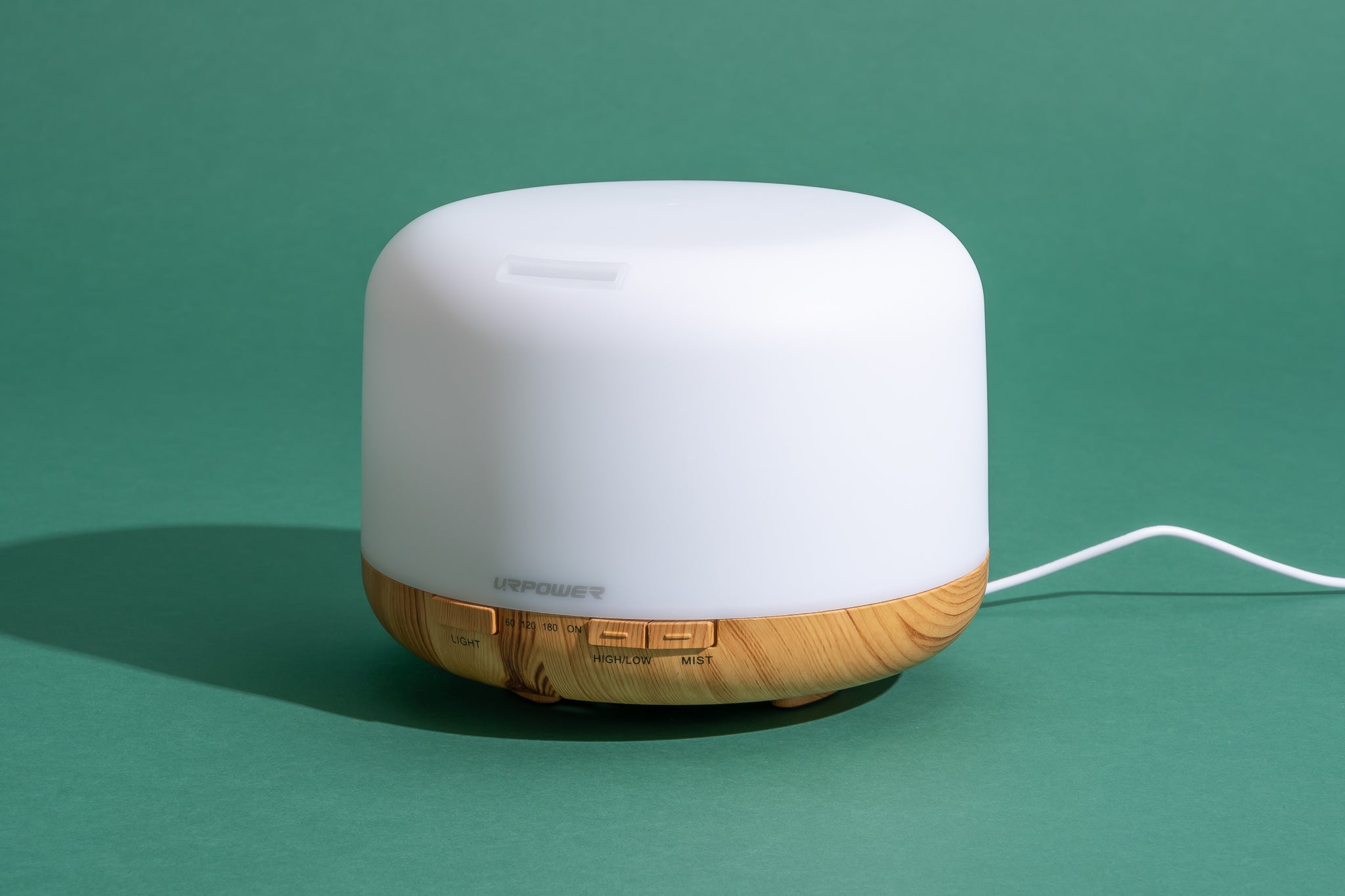
For a company like Oshinehome, being based in Shenzhen provides an unparalleled competitive advantage:
- Hyper-Concentrated Supply Chain: Every component of a URPOWER diffuser—the ultrasonic diaphragm, the LED modules, the microcontroller, and the molded "PP Hard Plastic" casing—is produced by a vast network of specialized suppliers within the city or the surrounding Pearl River Delta. This density creates intense competition, driving down component costs and accelerating the adoption of new features.
- A Mature and Competitive Industry: The manufacturing of aroma diffusers is a highly developed industry in China. A quick survey reveals numerous direct competitors to Oshinehome, all vying for market share. This fierce competition mandates extreme operational efficiency in design, production, and quality control. Oshinehome's success with the URPOWER line is a testament to its ability to thrive in this demanding environment.
- An Export-Oriented Business Framework: As one of China's first Special Economic Zones, Shenzhen's entire administrative and logistical infrastructure is built to facilitate international trade. The processes for registering an export-focused business, managing foreign currency transactions, and shipping goods from world-class ports are highly streamlined, minimizing bureaucratic friction and cost.
This combination of factors creates what can be called the "Shenzhen effect." It is this effect that makes the URPOWER diffuser's market position possible. A product with multiple mist modes, timer settings, and 7-color LED lighting can be produced and packaged at a cost that would be unimaginable in almost any other part of the world. The product's price is a direct manifestation of its manufacturing origin.
Mapping the Global Supply Chain: From Factory Floor to U.S. Doorstep
While the product is made in China, a key element of URPOWER's success in the North American market is its sophisticated, hybrid logistics model. The diffusers do not ship to individual customers from China. Instead, they follow a well-defined path designed for speed and efficiency.
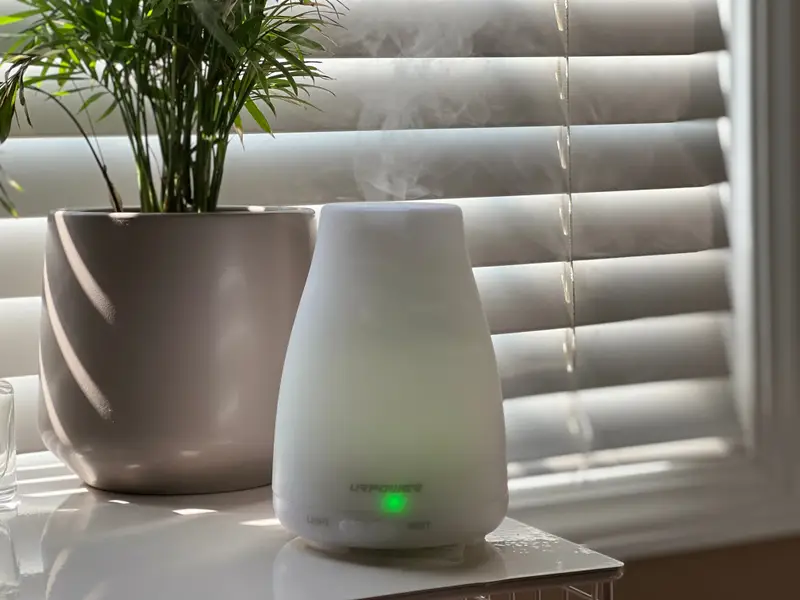
Stage 1: Manufacturing and Consolidation in Shenzhen
The process begins at the Shenzhen Oshinehome Appliances Co., Ltd. facility, where diffusers are assembled, tested, and packaged for retail sale, complete with a power adapter, measuring cup, and user manual. The finished goods are then consolidated into shipping containers for export.
Stage 2: U.S. Import to a Central Logistics Hub
This is the most critical link in the chain. Analysis of U.S. shipping manifests reveals that bulk shipments from Shenzhen Oshinehome are sent to a single consignee in the United States: Golden State FC LLC, located in Moreno Valley, California.
This is not a random warehouse. Moreno Valley is a major logistics hub in Southern California's "Inland Empire," strategically positioned to receive and process the massive volume of goods arriving through the nearby Ports of Los Angeles and Long Beach. By shipping in bulk to a U.S.-based third-party logistics (3PL) partner, Oshinehome efficiently manages customs clearance and establishes a centralized inventory depot on American soil.
Stage 3: Distribution via E-commerce Fulfillment Networks
From the Golden State FC warehouse, URPOWER inventory is fed into the fulfillment networks of its retail partners. This means leveraging programs like Fulfillment by Amazon (FBA) and Walmart Fulfillment Services (WFS). When a customer in the U.S. clicks "buy," the order is picked, packed, and shipped from a domestic warehouse, not from China. This ensures the fast delivery times (1-2 days) and easy returns that American consumers expect.
This model provides the best of both worlds: the ultra-low manufacturing costs of Shenzhen combined with the high-speed, reliable fulfillment of a domestic operation.
The "Shenzhen E-commerce Model": A Blueprint for Modern D2C
The URPOWER case study is the quintessential archetype of a disruptive business model that has reshaped global retail. This "Shenzhen E-commerce Model" fundamentally alters the traditional relationship between manufacturers, brands, and consumers.
In the old model, a Chinese factory would act as an Original Equipment Manufacturer (OEM), producing unbranded goods for a Western company. The Western brand would then handle the expensive and risky work of marketing, distribution, and retail.
The new model, perfected by companies like Oshinehome, turns this on its head. By creating their own brand and using a combination of a U.S.-based 3PL and platform fulfillment services, they bypass the entire chain of traditional intermediaries. This disintermediation allows them, the manufacturer, to capture the full retail profit margin.

For D2C businesses, understanding this model is critical. It presents both a formidable competitive threat and a powerful blueprint for success. The implications are profound:
- For the Consumer: The primary benefit is an incredibly low price. The trade-off, however, is often in longevity and customer support. The brand is built for high-volume sales, not necessarily long-term loyalty. As one reviewer candidly noted, the device is so inexpensive that "if it stops working I wouldn't mind just buying another one". This highlights a model that thrives on replacement over repair and service.
- For the Market: The success of this model is a disruptive force for established Western brands. It challenges incumbents who are burdened with the overhead of traditional corporate structures. These platform-native brands can move from concept to market with incredible speed and agility, leveraging real-time sales data to inform product development.
Conclusion: Key Takeaways for Your D2C Business
The journey of a single URPOWER diffuser—from a design file in a Shenzhen office to a hospice room in the United States—is a microcosm of 21st-century commerce. For any D2C entrepreneur or brand manager, the lessons are clear:
- Vertical Integration is Power: Controlling the process from design to final sale provides unparalleled advantages in margin and agility.
- Rethink the "Brand": A massive marketing budget and a fancy website are no longer prerequisites for success. A platform-native strategy, powered by positive reviews and platform visibility, can be incredibly effective.
- Logistics is the Linchpin: A hybrid logistics strategy that combines low-cost overseas manufacturing with high-speed domestic fulfillment is the key to winning in the U.S. market.
- The Center of Gravity Has Shifted: Manufacturers in hubs like Shenzhen are no longer just suppliers; they are direct, powerful, and sophisticated players in the global consumer market.
By understanding the intricate system behind a simple product like the URPOWER diffuser, D2C businesses can better navigate the competitive landscape and build more resilient, efficient, and profitable operations for the future.



 English
  Français
  Español
  Italiano
  Deutsch
  Português
  Русский
  العربية
  日本語
日本語  한국어
한국어  Tiếng Việt

