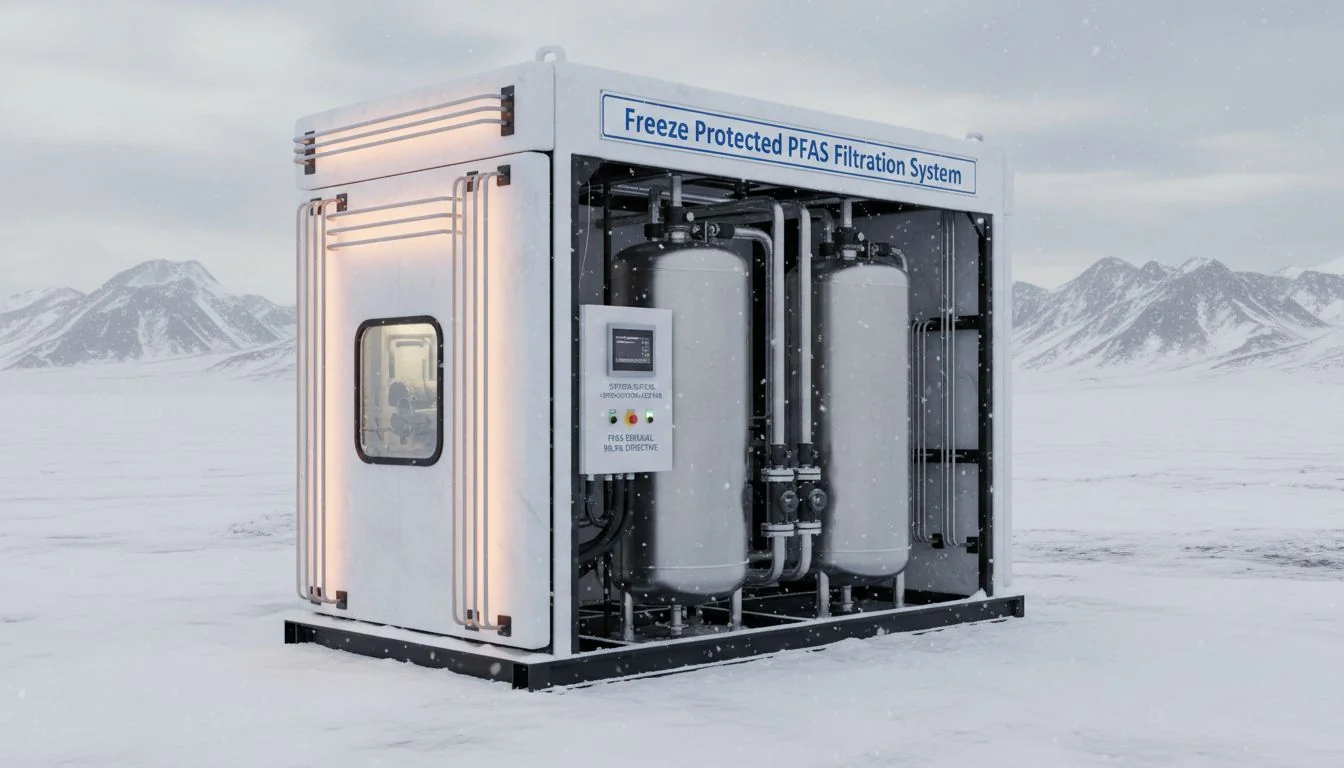
Freezing temperatures destroy expensive water filters. You lose money and time when pipes burst. I will show you how to protect your PFAS filtration systems in extreme cold.
A freeze-protected PFAS filtration system1 uses insulated enclosures, heat tracing, and self-draining pipes. These engineering choices stop water from freezing inside the filter housings. You must select cold-resistant materials and plan proper drainage to keep remote water systems running safely during winter.
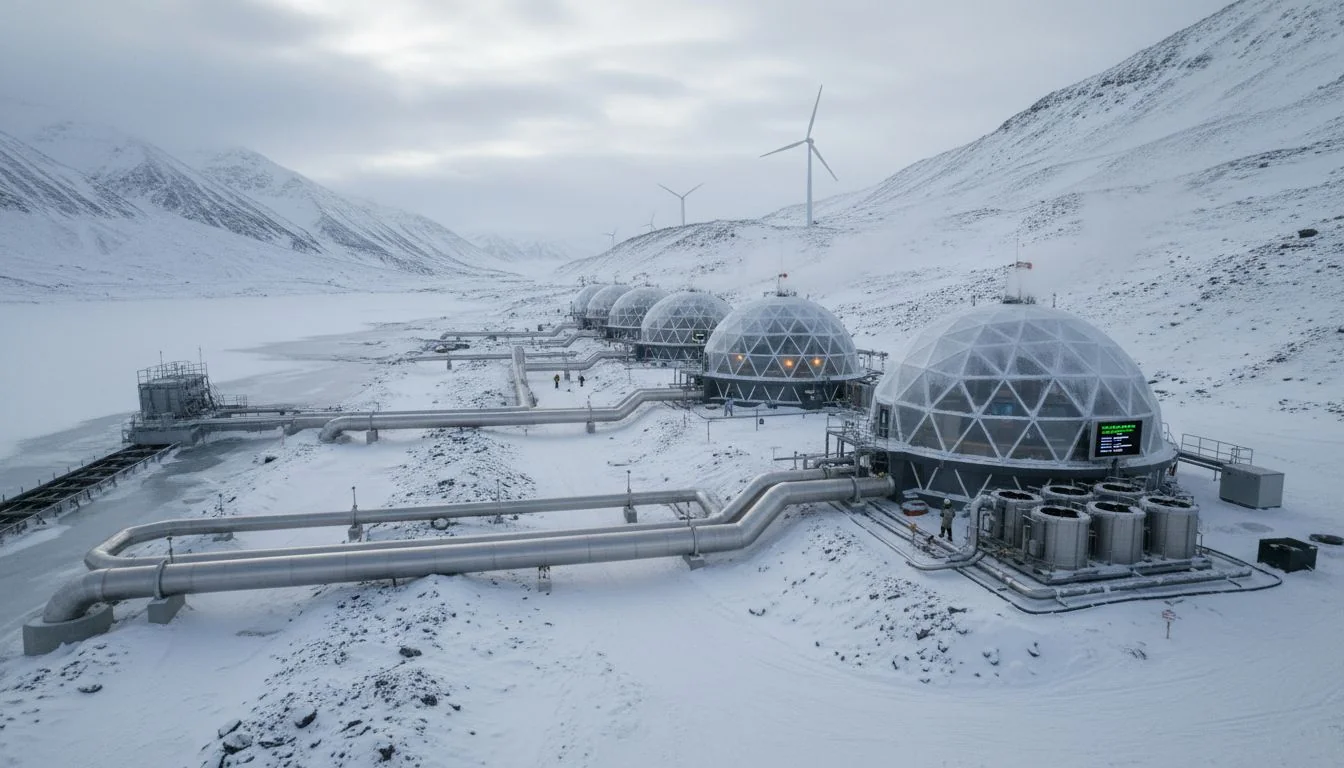
I learned about cold-weather engineering the hard way. Years ago, a client in Canada asked me to help design plastic housings for an outdoor water system. We did not think about the freezing point of the water inside. The plastic cracked during the first winter storm. That failure taught me a big lesson. Now, I always look at the thermal limits of every material. Let us look at how you can build a reliable system that survives the winter.
PFAS filtration systems do not need insulation if the water keeps moving.False
Moving water can still freeze in extreme cold if the heat loss is greater than the heat input.
Heat tracing cables prevent pipes from freezing in cold climates.True
Heat tracing provides direct thermal energy to pipes and valves to keep water above freezing temperatures.
Why Do Cold Climates Create Special Design Requirements?
Standard water filters fail in the snow. You cannot use normal designs in remote northern towns. You must engineer the system for sub-zero survival.
Cold climates require special design rules because water expands when it freezes. This expansion creates massive pressure. You must design the system to handle thermal shock, prevent ice blocks, and maintain the flow of water through the PFAS filter media.
The Physics of Freezing Water
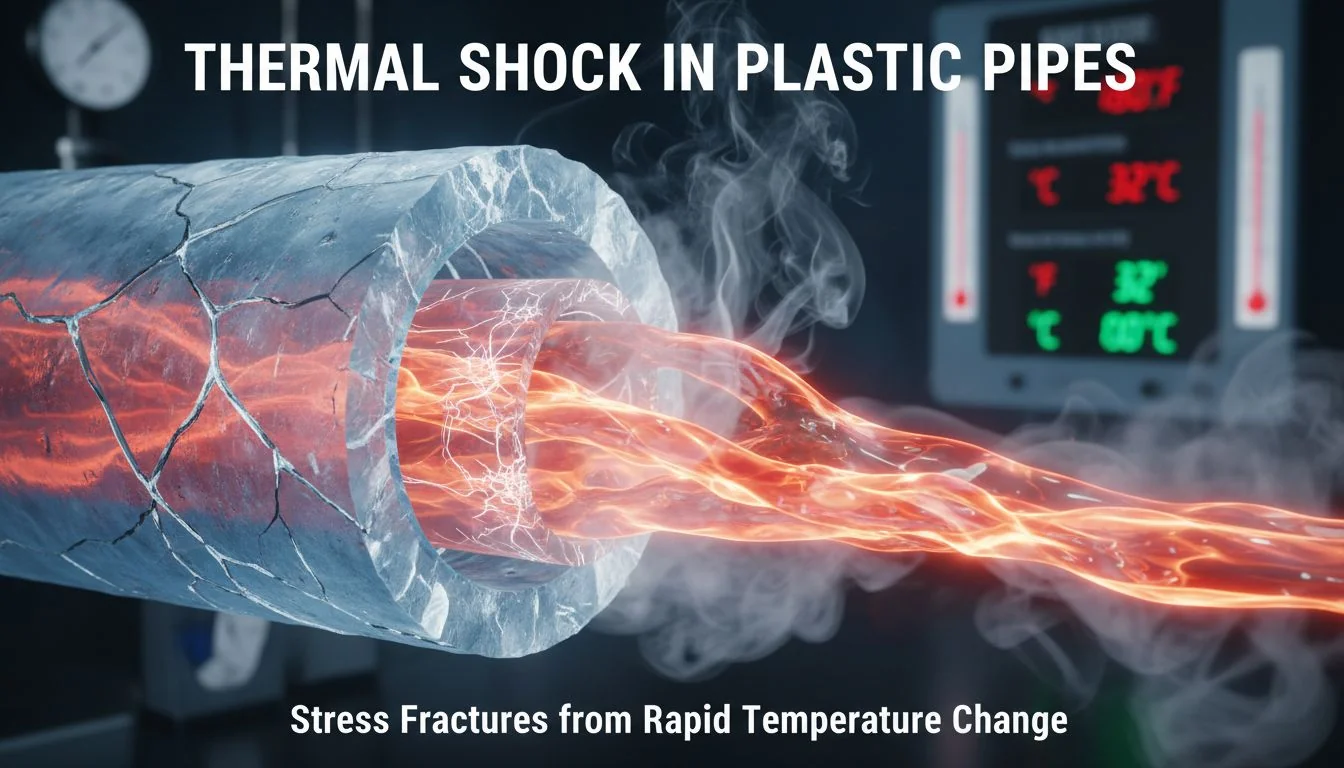
Water acts differently than most liquids. It expands by about nine percent when it turns into ice. This expansion pushes against the walls of pipes and filter housings. I see many designers forget this basic rule. They choose standard PVC pipes. The PVC becomes brittle in the cold. The ice expands, and the PVC shatters. You must think about material science here.
Material Selection for Cold Weather
You need materials that stay tough at low temperatures. High-density polyethylene (HDPE) is a great choice. It flexes instead of breaking. Stainless steel is also good, but it costs more. As a mold designer, I always check the cold-weather impact strength of my plastics. You should do the same for your filtration parts.
| Material | Cold Weather Performance | Cost | Best Use Case |
|---|---|---|---|
| Standard PVC | Poor (Becomes brittle) | Low | Indoor only |
| HDPE | Excellent (Flexible) | Medium | Outdoor pipes |
| Stainless Steel | Excellent (Strong) | High | High-pressure housings |
You must match the material to the environment. Remote communities cannot easily get replacement parts. Your design must work the first time.
Standard PVC is the best material for outdoor winter plumbing.False
Standard PVC becomes very brittle in freezing temperatures and breaks easily.
Water expands by about 9 percent when it freezes.True
The molecular structure of ice takes up more space than liquid water, causing a 9% volume increase.
What Are the Freeze Risks to Filtration Equipment and Plumbing?
Ice destroys expensive PFAS filter media. A frozen pipe stops the whole water supply. You must find the weak points before the winter hits.
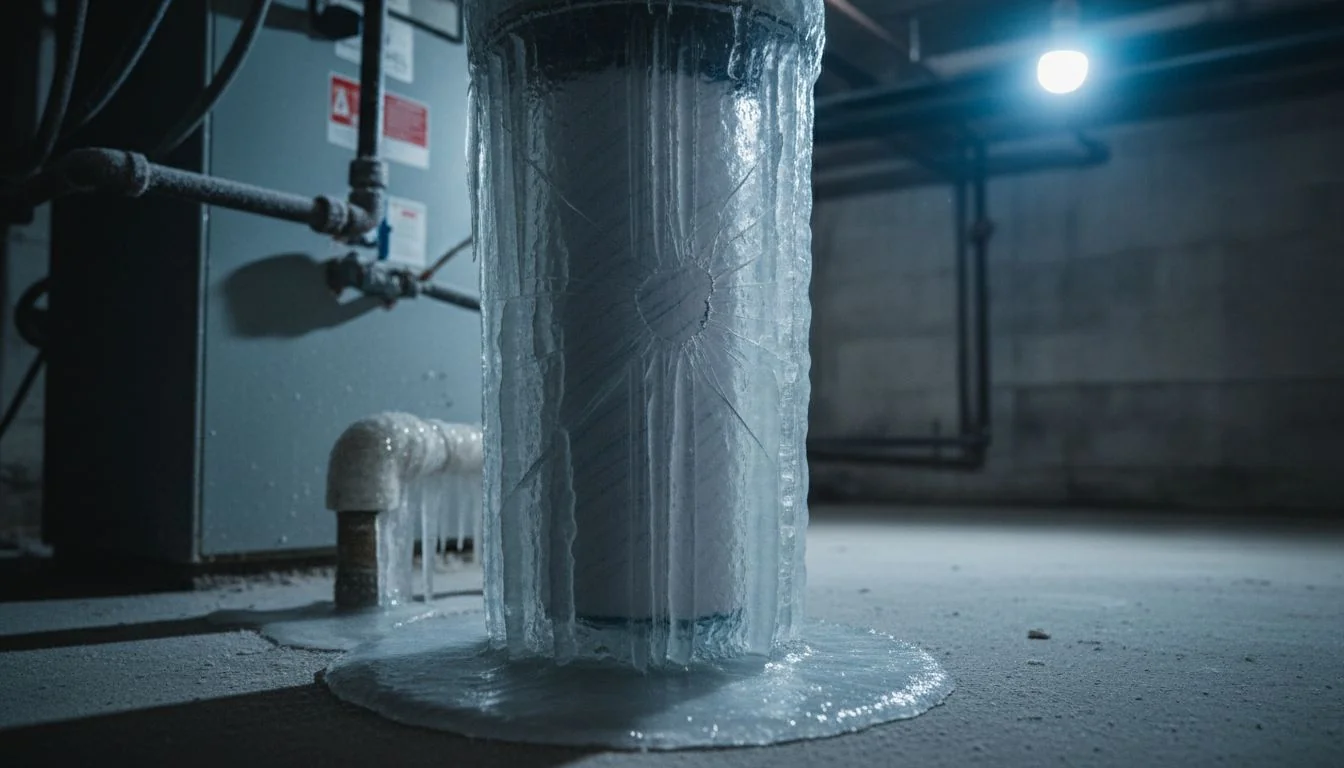
The biggest freeze risks are dead legs, exposed valves, and the filter vessels. Water sits still in these areas. Still water freezes fast. Ice damages the internal structure of the PFAS carbon filters and cracks the outer pressure vessels.
Identifying Dead Legs
A dead leg is a section of pipe where water does not flow. I always look for dead legs in CAD models. They are the first places to freeze. You must remove them from your design. If you cannot remove them, you must add drain valves.
Damage to PFAS Filter Media
PFAS filtration often uses granular activated carbon (GAC) or ion exchange resins. These materials have tiny pores. Water goes into these pores to trap the PFAS chemicals. If that water freezes, the ice breaks the carbon or resin beads. The filter becomes useless. You lose thousands of dollars.
Common Failure Points
| Component | Risk Level | Why It Fails |
|---|---|---|
| Dead Legs | High | Water does not move. |
| Sensor Ports | High | Small tubes freeze quickly. |
| Main Filter Vessel | Medium | Large volume takes longer to freeze, but damage is severe. |
You must protect the media and the plumbing. A broken sensor port can drain the whole system. You must design every small part for the cold.
Freezing water does not harm granular activated carbon.False
Ice expands inside the pores of the carbon and crushes the granules, destroying the filter.
Dead legs in plumbing freeze faster than main flow lines.True
Water in dead legs does not move, so it loses heat faster and freezes quickly.
How to Use Freeze-Protection Design Strategies and Enclosures?
Cold wind steals heat from your equipment. Unprotected filters will freeze overnight. You need smart enclosures and active heating to keep the system safe.
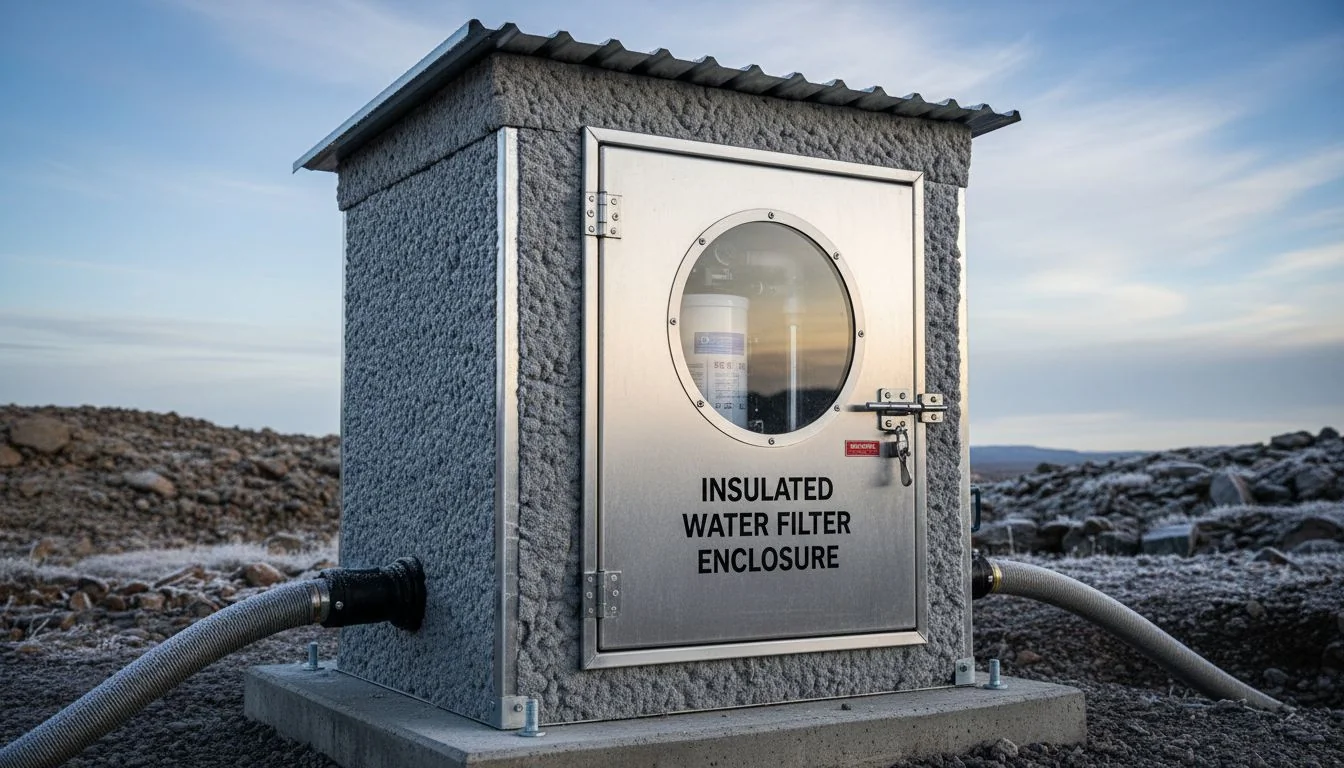
You protect the system by using insulated enclosures, heat tracing, and space heaters. The enclosure blocks the wind and holds the heat. Heat tracing cables wrap around the pipes. These strategies work together to keep the water temperature above freezing.
Designing the Enclosure
You cannot just put a box over the filter. The enclosure needs thick insulation. I recommend polyurethane foam panels. They offer high thermal resistance. You must also seal all the gaps. Cold air leaks will defeat your heaters. I learned this when designing mold cooling systems. You must control the thermal environment completely.
Active Heating Systems
Insulation only slows down heat loss. You still need to add heat. Heat tracing cables are great for pipes. You wrap them around the pipe under the insulation. For the main filter vessels, you can use silicone heating blankets.
| Heating Method | Target Area | Power Source |
|---|---|---|
| Heat Trace Cable | Pipes and valves | Electrical |
| Silicone Blanket | Filter vessels | Electrical |
| Space Heater | Inside enclosure | Electrical |
Fail-Safe Drainage
What happens if the power goes out? Remote communities lose power often. You must design a fail-safe drain system. If the temperature drops too low, an automatic valve should open. This valve drains the water before it freezes. An empty pipe cannot freeze.
Insulation alone will keep pipes from freezing forever.False
Insulation only slows heat loss. Without an active heat source, the water will eventually freeze.
An automatic drain valve protects systems during power outages.True
Draining the water removes the freeze risk entirely when heaters cannot run.
What Are the Rules for Siting and Installation in Cold-Climate Conditions?
A bad installation location ruins a good design. Placing the system in the wind makes it freeze faster. You must choose the site very carefully.
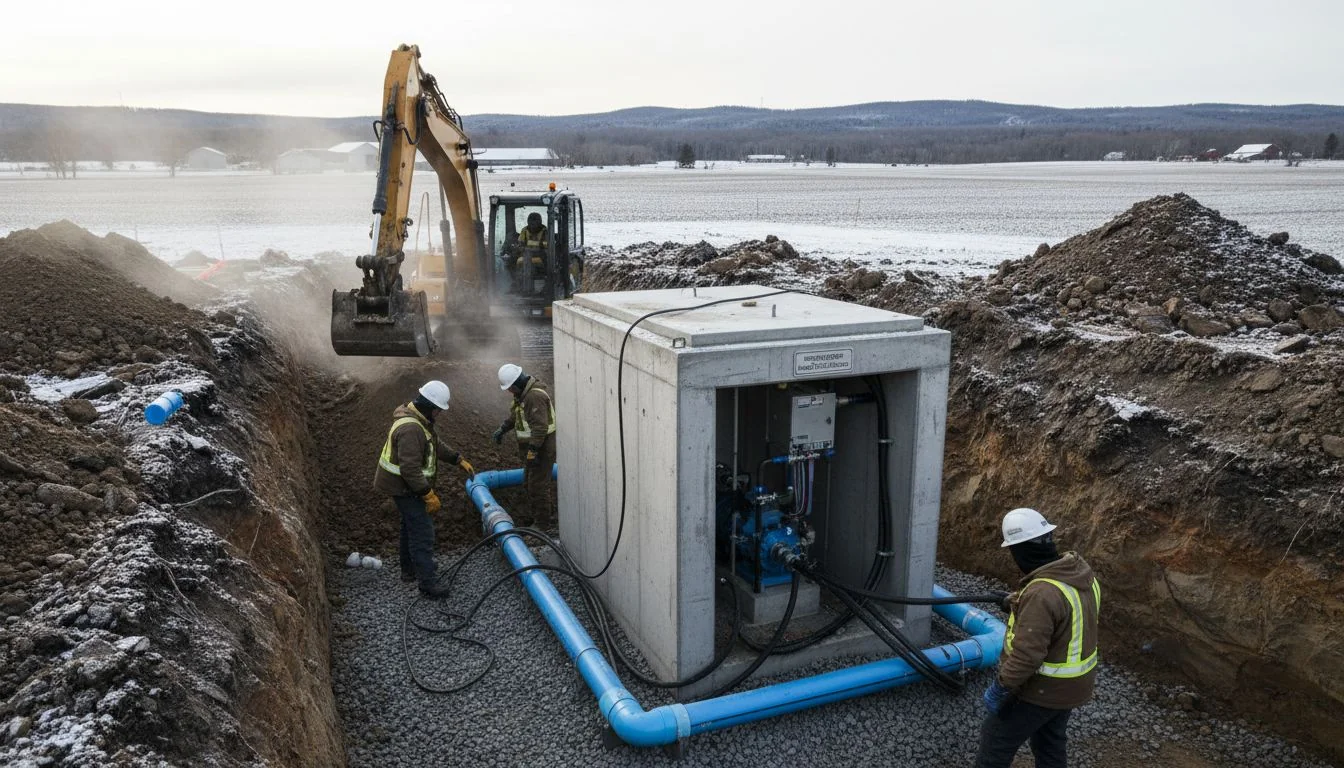
You must install the filtration system below the frost line or inside a heated building. If you must install it outside, place it behind a windbreak. You should face the access doors away from the winter wind to protect the workers and the equipment.
Understanding the Frost Line
The frost line is the depth where the ground stops freezing. In Canada, this can be very deep. You must bury your main water lines below this line. Earth is a great natural insulator. I always check local soil data before I approve a site plan.
Wind Protection
Wind chill removes heat very fast. We call this convective heat loss. You must block the wind. You can use existing buildings or build a fence.
Site Selection Checklist
| Factor | Good Choice | Bad Choice |
|---|---|---|
| Ground Depth | Below frost line | Above frost line |
| Wind Exposure | Behind a solid wall | Open field |
| Sun Exposure | South-facing (gets sun) | North-facing (in shadow) |
Foundation Design
The ground moves when it freezes and thaws. This movement is called frost heave. Frost heave can break your pipes. You must put your enclosure on a deep concrete pad. The pad must go below the frost line. This keeps the equipment stable all year.
Wind chill does not affect inanimate objects like pipes.False
Wind increases the rate of convective heat loss, making pipes freeze much faster.
Burying pipes below the frost line prevents them from freezing.True
The earth below the frost line stays above freezing temperatures year-round.
How to Ensure Maintenance and Reliability Through Winter Operation?
Winter maintenance is hard and dangerous. Parts break, and workers cannot fix them in the snow. You must design the system for easy winter service.
You ensure reliability by using remote monitoring sensors and easy-to-reach parts. Workers must be able to change filters while wearing thick gloves. You should use quick-disconnect fittings instead of small screws. Remote sensors tell you if the heaters fail before the pipes freeze.
Designing for Gloved Hands
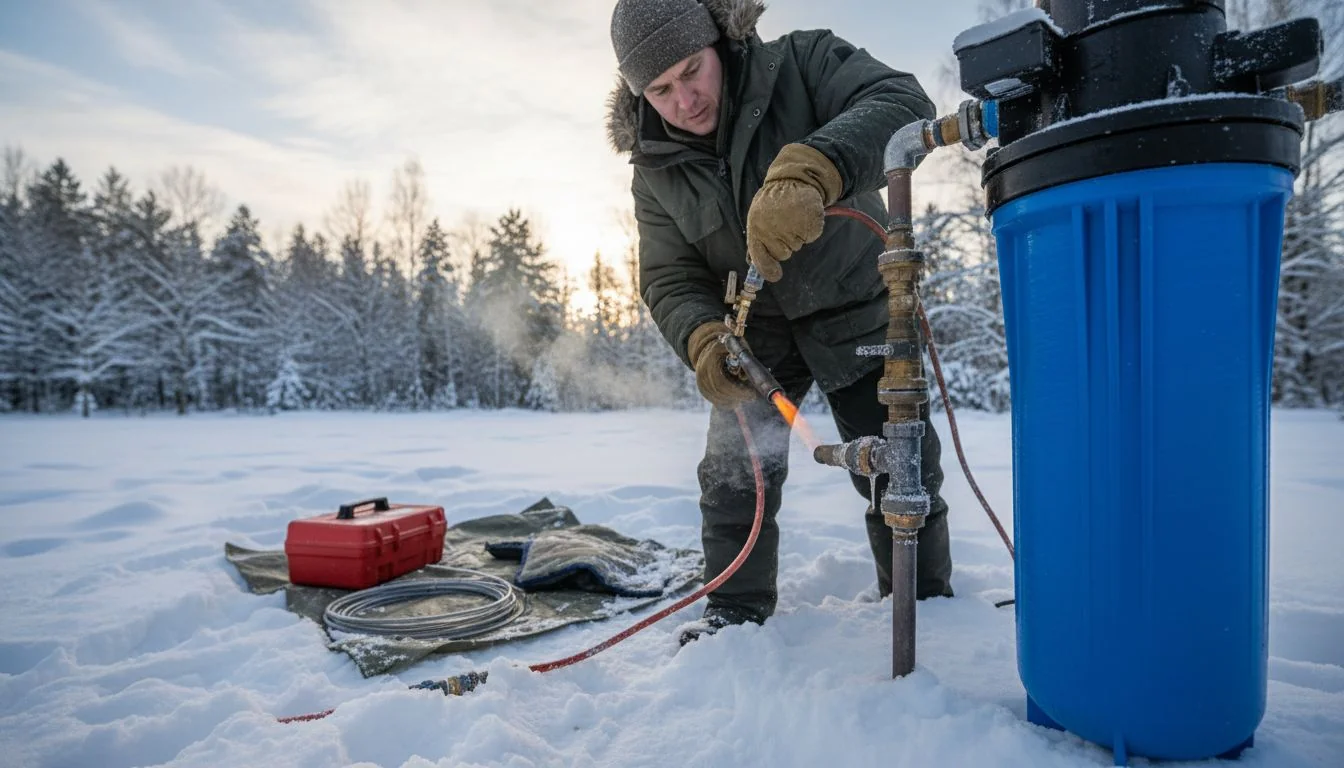
I design plastic parts for a living. I know that small buttons are bad. In winter, operators wear heavy gloves. They cannot turn tiny knobs. You must use large levers and big handles. You must use quick-disconnect fittings for the pipes. This saves time and keeps the workers safe from the cold.
Remote Monitoring Systems
You cannot send a person to check the system every day. You need sensors. You must measure the water temperature, the air temperature inside the box, and the water pressure.
| Sensor Type | What It Measures | Why You Need It |
|---|---|---|
| Thermocouple | Water temperature | Warns you before freezing starts. |
| Pressure Transducer | Water pressure | Shows if ice is blocking the flow. |
| Current Sensor | Heater power | Tells you if the heat trace cable is broken. |
Winter Spare Parts
You must keep spare parts on site. Remote roads close in the winter. You cannot wait for a delivery. Keep extra filter media, spare valves, and extra heat trace cables inside a warm building nearby.
Small screws are the best fasteners for outdoor winter equipment.False
Small screws are impossible to handle with heavy winter gloves and easily drop in the snow.
Remote temperature sensors can prevent catastrophic freezing failures.True
Sensors send alerts when temperatures drop, allowing operators to fix heaters before ice forms.
What to Specify for Cold-Climate Projects?
Vague project plans lead to frozen systems. If you do not write exact rules, contractors will use cheap parts. You must specify every cold-weather detail clearly.
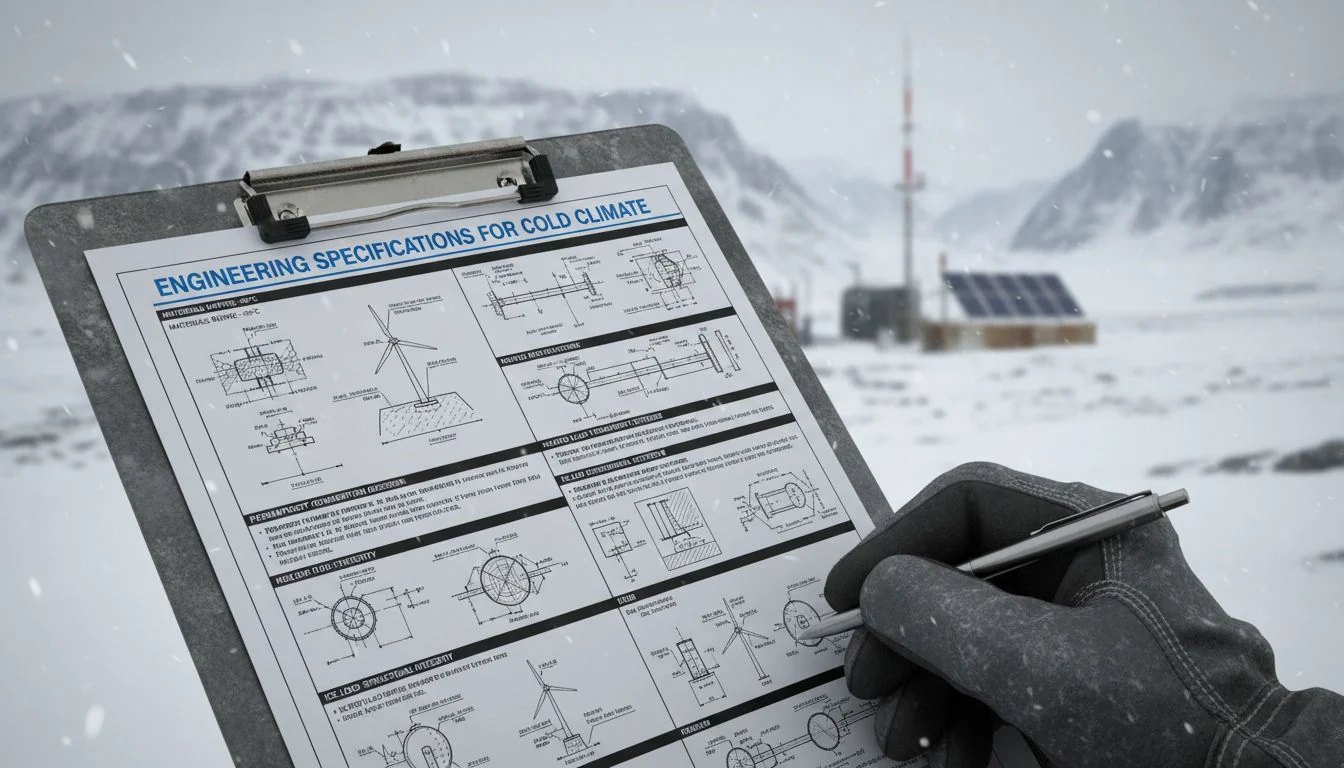
You must specify the exact insulation R-value, the heat trace wattage, and the cold-weather material grades. You should demand automatic drain valves and remote temperature alarms. Clear specifications force the builders to use the right parts for extreme cold environments.
Writing Clear Material Specs
Do not just write "plastic pipe." You must write "HDPE pipe rated for -40 degrees." As a mold designer, I know that material grades matter. A cheap plastic looks the same as a good plastic, but it fails in the cold. You must be strict.
Specifying the Heating System
You must calculate the heat loss. Then, you specify the exact heater size. You must also specify a backup power source.
Key Specification Checklist
| Category | What to Specify | Example |
|---|---|---|
| Insulation | Minimum R-value | R-30 closed-cell foam |
| Heating | Watts per foot | 5 W/ft self-regulating heat trace |
| Controls | Alarm setpoints | Low temp alarm at 4°C (39°F) |
Testing Requirements
You must demand a factory acceptance test (FAT). The builder must test the heaters and the alarms before they ship the system. You do not want to find a wiring mistake when the system is sitting in the snow. Test everything in the warm factory first.
Any type of plastic pipe is fine for cold climate water systems.False
Many plastics become brittle and shatter in cold weather; you must specify cold-rated materials like HDPE.
A factory acceptance test helps find electrical problems before winter installation.True
Testing in a controlled factory environment ensures all heaters and sensors work correctly before shipping.
Conclusion
Designing freeze-protected PFAS filtration requires smart material choices, thick insulation, and active heating. You must plan for extreme cold to keep remote water systems safe and reliable all winter.
References
-
Explore how these systems prevent freezing and ensure reliable water filtration in extreme cold. ↩



 English
  Français
  Español
  Italiano
  Deutsch
  Português
  Русский
  العربية
  日本語
日本語  한국어
한국어  Tiếng Việt
