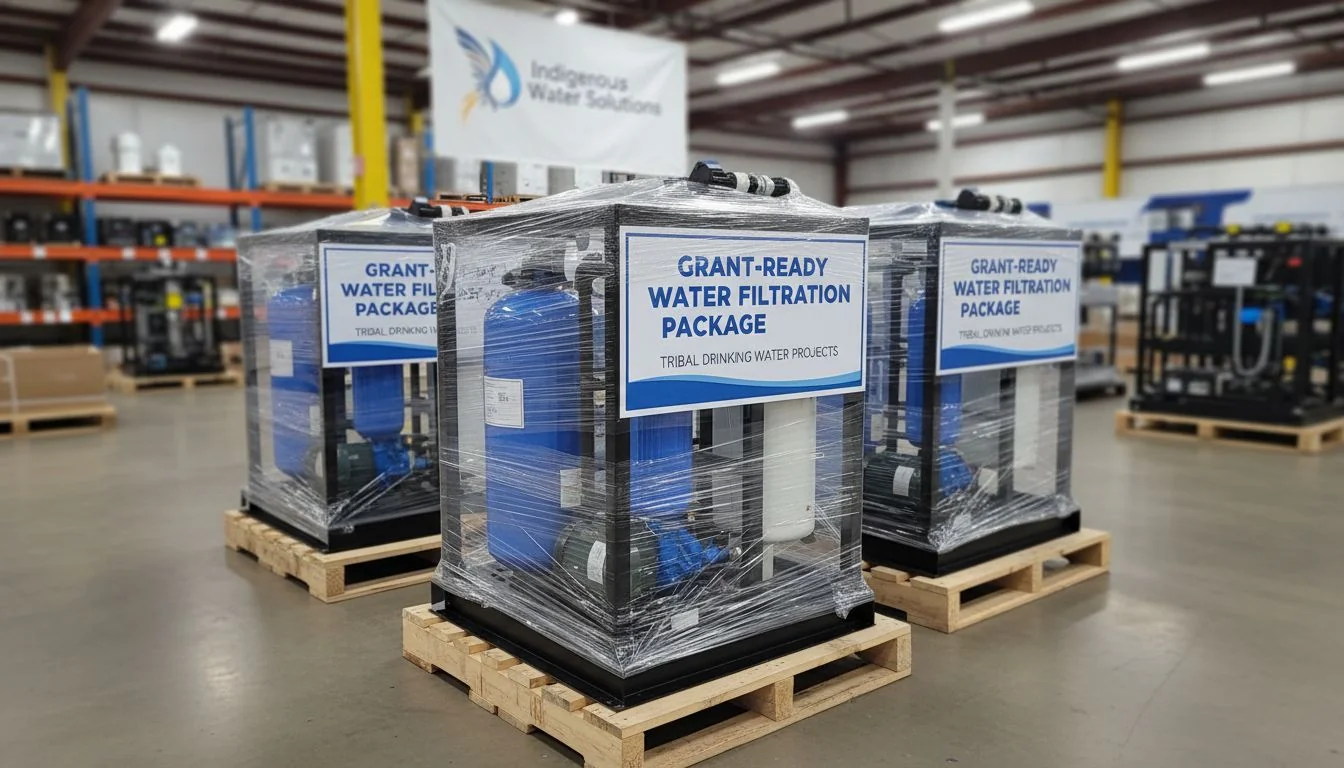
Struggling to get water filtration projects1 funded? Missing documents can ruin your chances. I will show you how to build a complete package that meets strict grant requirements.
A grant-ready water filtration package includes detailed technical specifications2, accurate budgets, long-term maintenance plans, and compliance documents. Having these ready does not guarantee funding. It ensures your application is complete and meets the strict review criteria of major funding agencies.
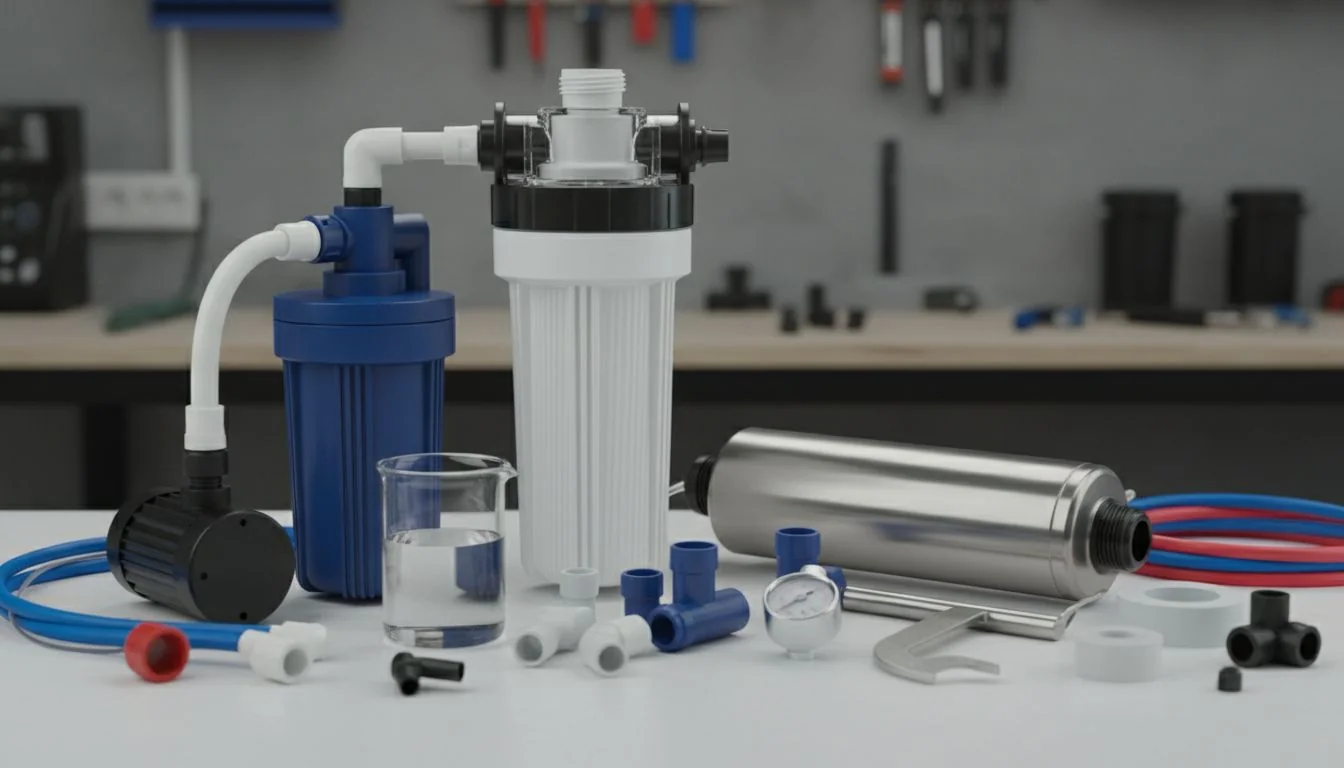
I started my CNC and mold trading company years ago. I learned quickly that great design is only half the battle. You want your manufactured filtration components used in Tribal water projects. You must understand the paperwork. Let us look at how to prepare these packages properly.
Having a complete document package guarantees grant funding approval.False
A complete package is required for review, but funding depends on agency budgets and project priorities, not just paperwork.
Tribal water projects often require detailed technical specifications for funding applications.True
Funding agencies need exact specifications to verify that the proposed filtration systems meet safety and engineering standards.
How Does Grant Funding Shape Tribal Water Projects?
Are tight budgets stopping your water infrastructure plans? Without proper funding, essential upgrades stall. You must understand how grants shape these projects. This helps you plan better.
Grant funding dictates the scale, timeline, and technical requirements of Tribal water projects. It requires communities and engineers to align system designs with agency goals. This ensures every filtration unit meets strict safety standards before construction begins.

The Impact of Funding on Design Choices
I design plastic components for water systems. I always look at the end goal. Grant funding changes how we approach these designs. It forces us to think about long-term durability and exact costs. Funding agencies want to see lasting results. They do not just hand out cash. They require a clear plan. You must prove your design works.
Balancing Cost and Quality
You must balance the cost of manufacturing with the quality of the filtration system. Cheap materials cause the system to fail. Expensive materials break the grant budget limits. Good mold design helps here. We optimize the parts to keep costs down. We keep quality high at the same time.
| Project Phase | Grant Requirement | Design Action |
|---|---|---|
| Planning | Cost estimates | Provide accurate quotes for molded parts |
| Design | Technical standards | Ensure CAD models meet agency specs |
| Execution | Compliance tracking | Keep material certificates on file |
Grants shape the entire process. They make us better planners. They make us more careful designers.
Grant funding allows project managers to ignore technical standards.False
Grants actually enforce strict technical standards to ensure the money is spent on safe and effective systems.
Funding agencies require clear plans for long-term durability.True
Agencies want to ensure their investment provides lasting access to clean water, requiring proof of durability.
What Are the Major Funding Sources and Eligibility Basics?
Confused by the maze of funding options? Applying to the wrong agency wastes valuable time. You need to know exactly where to look and what they require.
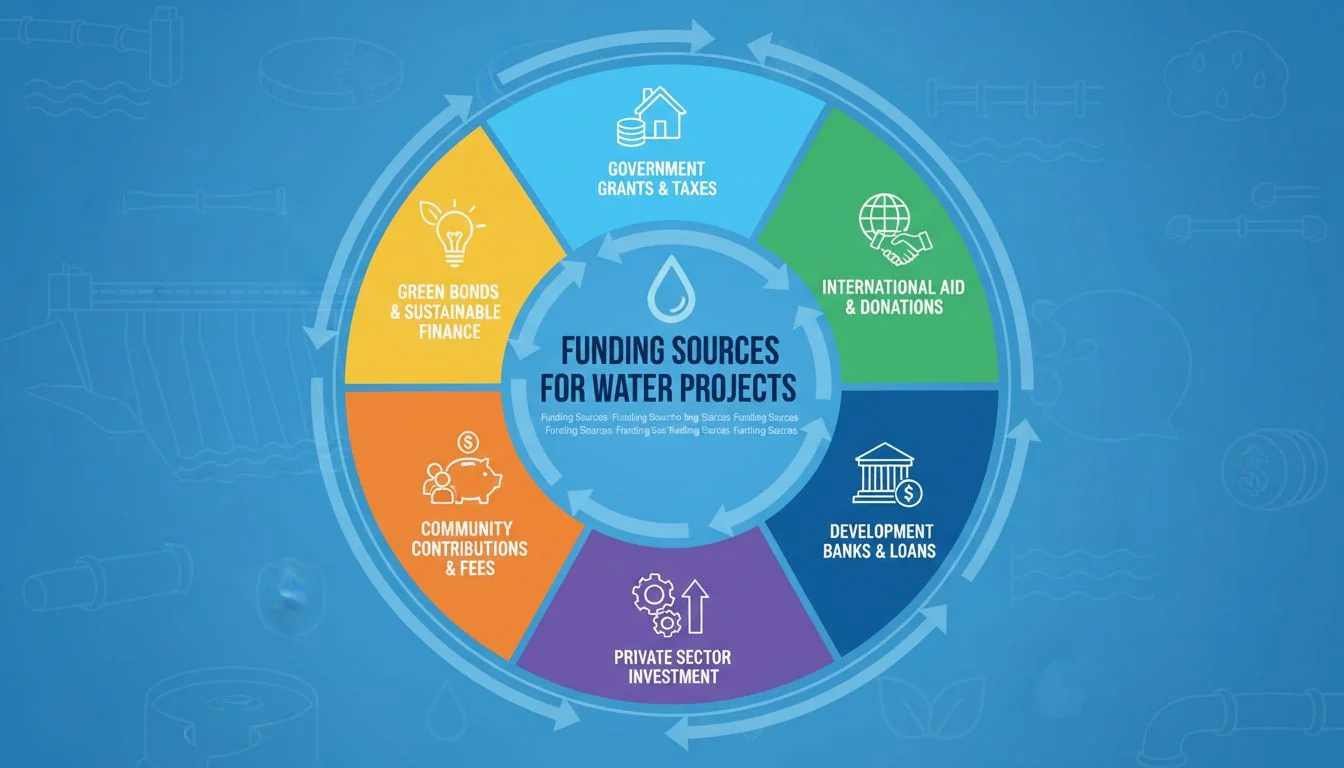
Major funding sources3 include the EPA, Indian Health Service, and USDA Rural Development. Eligibility requires proof of federal recognition, a clear demonstration of need, and a technically sound project plan. Each agency has unique rules.
Knowing Where to Apply
Finding the right grant is like picking the right steel for a mold. You choose the wrong one, and the project fails. The EPA offers grants specifically for drinking water infrastructure. The Indian Health Service focuses on sanitation facilities. The USDA helps rural areas build water systems. You must match your project to the right agency.
Understanding Eligibility Rules
Tribal communities lead these projects. They are active partners. They are not just receivers of funds. The project team must prove the system is necessary. They must prove it is well-planned. As a manufacturer, I must provide the exact specs. They need these specs to prove the system works.
| Funding Agency | Primary Focus | Key Eligibility Requirement |
|---|---|---|
| EPA | Drinking water safety | Compliance with Safe Drinking Water Act |
| IHS | Sanitation and health | Documented health impact |
| USDA | Rural infrastructure | Population size limits |
You must read the rules carefully. Missing one small detail can disqualify the whole package.
The USDA only funds projects in large urban cities.False
The USDA Rural Development program specifically targets rural areas and smaller communities.
Tribal communities must demonstrate a clear need for the water project.True
Agencies require data showing the current water challenges to justify the funding allocation.
What Makes a Filtration Package Truly Grant-Ready?
Worried your application will be rejected? Incomplete packages are the top reason for denial. A grant-ready package removes the guesswork. It gives reviewers exactly what they need.
A grant-ready package is a complete set of documents. It includes detailed engineering specifications, accurate manufacturing quotes, a clear budget, and a long-term maintenance plan. It proves the filtration system is technically viable.
The Checklist for Success
I ship a mold to a client. I always include a full manual. A grant application needs the same level of detail. You cannot just say you will build a filter. You must show how you will build it. You must list the materials. You must show the exact cost.
Proving Long-Term Viability
Reviewers want to see a maintenance plan. They need to know the system will work for years. You use plastic components. You must show the mold shrinkage rates. You must show the material strength. This proves the parts will fit perfectly. This proves they will not break easily.
| Document Type | Purpose in Application | Manufacturer Role |
|---|---|---|
| Tech Specs | Proves system works | Provide CAD drawings and material data |
| Budget | Shows cost breakdown | Give accurate, firm quotes |
| Maintenance Plan | Ensures longevity | Supply part replacement schedules |
A grant-ready package leaves no questions unanswered. It shows you are prepared. It shows you are professional.
A grant-ready package only needs a basic cost estimate.False
Agencies require detailed budgets, technical specifications, and maintenance plans, not just basic estimates.
Including a maintenance plan improves the strength of a grant application.True
Reviewers look for maintenance plans to ensure the funded project will be sustained over time.
What Documentation, Specs, and Quotes Do Grant Applications Need?
Are missing documents delaying your project? Gathering specs at the last minute causes errors. You need a clear list of required paperwork to keep the application on track.
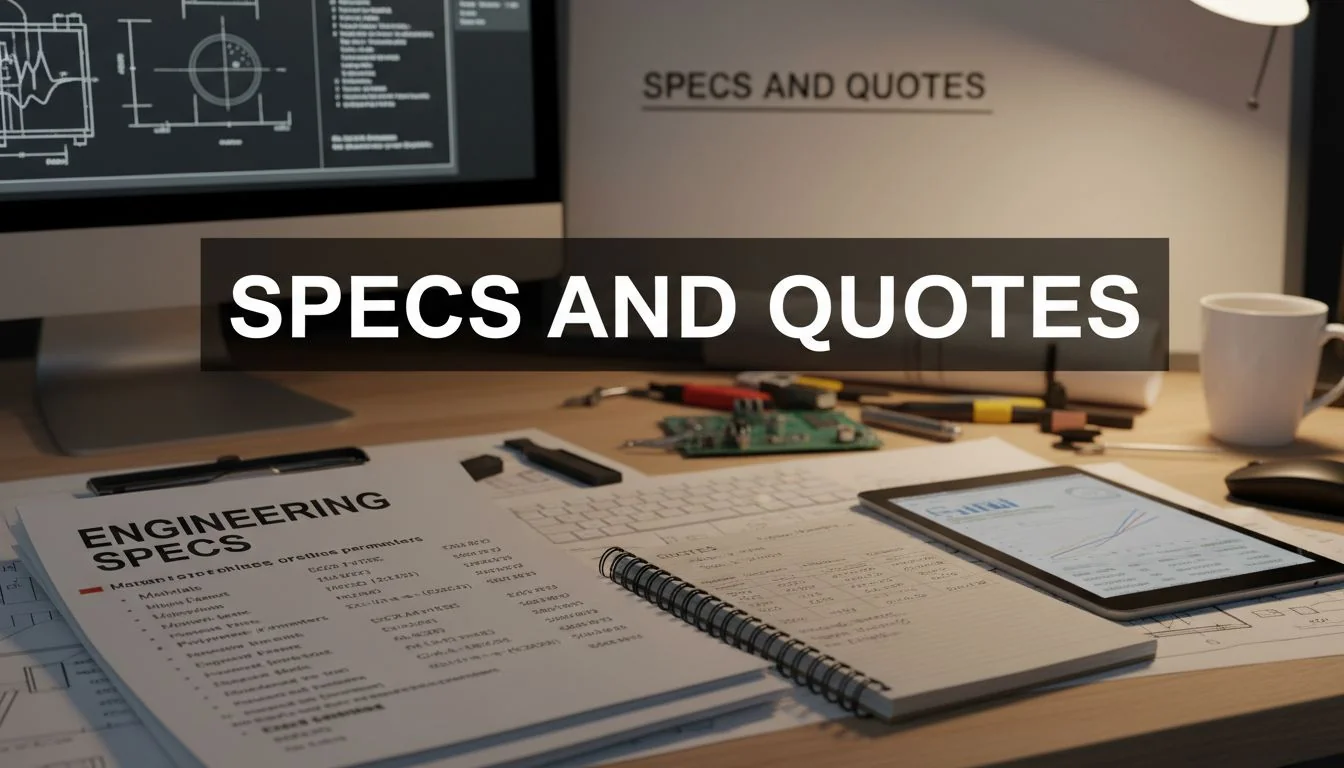
Applications require stamped engineering drawings, material safety certifications, and itemized quotes4 from suppliers. They need proof of compliance with federal standards. These documents verify the proposed system is safe and priced correctly.
Gathering the Right Specs
I know mold design well. Your measurements are off by a millimeter, and the part fails. Grant applications are just as strict. You need exact specifications for every pump, pipe, and filter housing. As a supplier, I make sure my clients have the exact CAD files. I give them the material data sheets they need.
The Importance of Itemized Quotes
You cannot submit a lump-sum guess. You need itemized quotes. The agency wants to see the cost breakdown. They want to know how much the mold costs. They want to know the plastic costs. They want to know the labor costs.
| Required Document | Why It Is Needed | Common Mistake |
|---|---|---|
| Engineering Drawings | Shows system layout | Using outdated or unapproved drafts |
| Material Certifications | Proves safety compliance | Forgetting to include them |
| Itemized Quotes | Justifies the budget | Providing estimates instead of firm quotes |
Having these documents ready early saves time. It stops the panic before the deadline.
Lump-sum guesses are acceptable for federal grant budgets.False
Federal grants require detailed, itemized budgets to ensure funds are allocated correctly.
Material safety certifications are required for drinking water projects.True
Components must meet safety standards to ensure they do not leach harmful chemicals into the water.
How Do You Align Procurement Timelines With Grant Cycles?
Is your manufacturing schedule clashing with grant deadlines? Missing a funding window means waiting another year. You must sync your procurement process with the agency timeline.
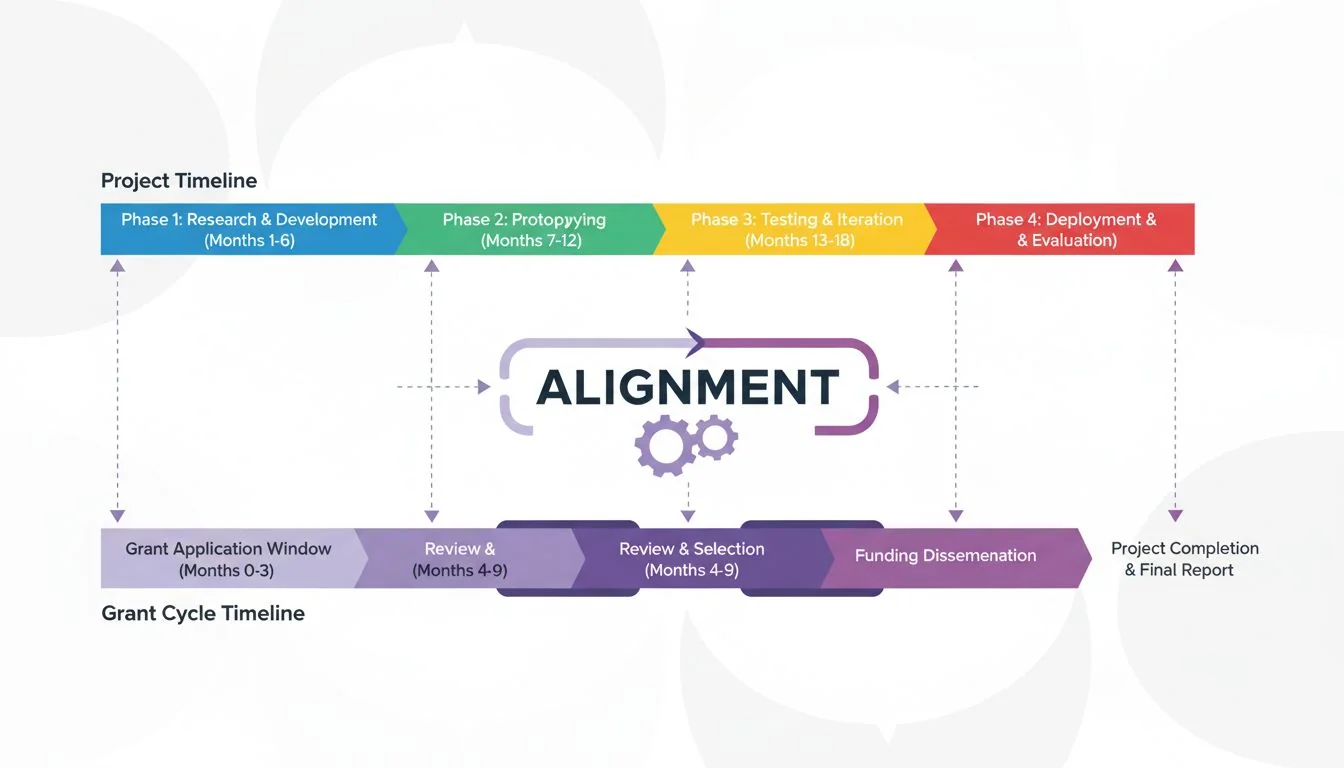
Grant cycles have strict deadlines for application, approval, and fund disbursement. You must align your equipment quotes and manufacturing lead times5 with these dates. Expired quotes force you to restart the budget process.
Timing the Quotes
I know how fast material prices change. I run a trading company. A quote is usually good for 30 days. Grant approvals can take six months. You must work with suppliers who understand this. They need to provide quotes that stay valid through the review period.
Managing Manufacturing Lead Times
The funds arrive. The clock starts. You must know exactly how long the manufacturing takes. You must calculate the time to design the mold. You must calculate the time to test it. You must calculate the time to produce the parts. You promise to finish in three months. The mold takes four months. You violate the grant terms.
| Grant Phase | Procurement Action | Timing Risk |
|---|---|---|
| Application | Get long-term quotes | Quotes expire before approval |
| Award | Finalize orders | Material prices increase |
| Execution | Start manufacturing | Lead times exceed grant limits |
Good communication with your suppliers fixes these timing issues. Plan backward from the grant deadline.
Standard 30-day quotes are always sufficient for grant applications.False
Grant reviews often take months, so quotes need to be valid for longer periods or include escalation clauses.
Manufacturing lead times must fit within the grant execution window.True
Grants have strict timelines for spending funds and completing the project.
Why Work With Suppliers Who Understand Grant Requirements?
Are your suppliers slowing down your application? A supplier who does not know grant rules will give you the wrong paperwork. You need partners who know the process.
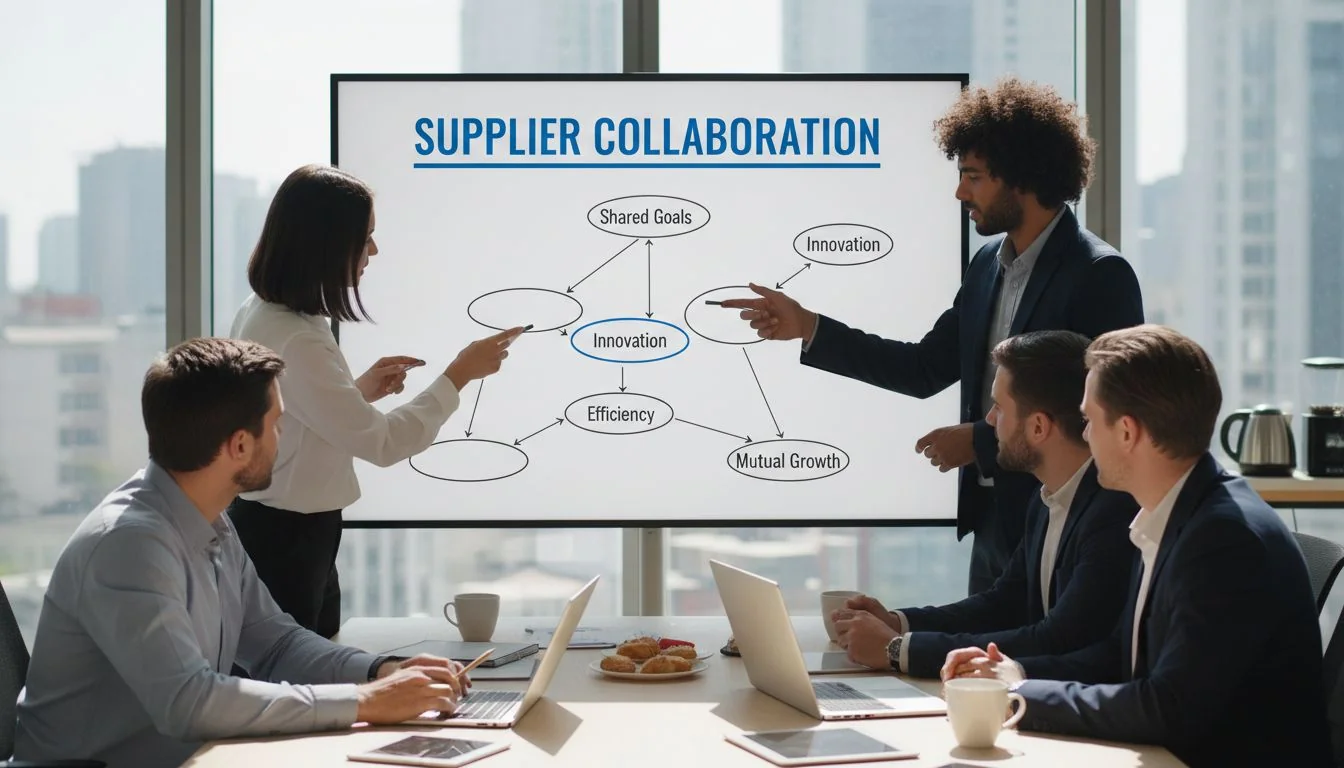
Suppliers who understand grant requirements provide the exact documentation you need. They provide compliance certificates. They provide extended-validity quotes. They know how to format technical specs. This partnership reduces errors and speeds up your application.
The Value of Experience
I help clients grow their businesses. I do more than just sell them molds. I help them understand the market. The same is true for water projects. A good supplier acts as a guide. They know Tribal projects need specific compliance documents6. They know about Buy America certificates.
Building a Complete Package Together
You should not have to beg your supplier for data sheets. They should offer them upfront. You are designing a plastic housing for a filter. The supplier must give you the exact shrinkage rates. They must give you the stress test results. This data goes straight into the grant application.
| Supplier Trait | Benefit to Application | Result |
|---|---|---|
| Knows compliance rules | Provides correct certificates | Avoids rejection |
| Offers long-term quotes | Keeps budget accurate | Prevents funding shortfalls |
| Gives detailed CAD data | Strengthens technical proof | Builds reviewer trust |
Choose suppliers who make your job easier. Their knowledge directly impacts the strength of your grant package.
Any standard supplier can easily provide federal grant documentation.False
Federal grants require specific compliance documents that many standard suppliers are not familiar with.
Experienced suppliers can help prevent funding shortfalls by providing accurate, long-term quotes.True
Suppliers who understand the long grant cycles can structure their quotes to account for time delays.
Conclusion
Building a grant-ready package takes careful planning, exact specifications, and the right partners. If you need help preparing the technical documents for your filtration components, let us discuss your package today.
References
-
Understanding the best practices can significantly enhance your chances of securing funding for essential water filtration projects. ↩
-
Technical specifications are vital for ensuring compliance and meeting safety standards, which are critical for grant approval. ↩
-
Identifying the right funding sources is essential for maximizing your chances of receiving financial support for water projects. ↩
-
Itemized quotes provide transparency and justification for costs, which are crucial for grant approval. ↩
-
Aligning manufacturing lead times with grant timelines is critical to avoid delays and ensure project success. ↩
-
Knowing the required compliance documents is essential to ensure your application is complete and meets all regulations. ↩

 English
 Français
 Español
 Italiano
 Deutsch
 Português
 Русский
 العربية
 日本語
 한국어
 Tiếng Việt

