Opens in a new tab

HEPA vs. Activated Carbon Filter: Which Air-Purification Technology Is Right for Your Business?

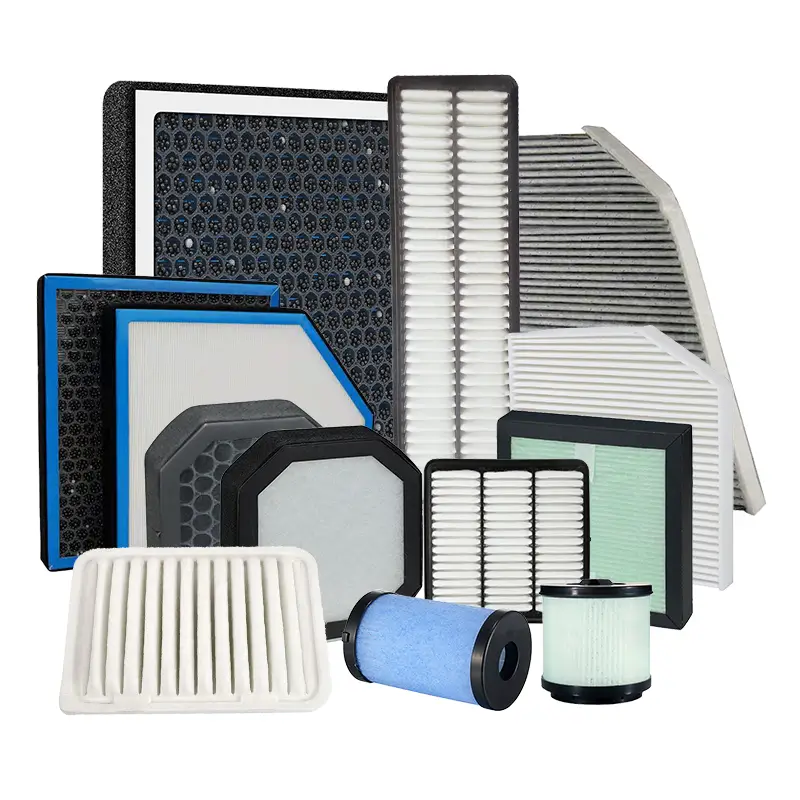
In today’s commercial landscape, indoor air quality (IAQ) has become a critical health and productivity factor. Whether you operate an office, a production shop floor, or a public venue, a high-performance air-purification system can protect employee wellbeing and drive efficiency. Yet with so many technologies on the market, decision-makers often face a dilemma: should they specify High-Efficiency Particulate Air (HEPA) filtration, activated-carbon filtration—or both?
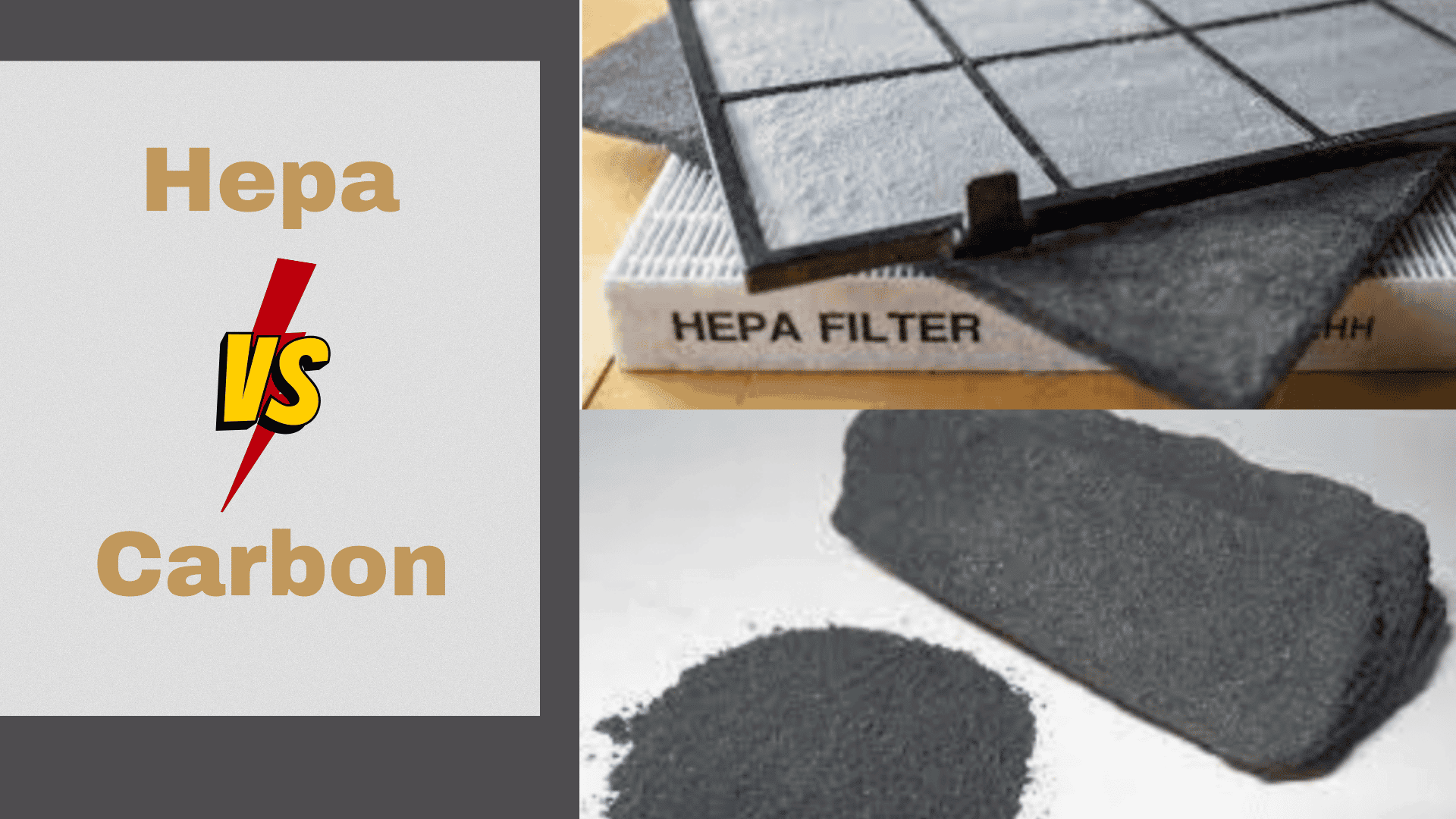
This paper unpacks how the two dominant technologies work, where each excels, and why leading enterprises are increasingly adopting hybrid solutions to address modern IAQ challenges.

  • Why do some purifiers remove dust but leave lingering odours?
  • Does your facility struggle with both particulate and gaseous contaminants?
  • How can you specify a system that reliably captures ultrafine particles and harmful gases?

The answers lie in understanding the fundamental differences between HEPA and activated-carbon filtration.

What Is HEPA Filtration and How Does It Work?

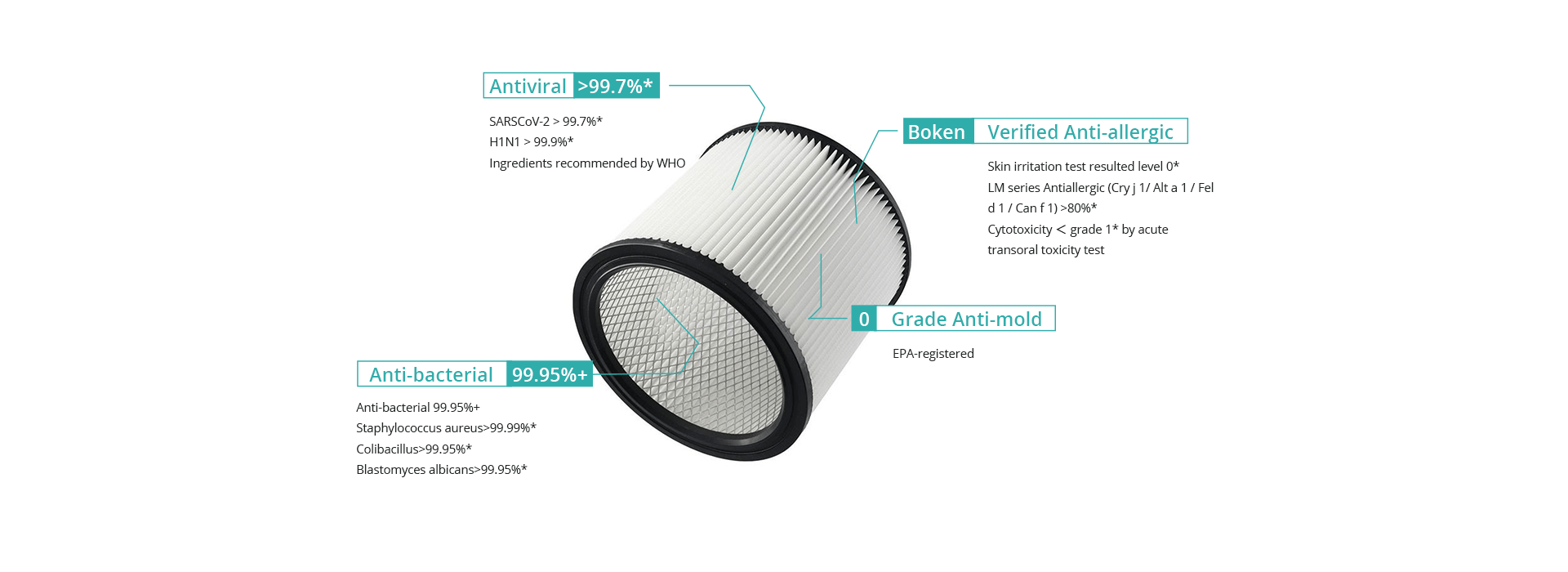
High-Efficiency Particulate Air (HEPA) filters were developed during World War II to trap radioactive aerosols. A genuine HEPA filter must remove 99.97 % of particles measuring 0.3 µm—the Most Penetrating Particle Size (MPPS).

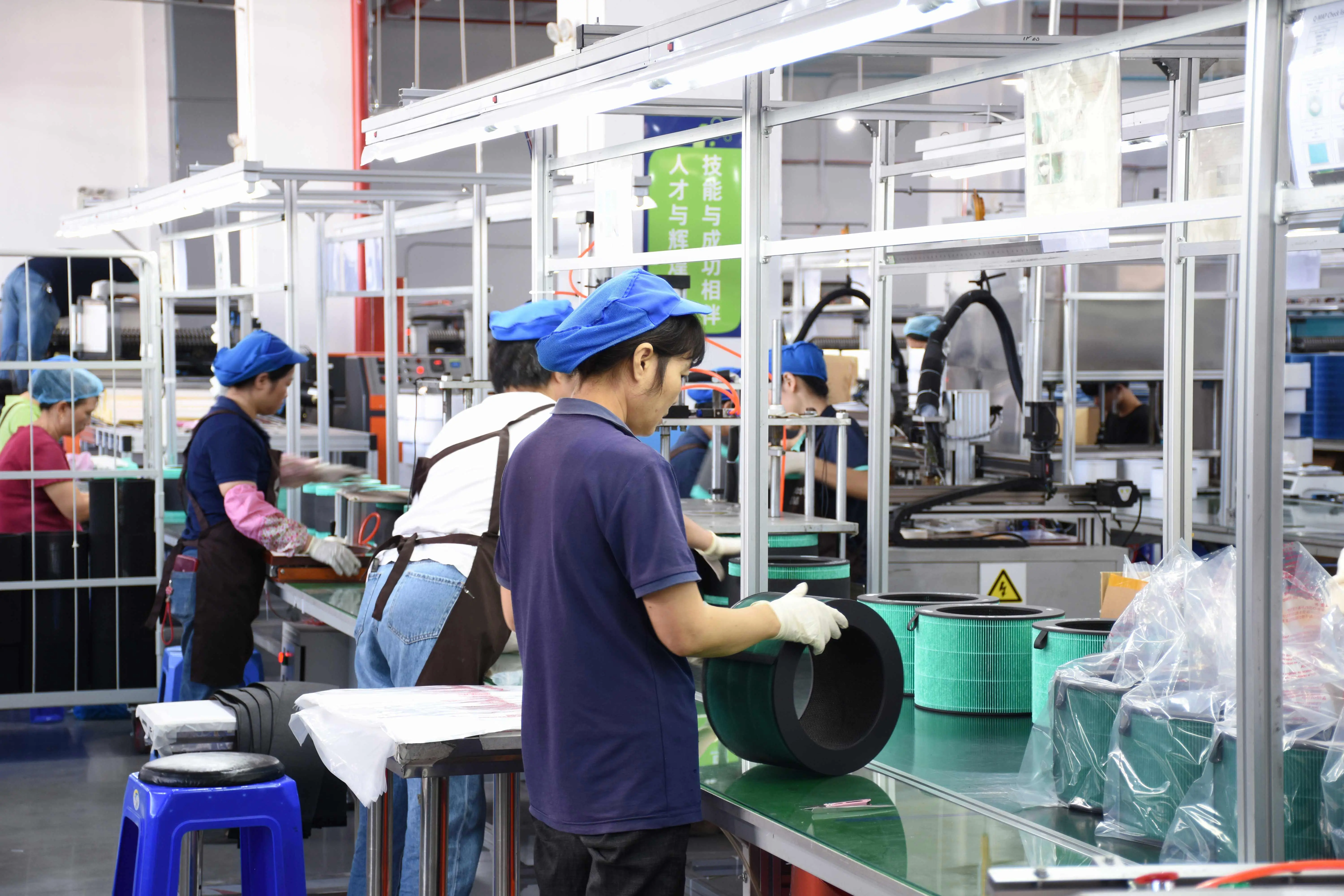
Constructed from densely interlaced fibres (typically glass fibre or polypropylene–polyester blends), a HEPA medium forms a labyrinth that captures particles through four concurrent mechanisms:

  1. Sieving / Direct Interception – particles following the air stream touch a fibre and stick.
  2. Inertial Impaction – larger particles deviate from airflow lines and collide with fibres.
  3. Diffusion – sub-micron particles undergo Brownian motion and eventually contact a fibre.
  4. Electrostatic Attraction – oppositely charged particles are drawn to charged fibres.

The result is outstanding removal efficiency across a broad particle-size spectrum, especially at 0.3 µm—the hardest size to capture.
What Is Activated-Carbon Filtration and How Does It Work?

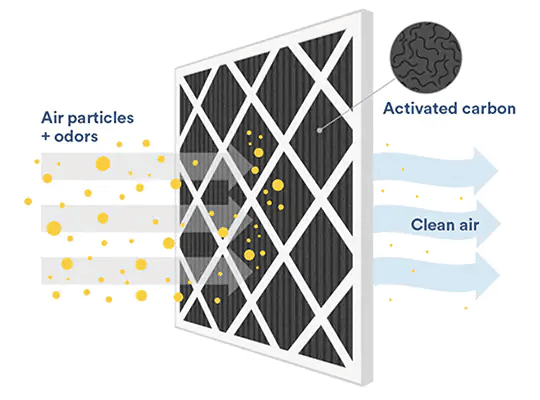
Activated carbon leverages its extraordinary internal surface area—500 – 1,500 m² per gram—to adsorb gaseous contaminants. Typical media formats include granular (GAC), powdered (PAC), extruded (EAC), and acid-washed high-purity carbons.

Removal mechanisms include:

  1. Physical Adsorption – Van der Waals forces bind gas molecules to the carbon surface.
  2. Chemisorption – certain gases react chemically with functional groups on the carbon.
  3. Catalytic Decomposition – impregnated catalysts promote breakdown of specific pollutants.

Different formulations are optimised for Volatile Organic Compounds (VOCs), aldehydes, sulphur compounds, ammonia, ozone, and odours.
HEPA vs Activated Carbon—A Side-by-Side Comparison

Attribute HEPA Filtration Activated-Carbon Filtration
Primary Target Solid particulates (dust, pollen, pet dander, mould spores, bacteria, some viruses) Gaseous pollutants (VOCs, formaldehyde, benzene, ozone, H₂S, NOx) and odours
Separation Mechanism Interception, impaction, diffusion, electrostatic forces Physical & chemical adsorption, catalysis
Efficiency Metric ≥ 99.97 % @ 0.3 µm Species-specific; depends on carbon grade, residence time, temperature & humidity
Service Life 6 – 12 months (load-dependent) 3 – 6 months (saturates irreversibly)
Strengths Unrivalled particle removal; globally standardised ratings Effective gas & odour control; multiple sorbent chemistries
Limitations Ineffective on gases and smells Limited particulate capture; performance declines in high humidity; no unified rating standard
Typical Applications Dust-laden or allergen-sensitive areas (warehouses, cleanrooms) Newly renovated spaces, kitchens, laboratories, print rooms

Why One Technology Alone Is No Longer Enough

Modern indoor environments face a complex pollutant mix: fine particles plus VOCs emitted by building materials, furnishings, electronics, and cleaning agents. A single-mode filter cannot deliver truly comprehensive protection.

Example: In a freshly renovated office

  • HEPA efficiently removes drywall dust and suspended solids—but not formaldehyde or benzene.
  • Activated carbon adsorbs those gases—but has minimal effect on PM₂.₅.

Consequently, best-in-class systems integrate both technologies (often alongside photocatalysis, UV-C, or ionisation) to meet contemporary IAQ standards.


Industry-Specific Selection Guidelines

Healthcare

  • Requirement: control bio-aerosols and disinfectant fumes.
  • Solution: medical-grade HEPA (H13/H14) plus specialised carbon beds for anaesthetic gases.
  • Outcome: case studies show 99.9 % bacterial reduction and lower staff exposure to nitrous oxide.

Manufacturing & Industrial

  • Requirement: capture metal dust, oil mist, welding fume, solvent vapours.
  • Solution: industrial HEPA modules combined with impregnated carbon customised for target solvents.

Hospitality & Retail

  • Requirement: handle high footfall particulates and diverse odours.
  • Solution: high-flow HEPA cores with large-surface carbon honeycombs; optional photocatalytic layer for odour degradation.

Performance & ROI Evaluation Framework

Technical KPIs

  1. CADR (Clean Air Delivery Rate) – higher values mean faster remediation.
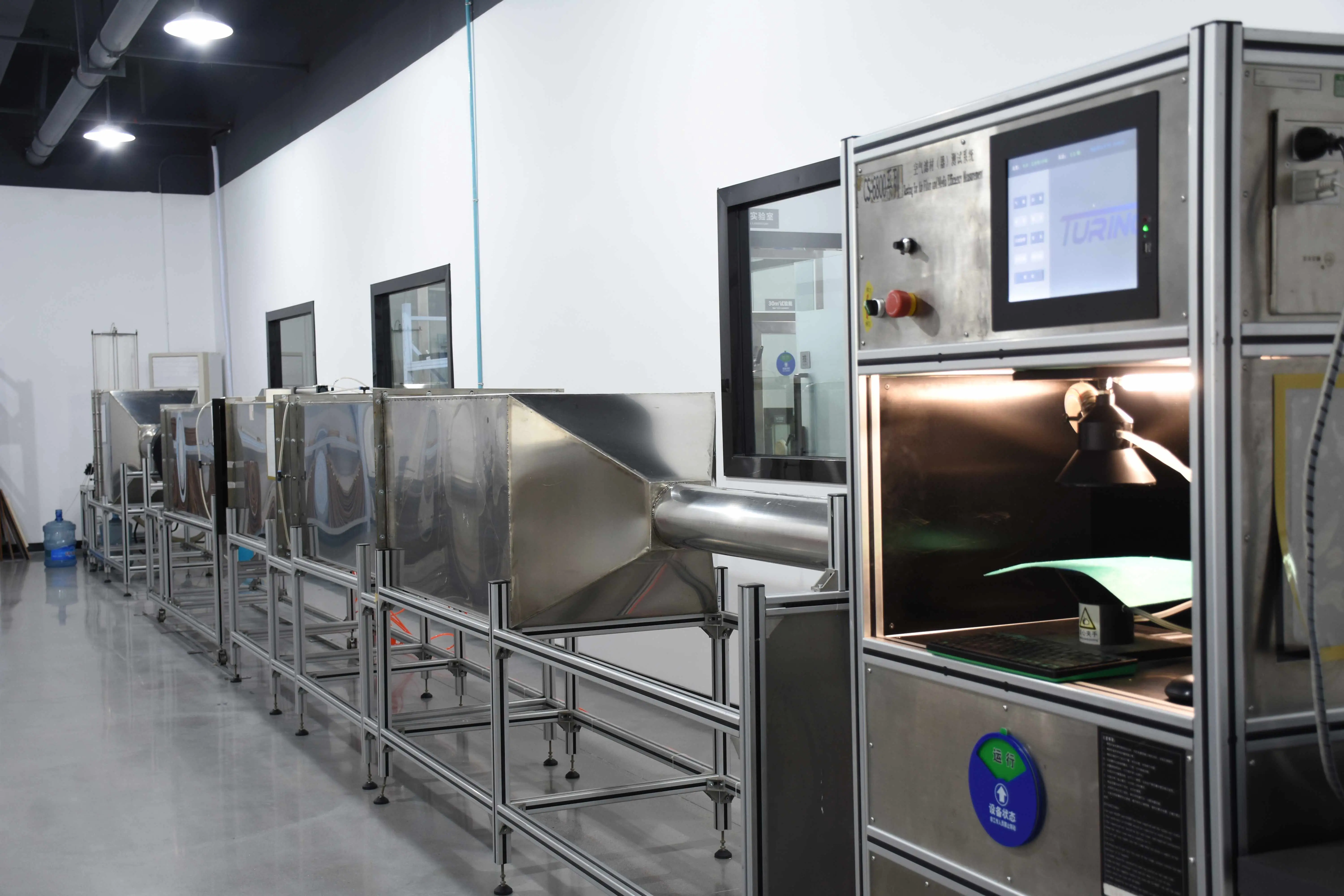
  2. Filtration Efficiency – HEPA rating at MPPS must be explicit (e.g., 99.97 %).
  3. Coverage Area – align purifier airflow with room volume.
  4. Sound Level – verify dB(A) at typical operating speed.
  5. Energy Consumption – assess lifetime power costs.

Financial Returns

  • Employee Health & Productivity: improved IAQ cuts sick leave and increases cognitive function.
  • Equipment Reliability: clean air reduces failure rates of sensitive electronics.
  • HVAC Efficiency: effective pre-filtration lowers coil fouling, saving energy.
The Future of Filtration & HisoAir’s Innovation Edge

Emerging trends point toward multi-technology, energy-optimised, and sector-specific solutions. Drivers include the rise of composite pollutants, stricter energy codes, and bespoke requirements.

HisoAir’s Breakthroughs

  1. Low-Resistance HEPA: re-engineered fibre geometry reduces pressure drop while maintaining 99.97 % efficiency, extending filter life.
  2. Target-Specific Carbon Formulations: proprietary blends maximise adsorption of designated gases for each industry.
  3. CD (Coated Deodorising) Composite Filters: honeycomb substrates impregnated with multiple sorbents deliver high gas removal at minimal airflow penalty.

Vertically Integrated Manufacturing

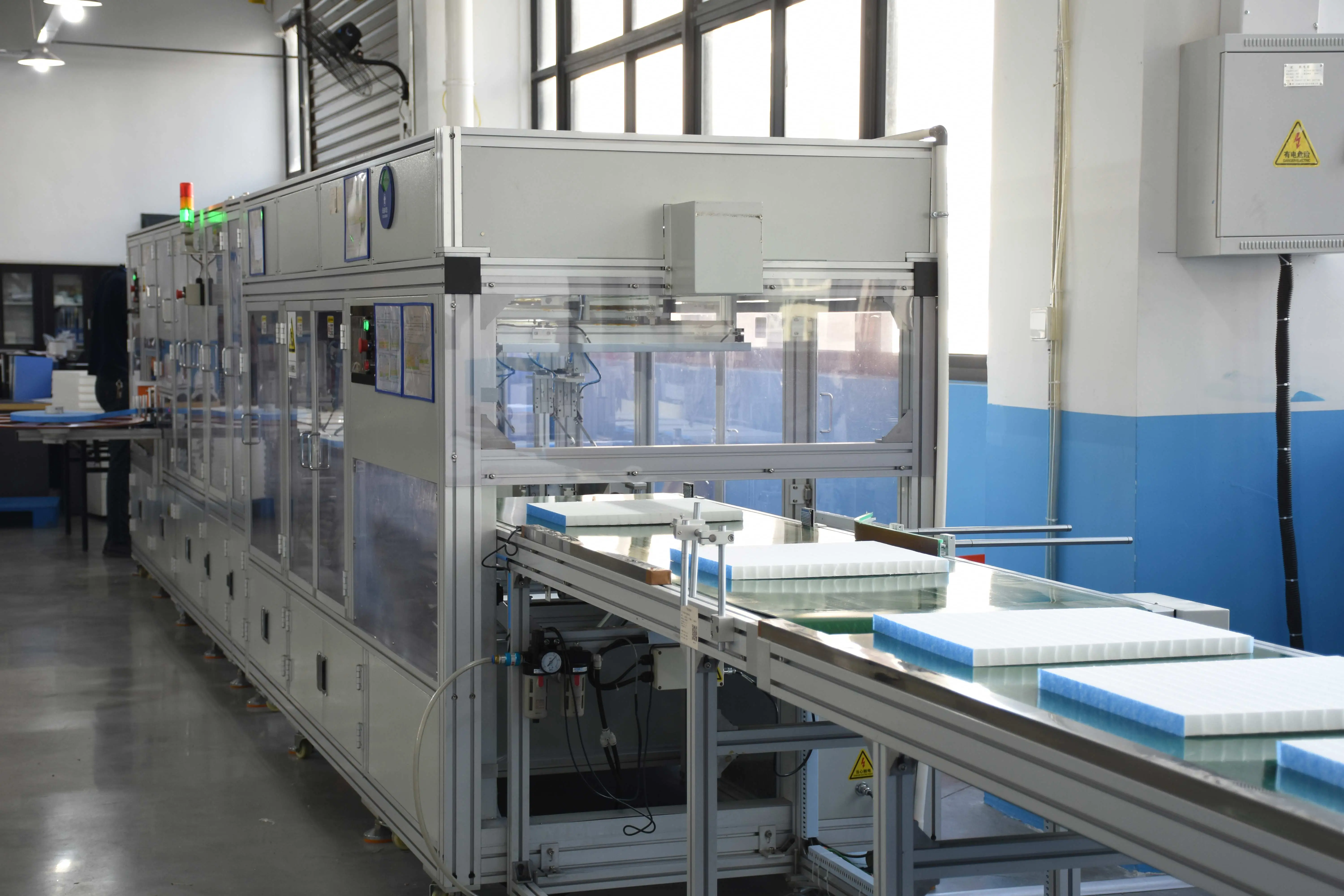
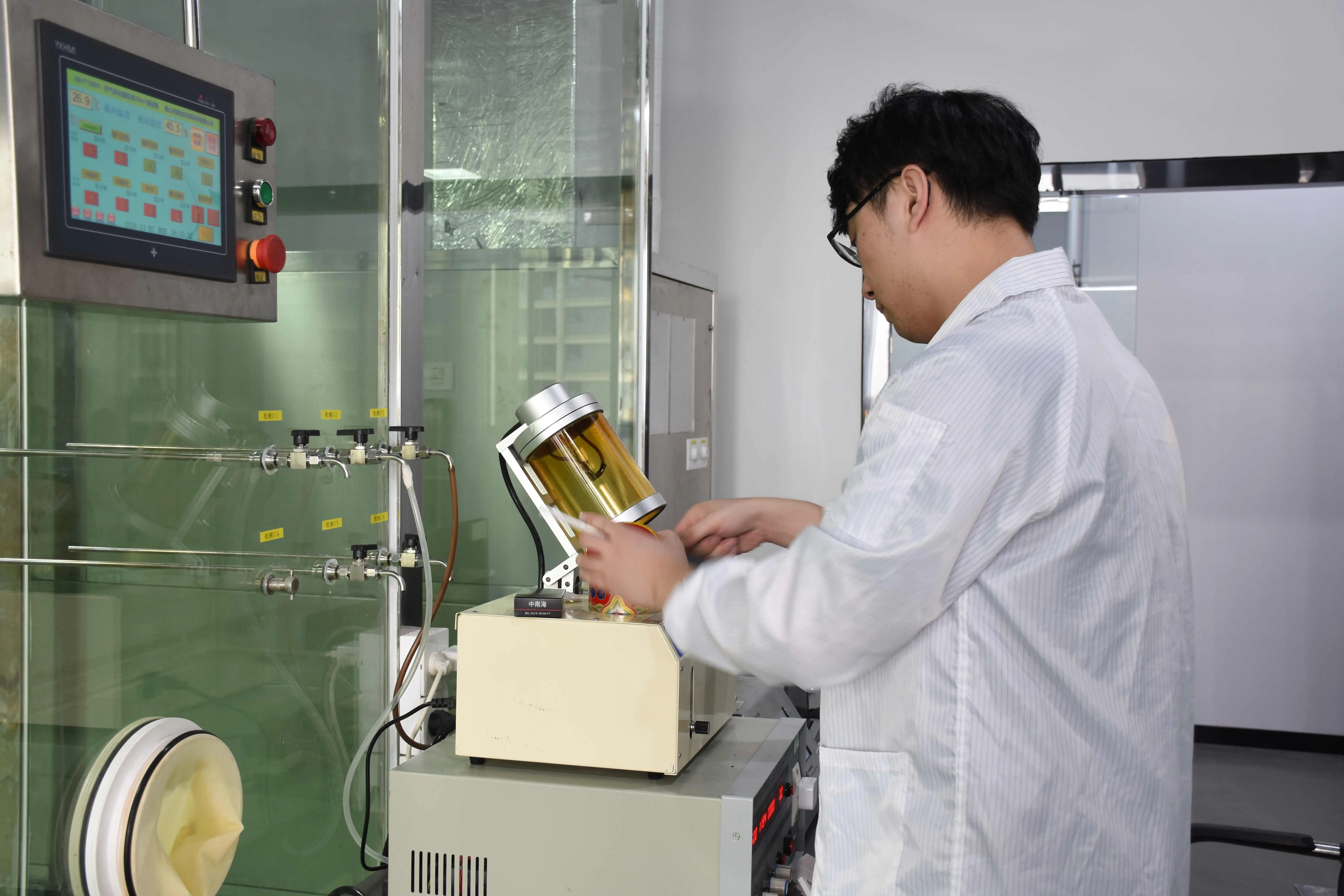
HisoAir controls the full value chain—from raw-material processing to final assembly—across several advanced Asian facilities. This ensures:

  • Consistent quality, rapid R\&D iterations, and cost advantages.
  • Agile customisation to meet evolving norms and client specifications.
Why Global Leaders Choose HisoAir

Superior Product Metrics

  • Higher CADR per watt than peer products.
  • Longer filter lifetime reduces total cost of ownership.
  • Lower acoustics thanks to optimised aerodynamics.

End-to-End Support

  • On-site IAQ assessments and solution design.
  • Custom product development for unique challenges.
  • Worldwide technical service network.

Partnership Roadmap

  1. Needs Analysis: our specialists map your pollutant profile and operational targets.
  2. Solution Engineering: we propose a tailored HEPA-plus-carbon configuration.
  3. Prototype & Validation: sample units undergo on-site performance testing.

Whether you require off-the-shelf best-in-class purifiers or engineered filters for OEM integration, HisoAir delivers clean air that safeguards health and drives business value.

Conclusions & Action Points

  1. Conduct a comprehensive pollutant audit—identify particulate vs gaseous loads.
  2. Specify a complementary HEPA + activated-carbon system to cover both vectors.
  3. Model life-cycle costs—include media replacement, energy, and downtime.
  4. Prioritise customisation capabilities—every facility is unique; bespoke solutions optimise ROI.

Indoor-air quality is a strategic investment. By harnessing the synergy of HEPA and activated-carbon technologies—and by partnering with an innovation leader like HisoAir—enterprises can create healthier, more productive workplaces and secure a competitive edge.

Related posts

Leave the first comment

Contaminant Engineering•3 min read

PFAS Water Filtration Technologies Explained: Carbon, Resin & RO

Key Takeaway:

PFAS reduction depends on the specific compounds present, treatment media, contact time, water chemistry, and system design. Activated carbon, ion exchange, and Reverse Osmosis address PFAS through different mechanisms.

PFAS are a large family of persistent fluorinated compounds that can occur in drinking-water supplies. Their treatment behavior varies significantly by molecular structure, chain length, functional group, concentration, and the chemistry of the source water.

Granular Activated Carbon (GAC) removes PFAS primarily through adsorption. It is generally more effective for many longer-chain PFAS, while shorter-chain compounds tend to break through more quickly. Carbon performance depends on media properties, Empty Bed Contact Time (EBCT), competing organic matter, loading, and replacement frequency.

Ion-exchange resins use charged functional sites to capture many PFAS compounds. Properly selected anion-exchange media can provide high capacity and may perform better than conventional activated carbon for some shorter-chain PFAS, although performance still depends on water chemistry and competing ions.

Reverse Osmosis (RO) uses membrane separation rather than adsorption. Properly designed RO systems can provide broad reduction across many PFAS compounds as well as dissolved salts and other contaminants. Unlike carbon or resin, however, RO also produces a concentrate stream that must be managed.

No single technology should be selected from a PFAS label alone. System design should consider which PFAS compounds are present, their concentrations, required reduction targets, flow rate, media life, and the applicable third-party certification or validation requirements.

HisoAir Water Technical Series
Product Discovery•3 min read

How to Choose an Under-Sink Water Purifier for Modern Kitchens

Key Takeaway:

Match the treatment technology to your water quality first, then evaluate cabinet space, faucet configuration, flow rate, drain and power requirements, and filter replacement needs.

Choosing an under-sink water purifier starts with water chemistry. Carbon filtration is well suited to chlorine, taste, odor, and many organic contaminants, while Reverse Osmosis is more appropriate when dissolved salts, fluoride, nitrates, or broader dissolved contaminants need to be reduced.

For compact kitchens, tankless RO systems eliminate the conventional storage tank and can significantly reduce the space required under the sink. However, membrane capacity stated in GPD does not directly equal faucet flow. When comparing systems, check the actual dispensing flow rate, inlet-pressure requirement, recovery ratio, and whether a booster pump is required.

Installation architecture also matters. Many RO systems require a drain connection, electrical power, and either a dedicated drinking-water faucet or a compatible multi-function faucet. High-flow carbon systems can often connect directly to the existing cold-water line with a simpler installation, but pressure drop and available faucet flow should still be verified.

RO also removes much of the naturally occurring dissolved mineral content. Where taste or mineral balance is a priority, a post-RO remineralization stage can be added. Filter life should be evaluated by both rated capacity and local water quality rather than replacement time alone.

The right system is therefore not simply the smallest or highest-GPD model. It is the configuration that matches the target contaminants, available cabinet space, desired faucet setup, peak dispensing demand, and maintenance expectations.

HisoAir Water Technical Series
Water Quality•2 min read

What Does TDS Mean in Drinking Water? Measurement vs Contaminant Reality

Key Takeaway:

A TDS meter estimates the overall concentration of dissolved ionic substances from electrical conductivity. It cannot identify specific contaminants or determine whether water is chemically safe.

Total Dissolved Solids (TDS) refers to the combined concentration of dissolved substances in water. Most handheld TDS meters do not measure TDS directly. Instead, they measure electrical conductivity (EC) and convert that reading into an estimated parts-per-million (ppm) value.

This means a TDS reading can indicate how much dissolved ionic material is present, but not what that material actually is. Calcium, magnesium, sodium, nitrates, and other dissolved ions can all contribute to conductivity, yet a simple TDS meter cannot distinguish between them.

TDS meters are also not suitable for detecting trace contaminants such as PFAS, many VOCs, pesticides, pharmaceuticals, or disinfection byproducts. These substances may be present at concentrations far below the level needed to noticeably change electrical conductivity.

A low TDS reading therefore does not guarantee safe drinking water, and a higher TDS reading does not automatically indicate contamination. Water-treatment decisions should be based on laboratory testing for specific contaminants of concern rather than TDS alone.

HisoAir Water Technical Series
Technology Selection•2 min read

RO vs UF Water Filtration: Understanding Pore Sizes & Dissolved Minerals

Key Takeaway:

Ultrafiltration can reduce bacteria, turbidity, and suspended particles while retaining most naturally occurring dissolved minerals. Reverse Osmosis provides much broader reduction of dissolved salts and smaller contaminants.

Ultrafiltration (UF) typically uses hollow-fiber membranes with pore sizes in the approximate 0.01–0.1 micron range. These membranes physically retain turbidity, suspended solids, colloids, and many microorganisms while allowing dissolved minerals and salts to remain in the water.

Reverse Osmosis (RO) operates at a much finer separation level. Unlike UF, RO can substantially reduce dissolved ions such as sodium, calcium, fluoride, nitrates, and other contributors to total dissolved solids (TDS). This makes RO more suitable when dissolved-salt reduction is a primary treatment objective.

UF generally requires less system pressure and produces little or no continuous concentrate stream in many point-of-use configurations. RO typically requires greater pressure and produces a reject-water stream, but delivers broader contaminant reduction.

For water with acceptable TDS and mineral content, UF can be a simpler mineral-retaining treatment option. Where dissolved salts, fluoride, nitrates, or broader dissolved contaminants are a concern, RO is generally the more appropriate technology.

HisoAir Water Technical Series
Technology Selection•4 min read

Carbon Block vs Reverse Osmosis: Which Fits Your Need?

Key Takeaway:

Choose RO for dissolved inorganic salts and heavy metals; choose Carbon Block for chemical taste/odor, no wastewater, and high line-pressure flow.

Reverse Osmosis (RO) and Carbon Block filtration represent two fundamentally different treatment methods: membrane separation and adsorption. Understanding these differences helps determine which technology is better suited to a specific water-quality requirement.

Reverse Osmosis uses a semi-permeable membrane with pore sizes of approximately 0.0001 microns. It can significantly reduce dissolved inorganic contaminants such as TDS, fluoride, nitrates, and certain heavy metals. Because water must be forced through the membrane, RO systems require sufficient pressure or a booster pump and generate a concentrated wastewater stream.

Carbon Block filtration relies primarily on adsorption through compressed activated carbon, commonly with nominal pore sizes around 0.5–5 microns. It is highly effective for chlorine, chloramines, VOCs, taste, and odor, while allowing substantially higher direct-flow rates without producing wastewater.

From an operating perspective, Carbon Block systems are generally simpler, require less energy, and avoid the water loss associated with RO. RO involves higher system complexity and operating cost, but provides substantially broader reduction of dissolved contaminants that Carbon Block alone cannot address.

HisoAir Water Technical Series