
Ever since the pandemic hit, I've realized just how important it is to breathe clean air indoors.
HisoAir air purification systems enhance indoor air quality by using HEPA filtration and smart sensors to align with EPA guidelines. They improve ventilation, capture particles, and offer real-time monitoring, reducing respiratory virus spread and ensuring healthier environments.
Thinking back to the days when we were all cooped up inside, I remember the constant worry about the air we were breathing. It became clear that improving indoor air quality was not just a luxury but a necessity. HisoAir systems have been a game-changer in this regard. Their advanced technologies not only meet but exceed the standards set by the EPA, making our homes and workplaces safer havens. From enhancing airflow to capturing those pesky airborne particles, these purifiers have transformed the way I think about indoor spaces. Let's dive into how these systems work their magic and why they might just be what you need for peace of mind in your own space.
HisoAir systems use HEPA filters to capture 99.97% of particles.True
HEPA filters are designed to capture at least 99.97% of particles, including dust and allergens.
EPA guidelines require air purifiers to have smart sensors.False
EPA guidelines do not mandate smart sensors, but they enhance monitoring.
What makes HisoAir's air purifiers stand out?
Imagine breathing in crisp, clean air right in your living room. That's what HisoAir promises with its state-of-the-art air purifiers.
HisoAir's air purifiers feature advanced HEPA filtration, smart sensors for real-time air quality monitoring, and energy-efficient designs, making them exceptionally effective at enhancing indoor air quality and minimizing contaminants.
Advanced HEPA Filtration
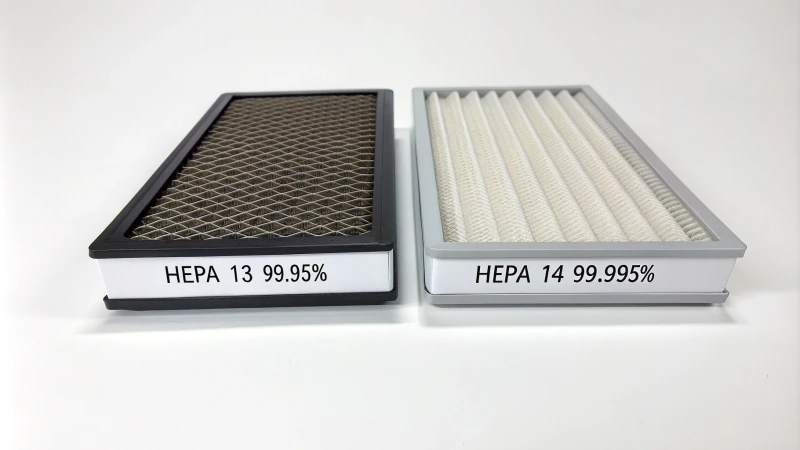
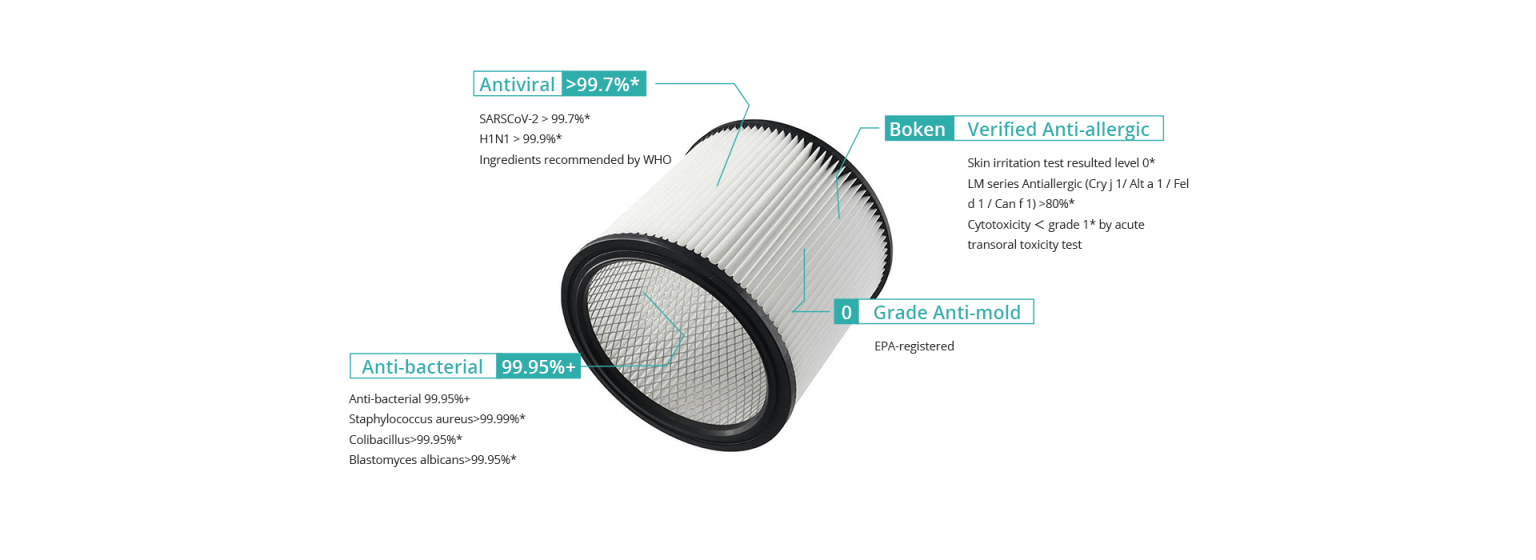
I remember the first time I learned about HEPA filters—how these little marvels could capture nearly every tiny particle floating around us. HisoAir takes it a step further with their filters grabbing 99.97% of particles as small as 0.3 microns. Whether it's dust, pollen, or those pesky virus-laden droplets, these purifiers make any space feel fresher.
| Feature | Description |
|---|---|
| Filtration Efficiency | Captures 99.97% of particles |
| Particle Size | Down to 0.3 microns |
| Applications | Homes, schools, offices |
Smart Sensors and Real-Time Monitoring
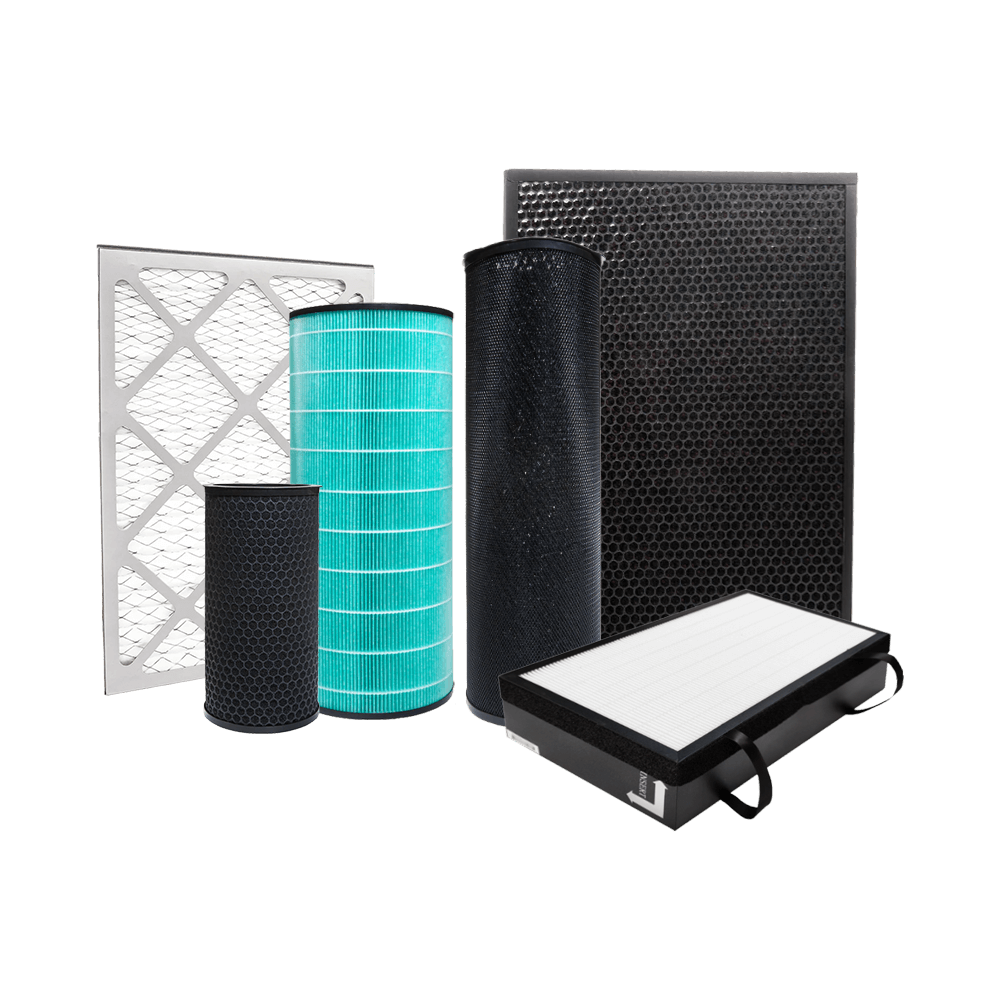
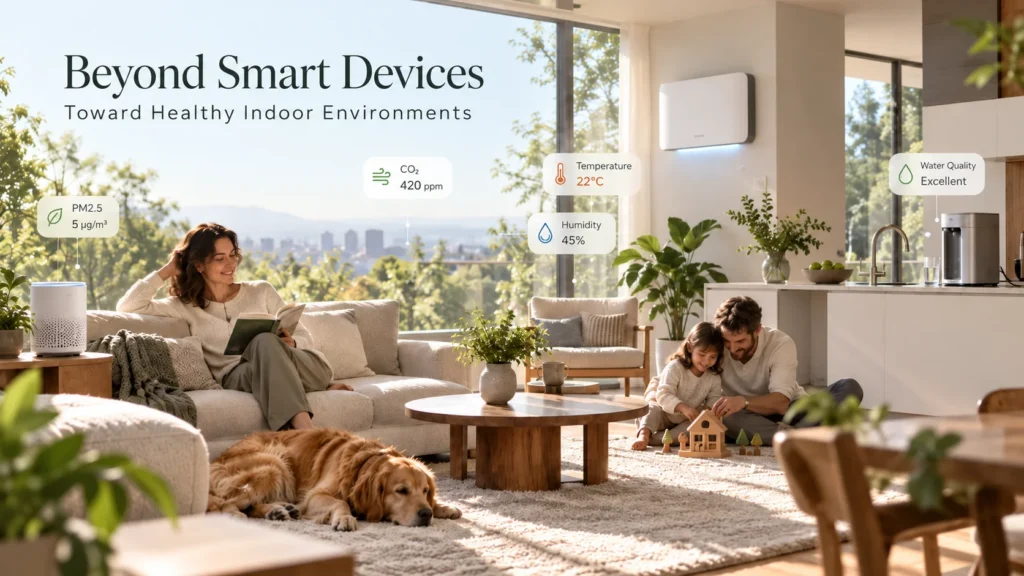
Have you ever wished your home could tell you how clean your air is? HisoAir's smart sensors do just that. They adjust the purifier settings automatically based on real-time data, making sure I don’t have to lift a finger to keep my air clean. From CO2 to VOCs, these sensors have me covered.
- Sensors Included: CO2, PM2.5, VOCs
- Automatic Adjustment: Fan speed, filtration levels
- User Benefit: Energy savings and consistent air quality
Learn more about indoor air quality1
Energy-Efficient Design
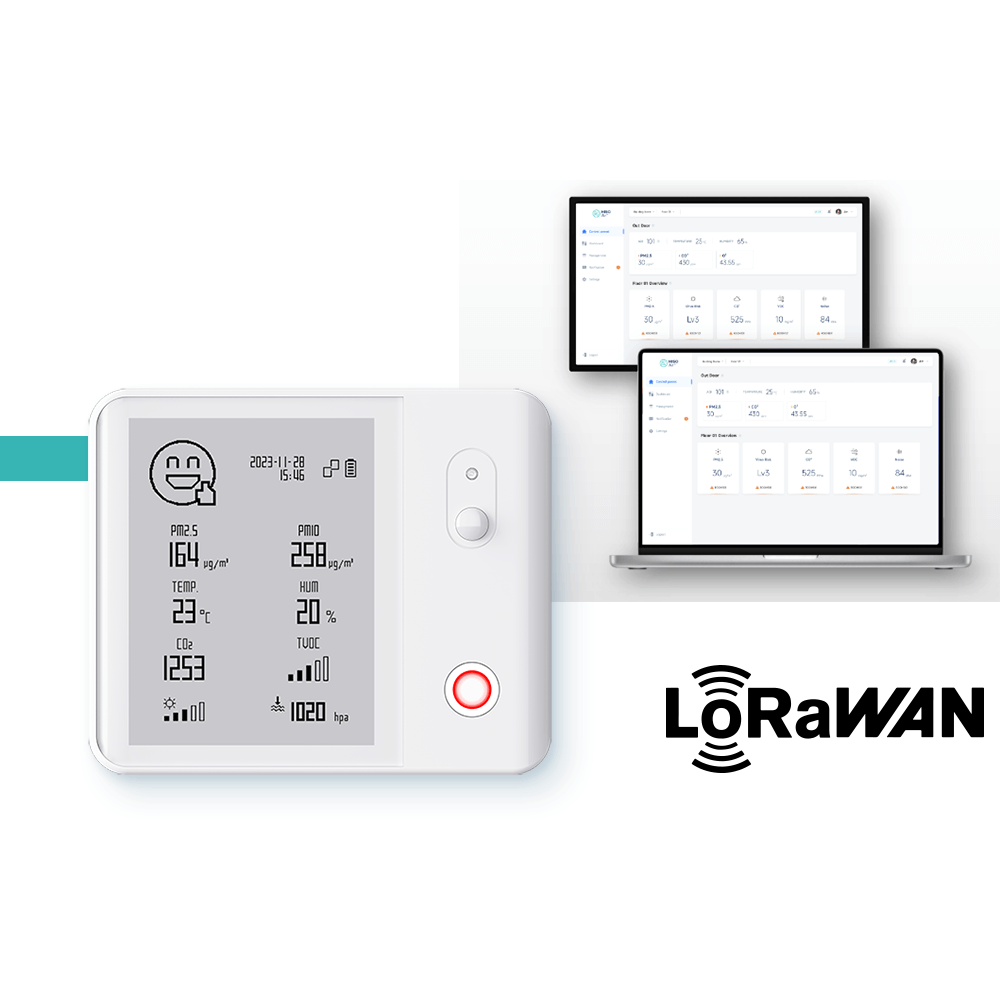
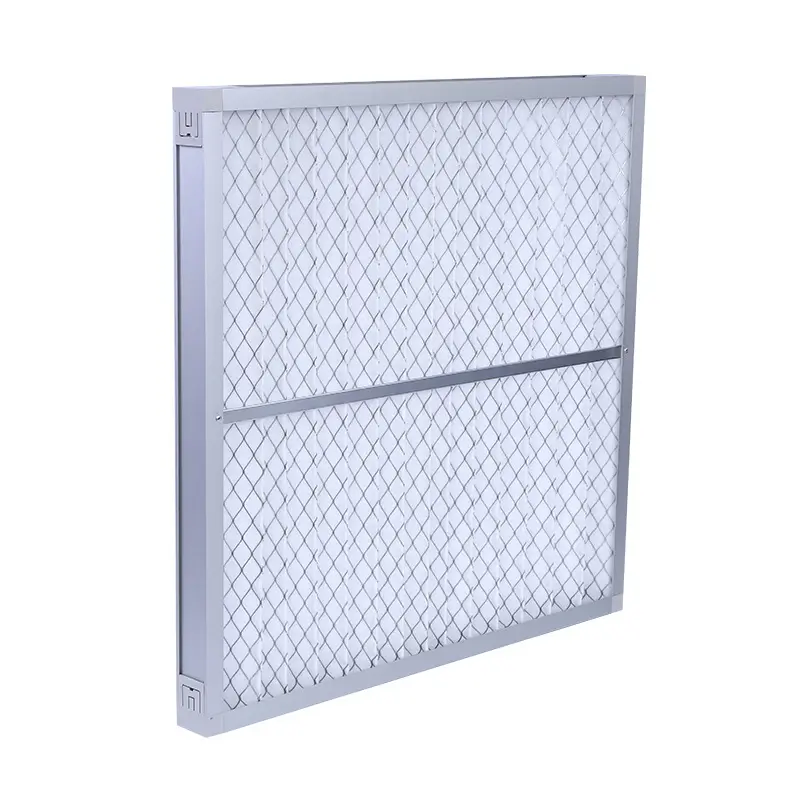
I've always been a bit of an eco-warrior at heart, so knowing that HisoAir purifiers reduce energy consumption is a win-win for me and the planet. Their energy-efficient technology seamlessly integrates with existing HVAC systems, making them a perfect choice for larger spaces where major upgrades aren't feasible.
| Benefit | Explanation |
|---|---|
| Energy Savings | Lower energy use with efficient operation |
| HVAC Support | Complements existing systems |
| Cost-Effectiveness | Reduces need for major upgrades |
Strategic Placement and Targeted Air Cleaning
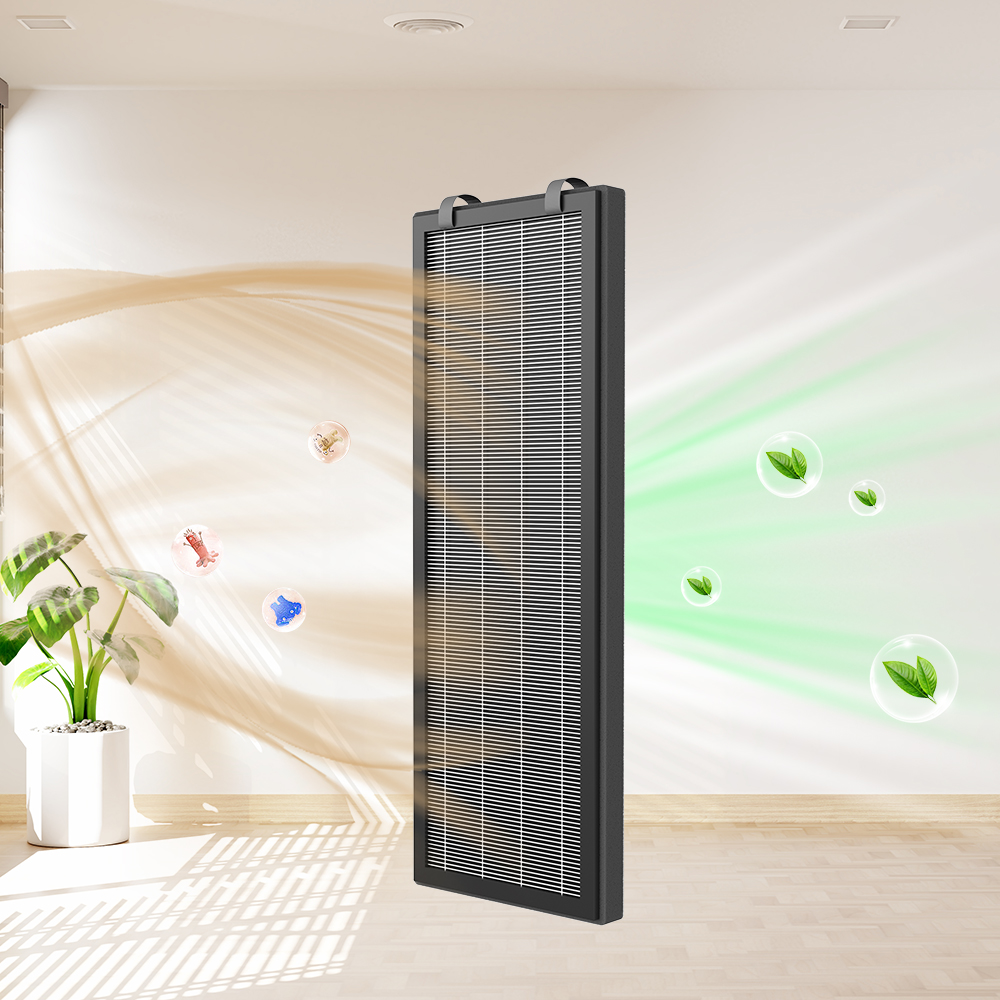
Strategically placing these purifiers can be a game-changer. Imagine having one near your desk or in a classroom, tackling high-traffic areas with precision. That's where HisoAir shines—by focusing purification efforts exactly where they’re needed most.
- Placement Areas: Classrooms, office spaces, homes
- Targeted Zones: High traffic or high contamination areas
- Advantage: Enhanced efficiency in critical locations
Integration with Sustainable Practices
HisoAir’s commitment to sustainability caught my attention early on. Using recyclable materials and supporting green building certifications2, they not only improve indoor air quality but also help create healthier and more environmentally-friendly spaces.
- Materials Used: Sustainable and recyclable components
- Certifications Supported: LEED, WELL, Fitwel
- Impact: Reduced environmental footprint and healthier spaces
HisoAir purifiers capture 99.97% of particles.True
HisoAir uses HEPA filters that capture 99.97% of particles.
HisoAir purifiers lack smart sensors for air quality.False
HisoAir purifiers are equipped with smart sensors for monitoring.
How Do HEPA Filters Capture Airborne Particles?
Ever wondered how a simple filter can make the air we breathe so much cleaner? Dive into the world of HEPA filters and uncover the science that keeps our spaces fresh and safe.
HEPA filters capture airborne particles through diffusion, interception, and impaction, effectively trapping 99.97% of particles as small as 0.3 microns to enhance indoor air quality.
Understanding HEPA Filtration Mechanics
When I first learned about HEPA filters, it felt like unlocking a secret to fresher air. These High-Efficiency Particulate Air filters work wonders by using a dense mat of fibers to snare particles. One fascinating method they use is called interception3, where particles glide along with airflow lines and cling to the fibers. It's kind of like when you're brushing past a cobweb in the basement, and it just sticks to you.
Then there's impaction, a process that deals with larger particles. Picture those moments when a fly runs smack into a window—these particles collide directly with fibers and get trapped in a similar fashion.
But it's the role of diffusion in capturing tiny particles that truly intrigues me. These smaller particles move erratically, almost like they're dancing, due to collisions with air molecules, which increases their chances of getting caught in the filter fibers. This makes HEPA filters particularly effective against ultra-fine particles such as smoke and viruses4.
| Mechanism | Particle Size | Description |
|---|---|---|
| Interception | >0.3 microns | Particles follow airflow and stick to fiber surfaces |
| Impaction | >0.5 microns | Larger particles collide directly with fibers |
| Diffusion | <0.1 microns | Small particles move erratically, increasing capture probability |
HEPA Filtration in Real-World Applications
In different places like homes, hospitals, and offices, HEPA filters are unsung heroes. I remember visiting a hospital room once and marveling at how sterile it felt—these filters are crucial there for filtering out pathogens. At home, they're often tucked away inside vacuum cleaners and air purifiers, reducing allergens and dust without us even noticing.
HEPA filters are not just limited to static locations; they also travel with us on airplanes and automobiles, ensuring we breathe cleaner air wherever we go. Their effectiveness skyrockets when combined with other air purification technologies5, creating a formidable barrier against pollutants. It's comforting to know that whether I'm relaxing at home or flying across the country, these filters are working tirelessly to keep my air clean.
HEPA filters capture 99.97% of particles as small as 0.3 microns.True
HEPA filters are designed to trap at least 99.97% of 0.3-micron particles.
Diffusion is ineffective for capturing particles larger than 0.5 microns.True
Diffusion primarily captures particles smaller than 0.1 microns due to erratic movement.
Why Is Real-Time Air Quality Monitoring Important for IAQ?
Breathing clean air isn't just a luxury—it's a necessity. Real-time air quality monitoring is like having a personal air detective on duty 24/7, ensuring our indoor spaces are safe and healthy.
Real-time air quality monitoring is vital for maintaining good indoor air quality (IAQ) because it provides instant data on pollutant levels, enabling immediate adjustments to enhance health and safety in enclosed environments.
I remember walking into an office one summer afternoon, feeling like I was stepping into a stuffy bubble. It turned out the ventilation system had faltered, and without real-time air quality monitoring, no one noticed until it was too late. This got me thinking about how crucial it is to have systems that keep us informed about the air we breathe.
Benefits of Real-Time Air Quality Monitoring
Real-time monitoring systems continuously track pollutants like carbon dioxide (CO2), volatile organic compounds (VOCs), and particulate matter (PM). This helps identify spikes in contaminants, enabling timely interventions.
-
Immediate Alerts: Systems provide instant alerts when pollutant levels exceed safe thresholds, allowing facility managers6 to take corrective action promptly.
-
Data-Driven Decisions: Access to continuous data empowers organizations to make informed decisions about IAQ improvements, optimizing ventilation and filtration systems.
Real-Time Monitoring Technologies
-
Smart Sensors: Advanced sensors detect changes in air composition, transmitting data to central systems for analysis. These sensors can be integrated into HVAC systems7 or standalone units.
-
Mobile Apps and Dashboards: Users can monitor IAQ in real-time via mobile apps or dashboards, providing convenience and ensuring constant vigilance.
| Feature | Description |
|---|---|
| Smart Sensors | Detects pollutants, sends alerts |
| Mobile Apps | Real-time monitoring on the go |
| Data Analytics | Analyzes trends, suggests actions |
Impact on Health and Safety
Real-time IAQ monitoring directly impacts health by reducing exposure to harmful pollutants. Poor IAQ can exacerbate respiratory issues and allergies, impacting productivity and well-being.
-
Reduced Health Risks: By maintaining optimal IAQ, spaces become safer and more comfortable, minimizing risks of respiratory illnesses8.
-
Enhanced Productivity: Improved air quality has been linked to better cognitive function and productivity, particularly in workplaces.
Implementing real-time air quality monitoring systems can ensure a proactive approach to maintaining healthy indoor environments, aligning with updated EPA guidelines9 for IAQ management.
Industry Applications
Various industries benefit from these monitoring systems:
- Healthcare: Ensures clean air in sensitive environments like hospitals.
- Education: Maintains safe learning environments in schools.
- Corporate: Enhances workplace safety and productivity.
Learn more about implementing these systems in your industry10.
Real-time monitoring detects CO2 spikes instantly.True
Real-time systems track pollutants like CO2, allowing immediate detection.
Mobile apps can replace smart sensors in IAQ monitoring.False
Mobile apps complement sensors by displaying data; they don't detect pollutants.
How Can HisoAir Systems Contribute to Energy Efficiency and Cost Savings?
Let me take you on a journey of how HisoAir's cutting-edge systems can transform your space into an energy-efficient haven while saving you money.
HisoAir systems boost energy efficiency by decreasing HVAC load through superior air purification, resulting in cost savings. Their smart tech dynamically adjusts purification levels, conserving energy while ensuring top-notch air quality.
Dynamic Air Quality Adjustment
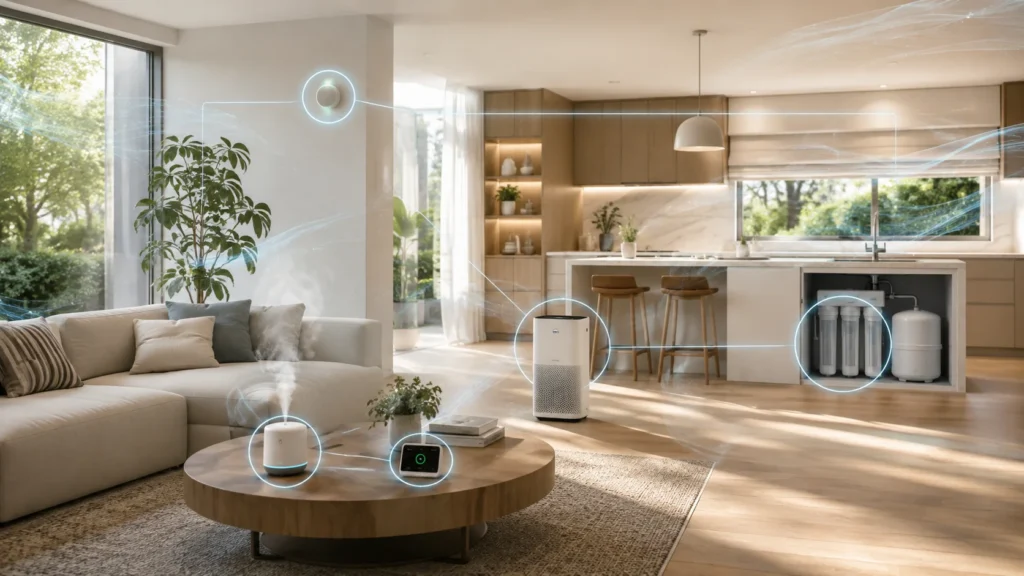
I remember when I first installed my HisoAir system. It was like welcoming a smart companion into my home. The Sense-and-React Technology adjusted itself according to the air quality, almost as if it could read the room's mood. This nifty feature ensures energy is only used when necessary, significantly enhancing energy efficiency11.
Integration with Existing HVAC Systems
Integrating HisoAir into my existing HVAC setup felt like adding a turbo booster to a classic car. It effortlessly complemented the traditional systems, lightening their load and improving air circulation. Not only did it lead to reduced energy consumption, but my utility bills thanked me for it, too. Imagine buildings where these purifiers work alongside HVAC systems, achieving noticeable cost savings12.
Cost-Effective Solutions for Various Settings
In my experience, whether you're managing a home, school, or business, the beauty of HisoAir lies in its versatility. Instead of pouring money into expensive HVAC overhauls, these purifiers offer a similar improvement in IAQ without breaking the bank. With strategic placement targeting specific areas, you get efficient operation and economical resource use.
| Benefit | Description |
|---|---|
| Energy Efficiency | Reduces HVAC load by adjusting purification dynamically to save energy. |
| Cost Savings | Minimizes energy bills by optimizing HVAC operations and reducing unnecessary energy use. |
| Targeted Air Cleaning | Efficiently purifies specific areas, ensuring resources are used where most needed. |
Supporting Green Initiatives
Incorporating HisoAir systems is like taking a step toward a greener future. They help buildings earn green certifications like LEED or WELL by meeting high IAQ standards. Their sustainable design and low-maintenance features resonate with the growing eco-conscious wave.
Smart Technologies for Optimal Performance
The sensors integrated into these systems are like having a vigilant guardian for your air quality. They provide real-time data that empowers facility managers to make informed decisions. This proactive management prevents resource overuse and ensures IAQ improvements are achieved efficiently.
Explore how these advanced features13 can align with your energy and cost-saving goals by considering the full spectrum of what HisoAir systems have to offer.
HisoAir systems reduce energy use with real-time air quality data.True
The Sense-and-React Technology adjusts filtration based on air quality.
HisoAir units increase HVAC energy consumption in buildings.False
They decrease HVAC load, enhancing efficiency and reducing costs.
Conclusion
HisoAir air purification systems enhance indoor air quality by utilizing HEPA filters and smart sensors, aligning with EPA guidelines to reduce airborne contaminants and promote healthier environments.
-
Explore how smart sensors enhance air purifier functionality by offering real-time monitoring and automated adjustments for optimal performance. ↩
-
Learn about the role of air purifiers in achieving green building certifications like LEED by improving indoor air quality sustainably. ↩
-
Learn how interception helps HEPA filters capture particles effectively, crucial for understanding their filtration efficiency. ↩
-
Explore the science behind HEPA filters' ability to capture viruses, enhancing indoor air safety. ↩
-
Understand how combining technologies with HEPA can improve air purification efficiency. ↩
-
Understanding the role of facility managers helps readers see the importance of their decisions in maintaining good IAQ. ↩
-
This link explores how smart sensors enhance HVAC system efficiency and IAQ. ↩
-
Exploring this link helps readers identify health risks associated with poor IAQ. ↩
-
Knowing EPA guidelines helps readers align their IAQ practices with national standards. ↩
-
This link provides insights into how various sectors utilize monitoring systems for better IAQ. ↩
-
Learn about the benefits of dynamic air quality adjustment technologies and how they optimize energy use. ↩
-
Discover how supplementing HVAC systems with air purifiers can lower utility costs. ↩
-
Explore the cutting-edge features of HisoAir that contribute to financial savings. ↩


 English
  Français
  Español
  Italiano
  Deutsch
  Português
  Русский
  العربية
  日本語
日本語  한국어
한국어  Tiếng Việt

