Remember that time when you walked into a classroom and felt the air was so stale it seemed to dull the energy in the room?
HisoAir purification systems enhance indoor air quality in U.S. schools by employing cutting-edge filtration technology that effectively eliminates airborne pollutants, allergens, and viruses, thereby fostering healthier learning environments.
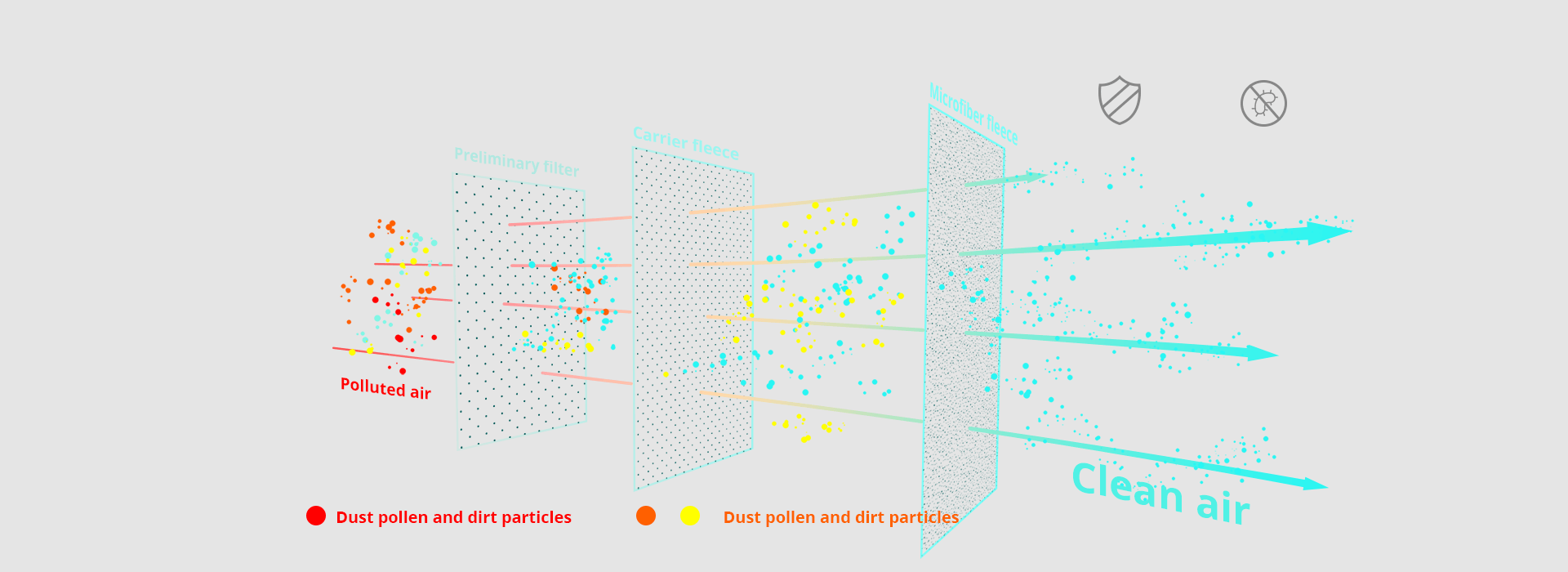
Thinking back to my own school days, I vividly recall the difference a breath of fresh air could make—literally. When the air felt clean, it seemed like our brains worked better, and our moods lifted. It's precisely this impact that HisoAir aims to provide in schools today. By diving deeper into the broader implications of air quality and leveraging strategic technology benefits, we can create educational settings that are not only sustainable but also truly supportive of both learning and well-being. Let's explore how.
HisoAir systems use HEPA filters to clean the air.True
HisoAir systems utilize HEPA filters to capture small particles.
HisoAir systems increase energy consumption in schools.False
HisoAir systems are designed to be energy-efficient, minimizing usage.
What Are the Key Benefits of Improved Air Quality in Schools?
Remember those days in school when it was hard to concentrate because the classroom felt stuffy? Well, it turns out air quality plays a big role in our ability to learn.
Improved air quality in schools boosts cognitive abilities, reduces illness-related absences, and fosters a healthier environment for students and teachers, leading to enhanced academic performance.
Enhancing Cognitive Function and Concentration
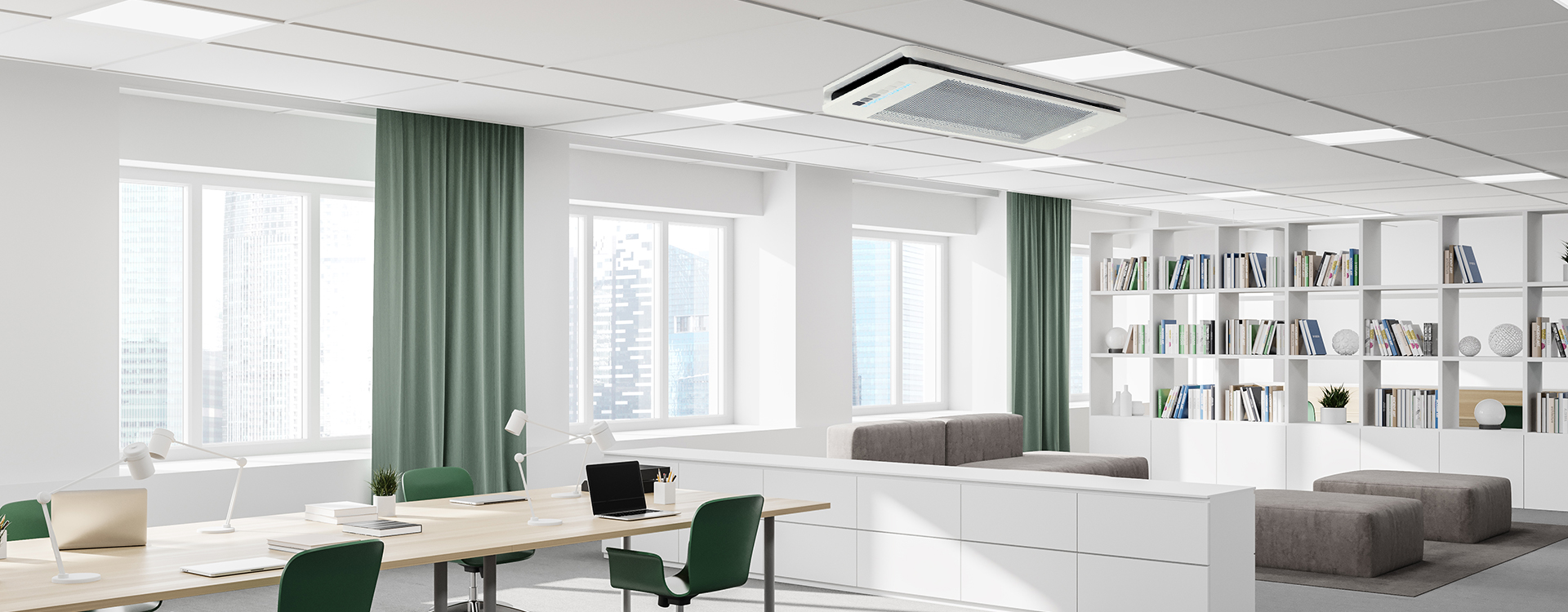
I remember sitting in a classroom, struggling to keep my eyes open as the afternoon sun poured in. Little did I know that the air quality might have been sapping my focus. Recent research shows that better air quality can significantly improve cognitive function. Schools with advanced air purification1 systems often notice a boost in student focus and engagement. Cleaner air means fewer pollutants clouding our brains.
| Factor | Impact on Students |
|---|---|
| Lower CO2 levels | Improved concentration |
| Fewer pollutants | Enhanced cognitive performance |
| Clean air environments | Better test scores |

Reducing Absenteeism
I used to think of skipping school as a win, but not when it was because I was wheezing from an asthma attack. Poor indoor air quality (IAQ) is linked to respiratory issues like asthma, a major cause of school absences. By addressing IAQ, schools can significantly reduce student absenteeism2. More time in class means more chances to learn and grow.
Healthier Environment for Staff and Students
A healthier indoor environment isn't just about showing up; it's about thriving. When I learned about HEPA filters and other high-efficiency solutions, I realized how they could capture harmful particles, promoting a cleaner indoor space3. This means fewer sick days and more vibrant school communities.
Supporting Better Academic Outcomes
Imagine a world where students aren't bogged down by headaches, allergies, or fatigue. With improved IAQ, this dream is closer to reality. Studies have shown a positive link between air quality and academic performance4. Schools with cleaner air report higher test scores and better grades, making it easier for students to shine in their studies.
Promoting Long-term Well-being
Improving air quality goes beyond immediate benefits; it's an investment in the future well-being of students and staff. It encourages healthier lifestyles and supports mental health by reducing stress from poor environmental conditions. Investing in quality air systems is a commitment to the health and success of future generations.
Better air quality improves student concentration.True
Studies show that lower CO2 levels enhance cognitive performance.
Air purification systems increase absenteeism rates.False
Effective IAQ management reduces respiratory issues, decreasing absences.
How does poor IAQ affect student health and learning?
Ever noticed how a stuffy classroom can make your head feel heavy and your thoughts foggy? It turns out, poor indoor air quality (IAQ) isn't just uncomfortable—it's impacting students' health and learning in more ways than we might realize.
Poor indoor air quality can lead to respiratory problems, allergies, and asthma in students. These health issues often result in increased absenteeism and diminished concentration, directly affecting academic performance.
Health Risks Associated with Poor IAQ
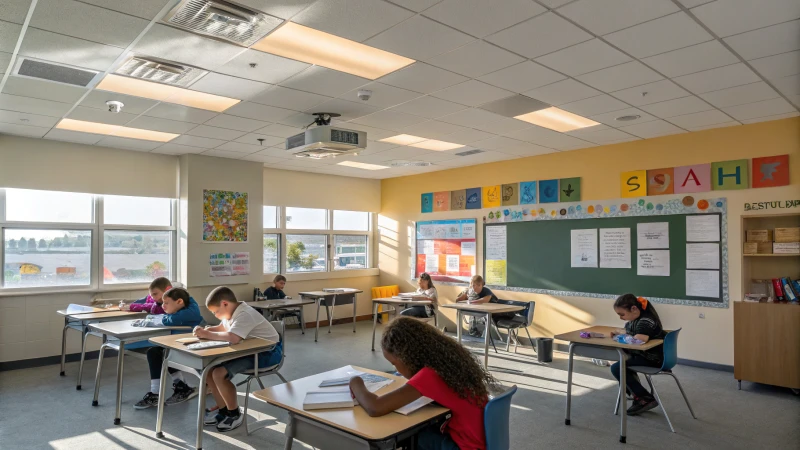
I remember the first time my child came home from school with a cough that wouldn't quit. After some digging, I learned it wasn't just the common cold—it was the school's poor air quality exacerbating her asthma. Exposure to bad IAQ can lead to a host of respiratory problems5 like asthma and allergies, which are particularly troubling for kids. It's heartbreaking seeing them miss out on school activities because they're just not feeling well.
| Health Issue | Impact on Students |
|---|---|
| Respiratory Illness | Increased absenteeism |
| Allergies | Discomfort and distraction |
| Asthma | Frequent medical attention |
Academic Impacts of IAQ
I've noticed that on days when my classroom felt especially stuffy, my students seemed less focused, their test scores not quite hitting the mark. It turns out, it's not just my imagination. Studies show that poor IAQ can actually diminish attention spans and test scores. The good news? Even small improvements in air quality can help boost cognitive performance, leading to better grades and happier students. Research6 supports this.
The Role of Educators and Administrators
As a teacher, I've found myself championing for better air quality because I see the difference it makes firsthand. However, it's not something I can tackle alone. Administrative support is crucial for implementing effective solutions7.
One practical approach is adopting air purification technologies, like those from HisoAir. By installing advanced filtration systems in high-traffic areas—think libraries and cafeterias—schools can make a significant impact on student health and learning outcomes. If you're passionate about creating a healthier educational environment, I recommend checking out the detailed guidelines8 from the EPA and CDC.
Poor IAQ can lead to increased student absenteeism.True
Poor IAQ causes health issues like asthma, leading to more absences.
Improved IAQ has no effect on cognitive performance.False
Research shows better IAQ enhances cognitive function and test scores.
Why Do HisoAir Purifiers Stand Out?
Ever wondered what sets HisoAir purifiers apart from the rest? Let me take you on a journey through the innovations that make them truly unique.
HisoAir purifiers excel with H13 True HEPA filters, Decibel Cancellation™ technology, and smart IAQ management systems. These features offer top-notch air purification, quieter operation, and real-time air quality monitoring, making them stand out in the air purification market.
Advanced Filtration Technology
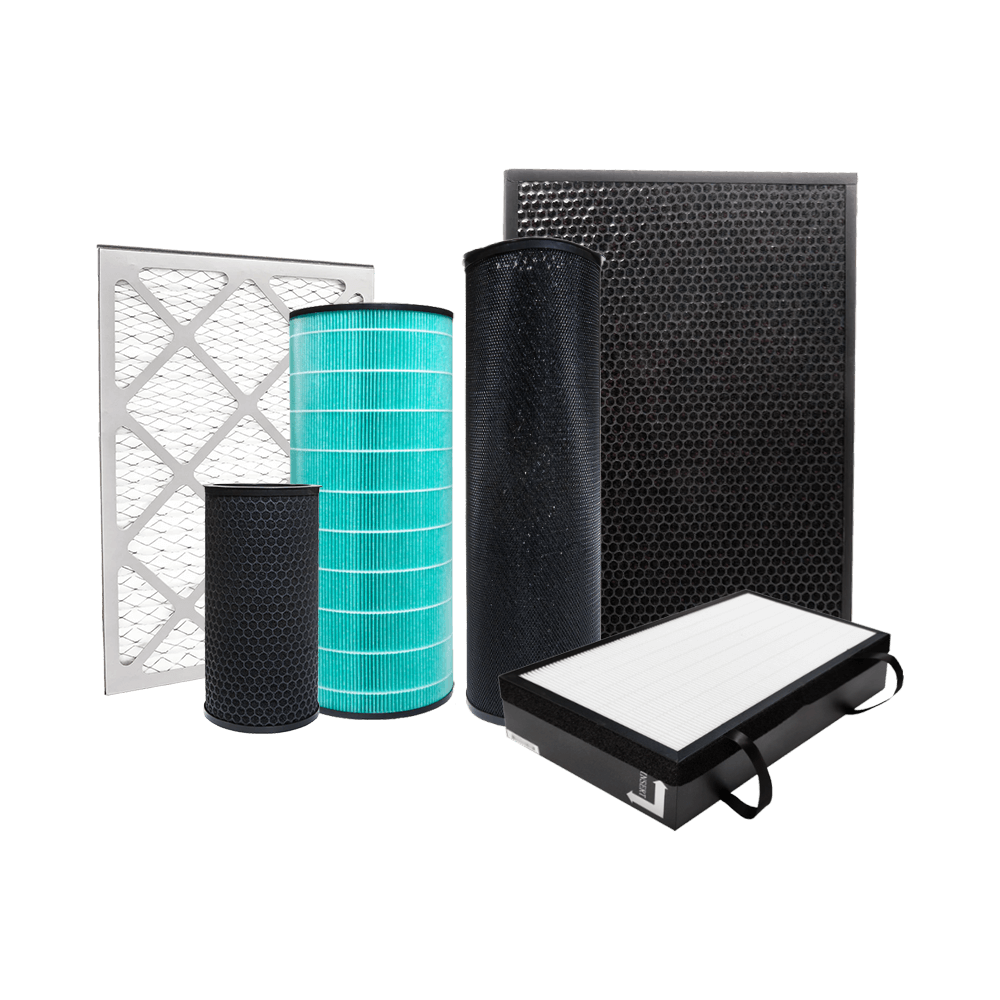
Let me tell you a little story. A few months ago, I was battling relentless allergies at home. It felt like I was constantly sneezing and reaching for tissues. That's when I discovered HisoAir purifiers with their H13 True HEPA filters. These filters capture 99.95% of airborne particles, including those nasty bacteria and allergens that made my life miserable. It's amazing how a device can transform your environment and bring peace to your sinuses! The ability to eliminate VOCs adds another layer of comfort, making my home feel like a sanctuary.
| Feature | Description |
|---|---|
| H13 True HEPA | Removes 99.95% of pollutants |
| VOC Elimination | Targets harmful chemicals in the air |
| Particle Capture | Effective against bacteria and allergens |
Decibel Cancellation™ Technology
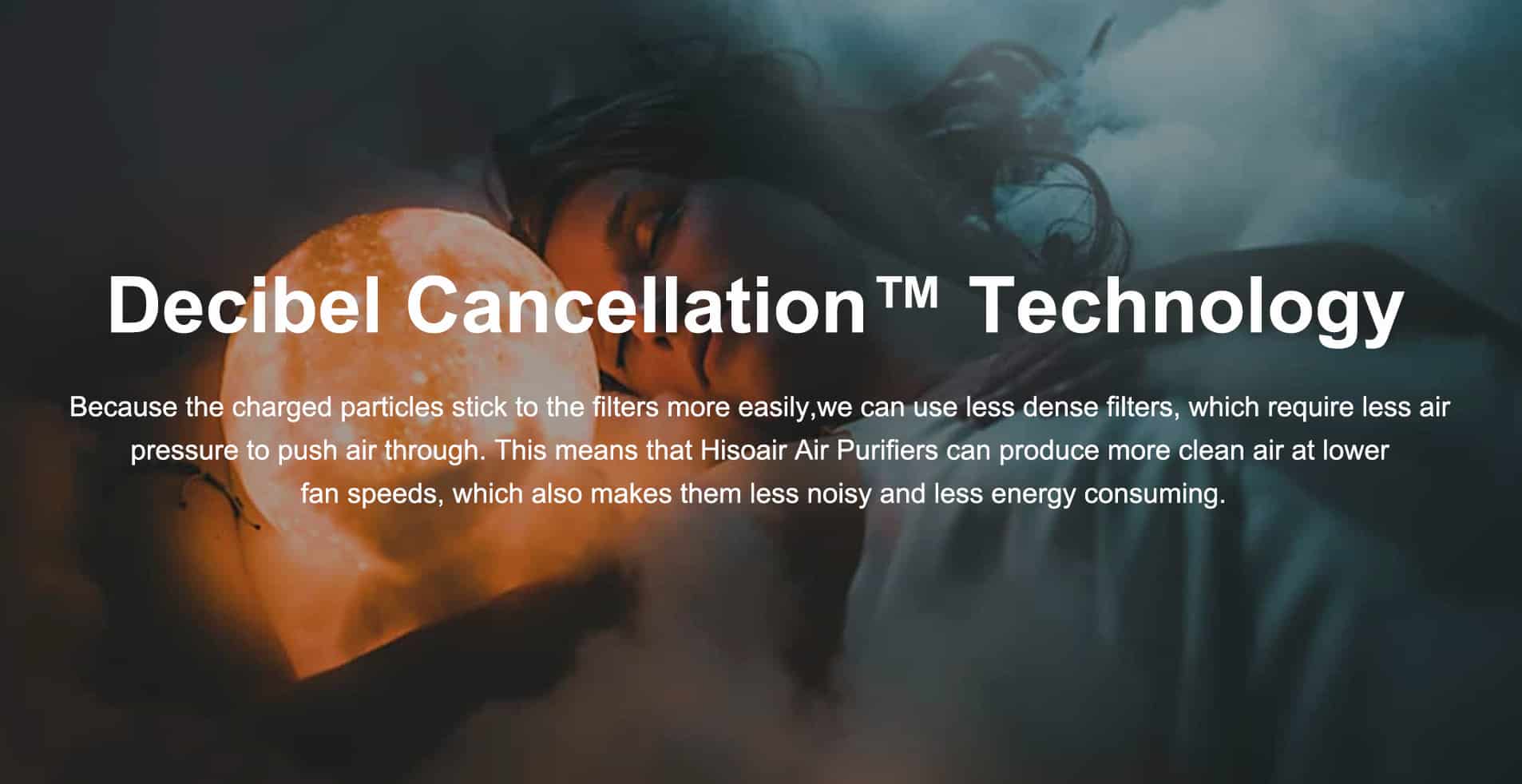
I used to dread turning on any air purifier due to the noise. Imagine trying to relax or read in your favorite chair, only to have your moment disrupted by a loud hum. That's why HisoAir's Decibel Cancellation™ is a game-changer. The quiet operation means I can finally enjoy some tranquility at home, whether I'm meditating or just winding down after a long day.
Smart IAQ Management
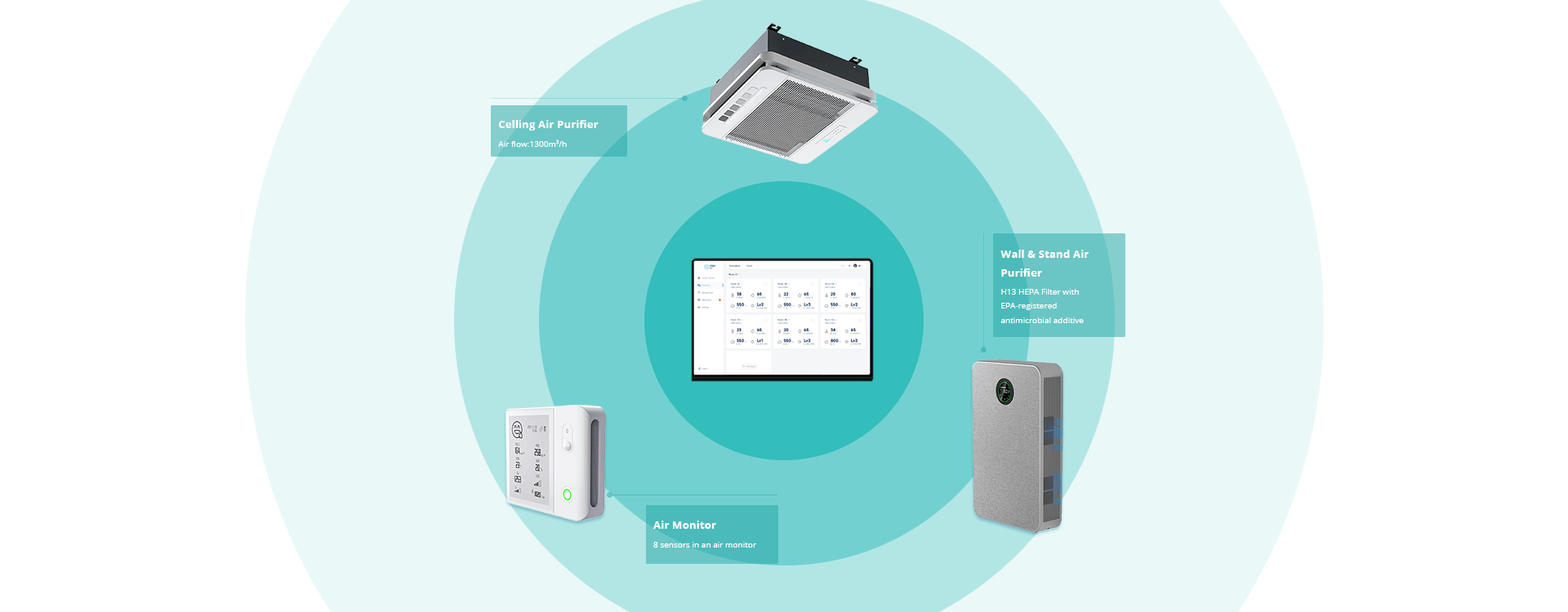
One evening, while hosting a dinner party, I noticed how my guests were so impressed by the freshness of the air in my home. That's thanks to HisoAir's intelligent sensors that monitor real-time air quality data and automatically adjust filtration levels based on it, ensuring optimal conditions without me lifting a finger. Plus, I love checking the air quality data9 on my phone—it feels empowering to be so in control of my environment.
Data-Driven Insights
But it doesn't stop there. The smart technology provides comprehensive data insights that help me track air quality trends over time. It's fascinating how data can guide decisions to enhance indoor environments, not just in homes but also in schools and offices. By analyzing these trends, we can implement long-term strategies for healthier air.
Explore how these insights can lead to effective solutions10 in various settings.
Integration with Modern Needs
In today's world, energy efficiency and sustainability are more than just buzzwords—they're necessities. HisoAir purifiers align with these values by consuming less energy and supporting sustainable living practices. This commitment helps me sleep better at night knowing I'm contributing positively to the planet, and it also aligns with green building standards like LEED or WELL.
Discover more about11 their sustainability initiatives.

In conclusion, HisoAir purifiers combine advanced filtration, noise reduction, smart management, and sustainability efforts to address modern needs effectively. It's not just about cleaner air; it's about creating healthier spaces for everyone.
HisoAir purifiers use H13 True HEPA filters.True
HisoAir purifiers use H13 True HEPA filters to capture 99.95% of particles.
Decibel Cancellation™ increases noise in HisoAir purifiers.False
Decibel Cancellation™ reduces noise, ensuring quiet operation in HisoAir purifiers.
How can schools improve indoor air quality effectively?
Breathing in fresh, clean air isn't just a luxury—it's essential, especially in schools where young minds are busy growing and learning. Let's explore how we can make classrooms healthier for everyone.
To boost indoor air quality in schools, we can upgrade ventilation systems, use high-efficiency filters, perform regular maintenance, and install air purifiers. Partnering with experts and following EPA guidelines ensures the best air quality possible.
Understanding the Importance of IAQ in Schools
I'll never forget walking into a classroom on a chilly winter morning, feeling the stuffiness in the air—a stark reminder of how crucial fresh air is. Poor IAQ not only makes us uncomfortable but also affects health and learning. Studies from places like Harvard T.H. Chan School of Public Health12 have shown that when we breathe better, we think better. So, improving IAQ is not just a task; it's a necessity.
Key Components of Effective IAQ Strategies
-
Ventilation Improvements:
It's all about breathing easier. By upgrading HVAC systems to increase ventilation rates, schools can ensure fresh air circulates more frequently. The EPA suggests five air changes per hour for optimal results. -
High-Efficiency Filtration:
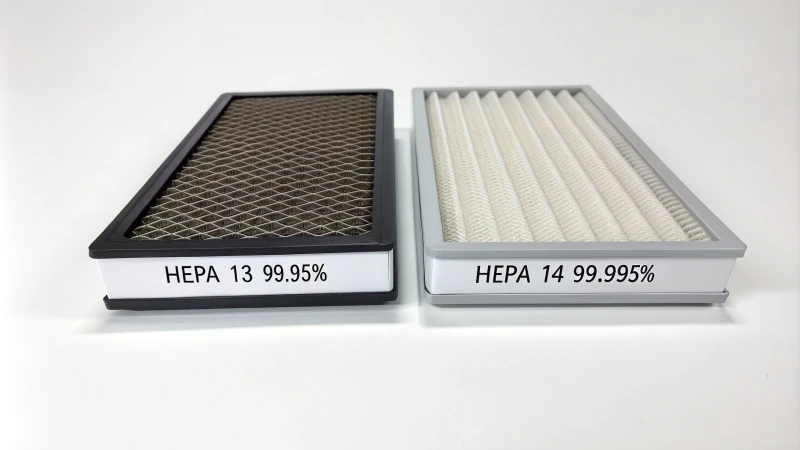
I remember the day our school installed HEPA filters; the difference was palpable. These filters are champions at capturing those pesky airborne particles.Filter Type Efficiency HEPA 99.97% ULPA 99.999% -
Localized Air Purification:
Think about those crowded gym sessions or bustling cafeterias. That's where localized purifiers come in handy, ensuring even those busy spaces stay fresh.
Role of Advanced Air Purification Systems
Smart Technology Integration:
Modern systems are like the superheroes of IAQ management—constantly monitoring and adjusting to keep things perfect without you lifting a finger.
Data-Driven Decision Making:
Access to real-time data means we don't have to guess about the air quality. We can make informed decisions and adjustments swiftly.
Collaborating with Experts
Working with environmental experts ensures that we're not just following trends but implementing solutions that truly make a difference. Exploring options like HisoAir solutions13 means getting insights that are tailored to our specific needs.
Implementing these strategies is about more than just cleaner air; it's about healthier and more sustainable environments that reflect our commitment to future generations.
Improved IAQ boosts students' cognitive performance.True
Studies show better air quality enhances cognitive functions in students.
HEPA filters capture 99.9% of airborne particles.False
HEPA filters capture 99.97% of airborne particles, not 99.9%.
Conclusion
HisoAir purification systems enhance indoor air quality in U.S. schools by removing pollutants, improving cognitive function, reducing absenteeism, and fostering healthier learning environments for students and teachers.
-
Discover the latest advancements in air purification technologies and how they can enhance learning environments. ↩
-
Learn how improving indoor air quality can significantly reduce student absenteeism rates. ↩
-
Explore why maintaining a clean indoor environment is crucial for the health of students and staff. ↩
-
Find studies linking improved air quality to enhanced academic performance among students. ↩
-
Explore how respiratory issues linked to poor IAQ affect students' school attendance and participation. ↩
-
Discover studies linking better air quality with improved student cognitive performance and learning outcomes. ↩
-
Learn about effective strategies and technologies for enhancing IAQ in educational settings. ↩
-
Access guidelines from authoritative bodies on maintaining optimal IAQ in schools. ↩
-
Understand the role of air quality sensors in maintaining optimal indoor air conditions automatically. ↩
-
Explore how data insights from purifiers can enhance air quality management strategies effectively. ↩
-
Discover how using energy-efficient purifiers contributes to achieving sustainability certifications. ↩
-
Learn how poor air quality affects student attendance and why improving IAQ can reduce absenteeism. ↩
-
Explore how HisoAir's advanced systems can improve air quality in schools through tailored solutions. ↩



 English
 Français
 Español
 Italiano
 Deutsch
 Português
 Русский
 العربية
 日本語
 한국어
 Tiếng Việt

