

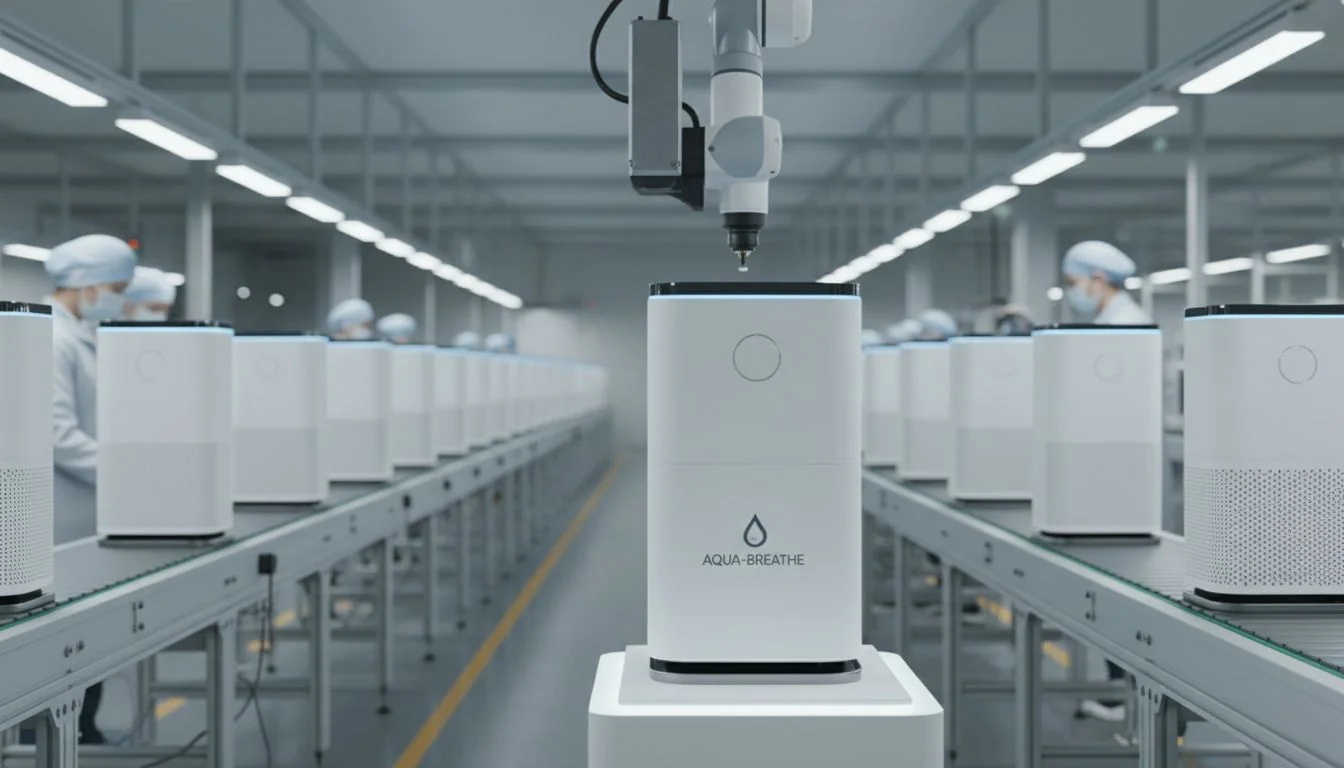
You have a great product idea but no factory. Starting from scratch is expensive and slow. Private labeling1 an existing design is your fastest path to market.
You can add your brand to an existing air purifier design through private labeling, also known as Original Design Manufacturing (ODM). This process involves partnering with a manufacturer to customize a pre-engineered product with your logo, unique packaging, and other brand elements, which dramatically reduces development costs and time.
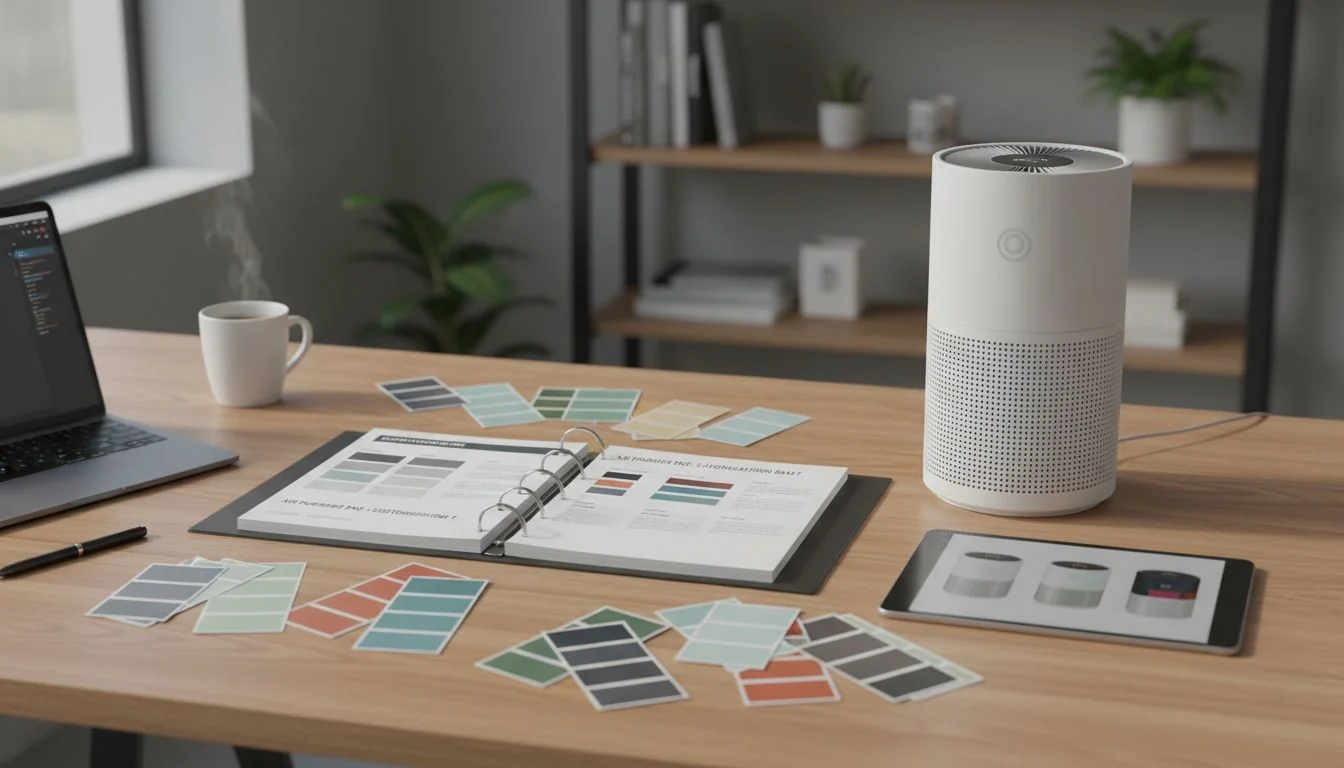
I've helped many clients launch their brands using this exact method. It's a powerful strategy that allows you to focus on marketing and sales, not on the complexities of ground-up product development. But to succeed, you need to understand the key steps and decisions involved. Let's break down how you can take a proven product and make it truly yours, from the logo on the unit to the app on your customer's phone.
Private labeling is only for low-quality, generic products.False
Many successful brands use private labeling to launch high-quality products by partnering with reputable manufacturers and focusing on premium branding, packaging, and customer experience.
Using an ODM model can save a new brand over 90% in initial tooling and R&D costs.True
Developing a new product from scratch requires significant investment in research, design, engineering, and creating new molds, which can cost tens or even hundreds of thousands of dollars. ODM avoids most of these costs.
Why is Private Labeling the Smartest Way to Launch?
Want to launch a product without massive upfront investment? The cost and time of developing a new product from zero can be overwhelming. Private labeling lets you start fast.
Private labeling is smart because it leverages existing, certified product designs. This drastically cuts your R&D costs, shortens your time-to-market, and reduces risk. You can focus your resources on building your brand and marketing, not on complex engineering and tooling from scratch.
When I started my own trading company, I saw firsthand how much time and money goes into creating a product from nothing. For new brands, this is a huge barrier. The ODM model, or private labeling, is the solution. You are not just buying a product; you are buying a market-ready platform2.
Leverage Existing Certifications
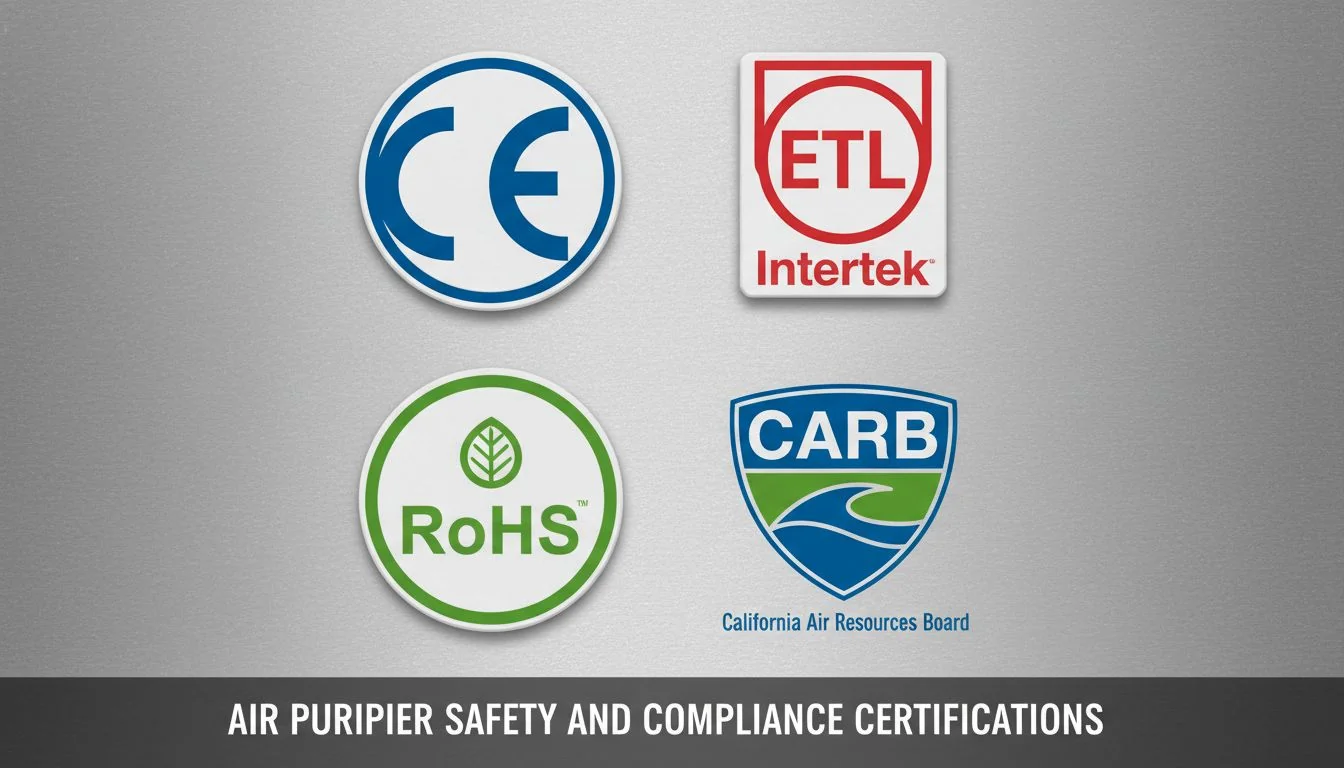
A massive, often-overlooked benefit is that the core product likely already has essential certifications3. I'm talking about CE, ETL, RoHS, or CARB. Getting these on your own can cost tens of thousands of dollars and take months of lab testing. By partnering with a manufacturer like us, you inherit these certifications. This is a huge competitive advantage that gets you to market faster and with less financial risk.
Speed and Cost
Instead of a 1-2 year development cycle, you could be ready to launch in just a few months. Your investment shifts from expensive mold making and engineering to branding4 and marketing, where you can see a more direct return.
| Feature | Full Custom Design (OEM) | Private Label (ODM) |
|---|---|---|
| Time to Market | 12-24 months | 3-6 months |
| Tooling Cost | $50,000 - $200,000+ | $0 (Included) |
| R&D Investment | High | Low / None |
| Certification Cost | High | Low / None |
All private label products from a single factory are identical except for the logo.False
The level of customization can vary greatly, from simple logo printing to custom colors, materials, packaging, user manuals, and even branded software applications.
Private labeling allows a brand to launch a new product line in months, not years.True
By using a pre-developed and tested product chassis, brands skip the lengthy R&D, prototyping, and tooling phases, which typically take the most time in product development.
How do I Define My Brand & Customization Plan?
Your brand is just a logo, right? Wrong. A weak brand identity won't stand out on a crowded shelf. You need a clear plan to make a generic product feel special.
First, define your brand's story, target audience, and unique selling proposition. Then, create a plan that outlines every brand touchpoint, from the logo on the machine to the language in the user manual and the design of the packaging. This holistic approach ensures consistency.
I once worked with a client who was launching a new air purifier brand. They spent a lot of time perfecting the logo on the machine but used a generic, poorly translated user manual. The result? Customers felt the product was cheap, and the brand's premium image was undermined. A brand is more than a logo. It's the entire experience you deliver to the customer.
The Brand Story
Think about who you are selling to. What do they care about? Health? Technology? Design? Your brand story should connect with them on an emotional level. This story will guide all your decisions.
The Visual Identity
This includes your logo, color palette, and typography. These elements should be applied consistently across all materials.
- Product: Logo placement and application method (e.g., silk screen, laser engraving).
- Packaging: The box is your first physical handshake with the customer.
- Collateral: User manual, warranty card, quick start guide.
The User Experience
How does it feel to use your product? A cheap-looking manual can ruin a beautifully branded machine. The language in the manual, the graphics, and even the way components are packed should all tell the same brand story.
The product's physical appearance is the only thing that matters for branding.False
Brand perception is built on all touchpoints, including packaging, user manuals, warranty cards, and digital experiences like a mobile app. Inconsistency in any area can weaken the brand.
A well-designed user manual can significantly improve customer satisfaction and reduce support inquiries.True
A clear, well-written, and on-brand manual helps users get the most out of their product, reduces frustration, and reinforces the brand's commitment to quality and user experience.
What is My Customization Level?
You have big ideas for customization5, but your budget is tight. How do you balance ambition with reality? The key is understanding Minimum Order Quantities (MOQs).
Your customization level is determined by your budget and the manufacturer's Minimum Order Quantity (MOQ). Simple changes like logo printing have low MOQs (e.g., 500 units), while complex changes like custom plastic colors or mold modifications require much higher MOQs (e.g., 3,000+ units).
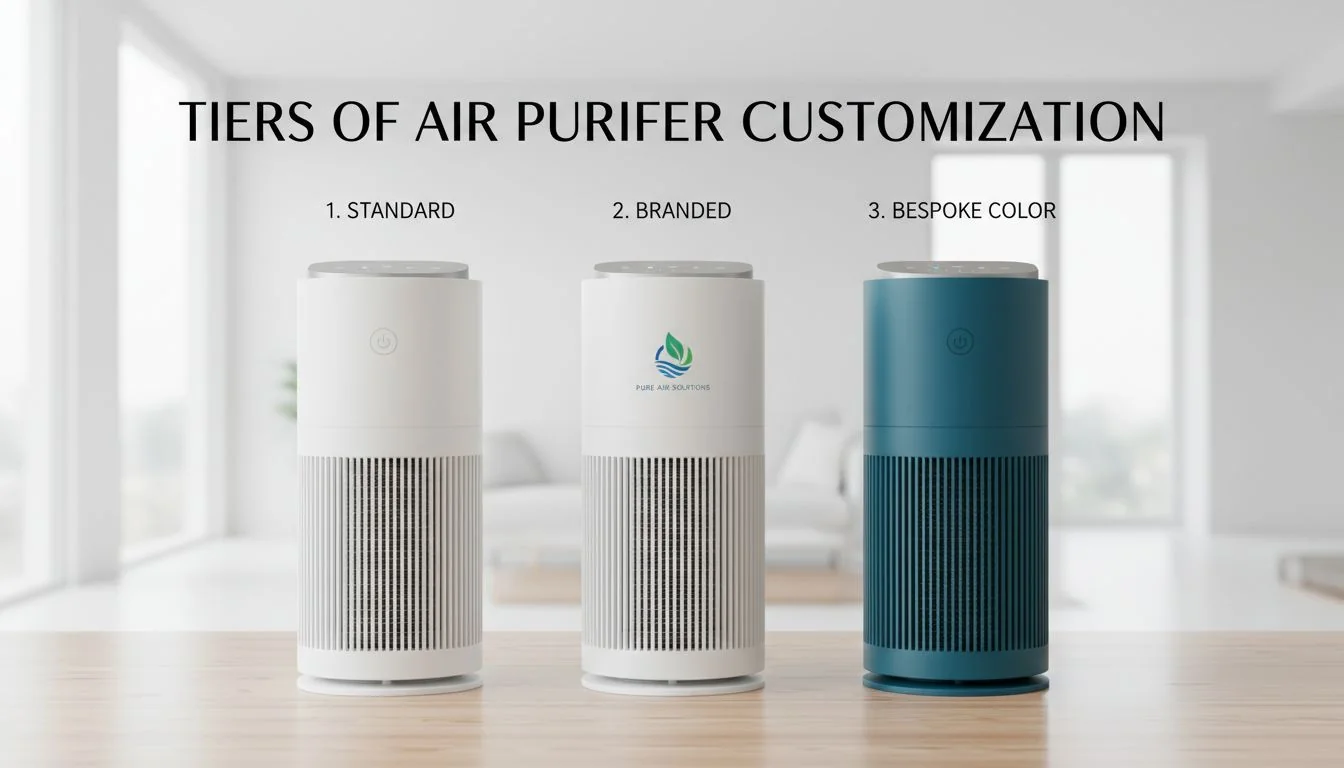
This is the single most important concept you need to grasp. MOQ dictates everything. I always tell my clients to be realistic. You can't ask a factory to produce just 100 units in a custom Pantone color. The cost of setting up the machines and mixing the raw materials is too high. That's why we offer branding services that scale with your ambition. Think of it as a tiered system.
Tier 1: The Basics (Low MOQ)
This is the entry point. It's fast, affordable, and perfect for testing a market.
- Customization: Logo printing on the unit, custom-designed packaging box.
- Typical MOQ: 500 - 1,000 units.
Tier 2: The Premium Feel (Medium MOQ)
This level adds more unique brand elements.
- Customization: Everything in Tier 1, plus a custom user manual, warranty card, and potentially a unique finish on certain parts.
- Typical MOQ: 1,000 - 2,000 units.
Tier 3: Deeper Customization (High MOQ)
Here, you start changing the product itself.
- Customization: Everything in Tiers 1 & 2, plus custom plastic colors for the housing or changing the mold for minor feature adjustments.
- Typical MOQ: 3,000+ units.
| Customization Option | Typical MOQ | Relative Cost |
|---|---|---|
| Logo Printing (Silk Screen) | 500+ | Low |
| Custom Packaging Box | 500+ | Low-Medium |
| Custom User Manual | 1,000+ | Low |
| Custom Plastic Color | 3,000+ | Medium |
| Minor Mold Modification | 5,000+ | High |
Minimum Order Quantity (MOQ) is a flexible number that can always be negotiated down.False
While some negotiation is possible, MOQ is largely determined by the raw material supplier's requirements and the economics of a production run. For example, a plastic supplier may only sell raw material for 3,000 units at a time.
The unboxing experience is a cost-effective way to create a premium brand perception.True
Investing in high-quality, well-designed packaging has a high ROI. It's often the first physical interaction a customer has with the brand and can make a standard product feel like a luxury item.
What does the Production Process from Start to Finish look like?
You've chosen a supplier and a design. Now what? The production process can seem like a black box. I'll show you the clear steps from order to shipment.
The process starts with confirming your design and customizations. Then, you approve a "golden sample." Once approved, mass production begins, followed by quality control6 inspections. Finally, the finished, branded products are packaged and shipped to you. Clear communication is key at every stage.
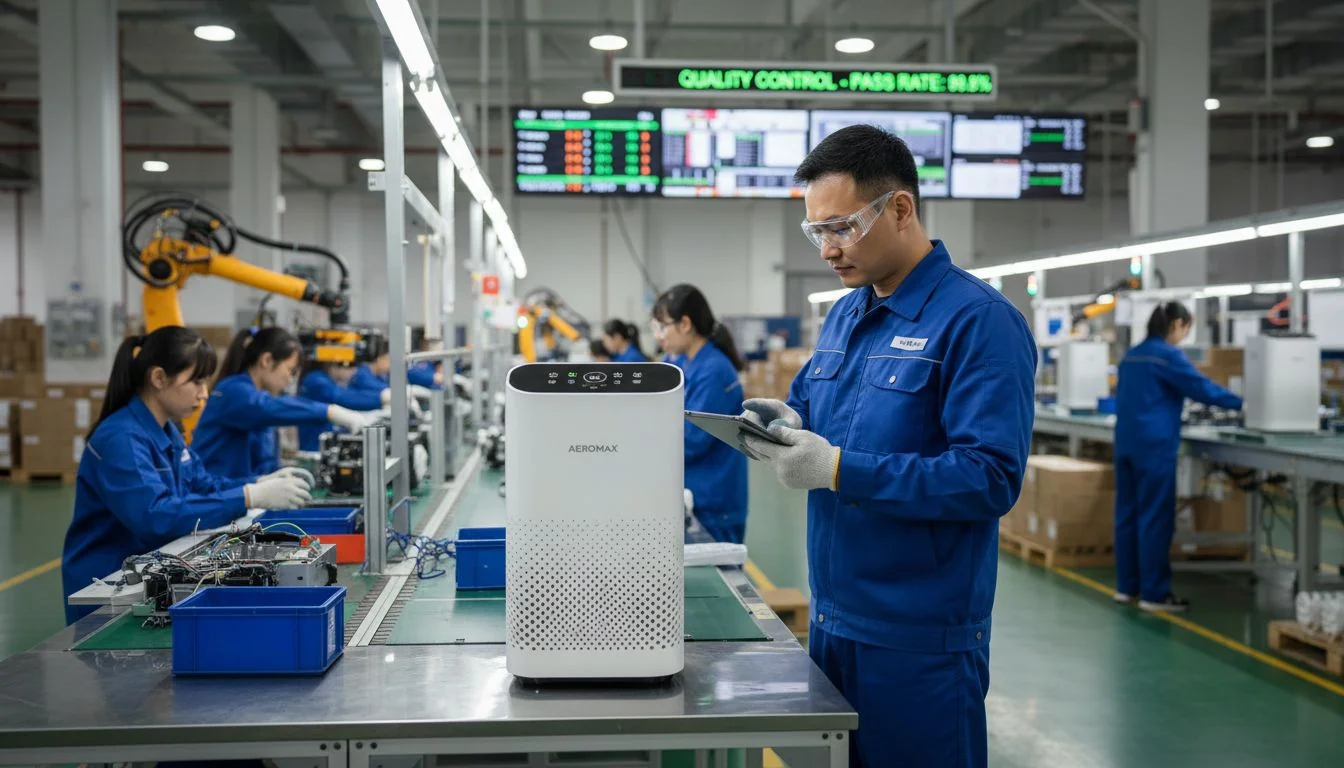
Having been on the factory floor myself, I know how crucial a clear process is. A misunderstanding at the start can lead to costly mistakes down the line. Here is the step-by-step journey your product will take.
1. Design & Sample Confirmation
This is where we finalize all your branding details: the logo files, the packaging artwork, the manual text, and any other custom elements. Based on this, we produce a "golden sample." This is the final pre-production unit that you must approve. It represents exactly what your customers will receive.
2. Mass Production
Once you approve the golden sample, we move to mass production. Our factory procures the raw materials and begins assembly. This is where your understanding of MOQ pays off, as we produce the quantity you ordered.
3. Quality Control (QC)
Throughout and after production, our QC team inspects the products to ensure they meet the standards set by the golden sample. As a client, you can also hire a third-party inspection service for extra peace of mind.
4. Packaging & Shipment
After passing QC, the units are packaged in your custom boxes with all the branded materials. They are then prepared for freight and shipped to your designated warehouse.
Once mass production starts, you can still make changes to the product design.False
Changes after mass production has begun are extremely costly and often impossible. It would require stopping the production line and potentially scrapping already-made components. All changes must be finalized and approved with the 'golden sample'.
The 'golden sample' is the most important checkpoint in the production process.True
The golden sample is the physical contract between you and the manufacturer. It is the exact model that the mass-produced units will be benchmarked against for quality and specifications.
How can Your Brand be Powered by Our Expertise?
Your product is smart, but is the user experience7? A generic app can ruin a premium product feel. Your brand needs to extend into the digital world.
We power your brand by offering more than just hardware. For smart air purifiers, we provide a white-label app that can be customized with your brand's logo, colors, and user interface. This creates a seamless digital handshake between your customer and your brand.
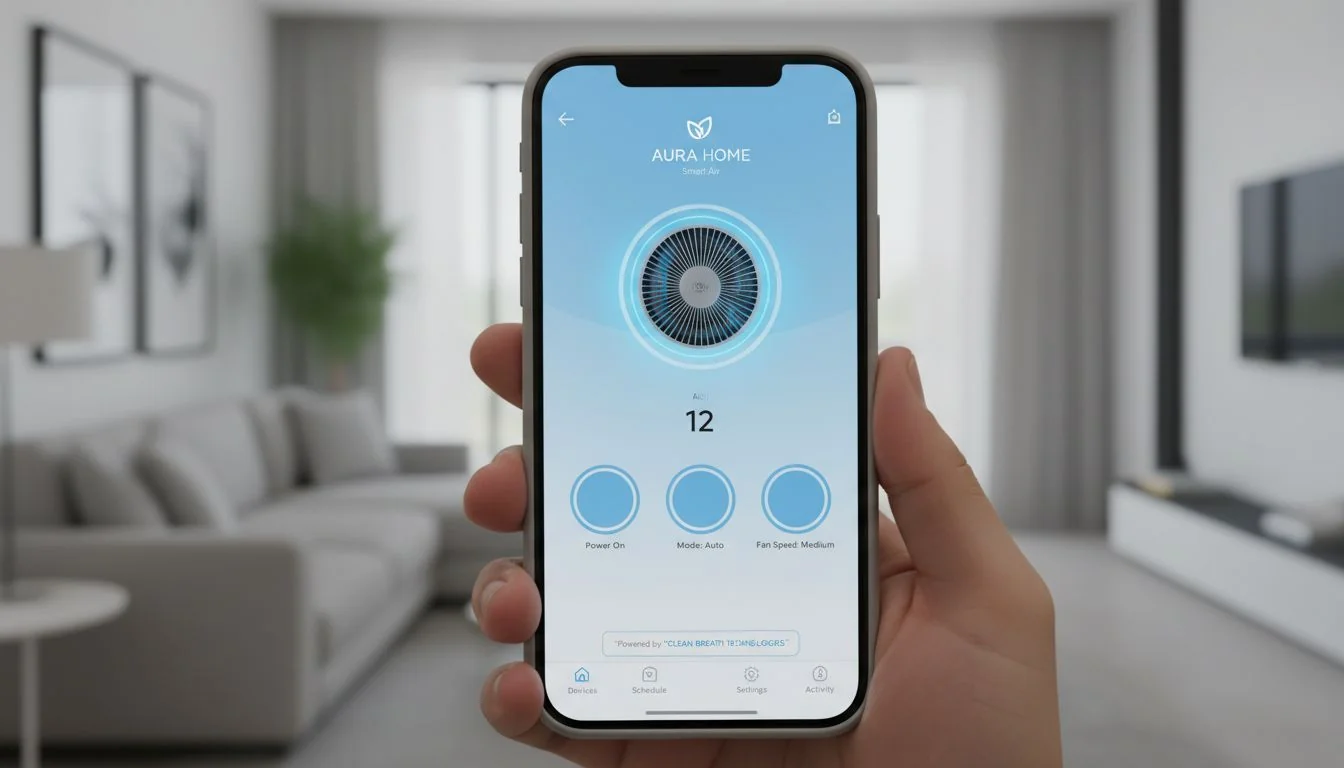
In today's market, especially for a product designer like you, Jacky, the digital experience is as important as the physical one. Many suppliers can put a logo on a machine, but they'll give you a generic, unbranded app to control it. This breaks the brand experience. The app is where your user will interact with your brand daily. It's a huge opportunity.
The App as a Key Brand Touchpoint
We recognized this gap early on. That's why we invested in developing a robust smart-home platform that we can re-skin for our clients. When your customer opens the app, they see your logo and your colors. It feels like your technology, not ours.
The Customization Process
The process is straightforward. You provide us with your visual brand assets:
- Logo files
- Brand color codes
- Desired app name
Our software team then integrates these elements into the app's user interface. We handle the technical backend, so you can offer a polished, reliable smart-home experience without hiring a single developer. This is a major competitive advantage that makes your product feel more integrated and premium.
Developing a custom smart-home app from scratch costs less than $5,000.False
Building a secure, reliable, and user-friendly IoT app from the ground up, including backend infrastructure, can easily cost $50,000 to $150,000+ and take 6-12 months of development.
A white-label app allows brands to offer smart features quickly and cost-effectively.True
By customizing a pre-existing and proven app platform, brands can provide a seamless, branded digital experience to their customers for a fraction of the cost and time of custom development.
Conclusion
Private labeling is a powerful strategy. By understanding MOQs, focusing on the full brand experience, and partnering with the right manufacturer, you can launch a successful product brand.
References
-
Explore the concept of private labeling to understand how it can accelerate your product launch. ↩
-
Explore the concept of a market-ready platform and its benefits for launching new products. ↩
-
Understand the importance of certifications in ensuring product safety and compliance. ↩
-
Discover strategies for effective branding that can enhance your product's market appeal. ↩
-
Learn about effective customization strategies that can differentiate your product in the market. ↩
-
Understand the significance of quality control in ensuring product reliability and customer satisfaction. ↩
-
Explore ways to enhance user experience, which is crucial for customer satisfaction and brand loyalty. ↩










 English
  Français
  Español
  Italiano
  Deutsch
  Português
  Русский
  العربية
  日本語
日本語  한국어
한국어  Tiếng Việt

