Parents worry about school drinking water. You design the filter parts. Districts struggle to explain filter safety. We can fix this communication gap with clear facts.
School districts build parent trust by using NSF-certified filters1 and sharing clear data. They must provide water test reports, certification scopes, and maintenance records. This transparent communication proves the water is safe. It works better than making empty claims about water quality.
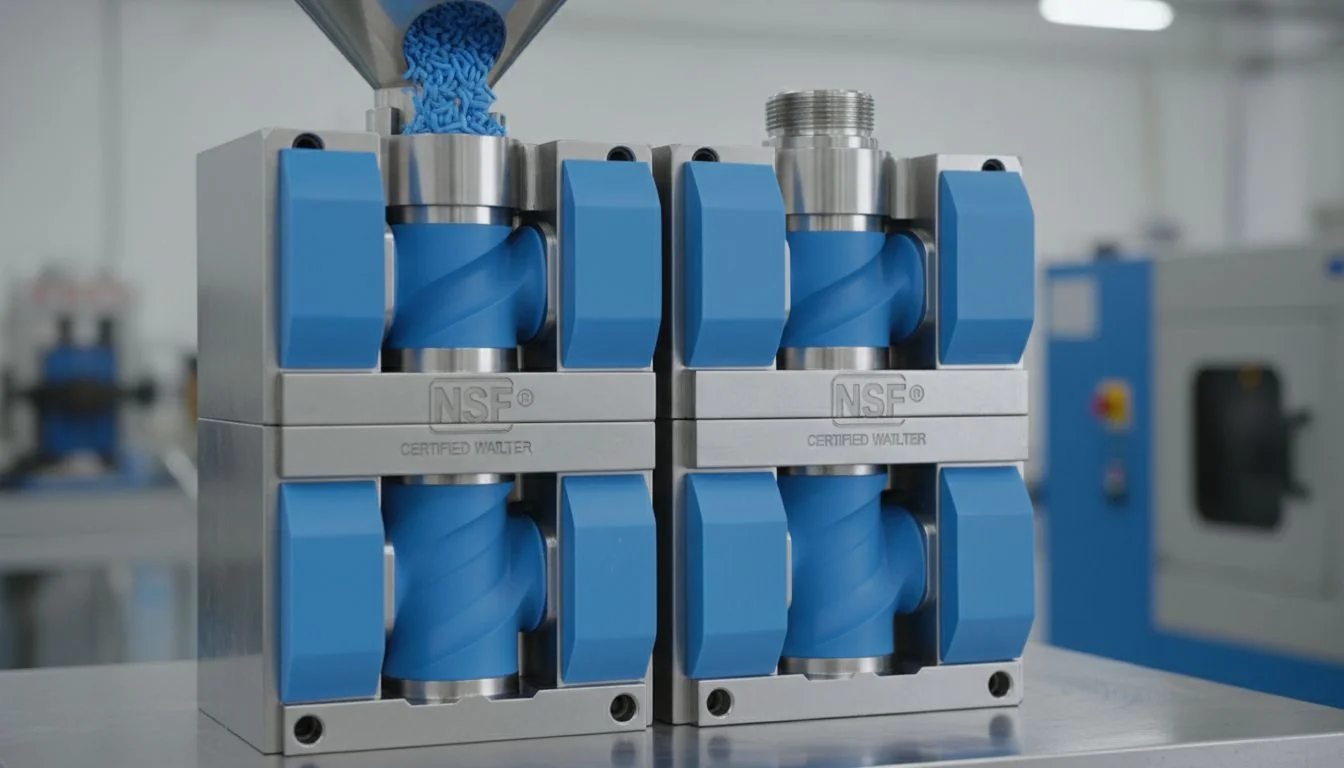
I remember a past project. My factory molded a plastic housing for a commercial water filter. We focused only on tight tolerances and mold shrinkage. We forgot the final user needs proof of safety. The school cannot prove the filter works without data. Our perfect mold design does not matter without this proof. We must look at how districts actually use our products to build trust with parents.
NSF certification only tests the plastic housing of a water filter.False
NSF certification tests the entire filtration system for material safety and contaminant reduction, not just the plastic housing.
Sharing maintenance records helps school districts build trust with parents.True
Providing verifiable maintenance records shows parents that the water filtration systems are actively monitored and kept in safe working condition.
Why Does Transparency Matter in School Water Programs?
Hidden water data makes parents angry. They fear the worst. Schools stay quiet. Transparency stops this fear. It builds real trust in the school water program.
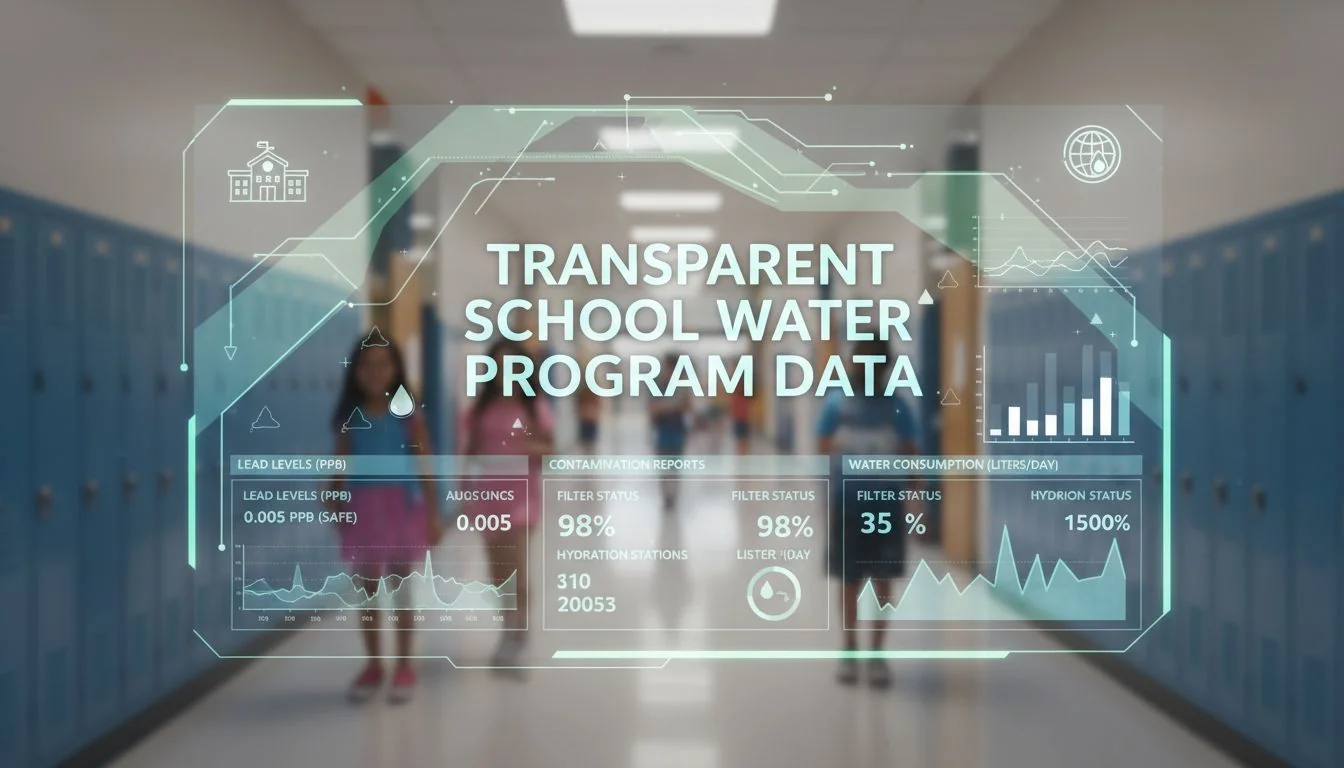
Transparency matters. It replaces fear with facts. Schools openly share water test results. They share filter maintenance schedules. Parents feel respected. This open process shows the district protects students. It builds strong community trust.
The Cost of Hiding Data
I talk to clients who buy our molded filter parts. They tell me about school board meetings. Parents get very upset. They think the school hides water quality issues. We know our plastic parts are safe. Parents do not know this. They need to see the data.
Building a Transparent System
Schools must share information openly. They should not use fear to get funding. They should use facts. A school installs a filter. They must show exactly what that filter does. Our design work meets public relations here. We must provide our clients with exact material specifications. They pass this data to the schools.
Transparency Checklist
Schools show transparency in specific ways.
| Action | Why It Works | Result |
|---|---|---|
| Share test reports | Proves the water condition | Parents see real facts |
| Post maintenance logs | Shows the filter is clean | Parents trust the upkeep |
| Explain the filter type | Removes mystery | Parents understand the fix |
Schools should use fear about water quality to get more funding.False
Schools should use transparency and facts, not fear, to build trust and communicate about water quality.
Sharing test reports helps parents see the real condition of the water.True
Test reports provide verifiable data that removes mystery and shows parents the exact safety levels of the water.
What Does NSF Certification Communicate to Non-Technical Audiences?
Technical specs confuse most parents. They do not understand micron ratings. NSF certification gives them a simple stamp of approval. They can easily understand this mark.
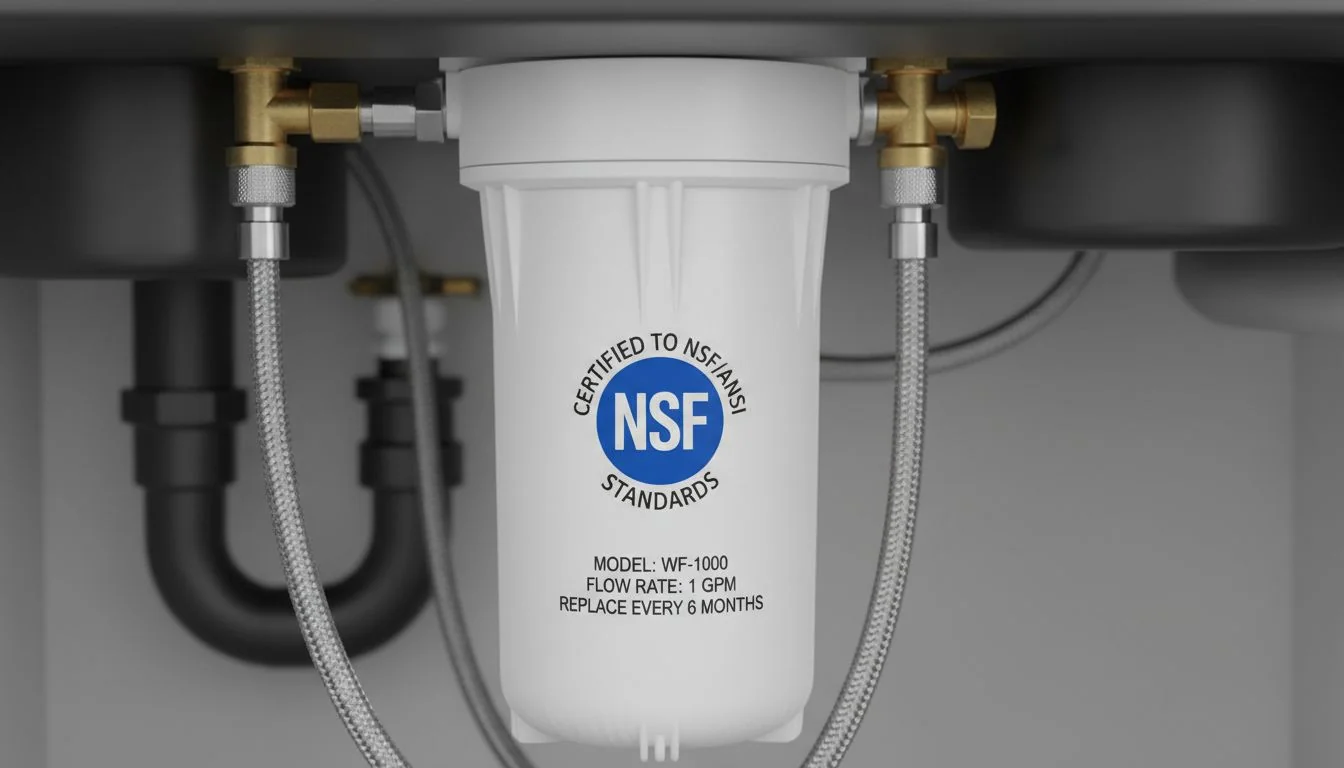
NSF certification tells parents a fact. An independent expert tested the water filter. It communicates safety and strict testing. Parents do not need to understand plastic mold engineering. They just need to see the NSF mark. They feel safe.
The Power of a Simple Mark
I deal with complex CAD files at my CNC trading company. Jacky, you know the struggle. We calculate mold shrinkage for a filter housing. A parent does not care about our hard work. They only care about safe water for their child. The NSF mark translates our complex engineering. It becomes a simple promise of safety.
Breaking Down the Certification
NSF certification covers different standards. Schools must explain the specific certification. NSF 53 means the filter reduces health-related contaminants. Lead is one example. We must ensure our molded parts meet these strict material standards. The final product must pass the test.
What Parents See vs. What We See
Engineers and parents look at filters differently.
| Feature | What Engineers See | What Parents See |
|---|---|---|
| NSF 42 | Chlorine taste and odor reduction | The water tastes good |
| NSF 53 | Lead and heavy metal reduction | The water is safe to drink |
| Material Safety | Food-grade plastic injection | No bad chemicals in the water |
NSF 53 certification means the filter only improves the taste of the water.False
NSF 53 certification means the filter reduces health-related contaminants, such as lead, not just taste and odor.
The NSF mark helps non-technical parents understand that a filter is safe.True
The NSF mark acts as an independent, easy-to-understand stamp of approval that proves the filter has been tested for safety.
How Can Schools Turn Certification and Test Data into Clear Communication?
Raw data dumps overwhelm parents. They get lost in long lab reports. Schools must turn this complex data into clear messages. Everyone can read simple messages.
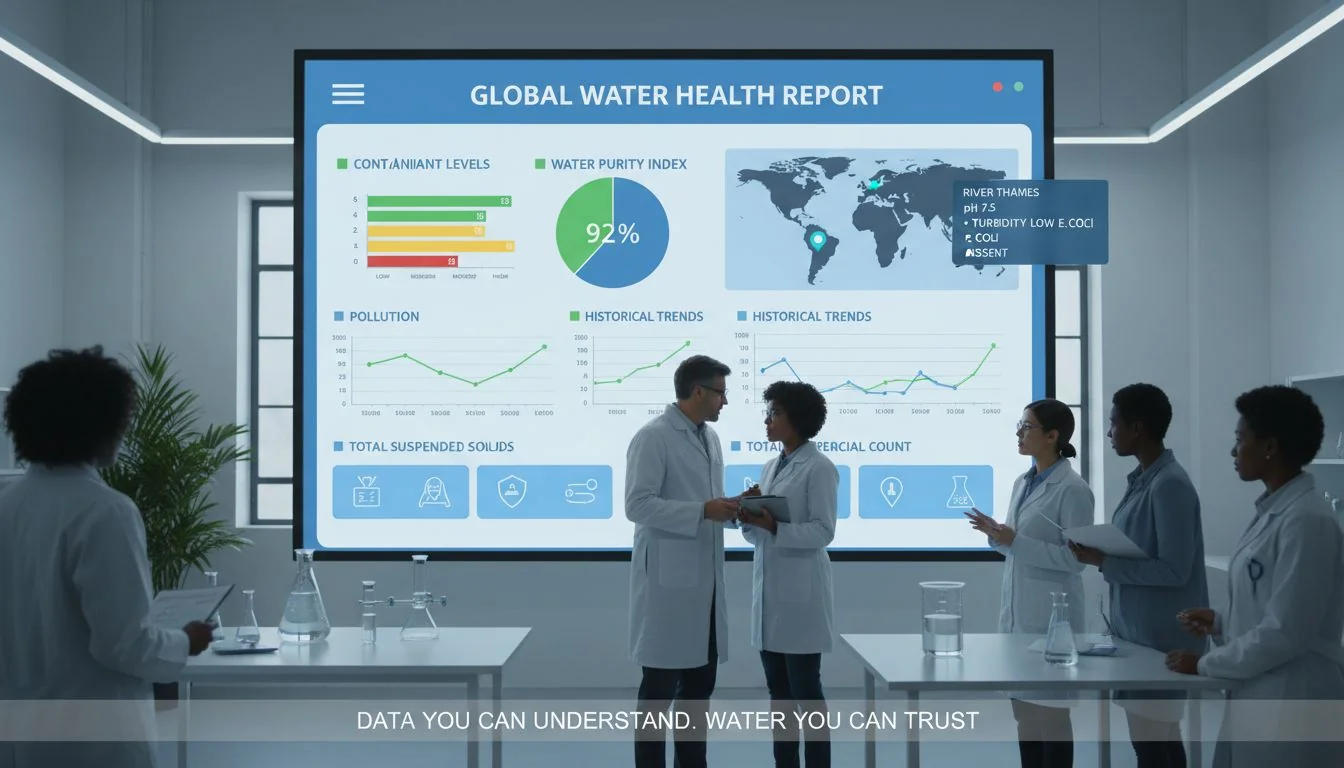
Schools turn data into clear communication. They match test results with the NSF certification scope2. They create simple summaries. These summaries show the problem and the filter model. They show the final clean water result. This proves the product solves the specific water issue.
Connecting the Dots for Parents
I helped a client design a new filter housing once. They had great lab results. Their sales dropped anyway. Their brochure was too technical. Schools have the same problem. They hand parents a long lab report. Parents get confused. Schools must connect the water test data directly to the filter certification.
The Model Matching Method
Schools must show a match. The specific filter model must match the specific water problem. The test shows lead. The school must show an NSF 53 certified filter for lead. We mold the model numbers directly into the plastic parts. This helps the school. They prove they installed the correct unit.
Data Translation Guide
Schools must translate complex data.
| Complex Data | Clear Communication |
|---|---|
| 15 ppb Lead detected | We found a small amount of lead. |
| Installed Model X-100 (NSF 53) | We installed a certified lead filter. |
| Post-test: 0 ppb Lead | The filter works. The water is safe. |
Schools should give parents raw, 20-page lab reports to build trust.False
Raw lab reports overwhelm parents. Schools should provide clear, simple summaries that connect the data to the solution.
Molding model numbers into plastic parts helps schools verify the correct filter is installed.True
Visible model numbers allow schools and parents to easily verify that the installed filter matches the required NSF certification.
What is a Good Messaging Framework for District Communications?
Bad communication causes rumors. Schools send mixed messages. Parents lose trust fast. A solid messaging framework keeps all communication clear. It focuses on verifiable facts.
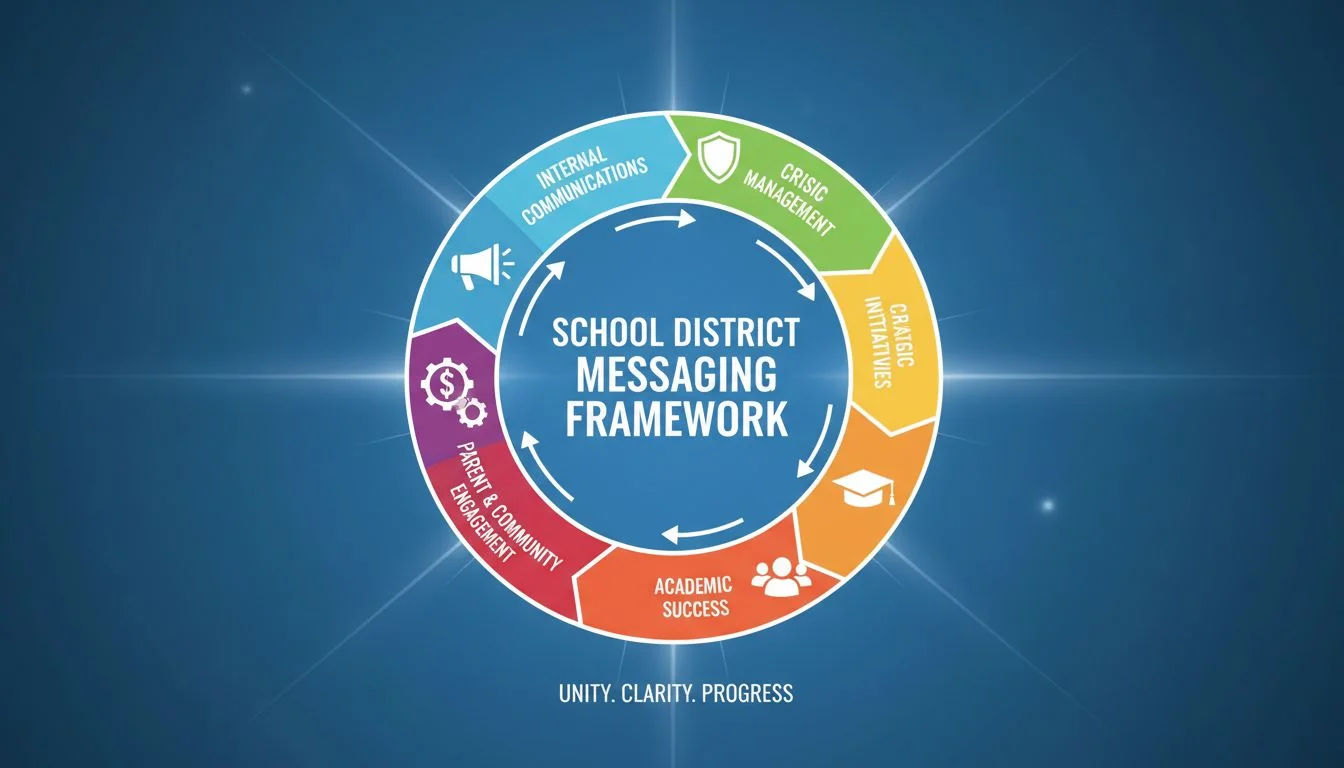
A good messaging framework focuses on the communication process. It does not claim one miracle product fixes everything. It states the current water quality. It explains the chosen NSF-certified solution. It provides verifiable proof of installation. It outlines the ongoing maintenance plan.
Structuring the Message
I train new staff at my CNC company. I use a strict framework. Schools need a similar framework to talk to parents. They cannot just announce a new filter. They must explain the whole process. This shows they have a real plan. It is not just a quick fix.
The Four-Step Framework
The framework must be simple. First, state the facts about the water. Second, explain the action taken. Third, show the proof. Fourth, explain the future plan. We must think about this framework during product design. We can provide maintenance checklists with our products. This helps schools with the fourth step.
Framework Breakdown
Schools can use this simple structure.
| Step | Action | Example Message |
|---|---|---|
| 1. The Facts | Share initial tests | "Here are our recent water test results." |
| 2. The Action | Name the filter | "We installed NSF-certified filters." |
| 3. The Proof | Show matching data | "Here is the certification scope." |
| 4. The Future | Share upkeep plan | "We will change filters every six months." |
A good messaging framework claims that one product solves every water quality concern.False
A good framework focuses on the communication process and verifiable facts, rather than claiming one product is a miracle cure.
Explaining the future maintenance plan helps build long-term trust with parents.True
Sharing the maintenance plan shows parents that the school is committed to keeping the water safe over time.
What Documentation Should Schools Keep on File for Inquiries?
Missing records destroy credibility. A parent asks for proof. The school has nothing. Panic starts. Schools must keep organized documentation ready for any public inquiry.
Schools must keep specific files. They need water test reports3 and NSF certification scopes. They need exact model matching records and detailed maintenance logs. These verifiable materials answer parent inquiries quickly. This proves the school actively manages the drinking water system.

The Importance of Verifiable Materials
I work in the mold industry. We must keep material certificates. Our clients reject the parts without them. Schools face the same rule with parents. They cannot prove the filter is certified. Parents will not believe them. Documentation is the foundation of trust.
Building the Documentation Package
Schools need a complete documentation package4. Suppliers and designers can help. We can provide a supplier checklist. We can provide a spec sheet with every batch of filters. This makes the school job easier. They put our spec sheet into their public file.
Required Documents File
Schools must collect these documents.
| Document Type | Purpose | How We Help |
|---|---|---|
| Water Test Reports | Shows baseline water quality | N/A (School provides) |
| NSF Certification Scope | Proves what the filter does | We design to meet these specs |
| Model Matching Records | Proves the right unit is used | We mold clear part numbers |
| Maintenance Logs | Proves the filter is clean | We design easy-to-change parts |
Schools only need to keep the purchase receipt to prove the water is safe.False
Schools need comprehensive documentation, including test reports, certification scopes, and maintenance logs, to prove safety.
Suppliers can help schools by providing clear specification sheets for their public files.True
Suppliers can provide documentation packages and spec sheets that schools can easily share with parents to build trust.
How Can Schools Coordinate Facilities, Procurement, and Communications Teams?
Disconnected teams make mistakes. Procurement buys the wrong filter. Communications lies to parents by accident. Schools must coordinate all departments. The water program succeeds this way.
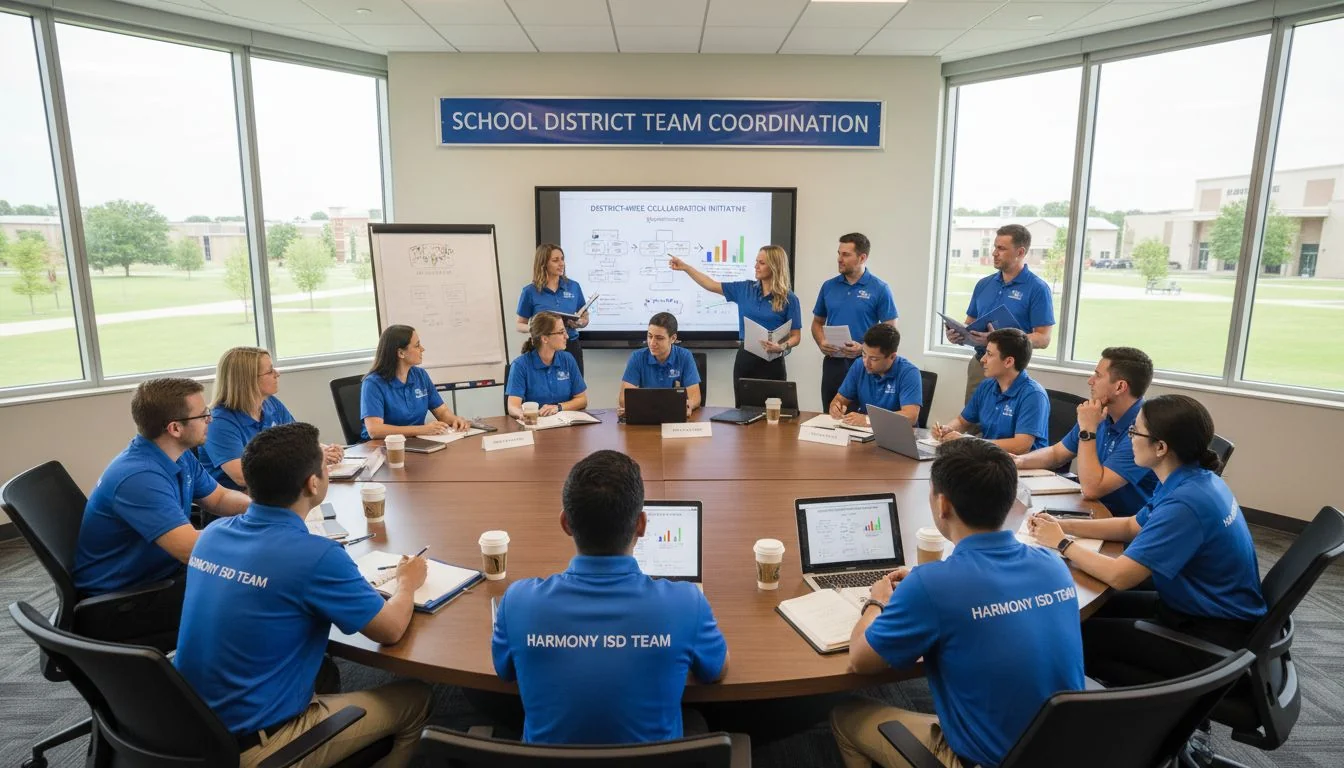
Schools coordinate teams by creating a shared checklist. Facilities identifies the water problem. Procurement buys the exact NSF-certified filter. Communications uses the purchase data and test results. They inform parents. This teamwork ensures accurate information sharing.
Breaking Down the Silos
I started my CNC trading company years ago. My sales team promised impossible things. My factory could not make them. It was a disaster. Schools do this too. The facilities team knows the filter needs changing. Procurement buys a cheaper part. Communications tells parents the water is safe. This destroys trust.
The Shared Supplier Checklist
All teams must use the same supplier checklist. We must think about all three teams during design. We make the filter easy to install for facilities. We make the price right for procurement. We provide clear NSF data for communications.
Team Responsibilities
Each team has a specific job.
| Department | Role in Water Program | Need from Supplier |
|---|---|---|
| Facilities | Installs and maintains filters | Easy installation design |
| Procurement | Buys the correct certified models | Clear model numbers and pricing |
| Communications | Talks to the parents | Verifiable NSF certification data |
The communications team should guess which filter the procurement team bought.False
Teams must coordinate and share exact data so the communications team shares accurate, verifiable information with parents.
A shared supplier checklist helps different school departments work together effectively.True
A shared checklist ensures facilities, procurement, and communications all understand the requirements and data for the water filters.
Conclusion
Building parent trust requires transparency, NSF-certified filters, and clear communication. Download our supplier documentation package today. It helps your district share verifiable facts and keep students safe.
References
-
Understanding NSF-certified filters is crucial for parents to ensure their children's drinking water is safe. ↩
-
Understanding the NSF certification scope helps parents know what safety standards their filters meet. ↩
-
Water test reports provide essential data that reassures parents about the safety of drinking water in schools. ↩
-
A comprehensive documentation package is essential for schools to prove their commitment to water safety. ↩


 English
 Français
 Español
 Italiano
 Deutsch
 Português
 Русский
 العربية
 日本語
 한국어
 Tiếng Việt

