
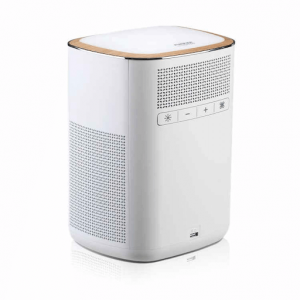
In today’s competitive air purification market, a custom air purifier allows brands to differentiate themselves with unique features, tailored designs, and specific functionalities that appeal directly to their target customers. Whether you’re aiming to capture a premium segment or meet the needs of a niche audience, a custom air purifier can provide the unique advantage your brand needs.
But creating a custom air purifier from concept to market requires expertise, resources, and a trusted OEM/ODM partner. This guide walks you through the step-by-step process of bringing a custom air purifier to life with HisoAir, highlighting key considerations such as effective communication, budgeting, and technology choices that lead to a successful product launch.
Section 1: Why Build a Custom Air Purifier?
Custom air purifiers allow brands to create unique value propositions by tailoring product features, design, and functionality to fit specific markets and customer preferences. In a market where product differentiation is key, a unique air purifier model can set your brand apart and enhance customer loyalty.
1.1 Benefits of Custom Air Purifiers
With a custom air purifier, brands have the freedom to design and integrate features that matter most to their customers. Whether it’s adding advanced filtration for health-conscious consumers, smart IoT functions for tech-savvy users, or a sleek design that matches modern interiors, a custom model can attract and retain customers who seek something beyond the standard offering.
1.2 The Advantage of Working with an Experienced OEM/ODM Partner
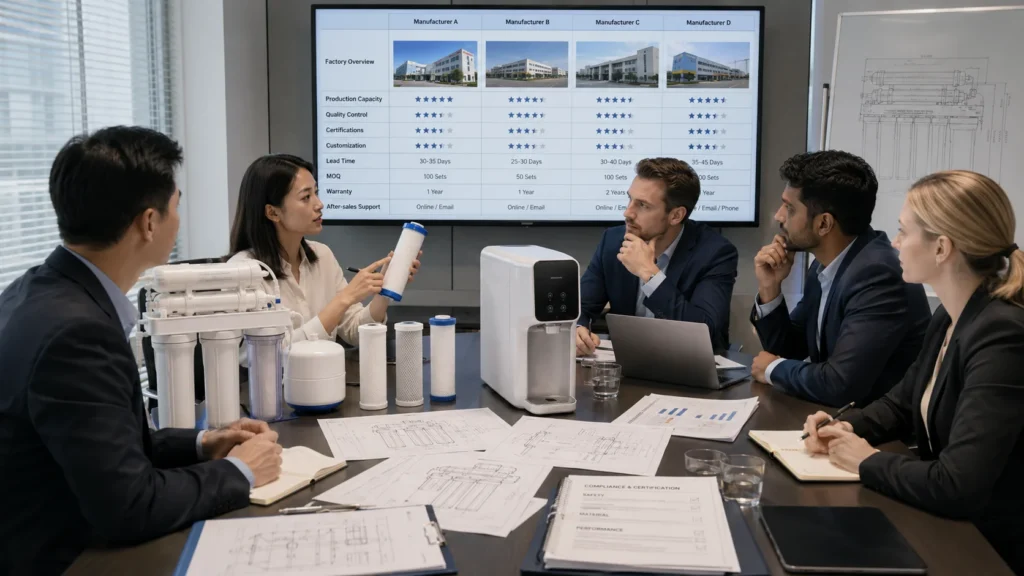
Choosing an experienced partner like HisoAir ensures a smooth, efficient process from start to finish. With over 20 years in air purification manufacturing, HisoAir brings technical expertise, robust production capacity, and a track record of delivering high-quality, customized air purifiers for top global brands.
Section 2: Key Challenges in Developing a Custom Air Purifier Project
Creating a custom air purifier is a rewarding but complex process, with several potential challenges. Chief among these is communication, which can make or break the project.
2.1 The Importance of Clear Communication
Communication is the backbone of a successful OEM/ODM partnership. Clear communication at each stage is critical to avoid misunderstandings and costly errors. From initial product requirements to final production adjustments, HisoAir’s experienced project managers ensure that every detail aligns with your brand’s expectations.
2.2 Managing Cultural and Language Differences in Cross-Border Collaboration
Working with an international manufacturing partner can present cultural and language challenges. At [HisoAir](http://hisoair.com "HisoAir"), we prioritize seamless communication through scheduled updates, detailed documentation, and the use of project management tools that keep both sides aligned on timelines, design requirements, and milestones.
Section 3: Step-by-Step Guide to the Custom Air Purifier Project Process
3.1 Market Research and Product Concept Development
The first step to building a custom air purifier is understanding the market. With HisoAir, you’ll have access to insights on consumer preferences and competitor analysis, helping you identify product features that will meet market demands and stand out from the competition.
3.2 Collaborative Product Design and Prototyping
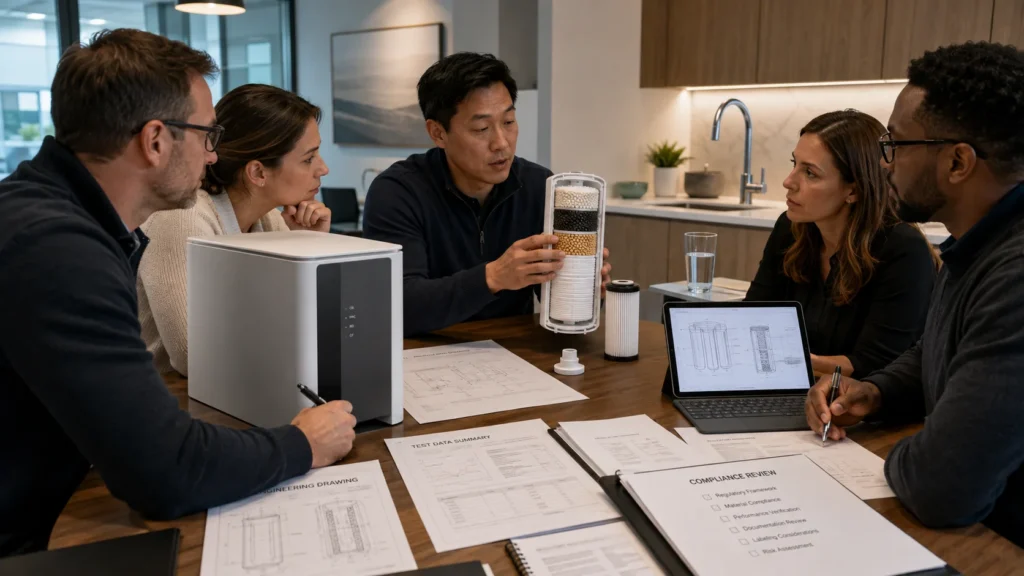
HisoAir’s design team works closely with clients to create a product design that reflects the brand’s vision. Through 3D modeling, industrial design, and prototyping, we bring the initial concept to life. During prototyping, clients have the opportunity to test and refine the product’s features, performance, and design elements to ensure it meets both functional and aesthetic standards.
3.3 Pre-Production Engineering and Material Sourcing
To ensure that the design is ready for mass production, HisoAir’s engineering team optimizes each component for manufacturing efficiency. By sourcing high-quality materials and components, such as advanced HEPA filters, durable motors, and noise-reduction elements, HisoAir ensures the product will meet the standards of durability, safety, and performance.
Section 4: Investment and Budgeting for a Custom Air Purifier Project
4.1 Factors to Consider in Budgeting
The cost of a custom air purifier project depends on multiple factors: material quality, technology features, certification requirements, and production volume. HisoAir helps clients understand each cost factor and offers solutions to stay within budget without sacrificing quality.
4.2 HisoAir’s Transparent Budgeting Process
HisoAir emphasizes transparency, providing a clear breakdown of production costs and working to avoid unexpected expenses. From design and materials to manufacturing and certification, each budget item is outlined, allowing clients to plan their investments accurately.
4.3 Tips for Maximizing ROI with Customization
Investing in features that align with customer needs and market trends can maximize ROI. For example, integrating smart IoT capabilities will attract tech-forward customers who prioritize connectivity, while antimicrobial filters are valuable for healthcare and educational environments focused on maintaining a sterile environment. HisoAir guides clients in prioritizing features that increase appeal and longevity in the market, ensuring maximum return on investment.
Section 5: Differential Technology – Building an Edge with Innovation
To stand out in the competitive air purifier market, innovative technology is essential. HisoAir’s R&D team helps clients leverage advanced technologies to create products that offer clear advantages over conventional air purifiers.
5.1 Leveraging HisoAir’s Proprietary Technologies
[HisoAir’s proprietary technologies, such as Decibel Cancellation™](https://hisoair.com/decibel-cancellation-technology/ "HisoAir’s proprietary technologies, such as Decibel Cancellation™"), help brands address common pain points in air purification. This noise-reduction technology minimizes operational sound by 5-10dB, making it ideal for workplaces, schools, and healthcare facilities. Additionally, HisoAir’s unique air duct design maximizes clean air delivery while keeping the purifier’s footprint compact and unobtrusive.
5.2 Integrating IoT for Smart Control and Data-Driven Insights
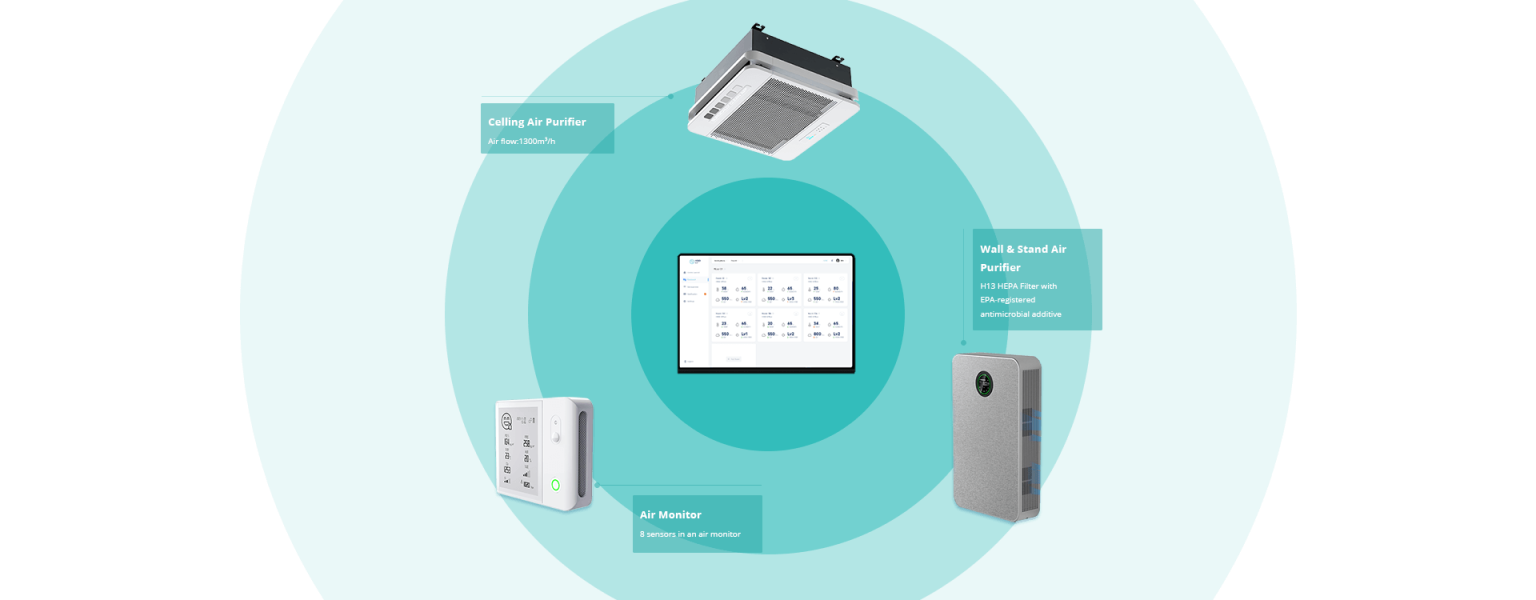
For brands aiming to capture the smart home or tech-savvy markets, IoT integration is a valuable addition. [HisoAir’s IoT-enabled air purifiers](https://hisoair.com/air-purification-system/ "HisoAir’s IoT-enabled air purifiers") allow for remote monitoring, real-time air quality insights, and customizable settings, all accessible through a user-friendly app. This integration not only offers convenience but also empowers users to make data-driven decisions about their indoor air quality.
5.3 How to Choose Technologies that Align with Brand Goals
Selecting the right technology depends on brand positioning and target demographics. For example, a brand targeting busy professionals may prioritize quiet operation and remote control features, while a brand focused on family health may emphasize advanced HEPA filtration and child safety locks. HisoAir’s team collaborates closely with clients to ensure that each technological feature aligns with their unique brand vision.
Section 6: Engineering and Pre-Production Preparation
After the design and feature set are finalized, the engineering team at HisoAir prepares the product for mass production with a focus on efficiency, quality, and compliance.
6.1 Designing for Manufacture (DFM)
Designing for Manufacture (DFM) is a crucial step where HisoAir’s engineering team optimizes each component to ensure ease of production and reduce waste. By streamlining designs for manufacturing, HisoAir ensures a consistent quality standard across large production runs, minimizing the risk of defects and delays.
6.2 Material Sourcing and Quality Assurance
Sourcing high-quality materials is key to building durable, reliable air purifiers. HisoAir sources top-tier components, such as durable housing materials, precision motors, and high-performance HEPA and carbon filters, from trusted suppliers. Each component undergoes rigorous quality assurance checks, ensuring that the final product meets both HisoAir’s and the client’s high standards.
6.3 Preparing for Compliance and Certification
To help clients enter global markets with confidence, HisoAir provides guidance on securing necessary certifications. Whether it’s CE, UL, or AHAM certification, HisoAir’s in-house team assists with compliance, ensuring that the product adheres to regulatory standards. This preparation ensures that the custom air purifier is ready to meet the requirements of diverse markets.
Section 7: Production and Quality Control
With the design and engineering phase complete, the project transitions into full-scale production. HisoAir’s robust quality control processes guarantee consistency and reliability in every unit produced.
7.1 Scaling from Prototyping to Mass Production
HisoAir’s production facilities are equipped to handle both small and large production volumes, with flexible timelines to meet client demands. By maintaining strict oversight during the transition from prototype to mass production, HisoAir ensures that each unit maintains the same high-quality standard as the original prototype.
7.2 Quality Control and Testing Protocols
Quality control is at the core of HisoAir’s production process. Each air purifier undergoes multiple checks, from CADR validation and noise level testing to structural integrity assessments. These rigorous quality control protocols ensure that the product performs reliably across various conditions and maintains the expected standard of air purification efficiency.
7.3 Packaging and Custom Branding
Packaging plays a crucial role in brand perception. HisoAir offers customized packaging options to enhance the unboxing experience, reinforcing your brand identity from the first moment. From branded boxes to personalized instruction manuals, every detail is tailored to create a memorable customer experience that aligns with your brand.
Section 8: Launch Strategy and Post-Launch Support
A successful product launch requires careful coordination, and HisoAir offers support to make it seamless, from pre-launch to post-launch services.
8.1 Coordinating a Successful Product Launch
HisoAir assists clients in preparing for a smooth launch by providing high-quality product images, technical specifications, and support materials that make marketing easy. With HisoAir’s support, brands can plan impactful product launches that attract attention and drive initial sales.
8.2 Post-Launch Support Services
HisoAir’s commitment to client success continues post-launch, offering ongoing technical support, replacement parts, and troubleshooting assistance. Our team remains available to address any issues, ensuring that your product performs optimally for your customers.
8.3 Building a Long-Term Partnership for Future Projects
The partnership doesn’t end at product launch. HisoAir values long-term relationships, and we’re here to help you expand your product line or improve existing models. Whether you want to upgrade features or introduce new designs, our team is ready to support your evolving needs.
Conclusion
Creating a custom air purifier from concept to market can be a complex journey, but with the right OEM/ODM partner, it becomes a streamlined, rewarding process. HisoAir offers the expertise, resources, and commitment to quality that make custom air purifier projects successful, from initial design to mass production and beyond.
With our proprietary technologies, transparent budgeting, and dedication to customer satisfaction, HisoAir is the ideal partner for businesses looking to develop a standout air purifier. Reach out to us today to schedule a consultation, and let’s begin building a high-quality, custom air purifier that reflects your brand’s vision and values.
Call to Action (CTA): Ready to build your custom air purifier? Contact HisoAir’s experts today to start your journey from concept to market with a trusted OEM partner who understands your vision. Let us help you create a product that stands out and meets your customers’ needs.

 English
  Français
  Español
  Italiano
  Deutsch
  Português
  Русский
  العربية
  日本語
日本語  한국어
한국어  Tiếng Việt

