

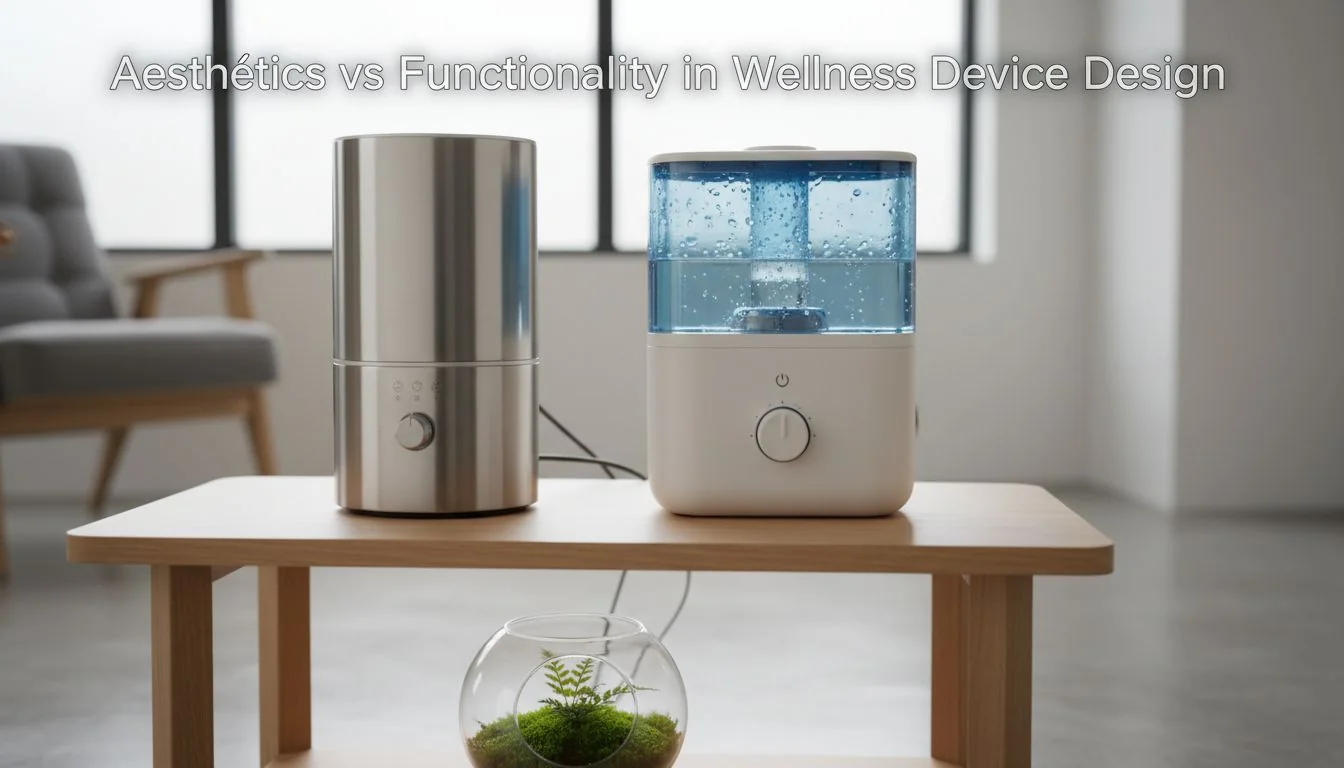
Your team is stuck. The designers want a beautiful product. The engineers want a functional one. This constant battle leads to compromises, and you end up with a mediocre device.
To design great wellness devices, you must stop "balancing" aesthetics and functionality. Instead, you should integrate them. This is done by choosing a material, like stainless steel, where the functional benefits directly create the aesthetic appeal. This is "Holistic Design1," and it's the key.
I've spent my entire career in the mold industry. I started on the factory floor and eventually built my own trading company. I’ve seen countless products go from a CAD file to a physical object. And I've seen the same mistake happen over and over again. Brands get trapped in a false choice between a product that looks good and a product that works well. They think they have to "balance" these two things.
This is the wrong way to think about it. The best products don't balance them. They unite them. The secret isn't about compromise. It's about starting with a single decision that defines both the look and the function. That decision is your choice of material. Let's break down the common traps and how to avoid them.
Over 70% of consumers state that product design is a key factor in their purchasing decisions.True
Multiple market studies, including those by Nielsen and the Design Management Institute, confirm that design is a major driver of consumer choice and brand loyalty.
Plastic is always the cheapest material for mass production.False
While the raw material cost of some plastics is low, complex mold designs, high maintenance, and potential for product returns due to breakage or hygiene issues can increase the total cost of ownership over other materials.
The "Aesthetics-First Trap": When a Beautiful Product Fails?
You see a stunningly beautiful wellness device. It has sleek curves and a modern finish. But after a few weeks of use, it's impossible to clean, and it starts to fail.
The "Aesthetics-First Trap2" is when a product's visual appeal is the top priority, often at the expense of its core function. This usually happens when a design is based on plastic, which can be molded into any shape but often fails in long-term usability and hygiene.
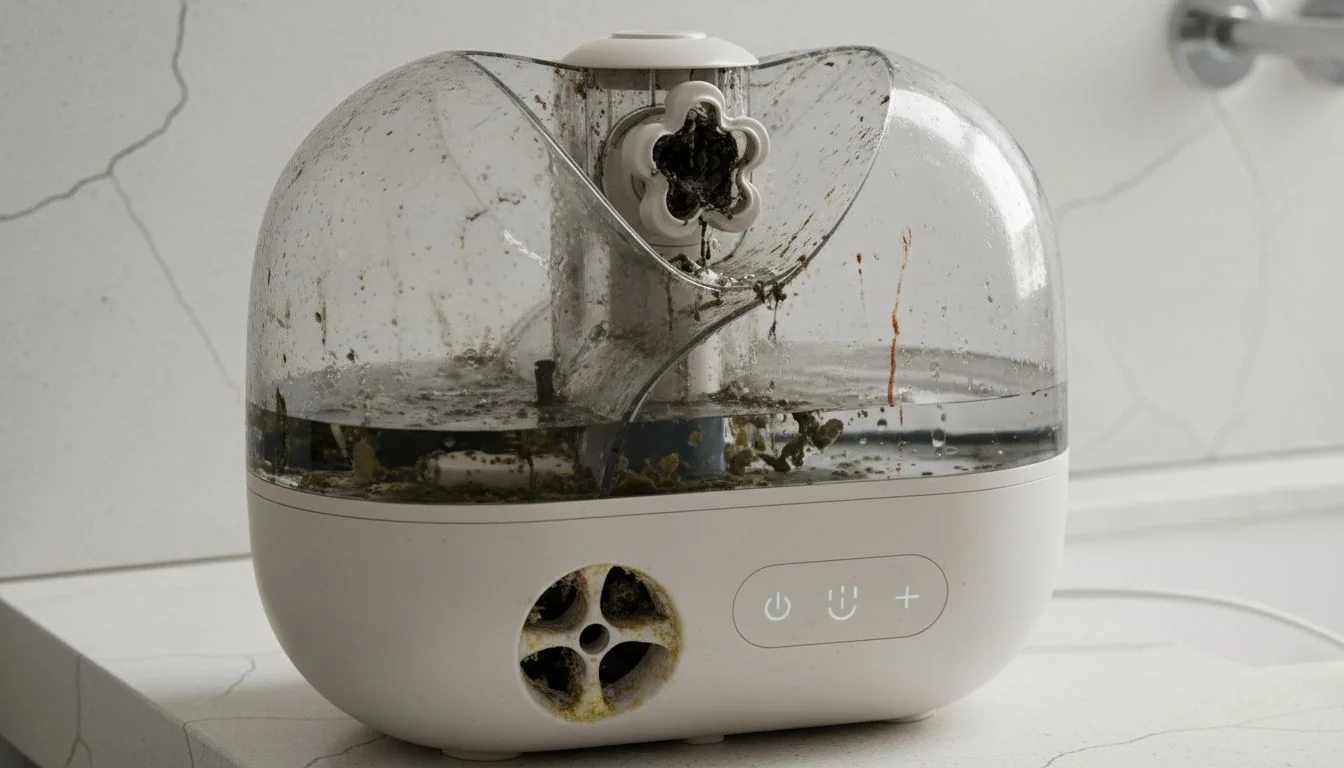
I remember a client who was developing a new humidifier. They spent a fortune on a famous industrial design firm. The result was a beautiful, sculptural object made of white ABS plastic. It looked amazing on a shelf. The problem was, the internal water path had dozens of sharp corners and complex geometry. It was a nightmare to clean. Within a month, customer reviews were full of complaints about mold and bad smells. The product was a beautiful failure. This is what I call "superficial design." It prioritizes the initial look over the lifetime experience of the user. For a designer like you, Jacky, this is a critical flaw. Your job is to create products that work, not just look pretty in a photo.
The Flaw of Superficial Design
This approach treats the material as an afterthought. The design is created in a vacuum, and then we ask, "How can we make this shape out of cheap plastic?" This is a flawed process.
| Design Approach | Focus | Material Role | Outcome for Wellness Devices |
|---|---|---|---|
| Aesthetics-First | Visual appearance, shape, color. | A cheap medium to achieve a shape. | Looks good, but high user friction (e.g., hard to clean). |
| Holistic Design | The total User Experience3. | The foundation of both look and function. | Looks good because it is functional (e.g., easy to clean). |
A plastic-first design is almost always a superficial one. It separates the "look" from the "feel" and the "function." This separation is where products fail.
ABS plastic, commonly used in consumer electronics, is completely resistant to mold growth.False
No plastic is completely resistant to mold. Biofilms and mold can grow on plastic surfaces, especially in humid environments and when the surface is difficult to clean.
Products with poor hygiene are a leading cause of negative reviews for wellness devices like humidifiers.True
An analysis of customer reviews for humidifiers on major e-commerce sites consistently shows that difficulty in cleaning and concerns about mold and bacteria are primary drivers of 1- and 2-star ratings.
The "Function-First Fail": The "Ugly but Useful" Problem?
Your engineering team has a working prototype. It's incredibly efficient and reliable. But it's bulky, ugly, and looks like a piece of medical equipment. No one would want it in their home.
The "Function-First Fail4" happens when a product is technically perfect but so unappealing that it fails in the market. It solves the user's practical problem but ignores their emotional and aesthetic needs, making it a product people need but don't want.

This is the opposite problem, but it's just as damaging. I've seen this with many small brands started by engineers. They create a device that is functionally brilliant. Maybe it has a unique atomizing technology or it's ultra-quiet. But it looks terrible. They can't understand why it doesn't sell. The reason is simple. A wellness device is not just a tool; it's part of a person's home. It sits on their nightstand or in their living room. People want to feel good about the objects they surround themselves with. An ugly product creates a different kind of friction: emotional friction. It works, but you hate looking at it. As a designer, you know that a product's success depends on adoption. If people are embarrassed to display it, they won't buy it.
Why "Ugly but Useful" Fails in the Wellness Market
This approach completely misunderstands the customer's motivation. They aren't just buying "humid air"; they are buying "a better-feeling home."
| Design Approach | User Problem Solved | User Problem Created | Market Result |
|---|---|---|---|
| Function-First | Solves a technical need (e.g., dry air). | Creates an aesthetic problem (e.g., ugly object). | Low sales, poor brand perception, niche market. |
| Holistic Design | Solves the technical and aesthetic need. | Removes friction, creates desire. | High sales, premium brand perception, mass market. |
You can't just bolt on a "pretty shell" at the end. The ugliness is often a result of the internal components and material choices. The design must be integrated from the start.
A product's visual appeal has no impact on a user's perception of its quality.False
This is known as the 'Aesthetic-Usability Effect.' Users often perceive aesthetically pleasing designs as more usable and of higher quality, regardless of their actual functionality.
Wellness products are increasingly being purchased as home decor items.True
Market trends show a growing convergence of the wellness and home goods categories. Consumers expect products like diffusers, air purifiers, and humidifiers to complement their interior design.
The Bridge: "Materiality" is Where Aesthetics & Function Meet?
You feel stuck between a beautiful-but-useless product and an ugly-but-useful one. It seems like an impossible choice. The solution is to stop thinking about shape and start thinking about material.
"Materiality5" is the idea that your choice of material is the most important design decision. It is the bridge that connects aesthetics and function. The material you choose at the beginning will define the product's look, its feel, and its performance.
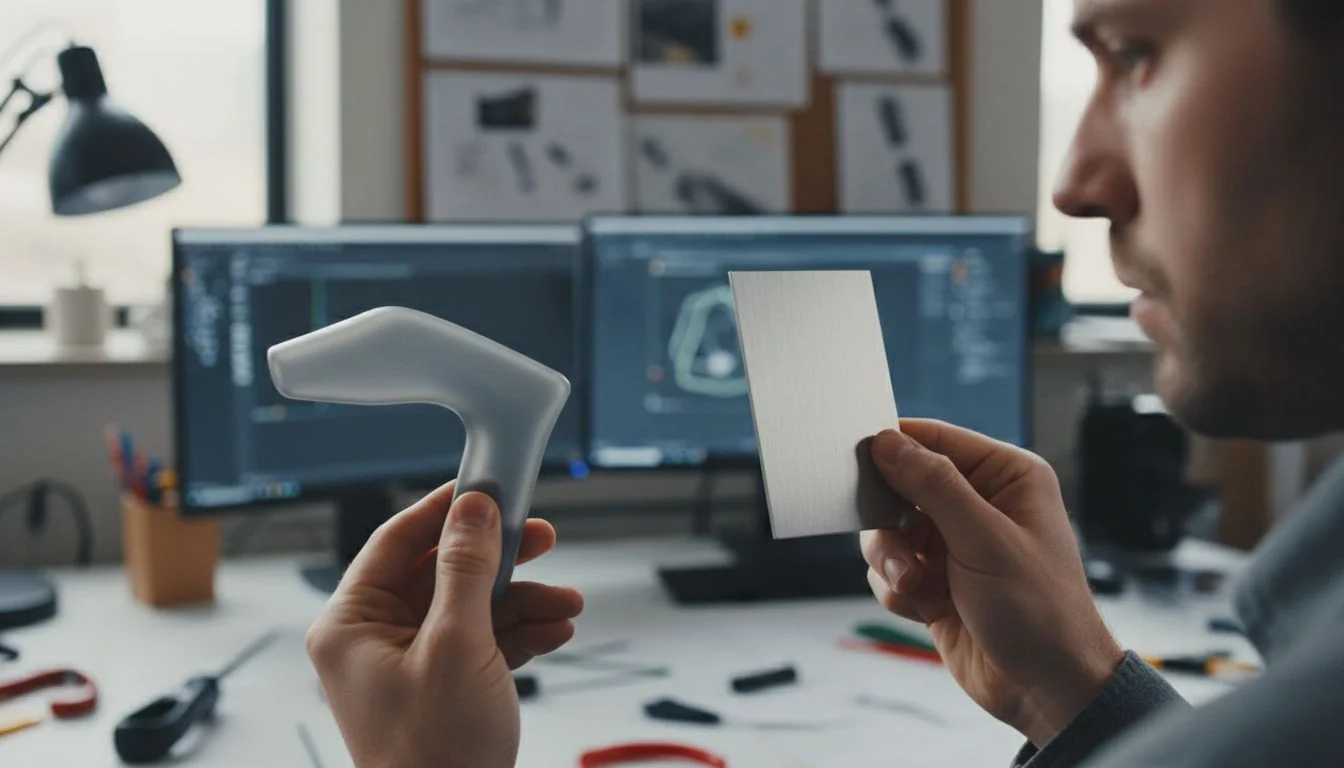
This is the core strategy I teach my clients. You must redefine "good design." Good design is not a beautiful shape. Good design is "Holistic Design," where the material, function, and look are one. When you start with the material, the right design often reveals itself. Think about it. If you decide to make a humidifier out of plastic, you are starting with a material that is hard to clean, feels cheap, and stains easily. You will then spend all your time trying to design a shape that hides these flaws. But if you start with Stainless Steel6, you are starting with a material that is hygienic, durable, and has a premium feel. The material's properties guide you toward a better design.
The Power of a Material-First Approach
This changes your entire design process from superficial to fundamental.
| Design Process | Starting Point | Key Question | Result |
|---|---|---|---|
| Plastic-First | A desired shape. | "How can we mold plastic to get this shape?" | A hollow shell. Function is separate from form. |
| Material-First | A desired material (e.g., Stainless Steel). | "What design best expresses this material's strengths?" | An integrated object. Function is form. |
By choosing your material first, you are not just choosing a "look." You are choosing a set of functional properties. The aesthetics become a natural result of those properties. This is how you escape the trap.
Material selection is typically the final step in the industrial design process.False
In best-practice design methodologies like Integrated Product Development (IPD), material selection is a critical, early-stage decision that influences all subsequent design, engineering, and manufacturing choices.
The perceived value of a product is heavily influenced by its material.True
Tactile qualities and material choice, known as 'materiality,' significantly impact how consumers perceive a product's quality, durability, and price point. A metal product is almost universally perceived as higher value than a plastic one.
Case Study: Stainless Steel (Aesthetics Are the Function)?
You need a material that is both beautiful and functional for a wellness device. Plastic feels cheap and creates hygiene problems. The answer is right in front of you, in your kitchen.
In a wellness device like a humidifier, stainless steel is the perfect example of aesthetics being the function. Its clean, premium, and modern look is a direct result of its core functional properties: it is hygienic, durable, and incredibly easy to clean.
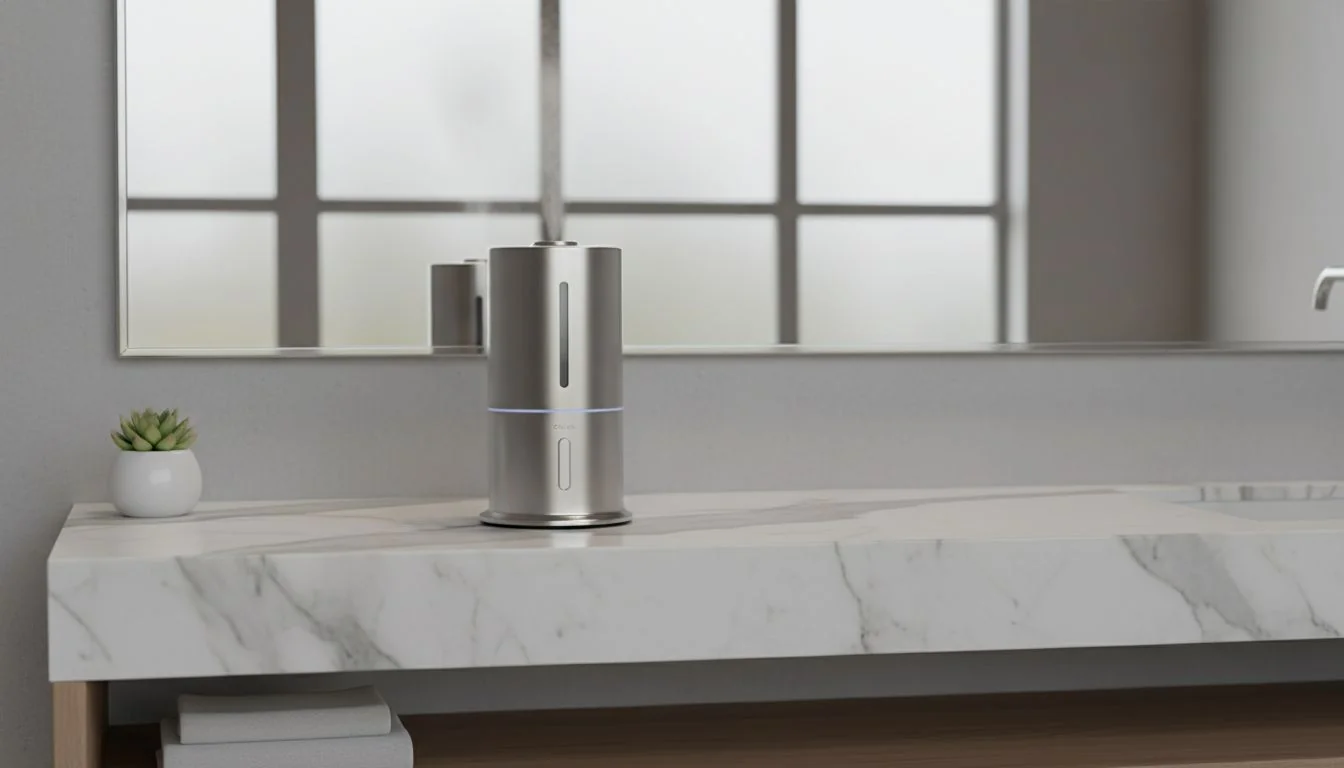
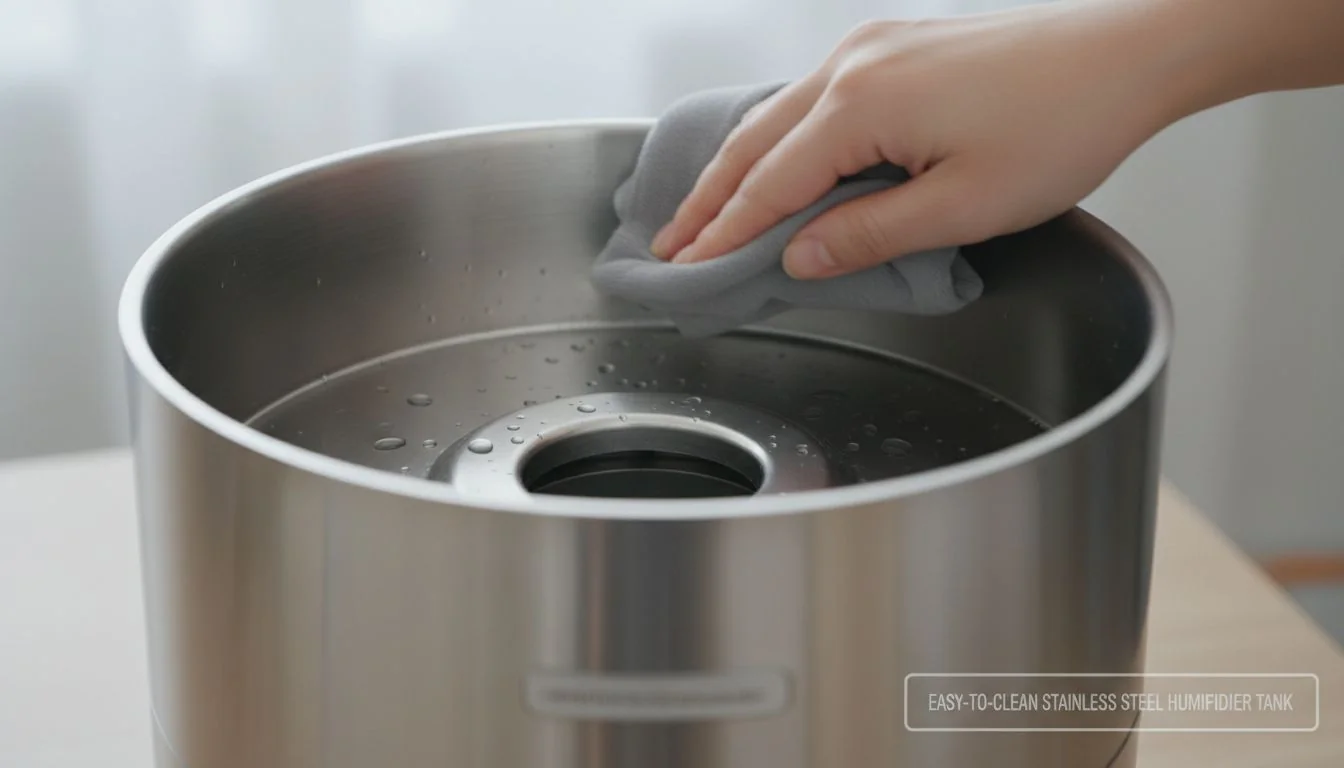
Think about the Yeti and HydroFlask water bottles. Your D2C clients already know this logic. Consumers have been trained to associate stainless steel with "Premium," "Durable," "Hygienic," and "Clean." I tell my clients that we are simply applying this proven consumer logic to a new category, like humidifiers. It's an easy argument to win because the customer already believes it. The core benefit is "frictionless hygiene." A plastic humidifier has high friction. It's hard to clean, so people don't do it. A stainless steel humidifier has a simple, open tank that you can wipe clean in seconds. This is low friction. The "clean" aesthetic of the steel is not just a style. It's a visual promise of its functional benefit.
Stainless Steel: Where Look and Use Become One
The material's properties are its marketing message.
| Attribute | Functional Benefit (The "Why") | Aesthetic Benefit (The "What") |
|---|---|---|
| Hygienic | Non-porous surface resists bacteria and mold. | A clean, pure, and healthy look. |
| Durable | Resists drops, cracks, and stains. | A feeling of quality, permanence, and value. |
| Easy to Clean | Simple shapes, can be wiped or sterilized. | A minimalist, "frictionless" design. |
| Premium | The inherent value and feel of metal. | A high-end, modern, and desirable object. |
When you choose stainless steel, you are not choosing a color or a finish. You are choosing a complete set of benefits that integrate aesthetics and function perfectly.
Stainless steel is a porous material that can harbor bacteria.False
Stainless steel is non-porous, which is why it is the standard material for food processing, medical instruments, and commercial kitchens. Its smooth surface makes it difficult for bacteria and biofilms to attach.
Consumers are willing to pay a premium for products made from durable and hygienic materials like stainless steel.True
The success of brands like Yeti, HydroFlask, and Simplehuman demonstrates a clear consumer trend of paying more for products that offer superior durability, hygiene, and material quality over cheaper plastic alternatives.
How Do You Become an "ID Platform Partner"?
You're a designer, and you're convinced. You want to use stainless steel. But you don't have the manufacturing expertise. Finding a reliable factory feels like a huge risk.
You solve this by changing your mindset. Stop looking for a "factory." Start looking for an "Industrial Design Platform Partner7." This is a partner who provides a complete solution, not just a production line. They have a ready-made stainless steel platform that solves the "Aesthetics vs. Function" problem.
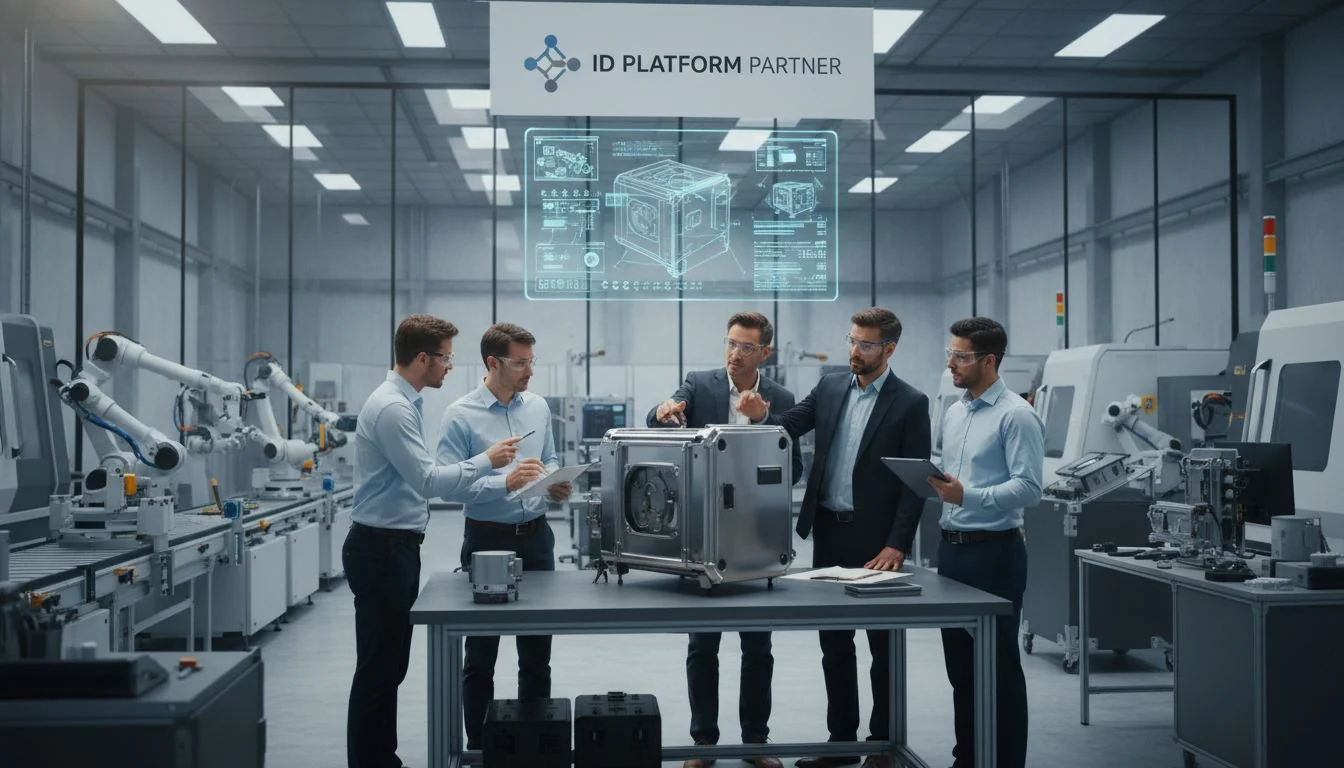
This is what I've built my business on. I connect designers and brands with partners who can execute these advanced concepts. I call this the "ID Platform" model. A simple factory takes your design and tries to make it. An ID Platform Partner, like our partner Hisoair, works with you to optimize your design for their proven stainless steel manufacturing platform. They don't just offer a product; they offer a solution to your core design dilemma. They have the deep-drawing, welding, and polishing expertise that is essential for creating a seamless, beautiful, and functional stainless steel product. This removes the risk and guesswork. You are no longer just a client; you are a partner. You are leveraging their entire platform to make your brand's vision a reality.
Factory vs. ID Platform Partner
Understanding this difference is key to your success.
| Aspect | Traditional Factory | ID Platform Partner |
|---|---|---|
| Relationship | Transactional (Client/Supplier) | Collaborative (Partner) |
| Offering | "We can make your design." | "We have a platform to realize your vision." |
| Expertise | Basic production capabilities. | Deep expertise in a specific material (e.g., steel). |
| Process | You provide a perfect design. | They help you optimize the design (DFM). |
| Result | Variable quality, high risk. | Consistent quality, low risk, faster time-to-market. |
As a designer, partnering with an ID Platform gives you the freedom to design with a better material, knowing you have the manufacturing expertise to back you up.
Deep drawing of stainless steel is a simple process that any metal factory can do.False
Deep drawing stainless steel is a complex process that requires specialized presses, tooling, and expertise to manage issues like wrinkling, tearing, and maintaining uniform wall thickness. It is a specialized skill.
Partnering with a specialized manufacturer can reduce product development time and costs.True
Specialized manufacturers offer Design for Manufacturing (DFM) expertise, which helps avoid costly errors and redesigns. Their established processes and supply chains can significantly accelerate the time-to-market.
Conclusion
Stop trying to balance aesthetics and function. It's a losing battle. Instead, integrate them by starting with your material. This is the path to creating truly great wellness products.
References
-
Explore how Holistic Design integrates aesthetics and functionality for superior product outcomes. ↩
-
Learn about the pitfalls of prioritizing aesthetics over functionality in product design. ↩
-
Discover the relationship between design choices and overall user satisfaction. ↩
-
Discover how focusing solely on function can lead to unappealing products that fail in the market. ↩
-
Understanding materiality can transform your design approach, enhancing both aesthetics and function. ↩
-
Find out why stainless steel is a top choice for combining aesthetics and functionality in products. ↩
-
Explore how partnering with an ID Platform can enhance your design process and product outcomes. ↩


 English
  Français
  Español
  Italiano
  Deutsch
  Português
  Русский
  العربية
  日本語
日本語  한국어
한국어  Tiếng Việt

