
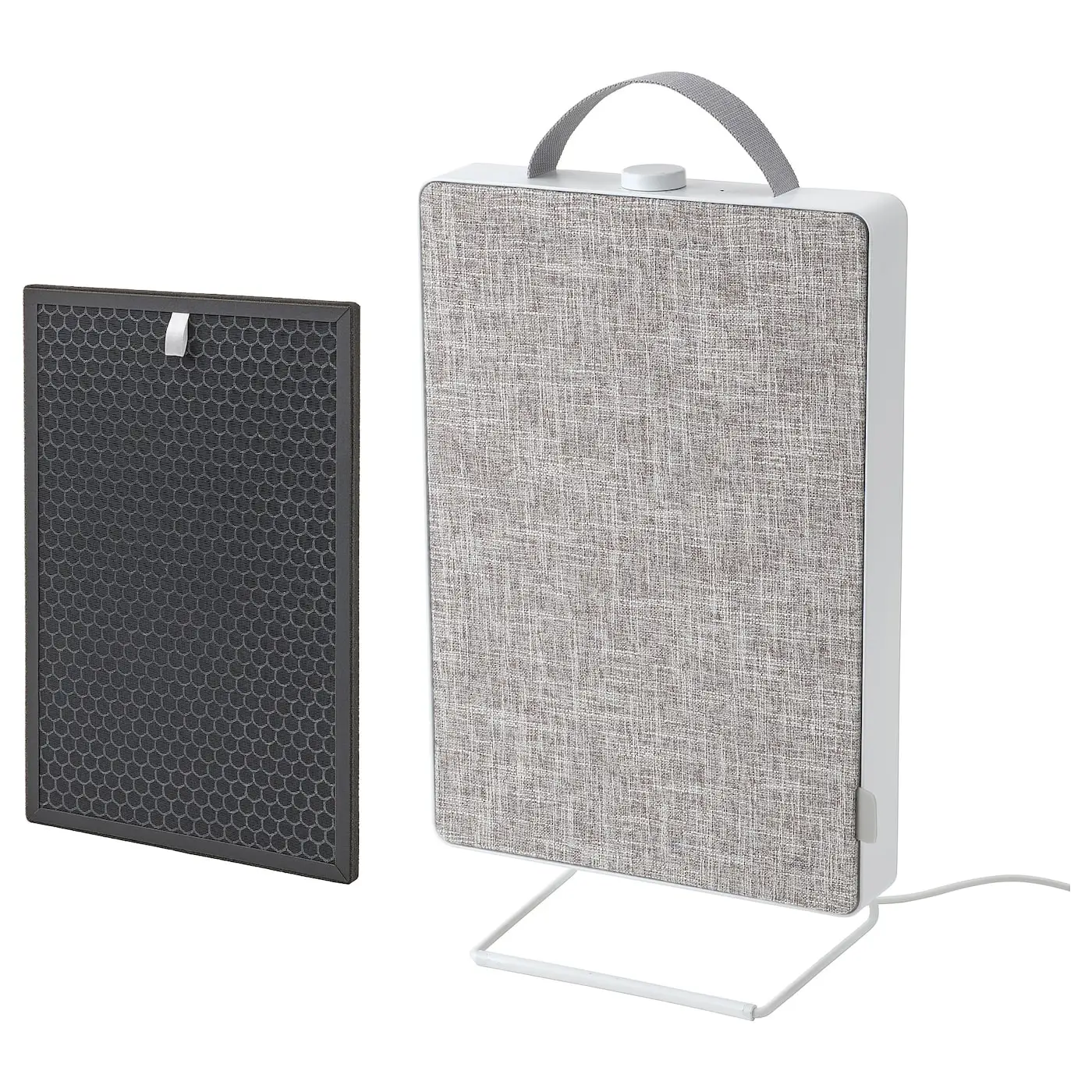
We all remember when we started to notice the air we breathe. For me, this happened during the pandemic. During that time, air purifiers appeared everywhere.
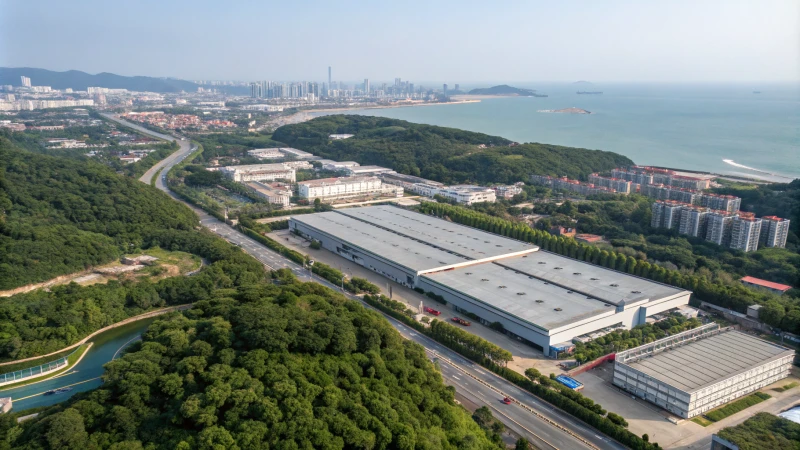
IKEA's FÖRNUFTIG air purifiers come from Xiamen City, Fujian Province, China. This city is famous for its strong supply chain. IKEA is also looking at producing these purifiers in Thailand. They want to have more options and deal with taxes better.
I remember my first time exploring air purifiers. Many questions filled my mind. Where was it produced? Would it really improve air quality? IKEA produces its air purifiers in Xiamen City. This is not just about location. It's about using advanced technology. Their air purifiers clean the air quietly and effectively. They work very efficiently.
But the story does not stop with geography. IKEA may start manufacturing in Thailand. It's not just about avoiding tariffs. They want a reliable backup plan. A China+1 strategy helps them prepare for the future. This smart plan reassures me. It shows their focus on quality and sustainability. This approach is very interesting. It reminds me of industry leaders like HisoAir. They set high standards in air purification. Think about this next time you buy an air purifier. It has traveled a long journey before reaching your home. It works quietly there. It does its job well.
IKEA air purifiers are made in Xiamen, China.True
IKEA's FÖRNUFTIG air purifiers are manufactured in Xiamen, Fujian Province.
IKEA plans to move all production to Thailand.False
IKEA is considering shifting some production to Thailand, not all.
Why is Xiamen City the Perfect Place for Manufacturing Air Purifiers?
Picture a city where new ideas meet chances, creating the ideal place for building air purifiers.
Xiamen City is a perfect place for producing air purifiers. It has a strategic location. People there have really good skills for manufacturing. The city's supply chain is strong and reliable. Government policies are supportive. These points create an environment of efficiency. Businesses easily reach global markets from here. Companies gain a competitive advantage in Xiamen.
Strategic Location and Infrastructure
Imagine standing at the busy port of Xiamen in Fujian Province. You don’t just see cargo ships; you see a path to the world. The port is very good for shipping products all over the globe. I remember when I first visited and saw goods moving smoothly onto ships heading to foreign markets.
| Feature | Benefit |
|---|---|
| Port Facilities | Efficient global transportation |
| Proximity to Asia | Access to major markets |
Skilled Labor Force
Meeting local engineers in Xiamen was very eye-opening. They really know their stuff in electronics and manufacturing. This expertise comes from years of hard training in famous schools, contributing to a steady talent pool1 that drives new ideas and high-quality work.
Robust Supply Chain
I visited a facility once and saw advanced technologies working together perfectly. The city’s supply chain is really efficient, supporting everything from powerful fan systems to special designs for brands like IKEA. Companies probably find it easy to customize their products in this city.
Supportive Government Policies
The local government offers more than words; they provide real actions that lower costs and help businesses grow through business-friendly policies2. I’ve witnessed how rewards and simple rules turn a thought into something real.
Industry Collaboration and Innovation
Xiamen is really a center for new ideas. Companies like HisoAir3 lead the way here. Collaborations have led to big changes in air purification systems, showing how important it is for local firms to work together.
All these factors make Xiamen a perfect place for making air purifiers. It’s more than just a city; it’s a lively system that helps brands develop products and reach markets. Constant investments probably increase its appeal for the future.
Xiamen's port facilities ease global transportation.True
Xiamen's excellent port facilities enable efficient global exports.
Local policies in Xiamen increase operational costs.False
Business-friendly policies in Xiamen reduce operational costs.
Why Is IKEA Considering Moving Production to Thailand?
IKEA is possibly looking at Thailand for a new production center. There are reasons for this strategic move. Let's explore these reasons and the potential global market impact.
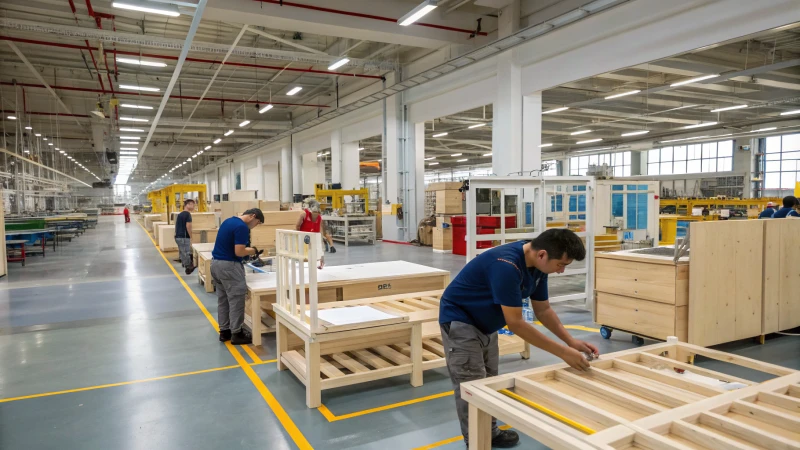
IKEA looks at Thailand for production. They want to reduce tariff risks. The company wants to diversify its supply chain outside China. This step helps them find stable, affordable production. IKEA strives for efficiency in its operations. Production stability matters to them.
Diversifying the Supply Chain
IKEA wants to change its approach. They plan to move some operations to Thailand as part of a China+1 strategy4. This idea helps them not depend too much on China and protects them from regional supply problems. Flexibility is very important today.
Tariff and Trade Considerations
Tariffs sometimes feel like sudden, expensive shipping fees. They can really impact companies such as IKEA. Shifting some production to Thailand might help them avoid these costs, ensuring competitive pricing for customers worldwide.
Thailand's Manufacturing Potential
Thailand is like finding a perfect local market. It offers skilled workers and good infrastructure. The country is also near other Southeast Asian nations, making it an attractive location for production.
| Comparison Table: Manufacturing Pros | Factor | China | Thailand |
|---|---|---|---|
| Labor Costs | Moderate | Lower | |
| Infrastructure | Advanced | Developing | |
| Tariff Risk | High | Low |
Strategic Location Benefits
Thailand's location in Southeast Asia resembles a central base with major shipping routes nearby. This helps IKEA send products faster, allowing products made there to quickly reach close-by markets. Such speed can accelerate IKEA's growth in the region.

Environmental and Sustainability Goals
Sustainability matters much to IKEA. Moving to Thailand lets them utilize renewable energy sources in production processes, aligning with their eco-friendly goals and helping decrease their carbon footprint.
By diversifying production locations, IKEA can better implement sustainable manufacturing techniques, potentially lowering its overall environmental impact.
Regional Market Expansion
Producing in Thailand is like using fresh, local ingredients in a meal. IKEA can focus on Southeast Asian tastes more effectively by being closer to these markets.
This proximity enables them to adjust their products better, which could improve customer loyalty and widen their market presence.
In summary, shifting production to Thailand involves more than just saving money or avoiding tariffs. The tactic matches IKEA's plan for efficiency and market flexibility while paying attention to global changes remains essential for making such choices.
IKEA's move to Thailand will reduce tariff risks.True
Thailand offers lower tariff risks compared to China, benefiting IKEA.
Thailand's infrastructure is more advanced than China's.False
China has more advanced infrastructure compared to Thailand.
How Do IKEA Air Purifiers Compare to Competitors Like HisoAir?
Picture yourself entering your house after a tiring day. You breathe fresh and pure air. This freshness is what air purifiers promise now. But how do IKEA's versions compare to other brands like HisoAir?
IKEA air purifiers are cheap and easy to use. They are great for daily use. HisoAir provides advanced features and delivers top-level performance. It is very suitable for people who want the best air purification.
Design and Aesthetics
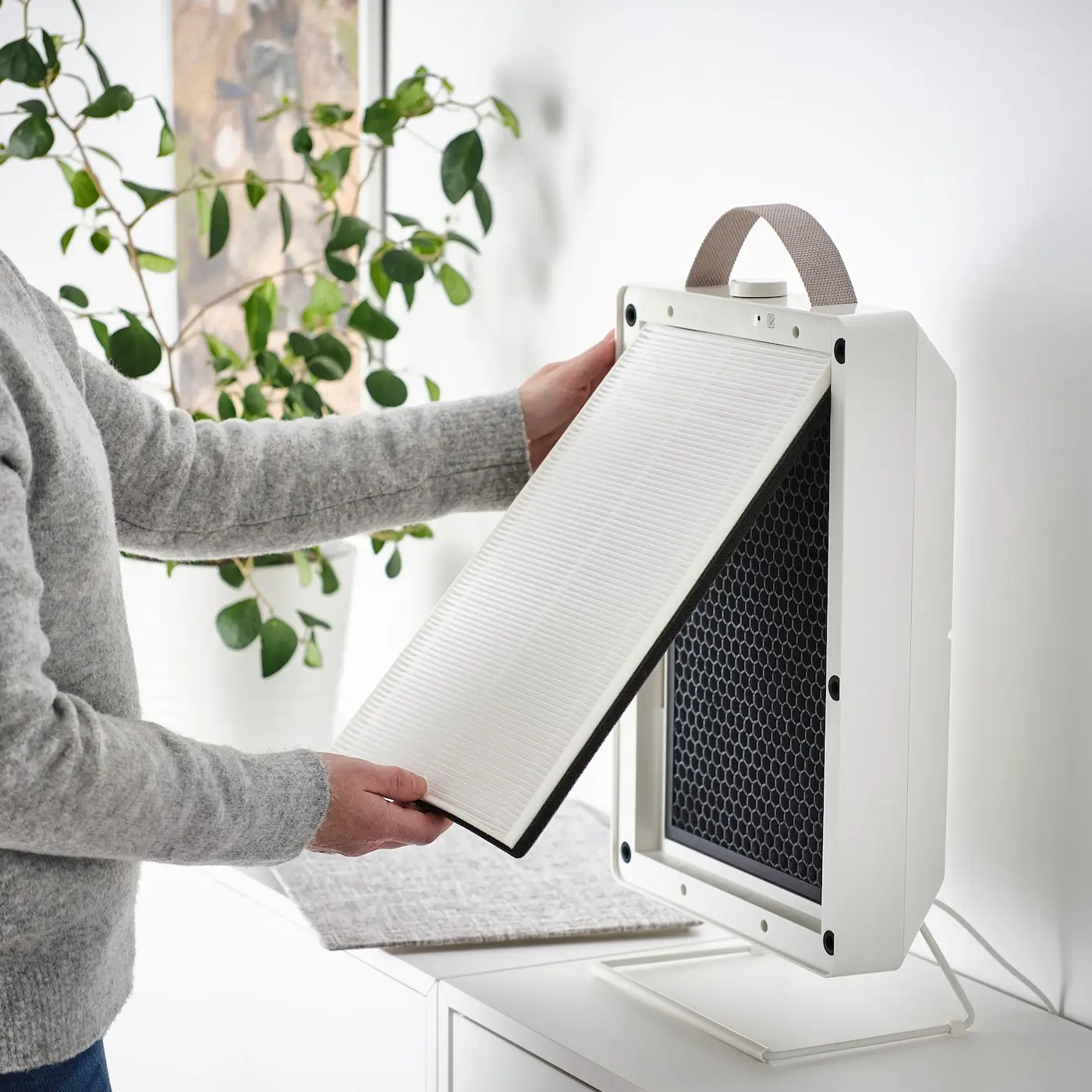
Style comes first. Have you ever visited an IKEA showroom and admired how their products fit perfectly into modern homes? That is exactly what IKEA targets with their air purifiers. These purifiers have a simple, Scandinavian style. They look more like furniture than a regular gadget. Who wouldn't love a device that cleans air and looks like art?
In contrast, think of HisoAir5. They focus on advanced technology inside each model. They may not win design awards for appearance; however, they do excel in functionality. Their main attention is on delivering strong technology that works well.
| Feature | IKEA | HisoAir |
|---|---|---|
| Design | Minimalist, multifunction | Functional, tech-focused |
| Aesthetic appeal | High | Moderate |
Technological Features
Discussing technology, HisoAir really stands out. They have features like their Decibel Cancellation™6. Have you ever been bothered by a noisy appliance? You’ll probably appreciate this innovation. It reduces noise while maintaining performance. Additionally, their filters are excellent and capture even the smallest particles.
IKEA uses simple technology. They offer a 'no-fuss' option – easy to operate with basic HEPA filters and controls that are understandable without needing special knowledge. They are great if you want something simple and effective without trouble.
Performance and Cost
IKEA offers great value for money. Their air purifiers are affordable for almost everyone, keeping prices low without missing necessary features—this approach reminds me of how they provide stylish yet budget-friendly furniture.
On the other hand, HisoAir7 is for those willing to pay more for better performance with high-tech filtration systems. If you are serious about air quality or need to cover bigger areas, their products fit you perfectly.
| Aspect | IKEA | HisoAir |
|---|---|---|
| Price Range | $ - $$ | $$ - $$$ |
| Filtration System | Basic HEPA | Advanced HEPA |
Market Reach and Customer Base
IKEA's global presence is truly impressive; it's a familiar name almost everywhere, meaning their air purifiers are easy to find for people who like to shop in-store or online with a trusted brand.
HisoAir8 might not be in many retail stores; however, they have a strong following among users seeking advanced solutions. Their OEM and ODM services showcase their strength in specific markets.
Each brand offers special benefits for different needs. Whether you want an inexpensive purifier that suits your lifestyle or a powerful model for specific air quality problems, knowing these differences helps in making the best choice for your home.
IKEA air purifiers have advanced HEPA filtration systems.False
IKEA uses basic HEPA filters, focusing on user-friendly operation.
HisoAir purifiers feature Decibel Cancellation™ technology.True
HisoAir models include Decibel Cancellation™, minimizing noise levels.
What should I consider about manufacturing locations?
Deciding where to produce goods involves a complex series of choices. People must consider both the environmental impact and ethical standards. It's a tricky process. Balancing these factors can feel like riding a rollercoaster.
Choosing a place for manufacturing is very important. One should consider environmental rules, available resources and ethical treatment of workers. These factors are vital for sustainability and corporate responsibility. Always focus on doing what's right for people and the planet.
Environmental Rules and Following Them
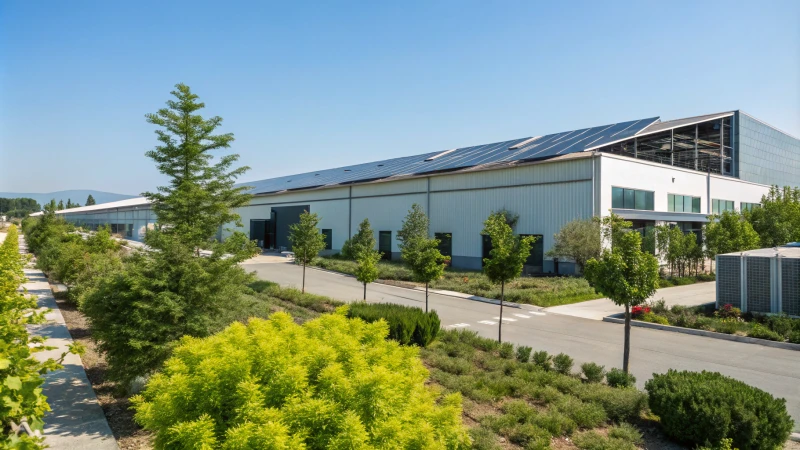
Manufacturing locations must adhere to local environmental rules9. These laws govern emissions, waste handling, and more. Understanding these regulations ensures compliance and helps prevent costly fines while supporting goals for a better environment.
- Emissions Rules: Many nations have strict laws on emissions. Pollution-reducing technology is important. It's not just about avoiding fines; it’s about helping the planet.
- Waste Handling: Properly handling waste and recycling is a must. Factories need good tools to manage waste in a green way.
Resources and Manufacturing
The availability of resources can significantly influence factory efficiency. Manufacturing in locations with abundant resources can lower costs and increase productivity.
| Resource | Impact on Location Choice |
|---|---|
| Raw Materials | Proximity can lower transportation costs |
| Energy Supply | Access to renewable sources supports sustainability |
Fair Labor Rules
Fairness and safety for workers must remain important in labor rules. Companies should ensure fair wages, safe working conditions, and respect for workers' rights.
- Fair Pay: Wages should meet or exceed local needs.
- Safety First: Protecting workers must be key to avoid accidents.
Different Supply Sources
Using various supply sources helps reduce risks from tariffs or political changes. A "China+1" strategy spreads manufacturing across nations, providing flexibility while supporting fair labor practices10 in different places.
Using Technology
Advancements in technology play a critical role throughout my career by improving product quality and efficiency.
- Modern Filtration: Locations with modern technology create high-quality products with very low impact on nature.
- Lower Noise: Technologies like Decibel Cancellation™ really improve work areas, benefiting both employees and surrounding communities.
These points are important for companies choosing factory locations as they must consider environmental impacts11 alongside ethical duties.
Local emissions laws affect manufacturing location choice.True
Stricter local emissions laws require investment in pollution control technologies.
Proximity to raw materials increases transportation costs.False
Closer proximity to raw materials actually reduces transportation costs.
Conclusion
IKEA's FÖRNUFTIG air purifiers are manufactured in Xiamen, China, with plans to diversify production to Thailand for efficiency and reduced tariff risks.
-
Discover how Xiamen's skilled workforce contributes to the city's reputation in electronics manufacturing. ↩
-
Learn about the business-friendly policies in Xiamen that support manufacturing growth. ↩
-
Find out how HisoAir's innovations contribute to advancements in air purification technology. ↩
-
Learn about the China+1 strategy's impact on global businesses and why companies like IKEA adopt it. ↩
-
Discover HisoAir's technological innovations and how they enhance air purification efficiency. ↩
-
Learn about the noise-reduction technology used in HisoAir purifiers for quieter operation. ↩
-
Explore the premium features offered by HisoAir for superior air quality solutions. ↩
-
Understand how HisoAir's OEM and ODM services provide tailored air purification solutions. ↩
-
Understanding local environmental regulations is crucial for compliance and avoiding legal issues. ↩
-
Ensuring ethical labor practices is essential for maintaining corporate social responsibility. ↩
-
Exploring environmental impacts helps in evaluating a location's sustainability footprint. ↩

 English
  Français
  Español
  Italiano
  Deutsch
  Português
  Русский
  العربية
  日本語
日本語  한국어
한국어  Tiếng Việt

