
새 탭에서 열립니다
혁신적인 공기질 솔루션

업계 인사이트

최신 게시물

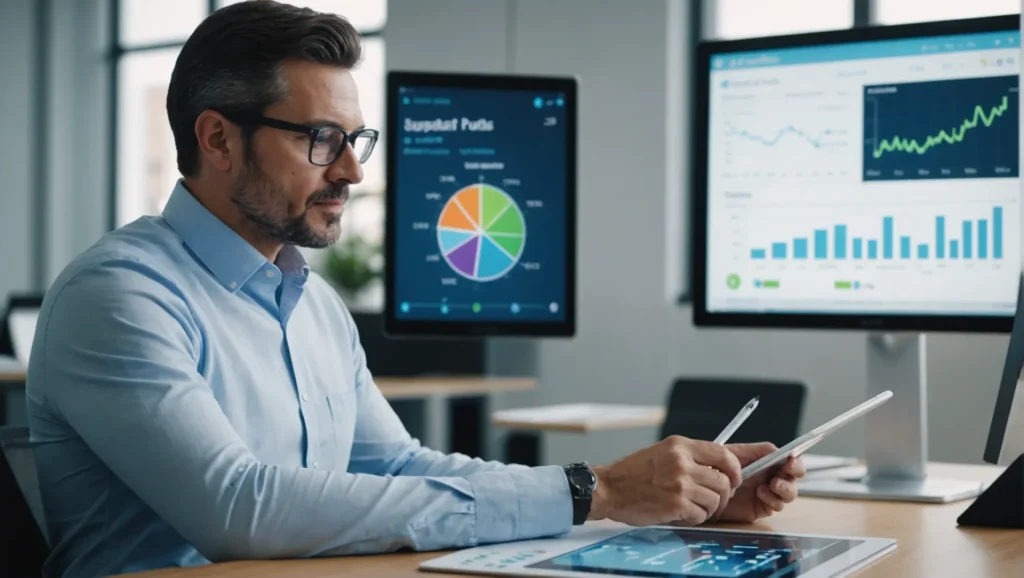
디지털 태블릿으로 공기청정기 시장 전략을 분석하는 사업가

성공적인 공기청정기 비즈니스를 시작하기 위한 단계는 무엇인가요?

Entering the air purifier market can be a rewarding venture, especially with the growing awareness of health issues linked to air quality. In this guide, ...
뉴스

사무실 환경의 맞춤형 상업용 공기 청정기

상업용 맞춤형 공기청정기는 어떻게 만들 수 있나요?

In the quest for cleaner indoor air, particularly in commercial spaces, custom air purifiers are becoming increasingly vital. This guide explores essential components and innovative ...
Air purifier, News
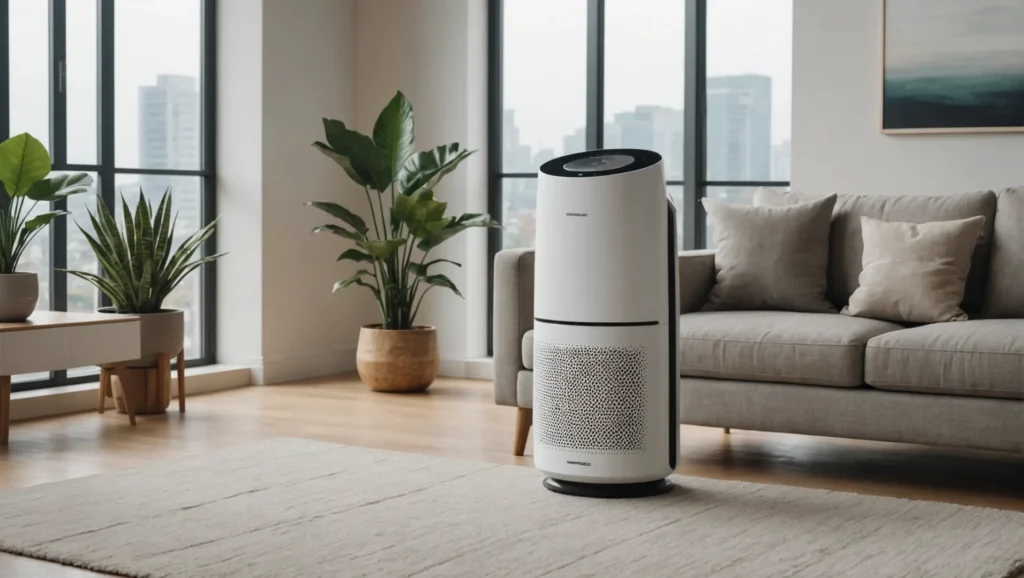
현대 거실의 미래형 공기 청정기

경쟁이 치열한 시장에서 공기청정기 제품을 차별화할 수 있는 전략은 무엇일까요?

In the ever-evolving air purifier market, innovation is not just an option; it’s a necessity. To truly stand out among the competition, it’s crucial to ...
뉴스
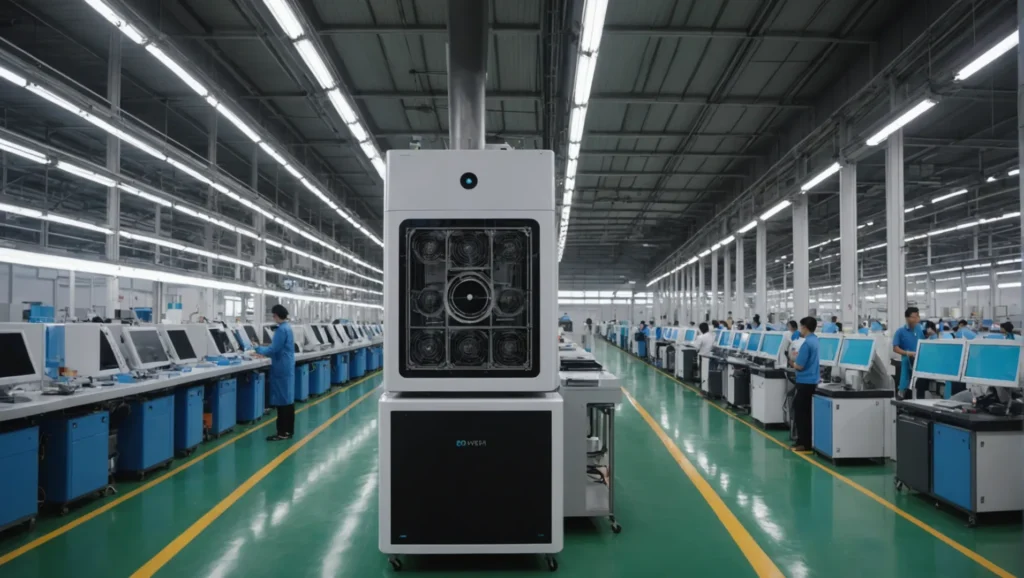
중국과 태국의 공기청정기 생산량 비교

공기청정기 생산에 더 우수한 국가는 어디일까요? 중국 또는 태국?

When it comes to manufacturing air purifiers, the choice between China and Thailand is not just about cost—it's about strategy, market access, and future sustainability. ...
뉴스
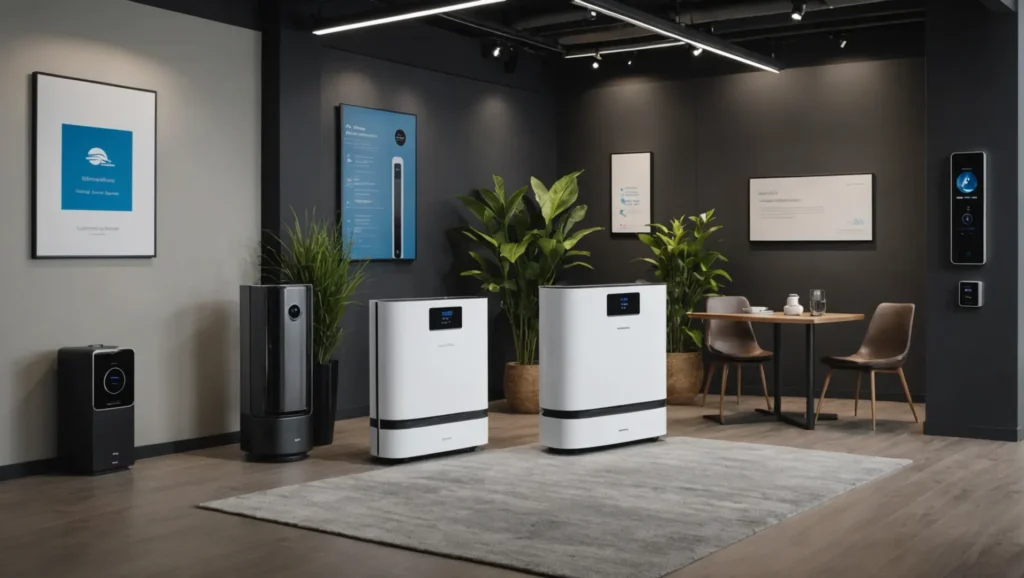
가격표와 함께 전시된 다양한 공기청정기

다양한 공급업체의 공기청정기 가격을 효과적으로 비교하려면 어떻게 해야 하나요?

공기청정기의 세계를 탐색하는 것은 압도적일 수 있습니다. 옵션이 너무 많고 가격도 다양하기 때문에 어떤 기능이 정말 중요한지 이해하는 것이 중요합니다. 이 ...
뉴스
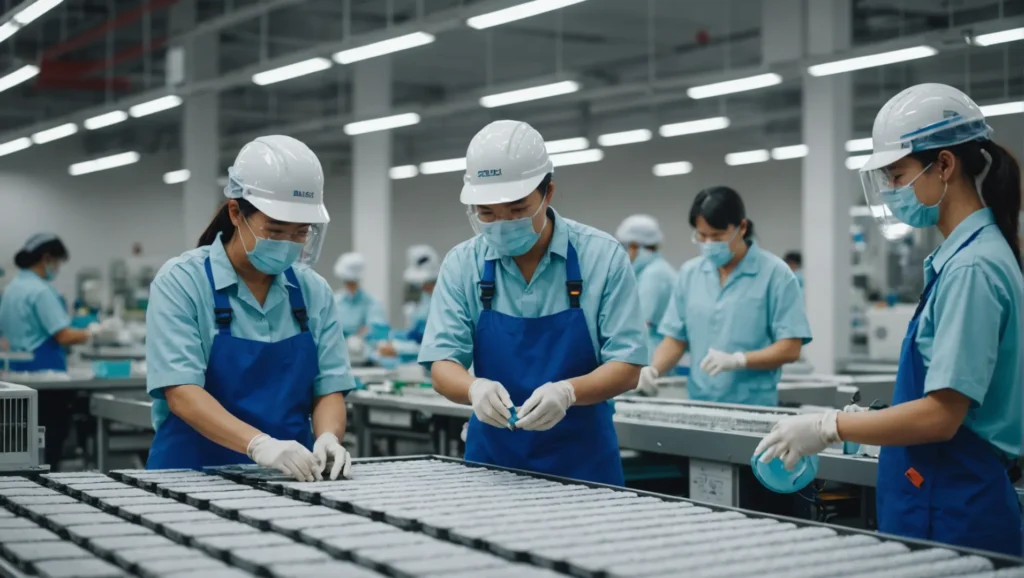
공기청정기 공장 내부에서 작업자들이 유닛을 조립하고 있습니다.

공기청정기 생산을 주도하는 국가: 중국과 캄보디아?

전 세계 공기청정기 산업은 공해에 대한 우려와 건강에 대한 인식이 높아지면서 빠르게 성장하고 있습니다. 이 블로그에서는 공기청정기의 생산 환경을 살펴보고, ...
뉴스
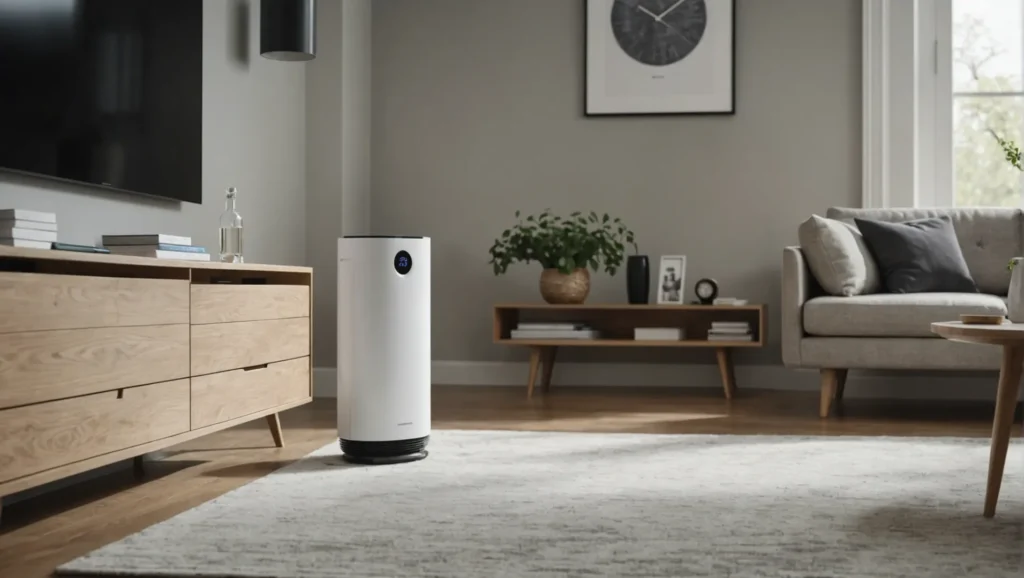
첨단 기술 기능을 갖춘 세련된 공기청정기가 현대적인 객실 환경에 전시되어 있습니다.

경쟁이 치열한 시장에서 공기청정기 제품을 어떻게 차별화할 수 있을까요?

포화 상태인 오늘날의 공기청정기 시장에서는 눈에 띄는 것이 성공의 관건입니다. 특정 소비자 세그먼트를 타겟팅하고, 첨단 기술을 활용하고, 고유한 기능을 강조함으로써 브랜드는 ...
뉴스
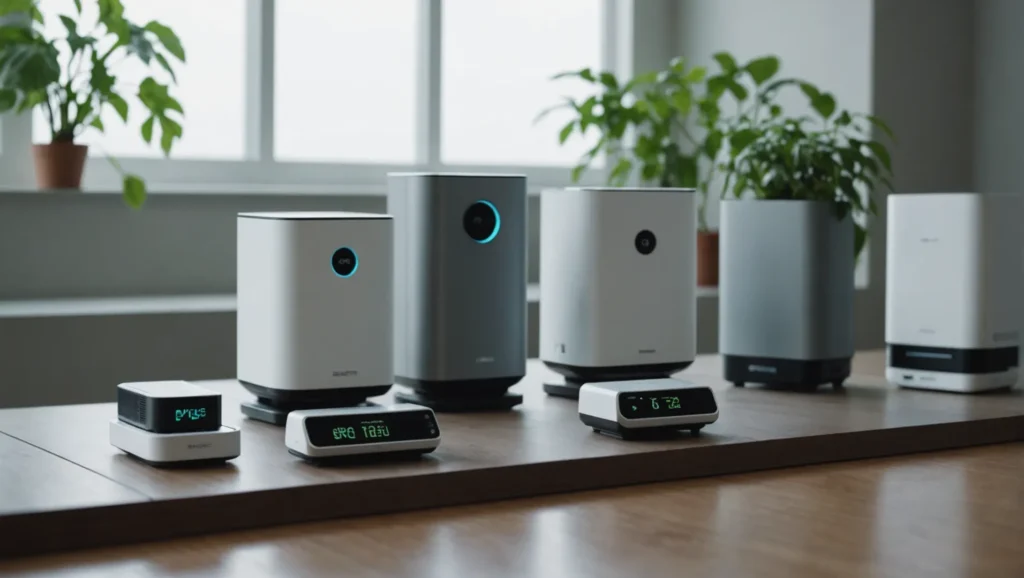
공기청정기에 사용되는 다양한 센서의 클로즈업 보기

공기청정기용 센서 기술을 선택할 때 고려해야 할 요소는 무엇인가요?

깨끗한 실내 공기를 추구하려면 공기청정기에 적합한 센서 기술을 선택하는 것이 중요합니다. 이 문서에서는 고려해야 할 주요 요소를 살펴봅니다...
뉴스
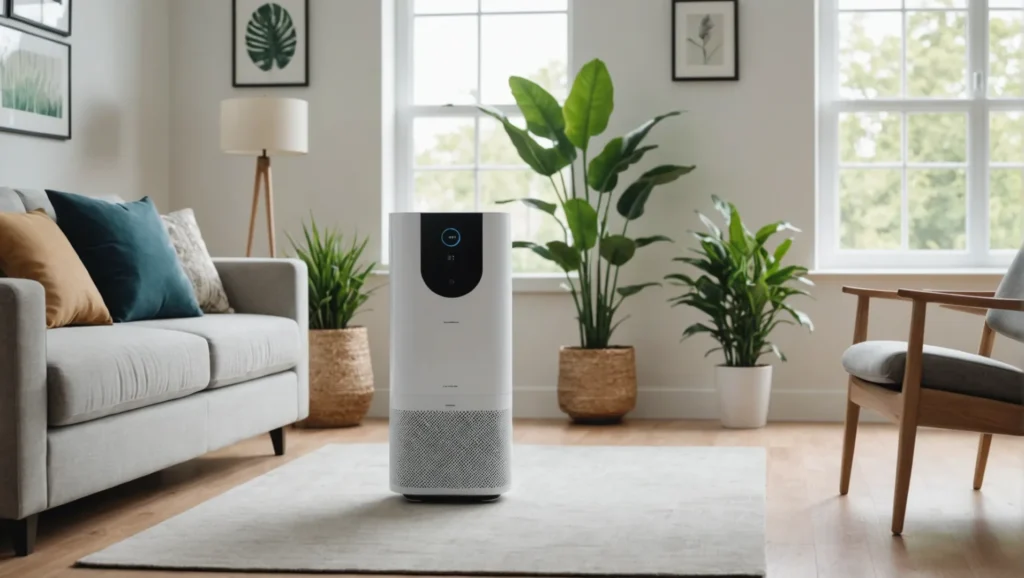
현대적인 거실 환경의 공기 청정기

공기청정기가 AHAM 표준을 준수하려면 어떻게 해야 하나요?

공기 질이 그 어느 때보다 중요한 시대에는 공기 청정기가 공인된 기준을 충족하는지 확인하는 것이 가장 중요합니다. 가정 협회 이해하기 ...
뉴스
다양한 공기 필터 미디어 유형이 라벨 및 MERV 등급과 함께 표시됨

다양한 오염 물질과 시나리오에 적합한 공기 필터 미디어는 어떻게 선택하나요?

실내 공기질이 가장 중요한 요즘, 올바른 공기 필터 미디어를 선택하는 것은 부담스러울 수 있습니다. 애완동물의 비듬부터 ...
뉴스
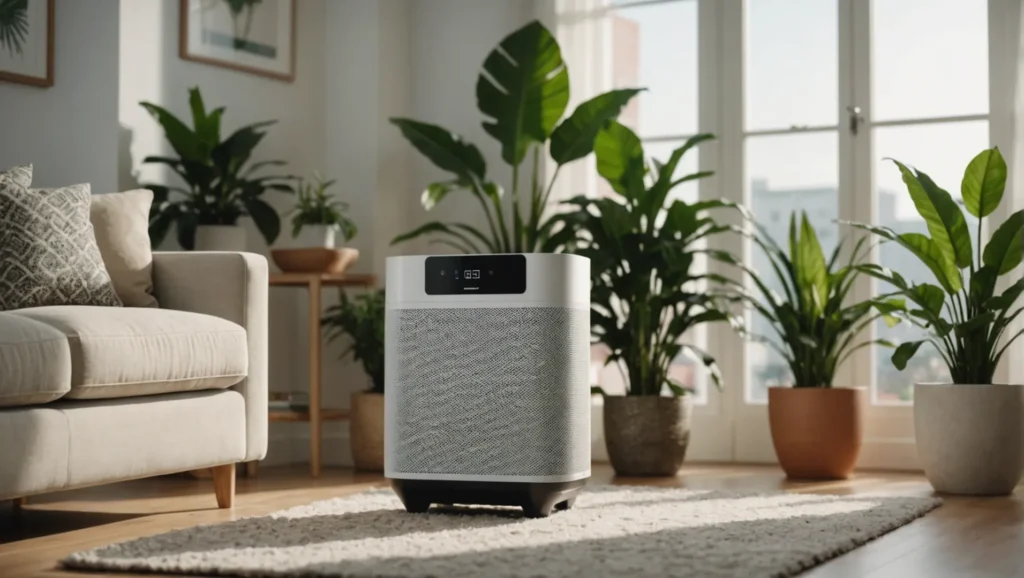
코로나19 팬데믹 시대의 세련된 거실에 놓인 현대식 공기청정기.

코로나19 팬데믹이 공기청정기 수요를 어떻게 변화시켰나요?

코로나19 팬데믹으로 인해 실내 공기질을 바라보는 시각이 근본적으로 바뀌면서 공기청정기는 필수 가정용품이 되었습니다. 이 기사에서는 급증하는 수요와 시장을 살펴봅니다.
뉴스

엔지니어가 설계 및 성능 지표를 평가하는 작업대 위의 공기청정기 프로토타입.

프로토타입이 공기청정기 개발에 어떤 영향을 미치나요?

빠르게 변화하는 공기청정기 개발의 세계에서 성공적인 제품을 만들기 위해서는 단순히 좋은 아이디어 이상의 것이 필요합니다. 프로토타입은 다음과 같은 중요한 역할을 합니다.
뉴스
Contaminant Engineering•3 min read

PFAS Water Filtration Technologies Explained: Carbon, Resin & RO

Key Takeaway:

PFAS reduction depends on the specific compounds present, treatment media, contact time, water chemistry, and system design. Activated carbon, ion exchange, and Reverse Osmosis address PFAS through different mechanisms.

PFAS are a large family of persistent fluorinated compounds that can occur in drinking-water supplies. Their treatment behavior varies significantly by molecular structure, chain length, functional group, concentration, and the chemistry of the source water.

Granular Activated Carbon (GAC) removes PFAS primarily through adsorption. It is generally more effective for many longer-chain PFAS, while shorter-chain compounds tend to break through more quickly. Carbon performance depends on media properties, Empty Bed Contact Time (EBCT), competing organic matter, loading, and replacement frequency.

Ion-exchange resins use charged functional sites to capture many PFAS compounds. Properly selected anion-exchange media can provide high capacity and may perform better than conventional activated carbon for some shorter-chain PFAS, although performance still depends on water chemistry and competing ions.

Reverse Osmosis (RO) uses membrane separation rather than adsorption. Properly designed RO systems can provide broad reduction across many PFAS compounds as well as dissolved salts and other contaminants. Unlike carbon or resin, however, RO also produces a concentrate stream that must be managed.

No single technology should be selected from a PFAS label alone. System design should consider which PFAS compounds are present, their concentrations, required reduction targets, flow rate, media life, and the applicable third-party certification or validation requirements.

HisoAir Water Technical Series
Product Discovery•3 min read

How to Choose an Under-Sink Water Purifier for Modern Kitchens

Key Takeaway:

Match the treatment technology to your water quality first, then evaluate cabinet space, faucet configuration, flow rate, drain and power requirements, and filter replacement needs.

Choosing an under-sink water purifier starts with water chemistry. Carbon filtration is well suited to chlorine, taste, odor, and many organic contaminants, while Reverse Osmosis is more appropriate when dissolved salts, fluoride, nitrates, or broader dissolved contaminants need to be reduced.

For compact kitchens, tankless RO systems eliminate the conventional storage tank and can significantly reduce the space required under the sink. However, membrane capacity stated in GPD does not directly equal faucet flow. When comparing systems, check the actual dispensing flow rate, inlet-pressure requirement, recovery ratio, and whether a booster pump is required.

Installation architecture also matters. Many RO systems require a drain connection, electrical power, and either a dedicated drinking-water faucet or a compatible multi-function faucet. High-flow carbon systems can often connect directly to the existing cold-water line with a simpler installation, but pressure drop and available faucet flow should still be verified.

RO also removes much of the naturally occurring dissolved mineral content. Where taste or mineral balance is a priority, a post-RO remineralization stage can be added. Filter life should be evaluated by both rated capacity and local water quality rather than replacement time alone.

The right system is therefore not simply the smallest or highest-GPD model. It is the configuration that matches the target contaminants, available cabinet space, desired faucet setup, peak dispensing demand, and maintenance expectations.

HisoAir Water Technical Series
Water Quality•2 min read

What Does TDS Mean in Drinking Water? Measurement vs Contaminant Reality

Key Takeaway:

A TDS meter estimates the overall concentration of dissolved ionic substances from electrical conductivity. It cannot identify specific contaminants or determine whether water is chemically safe.

Total Dissolved Solids (TDS) refers to the combined concentration of dissolved substances in water. Most handheld TDS meters do not measure TDS directly. Instead, they measure electrical conductivity (EC) and convert that reading into an estimated parts-per-million (ppm) value.

This means a TDS reading can indicate how much dissolved ionic material is present, but not what that material actually is. Calcium, magnesium, sodium, nitrates, and other dissolved ions can all contribute to conductivity, yet a simple TDS meter cannot distinguish between them.

TDS meters are also not suitable for detecting trace contaminants such as PFAS, many VOCs, pesticides, pharmaceuticals, or disinfection byproducts. These substances may be present at concentrations far below the level needed to noticeably change electrical conductivity.

A low TDS reading therefore does not guarantee safe drinking water, and a higher TDS reading does not automatically indicate contamination. Water-treatment decisions should be based on laboratory testing for specific contaminants of concern rather than TDS alone.

HisoAir Water Technical Series
Technology Selection•2 min read

RO vs UF Water Filtration: Understanding Pore Sizes & Dissolved Minerals

Key Takeaway:

Ultrafiltration can reduce bacteria, turbidity, and suspended particles while retaining most naturally occurring dissolved minerals. Reverse Osmosis provides much broader reduction of dissolved salts and smaller contaminants.

Ultrafiltration (UF) typically uses hollow-fiber membranes with pore sizes in the approximate 0.01–0.1 micron range. These membranes physically retain turbidity, suspended solids, colloids, and many microorganisms while allowing dissolved minerals and salts to remain in the water.

Reverse Osmosis (RO) operates at a much finer separation level. Unlike UF, RO can substantially reduce dissolved ions such as sodium, calcium, fluoride, nitrates, and other contributors to total dissolved solids (TDS). This makes RO more suitable when dissolved-salt reduction is a primary treatment objective.

UF generally requires less system pressure and produces little or no continuous concentrate stream in many point-of-use configurations. RO typically requires greater pressure and produces a reject-water stream, but delivers broader contaminant reduction.

For water with acceptable TDS and mineral content, UF can be a simpler mineral-retaining treatment option. Where dissolved salts, fluoride, nitrates, or broader dissolved contaminants are a concern, RO is generally the more appropriate technology.

HisoAir Water Technical Series
Technology Selection•4 min read

Carbon Block vs Reverse Osmosis: Which Fits Your Need?

Key Takeaway:

Choose RO for dissolved inorganic salts and heavy metals; choose Carbon Block for chemical taste/odor, no wastewater, and high line-pressure flow.

Reverse Osmosis (RO) and Carbon Block filtration represent two fundamentally different treatment methods: membrane separation and adsorption. Understanding these differences helps determine which technology is better suited to a specific water-quality requirement.

Reverse Osmosis uses a semi-permeable membrane with pore sizes of approximately 0.0001 microns. It can significantly reduce dissolved inorganic contaminants such as TDS, fluoride, nitrates, and certain heavy metals. Because water must be forced through the membrane, RO systems require sufficient pressure or a booster pump and generate a concentrated wastewater stream.

Carbon Block filtration relies primarily on adsorption through compressed activated carbon, commonly with nominal pore sizes around 0.5–5 microns. It is highly effective for chlorine, chloramines, VOCs, taste, and odor, while allowing substantially higher direct-flow rates without producing wastewater.

From an operating perspective, Carbon Block systems are generally simpler, require less energy, and avoid the water loss associated with RO. RO involves higher system complexity and operating cost, but provides substantially broader reduction of dissolved contaminants that Carbon Block alone cannot address.

HisoAir Water Technical Series

견적 요청하기