
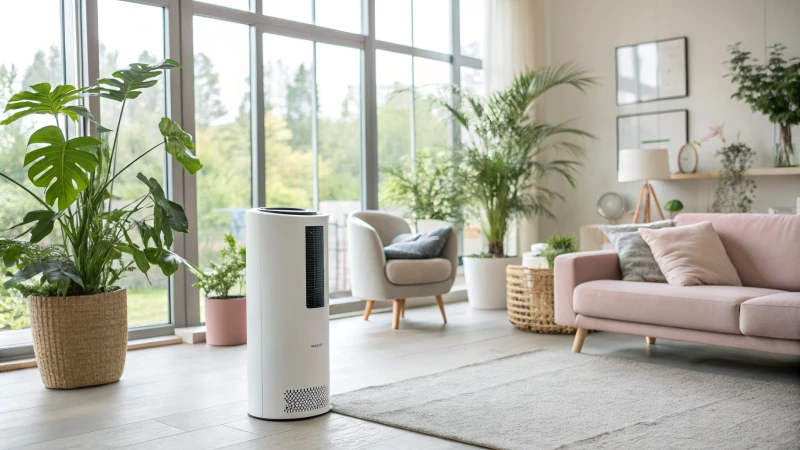
Breathing clean air feels like a luxury these days, doesn't it?
Leading air purifier manufacturers in the US, like Intellipure and Oransi, create products by assembling imported components domestically. This strategy reduces costs and avoids tariffs, making them key players in the market.
I remember the first time I noticed how much air quality could affect my well-being—it was a summer day, and I found myself struggling with the stifling heat and smog. It got me thinking about how important it is to have a good air purifier at home. This is where companies like Intellipure and Oransi come into play. By assembling products in the US, they're not just boosting local manufacturing but also ensuring that we get efficient, cost-effective solutions. Understanding their strategies and technologies can be incredibly beneficial, whether you're buying for home use or looking to partner up for business. Let's explore what sets these trailblazers apart and how they are reshaping our indoor air quality.
Intellipure assembles air purifiers using only local components.False
Intellipure uses imported components for assembly.
Oransi avoids tariffs through strategic partnerships.True
Oransi leverages partnerships to minimize tariff impacts.
What Technologies Are US Air Purifier Manufacturers Using?
Ever wondered how air purifiers make the air so fresh and clean? Let me take you behind the scenes of the fascinating technologies that US manufacturers are using.
US air purifier manufacturers utilize a mix of technologies like HEPA filtration, activated carbon, UV-C light, and smart sensors. These advancements efficiently remove pollutants, ensuring cleaner indoor air quality.

HEPA Filtration and Its Impact
I remember when I first installed a HEPA filter1 in my home; it was like breathing fresh mountain air. These filters are true workhorses, capturing particles as tiny as 0.3 microns with a 99.97% efficiency. For anyone dealing with allergies, like my friend who swears by his HEPA filter during pollen season, they are indispensable.
| Filter Type | Particle Size | Efficiency |
|---|---|---|
| HEPA | 0.3 microns | 99.97% |
Activated Carbon Filters: The Odor Remover
Activated carbon filters are like the unsung heroes of air purification, tackling odors and volatile organic compounds (VOCs) that make indoor spaces unpleasant. I once cooked a particularly fragrant dish, and the activated carbon filter in my kitchen's purifier saved the day, absorbing the smell before it took over the whole house.
These filters are essential for removing odors2 from kitchens and living areas.
| Filter Type | Particle Size | Efficiency |
|---|---|---|
| Activated Carbon | Variable | Varies |
UV-C Light Technology: Destroying Pathogens
UV-C light technology is something I find fascinating—like a microscopic superhero! It inactivates bacteria, viruses, and mold spores by disrupting their DNA. If you're like me and always worried about germs, this is a reassuring feature to have.
This technology is often used in combination with HEPA filters for enhanced purification3.
Smart Sensors and Connectivity
I can’t tell you how convenient it is to have an air purifier that adjusts itself based on the air quality. Thanks to advanced sensors and connectivity features, modern purifiers can be controlled via smartphone apps. This tech-savvy feature not only ensures optimal performance but also gives peace of mind knowing your air quality is constantly monitored.
Many modern devices offer connectivity features that ensure optimal performance4.
US manufacturers are pushing boundaries with these technologies, striving to make our indoor environments healthier. Their dedication means we can breathe easy, knowing we're protected by some of the best air purification systems available today.
HEPA filters capture 99.97% of particles.True
HEPA filters trap particles as small as 0.3 microns with 99.97% efficiency.
UV-C light is ineffective against bacteria.False
UV-C light disrupts DNA, rendering bacteria and viruses inactive.
How do tariffs and taxes affect air purifier production?
Ever wondered how a few numbers on a tariff sheet can change the air you breathe? Dive into the story of air purifiers and how taxes shape their journey from factory to home.
Tariffs and taxes play a crucial role in air purifier production by impacting costs and supply chains. These financial factors encourage local assembly rather than full imports, influencing pricing and availability across markets.

Impact on Costs and Supply Chains
Let me take you back to when I first realized how pivotal these economic levers are. Picture this: I was in my workshop, sketching out the next big thing in air purification, when news broke about increased tariffs on Chinese components. Suddenly, the cost of materials skyrocketed, forcing me to rethink my strategy. Just like many others in the industry, I had to find smarter ways to bring components in without breaking the bank.
For instance, brands like Intellipure and Oransi5 import components from China but assemble in the US, minimizing tariffs.
Strategic Assembly Approaches
One solution I found was the Semi-Knocked Down (SKD) approach, which felt like putting together a giant puzzle—importing parts and assembling them locally. This method reduced tariff-induced costs, making products more attractive in domestic markets.
| Country | Tariff Rate (%) | Assembly Strategy |
|---|---|---|
| USA | 25 | SKD Assembly |
| EU | 18 | Local Sourcing |
| China | 5 | Full Import |
I remember a conversation with a fellow entrepreneur over coffee; we both nodded in agreement that this was the way forward—challenging, yes, but necessary.
Influence on Market Dynamics
It's fascinating how tariffs can flip market dynamics on their head, prompting companies like mine to consider setting up shop right here at home. This shift not only sparks innovation but also funnels investment into local facilities. A friend of mine in the industry once said, "Tariffs might be a pain, but they make us stronger," and I couldn't agree more.
The robust supply chains in China support OEM/ODM6 services for many US brands, enabling flexible design and production processes.
Challenges and Opportunities
Every challenge is an opportunity in disguise. Tariffs have pushed us to think globally while acting locally. By leveraging China's supply chain strengths and US assembly, we can cut costs while tailoring products to local tastes. This kind of cross-border collaboration often leads to enhanced product features7, which keeps me excited about what's next.
Adapting to Tax Regulations
Navigating tax policies can feel like solving a complex puzzle—daunting yet rewarding when you get it right. I’ve learned that understanding these regulations is vital for staying competitive. It’s not just about dodging pitfalls; it’s about seizing every opportunity to optimize operations.
Ensuring that businesses remain competitive8 in an ever-evolving global market.
Tariffs increase costs for air purifier components.True
Tariffs impose additional costs on imported goods, affecting production expenses.
Local assembly of air purifiers reduces tariff impacts.True
Assembling imported components locally minimizes tariffs, lowering overall costs.
Why are some US brands assembling rather than manufacturing?
Have you ever wondered why some American brands are choosing assembly over full manufacturing? It's a fascinating shift in strategy driven by various economic and regulatory factors.
US brands are increasingly opting for assembly rather than full-scale manufacturing to cut costs, manage tariffs, and retain supply chain flexibility. This involves importing components and assembling them domestically, allowing brands to meet economic and regulatory requirements effectively.

The Economic Incentives
You know, it's funny how things come full circle. When I first got into the air purification business, the idea of assembling products in the US felt like a distant dream. Yet here we are, leveraging lower manufacturing costs9 by importing components from places like China and South Korea. This way, we sidestep those hefty tariffs that hit fully manufactured goods and proudly label our products 'Assembled in USA.' That label? It's a huge draw for consumers who value local production.
Regulatory Benefits
Navigating trade regulations can feel like trying to solve a Rubik's Cube blindfolded. But here's where US assembly shines. By importing parts instead of finished goods, we often face fewer tariffs and compliance headaches. This strategy has been a lifesaver for us in the electronics field, where pieces come from all over but come together here at home.
| Component | Sourcing Country | Assembly Location |
|---|---|---|
| Microprocessors | China | USA |
| Display Panels | South Korea | USA |
| Batteries | Japan | USA |
Flexibility in Supply Chains
One thing I've learned over the years is that flexibility is everything. By focusing on assembly rather than full manufacturing, we're able to stay nimble, adjusting to changes in demand and costs10 as they come. Fast-paced markets demand it! Plus, it lets us tweak products closer to where they're sold, which means we can meet specific needs without the massive overhead of domestic manufacturing.
Case Study: Air Purifiers
Take brands like Intellipure and Oransi. They're great examples of how this approach works in practice. By sourcing parts like filters and casings from trusted suppliers overseas and then assembling them here, they manage to dodge high import tariffs while still appealing to customers who love that 'Made in USA' stamp.
In the end, the choice between assembling and manufacturing comes down to a mix of economic, regulatory, and market-driven considerations. Each brand, including mine, weighs these factors based on what makes the most sense for their industry and consumer base. It's a balancing act but one that's worth it for the advantages it offers.
Assembling locally avoids hefty tariffs.True
Local assembly of imported components incurs fewer tariffs than full imports.
US brands manufacture all components domestically.False
Brands import components for assembly to reduce costs and tariffs.
What Makes a US Air Purifier Brand Reputable?
Remember when you first realized the air in your home might not be as clean as you thought? I sure do. Let's dive into what makes a US air purifier brand truly stand out.
A reputable US air purifier brand combines transparent manufacturing practices, high-quality components, consistent performance, and positive customer feedback. Together, these elements ensure consumers receive effective and trustworthy products.

Transparent Manufacturing Practices
When I first started exploring air purifiers, I was struck by how much transparency mattered to me. Brands that are upfront about where and how their products are made instantly earn my trust. For example, those that assemble their products in the US while sourcing components from China are not only supporting local economies but also sidestepping hefty import tariffs. This approach resonates with me because it aligns with my values of supporting local businesses while maintaining global ties.
| Transparency Aspect | Details |
|---|---|
| Component Sourcing | Clear information on part origins |
| Manufacturing Location | U.S. assembly details |
| Environmental Impact | Sustainability practices |
High-Quality Components
I remember the first time I cracked open an air purifier to see its guts (don’t worry, it was already broken). What struck me was the importance of quality components. The robust supply chains in places like China mean that brands can equip their purifiers with reliable parts, which is crucial for performance. It's this blend of solid engineering and innovative design that makes me feel confident in a brand's product.
Brands utilize robust supply chains, like those found in China, ensuring their products are equipped with reliable parts. This collaboration can lead to flexible design and innovation11 while maintaining high standards.
Reliable Performance
We've all been let down by a product that didn’t live up to its promises. That’s why I always look for brands that deliver consistent performance. Certifications from independent organizations offer peace of mind, showing that a product has been tested and proven effective—especially for those of us who struggle with allergies or live in areas with high pollution levels.
Consumers prioritize brands that consistently deliver on performance claims. Testing and certifications from independent organizations can serve as benchmarks for performance reliability12.
Positive Customer Feedback
There's something comforting about scrolling through reviews and seeing that others have had great experiences with a product. Brands that engage with their customers and take feedback seriously not only improve their offerings but also build a loyal community. It’s like joining a club where everyone shares the same goal: breathing cleaner air.
A brand's reputation is often reflected in its customer reviews. Brands actively engaging with customers, addressing concerns, and implementing feedback are seen as more reliable.
In summary, when I'm choosing an air purifier, I look for a brand that's transparent, uses high-quality components, consistently performs well, and values customer feedback. With these factors in mind, I'm confident in making an informed decision about which brands to trust for my air purification needs.
US assembly avoids high import tariffs.True
Assembling products in the US can avoid tariffs imposed on imported goods.
All reputable brands use components sourced locally.False
Many reputable brands use globally sourced components, including from China.
Conclusion
Leading US air purifier manufacturers like Intellipure and Oransi assemble products domestically using imported components, enhancing local manufacturing while navigating tariffs and ensuring efficient air quality solutions.
-
Understanding HEPA filtration is crucial for choosing effective air purifiers that capture tiny pollutants. ↩
-
Exploring this link reveals how activated carbon absorbs and neutralizes various odors. ↩
-
Discover how UV-C technology destroys harmful pathogens, enhancing air purification. ↩
-
Learn how smart sensors optimize air purifier operations for better indoor air quality. ↩
-
Explore how Intellipure and Oransi optimize costs by importing components from China for US assembly. ↩
-
Learn about China's role in providing OEM/ODM services that support flexible production strategies. ↩
-
Discover how tariffs drive innovation, leading to enhanced product features for local markets. ↩
-
Find insights on navigating tax regulations to maintain competitiveness in the manufacturing sector. ↩
-
Explore how assembling can reduce costs and allow more flexibility compared to full manufacturing. ↩
-
Learn how maintaining flexible supply chains benefits companies in dynamic markets. ↩
-
Explore how innovative designs contribute to the efficiency and appeal of air purifiers. ↩
-
Understand the importance of certifications in ensuring reliable air purifier performance. ↩


 English
  Français
  Español
  Italiano
  Deutsch
  Português
  Русский
  العربية
  日本語
日本語  한국어
한국어  Tiếng Việt

