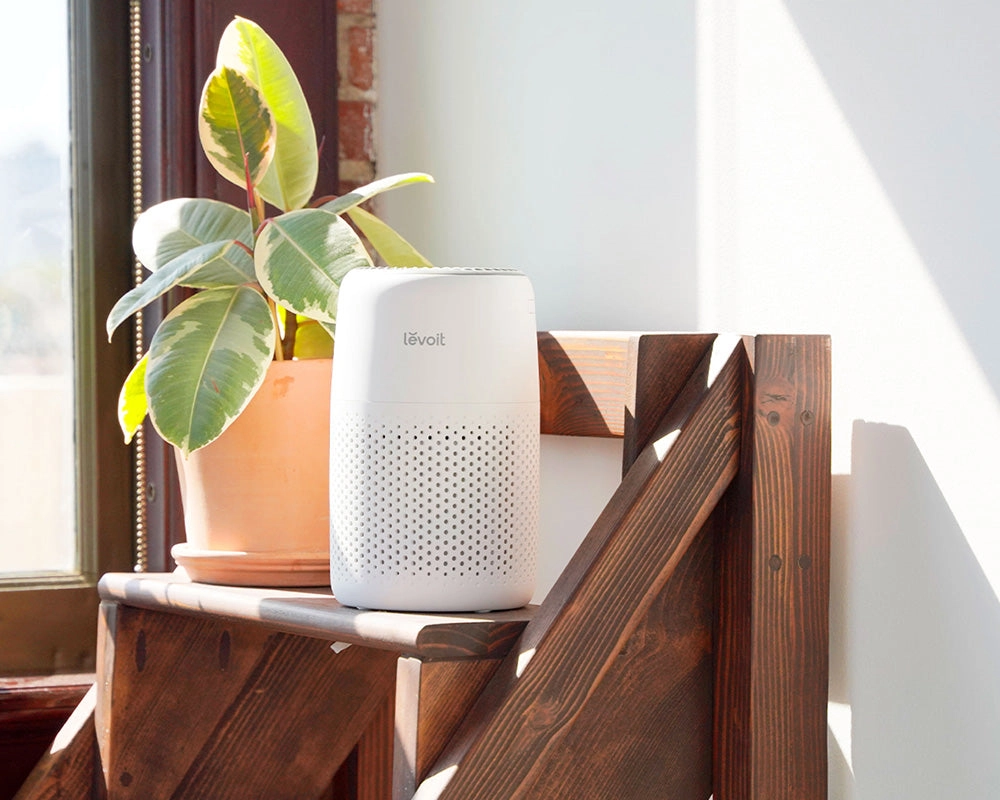
Curious about where your reliable Levoit air purifier comes from? You are not alone. Understanding a product's origin reveals much about its quality and ethical creation.
Levoit air purifiers mostly come from China. Factories in the busy provinces of Fujian, Guangdong and Zhejiang produce them. This location choice helps their global presence. They hold a very strong market position.
When I first discovered Levoit air purifiers, curiosity sparked about their swift fame. Learning about their manufacturing was a good starting point. Their origin roots lie in China. Their story as a popular brand involves more than just where they start. We should explore how their production choices help their reputation for quality. Many people now prefer them worldwide.
Levoit air purifiers are made in the USA.False
Levoit air purifiers are primarily manufactured in China.
Levoit utilizes strategic locations for global distribution.True
Manufacturing in China supports Levoit's global market reach.
Why is Levoit Dominant in the Air Purifier Market?
I remember when I first found Levoit. It felt like finding a hidden treasure in the world of air purifiers.
Levoit is ahead in the air purifier market. They work with important partners and use new technology. Their products are sold in many main stores. Their great sales on Amazon show their strong brand reputation.

Strategic Market Positioning
It feels exciting when a friend shares something new that changes everything. That's Levoit's market strategy1. First, they took a big part of Amazon, holding more than 30% of the market share. Their rapid growth into stores like Walmart and Best Buy amazed me. It was like a small company becoming famous very quickly.
Innovative Technology
Good innovation stories always fascinate me and Levoit's tech developments are really impressive. Their air purifiers include HEPA filters and smart technology, perfect for people who like both efficiency and convenience. This focus on technology advancements2 keeps them leading the market. They stay ahead. They really do.
Extensive Manufacturing Partnerships
Levoit’s ability to meet demand is fascinating. They cooperate with many manufacturers in China, mostly in Fujian, Guangdong, and Zhejiang provinces. This strong network helps maintain a steady supply while keeping high quality.
| Region | Manufacturers |
|---|---|
| Fujian | Multiple |
| Guangdong | Several |
| Zhejiang | Numerous |
Leadership and Vision
Grace, the founder, resembles those young leaders who have big dreams. Her remarkable journey from Los Angeles to building a well-known global brand is truly inspiring. She led Levoit to become public in Hong Kong in 2020. Good leadership makes anything possible. It really does.
Consumer-Centric Approach
Levoit’s strong focus on consumers is something I really admire. They listen to feedback and use it to improve their products. This leads to designs that are easy to use and builds trust with customers. Trust and loyalty are important. We all value that.
Global Recognition
Levoit's success story is known worldwide as a leader in air purification globally due to its consistent performance and innovation made them a leader in air purification globally . Their ability to adapt to different markets impresses me.
Understanding these dynamics can help consumers make informed decisions when choosing air purifiers. If you're curious about Levoit’s success, looking up more resources online could be enlightening.
Levoit holds over 30% market share on Amazon.True
Levoit initially dominated Amazon with over 30% market share.
Levoit is publicly listed in New York since 2020.False
Levoit is listed in Hong Kong, not New York, since 2020.
How has Levoit's manufacturing strategy evolved over time?
Did you ever think about how Levoit transformed from a small company into a large leader in air purifiers today?
Levoit changed its production approach. The company grew its manufacturing network in China. It targeted big retail partners for better results. Technology also plays a central role. This keeps costs low and quality high.
Expansion Across China
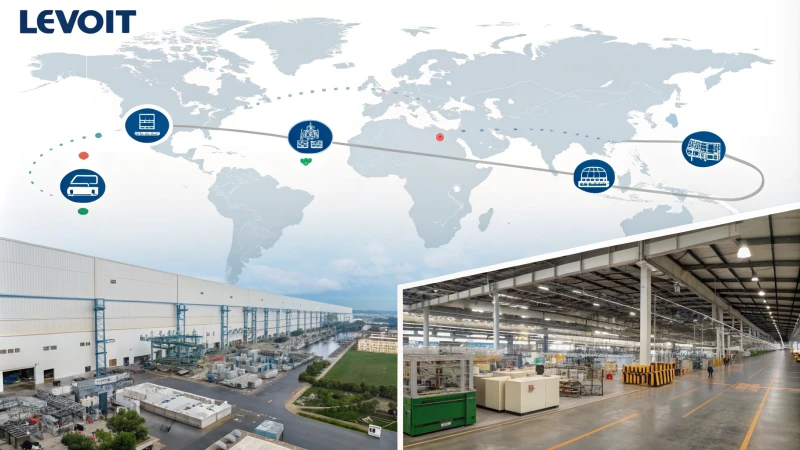
I remember learning about Levoit's early days in Fujian. Initially, they concentrated their manufacturing efforts there, focusing on logistics efficiency. Growth led them to expand into Guangdong and Ningbo, Zhejiang, allowing them to leverage the unique industrial strengths3 of each region. Fujian offered strong logistical channels, while Guangdong provided high-tech manufacturing skills.
Retail Partnership Influence
A big change for Levoit was securing spots in major U.S. retailers like Walmart and Best Buy. The excitement and pressure of that big demand were probably intense. To meet the increased demand, production needed a rapid increase, leading to new deals with many manufacturers through strategic partnership expansion4. It felt like a dream come true, but they had to work harder than ever to keep pace without compromising on quality.
Technological Integration
Levoit's use of technology truly impresses me. Their ability to integrate cutting-edge technology into their manufacturing processes has been crucial. By investing in automation and quality checks, they stayed ahead and maintained their competitive edge. They kept products affordable while meeting changing consumer needs through this tech-forward approach, ensuring their products remain cost-effective5.
| Region | Specialization |
|---|---|
| Fujian | Logistical channels |
| Guangdong | High-tech expertise |
| Ningbo | Manufacturing hubs |
Looking at these elements, it is clear that Levoit builds a strong and flexible production network. This agility lets them respond quickly to market shifts6, keeping their reputation as a leading air purifier brand.
Levoit initially focused manufacturing in Guangdong.False
Levoit started in Fujian, not Guangdong, which is known for tech expertise.
Retail partnerships influenced Levoit's production scaling.True
Major U.S. retailer partnerships required rapid production scaling by Levoit.
How does China influence Levoit's production process?
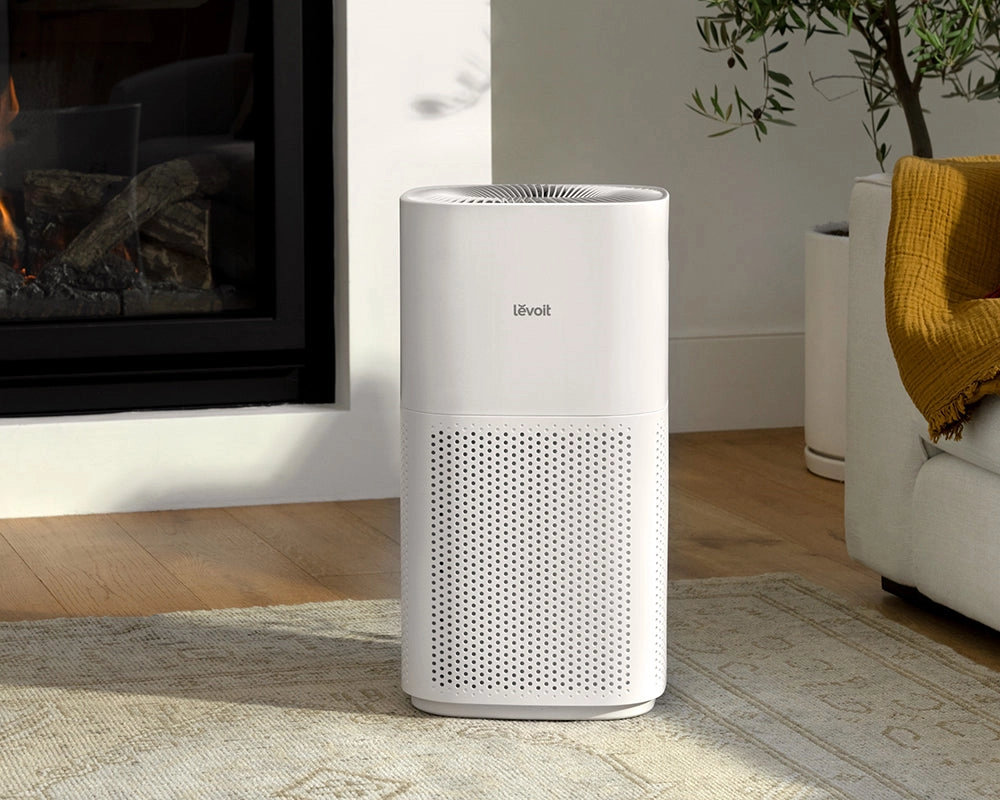
Do you ever think about how your favorite Levoit air purifier is created? Its journey begins in China. China is the main support for Levoit's production process.
Levoit depends on China to produce its air purifiers. Most of these are built in Fujian, Guangdong and Zhejiang. This choice helps keep costs low. It also helps meet global demands effectively. It really does.
Manufacturing Hubs in China
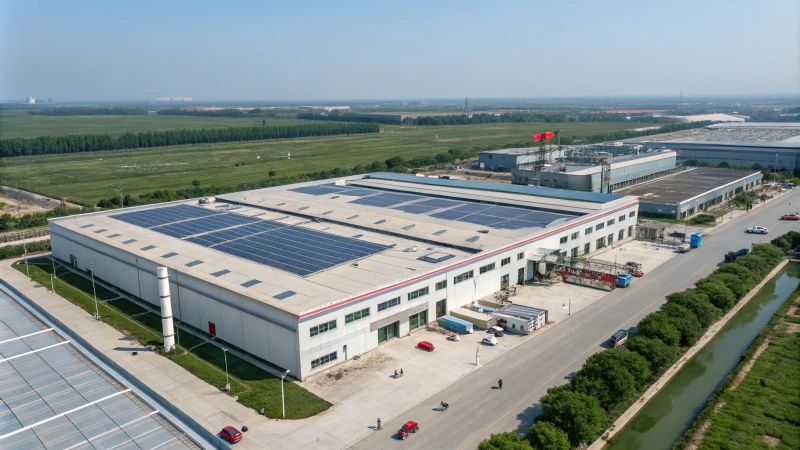
Learning about Levoit's production plan brought back memories of my time with HisoAir. Levoit uses China's impressive factories to their advantage. These are located in Fujian and Guangdong, areas filled with talented workers and strong infrastructure. Everything clicks perfectly for moving products efficiently across the globe.
| Location | Key Advantage |
|---|---|
| Fujian Province | Proximity to ports |
| Guangdong | Skilled workforce |
Economies of Scale
I've always appreciated China's ability to save costs by making more products. At HisoAir, larger production volumes greatly reduced per-unit costs. It's simple yet effective. For Levoit, this allows them to sell high-quality air purifiers at good prices.
Impact on Supply Chain
In the beginning, supply chain management was tough, but China's smart location helped. For Levoit, it's not only about building products; managing high demand is key. They team up with big US stores like Walmart and Best Buy. These partnerships are crucial for maintaining Levoit's status as a leading brand.
Geopolitical Influences
Challenges always exist. Many in the industry deal with tariffs and trade issues. These may cause problems for Levoit, but knowing about them lets consumers choose wisely.
Interested in how China's role affects other global brands? Explore this analysis7 for a detailed look into international production.
Levoit manufactures solely in Guangdong.False
Levoit has factories in Fujian and Guangdong, not just Guangdong.
China's tariffs could affect Levoit's pricing.True
Geopolitical tensions like tariffs can impact Levoit's product costs.
Are There Ethical Concerns with Levoit's Manufacturing Locations?
Curious about the story of your air purifier? Levoit, a popular choice in the field, sparks interest about where their products come from and how they are built.
Levoit produces mostly in China, sparking ethical discussions because of different labor rules and environmental guidelines. Conscious consumers must explore these factors before buying. This is very important. Always consider such details.

Understanding Levoit's Manufacturing Footprint
Air purifiers first sparked my interest when I noticed Levoit. Their products come mainly from China, especially from big industrial areas like Fujian and Guangdong8. These areas are famous for their busy factories, but China's labor and environmental laws differ from what we might know.
| Location | Primary Activity | Concerns |
|---|---|---|
| Fujian | Manufacturing Hub | Labor Practices |
| Guangdong | Industrial Production | Environmental Regulations |
Labor Practices and Worker Welfare
Worker treatment in these areas often concerns me. Reports suggest Chinese labor laws have improved, yet issues like long hours and low pay persist. Companies like Levoit should focus on how their partners treat workers. The International Labour Organization9 states that regular checks help maintain good labor practices. Regular checks are crucial.

Environmental Impact of Manufacturing
I care deeply about the environment. The potential harm from manufacturing in growing regions worries me. Factories may lack strict controls, possibly causing pollution.
| Factor | Potential Impact |
|---|---|
| Air Pollution | Decreased Air Quality |
| Resource Depletion | Sustainability Challenges |
I carefully choose products with these issues in mind. Supporting brands committed to sustainability is important. Very important.
Corporate Social Responsibility (CSR) Initiatives
Fortunately, Levoit focuses on Corporate Social Responsibility (CSR), which comforts me. Transparency about their processes and frequent audits can reduce ethical worries. CSR efforts not only improve a brand's image but also match values of sustainability and fair labor.
- Key CSR Strategies:
- Regular Factory Audits
- Environmental Impact Assessments
- Community Engagement Programs
Exploring industry best practices helps improve CSR efforts. It helps a lot.
For further insights into how businesses can enhance their CSR efforts10, consult industry best practices.
Understanding Levoit's strategies from different angles helps us make choices matching our values—choices that feel right for us and for the planet.
Levoit's products are manufactured in Fujian and Guangdong.True
Levoit primarily manufactures its air purifiers in these Chinese regions.
Levoit has no CSR initiatives to address ethical concerns.False
Levoit engages in CSR strategies like audits and impact assessments.
Conclusion
Levoit air purifiers are primarily manufactured in China, specifically in Fujian, Guangdong, and Zhejiang provinces, leveraging local expertise for quality production and global distribution.
-
Learn how Levoit’s strategic positioning contributed to its success across various sales channels. ↩
-
Discover the innovative technologies that give Levoit a competitive edge in air purification. ↩
-
Fujian's logistical advantages can enhance understanding of Levoit's strategic choices. ↩
-
Retail partnerships often dictate production scales, shedding light on Levoit's strategy. ↩
-
Technological advancements can lead to cost savings, relevant to Levoit's approach. ↩
-
Understanding market adaptability can offer insights into Levoit's strategic evolution. ↩
-
Gain insights into how China's manufacturing prowess influences international brands across various industries. ↩
-
Understanding the ethical landscape of Fujian and Guangdong aids consumers in evaluating manufacturing practices. ↩
-
ILO guidelines provide insights into ethical manufacturing practices and labor rights globally. ↩
-
Exploring CSR best practices helps understand how companies like Levoit can operate ethically. ↩


 English
 Français
 Español
 Italiano
 Deutsch
 Português
 Русский
 العربية
 日本語
 한국어
 Tiếng Việt