
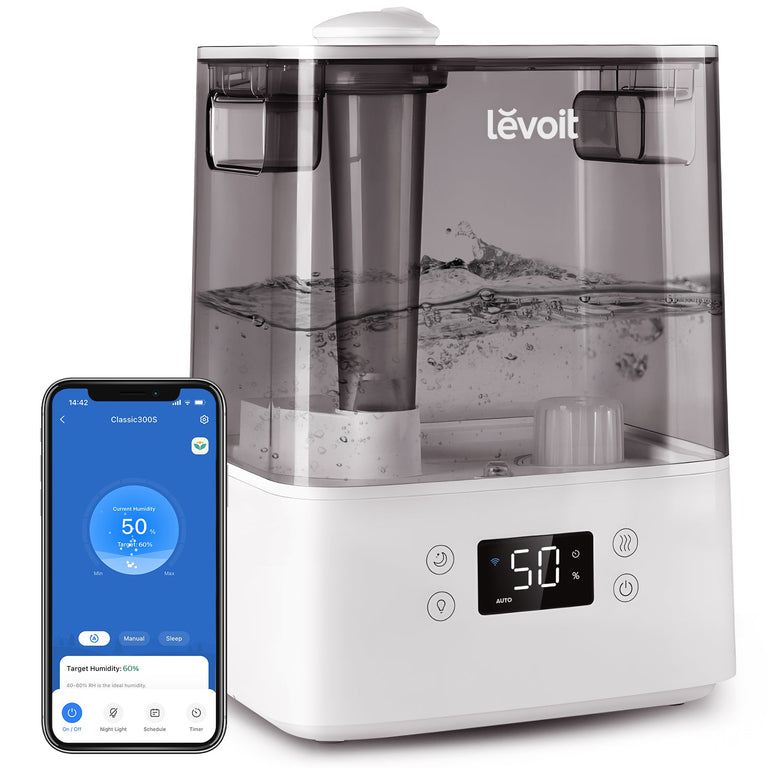
"Ever wondered where your trusty Levoit humidifiers actually comes from? You're definitely not alone! Knowing a product's origin story can tell you a lot about its quality and how ethically it's made.
So, where are Levoit air humidifiers made? The primary answer is China, with factories bustling in provinces like Fujian, Guangdong, and Zhejiang. This manufacturing base is a big part of how Levoit has become a global name with a strong spot in the market.
Like many, when I first saw Levoit humidifiers quickly becoming so popular, I was curious. Learning that their manufacturing roots are in China was just the start. It's not just where they're made, but how these production choices have built their reputation for quality that so many of us now trust in our homes worldwide."
Levoit humidifiers are made in the USA.Falso
Levoit humidifiers are primarily manufactured in China.
A Levoit utiliza locais estratégicos para a distribuição global.Verdadeiro
O fabrico na China apoia o alcance do mercado global da Levoit.
Why is Levoit Dominant in the humidifiers Market?
I still remember when I first stumbled upon Levoit. In the often-crowded world of home appliances, their humidificadores felt like discovering a hidden gem.
Levoit has quickly become a leading name in the humidifier market, and it's easy to see why. Through strategic partnerships, a commitment to innovative technology, and a strong presence in major retail stores, they've built an impressive reputation, clearly reflected in their outstanding Amazon sales figures.
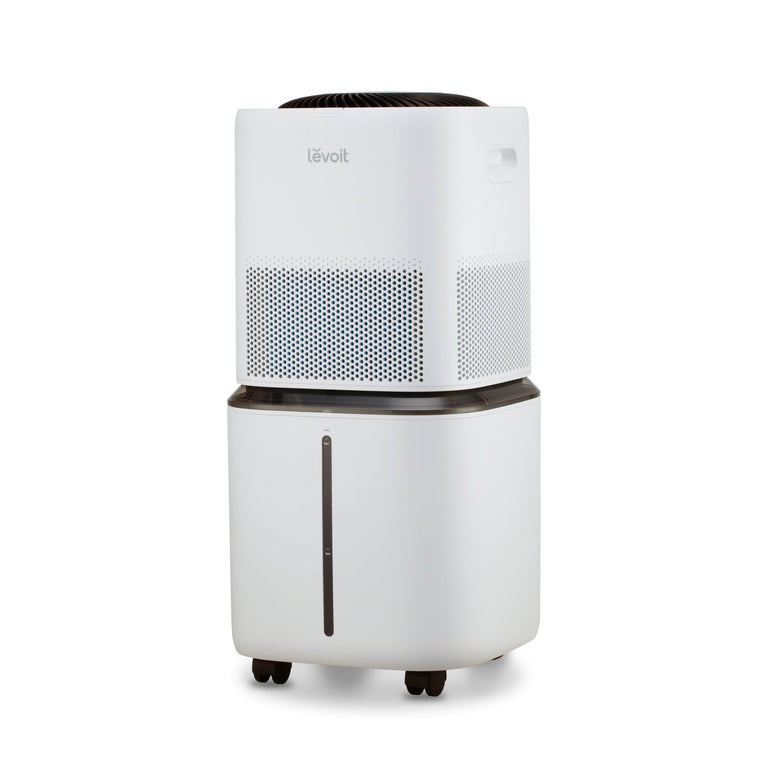
Posicionamento estratégico no mercado
You know that exciting feeling when a friend introduces you to something amazing that just clicks? That's kind of how I see Levoit's market strategy estratégia de mercado1. They made a massive impact on Amazon, quickly capturing over 30% of the humidificador market share there. Witnessing their swift expansion into retail giants like Walmart and Best Buy was like watching a rising star achieve mainstream success almost overnight.
Tecnologia inovadora
I'm always drawn to compelling innovation stories, and Levoit's technological advancements in the humidificador space are genuinely impressive. Their humidificadores often feature advanced humidification technology (like ultrasonic misting or convenient top-fill designs) and smart features, striking that perfect balance for users who value both efficiency and convenience.This focus on avanços tecnológicos2 mantém-nos na liderança do mercado. Mantêm-se à frente. A sério que sim.
Extensas parcerias de fabrico
It's fascinating how Levoit manages to meet such high demand for their humidificadores. Their strategy involves collaborating with a robust network of manufacturers across China, primarily in the provinces of Fujian, Guangdong, and Zhejiang. This extensive network is crucial for ensuring a consistent supply of high-quality humidificadores to customers worldwide.
| Região | Fabricantes |
|---|---|
| Fujian | Múltiplos |
| Guangdong | Vários |
| Zhejiang | Numerosos |
Liderança e visão
The story of Levoit's founder, Grace, often reminds me of those visionary young leaders who dream big and make things happen. Her journey, from Los Angeles to establishing a globally recognized brand, is truly inspiring. Under her guidance, Levoit successfully went public in Hong Kong in 2020, a testament to what strong leadership can achieve.
Abordagem centrada no consumidor
What I particularly admire about Levoit is their unwavering commitment to their customers. They actively listen to feedback and thoughtfully incorporate it into their product development for humidificadores. This consumer-centric approach results in user-friendly designs and, just as importantly, builds genuine trust and loyalty with their community – qualities we all appreciate in a brand.
Reconhecimento global
Levoit's success isn't just local; they've earned worldwide recognition. Thanks to consistent performance and ongoing innovation, they've become a global leader in home environment solutions, particularly with their humidificadores. Their knack for adapting to diverse international markets is truly impressive.
Understanding these dynamics can empower you to make more informed decisions when choosing humidificadores. If you're intrigued by Levoit's journey and how they achieve their success, exploring further resources online can offer even deeper insights.
A Levoit detém mais de 30% de quota de mercado na Amazon.Verdadeiro
Inicialmente, a Levoit dominava a Amazon com uma quota de mercado superior a 30%.
A Levoit está cotada na bolsa de Nova Iorque desde 2020.Falso
A Levoit está cotada em Hong Kong, e não em Nova Iorque, desde 2020.
How Has Levoit's Manufacturing Strategy for Humidifiers Evolved?
It's fascinating to see how a brand grows. Have you ever wondered how Levoit went from a promising newcomer to a major name in the humidificador world we see today?
Their journey involved a smart evolution of its production strategy. Levoit strategically expanded their manufacturing network within China, forged key partnerships with major retailers, and consistently leveraged technology – all to enhance the quality of their humidifiers while managing costs effectively.
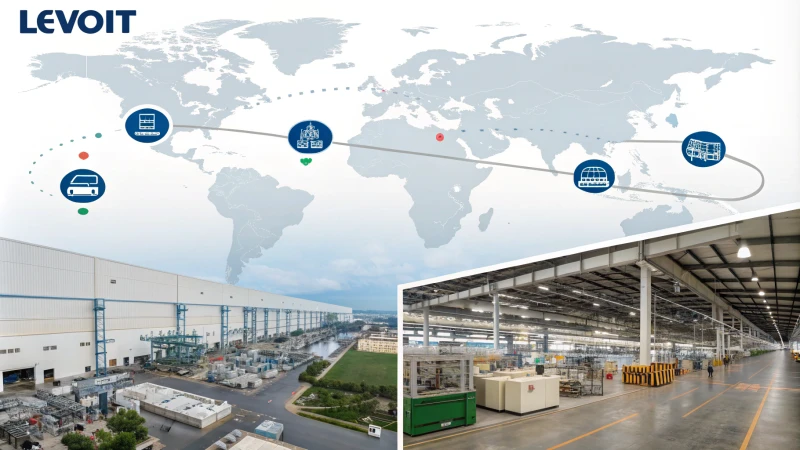
Expansão na China
I recall learning about Levoit's beginnings, with their initial manufacturing efforts for humidificadores centered in Fujian, a region chosen for its logistical efficiencies. As they grew, Levoit strategically expanded into Guangdong and Ningbo (Zhejiang province). This move allowed them to tap into the distinct pontos fortes da indústria3 of each region. Fujian for its robust logistics and Guangdong for its high-tech manufacturing expertise, which is crucial for the advanced components and smart features often found in modern humidificadores.
Influência da parceria de retalho
A pivotal moment for Levoit was securing shelf space for their humidificadores in major U.S. retailers like Walmart and Best Buy. Imagine the thrill—and the immense pressure—of that sudden surge in demand! To keep up, they had to rapidly scale production. This meant forging new agreements and expanding partnerships with numerous manufacturers through a strategic expansão da parceria4. It must have felt like a dream realized, but it also demanded an incredible effort to maintain their high-quality standards for humidificadores amidst such rapid growth.
Technological Integration in Humidifier Production
Levoit's commitment to technology is something I find particularly impressive. Their skill in weaving cutting-edge tech into their manufacturing isn't just for show; it's been fundamental to their success with humidificadores. By investing in automation and rigorous quality control systems, they've consistently stayed ahead of the curve. This tech-forward approach allows them to meet evolving consumer demands for efficient and smart humidificadores while keeping their products accessible and rentável5.
| Região | Especialização |
|---|---|
| Fujian | Canais logísticos |
| Guangdong | Especialização em alta tecnologia |
| Ningbo | Pólos de fabrico |
Looking at these elements—strategic geographic expansion, responsive retail partnerships, and technological integration—it’s clear Levoit has meticulously built a robust and agile production network for their humidificadores. This flexibility allows them to adapt swiftly to mudanças no mercado6, solidifying their reputation as a leading brand in the humidificador space.
Inicialmente, a Levoit centrou a sua produção em Guangdong.Falso
Levoit's initial manufacturing base was in Fujian, chosen for logistics, before expanding to regions like Guangdong for its tech expertise relevant to humidifiers.
Retail partnerships influenced Levoit's humidifier production scaling.Verdadeiro
Major U.S. retailer partnerships significantly increased demand, requiring Levoit to rapidly scale its humidifier production capabilities.
How Does China Influence Levoit's Humidifier Production Process?
Have you ever wondered how your favorite Levoit humidifier is made? Its journey starts in China—where the bulk of Levoit's production happens.
Levoit relies on China to manufacture its humidifiers, with most facilities based in Fujian, Guangdong, and Zhejiang. This strategy not only keeps production costs down but also ensures fast and scalable global supply.
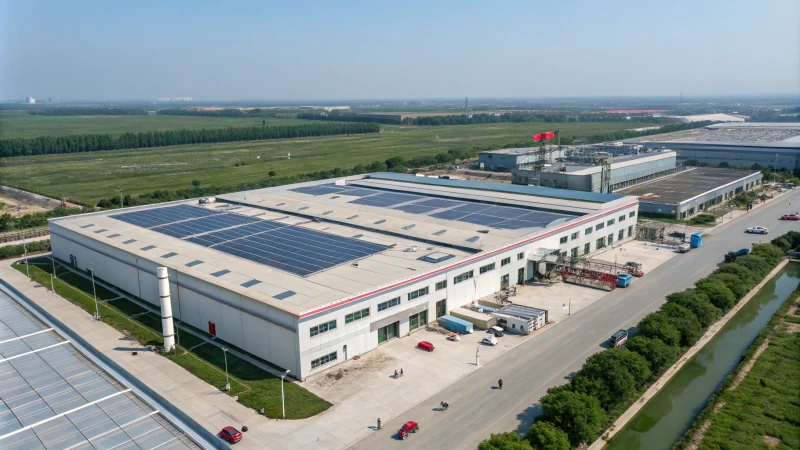
Vista aérea das instalações de fabrico
Centros de produção na China
Reflecting on Levoit’s production model reminds me of my experience with HisoAir. Levoit benefits from China's robust industrial infrastructure and skilled labor, especially in Fujian and Guangdong. These locations offer efficient logistics for global distribution.
| Localização | Vantagem chave |
|---|---|
| Província de Fujian | Proximidade dos portos |
| Guangdong | Mão de obra qualificada |
Economias de escala
China’s capacity for mass production is unmatched. At HisoAir, we saw significant cost savings through high-volume manufacturing. Levoit uses this same principle to offer competitively priced, high-quality humidifiers.

Impacto na cadeia de abastecimento
Initially, managing the supply chain was complex, but China's geography simplifies logistics. Levoit collaborates with large US retailers like Walmart e Melhor compra. These partnerships are vital to maintaining Levoit's strong brand presence.
Influências geopolíticas
Trade issues and tariffs pose occasional challenges. These factors could affect Levoit’s pricing structure, making it critical for consumers to stay informed.
Interessado em saber como o papel da China afecta outras marcas globais? Explorar esta análise7 para uma análise pormenorizada da produção internacional.
A Levoit fabrica exclusivamente em Guangdong.Falso
A Levoit tem fábricas em Fujian e Guangdong, e não apenas em Guangdong.
As tarifas da China podem afetar os preços da Levoit.Verdadeiro
As tensões geopolíticas, como os direitos aduaneiros, podem ter impacto nos custos dos produtos da Levoit.
Existem preocupações éticas com as localizações de fabrico da Levoit?
Curious about your humidifier’s backstory? Levoit—well-known in the humidifier market—manufactures primarily in China, which raises ethical questions due to differences in labor and environmental standards.

Compreender a área de produção da Levoit
Levoit humidifiers are made primarily in Fujian e Guangdong8. areas known for high-volume production but also varying regulatory standards.
| Localização | Atividade primária | Preocupações |
|---|---|---|
| Fujian | Centro de produção | Práticas laborais |
| Guangdong | Produção Industrial | Regulamentos ambientais |
Práticas laborais e bem-estar dos trabalhadores
Working conditions in Chinese factories are improving but still face scrutiny. Long hours and low wages are reported concerns. Companies like Levoit are expected to vet their suppliers closely. The Organização Internacional do Trabalho9 recommends regular factory audits to ensure fair treatment.
Impacto ambiental
Manufacturing humidifiers involves water and plastic components, which can strain local ecosystems if not managed properly.
| Fator | Impacto potencial |
|---|---|
| Air Quality | Diminuição da qualidade do ar |
| Esgotamento de recursos | Desafios da sustentabilidade |
Ethical and environmentally sound manufacturing should be a priority for any brand.
Iniciativas de Responsabilidade Social das Empresas (RSE)
Thankfully, Levoit has made strides in CSR. Transparency, environmental assessments, and community initiatives help address potential ethical concerns.
- Principais estratégias de RSE:
- Auditorias regulares à fábrica
- Avaliações de impacto ambiental
- Programas de envolvimento da comunidade
A exploração das melhores práticas do sector ajuda a melhorar os esforços de RSE. Ajuda muito.
Para mais informações sobre como as empresas podem melhorar as suas Esforços de RSE10consultar as melhores práticas do sector.
Compreender as estratégias de Levoit de diferentes ângulos ajuda-nos a fazer escolhas que correspondem aos nossos valores - escolhas que são corretas para nós e para o planeta.
Os produtos da Levoit são fabricados em Fujian e Guangdong.Verdadeiro
A Levoit fabrica principalmente os seus purificadores de ar nestas regiões chinesas.
A Levoit não tem iniciativas de RSE para responder a preocupações éticas.Falso
A Levoit envolve-se em estratégias de RSE, como auditorias e avaliações de impacto.
Conclusão
Levoit humidifiers are primarily manufactured in China, specifically in Fujian, Guangdong, and Zhejiang provinces, leveraging local expertise for quality production and global distribution.
- Saiba como o posicionamento estratégico da Levoit contribuiu para o seu sucesso em vários canais de vendas. ↩
- Descubra as tecnologias inovadoras que dão à Levoit uma vantagem competitiva na purificação do ar. ↩
- As vantagens logísticas de Fujian podem melhorar a compreensão das escolhas estratégicas da Levoit. ↩
- As parcerias com o sector retalhista ditam muitas vezes as escalas de produção, o que esclarece a estratégia da Levoit. ↩
- Os avanços tecnológicos podem conduzir a economias de custos, o que é relevante para a abordagem da Levoit. ↩
- A compreensão da adaptabilidade do mercado pode fornecer informações sobre a evolução estratégica da Levoit. ↩
- Obter informações sobre a forma como as proezas de fabrico da China influenciam as marcas internacionais em vários sectores. ↩
- Compreender o panorama ético de Fujian e Guangdong ajuda os consumidores a avaliar as práticas de fabrico. ↩
- As diretrizes da OIT fornecem informações sobre práticas de fabrico éticas e direitos laborais a nível mundial. ↩
- A exploração das melhores práticas de RSE ajuda a compreender como é que empresas como a Levoit podem funcionar eticamente. ↩


 English
  Français
  Español
  Italiano
  Deutsch
  Português
  Русский
  العربية
  日本語
日本語  한국어
한국어  Tiếng Việt

