新しいタブで開きます
Air & Water Purification OEM/ODM Manufacturer | HisoAir

Where Are Levoit Humidfiers Manufactured?

Related Products

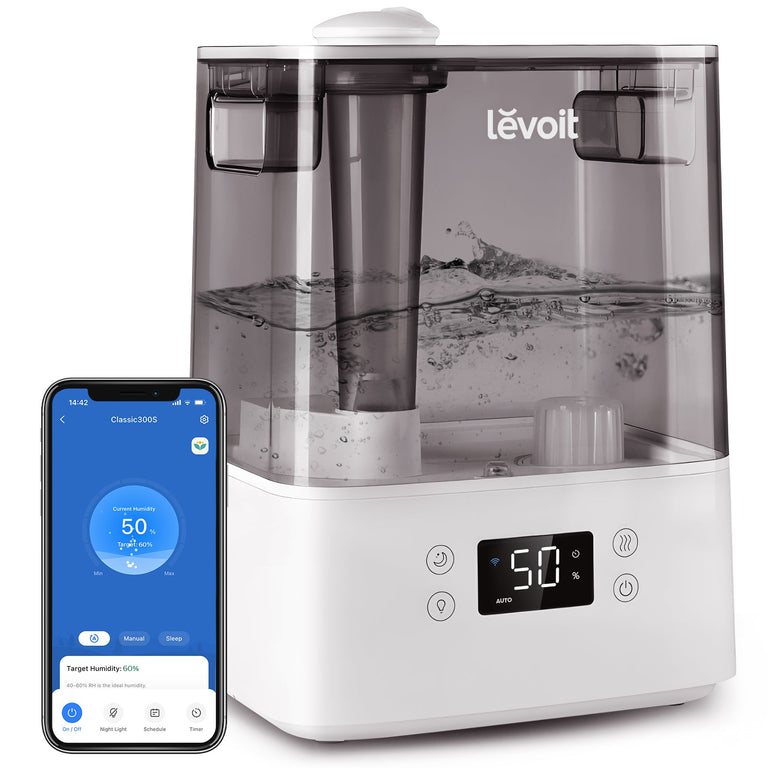
Classic 300S Ultrasonic Smart Humidifier - Levoit

"Ever wondered where your trusty Levoit humidifiers actually comes from? You're definitely not alone! Knowing a product's origin story can tell you a lot about its quality and how ethically it's made.

So, where are Levoit air humidifiers made? The primary answer is China, with factories bustling in provinces like Fujian, Guangdong, and Zhejiang. This manufacturing base is a big part of how Levoit has become a global name with a strong spot in the market.

Like many, when I first saw Levoit humidifiers quickly becoming so popular, I was curious. Learning that their manufacturing roots are in China was just the start. It's not just where they're made, but how these production choices have built their reputation for quality that so many of us now trust in our homes worldwide."

Levoit humidifiers are made in the USA.偽

Levoit humidifiers are primarily manufactured in China.

レボワは世界的な流通のために戦略的拠点を活用している。真

中国での製造は、レボワの世界市場進出を支えている。

Why is Levoit Dominant in the humidifiers Market?

I still remember when I first stumbled upon Levoit. In the often-crowded world of home appliances, their 加湿器 felt like discovering a hidden gem.

Levoit has quickly become a leading name in the humidifier market, and it's easy to see why. Through strategic partnerships, a commitment to innovative technology, and a strong presence in major retail stores, they've built an impressive reputation, clearly reflected in their outstanding Amazon sales figures.
Superior 6000S Smart Evaporative Humidifier - Levoit

戦略的市場ポジショニング

You know that exciting feeling when a friend introduces you to something amazing that just clicks? That's kind of how I see Levoit's market strategy 市場戦略1. They made a massive impact on Amazon, quickly capturing over 30% of the 加湿器 market share there. Witnessing their swift expansion into retail giants like Walmart and Best Buy was like watching a rising star achieve mainstream success almost overnight.

革新的技術

I'm always drawn to compelling innovation stories, and Levoit's technological advancements in the 加湿器 space are genuinely impressive. Their 加湿器 often feature advanced humidification technology (like ultrasonic misting or convenient top-fill designs) and smart features, striking that perfect balance for users who value both efficiency and convenience.This focus on テクノロジーの進歩2 市場をリードし続ける。彼らは常に先を行っている。彼らは本当にそうしている。

広範な製造パートナーシップ

It's fascinating how Levoit manages to meet such high demand for their 加湿器. Their strategy involves collaborating with a robust network of manufacturers across China, primarily in the provinces of Fujian, Guangdong, and Zhejiang. This extensive network is crucial for ensuring a consistent supply of high-quality 加湿器 to customers worldwide.

地域 メーカー
福建省 複数
広東省 いくつか
浙江省 多数

リーダーシップとビジョン

The story of Levoit's founder, Grace, often reminds me of those visionary young leaders who dream big and make things happen. Her journey, from Los Angeles to establishing a globally recognized brand, is truly inspiring. Under her guidance, Levoit successfully went public in Hong Kong in 2020, a testament to what strong leadership can achieve.

消費者中心のアプローチ

What I particularly admire about Levoit is their unwavering commitment to their customers. They actively listen to feedback and thoughtfully incorporate it into their product development for 加湿器. This consumer-centric approach results in user-friendly designs and, just as importantly, builds genuine trust and loyalty with their community – qualities we all appreciate in a brand.

世界的な評価

Levoit's success isn't just local; they've earned worldwide recognition. Thanks to consistent performance and ongoing innovation, they've become a global leader in home environment solutions, particularly with their 加湿器. Their knack for adapting to diverse international markets is truly impressive.

Understanding these dynamics can empower you to make more informed decisions when choosing 加湿器. If you're intrigued by Levoit's journey and how they achieve their success, exploring further resources online can offer even deeper insights.

レボワはアマゾンで30%以上のシェアを占めている。真

レボワは当初、アマゾンで30%以上のシェアを占めていた。

レボワは2020年からニューヨークで上場している。偽

レボワは2020年からニューヨークではなく香港で上場している。

How Has Levoit's Manufacturing Strategy for Humidifiers Evolved?

It's fascinating to see how a brand grows. Have you ever wondered how Levoit went from a promising newcomer to a major name in the 加湿器 world we see today?

Their journey involved a smart evolution of its production strategy. Levoit strategically expanded their manufacturing network within China, forged key partnerships with major retailers, and consistently leveraged technology – all to enhance the quality of their humidifiers while managing costs effectively.
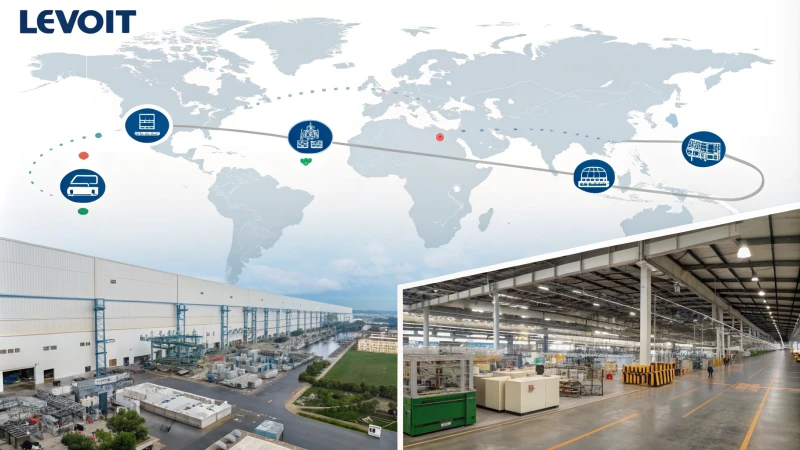
レボワの工場と空気清浄機の製造の変遷を示す年表。
レボワ製造進化年表

中国全土への拡大

I recall learning about Levoit's beginnings, with their initial manufacturing efforts for 加湿器 centered in Fujian, a region chosen for its logistical efficiencies. As they grew, Levoit strategically expanded into Guangdong and Ningbo (Zhejiang province). This move allowed them to tap into the distinct  産業の強み3 of each region. Fujian for its robust logistics and Guangdong for its high-tech manufacturing expertise, which is crucial for the advanced components and smart features often found in modern 加湿器.

小売パートナーシップの影響力

A pivotal moment for Levoit was securing shelf space for their 加湿器 in major U.S. retailers like Walmart and Best Buy. Imagine the thrill—and the immense pressure—of that sudden surge in demand! To keep up, they had to rapidly scale production. This meant forging new agreements and expanding partnerships with numerous manufacturers through a strategic パートナーシップ拡大4. It must have felt like a dream realized, but it also demanded an incredible effort to maintain their high-quality standards for 加湿器 amidst such rapid growth.

Technological Integration in Humidifier Production

Levoit's commitment to technology is something I find particularly impressive. Their skill in weaving cutting-edge tech into their manufacturing isn't just for show; it's been fundamental to their success with 加湿器. By investing in automation and rigorous quality control systems, they've consistently stayed ahead of the curve. This tech-forward approach allows them to meet evolving consumer demands for efficient and smart 加湿器 while keeping their products accessible and 費用対効果5.

地域 専門性
福建省 物流チャンネル
広東省 ハイテク専門技術
寧波 製造拠点

Looking at these elements—strategic geographic expansion, responsive retail partnerships, and technological integration—it’s clear Levoit has meticulously built a robust and agile production network for their 加湿器. This flexibility allows them to adapt swiftly to  市場シフト6, solidifying their reputation as a leading brand in the 加湿器 space.

レボワは当初、広東省での製造に重点を置いていた。偽

Levoit's initial manufacturing base was in Fujian, chosen for logistics, before expanding to regions like Guangdong for its tech expertise relevant to humidifiers.

Retail partnerships influenced Levoit's humidifier production scaling.真

Major U.S. retailer partnerships significantly increased demand, requiring Levoit to rapidly scale its humidifier production capabilities.

How Does China Influence Levoit's Humidifier Production Process?

Have you ever wondered how your favorite Levoit humidifier is made? Its journey starts in China—where the bulk of Levoit's production happens.

Levoit relies on China to manufacture its humidifiers, with most facilities based in Fujian, Guangdong, and Zhejiang. This strategy not only keeps production costs down but also ensures fast and scalable global supply.
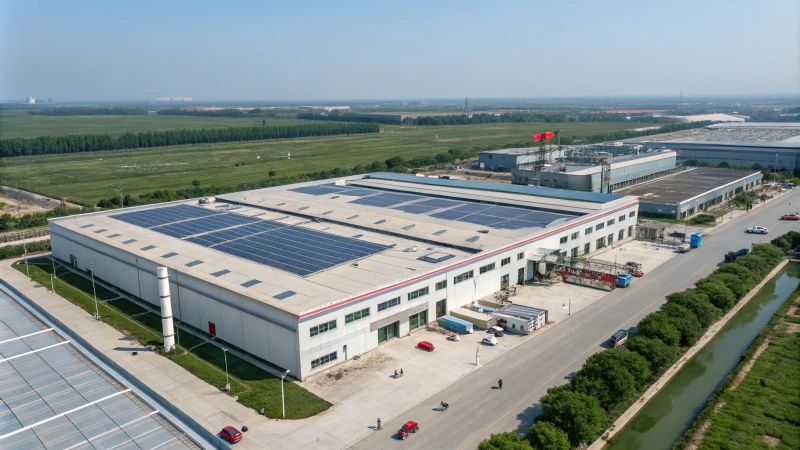
緑の風景が広がる大規模な近代的製造施設の航空写真。

製造施設の航空写真

中国の製造拠点

Reflecting on Levoit’s production model reminds me of my experience with HisoAir. Levoit benefits from China's robust industrial infrastructure and skilled labor, especially in Fujian and Guangdong. These locations offer efficient logistics for global distribution.

所在地 主な利点
福建省 港への近さ
広東省 熟練労働力

規模の経済

China’s capacity for mass production is unmatched. At HisoAir, we saw significant cost savings through high-volume manufacturing. Levoit uses this same principle to offer competitively priced, high-quality humidifiers.

Levoit Sprout Evaporative Humidifier - Levoit

サプライチェーンへの影響

Initially, managing the supply chain was complex, but China's geography simplifies logistics. Levoit collaborates with large US retailers like ウォルマート そして ベスト・バイ. These partnerships are vital to maintaining Levoit's strong brand presence.

地政学的影響

Trade issues and tariffs pose occasional challenges. These factors could affect Levoit’s pricing structure, making it critical for consumers to stay informed.

中国の役割が他のグローバルブランドにどのような影響を与えるか、ご興味がおありですか?調べる この分析7 をご覧いただきたい。

レボワは広東省のみで製造している。偽

レボワは広東省だけでなく、福建省と広東省にも工場を持っている。

中国の関税はレボワの価格設定に影響を与える可能性がある。真

関税のような地政学的緊張はレボワの製品コストに影響を与える可能性がある。

レボワの製造拠点に倫理的な懸念はあるか?

Curious about your humidifier’s backstory? Levoit—well-known in the humidifier market—manufactures primarily in China, which raises ethical questions due to differences in labor and environmental standards.

Levoit Sprout Evaporative Humidifier - Levoit

レボワの製造フットプリントを理解する

Levoit humidifiers are made primarily in 福建省と広東省8. areas known for high-volume production but also varying regulatory standards.

所在地 主な活動 懸念事項
福建省 製造拠点 労働慣行
広東省 鉱工業生産 環境規制

労働慣行と労働者福祉

Working conditions in Chinese factories are improving but still face scrutiny. Long hours and low wages are reported concerns. Companies like Levoit are expected to vet their suppliers closely. The 国際労働機関9 recommends regular factory audits to ensure fair treatment.
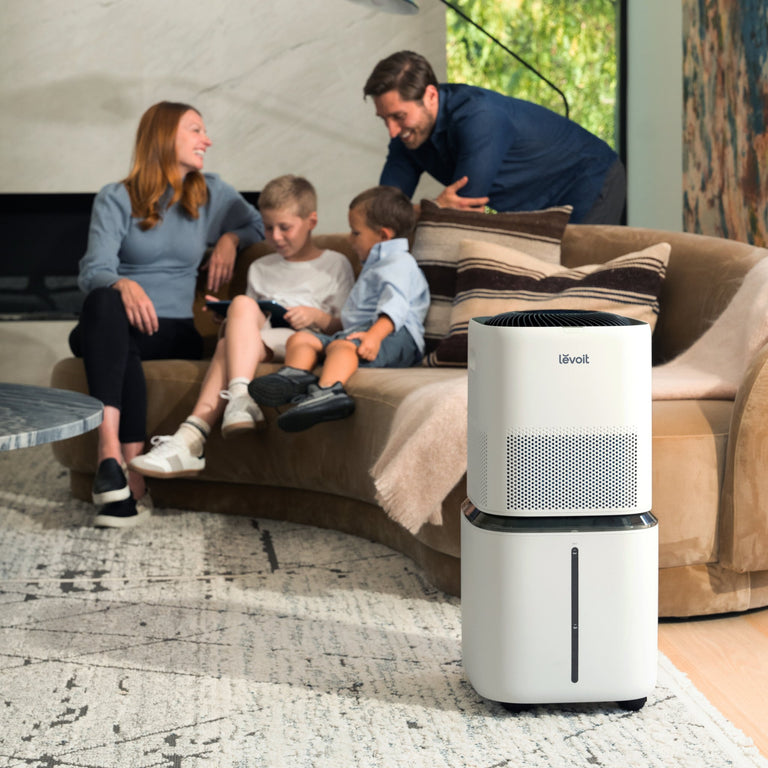
Superior 6000S Smart Evaporative Humidifier - Levoit

環境への影響

Manufacturing humidifiers involves water and plastic components, which can strain local ecosystems if not managed properly.

ファクター 潜在的な影響
Air Quality 大気の質の低下
資源の枯渇 持続可能性への挑戦

Ethical and environmentally sound manufacturing should be a priority for any brand.

企業の社会的責任(CSR)への取り組み

Thankfully, Levoit has made strides in CSR. Transparency, environmental assessments, and community initiatives help address potential ethical concerns.

  • 主要なCSR戦略:
    • 定期的な工場監査
    • 環境影響評価
    • コミュニティ参加プログラム

業界のベストプラクティスを探求することは、CSR活動の改善に役立つ。大いに役立ちます。
企業がどのようにビジネスを強化できるかについて、さらに理解を深めるには CSRへの取り組み10業界のベストプラクティスを参考にする。

レヴォワの戦略をさまざまな角度から理解することは、私たちが自分たちの価値観に合った選択をし、地球にとっても私たちにとっても正しいと思える選択をするのに役立つ。

レボワの製品は福建省と広東省で製造されている。真

レボワは主にこれらの中国地域で空気清浄機を製造している。

レボワは、倫理的懸念に対処するためのCSRイニシアチブをとっていない。偽

レボワは、監査や影響評価といったCSR戦略に取り組んでいる。

結論

Levoit humidifiers are primarily manufactured in China, specifically in Fujian, Guangdong, and Zhejiang provinces, leveraging local expertise for quality production and global distribution.


  1. レボワの戦略的ポジショニングが、さまざまな販売チャネルでの成功にどのように貢献したかをご覧ください。 ↩
  2. レボワが空気清浄において優位に立つための革新的な技術をご覧ください。 ↩
  3. 福建省の物流の優位性は、レボワの戦略的選択に対する理解を深めることができる。 ↩
  4. 小売店との提携が生産規模を左右することが多く、レボワの戦略に光を当てている。 ↩
  5. 技術の進歩は、レボワのアプローチに関連するコスト削減につながる。 ↩
  6. 市場の適応性を理解することは、レボワの戦略的進化を洞察することにつながる。 ↩
  7. 中国の製造業の実力が、さまざまな業界の国際ブランドにどのような影響を及ぼしているかについての洞察を得る。 ↩
  8. 福建省と広東省の倫理的景観を理解することは、消費者が製造慣行を評価する際の助けとなる。 ↩
  9. ILOのガイドラインは、倫理的な製造慣行と労働者の権利に関する洞察を世界的に提供している。 ↩
  10. CSRのベストプラクティスを探ることは、レボワのような企業が倫理的に事業を運営する方法を理解するのに役立つ。 ↩

シェアする
Alwen Lee of HisoAir
Alwen Lee, an air purification expert with over 10 years of experience, is a devoted father of two and a passionate traveler, having explored more than 30 countries. With a love for public speaking and swimming, he has dedicated his life to the indoor air quality industry. His mission is to ensure that people around the world enjoy the freedom to breathe clean air and lead happy, healthy lives.

メッセージを送る

Related Products

もっと読む

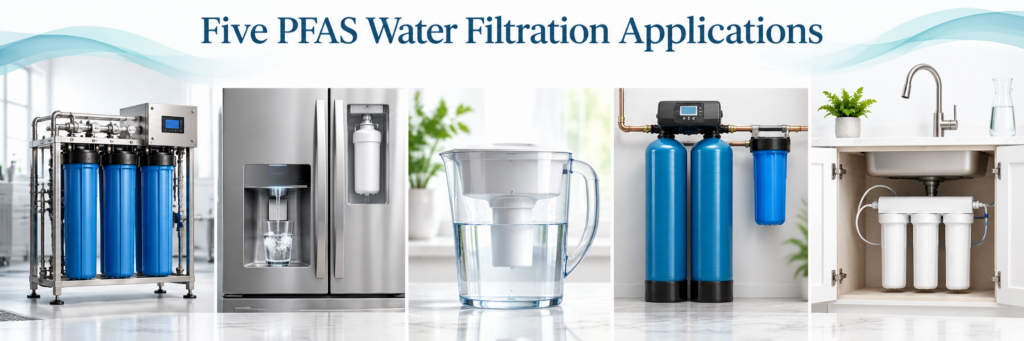
Five PFAS-certified water filter formats on a kitchen counter

PFAS-Certified Water Filters: What 5 Established Brands Reveal for Private-Label Buyers (2026)

What established filtration brands reveal about PFAS technology — and how emerging brands can bring certified solutions to market through OEM/ODM partnerships. Every month, brand ...
News, Water Purifiers
Modern living room with a family enjoying a healthy indoor environment monitored by smart devices, natural lighting, and greenery.

After IFA 2026: The Healthy Home Is Moving Beyond Smart Devices

In our previous IFA 2026 column, Air Purification Is Becoming Part of the Healthy-Home Platform, we argued that the next generation of indoor-health products would ...
ニュース
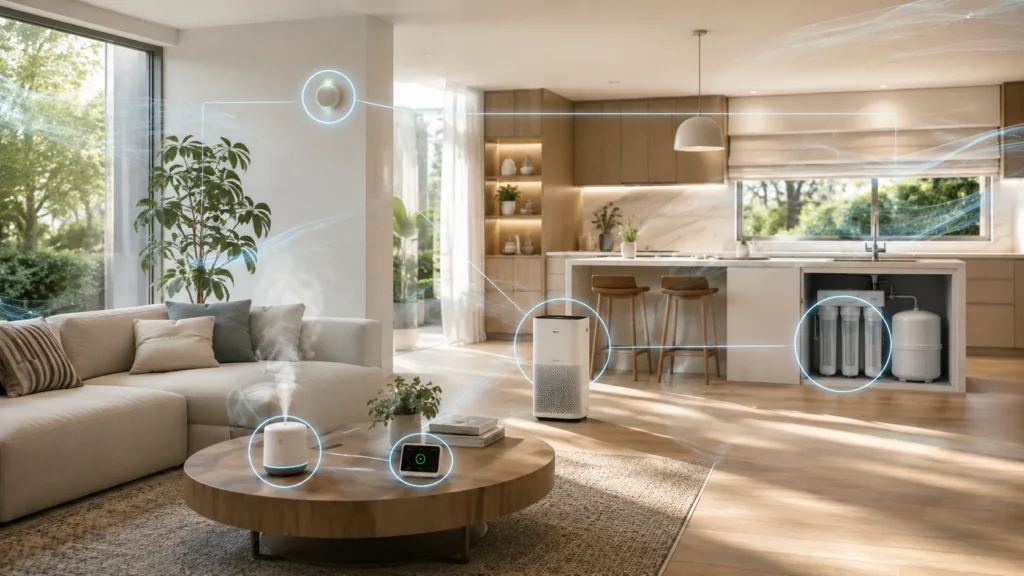
Modern living room and kitchen with smart home air quality devices including an air purifier, humidifier, and water filtration system, connected with visualized blue connectivity lines.

IFA 2026: Air Purification Is Becoming Part of the Healthy-Home Platform

Pre-IFA Industry Perspective | September 4, 2026 This article is based on official announcements and regulatory information available ahead of IFA 2026, which takes place ...
ニュース
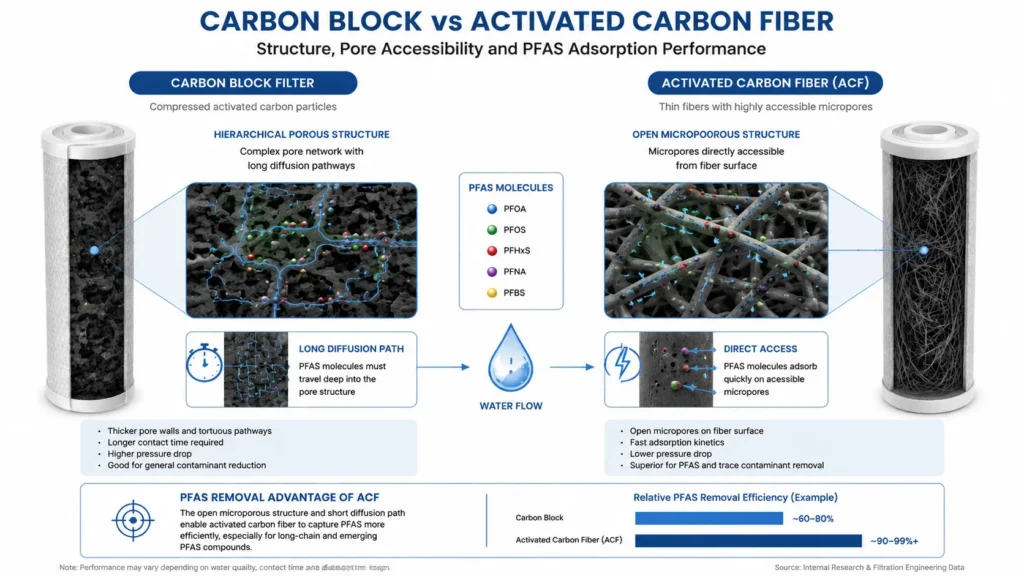
Comparison infographic showcasing the differences between carbon block filter and activated carbon fiber. Detailed diagrams illustrate the hierarchical porous structure of the carbon block with long diffusion paths and the open microporous structure of the activated carbon fiber with direct access for PFAS adsorption.

Carbon Block vs. Activated Carbon Fiber (ACF): Matching Media to Target Contaminants

Two carbon media. Same adsorption chemistry. Very different behaviour in a point-of-use cartridge. If you are specifying a water purifier platform for a PFAS-aware market, ...
ニュース
NSF base listing and ANF private-label certification pathway for OEM water filters

What Is an NSF Master Listing? A Guide to Base Listings, ANF Certification and OEM Water Filters

For a brand preparing to launch an OEM water purifier, one of the most common supplier claims is: “We already have an NSF master listing, ...
News, Water Purifiers
Healthy-home brand team reviewing PFAS water filter certification, test data and product engineering

Entering the Water Category Is Easy. Building a Credible PFAS Claim Is Much Harder

For air purification, appliance and healthy-home brands, entering the water category can look surprisingly easy. A company can select an existing undersink system, customize its ...
ニュース
Contaminant Engineering•3 min read

PFAS Water Filtration Technologies Explained: Carbon, Resin & RO

Key Takeaway:

PFAS reduction depends on the specific compounds present, treatment media, contact time, water chemistry, and system design. Activated carbon, ion exchange, and Reverse Osmosis address PFAS through different mechanisms.

PFAS are a large family of persistent fluorinated compounds that can occur in drinking-water supplies. Their treatment behavior varies significantly by molecular structure, chain length, functional group, concentration, and the chemistry of the source water.

Granular Activated Carbon (GAC) removes PFAS primarily through adsorption. It is generally more effective for many longer-chain PFAS, while shorter-chain compounds tend to break through more quickly. Carbon performance depends on media properties, Empty Bed Contact Time (EBCT), competing organic matter, loading, and replacement frequency.

Ion-exchange resins use charged functional sites to capture many PFAS compounds. Properly selected anion-exchange media can provide high capacity and may perform better than conventional activated carbon for some shorter-chain PFAS, although performance still depends on water chemistry and competing ions.

Reverse Osmosis (RO) uses membrane separation rather than adsorption. Properly designed RO systems can provide broad reduction across many PFAS compounds as well as dissolved salts and other contaminants. Unlike carbon or resin, however, RO also produces a concentrate stream that must be managed.

No single technology should be selected from a PFAS label alone. System design should consider which PFAS compounds are present, their concentrations, required reduction targets, flow rate, media life, and the applicable third-party certification or validation requirements.

HisoAir Water Technical Series
Product Discovery•3 min read

How to Choose an Under-Sink Water Purifier for Modern Kitchens

Key Takeaway:

Match the treatment technology to your water quality first, then evaluate cabinet space, faucet configuration, flow rate, drain and power requirements, and filter replacement needs.

Choosing an under-sink water purifier starts with water chemistry. Carbon filtration is well suited to chlorine, taste, odor, and many organic contaminants, while Reverse Osmosis is more appropriate when dissolved salts, fluoride, nitrates, or broader dissolved contaminants need to be reduced.

For compact kitchens, tankless RO systems eliminate the conventional storage tank and can significantly reduce the space required under the sink. However, membrane capacity stated in GPD does not directly equal faucet flow. When comparing systems, check the actual dispensing flow rate, inlet-pressure requirement, recovery ratio, and whether a booster pump is required.

Installation architecture also matters. Many RO systems require a drain connection, electrical power, and either a dedicated drinking-water faucet or a compatible multi-function faucet. High-flow carbon systems can often connect directly to the existing cold-water line with a simpler installation, but pressure drop and available faucet flow should still be verified.

RO also removes much of the naturally occurring dissolved mineral content. Where taste or mineral balance is a priority, a post-RO remineralization stage can be added. Filter life should be evaluated by both rated capacity and local water quality rather than replacement time alone.

The right system is therefore not simply the smallest or highest-GPD model. It is the configuration that matches the target contaminants, available cabinet space, desired faucet setup, peak dispensing demand, and maintenance expectations.

HisoAir Water Technical Series
Water Quality•2 min read

What Does TDS Mean in Drinking Water? Measurement vs Contaminant Reality

Key Takeaway:

A TDS meter estimates the overall concentration of dissolved ionic substances from electrical conductivity. It cannot identify specific contaminants or determine whether water is chemically safe.

Total Dissolved Solids (TDS) refers to the combined concentration of dissolved substances in water. Most handheld TDS meters do not measure TDS directly. Instead, they measure electrical conductivity (EC) and convert that reading into an estimated parts-per-million (ppm) value.

This means a TDS reading can indicate how much dissolved ionic material is present, but not what that material actually is. Calcium, magnesium, sodium, nitrates, and other dissolved ions can all contribute to conductivity, yet a simple TDS meter cannot distinguish between them.

TDS meters are also not suitable for detecting trace contaminants such as PFAS, many VOCs, pesticides, pharmaceuticals, or disinfection byproducts. These substances may be present at concentrations far below the level needed to noticeably change electrical conductivity.

A low TDS reading therefore does not guarantee safe drinking water, and a higher TDS reading does not automatically indicate contamination. Water-treatment decisions should be based on laboratory testing for specific contaminants of concern rather than TDS alone.

HisoAir Water Technical Series
Technology Selection•2 min read

RO vs UF Water Filtration: Understanding Pore Sizes & Dissolved Minerals

Key Takeaway:

Ultrafiltration can reduce bacteria, turbidity, and suspended particles while retaining most naturally occurring dissolved minerals. Reverse Osmosis provides much broader reduction of dissolved salts and smaller contaminants.

Ultrafiltration (UF) typically uses hollow-fiber membranes with pore sizes in the approximate 0.01–0.1 micron range. These membranes physically retain turbidity, suspended solids, colloids, and many microorganisms while allowing dissolved minerals and salts to remain in the water.

Reverse Osmosis (RO) operates at a much finer separation level. Unlike UF, RO can substantially reduce dissolved ions such as sodium, calcium, fluoride, nitrates, and other contributors to total dissolved solids (TDS). This makes RO more suitable when dissolved-salt reduction is a primary treatment objective.

UF generally requires less system pressure and produces little or no continuous concentrate stream in many point-of-use configurations. RO typically requires greater pressure and produces a reject-water stream, but delivers broader contaminant reduction.

For water with acceptable TDS and mineral content, UF can be a simpler mineral-retaining treatment option. Where dissolved salts, fluoride, nitrates, or broader dissolved contaminants are a concern, RO is generally the more appropriate technology.

HisoAir Water Technical Series
Technology Selection•4 min read

Carbon Block vs Reverse Osmosis: Which Fits Your Need?

Key Takeaway:

Choose RO for dissolved inorganic salts and heavy metals; choose Carbon Block for chemical taste/odor, no wastewater, and high line-pressure flow.

Reverse Osmosis (RO) and Carbon Block filtration represent two fundamentally different treatment methods: membrane separation and adsorption. Understanding these differences helps determine which technology is better suited to a specific water-quality requirement.

Reverse Osmosis uses a semi-permeable membrane with pore sizes of approximately 0.0001 microns. It can significantly reduce dissolved inorganic contaminants such as TDS, fluoride, nitrates, and certain heavy metals. Because water must be forced through the membrane, RO systems require sufficient pressure or a booster pump and generate a concentrated wastewater stream.

Carbon Block filtration relies primarily on adsorption through compressed activated carbon, commonly with nominal pore sizes around 0.5–5 microns. It is highly effective for chlorine, chloramines, VOCs, taste, and odor, while allowing substantially higher direct-flow rates without producing wastewater.

From an operating perspective, Carbon Block systems are generally simpler, require less energy, and avoid the water loss associated with RO. RO involves higher system complexity and operating cost, but provides substantially broader reduction of dissolved contaminants that Carbon Block alone cannot address.

HisoAir Water Technical Series

見積依頼